
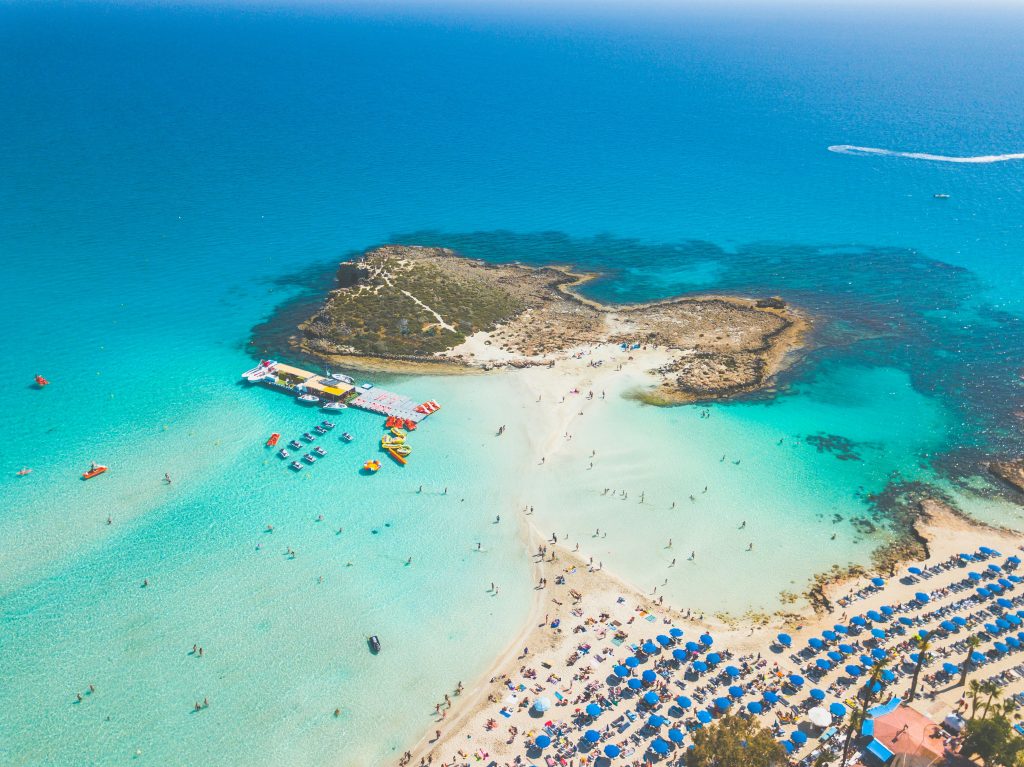
Cyprus is one of the Mediterranean’s most diverse travel destinations. Located at the crossroads of Europe, Asia, and the Middle East, the island combines ancient history, warm beaches, mountain villages, and a relaxed lifestyle that attracts travelers year-round.Many travelers combine Cyprus with other Mediterranean destinations like Greece, Italy, or Spain.
This Cyprus Travel Guide explains everything you need to know before visiting: the best cities, beaches, food, travel costs, transport, weather, cultural tips, and common travel mistakes.Whether you are looking for beach holidays, historic sites, nightlife, or nature, Cyprus offers a balanced Mediterranean experience.
Why Visit Cyprus?
Cyprus stands out because it combines several travel experiences in one destination.
What makes Cyprus special:
• Over 300 days of sunshine per year
• Crystal-clear Mediterranean beaches
• Ancient Greek and Roman archaeological sites
• Traditional mountain villages
• Excellent Mediterranean cuisine
• A relaxed island lifestyle
Compared to many Mediterranean destinations, Cyprus often feels less crowded and more affordable.If you enjoy Mediterranean islands, you might also like destinations such as Santorini, Mykonos, or Skiathos in Greece.
Best Cities & Areas in Cyprus
Limassol
A modern coastal city known for its marina, nightlife, and beachfront promenade.
Highlights:
• Limassol Marina
• Medieval Castle
• Seafront promenade
• Luxury beach clubs
Limassol offers one of the best mixes of modern lifestyle and historic charm on the island.
Nicosia
The capital of Cyprus and the last divided capital city in the world.
Highlights:
• Venetian city walls
• Ledra Street crossing
• Cyprus Museum
• Historic old town
Nicosia feels more cultural and local than the coastal resorts.
Paphos
One of the most historically important areas on the island.
Highlights:
• Paphos Archaeological Park (UNESCO)
• Tombs of the Kings
• Harbor and castle
• Coastal walking paths
Paphos combines history, sea views, and relaxed atmosphere.
Ayia Napa
Cyprus’s most famous beach destination.
Highlights:
• Nissi Beach
• Cape Greco
• Beach clubs and nightlife
• Crystal-clear turquoise water
Ayia Napa attracts young travelers and beach lovers.
Travelers exploring southern Europe often combine Cyprus with cities like Athens or destinations in Italy.
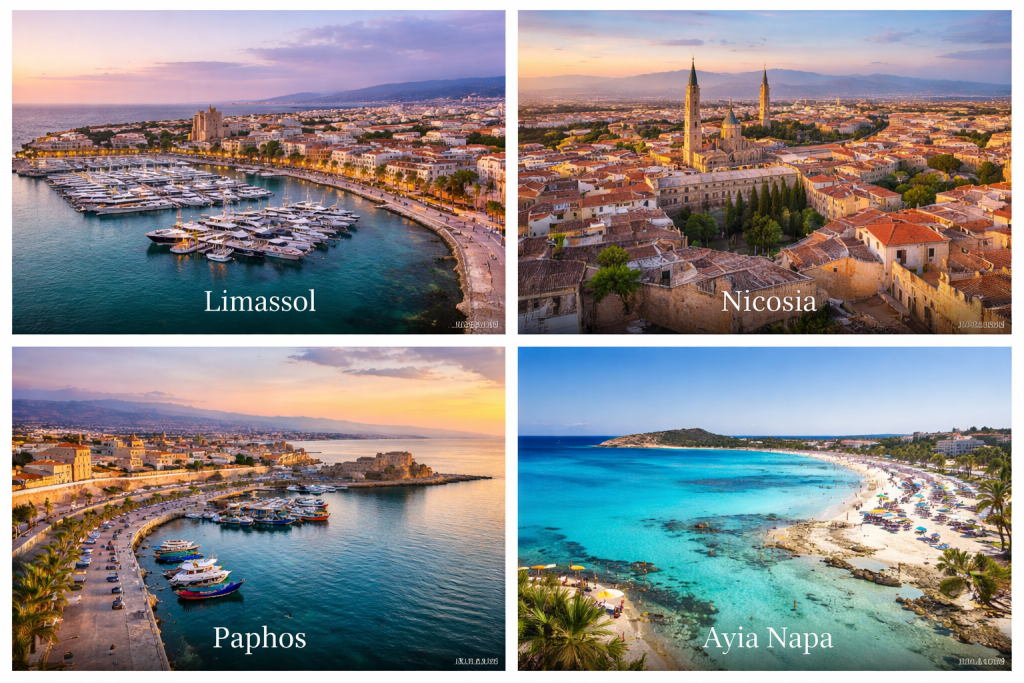
Where to Stay in Cyprus
Limassol – best for nightlife and modern lifestyle
Paphos – best for history and relaxed travel
Ayia Napa – best for beaches and nightlife
Protaras – best for families and calm beaches
Best Beaches in Cyprus
Nissi Beach
One of the most famous beaches in Europe.
Why visit:
Shallow turquoise water and soft white sand.
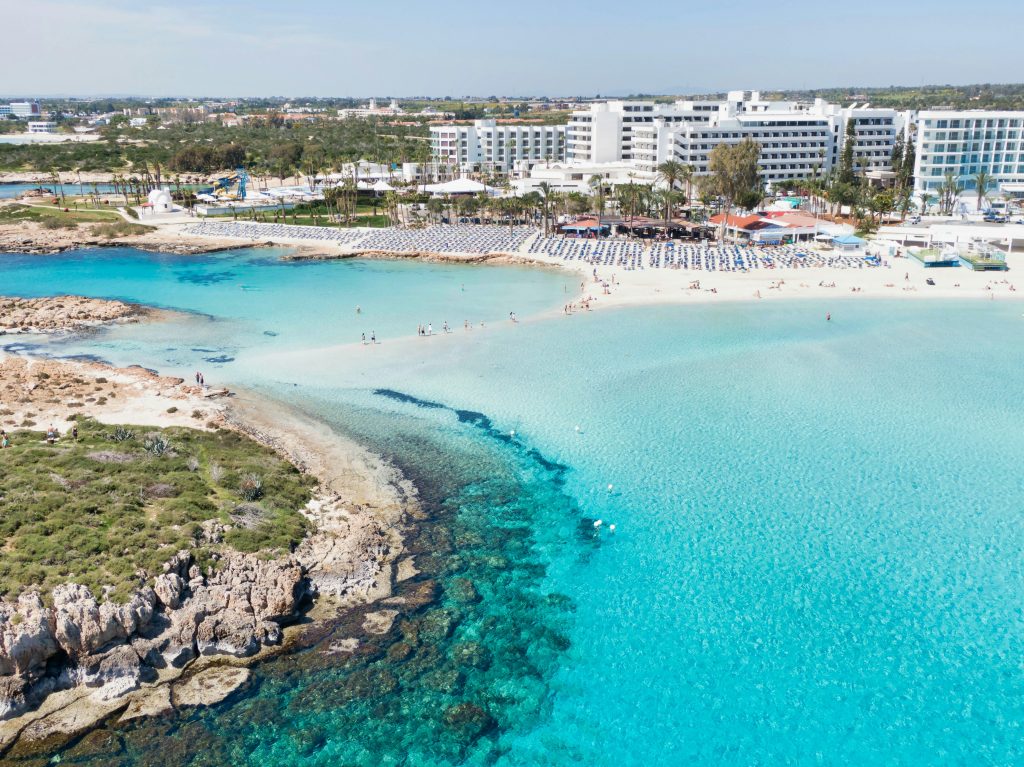
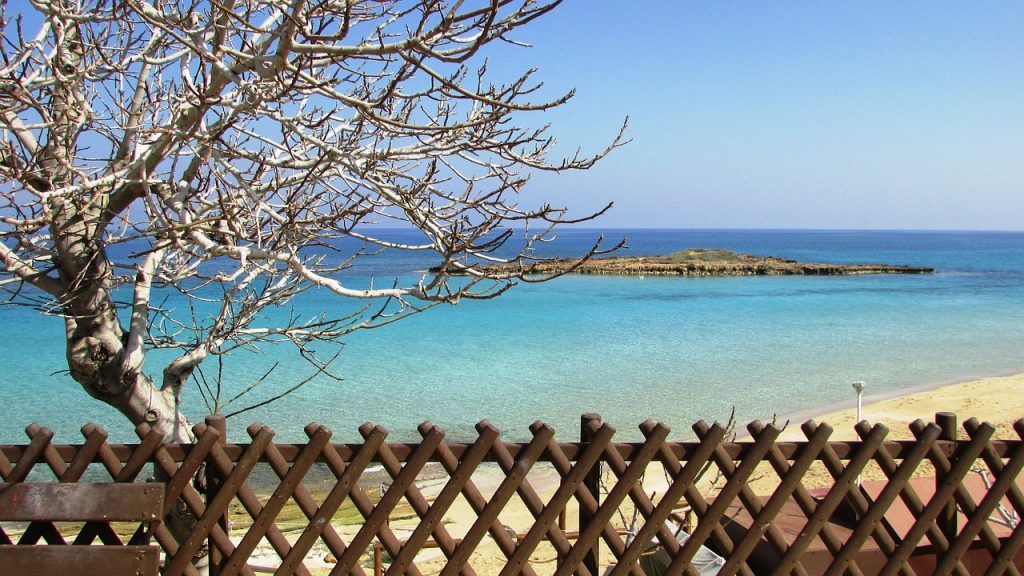
Fig Tree Bay
Located in Protaras and often ranked among the best beaches in the Mediterranean.
Perfect for swimming and relaxing.
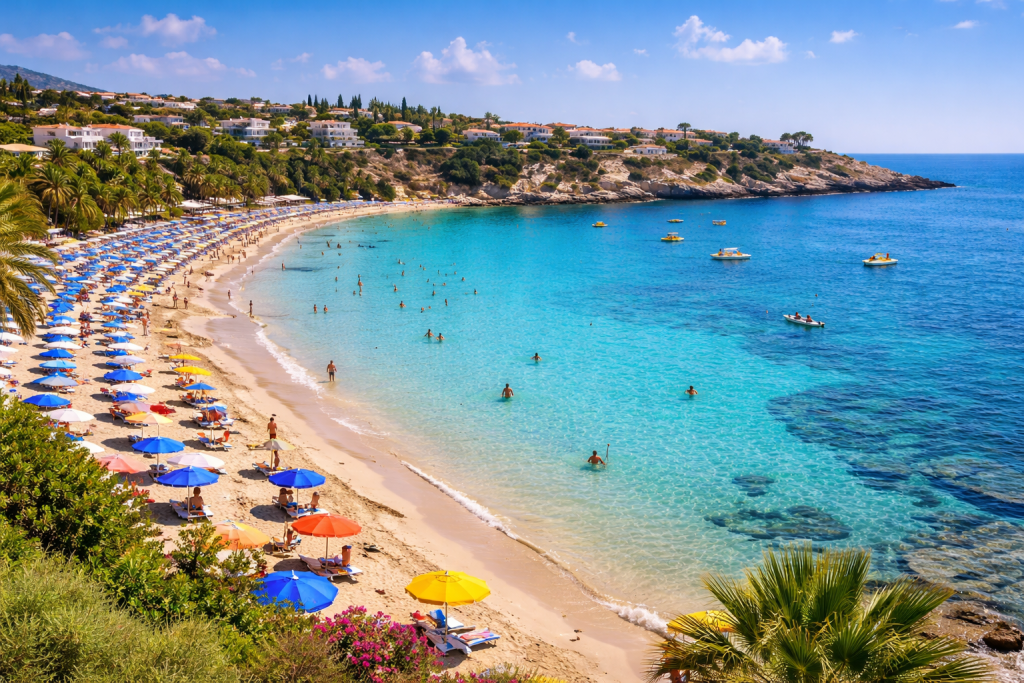
Coral Bay
A beautiful sandy beach near Paphos with calm water.
Ideal for families.
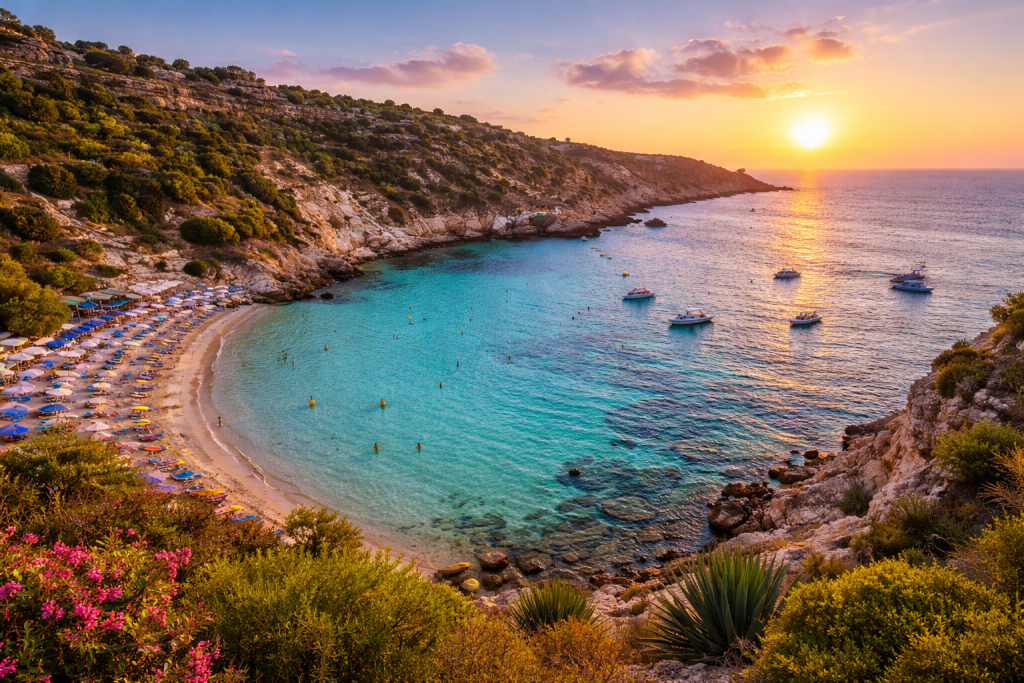
Konnos Bay
A hidden bay between cliffs near Cape Greco.
Perfect for photography and sunset views.
If you enjoy Mediterranean beaches, you may also like coastal destinations such as Sardinia, Amalfi Coast, or the Balearic Islands.
Things to See in Cyprus
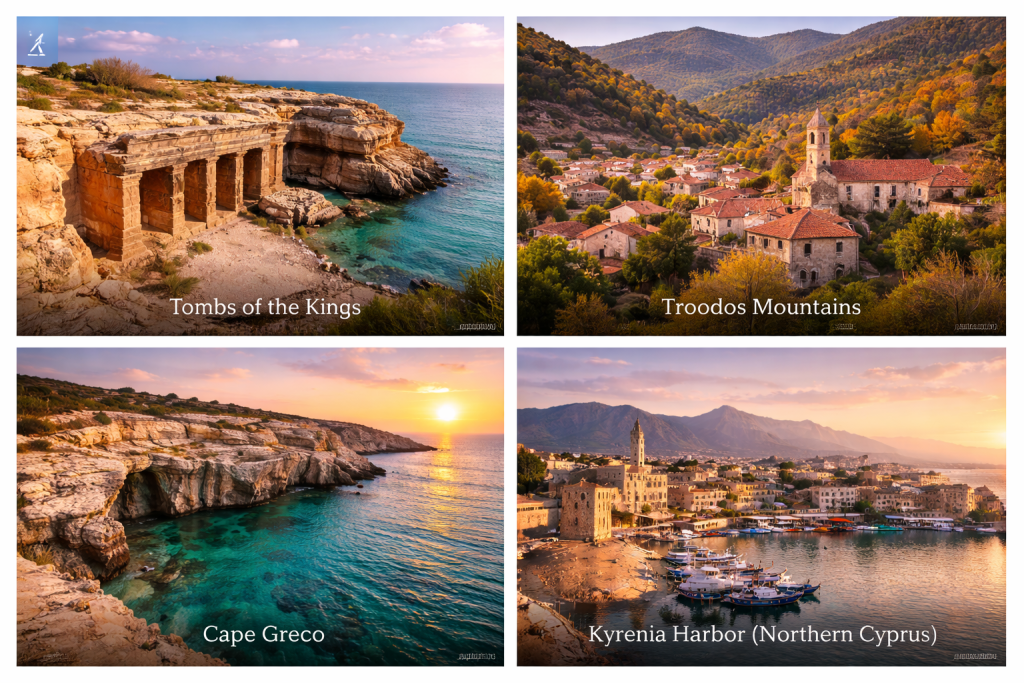
Tombs of the Kings
An ancient necropolis carved into rock dating back over 2,000 years.
Troodos Mountains
A mountain region filled with villages, hiking trails, and Byzantine monasteries.
Best experience:
Drive through villages like Omodos and Kakopetria.
Cape Greco
A national park known for sea caves and dramatic coastal cliffs.
Perfect for:
• Hiking
• Sunset views
• Photography
Kyrenia Harbor (Northern Cyprus)
A picturesque harbor surrounded by mountains and historic architecture.
Travelers interested in historic European destinations may also enjoy places like Rome, Paris, or Provence.
Getting Around Cyprus (Transport Guide)
Understanding transportation in Cyprus is important because public transport is limited outside major cities. Most travelers explore the island by car.
Rental Car (Best Option)
Renting a car is the easiest and most flexible way to explore Cyprus.
Advantages:
• Freedom to visit beaches and mountain villages
• Easy access to Troodos Mountains and Cape Greco
• Affordable daily rental prices
Important tips:
• Driving is on the left side of the road
• Roads are generally in excellent condition
• Parking is widely available outside city centers
For travelers planning to explore the island, a rental car is highly recommended.
Buses
Public buses connect major cities such as:
• Limassol
• Nicosia
• Paphos
• Ayia Napa
However:
• Buses are slower than driving
• Limited schedules in rural areas
• Not ideal for visiting beaches or mountain villages
They are best for budget travelers staying in cities.
Taxis
Taxis are available in all cities and tourist areas.
Useful for:
• Airport transfers
• Short city trips
However, long-distance taxi rides can be expensive.
Intercity Buses
Cyprus also has intercity buses connecting the main cities.
Typical travel times:
Limassol → Paphos: ~1 hour
Limassol → Nicosia: ~1 hour
Nicosia → Ayia Napa: ~1.5 hours
Tickets are usually inexpensive.
Transport Tips for Cyprus
• Rent a car if you want to explore beaches and mountains
• Avoid driving in city centers during rush hour
• Use buses if staying in one main resort area
• Always check parking signs in cities
• Book rental cars early during summer season
Getting From the Airport
Cyprus has two main international airports:
• Larnaca Airport (LCA) – closest to Ayia Napa and Nicosia
• Paphos Airport (PFO) – closest to Paphos and western Cyprus
From the airport you can travel by:
• taxi
• airport shuttle
• rental car
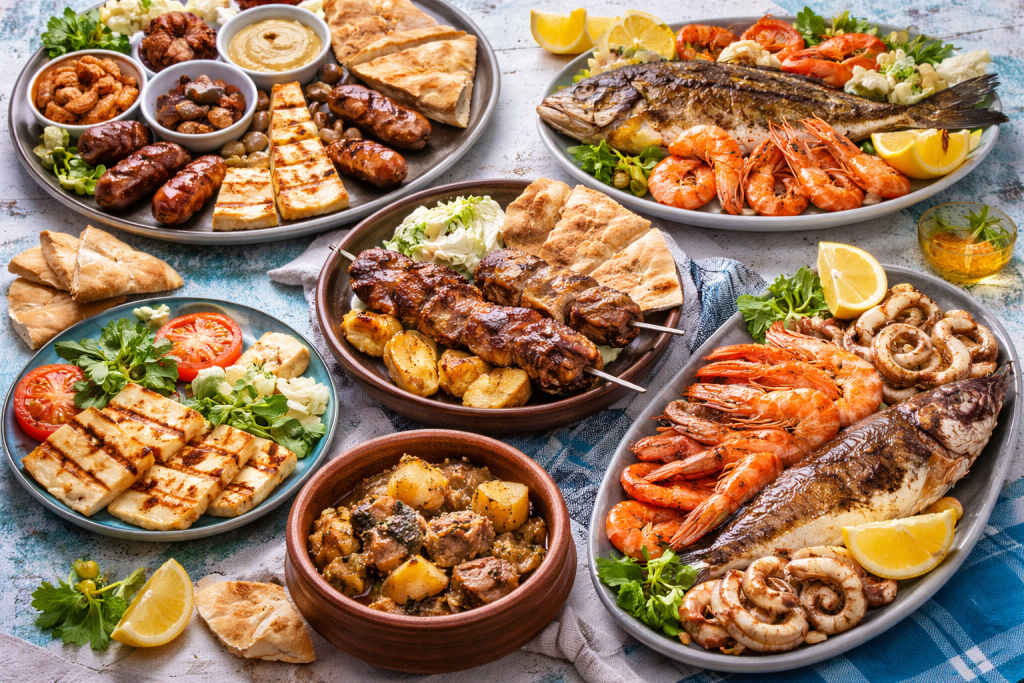
Cyprus Food You Must Try
Cypriot cuisine blends Greek, Turkish, and Middle Eastern influences.
Must-try dishes:
Meze
A large selection of small dishes served together.
Halloumi
Cyprus’s famous grilled cheese.
Souvla
Slow-roasted meat cooked over charcoal.
Kleftiko
Lamb cooked slowly in a clay oven.
Fresh seafood
Grilled fish, octopus, and calamari.
Meals in Cyprus are long, social, and relaxed.
Famous Restaurants & Taverns in Cyprus
- Pyxida Fish Tavern (Limassol) – едно од најпознатите места за свежа риба и морска храна.
- To Anamma (Paphos) – традиционална кипарска таверна со меѕе и локални јадења.
- Artima Bistro (Nicosia) – помодерно место со Mediterranean food и убав амбиент.
- Vino Cultura (Limassol) – познато за вино и Mediterranean dishes.
- Ocean Basket (повеќе локации) – популарно и поевтино место за seafood.
- Karatello Tavern (Nicosia) – добро познато по традиционална кипарска храна и grilled dishes.
Best food areas in Cyprus
- Limassol Marina – модерни ресторани
- Nicosia Old Town – традиционални таверни
- Paphos Harbor – seafood places
- Ayia Napa – beach bars и ресторани
Travel Costs in Cyprus
Accommodation (per night)
Budget: €40–70
Mid-range: €90–160
Luxury: €220+
Food (per day)
Budget: €15–25
Comfortable: €30–50
Fine dining: €70+
Activities
Beaches: free
Museums: €4–10
Boat tours: €30–70
Cyprus can be moderately priced compared to other Mediterranean islands.
Best Time to Visit Cyprus
Spring (March–May)
20–27°C
Perfect weather for sightseeing.
Summer (June–August)
28–35°C
Best for beaches but very hot inland.
Autumn (September–October)
Warm sea and fewer tourists.
Winter (November–February)
15–20°C
Quiet season and great for exploring villages.
If you are planning a longer trip through southern Europe, consider destinations like Portugal, Spain, or France.
Getting Around Cyprus
The best way to explore the island is by rental car.
Options:
• Rental car – most flexible
• Buses – limited between cities
• Taxis – available but expensive for long distances
Driving is on the left side of the road.
Common Tourist Mistakes
• Staying only in one resort
• Skipping mountain villages
• Visiting beaches only at midday
• Not renting a car
• Ignoring the historic sites
Cyprus offers far more than just beach resorts.
Practical Travel Tips for Cyprus
Traveling in Cyprus is generally easy and relaxed, but a few simple tips can make your trip much smoother.
Drive on the left side
Cyprus follows the British driving system, so cars drive on the left side of the road.
Rent a car for full exploration
Public transport is limited. Renting a car is the best way to visit beaches, mountain villages, and national parks.
Visit beaches early in summer
Popular beaches like Nissi Beach can get crowded. Early morning or late afternoon is the best time to visit.
Carry sunscreen and water
Cyprus has strong Mediterranean sun, especially from June to September.
Dress respectfully at monasteries and churches
Some religious sites require covered shoulders and knees.
English is widely spoken
Most locals speak English, making communication easy for travelers.
Try local tavernas instead of tourist restaurants
Small family-run tavernas usually offer the most authentic Cypriot food.
Cash is still useful
Cards are accepted almost everywhere, but some smaller villages prefer cash.
Tap water is safe in cities
However, many locals still prefer bottled water.
Explore beyond the beaches
Many travelers only visit resorts, but Cyprus also has beautiful mountain villages, wineries, and historic sites.
Safety in Cyprus
Cyprus is considered one of the safest destinations in Europe.
Travel tips:
• Normal awareness in tourist areas
• Tap water generally safe
• English widely spoken
Crime rates are very low.
Best Photo Spots in Cyprus
• Nissi Beach turquoise water
• Sea caves at Cape Greco
• Limassol Marina at sunset
• Troodos mountain villages
• Paphos harbor
How Many Days Do You Need in Cyprus?
3–4 days – highlights
5–7 days – relaxed trip
8–10 days – full island exploration
Cyprus Itinerary
5 Day Cyprus Itinerary
Day 1 – Limassol & Marina
Day 2 – Troodos Mountains
Day 3 – Paphos archaeological sites
Day 4 – Nissi Beach & Ayia Napa
Day 5 – Cape Greco & sea caves
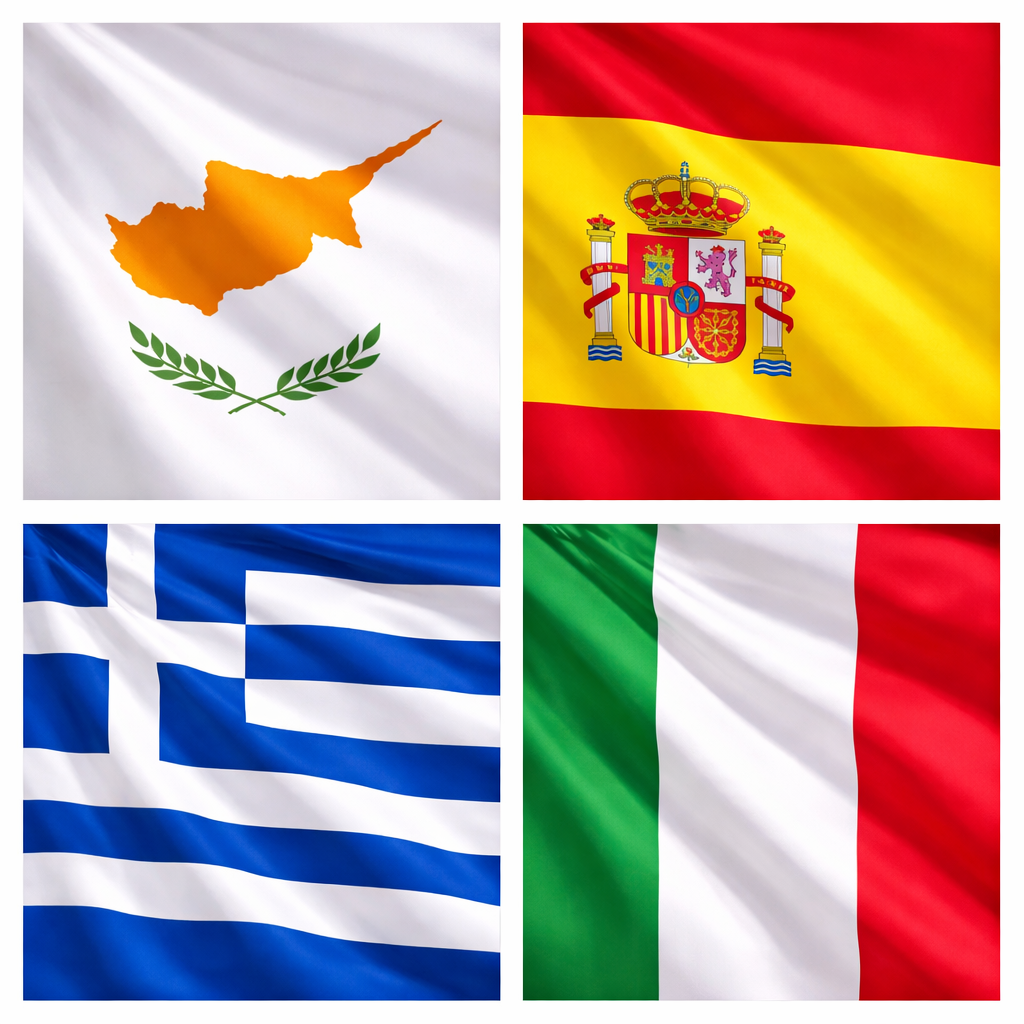
Cyprus vs Other Mediterranean Islands
Cyprus vs Greece
Both Cyprus and Greece offer beautiful Mediterranean beaches, but Cyprus often feels quieter and less crowded.
Cyprus vs Spain
Spain has more large cities and nightlife, while Cyprus is more focused on beaches and relaxed island life.
Cyprus vs Italy
Italy feels more historic and cultural, while Cyprus stands out for its warmer weather and beach lifestyle.
Cyprus FAQ
Is Cyprus expensive?
Cyprus is moderately priced compared to other Mediterranean islands.
Is Cyprus safe for tourists?
Yes, Cyprus is one of the safest destinations in Europe.
Do people speak English in Cyprus?
Yes, English is widely spoken across the island.
Which side of Cyprus should tourists visit?
Most travelers visit the southern part (Republic of Cyprus).
Explore More Mediterranean Travel Guides
Final Thoughts
Cyprus is more than a beach destination.
It offers history, landscapes, food culture, and a Mediterranean lifestyle that encourages travelers to slow down and enjoy the moment.
If you are looking for sunshine, ancient history, great food, and crystal-clear water, Cyprus is one of the most rewarding islands in the Mediterranean.Many travelers exploring the Mediterranean also visit places like Madeira, the Canary Islands, or the Algarve coast.