This Italy Travel Guide explains why Italy is not a single destination but a country of many distinct worlds.Traveling through Italy feels like moving between different countries that share one language and history.
From ancient ruins and Renaissance masterpieces to mountain villages, coastlines, islands, and legendary food, Italy offers one of the most complete travel experiences anywhere in the world.Many travelers begin their journey in Rome, continue through the countryside of Tuscany, explore the dramatic coastline of the Amalfi Coast, and then visit the islands of Sicily or Sardinia.
This ultimate Italy travel guide explains everything you need to know before visiting — how to choose the right region, where to go, how to eat like locals, transportation tips, costs, seasons, cultural rules, hidden details, common mistakes, and how to truly experience Italy.
Why Italy Is One of the World’s Best Travel Destinations
Italy continues to attract millions of travelers every year for reasons that go far beyond famous landmarks.
- One of the richest historical legacies on Earth
- Deeply regional cuisine with world-class ingredients
- Iconic cities alongside authentic small towns
- Mountains, lakes, beaches, islands, and countryside
- A lifestyle focused on enjoyment, food, and human connection
For this reason, the country works equally well for first-time visitors and for travelers who return again and again.
Italy Is Extremely Regional (This Is Critical to Understand)
Italy does not function as one uniform country when it comes to daily life, food, traditions, or rhythm. Each region feels different, and this shapes the travel experience.
Northern Italy
More structured, efficient, and influenced by Central Europe.
Known for fashion, finance, alpine landscapes, lakes, and modern cities.
Central Italy
The historical and artistic core of the country.
Renaissance cities, museums, vineyards, rolling hills, and cultural landmarks dominate this area.
Southern Italy
More emotional, chaotic, warmer, and deeply authentic.
This is where you find Italy’s strongest traditions, bold flavors, dramatic coastlines, and legendary pizza.
Italian Islands (Sicily & Sardinia)
Culturally distinct from the mainland.
Unique history, food traditions, beaches, and a slower pace of life.While Sicily is known for volcanoes, ancient civilizations, and bold cuisine, Sardinia is famous for turquoise water, wild landscapes, and some of the most beautiful beaches in Europe.
Understanding these differences makes traveling through Italy far more enjoyable and less frustrating.
Italy Travel Guide: Which Region Should You Choose?
Northern Italy (Milan, Venice, Dolomites)
Elegant, modern, and visually striking.
Milan is Italy’s fashion and business capital, Venice is one of the most unique cities in the world, and the Dolomites offer exceptional hiking and skiing.
Central Italy (Rome, Florence, Tuscany)
The heart of Italian history and art.
Ancient ruins, Renaissance masterpieces, wine roads, medieval towns, and countryside living define this region.Travelers exploring central Italy often start with Rome and then continue into the rolling countryside of Tuscany.
Southern Italy (Naples, Amalfi Coast, Sicily, Puglia)
Raw, intense, and unforgettable.This region includes dramatic destinations such as the Amalfi Coast and the island of Sicily, both known for powerful landscapes and strong cultural identity.
This is where Italy feels most alive, with incredible beaches, bold food, and powerful local identity.
Most Visited Cities and Regions in Italy
Rome
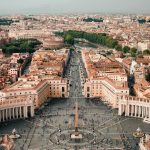
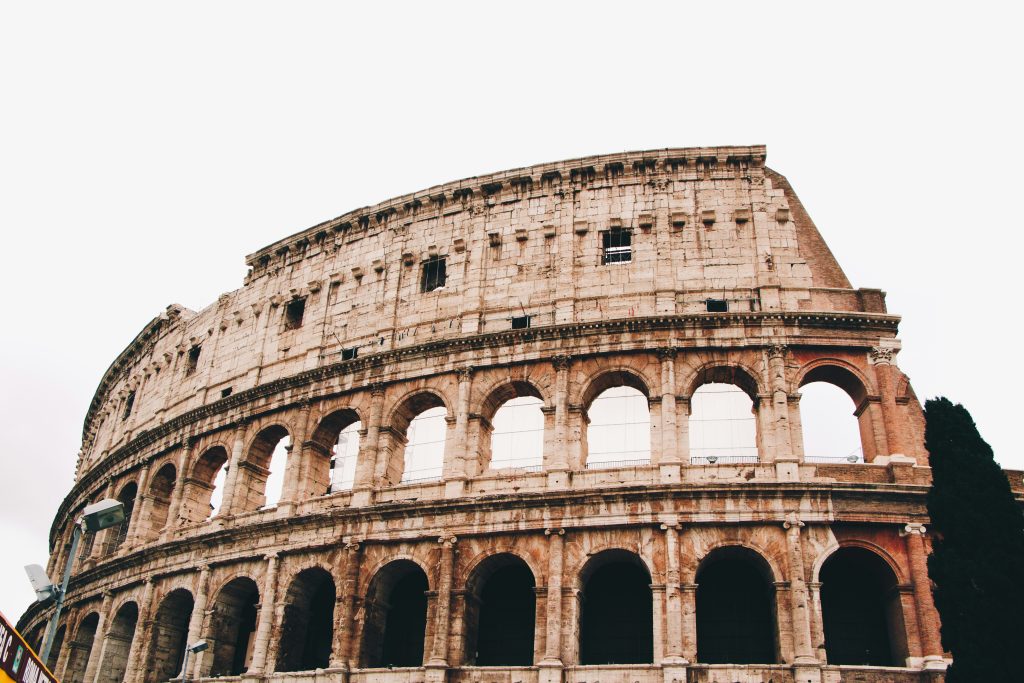
The historic center of the ancient world, filled with ruins, museums, Vatican City, fountains, and layered history.Read the full Rome Travel Guide for detailed tips on neighborhoods, food, transport, and planning your visit.
Florence & Tuscany
Renaissance art, medieval streets, vineyards, olive groves, and scenic countryside.The region’s vineyards, hill towns, and Renaissance art are explored in depth in the Tuscany Travel Guide.
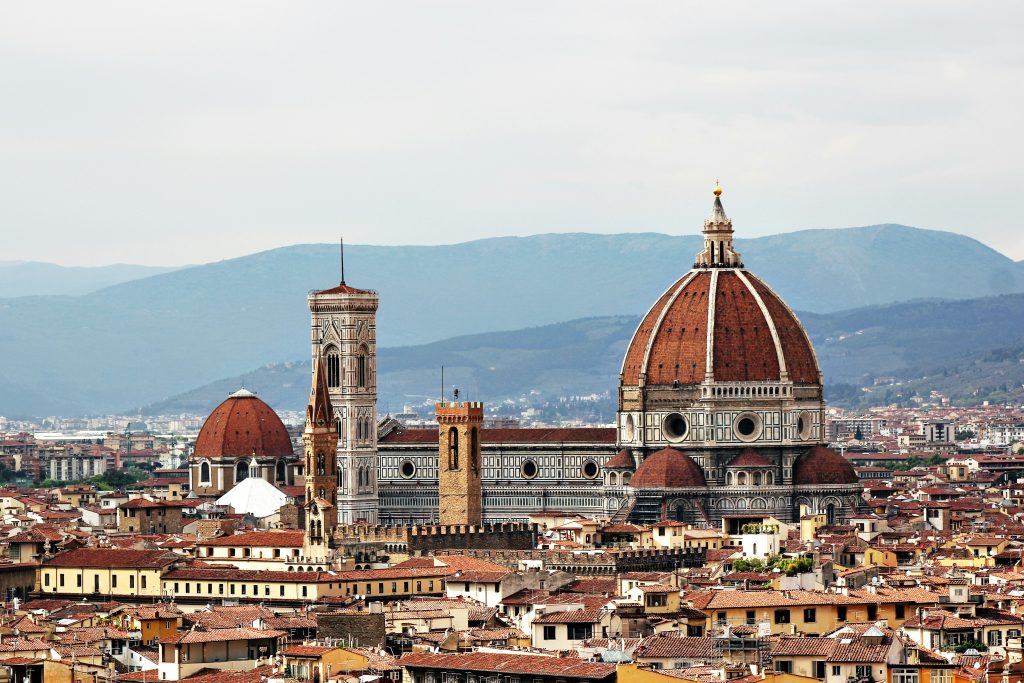
Venice
A city built entirely on water, famous for canals, bridges, and unique urban design.
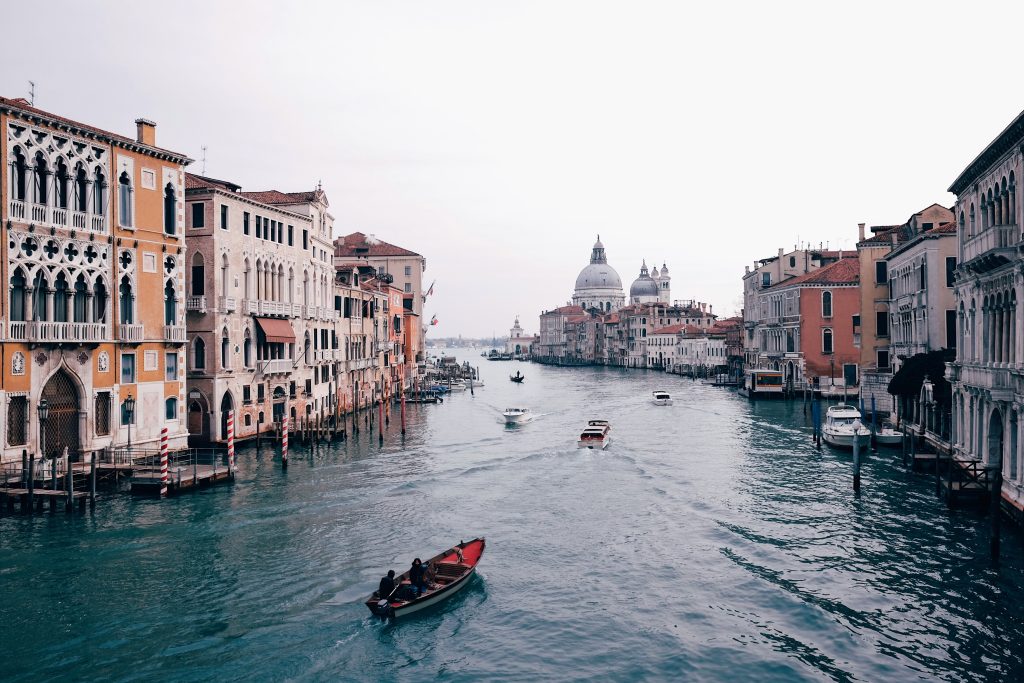
Milan
Italy’s capital of fashion, finance, and modern lifestyle.
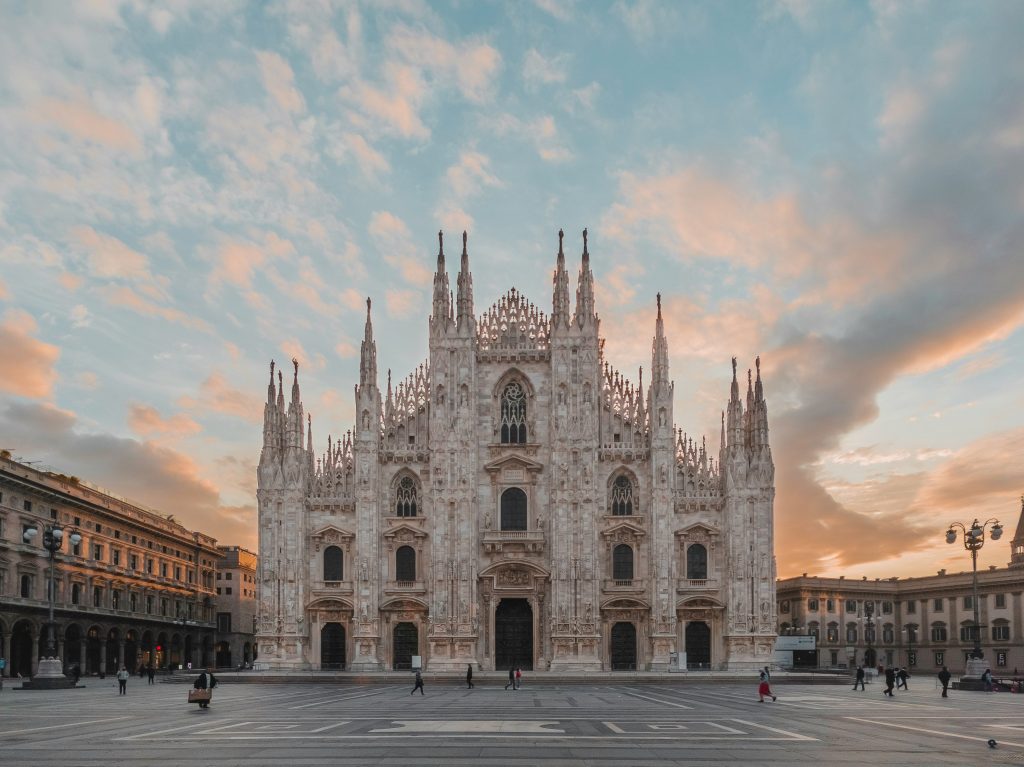
Naples & Amalfi Coast
Chaotic, emotional, and unforgettable — home of pizza and dramatic coastal views.The dramatic cliffside villages and coastal views are explained in the complete Amalfi Coast Travel Guide.
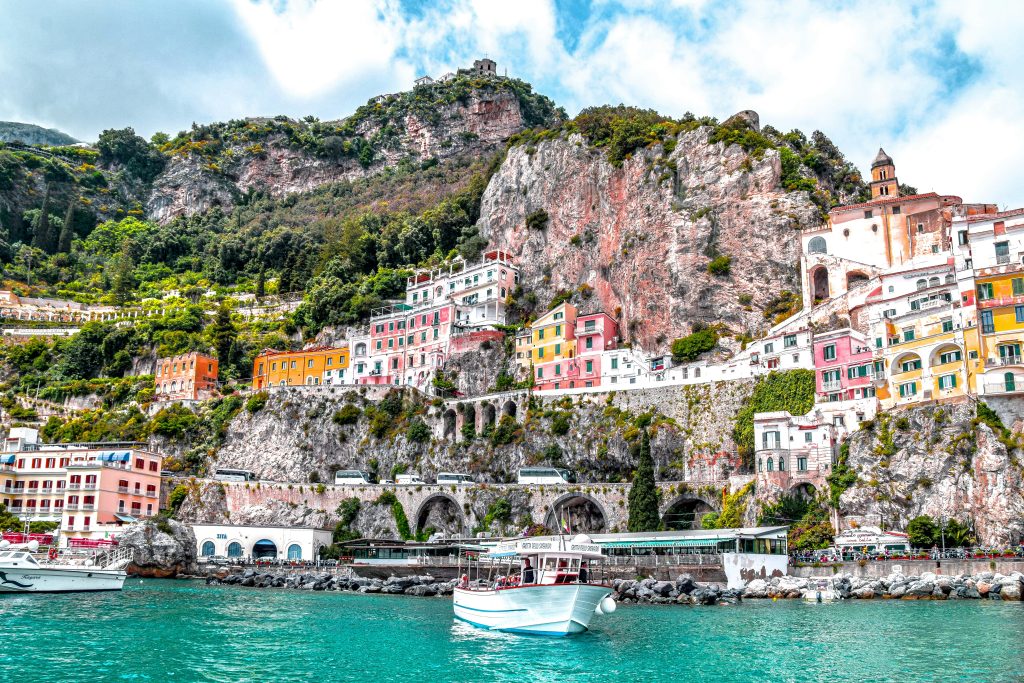
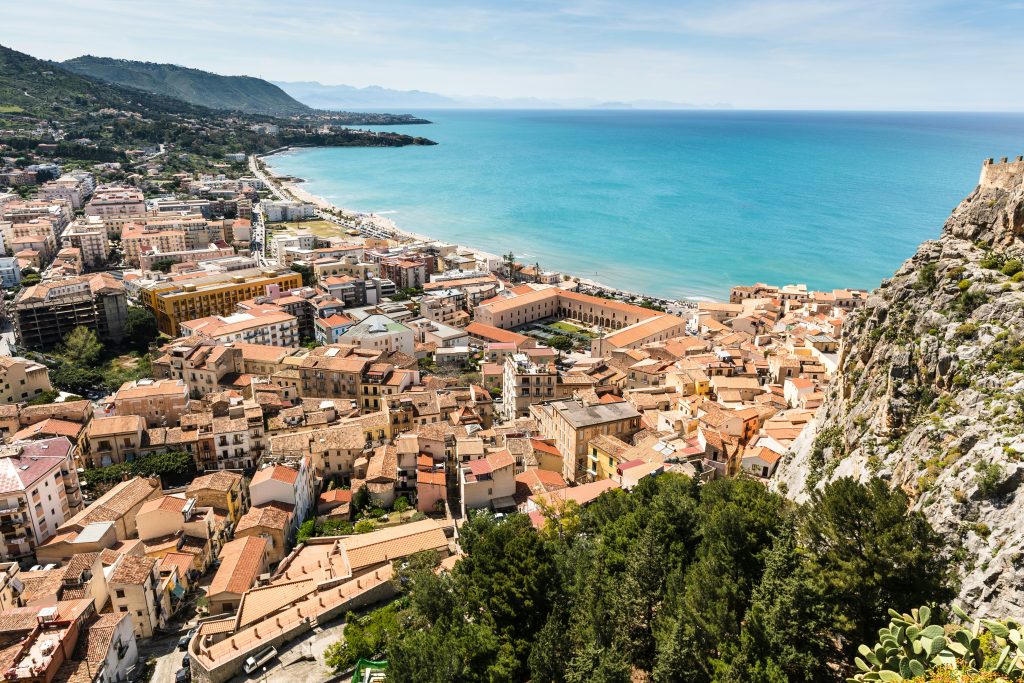
Sicily
Volcanoes, baroque cities, and powerful food culture make Sicily one of Italy’s most unforgettable regions — explore the full Sicily Travel Guide.
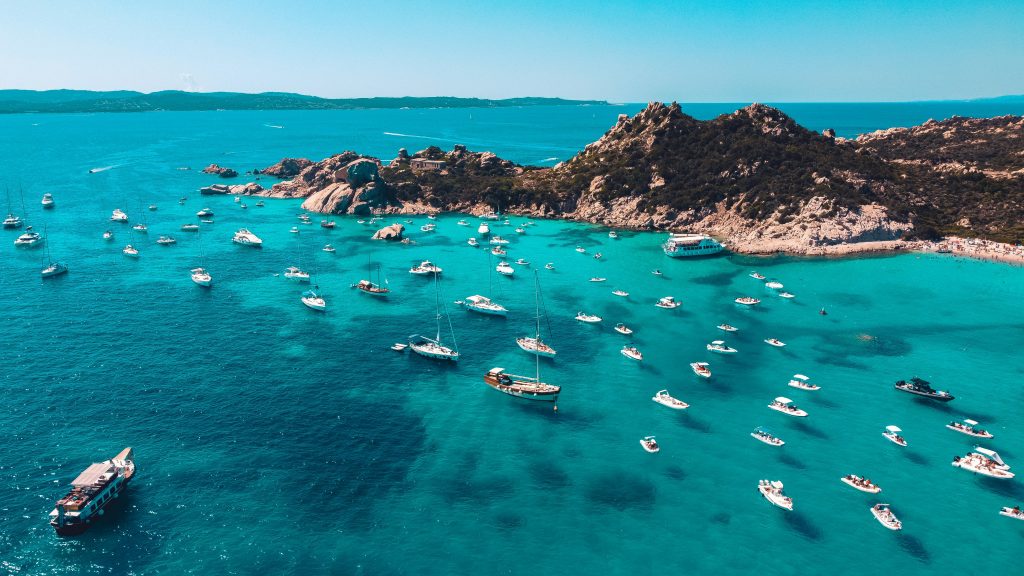
Sardinia
Crystal-clear water, white-sand beaches, and a slower island rhythm.For beach lovers and island road trips, the detailed Sardinia Travel Guide explains where to stay and which regions to explore.
Italian Food: What You Must Understand (Not Just Taste)
There is no single “Italian cuisine.” Food in Italy is deeply regional.
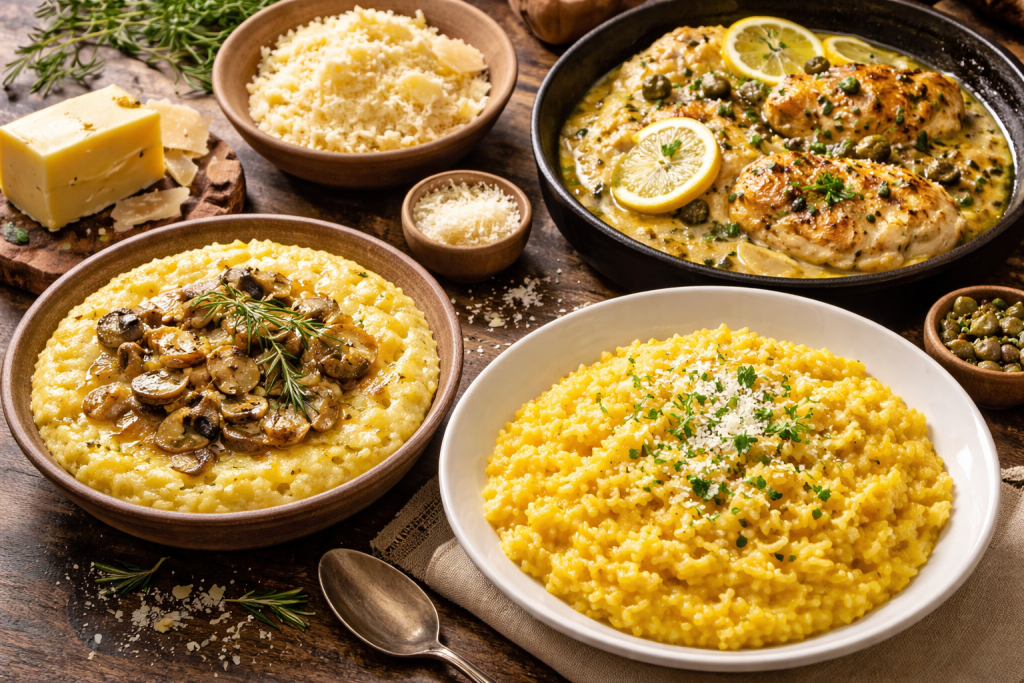
- Northern Italy: risotto, polenta, butter-based dishes
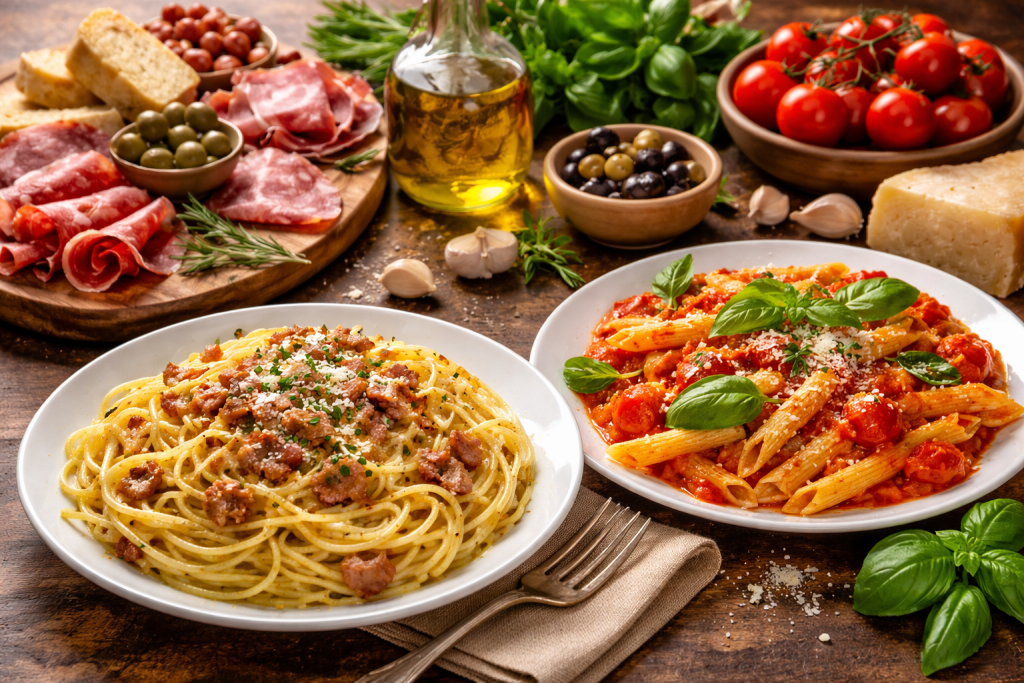
- Central Italy: pasta, olive oil, tomatoes, cured meats
- Southern Italy: pizza, vegetables, seafood, bold flavors
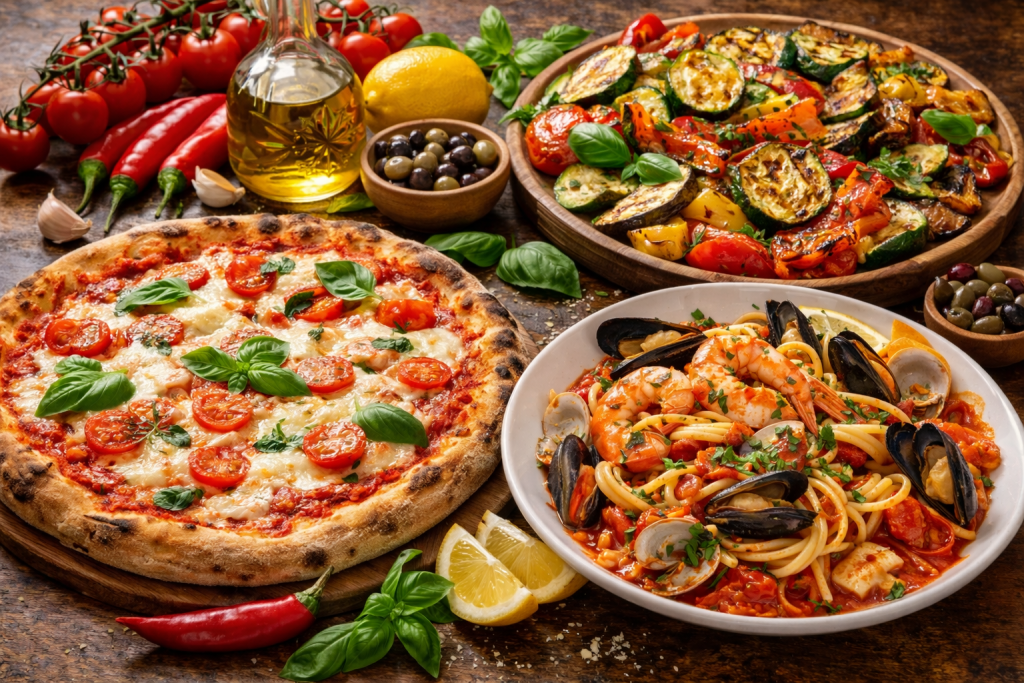
- Islands: seafood, unique cheeses, desserts, local traditions
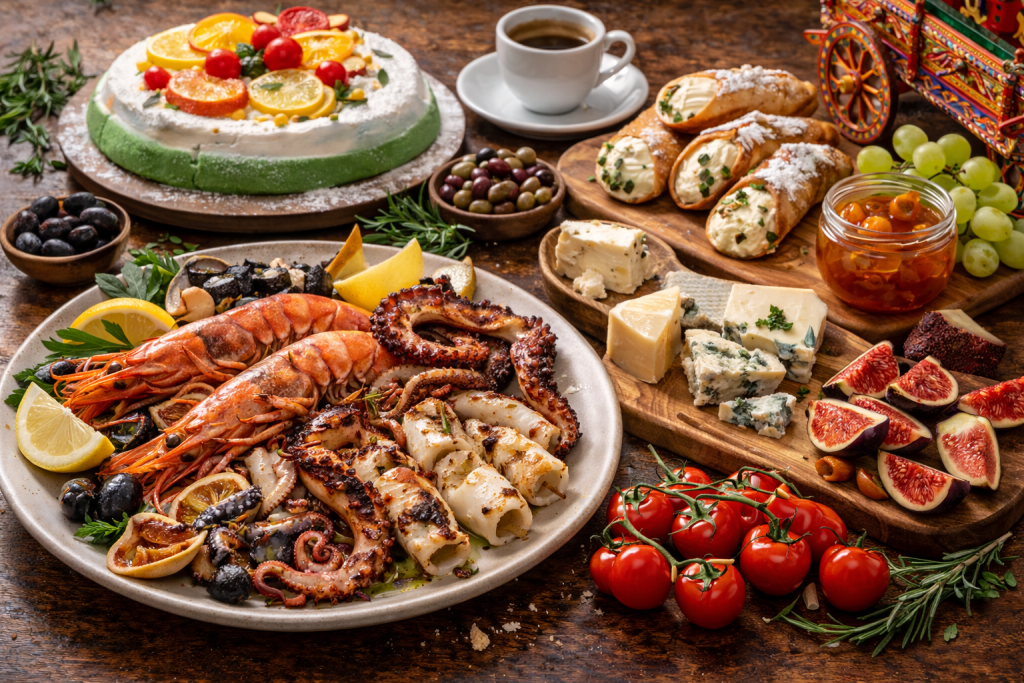
Food is central to Italian identity, and social rules around eating matter.
Italian Food Rules (To Avoid Embarrassing Mistakes)
- Cappuccino is a morning drink only, usually before 11:00
- Ketchup on pasta does not exist
- Parmesan is never added to seafood pasta
- “Coperto” (table charge of 2–3€) is normal and expected
- The best pizza comes from Naples — Margherita is the classic
- Pineapple pizza is not accepted in Italy
Meals are slow, social, and meant to be enjoyed without rushing.
Iconic Italian Dishes by Region
- Neapolitan pizza (Naples)
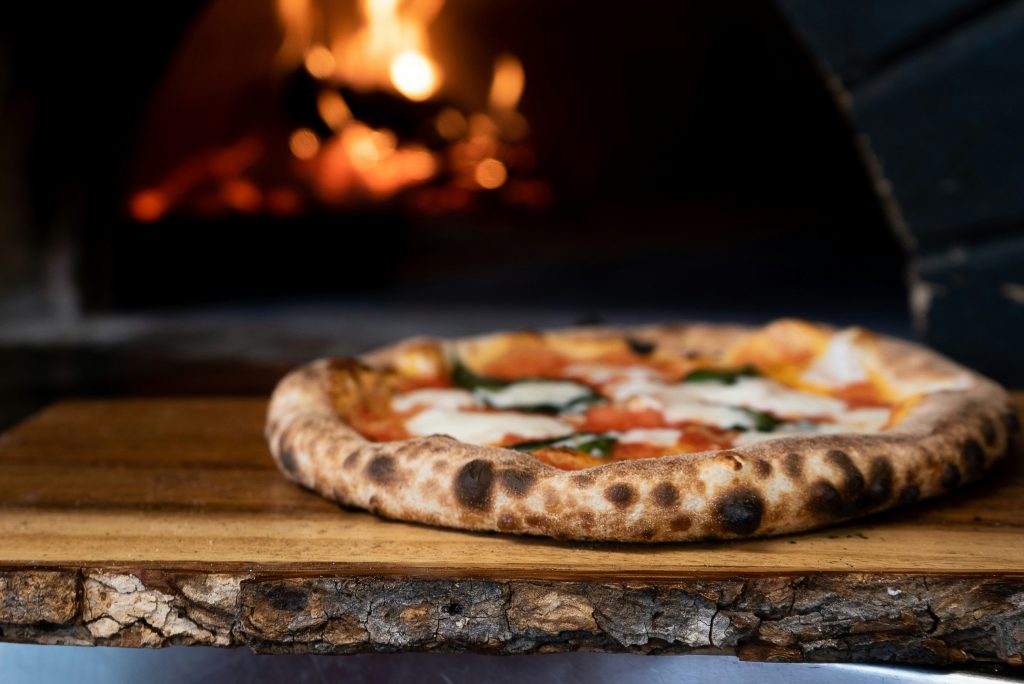
- Carbonara, Amatriciana, Cacio e Pepe (Rome)
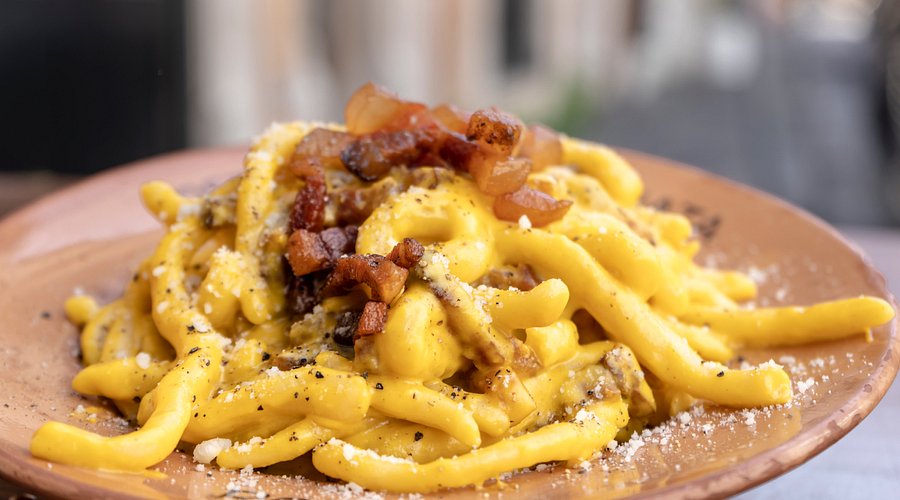
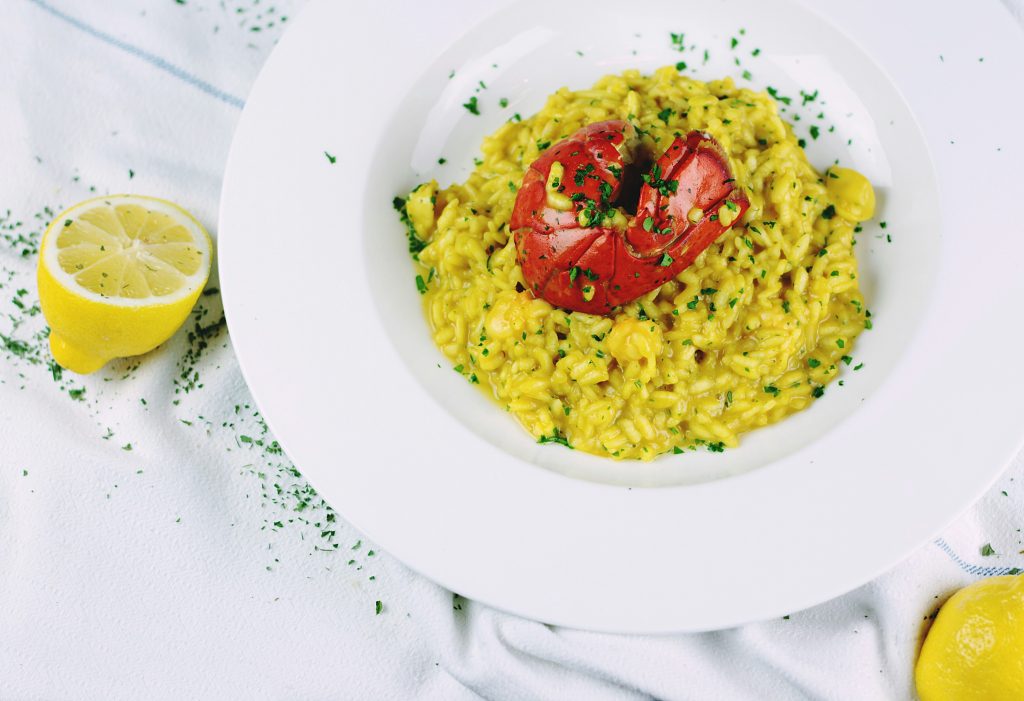
- Risotto alla Milanese (Milan)
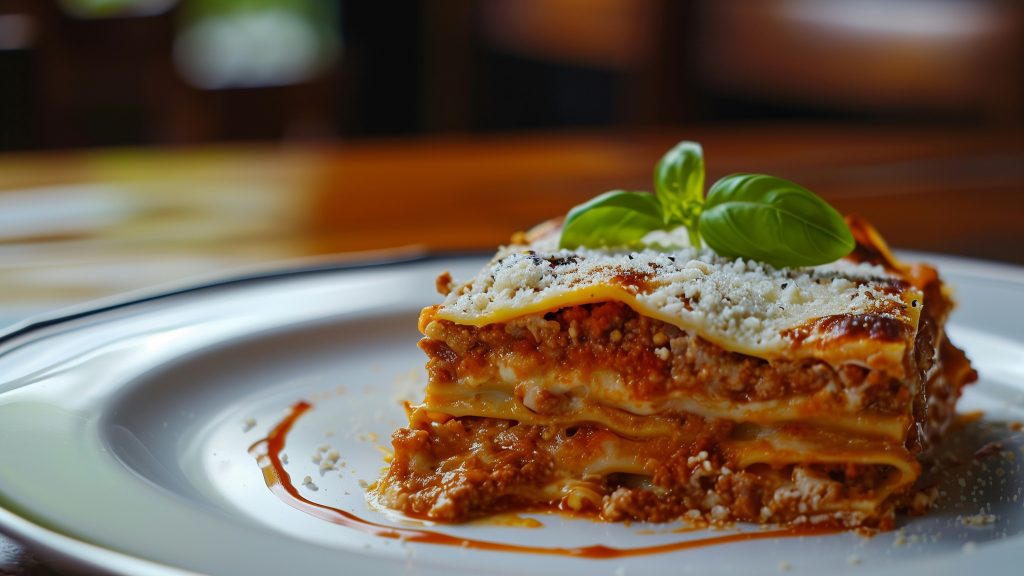
- Lasagna and ragù (Bologna)
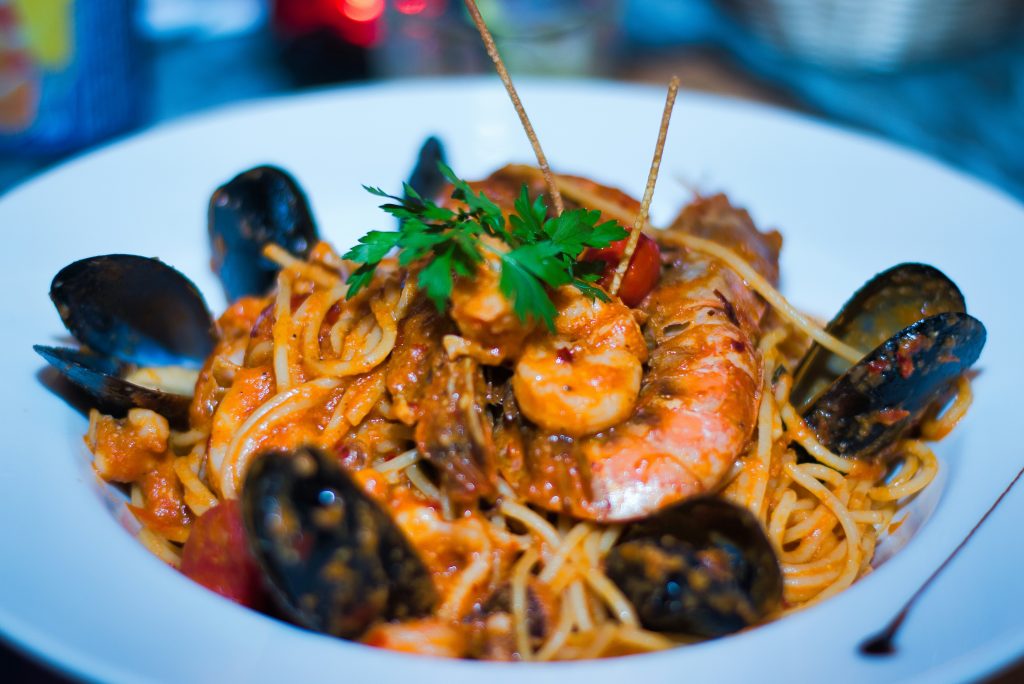
- Seafood pasta (coastal areas)
- Gelato everywhere

Italian cooking focuses on ingredient quality rather than complexity.
Italy Travel Guide: Transportation & Getting Around
Trains
The most efficient way to travel between cities.
High-speed trains connect Rome, Florence, Milan, Naples, and Venice.
Important note:
Paper tickets for local trains or buses must be validated before boarding. Failure to do so can result in fines of around €50.
Cars
Ideal for countryside, villages, islands, and coastal exploration.
Not recommended for large cities.
Public Transport
Reliable in major cities but limited in rural areas.
Walking
Many Italian cities are best explored on foot.
Major Attractions & How to Avoid Crowds
- Colosseum and Vatican City require advance booking
- Trevi Fountain is best visited around sunrise
- Uffizi Gallery in Florence almost always requires online tickets
Early mornings and reservations are essential in Italy.
Daily Life Tips You Need to Know
Riposo (Midday Break)
Between 13:00 and 16:00, many shops and small restaurants close, especially outside tourist areas.
Free Drinking Water
Many cities, particularly Rome, have public fountains with cold, clean water. Carry a reusable bottle and refill for free.
Aperitivo Culture
Between 18:00 and 19:00, ordering a drink often includes complimentary snacks or small buffet food.
Pickpockets
Be cautious in crowded areas and metro systems, especially in Rome and Naples.
Three Places Almost Everyone Loves in Italy
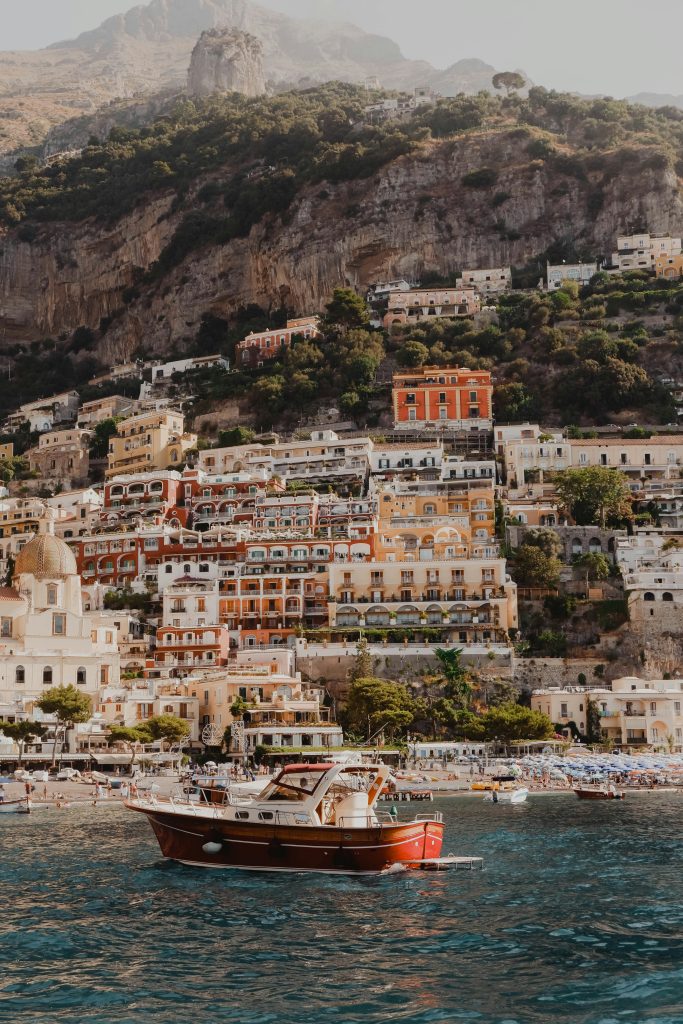
Positano (Amalfi Coast)
One of the most photographed locations in the world, with colorful houses cascading toward the sea.
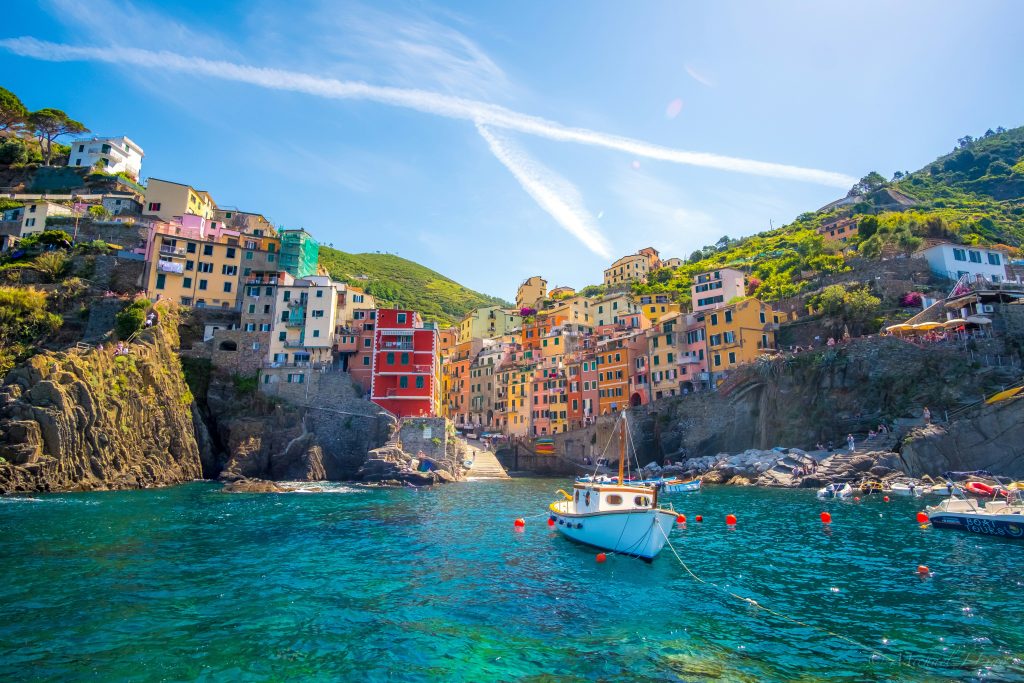
Cinque Terre
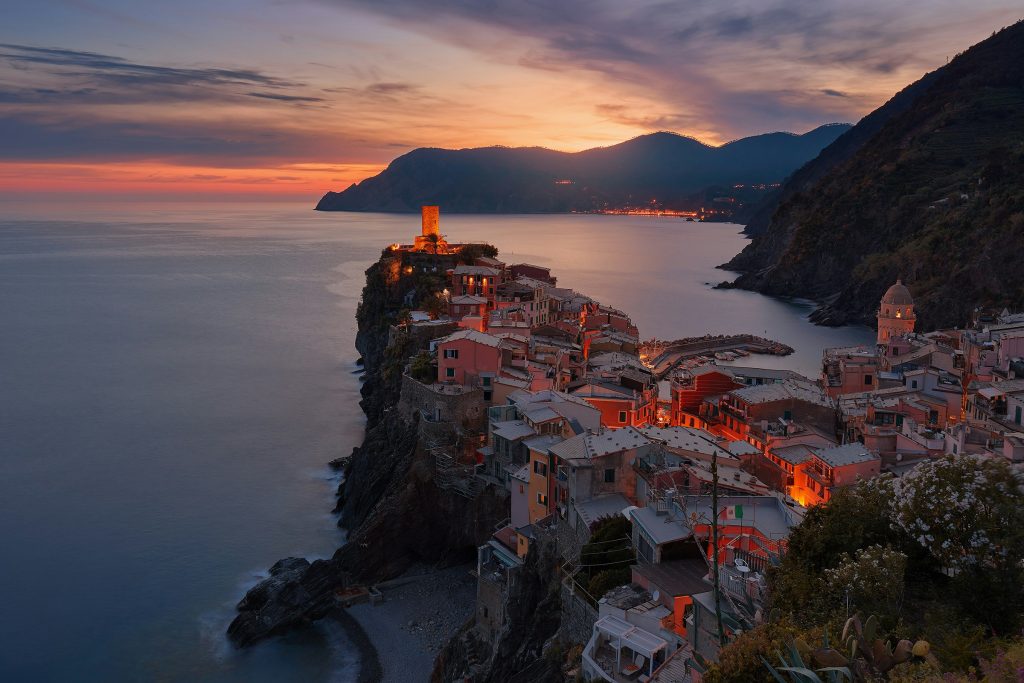
Five vibrant coastal villages connected by trains and scenic hiking paths.
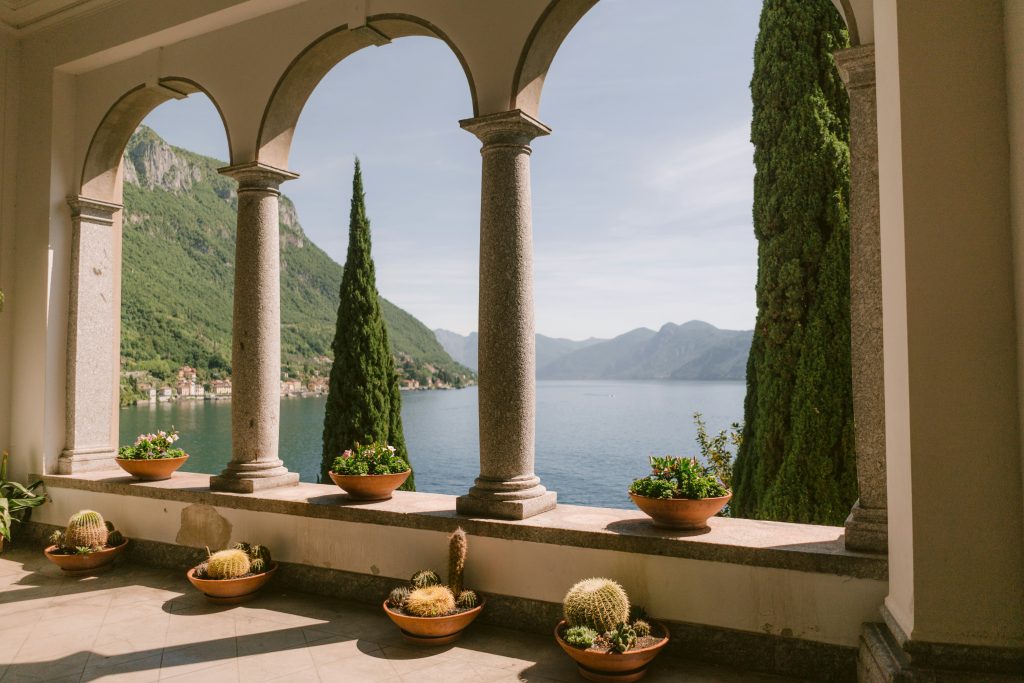
Lake Como
An alpine lake known for luxury villas, dramatic scenery, and calm atmosphere.
Italian Details That Make a Big Difference
“Bar” Means Coffee
In Italy, a bar is primarily for coffee and breakfast.
- Coffee at the counter (al banco): around €1
- Coffee at a table (al tavolo): significantly more expensive
- In busy bars, you usually pay first, then order
ZTL Zones (Driving Trap)
Historic city centers often restrict traffic.
Cameras automatically issue fines that arrive by mail months later.
Always park outside city centers.
Dress Code for Churches
Shoulders and knees must be covered for both men and women.
Carry a light scarf when visiting churches and cathedrals.
Spaghetti Bolognese Myth
In Bologna, the dish is called Tagliatelle al Ragù.
The sauce belongs with wide pasta, not spaghetti.
Never cut spaghetti or use a spoon to twirl it.
Best Time to Visit Italy
- Best months: May, June, September.These months are especially ideal for visiting destinations such as Rome, Tuscany, the Amalfi Coast, Sicily, and Sardinia.
- Worst month: August (heat, crowds, closed local businesses)
Italy Travel Guide: Costs & Budget Planning
Accommodation (per night)
- Budget: €30–60
- Mid-range: €80–150
- Luxury: €200+
Food (per day)
- Budget: €15–25
- Comfortable: €30–50
- Fine dining: €70+
Southern Italy and smaller towns are noticeably cheaper.
Weather Overview
- Spring: 12–22°C
- Summer: 25–40°C (especially hot in the south)
- Autumn: 15–25°C
- Winter: 0–12°C (colder in the north)
Weather varies significantly by region.
Where to Stay in Italy
- City centers offer convenience but cost more
- Countryside agriturismo stays provide value and authenticity
- Coastal towns are cheaper outside main tourist zones
- Islands often require a rental car
Travel Styles Italy Is Perfect For
- Couples seeking romance
- Food lovers and wine enthusiasts
- History and art lovers
- Families with children
- Slow travelers and long stays
Italy adapts to your travel style.Whether you prefer historic cities like Rome, countryside escapes in Tuscany, coastal views on the Amalfi Coast, or island adventures in Sicily and Sardinia, Italy offers extraordinary variety.
Common Tourist Mistakes in Italy
- Trying to see too many places
- Eating near major attractions
- Ignoring regional differences
- Expecting fast service
- Visiting in August without preparation
Italy rewards patience and flexibility.
Practical Travel Advice
- Greet people with “Buongiorno” or “Buonasera”
- Slow service is normal, not bad service
- Dress respectfully for religious sites
- Carry some cash for small towns
- Learn a few basic Italian phrases
FAQ – Italy Travel
Is Italy expensive?
It can be, but smart planning makes it affordable.
Is Italy safe for travelers?
Yes, with standard awareness.
Is English widely spoken?
Yes in tourist areas, less so elsewhere.
How long should you stay?
7–10 days per region is ideal.
The Italian Philosophy to Remember
Dolce far niente — the pleasure of doing nothing.
Do not rush from sight to sight.
Sit in a square, eat gelato, watch life pass by.
That is how Italy is truly experienced.
Explore Italy Travel Guides
If you want deeper guides for specific destinations, these articles will help you plan:
- Rome Travel Guide
- Tuscany Travel Guide
- Amalfi Coast Travel Guide
- Sicily Travel Guide
- Sardinia Travel Guide
Final Thoughts
Italy is not a checklist destination.
It is a country of moments — meals, streets, conversations, and landscapes.
This Italy Travel Guide shows that Italy is best experienced slowly, one region at a time.