This Sardinia Travel Guide begins with a simple truth: Sardinia is not an island you simply “visit.” It is a destination you enter, slowly understand, and rarely forget.
This Mediterranean giant feels like a country of its own — shaped by wind, stone, sea, and centuries of isolation.Travelers exploring Italy often combine Sardinia with destinations such as Rome, the countryside of Tuscany, or the dramatic coastline of the Amalfi Coast.
Sardinia combines unreal turquoise water, wild granite coastlines, silent mountains, ancient civilizations, and one of the strongest local identities in Europe.
You can swim in Caribbean-clear bays before lunch, drive through empty mountain roads in the afternoon, eat slow shepherd food at night, and still feel like you have barely touched the surface.
This complete Sardinia Travel Guide explains where to stay, what to book early, how to get around, real travel costs, the best beaches, traditional food, hidden facts, photo spots, wildlife, rules tourists must know, and how to avoid common mistakes.
Why Visit Sardinia?
Sardinia stands out because it offers depth, not just scenery.Compared with more urban destinations like Rome or more theatrical coastal regions such as the Amalfi Coast, Sardinia feels wilder, slower, and more self-contained.
Some of the clearest sea water in Europe
Beaches that range from luxury-accessible to boat-only wilderness
A culture that feels older and more independent than mainland Italy
Ancient structures found nowhere else on Earth
Options for luxury travel, road trips, adventure, and slow living
This is an island that rewards travelers who choose one region, slow down, and explore properly.In this Sardinia Travel Guide, understanding the island’s regional differences is essential for planning the right itinerary.
Sardinia Is Not One Destination (Very Important)
The biggest mistake travelers make is treating Sardinia as one place.
It changes completely depending on where you stay:
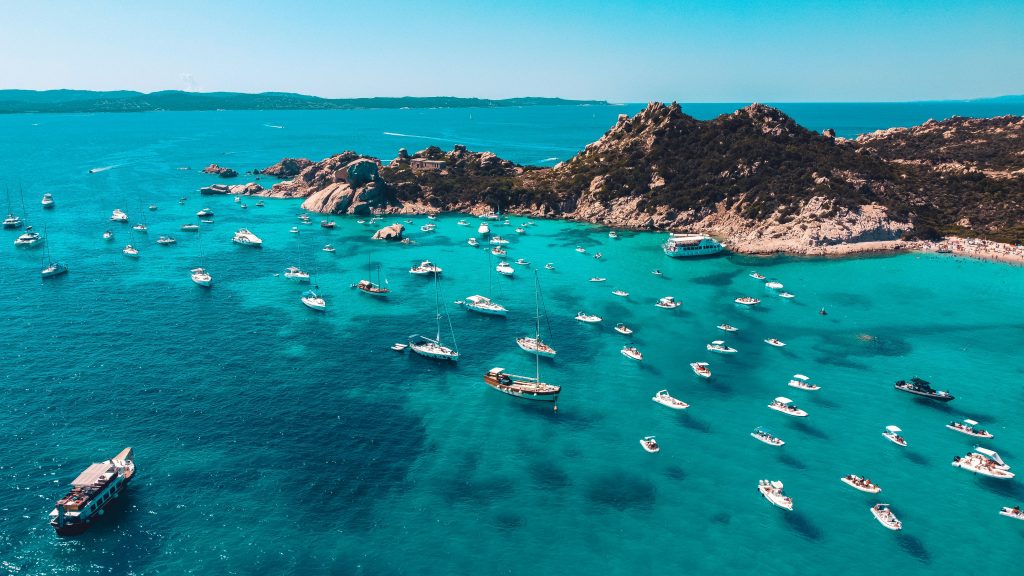
North-East: luxury resorts, yachts, polished beaches
North-West: historic towns, strong food culture, sunsets
East: vertical cliffs, famous coves, hiking access
South: long sandy beaches, easier logistics, better value
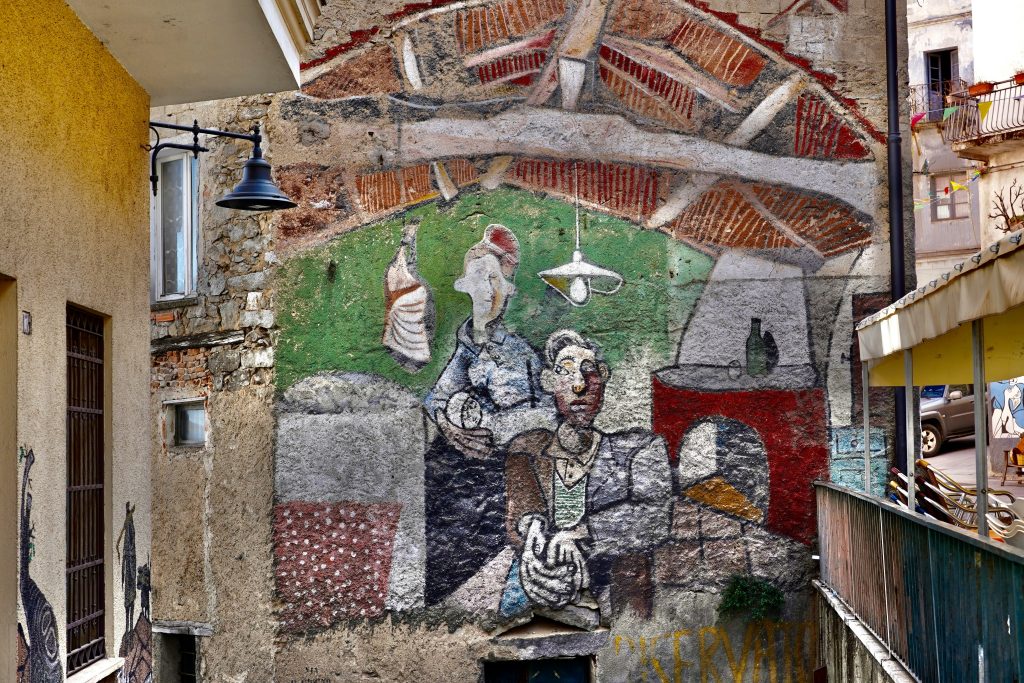
Interior: mountains, shepherd villages, murals, ancient traditions
Choosing the right area matters far more than choosing the “perfect hotel.”This is why Sardinia works best as part of a broader Italy itinerary, especially for travelers who also want to experience Tuscany or the layered intensity of Sicily.
Sardinia Travel Guide: Best Areas to Stay
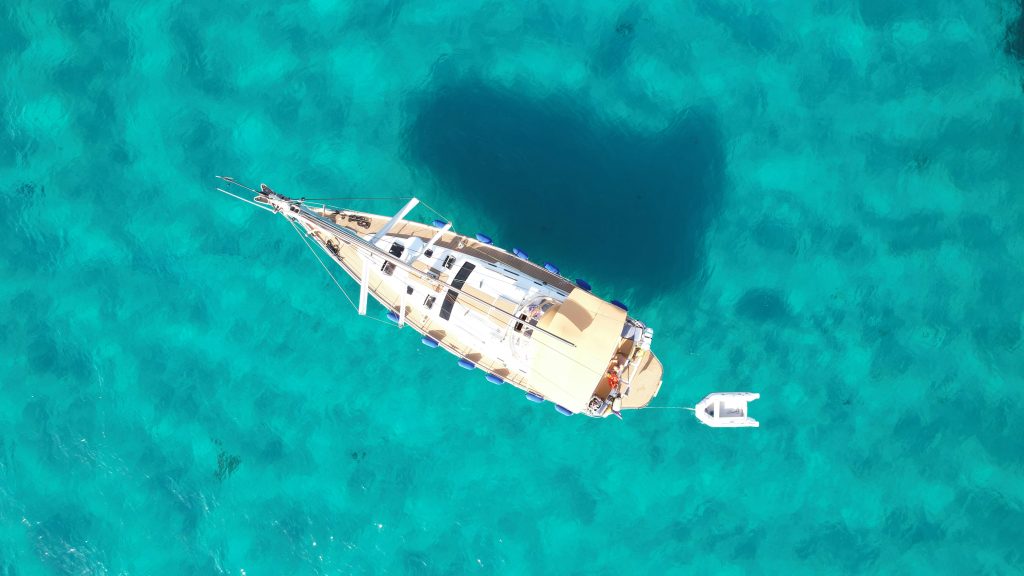
North-East – Costa Smeralda (Luxury & Iconic Water)
Best base: Olbia / Porto Cervo
This is the most glamorous part of the island.
Crystal-clear water
Designer restaurants and beach clubs
Some of the world’s most expensive yachts
Tip:
Perfect for luxury and style.
For authenticity and lower prices, look elsewhere.
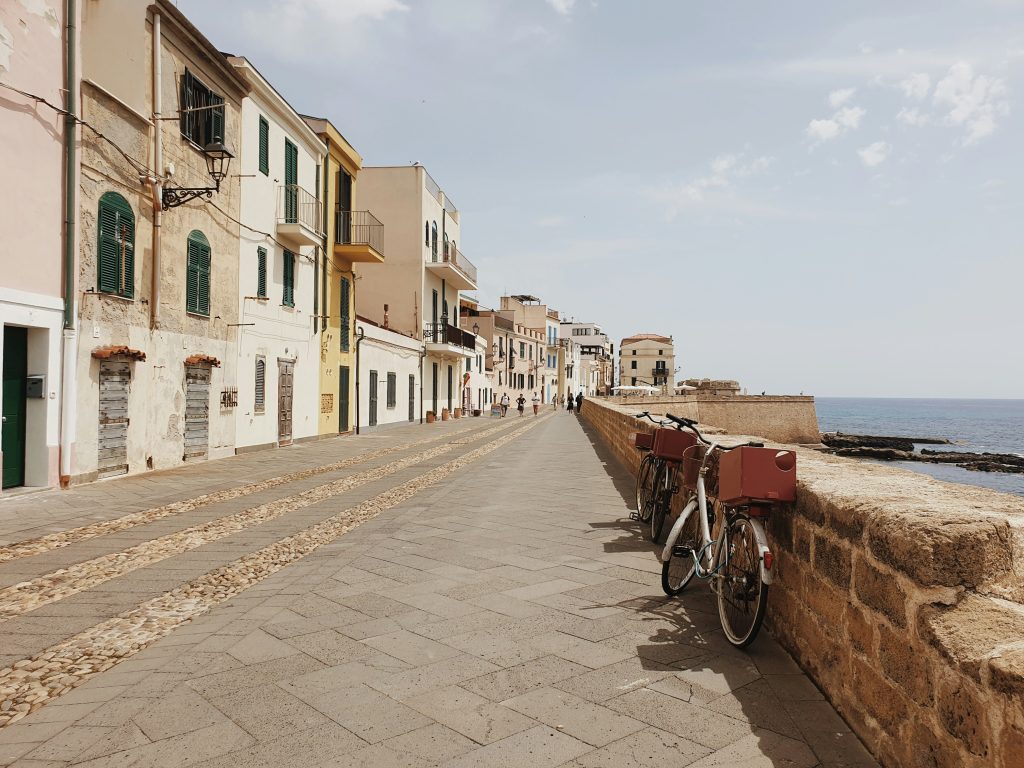
North-West – Alghero (Character, Food & History)
Best base: Alghero
Beautiful old town with Catalan influence
Excellent local food scene
Great sunsets and nearby beaches
Ideal if you want culture, evenings in town, and beach days combined.
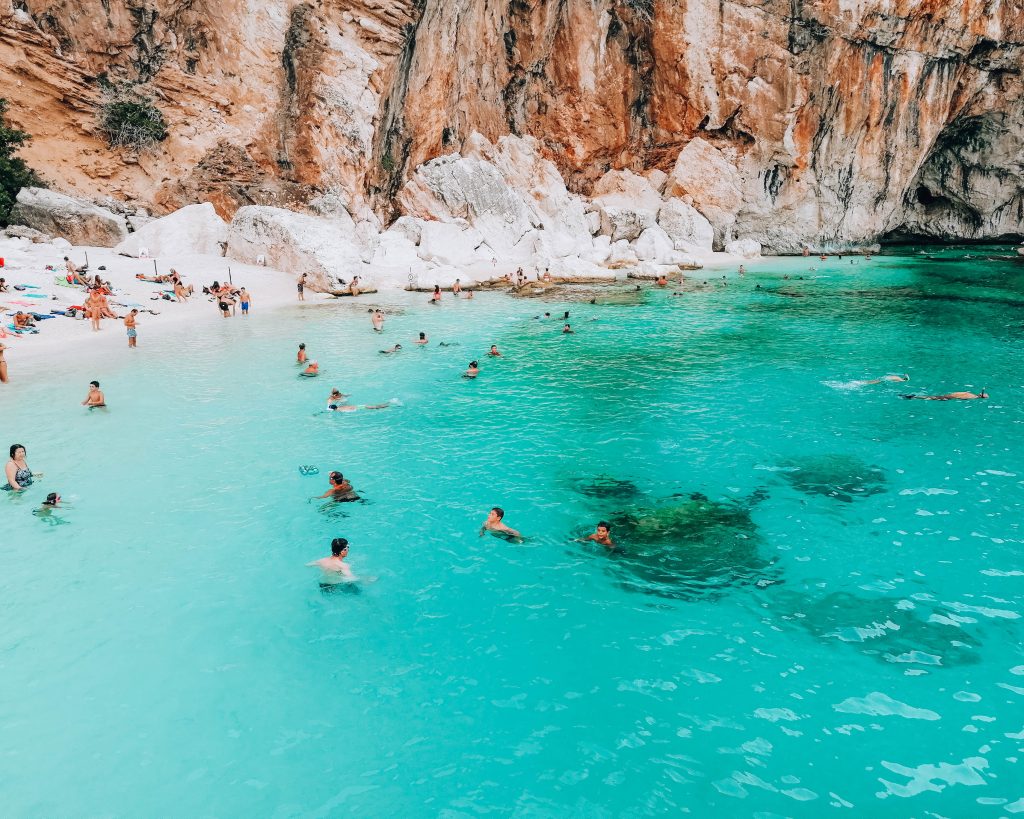
East Coast – Golfo di Orosei (Wild & Adventurous)
Best base: Orosei / Cala Gonone
This is Sardinia at its most dramatic.
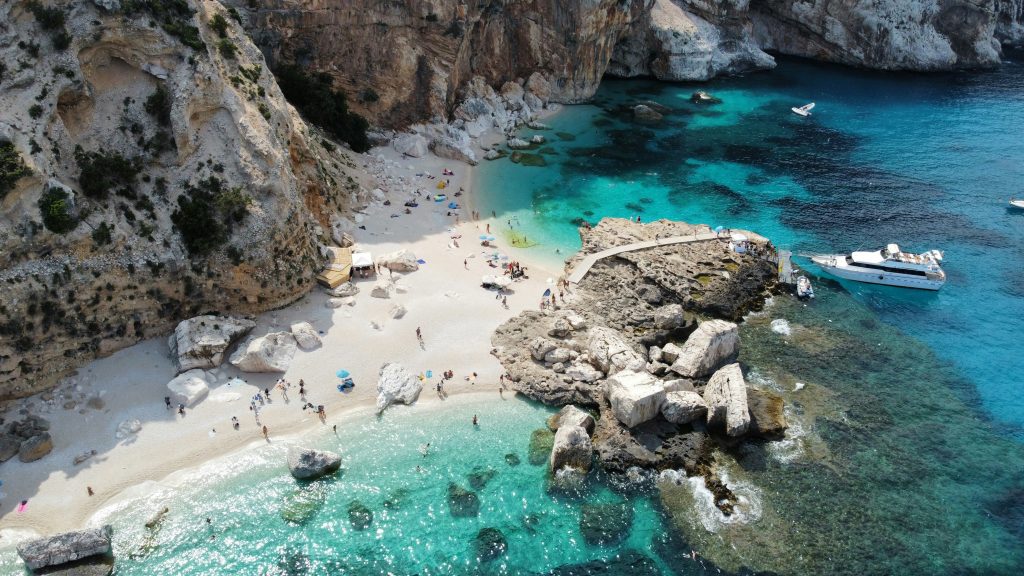
Vertical limestone cliffs
Boat-only beaches
Hiking access to legendary coves
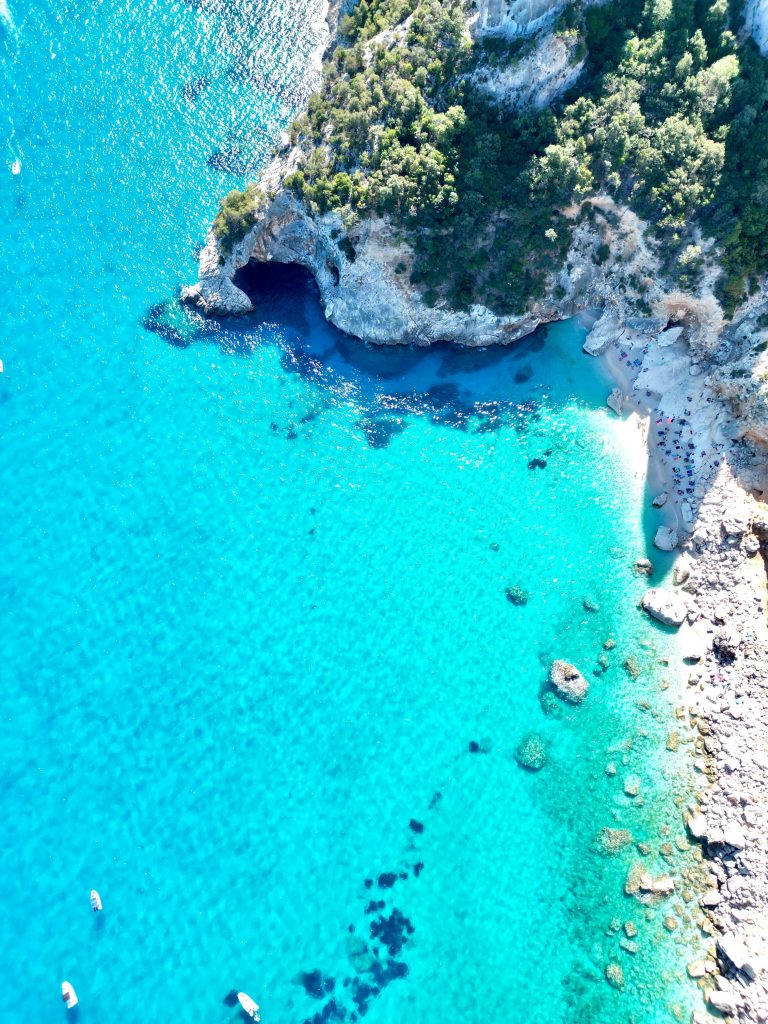
Cala Luna and Cala Goloritzé can only be reached by boat or long hikes.
Cala Goloritzé is UNESCO-protected — motorboats are forbidden.
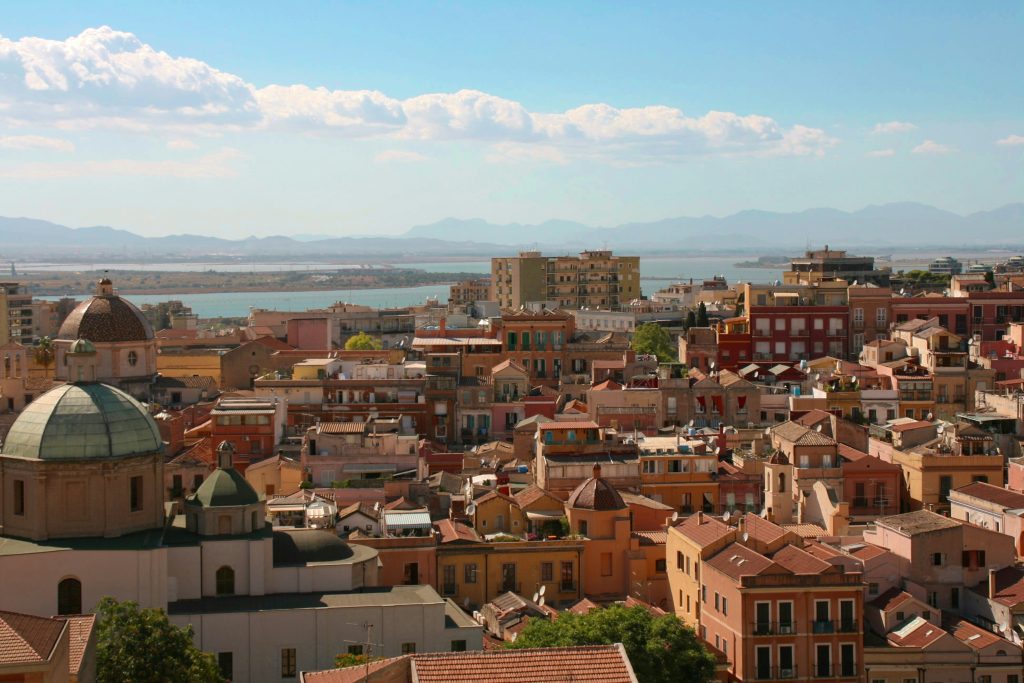
South – Cagliari, Villasimius & Costa Rei (Best Value)
Best base: Cagliari
Long sandy beaches
Easier logistics
Often cheaper than the north
Perfect for first-time visitors and relaxed beach travel.Travelers comparing Italy’s major southern destinations often choose between Sardinia, Sicily, and the Amalfi Coast depending on whether they prefer islands, culture, or cliffside towns.
Sardinia Travel Guide: Best Beaches to Visit
Sardinia has hundreds of beaches, but these are globally famous:
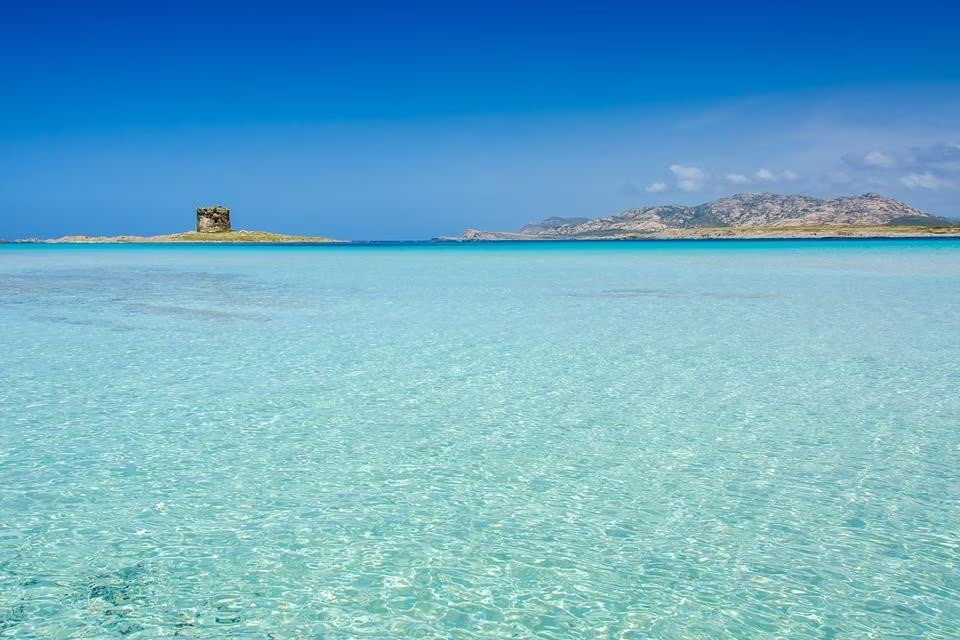
La Pelosa (Stintino): shallow turquoise water, visitor limits
Cala Goloritzé: iconic arch, protected access
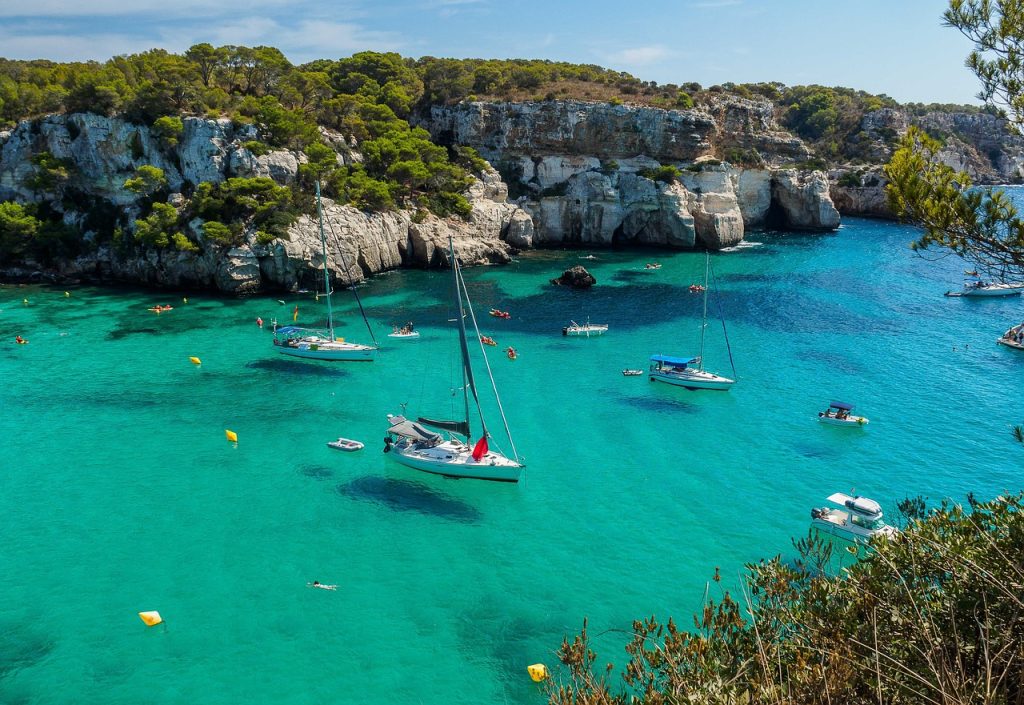
Cala Luna: caves, clear water
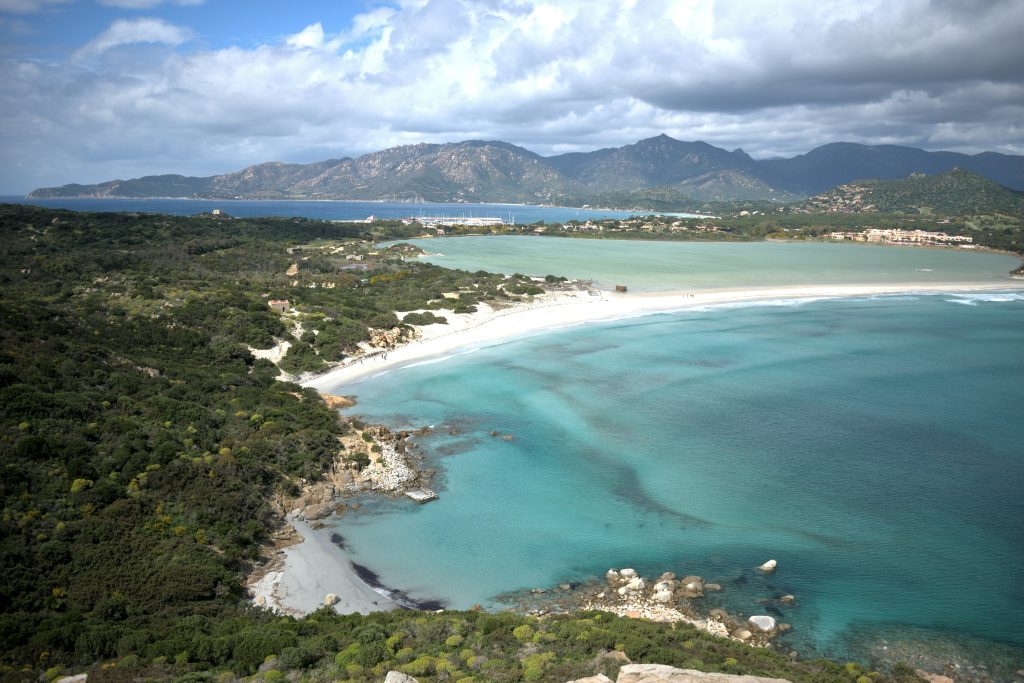
Villasimius: easy access, beautiful sand
Costa Rei: long, relaxed coastline
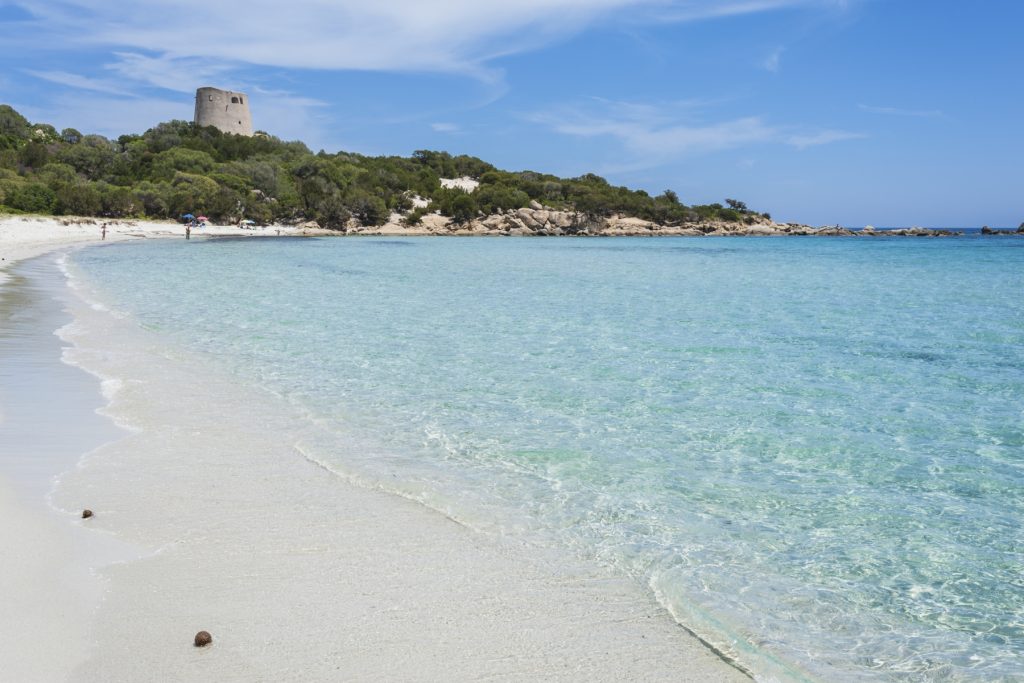
San Teodoro: lively beach-hopping area
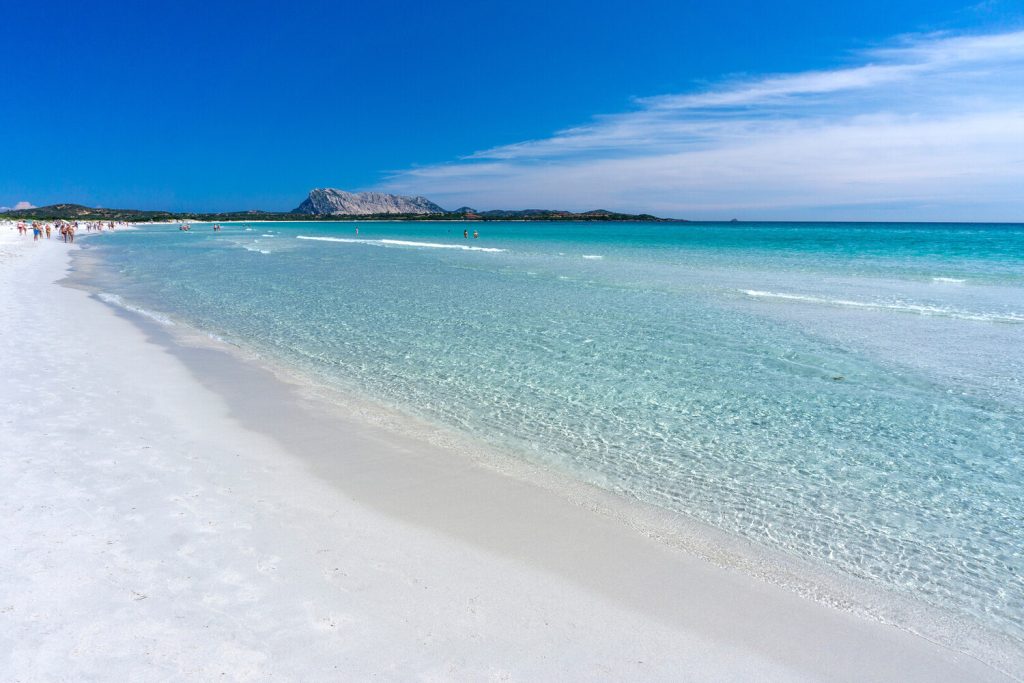
For hidden coves, you’ll need a boat or very early starts.Beach lovers exploring southern Italy may also enjoy the volcanic coastlines of Sicily or the dramatic sea views of the Amalfi Coast.
Booking in Sardinia (What You Must Reserve)
Sardinia becomes extremely busy in summer.
Car rental: book early (essential)
Boat trips: reserve ahead in July–August
Famous beaches: some require tickets or daily limits
The island looks calm, but peak season sells out fast.
Getting to Sardinia (Flights & Ferries)
Main airports:
Olbia Costa Smeralda
Cagliari Elmas
Alghero Fertilia
Ferries connect Sardinia to mainland Italy and allow car transport.Many travelers arrive after visiting Rome or continue their route toward Tuscany as part of a longer Italy journey.
Getting Around Sardinia (Transport Reality)
Do not visit Sardinia without a car.
Public transport is limited
The best beaches and villages require driving
Distances may look short, but mountain roads are slow and winding.
Always plan by time, not kilometers.
Travel Costs in Sardinia
Costs depend heavily on season and region.
Accommodation (per night)
Budget: €50–100
Mid-range: €120–220
Luxury zones: €300+
Food (per day)
Budget: €20–35
Comfortable: €40–70
High-end dining: €90+
Boat trips are often the biggest daily expense.
Best Time to Visit Sardinia
May–June: best balance of weather and crowds
July–August: hottest, busiest, most expensive
September: warm sea, fewer tourists (excellent choice)
October: calm travel, reduced beach services
For beaches without chaos: June or September.These months are also ideal for exploring other southern Italy destinations such as Sicily or the Amalfi Coast.
Sardinian Food & Longevity (The Blue Zone)
Sardinia is one of only five Blue Zones in the world, where people regularly live past 100.
The secret is not just diet — it’s lifestyle, walking, community, and tradition.
Traditional Sardinian Food
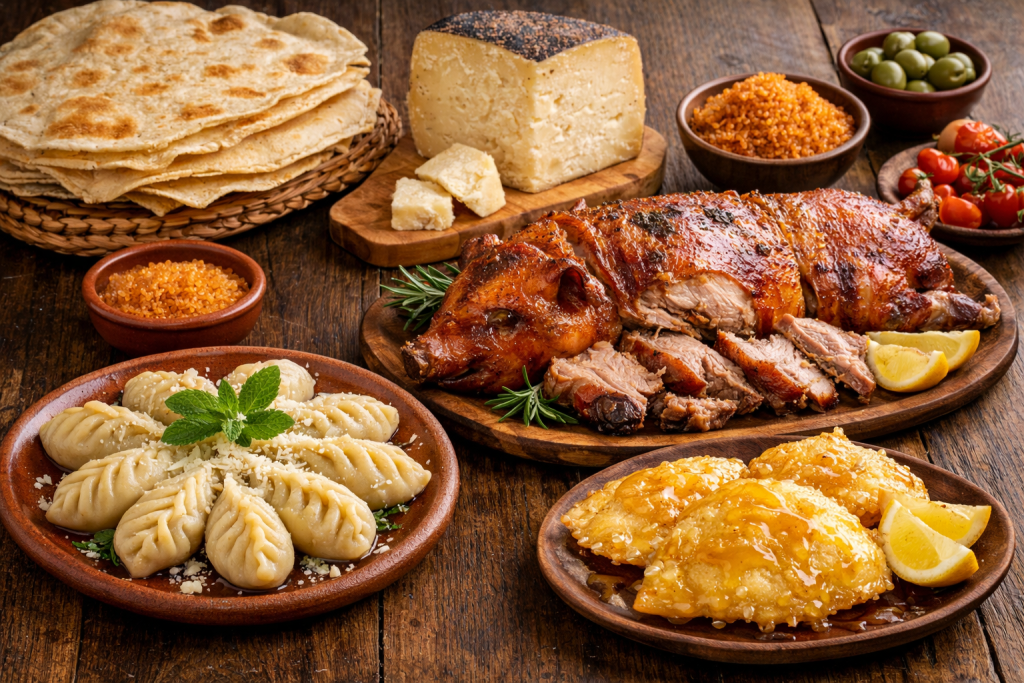
Culurgiones: stuffed pasta with potato, pecorino, mint
Porceddu: slow-roasted suckling pig
Pane Carasau: thin shepherd bread
Pecorino Sardo: world-class sheep cheese
Bottarga: cured fish roe
Seadas: fried pastry with cheese and honey
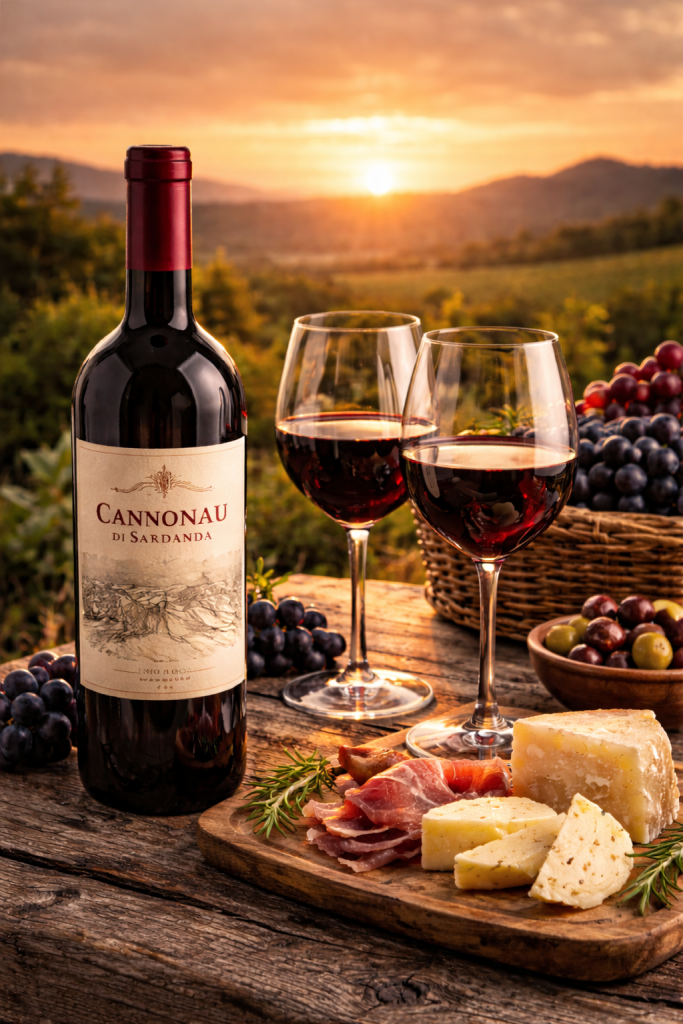
Cannonau Wine
One of the world’s highest-antioxidant red wines, often linked to Sardinian longevity.
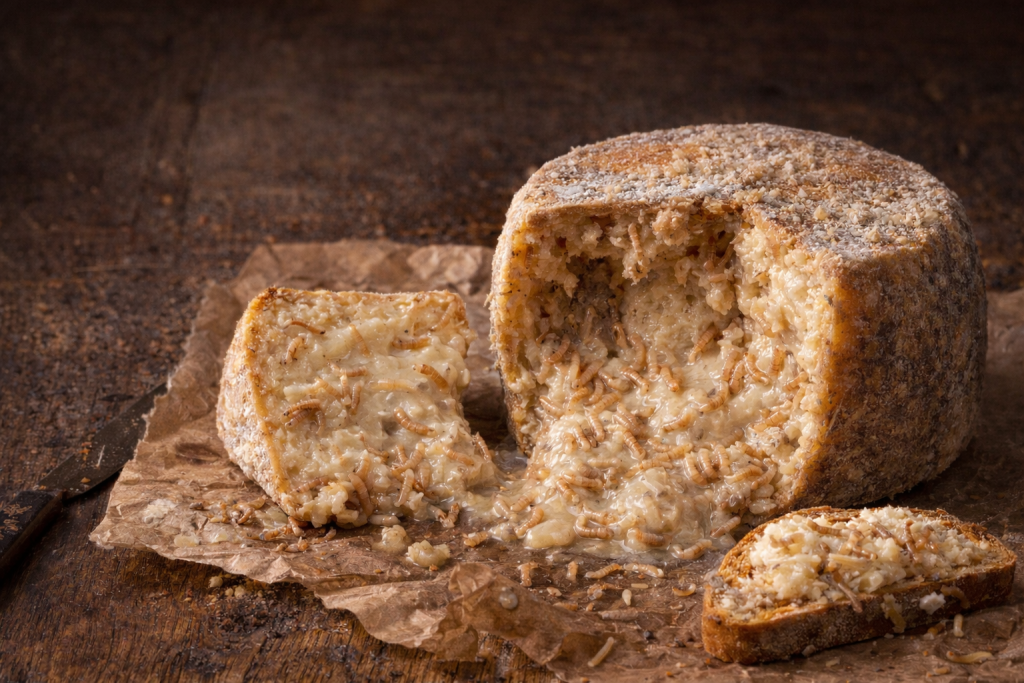
Extreme Cheese: Casu Marzu (For the Brave)
One of the most controversial foods on Earth.
Sheep cheese fermented with live larvae
Officially banned in the EU
Still produced privately
If someone offers “special cheese under the table” — this is it.
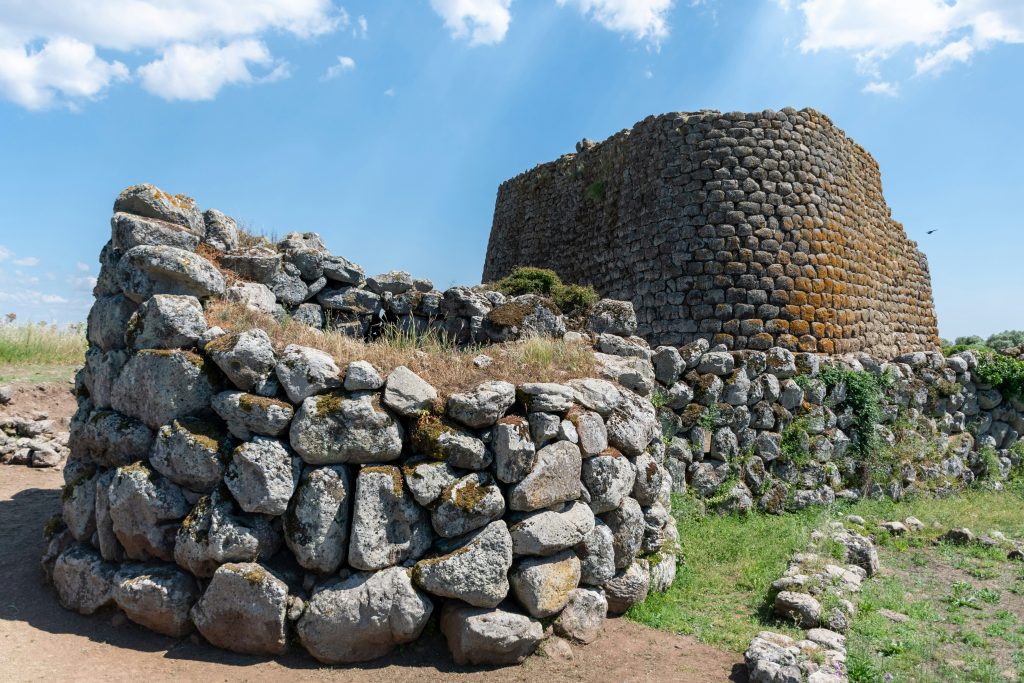
Nuraghe – Sardinia’s Ancient Mystery
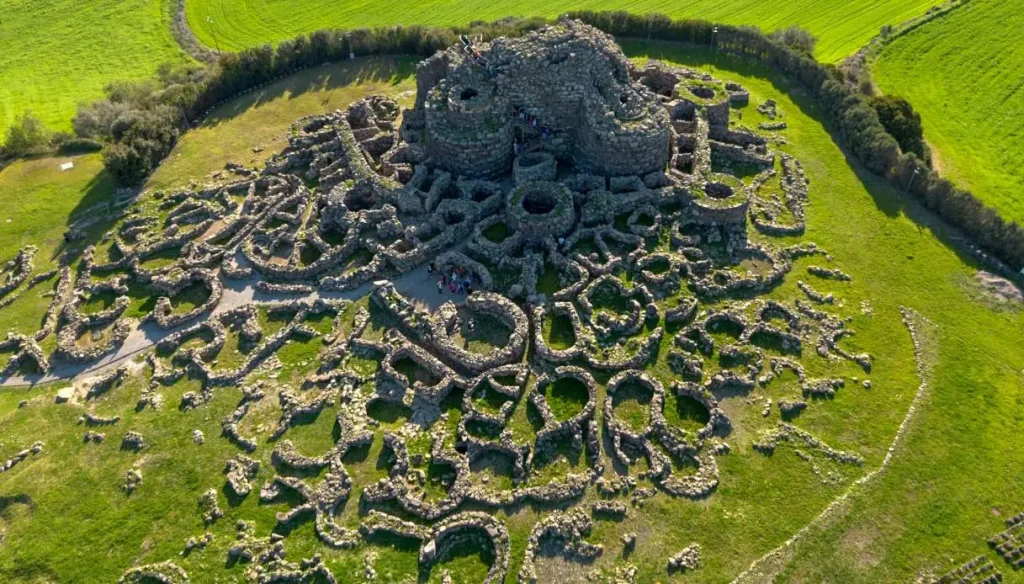
Across the island you’ll see stone towers shaped like beehives.
Built over 3,500 years ago
Found only in Sardinia
Purpose still unknown
They are the island’s greatest archaeological puzzle.
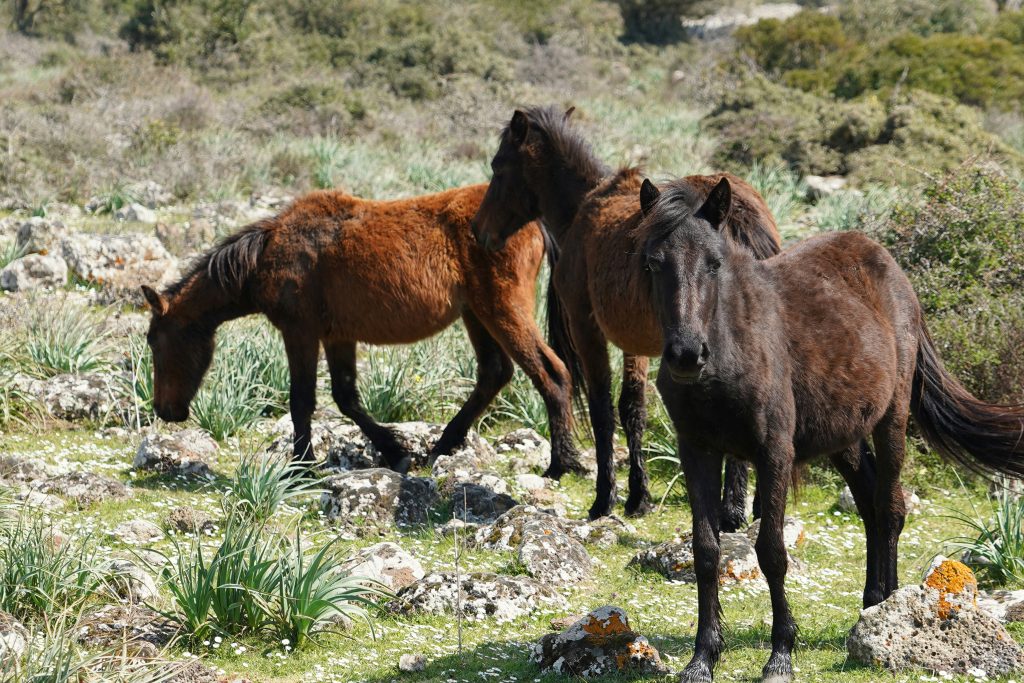
Wildlife You Don’t Expect in Europe
Giara di Gesturi
Home to the last wild horses in Europe.
Cagliari Lagoons
Thousands of pink flamingos live here year-round.
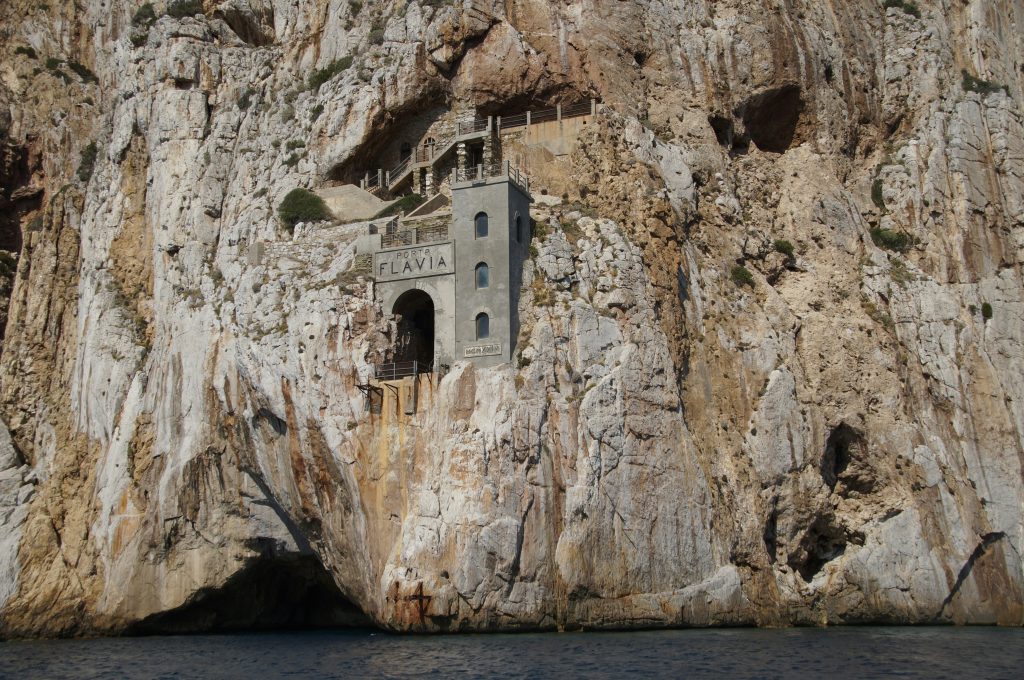
Abandoned Mines & Cinematic Landscapes – Iglesiente
Porto Flavia is a mine carved directly into sea cliffs.
Ore was loaded straight onto ships through the rock.
The views feel unreal — like a movie set.
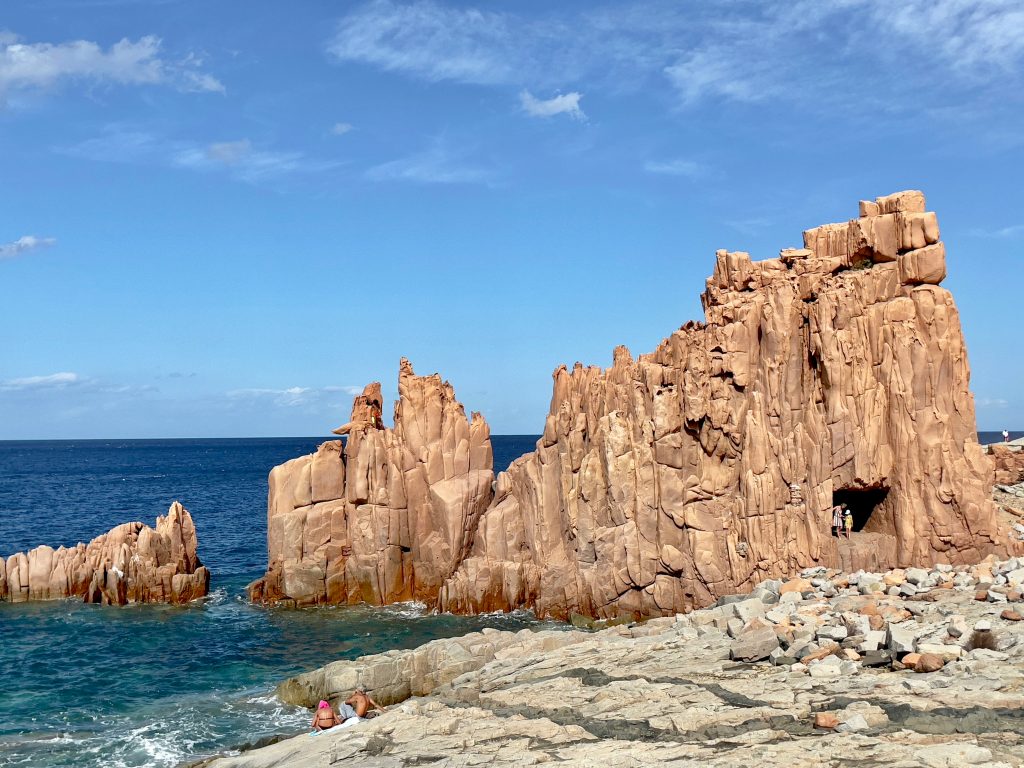
Red Rocks of Arbatax
Most Sardinian beaches are white.
Arbatax is different.
Red porphyry rocks rise directly from deep blue sea, creating extreme color contrast — perfect for photography.
A Real Language: Sardinian (Sardo)
Sardinian is not a dialect of Italian.
It is a separate Romance language, closer to Latin.
Pro tip: say “A bientu” instead of Arrivederci — locals will instantly respect you.
Weather & Wind (Very Important)
Sardinia is affected by Maestrale wind.
Rule:
If one coast is windy, drive to the opposite side of the island.
Strict Rules Tourists Must Know
Sand and shells are illegal souvenirs.
Fines can reach thousands of euros. Airports actively scan for this.
La Pelosa Beach (Stintino)
Visitor limits apply. Online booking required weeks ahead.
Best Photo Spots in Sardinia
La Maddalena Archipelago
Capo Caccia cliffs
Bosa old town
Arbatax red rocks
Sunset walks in Alghero
Best Day Trips in Sardinia
Nuraghe Su Nuraxi
Orgosolo murals
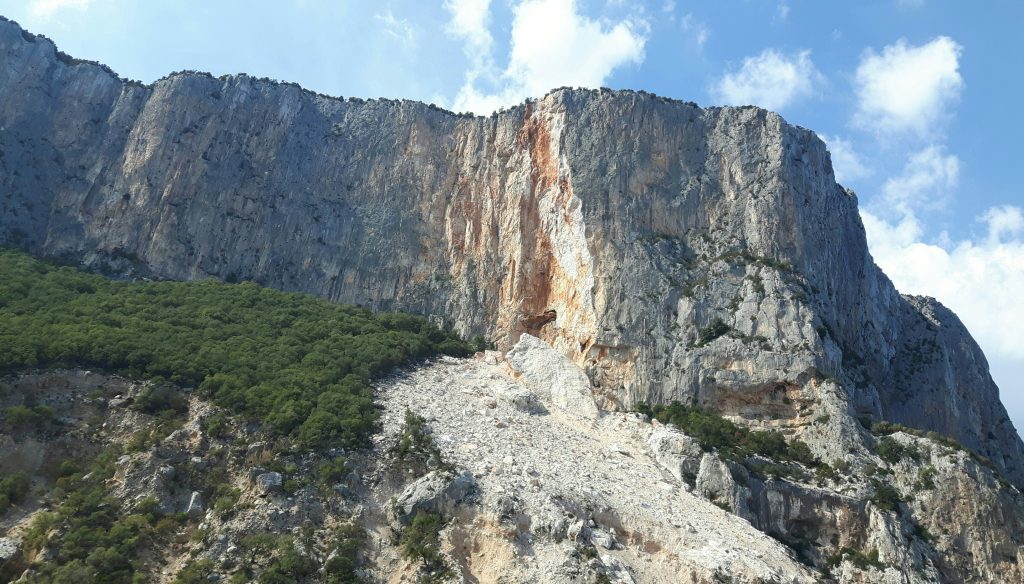
Gennargentu mountains
Beach-hopping loops
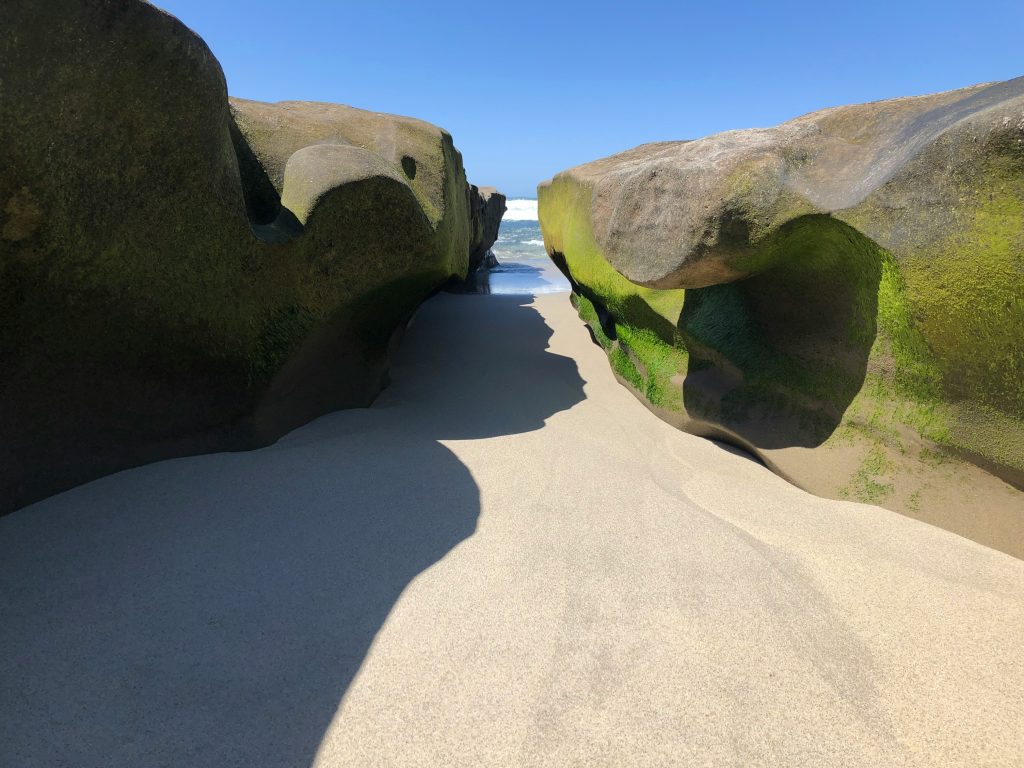
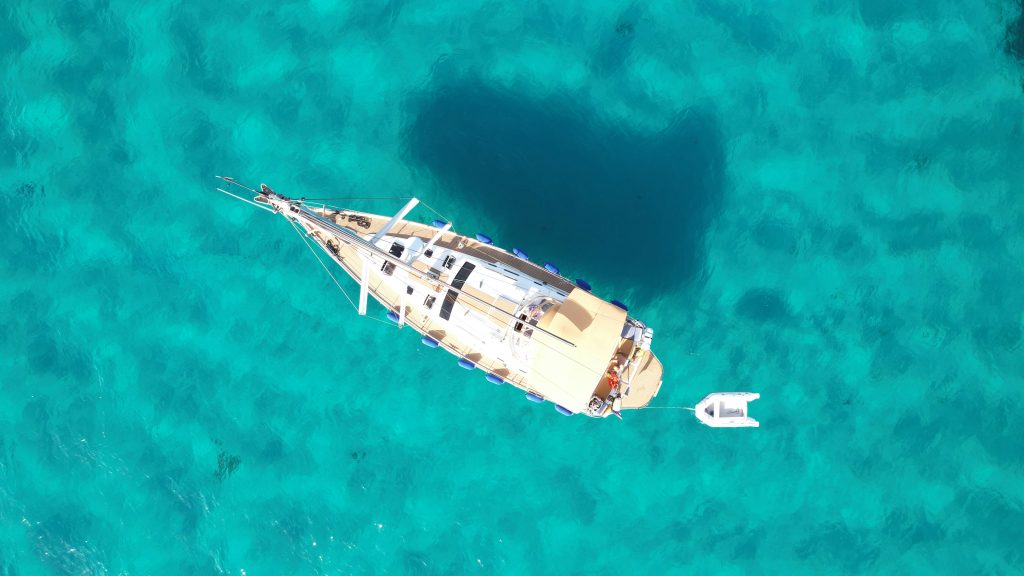
One full boat day.Travelers building a wider Italy trip often combine Sardinia with the history of Rome, the slower countryside of Tuscany, or the rich regional culture of Sicily.
Common Mistakes Travelers Make
Trying to see the entire island in one week
Not renting a car
Staying only in resort areas
Visiting in August without reservations
Mini FAQ – Sardinia
Is Sardinia expensive?
It can be, but smart planning and shoulder season travel keep costs reasonable.
Do you need a car?
Yes — it’s essential.
How many days are enough?
5–7 days for one region, 10–14 for deeper exploration.
Explore More Italy Travel Guides
If you are planning a wider trip across Italy, these guides may help:
- Italy Travel Guide
- Rome Travel Guide
- Tuscany Travel Guide
- Amalfi Coast Travel Guide
- Sicily Travel Guide
More Mediterranean Destinations
If you enjoy islands, coastlines, and slower travel, these destinations may also inspire your next trip:
Final Thoughts
Sardinia is not a checklist destination.
It is an island of wind, water, stone, food, and silence.
Choose your region carefully, move slowly, and leave space for the unexpected — that’s when Sardinia reveals why it’s one of the most powerful travel experiences in Europe.This Sardinia Travel Guide is designed to help you slow down, choose wisely, and experience the island beyond the obvious.