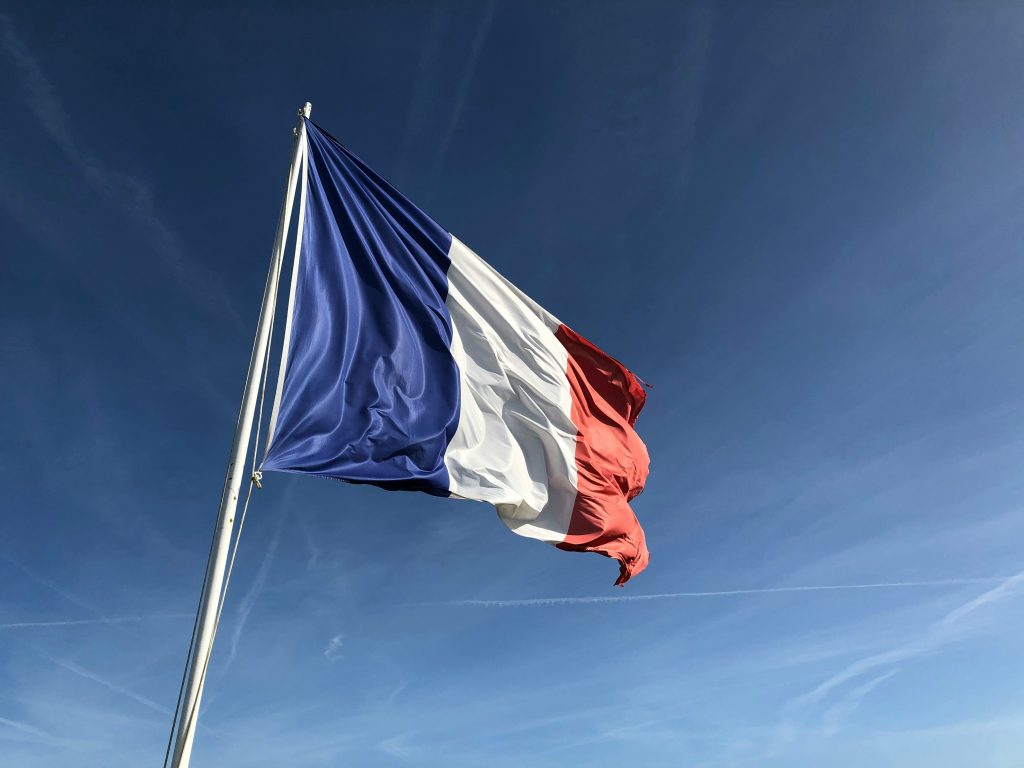
This France Travel Guide explains why France is one of Europe’s most complex and rewarding travel destinations.
It’s not defined by a single city, landscape, or lifestyle — but by layers of culture, regional identity, food traditions, and rhythms of daily life.
One visit might feel artistic and elegant, another slow and rural, and another adventurous and coastal. Many travelers begin their journey in Paris, then explore regions such as Provence, the culinary city of Lyon, the alpine landscapes of the French Alps, or the Mediterranean glamour of Monaco.
That’s what makes France unique: it adapts to how you choose to travel.
This in-depth France travel guide explains everything you need to know before visiting — from cities and regions to food, transport, costs, weather, itineraries, and common travel mistakes.
France Travel Guide: Why Visit France?
It consistently ranks among the world’s most visited countries — not because of one attraction, but because of its diversity.
Travelers choose France for:
- Geographic variety – cities, vineyards, mountains, beaches, countryside
- Cultural depth – history, architecture, museums, art, fashion
- World-leading cuisine – regional food traditions and wine culture
- Excellent infrastructure – fast trains, walkable cities, strong public transport
- Flexible budgets – suitable for both budget travelers and luxury seekers
For this reason, it works equally well for short city breaks and long, slow journeys across regions.From iconic cities like Paris to countryside regions such as Provence and the mountain landscapes of the French Alps, France offers a remarkable variety of travel experiences.
France Travel Guide: Best Cities & Regions
Paris
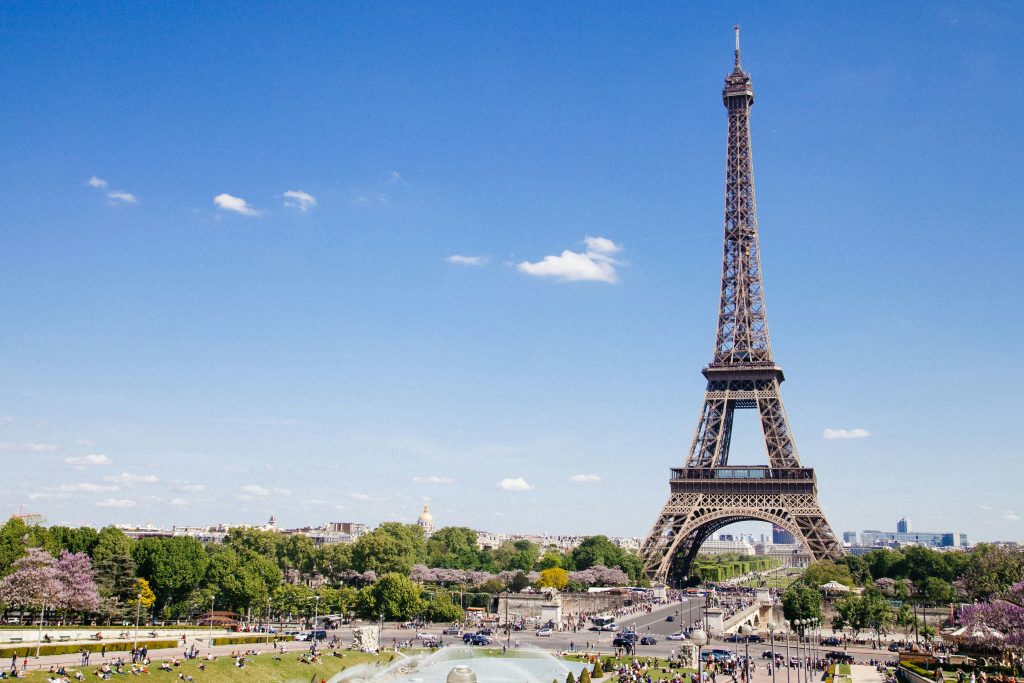
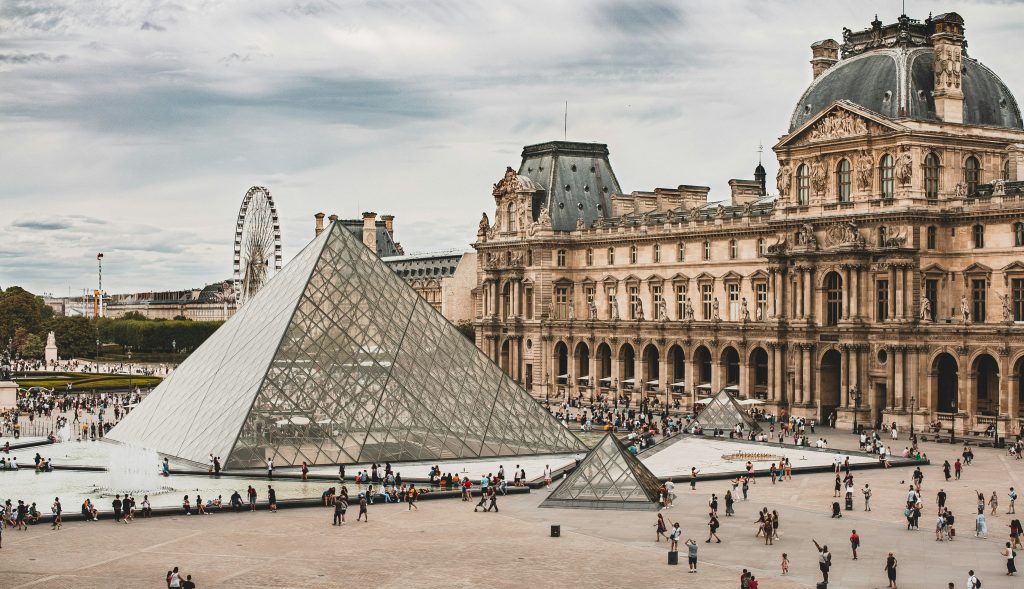
France’s cultural core and most iconic city. Read the complete Paris Travel Guide for detailed tips on neighborhoods, food, transport, and itineraries.Paris is known for museums, cafés, historic neighborhoods, architecture, and walkability. Ideal for first-time visitors and short stays.
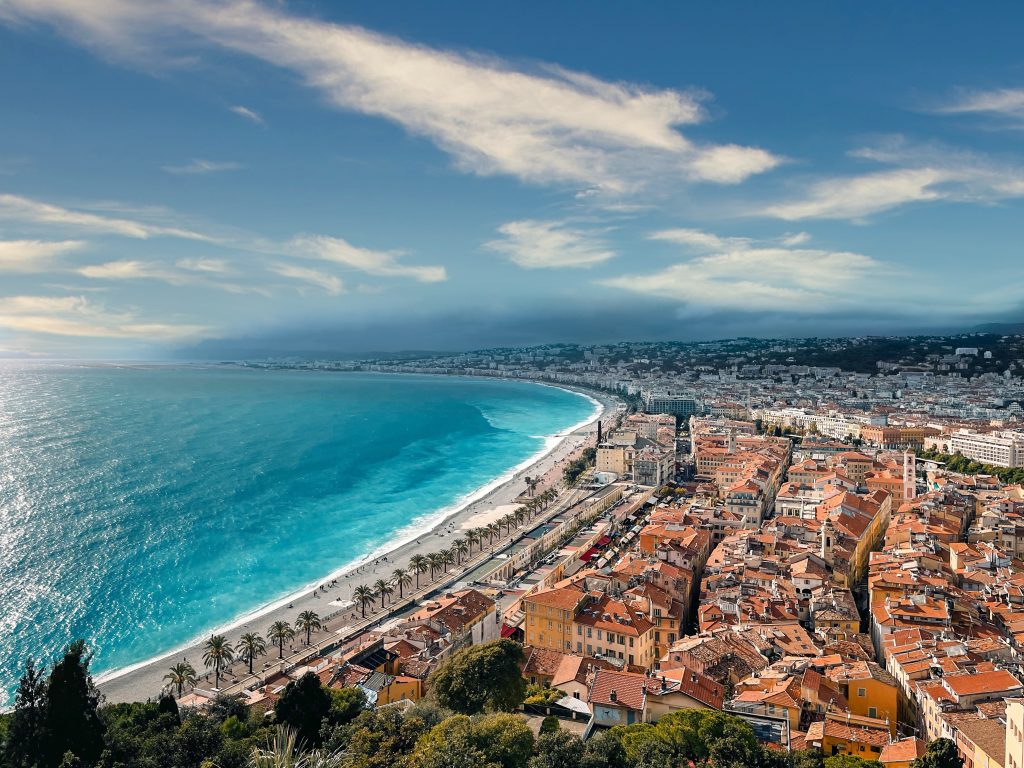
Nice & the French Riviera
A Mediterranean base with beaches, promenades, coastal villages, and mild weather. One of the best regions for relaxed travel and long stays.
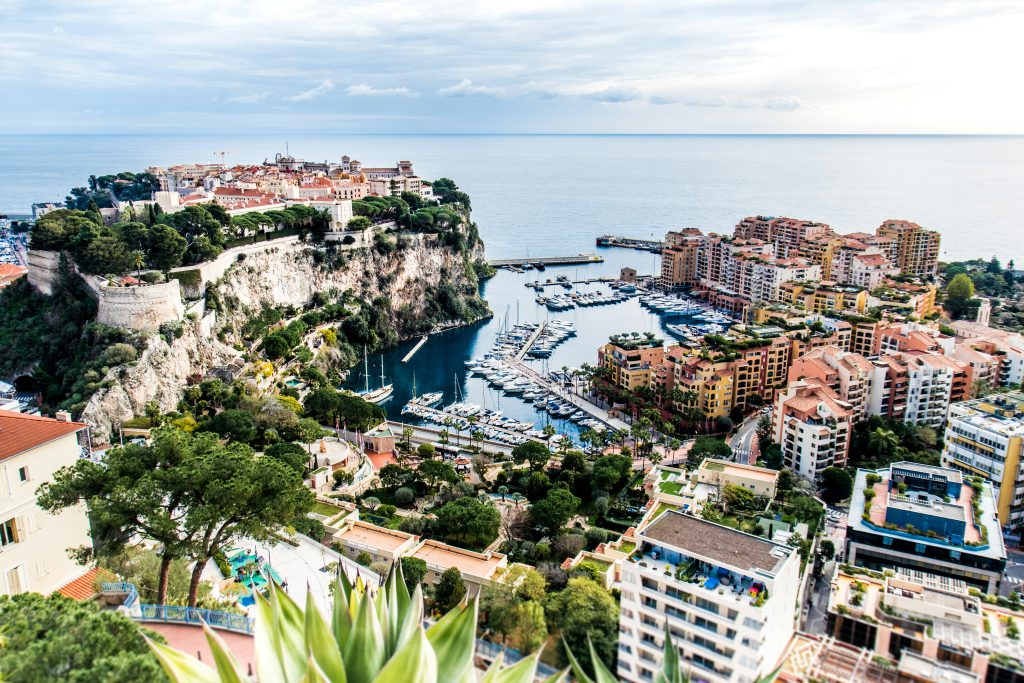
Monaco
A compact microstate famous for luxury, yachts, casinos, and dramatic coastal scenery. Commonly visited as a day trip from Nice.The full Monaco Travel Guide explains what to see, how to visit on a budget, and how to explore the principality efficiently.
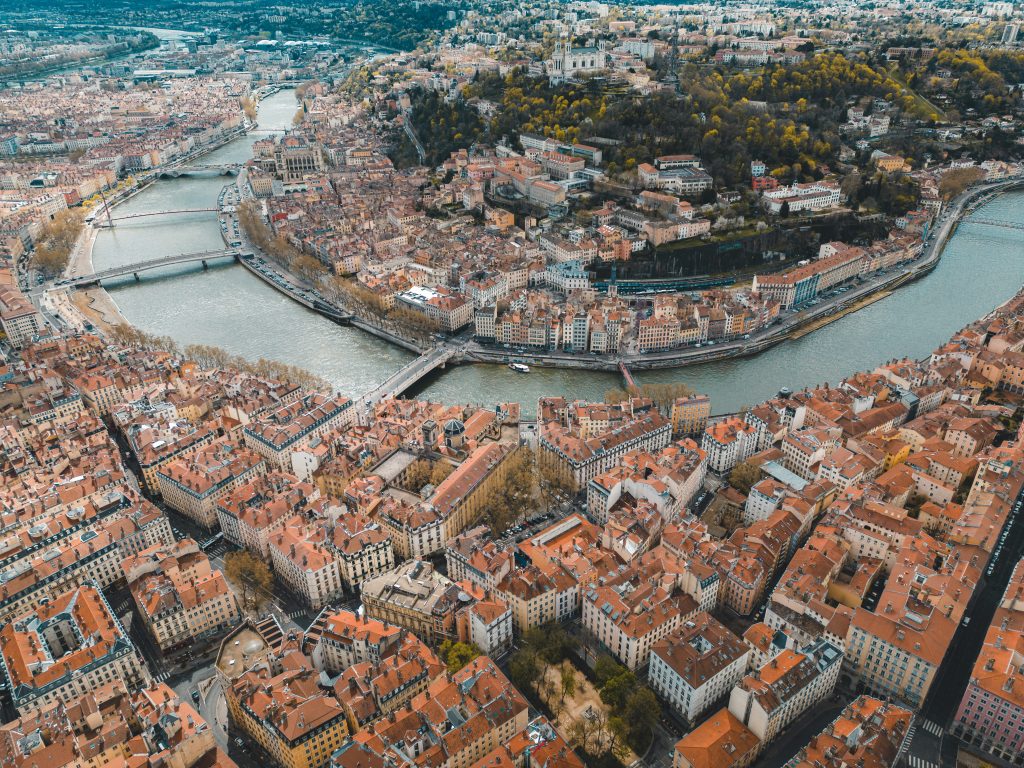
Lyon
Often called the culinary capital of France.Discover the city’s food culture, historic districts, and local traditions in the full Lyon Travel Guide.A historic city known for traditional food, Roman ruins, and a refined yet relaxed atmosphere.
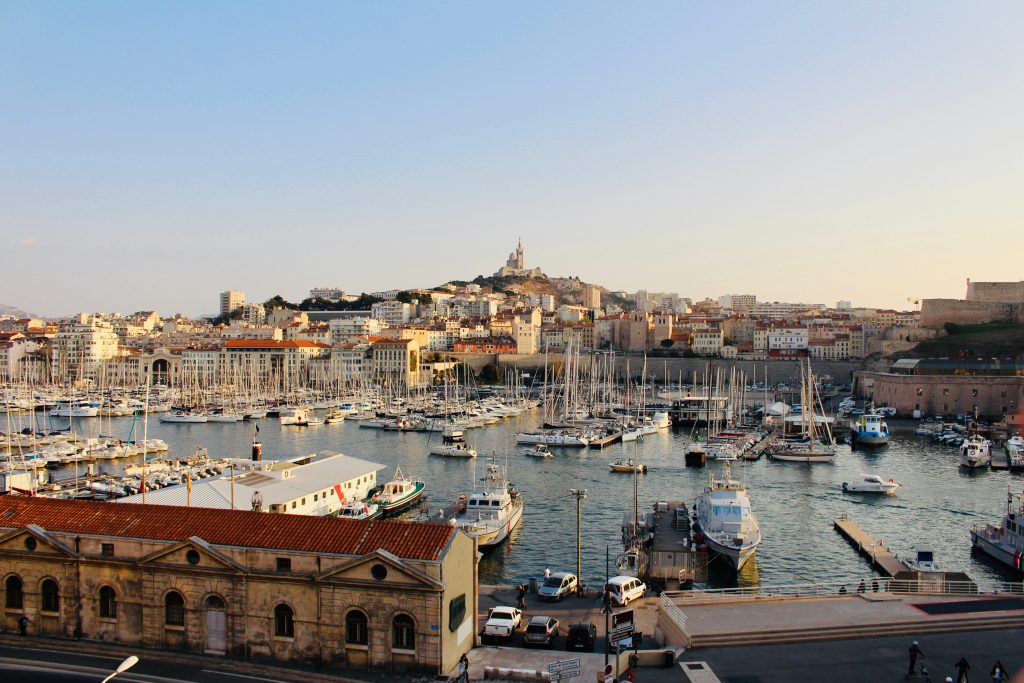
Marseille
Raw, multicultural, and authentic. A historic port city offering access to islands, calanques, and rugged coastal landscapes.
Bordeaux
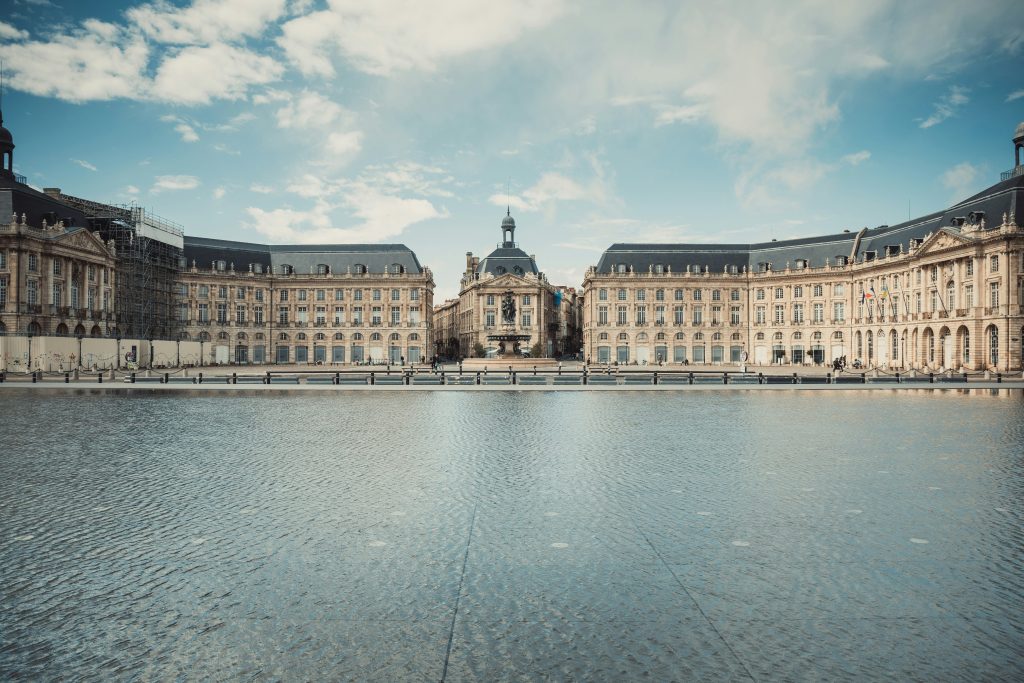
An elegant city surrounded by vineyards, famous for wine culture, classical architecture, and high living standards.
Provence
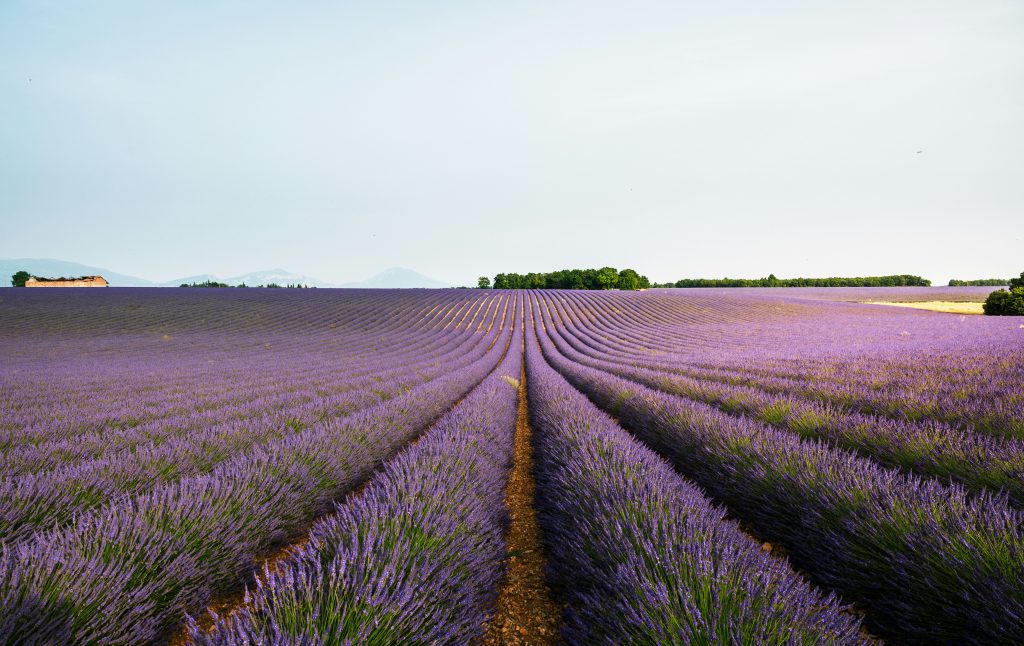
Lavender fields, hilltop villages, olive groves, markets, and slow countryside living define this region.The detailed Provence Travel Guide explains when to visit for lavender season and how to explore the region’s villages and landscapes.
French Alps
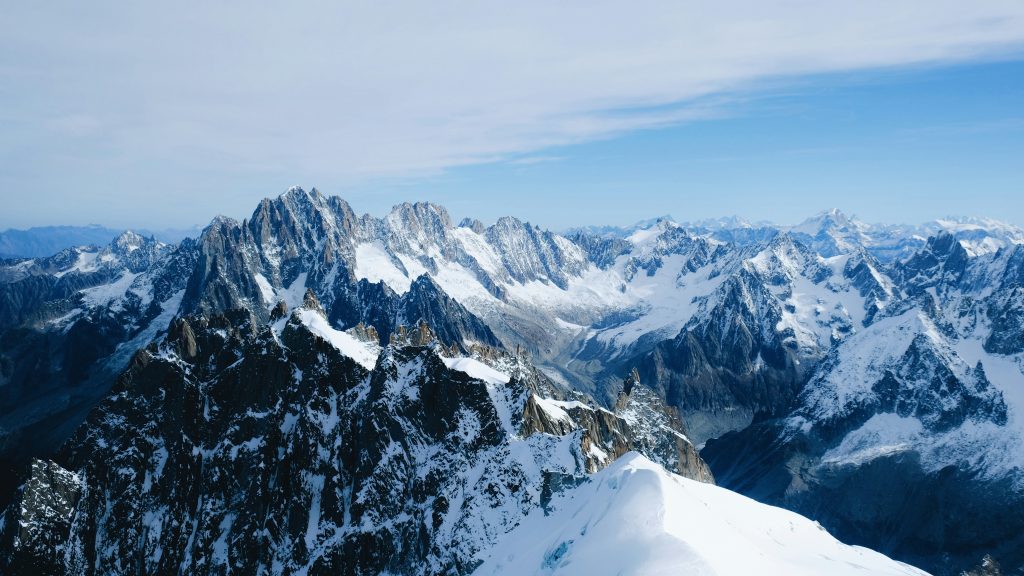
A year-round outdoor destination with alpine towns, lakes, hiking trails, and ski resorts.The French Alps Travel Guide covers the best ski resorts, hiking regions, lakes, and seasonal activities.
French Food You Must Try (Regional & Traditional)
In fact, food in France is not rushed or casual— it’s structured, regional, and deeply cultural.
Popular French dishes and staples include:
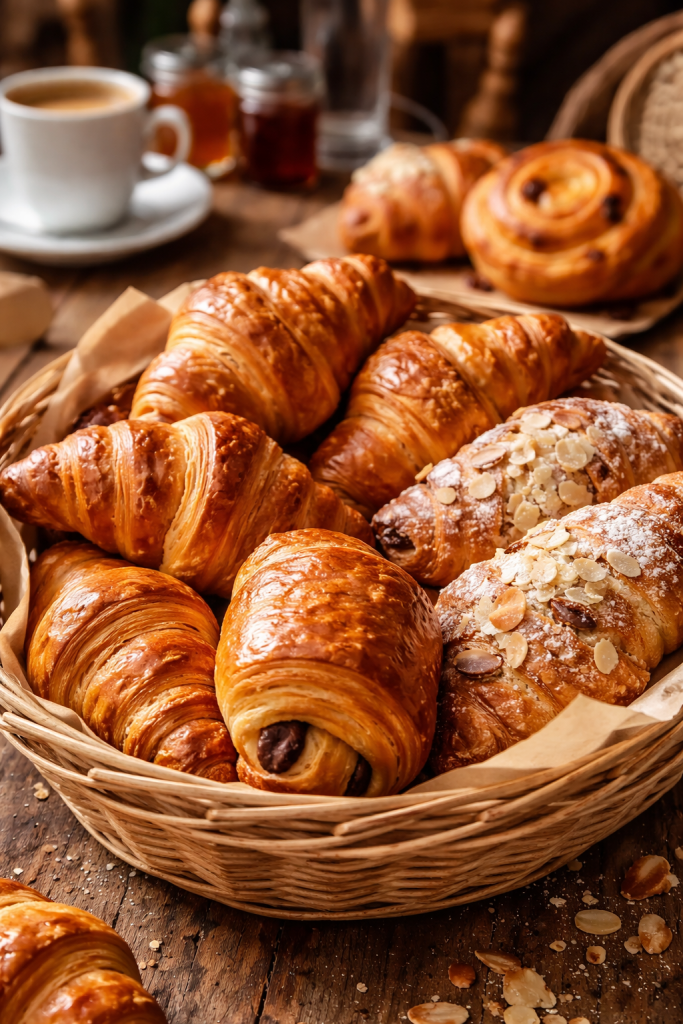
- Croissants & pastries – a daily breakfast ritual from local bakeries
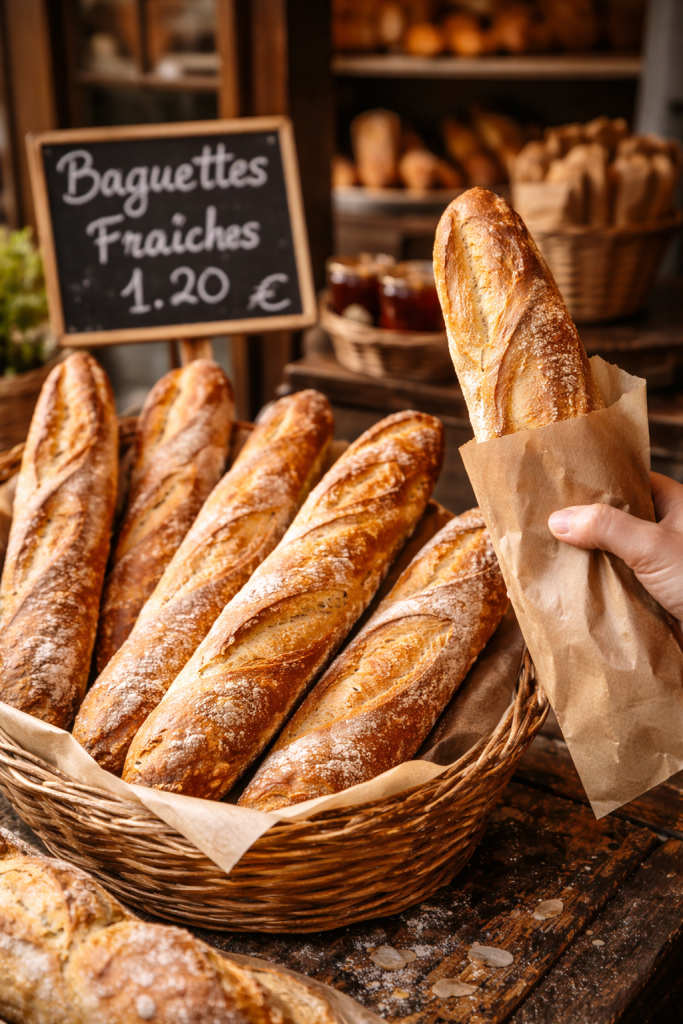
- Baguette – fresh bread purchased daily, never stored long
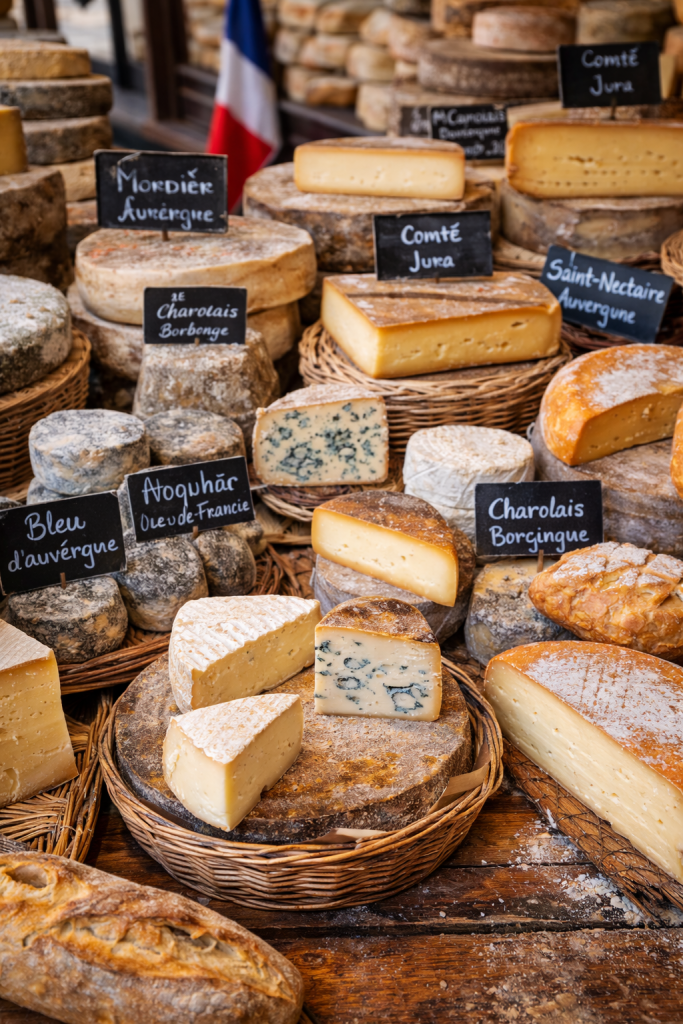
- Cheese (fromage) – hundreds of varieties tied to specific regions
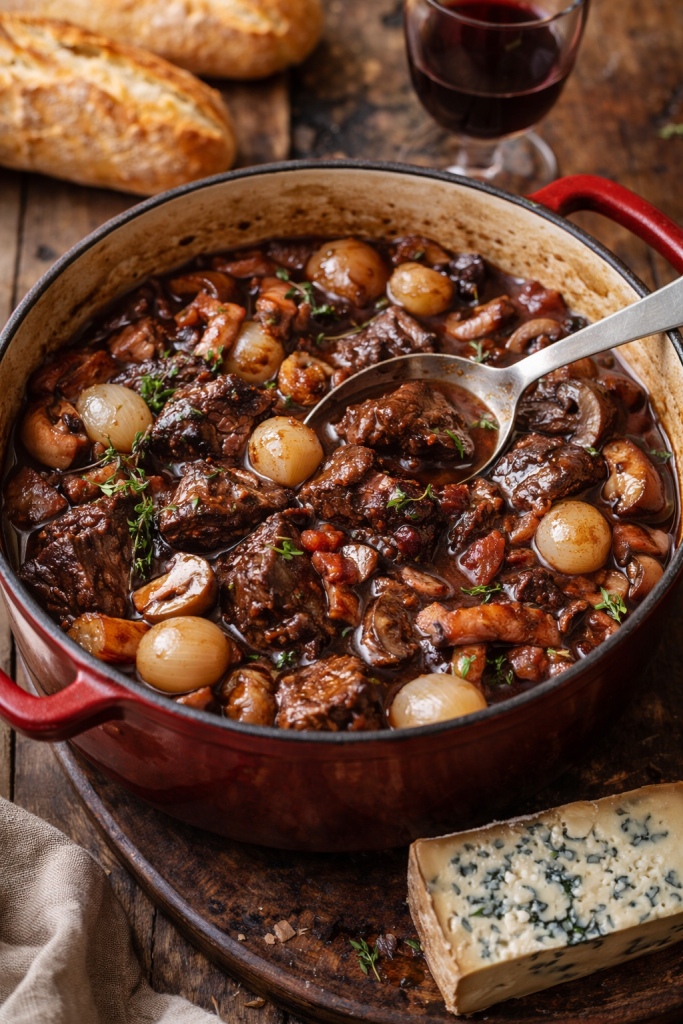
- Boeuf bourguignon – slow-cooked beef in red wine from Burgundy
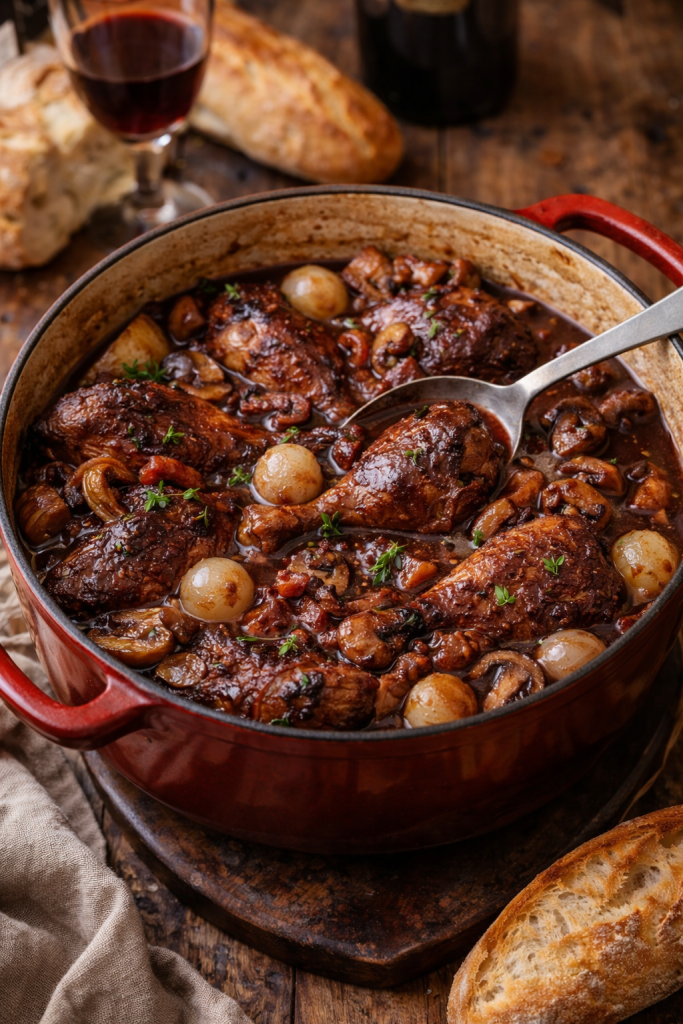
- Coq au vin – chicken braised in wine, a traditional countryside dish
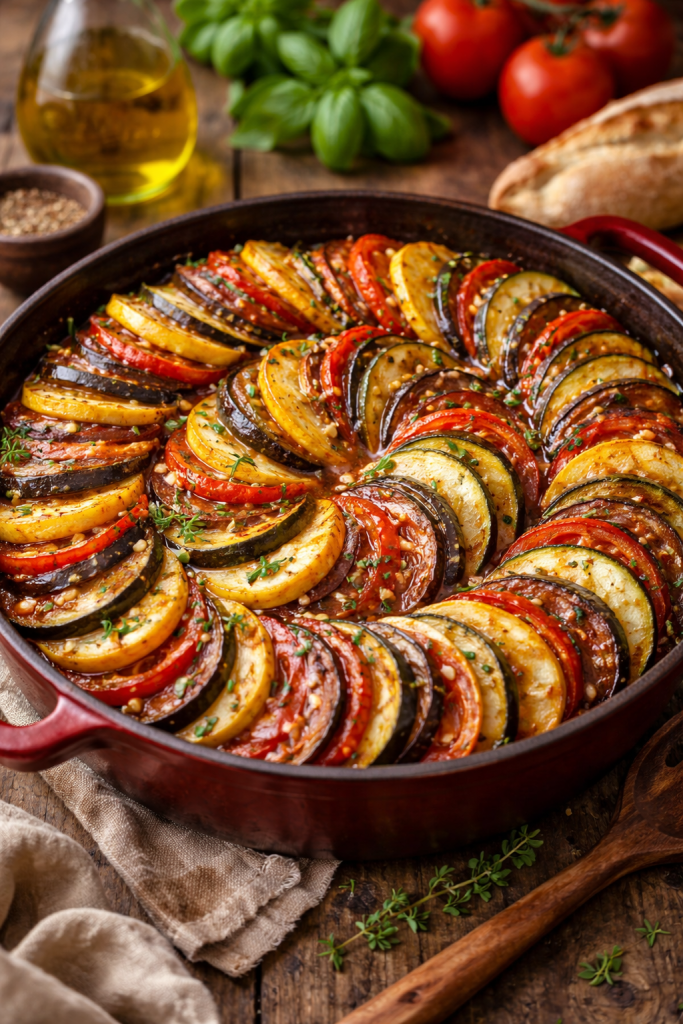
- Ratatouille – vegetable dish from southern France
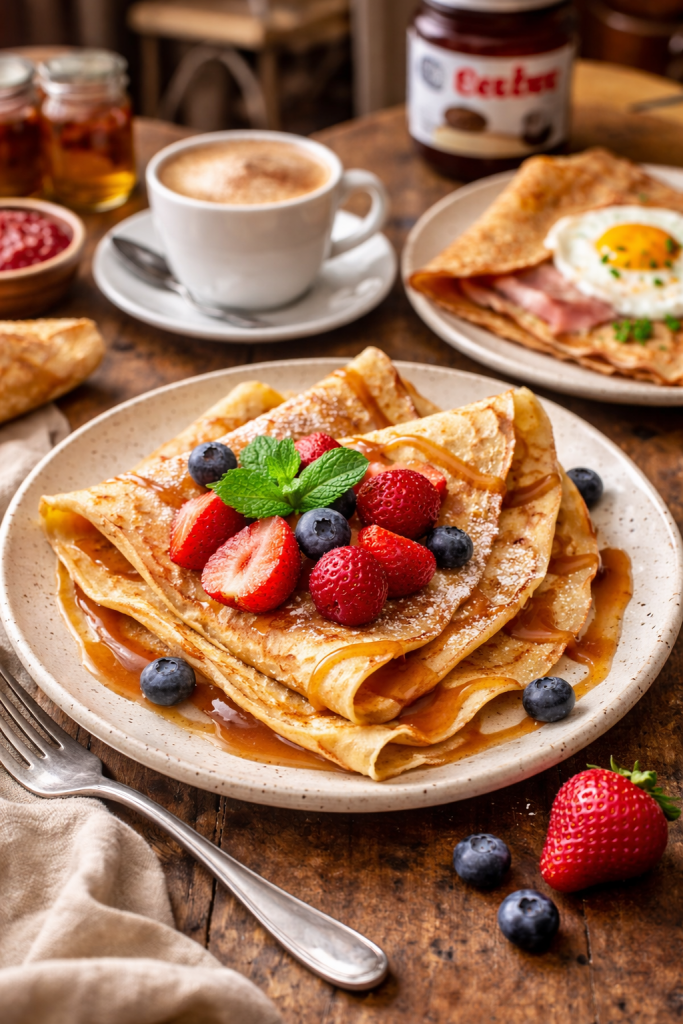
- Crêpes – sweet or savory, eaten any time of day
Meals are meant to be enjoyed slowly — conversation and atmosphere matter as much as the food.
Cultural Facts That Make France Unique
France has strong unwritten cultural rules that shape the travel experience:
- Food is treated as a ritual, not a task
- Café culture is central to daily life
- Art and architecture exist in everyday spaces
- Wine is affordable and commonly paired with meals
- Regional identity strongly influences language, food, and traditions
As a result, the country often feels like multiple cultures combined into one.
Transportation in France (How to Get Around Easily)
Overall, France offers one of Europe’s most efficient transport networks.High-speed trains make it easy to travel between destinations such as Paris, Lyon, and the French Alps, while regional trains connect smaller towns across Provence.
Trains
- TGV high-speed trains connect major cities quickly
- TER regional trains reach smaller towns and villages
- Booking early significantly reduces costs
City Transport
- Metro, trams, and buses are reliable and affordable
Car Rental
- Ideal for Provence, countryside regions, and the Alps
- Not recommended for Paris
Domestic Flights
- Useful for long distances but often unnecessary
However, most travelers can explore France without renting a car.
How Much Does Traveling to France Cost?
Accommodation (per night)
- Budget: €30–60
- Mid-range: €80–150
- Luxury: €180+
Food (per day)
- Budget: €20–30
- Comfortable: €35–60
- Fine dining: €70+
Attractions
- Museums: €10–17
- Free museum days available monthly
In contrast, France becomes significantly cheaper outside Paris and peak summer months.
Best Time to Visit France
- Spring (April–June) – best balance of weather and crowds
- Summer (July–August) – hot, busy, and expensive
- Autumn (September–October) – ideal temperatures and fewer tourists
- Winter (November–March) – quieter cities, ski season in the Alps
- Winter is especially popular for skiing in the French Alps, while spring and summer are perfect for exploring Provence and visiting Paris.
Quick answers:
Best overall months: May & September
Best budget season: January–February
Most crowded month: August
Average Temperatures in France
- Spring: 12°C – 22°C
- Summer: 25°C – 35°C
- Autumn: 15°C – 25°C
- Winter: 2°C – 15°C
Hidden France: Less Touristy Regions Worth Exploring
In fact, travelers looking beyond major cities often discover the most authentic side of France.
Notable less-touristy areas include:
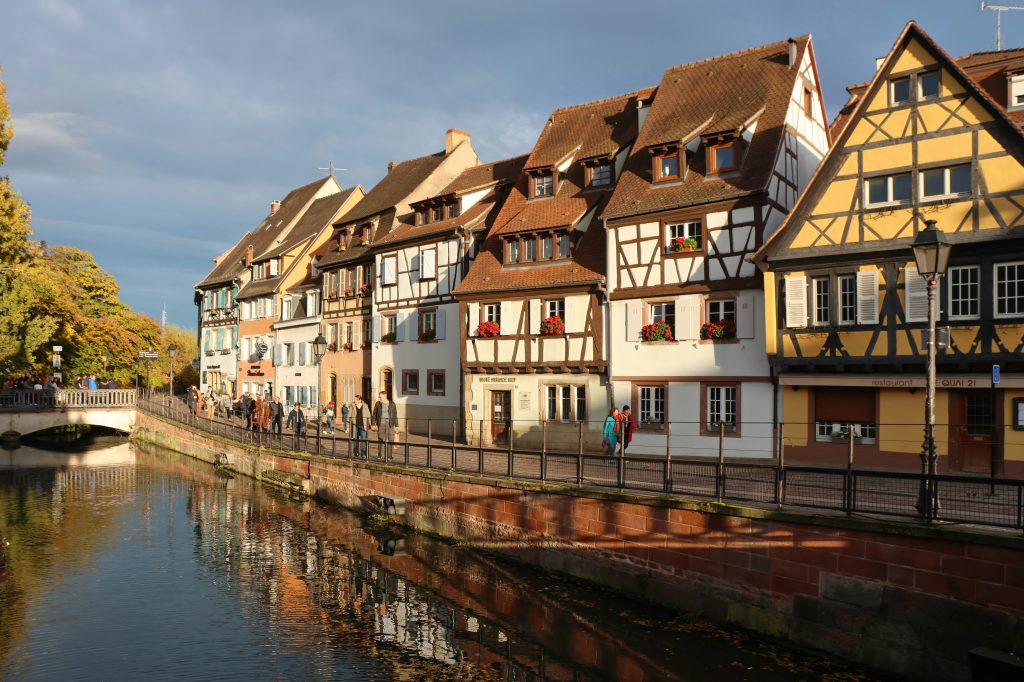
- Alsace villages – colorful towns, wine routes, mixed cultural heritage
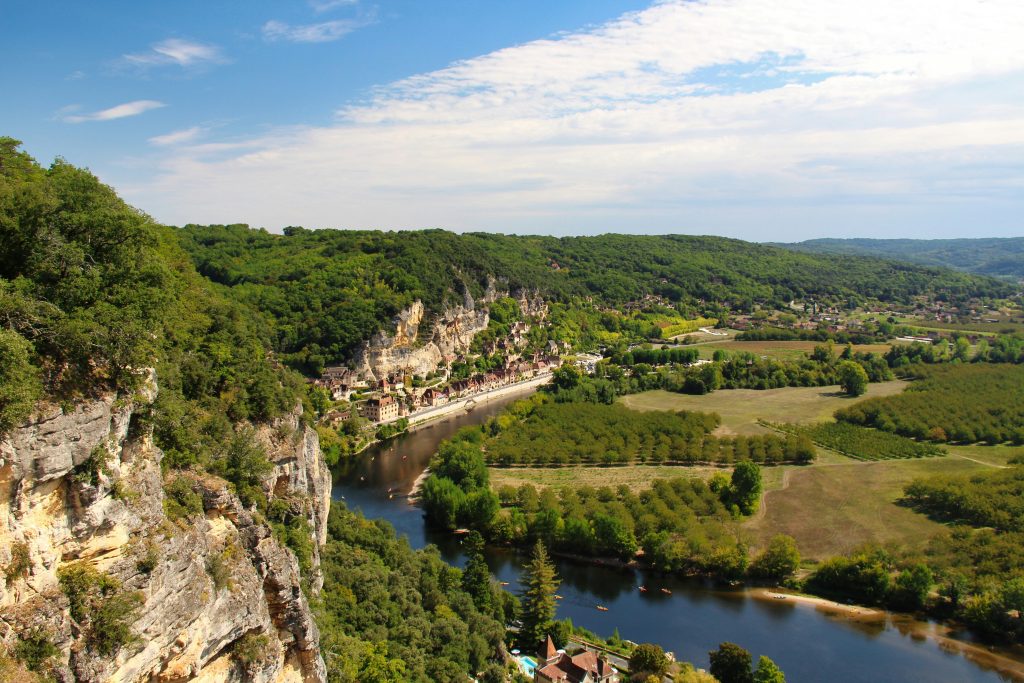
- Dordogne – castles, countryside, traditional food
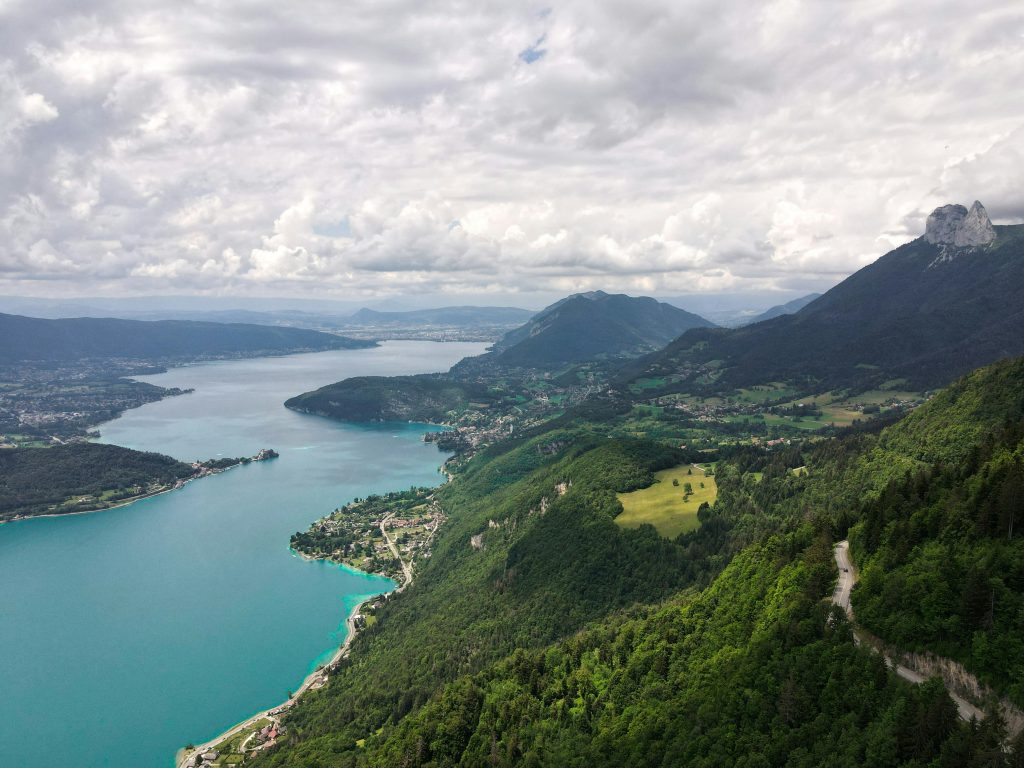
- Annecy & Lake Annecy – alpine town with canals and clear water
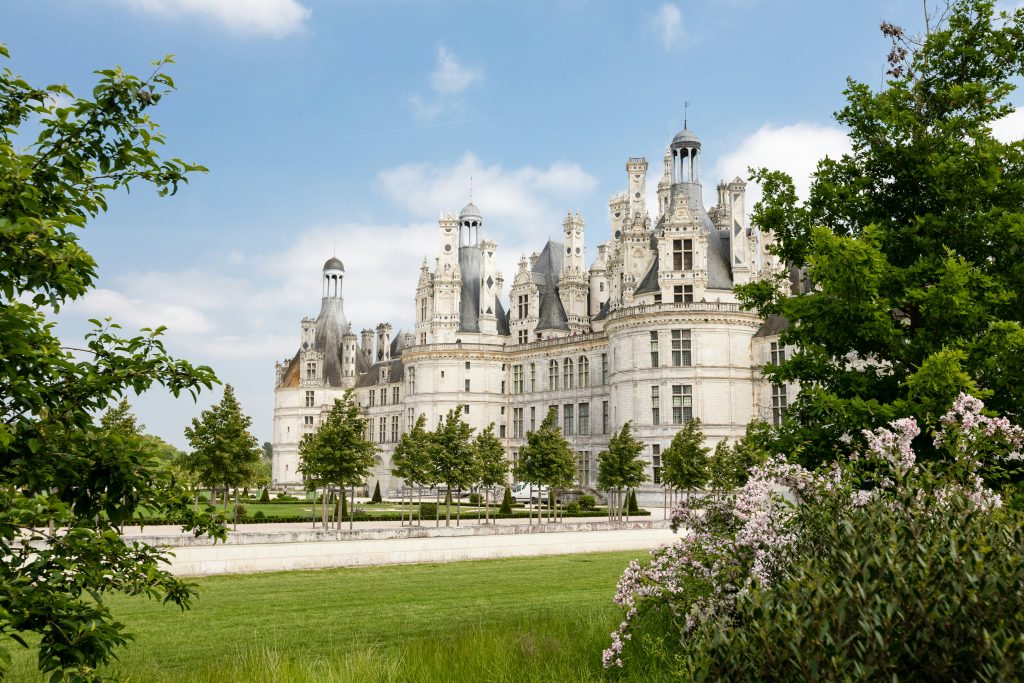
- Loire Valley – castles, vineyards, and historic estates
As a result, these regions offer slower travel, fewer crowds, and deeper cultural immersion.
Where to Stay in France (By Region)
- Paris: Le Marais, Saint-Germain
- French Riviera: Nice as a base
- Provence: villages near Avignon or Aix
- Bordeaux: city center or vineyard outskirts
- Alps: Annecy, Chamonix
Therefore, choosing the right base greatly affects the overall travel experience.Travelers often combine multiple regions, such as staying in Paris, exploring food culture in Lyon, visiting lavender fields in Provence, or heading to the mountains in the French Alps.
Sample France Itineraries
5 Days – First Visit
Paris + Versailles + day trips
7 Days – City & Coast
Paris (4 days) → Nice (3 days)
10 Days – Full Experience.
Paris (3) → Provence (3) → Nice (4)
For deeper planning, see our detailed guides for Paris, Provence, Lyon, and the French Alps.
France Compared to Other Destinations
Italy Compared to France
If you enjoy French culture and cuisine, you may also enjoy destinations across Italy, including Rome, Tuscany, and the Amalfi Coast.
By comparison, the French travel experience feels structured and refined, while Italy feels expressive and chaotic.
Spain Compared to France
Meanwhile, the country feels polished and formal, whereas Spain is relaxed and social.
Overall, it offers a strong balance between culture, comfort, and diversity.
Practical Travel Tips for France
- Always greet with “bonjour”
- Expect slower service in restaurants
- Dress slightly polished
- Cards are widely accepted
- Tipping is included
Common Tourist Mistakes in France
- Visiting only Paris
- Eating near major landmarks
- Traveling too fast
- Expecting quick service
- Visiting in August without planning
Ultimately, France rewards travelers who slow down.
Explore France Travel Guides
If you want more detailed guides for specific destinations in France, explore:
- Paris Travel Guide
- Provence Travel Guide
- Lyon Travel Guide
- French Alps Travel Guide
- Monaco Travel Guide
Other European Travel Guides
You may also like:
- Italy Travel Guide
- Spain Travel Guide
- Barcelona Travel Guide
- Portugal Travel Guide
- Lisbon Travel Guide
Final Thoughts
Instead, France isn’t about ticking off landmarks.It’s about atmosphere, rhythm, taste, and regional character.
Travel slowly, explore beyond major cities, and France will deliver one of Europe’s richest travel experiences.