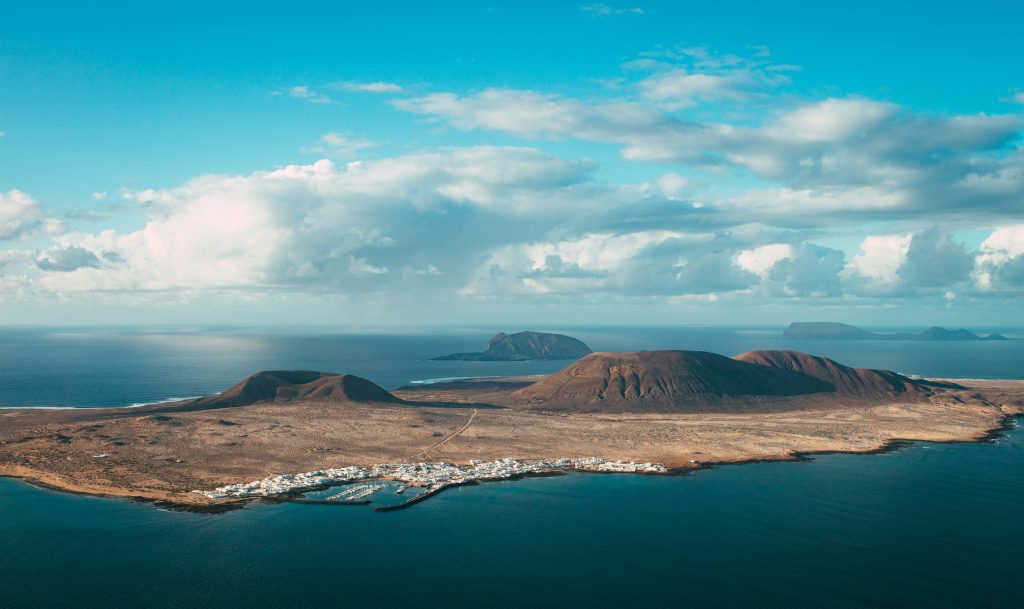
This Canary Islands Travel Guide explains why the islands are one of Europe’s most unique destinations. Because they are located in the Atlantic Ocean, closer to Africa than mainland Spain, this volcanic archipelago offers warm weather all year, dramatic landscapes, diverse islands, and a relaxed lifestyle that attracts travelers in every season. The Canary Islands are often included in wider Spain itineraries, especially alongside cities like Barcelona, Madrid, Valencia, and Seville.
In contrast to typical beach destinations, the Canary Islands combine ocean life, mountains, lava fields, forests, charming towns, and outdoor adventures in one place. As a result, every island feels different, making this destination perfect for both short holidays and long stays.
This complete Canary Islands travel guide covers everything you need to know — islands explained, top attractions, beaches, food, nightlife, transport, costs, weather, best time to visit, mistakes to avoid, safety, and day trips.
Canary Islands Travel Guide: Why Visit?
Overall, the Canary Islands offer a combination that few destinations in Europe can match:
• Warm temperatures throughout the entire year
• Diverse landscapes shaped by volcanic activity
• Beaches with white, golden, and black sand
• Excellent hiking, water sports, and outdoor activities
• Relaxed lifestyle and slower pace of life
• Affordable prices compared to many European islands
They are not just a holiday destination — they are a place people return to for longer stays. While mainland Spain offers historic cities and vibrant culture, the Canary Islands provide a completely different landscape shaped by volcanoes, ocean winds, and year-round sunshine.
The Canary Islands Explained (Choose the Right Island)
Each island has its own character. In practice, this means that choosing the right island matters more than simply visiting the Canary Islands as a whole. Choosing the right one depends on how you want to travel. Travelers who enjoy island hopping often combine the Canary Islands with Spain’s Mediterranean islands, especially the Balearic Islands.
Tenerife
The most diverse island.
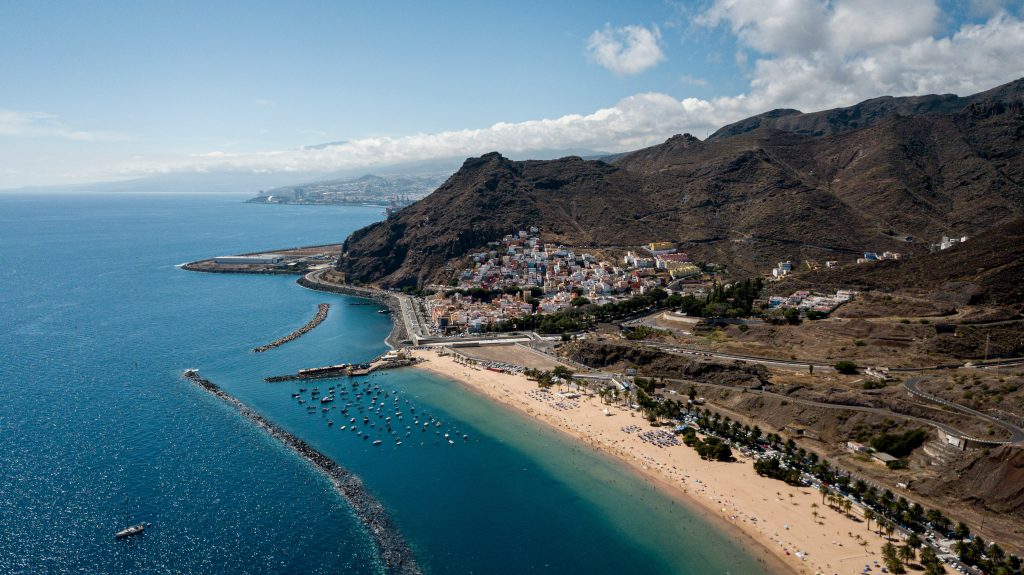
Features Mount Teide, historic towns, beaches, nightlife, and excellent hiking. Ideal for first-time visitors.
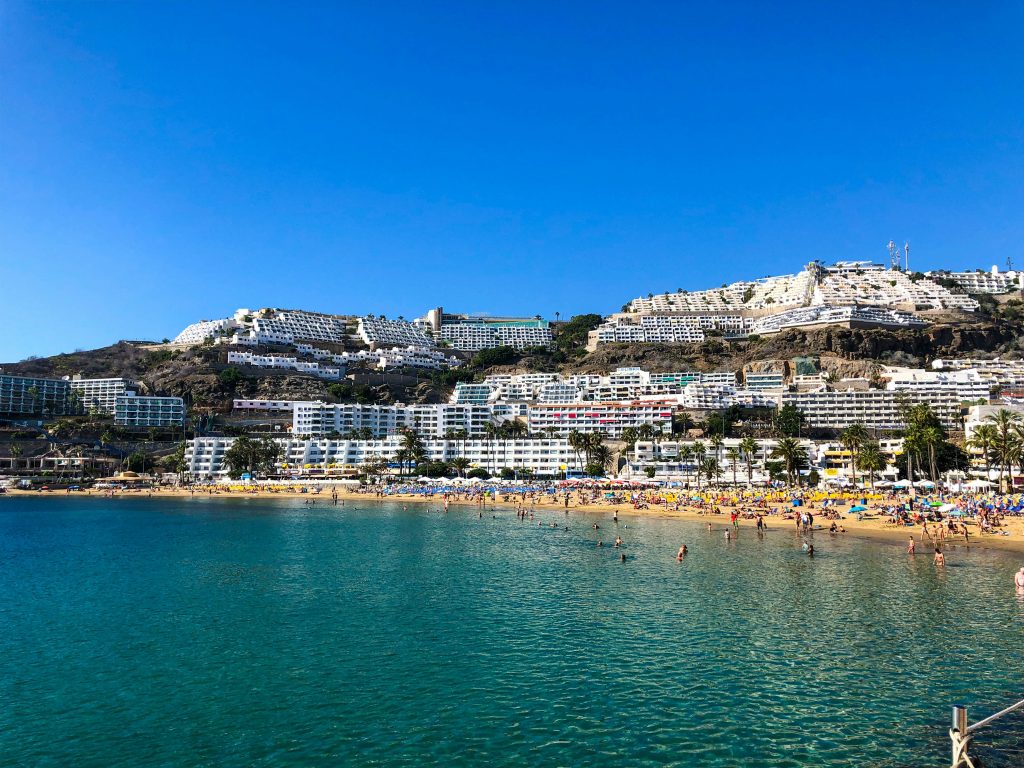
Gran Canaria
Known as “a continent in miniature.”
Offers dunes, beaches, mountains, cities, and villages on one island.
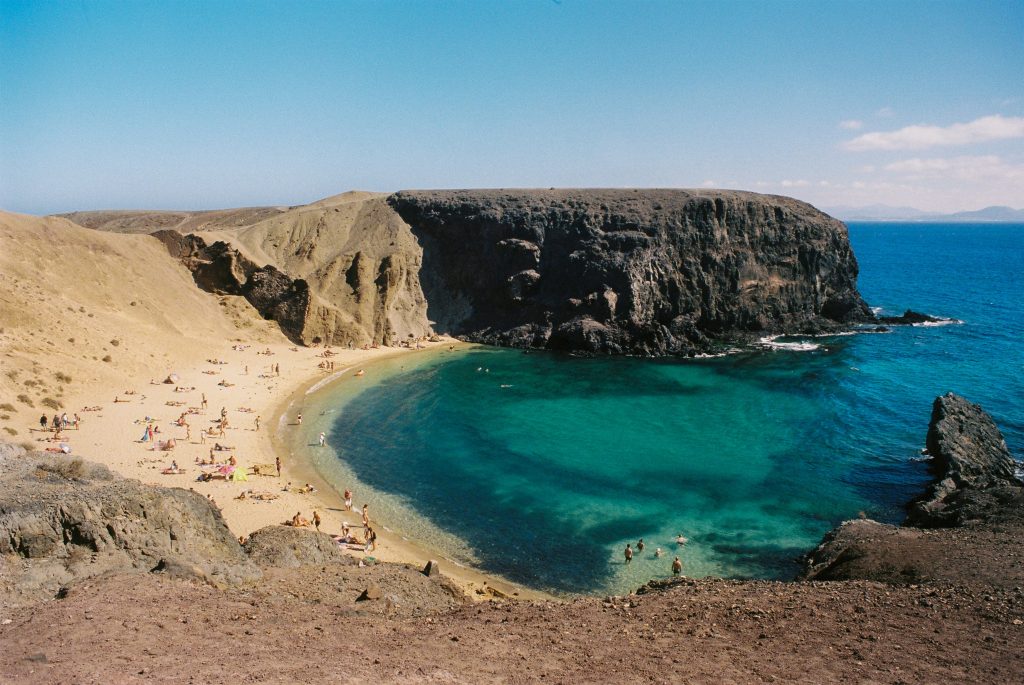
Lanzarote
Raw and volcanic.
Famous for lava landscapes, black beaches, and unique architecture influenced by César Manrique.
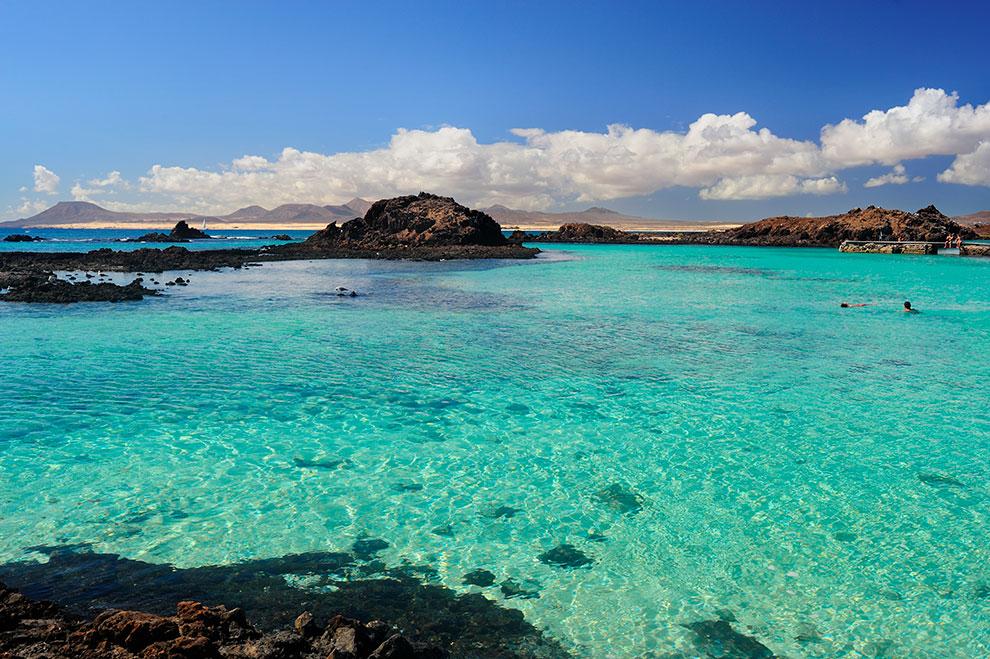
Fuerteventura
The beach and surf island.
Long white-sand beaches, turquoise water, and strong winds for water sports.
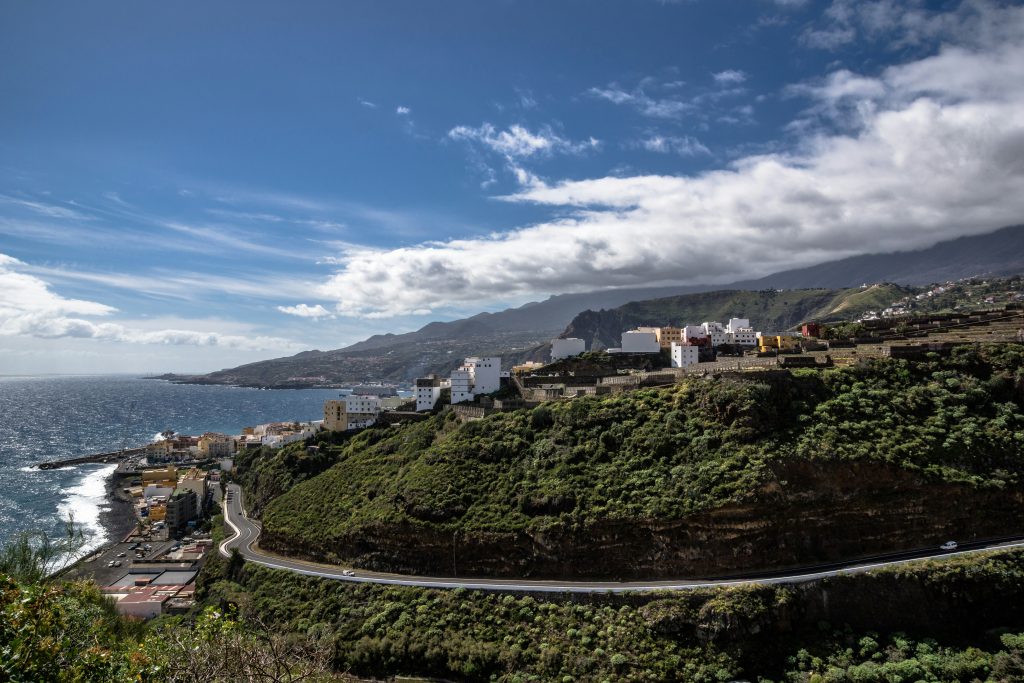
La Palma
Green, quiet, and untouched.
Perfect for hiking, nature lovers, and stargazing.
La Gomera & El Hierro
Small and authentic.
Ideal for slow travel, local culture, and escaping mass tourism.
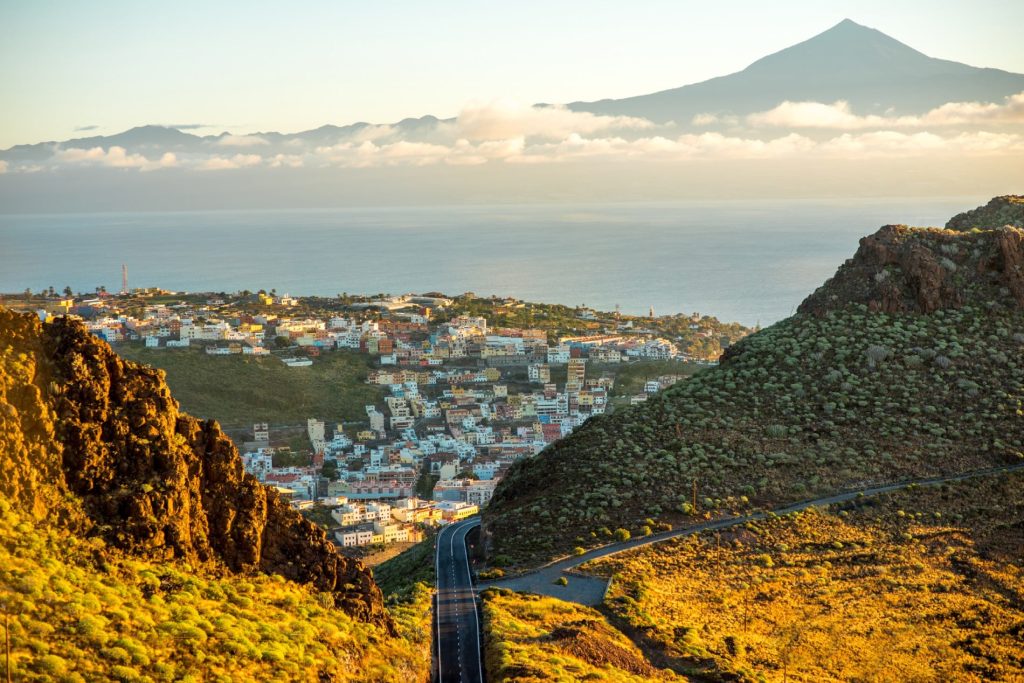
What many visitors notice after arriving is how different each island feels in reality, especially when comparing landscapes and atmosphere.
Top Things to See in the Canary Islands
Mount Teide National Park (Tenerife)
Spain’s highest peak and one of Europe’s most impressive volcanic landscapes. Natural landscapes like this contrast strongly with the historic cities of Barcelona, Madrid, and Seville on mainland Spain.
Local tip:
Visit early morning or at sunset for dramatic light and fewer crowds.

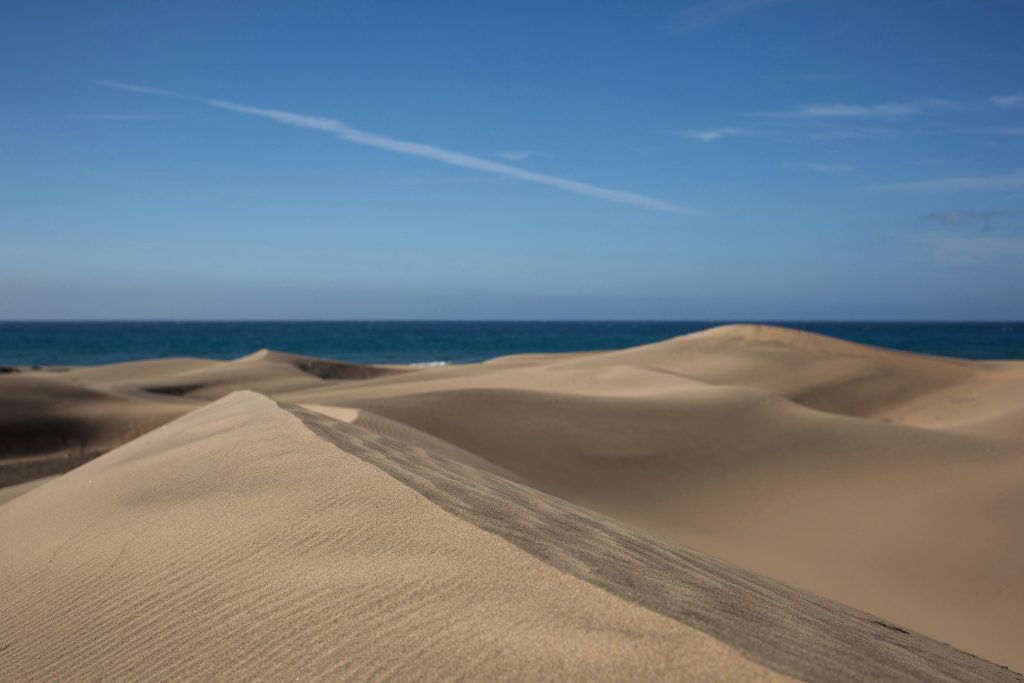
Maspalomas Dunes (Gran Canaria)
A vast desert of golden sand meeting the Atlantic Ocean.
Local tip:
Late afternoon offers cooler temperatures and better photo conditions.
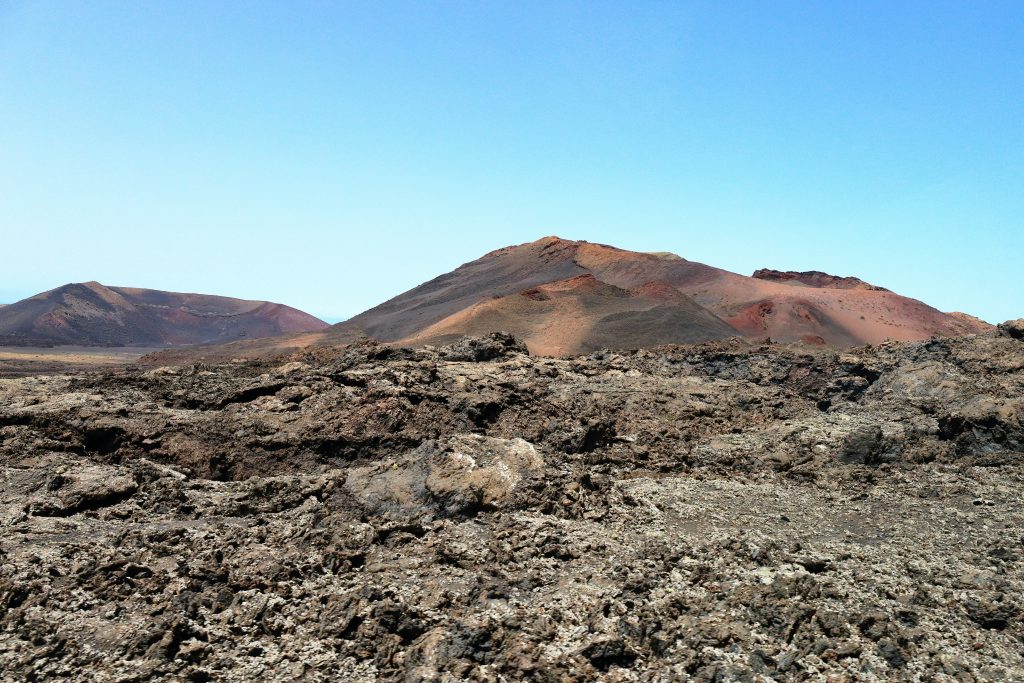
Timanfaya National Park (Lanzarote)
A protected volcanic area formed by historic eruptions.
Local tip:
Guided visits are the only way to explore the interior.
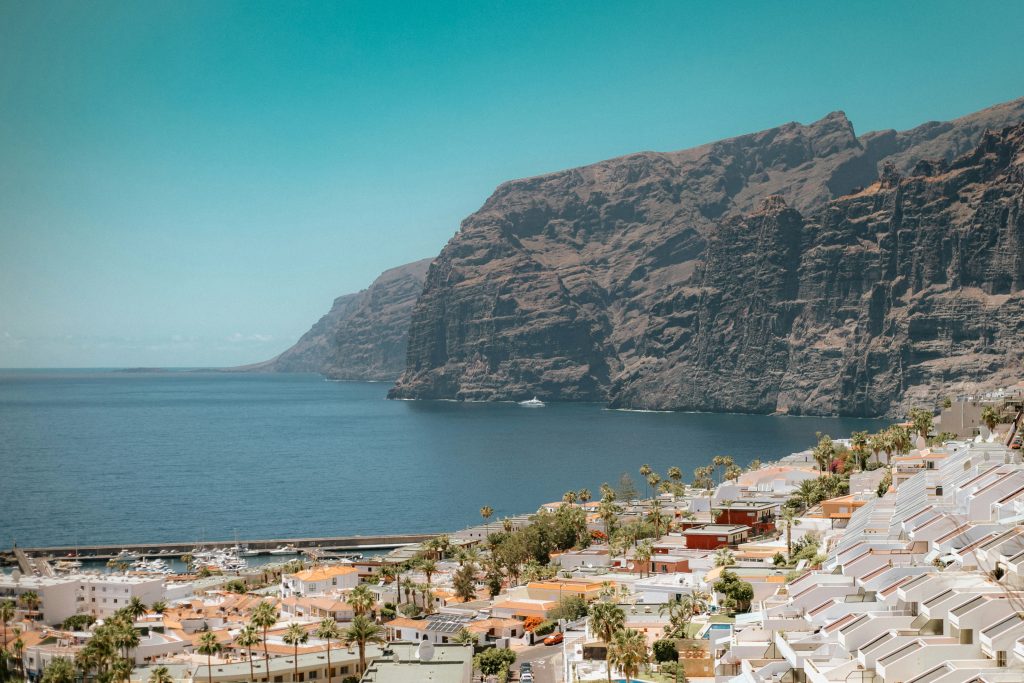
Los Gigantes Cliffs (Tenerife)
Massive volcanic cliffs rising directly from the sea.
Local tip:
Boat tours provide the best perspective and dolphin sightings.
Cofete Beach (Fuerteventura)
A wild and remote beach backed by mountains.
Local tip:
Rent a car and check weather conditions before visiting.
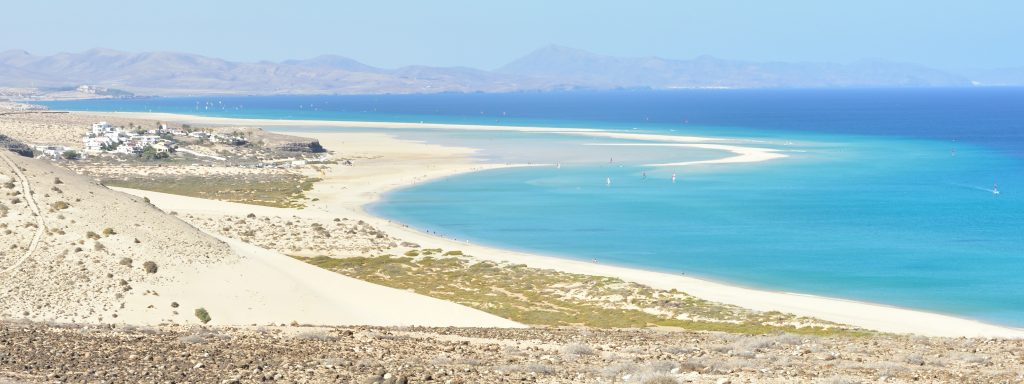
Beaches in the Canary Islands
These islands are famous for their beach variety:
White-sand beaches are especially common in Fuerteventura and Gran Canaria, where long stretches of soft sand meet clear turquoise water.
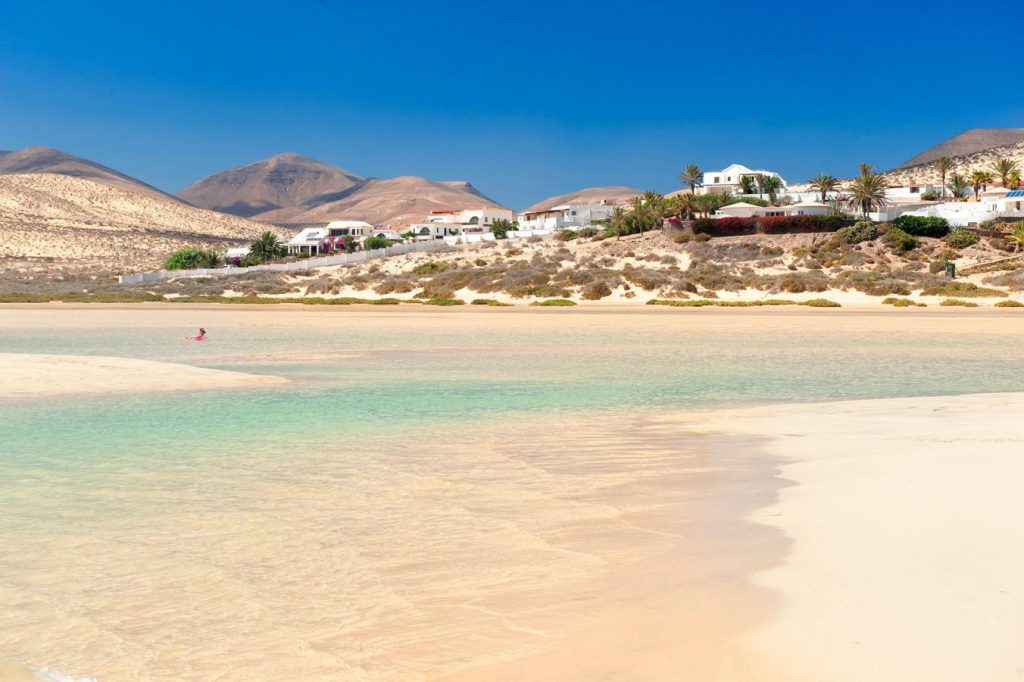
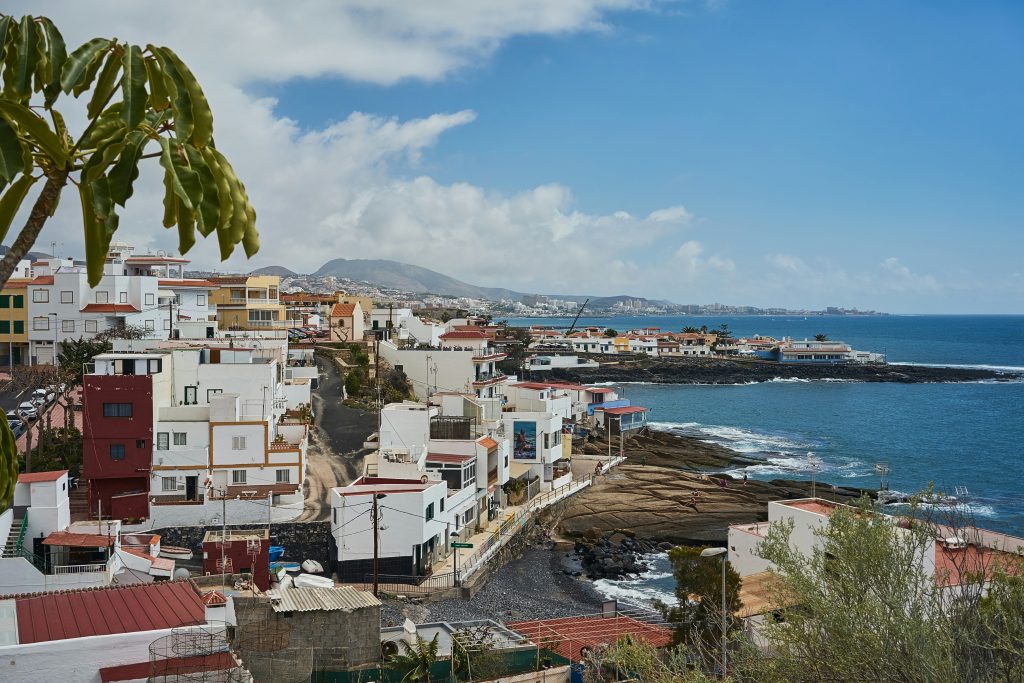
Black volcanic beaches are typical in Tenerife and Lanzarote, shaped by centuries of lava flows and dramatic coastal landscapes.
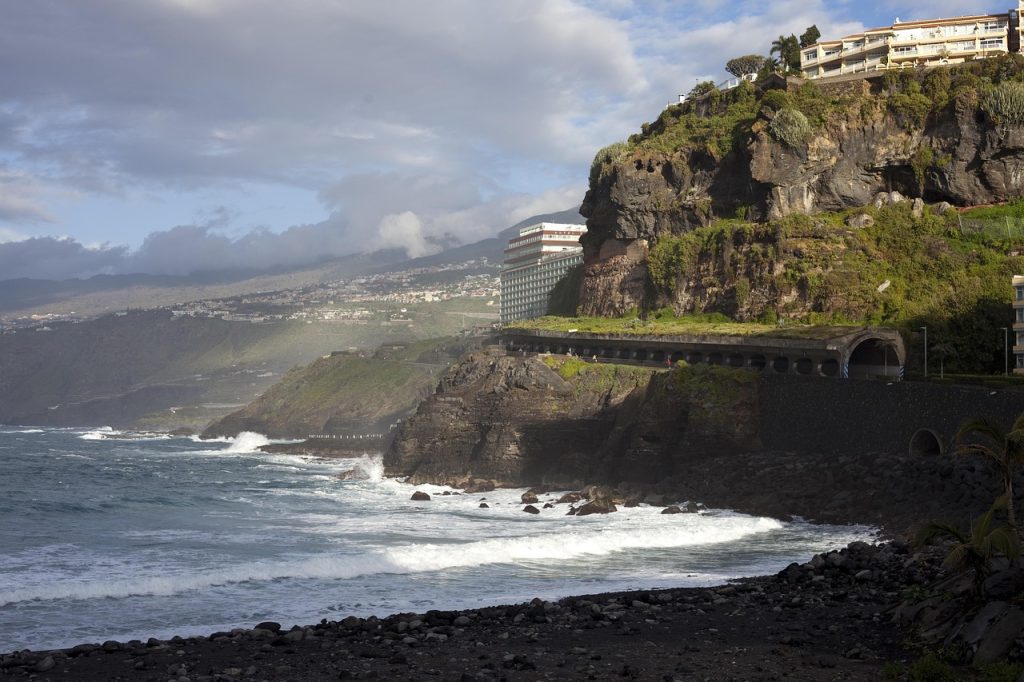
Many islands also offer natural, undeveloped beaches surrounded by dramatic landscapes and minimal infrastructure, perfect for travelers seeking solitude.
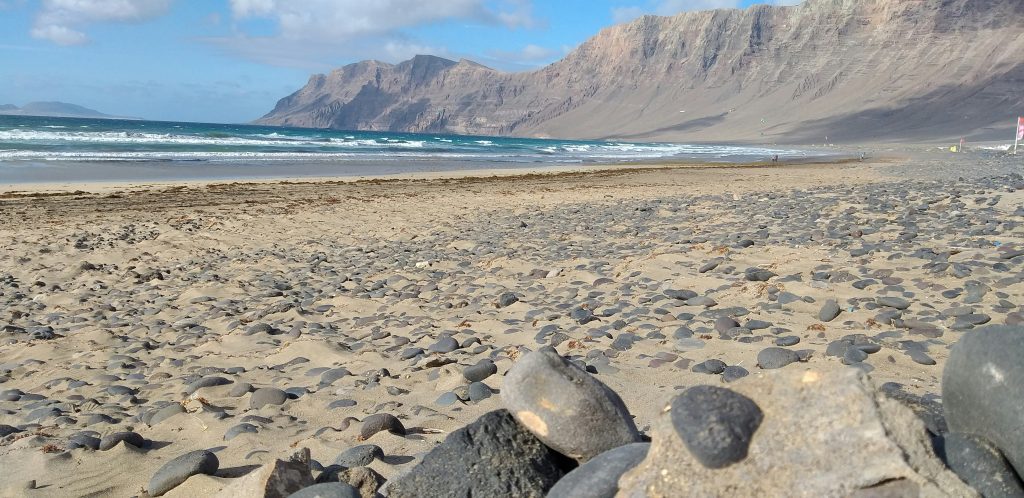
Some areas provide calm resort beaches ideal for swimming, while others showcase wild Atlantic coastlines shaped by strong winds and powerful waves.
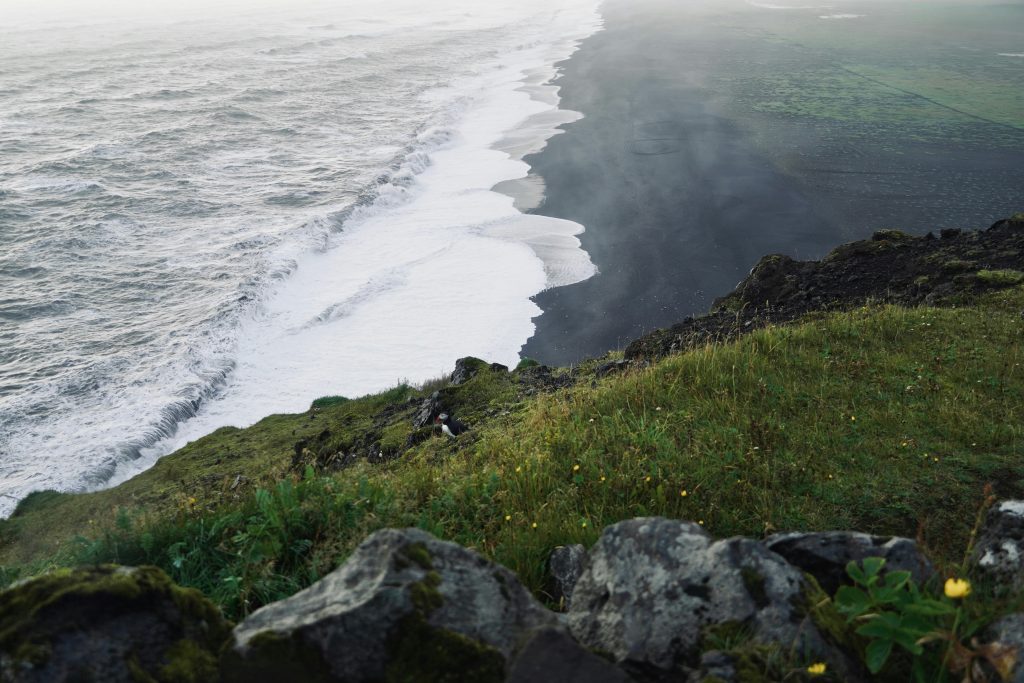
Therefore, whether you want swimming, surfing, or solitude, there is a beach for every traveler. For Mediterranean beach culture, many travelers also explore the Balearic Islands, while the Canary Islands offer a more volcanic and wild coastal landscape.
Typical Food in the Canary Islands
Canarian cuisine is simple, fresh, and deeply local.
Papas Arrugadas con Mojo
Small salted potatoes served with red and green sauces.

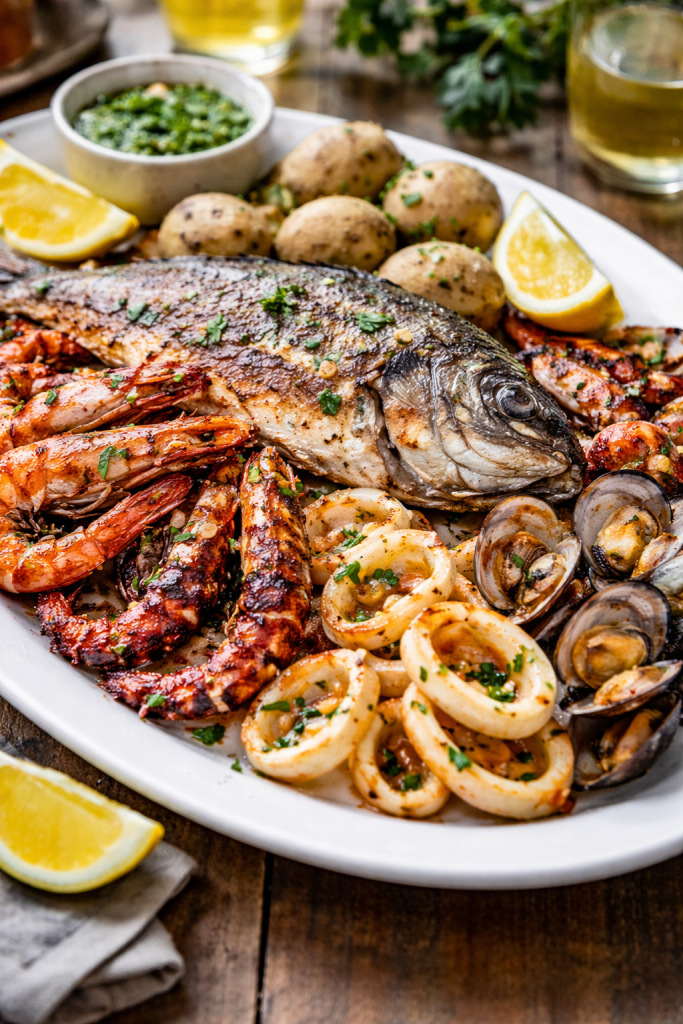
Fresh Fish and Seafood
Grilled fish, octopus, and seafood straight from the Atlantic.
Gofio
Traditional roasted grain flour used in soups and desserts.

Conejo en Salmorejo
Rabbit marinated in garlic, herbs, and spices.

Local Goat Cheese
Often served with honey or mojo sauce.

Nightlife in the Canary Islands
However, nightlife depends on the island:
• Tenerife and Gran Canaria offer clubs, beach bars, and nightlife districts
• Lanzarote and Fuerteventura focus on relaxed evenings and sunset cocktails
• Smaller islands are quiet and local
The atmosphere is social but calmer than mainland Spanish cities.For a more intense nightlife scene, many travelers head to mainland destinations like Barcelona or Madrid.
Festivals in the Canary Islands
Carnival
One of the biggest carnivals in the world, especially in Tenerife and Gran Canaria.
Local Fiestas
Village festivals with music, food, and traditional costumes.
Romerías
Cultural pilgrimages celebrating Canarian heritage.
Canary Islands Travel Guide: Transport & Getting Around
Understanding transport is key to enjoying the islands fully.
Getting There
• International flights arrive mainly in Tenerife, Gran Canaria, Lanzarote, and Fuerteventura
• Many European cities offer direct connections year-round
Moving Between Islands
• Short domestic flights (fast and affordable)
• Ferries connecting major islands
Getting Around Each Island
• Renting a car is highly recommended
• Public buses exist but are slow for exploration
• Taxis are reliable but costly for long distances
For nature, beaches, and viewpoints, a rental car is the best option. Direct flights connect the islands with many major Spanish cities, including Madrid, Barcelona, and Valencia.
Canary Islands on a Budget vs Luxury
Budget Travel (€35–45 per day)
• Bakery breakfast
• Free beaches and hiking
• Local lunch menus
• Sunset viewpoints
Luxury Travel (€220+ per day)
• Resort or boutique hotel
• Private tours
• Fine dining
• Yacht or boat experiences
• Spa and beach clubs
Weather and Best Time to Visit
The Canary Islands have one of the best climates in the world.
Average Temperatures
• Winter: 18–24°C
• Summer: 24–30°C
Best Time to Visit
• Year-round destination
• Ideal winter escape for Europeans
• Summer perfect for beaches and water sports
As a result, there is no bad season to visit. Winter is especially popular for travelers escaping colder climates in mainland Spain and across Europe.
Common Mistakes Tourists Make
• Staying on only one island without exploring
• Not renting a car
• Expecting the same experience on every island
• Focusing only on resorts and skipping nature
Safety and Practical Tips
In general, the Canary Islands are very safe.
• Low crime rates
• Tap water is safe but bottled is common
• English widely spoken in tourist areas
• Credit cards accepted almost everywhere
Best Photo Spots in the Canary Islands
• Mount Teide viewpoints
• Maspalomas dunes
• Los Gigantes cliffs
• Volcanic beaches at sunset
• Coastal villages and harbors
Canary Islands FAQ
Are the Canary Islands expensive?
Prices are often lower than mainland Spain due to lower local taxes.
How many days are enough?
7–10 days for one island, 12–14 days for multiple islands.
Are the Canary Islands good in winter?
Yes, they are one of Europe’s best winter destinations.
Explore Spain Travel Guides
If you are planning a broader trip across Spain, these guides may help:
- Spain Travel Guide
- Barcelona Travel Guide
- Madrid Travel Guide
- Valencia Travel Guide
- Malaga Travel Guide
- Seville Travel Guide
- Balearic Islands Travel Guide
Other Island Destinations You May Like
If you enjoy island travel and warm climates, you may also like:
- Portugal Travel Guide
- Madeira Travel Guide
- Greece Travel Guide
- Santorini Travel Guide
- Zanzibar Travel Guide
Travel conditions, prices, and availability may change depending on the season and location, so it is always recommended to check current details before planning your trip.
Final Thoughts
The Canary Islands are not a typical destination focused on one experience.
They offer variety — from volcanic landscapes and hiking trails to beaches, coastal towns, and quiet natural areas.
Each island feels different, which allows travelers to shape their trip based on what they actually enjoy.
If you are looking for warm weather, outdoor activities, and a destination that works year-round, the Canary Islands are one of the most practical and diverse options in Europe.