
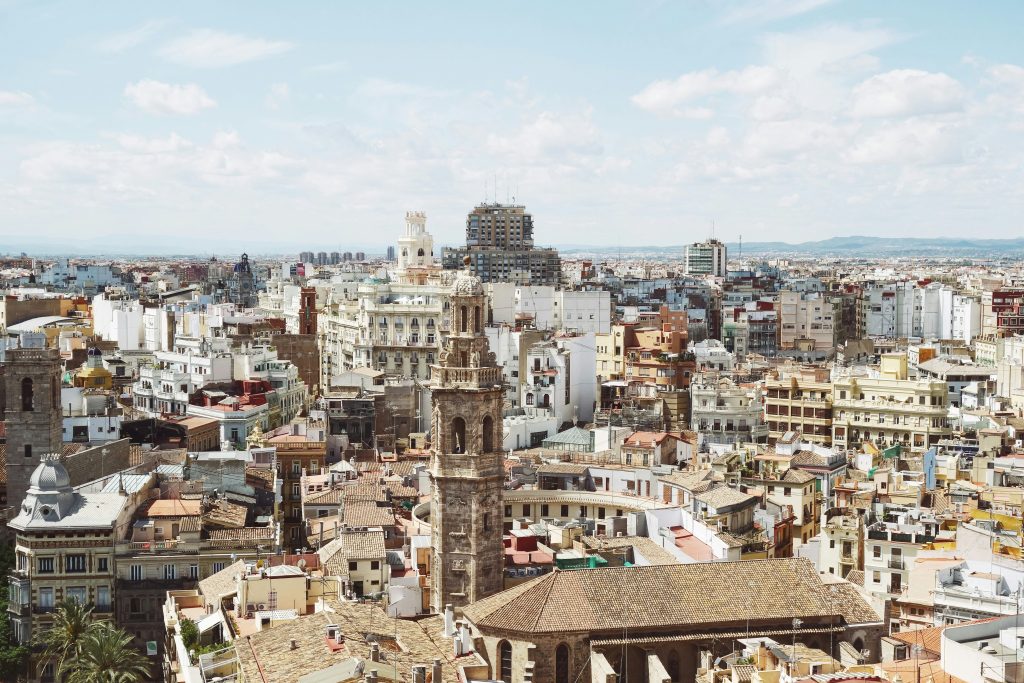
VThis Valencia Travel Guide explains why Valencia is one of the rare European cities that truly has it all — history, beaches, modern design, and incredible food.
Yet, it remains far less crowded than Barcelona and far less intense than Madrid.
This guide shows you what Valencia is really like: what to see, where to eat, beaches, nightlife, festivals, parks, markets, day trips, real costs, weather, common mistakes, safety tips, and the best photo spots — all written for travelers who want quality, not chaos.
Overall, Valencia is one of the rare European cities that truly has it all.Many travelers visit Valencia while exploring Spain, often combining it with cities like Barcelona, Madrid, or southern destinations such as Seville and Málaga.
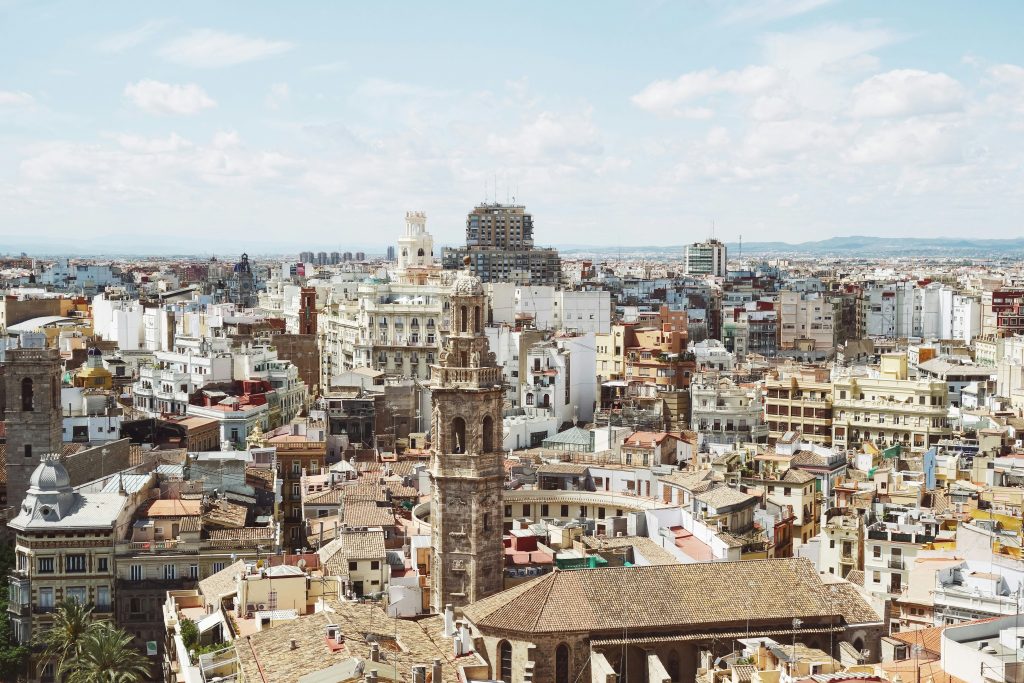
Valencia Travel Guide: Why Visit Valencia?
Valencia offers a lifestyle balance that very few cities in Europe can match.
What makes Valencia special:
- A historic old town with UNESCO heritage
- Iconic futuristic architecture
- One of Europe’s largest urban parks
- Wide, clean Mediterranean beaches
- The birthplace of authentic paella
- More affordable and relaxed than Barcelona
The city is walkable, livable, and effortlessly enjoyable.
Valencia Travel Guide: Historic & Cultural Highlights
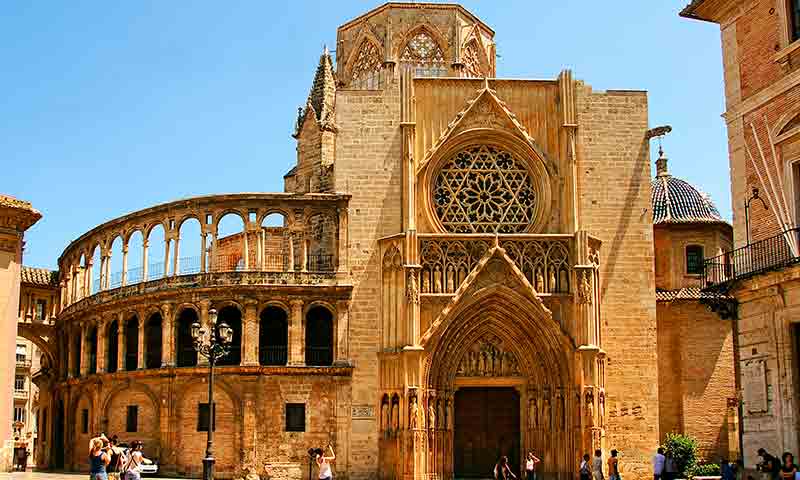
Valencia Cathedral & El Miguelete
A fascinating mix of Roman, Gothic, and Baroque styles. Local tradition claims it houses the Holy Grail.
Local tip:
Climb the El Miguelete tower for panoramic views of the old city.
Best photo spots:
- Plaza de la Virgen
- Cathedral façade
- Tower viewpoint
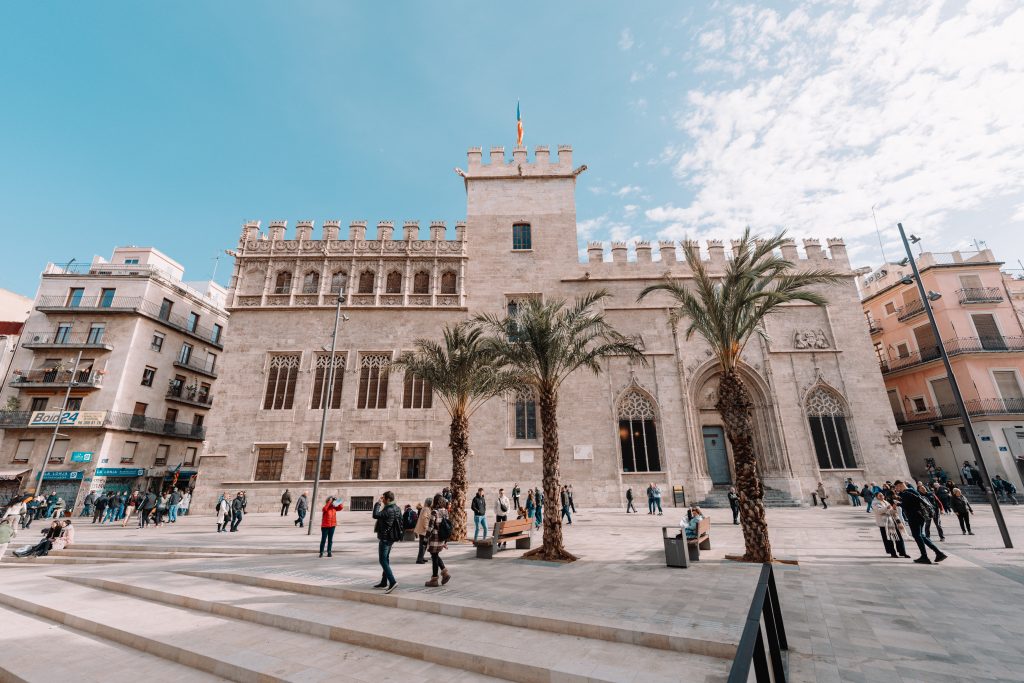
La Lonja de la Seda (UNESCO)
A stunning Gothic silk exchange that reflects Valencia’s historic wealth and trading power.
Why it matters:
It represents Valencia’s golden age as a Mediterranean trading hub.
Best photo spots:
- Interior spiral columns
- Exterior arches
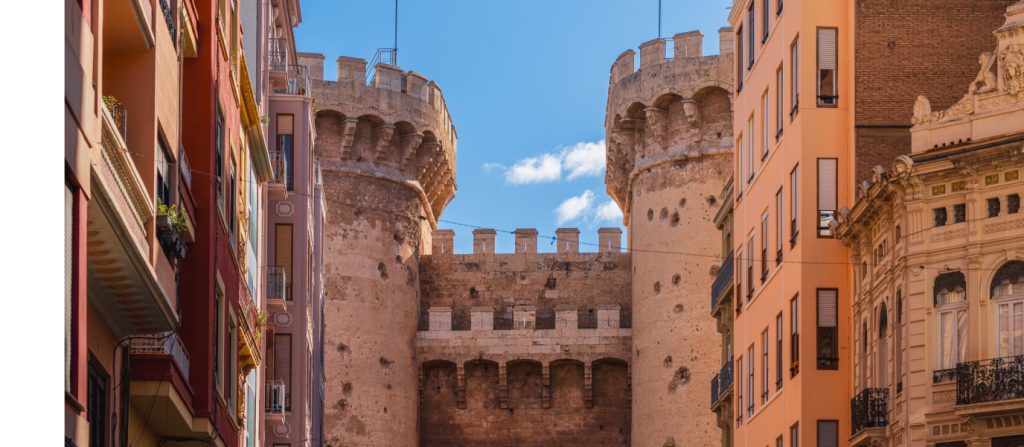
Torres de Serranos & Torres de Quart
Medieval city gates that once protected Valencia’s old walls.
Local tip:
Climb the towers near sunset for city views.
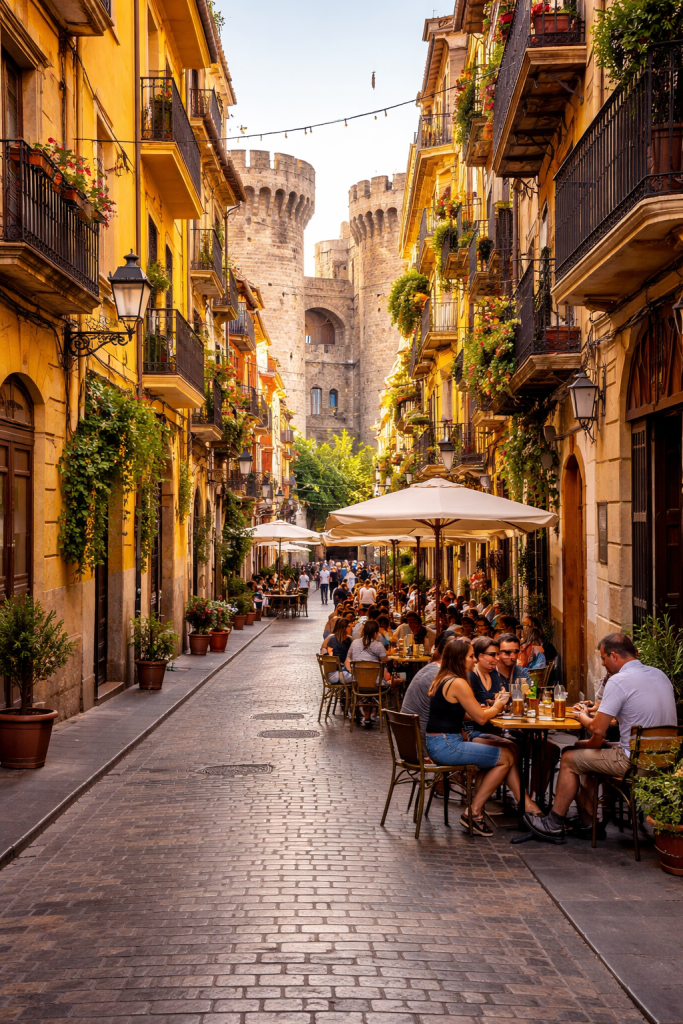
Barrio del Carmen
The historic core filled with narrow streets, street art, hidden plazas, and nightlife.
Local tip:
Put away Google Maps and explore freely.
Modern Valencia & Iconic Architecture
City of Arts & Sciences
Valencia’s most famous modern complex and one of Europe’s most striking architectural sites.
Includes:
- L’Hemisfèric (IMAX & planetarium)
- Science Museum (interactive exhibits)
- Oceanogràfic (Europe’s largest aquarium)
- Palau de les Arts (opera & concerts)
Local tip:
Walking around the complex is free — and already impressive.
Best photo spots:
- Pool reflections
- Umbracle walkway
- Sunset silhouettes
Parks, Nature & Outdoor Experiences
Turia Gardens
A massive green park built inside a former riverbed, stretching across the city.
Best way to enjoy it:
Walk or bike from the old town all the way to the beach.
Gulliver Park
A giant playground shaped like Gulliver — fun, playful, and unique.
Bioparc Valencia
An immersive zoo where animals appear to live in open, natural habitats.
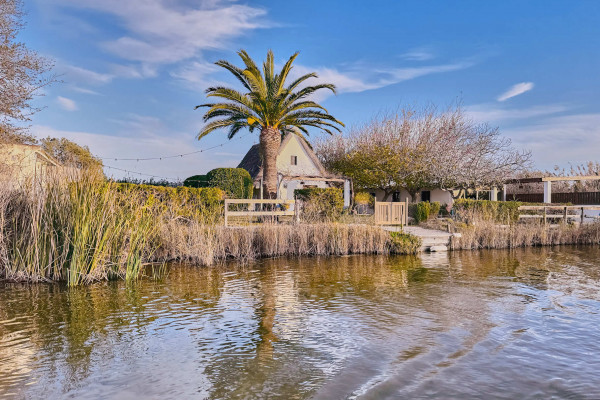
Albufera Natural Park
Lagoons, rice fields, and sunsets — the birthplace of paella.
Best experience:
A sunset boat ride across the lake.
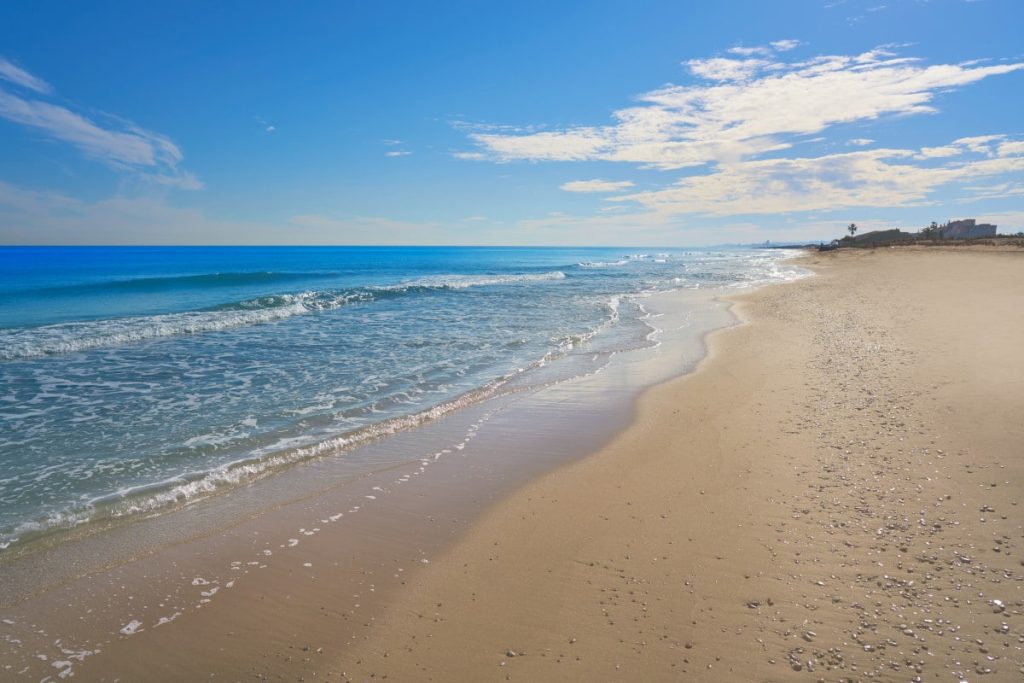
Beaches & Waterfront
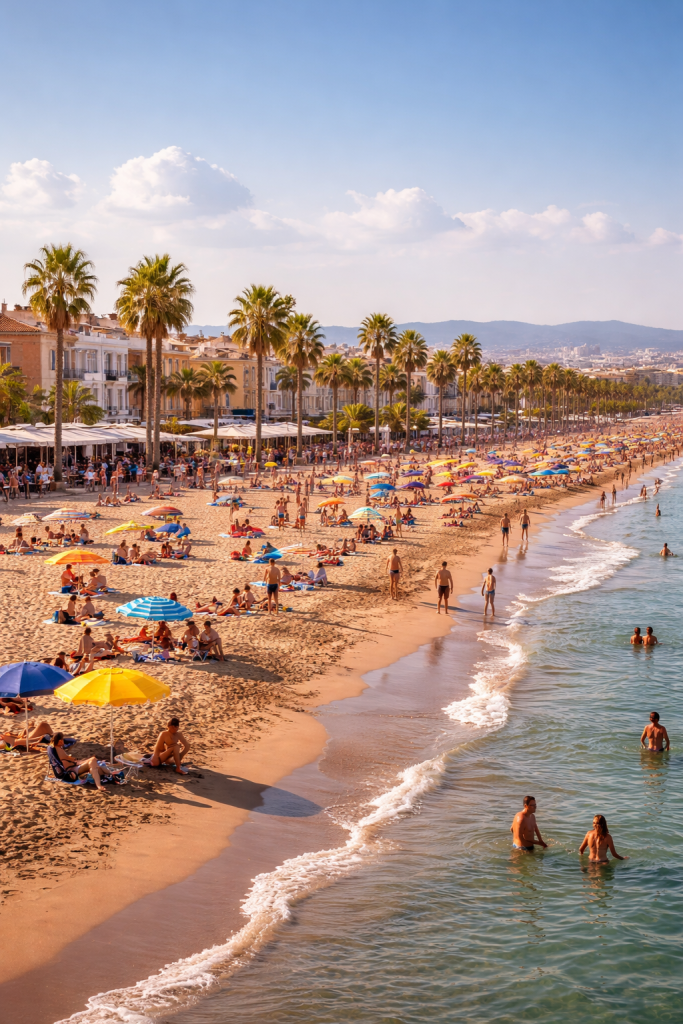
Malvarrosa Beach
Wide city beach with restaurants and long promenades.
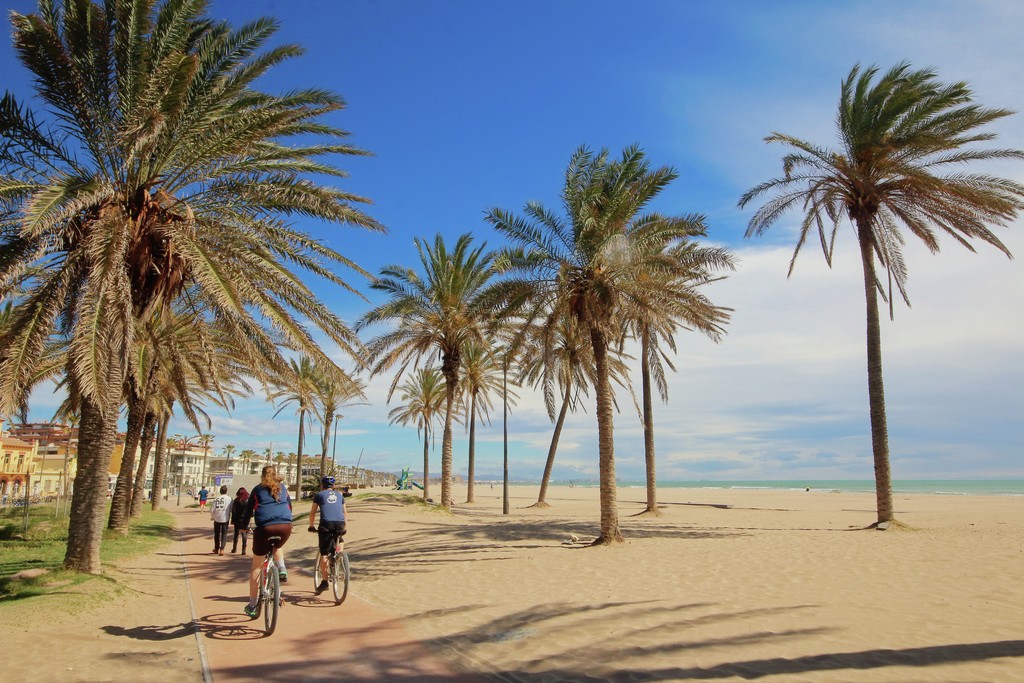
Patacona Beach
Calmer and more local, perfect for sunset walks.
El Saler Beach
Natural dunes and pine trees — ideal for peace and nature lovers.Travelers who enjoy Spain’s Mediterranean beaches often also explore the islands of the Balearic Islands or the volcanic landscapes of the Canary Islands.
Typical Food in Valencia
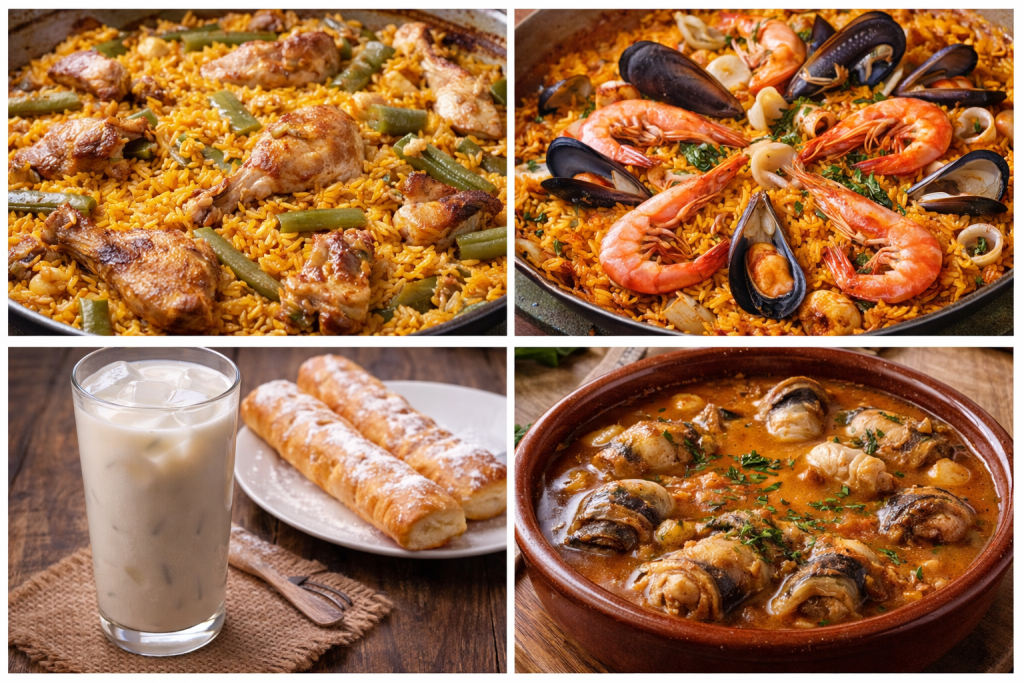
Paella Valenciana
The original version made with rice, chicken, rabbit, green beans, and saffron. Always eaten at lunch.Paella originated in Valencia, but it has become one of the most famous dishes across Spain.
Seafood Paella
A coastal variation with shrimp, mussels, and squid.
Horchata & Fartons
A sweet tiger-nut drink served cold with soft pastries.
All i Pebre
A traditional eel stew from the Albufera region.
Quality Restaurants in Valencia (Real Places)
Budget
- La Pilareta – famous for mussels
- Central Bar (Mercado Central) – high-quality market food
- El Rall – traditional Valencian dishes
Mid-Range
- Casa Carmela – legendary paella
- Canalla Bistro – modern local cuisine
- El Poblet – refined Valencian cooking
Luxury
- Ricard Camarena Restaurant – Michelin star
- Riff – Mediterranean fine dining
Markets & Food Experiences
- Mercado Central – one of Europe’s largest food markets
- Colón Market – stylish food hall
- Ruzafa Market – local produce and cafés
- Paella cooking classes – authentic hands-on experience
Nightlife in Valencia
Clubs
- L’Umbracle / Mya – open-air club at City of Arts
- Akuarela Playa – beachfront nightlife
- Barraca – legendary electronic club
Bars & Areas
- Ruzafa – trendy nightlife district
- El Carmen – relaxed bars and live music
- Marina Beach Club – drinks by the sea
Valencia’s nightlife is lively but never overwhelming.Travelers looking for bigger nightlife scenes often visit Barcelona, while southern cities like Seville offer a more traditional Andalusian evening culture.
Festivals in Valencia
Las Fallas (March)
Massive artistic sculptures burned during spectacular celebrations.
La Tomatina (Buñol)
The world-famous tomato fight — an easy day trip.
Feria de Julio
Summer concerts, fireworks, and cultural events.
Valencia on a Budget vs Luxury
Budget Day (€30–40)
A typical budget day might include a bakery breakfast, a walk through Turia Gardens, lunch at the market, beach time, and a sunset stroll.
Luxury Day (€200+)
A luxury day in Valencia could include a boutique hotel breakfast, a private City of Arts tour, Michelin-star lunch, yacht or beach club time, fine dining, and VIP nightlife.
Common Tourist Mistakes
- Eating paella for dinner
- Skipping Turia Gardens
- Staying only in the old town
- Missing Albufera Natural Park
Valencia Travel Guide: Weather & Best Time to Visit
- Spring & Autumn: warm and comfortable
- Summer: hot, ideal for beach lovers
- Winter: mild and sunny
- Travelers who want guaranteed warm weather in winter often head to the Canary Islands, which stay warm year-round.
Ideal months: April–June & September–October
Best Day Trips from Valencia
- Albufera Natural Park
- Buñol
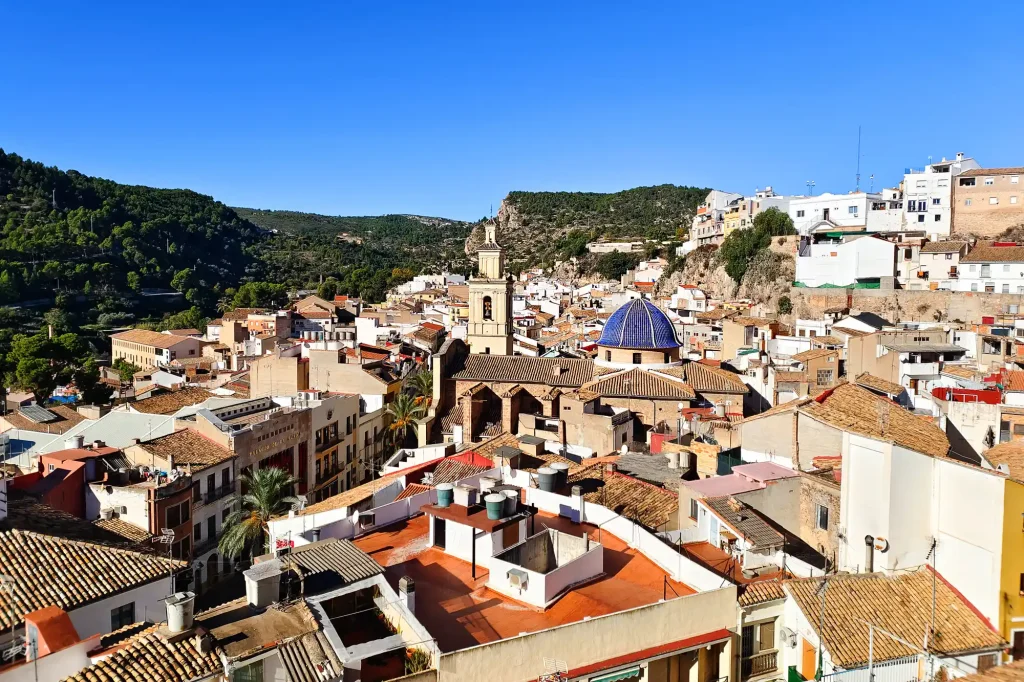
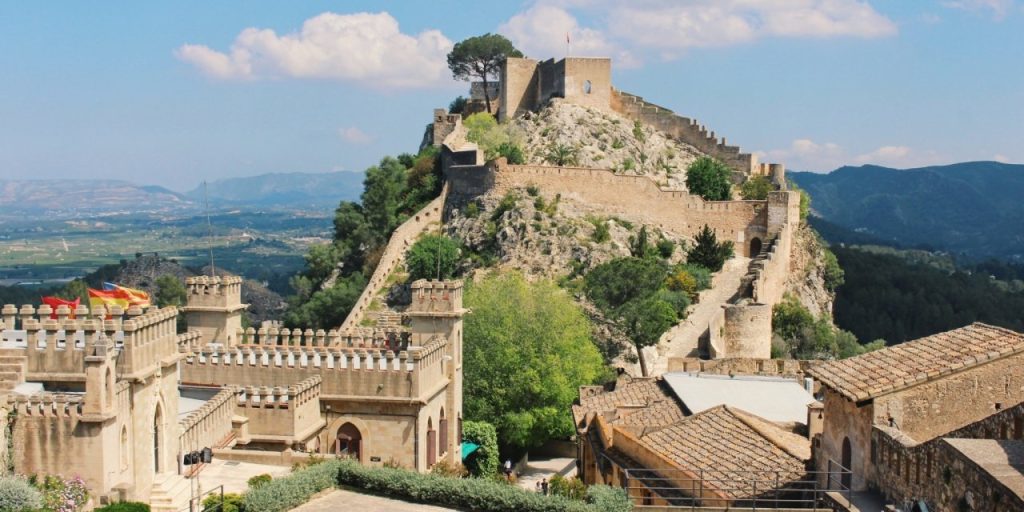
- Xàtiva Castle
Best Photo Spots in Valencia
Some of the best photo spots in Valencia include City of Arts reflections, Turia bridges, Torres de Serranos, Patacona Beach at sunset, and the Mercado Central interior.
Who Is Valencia Perfect For?
- Food lovers
- Beach lovers
- Families
- Couples
- Digital nomads
- Travelers who want Spain without stress
Safety in Valencia
Valencia is very safe. Normal awareness in busy areas is enough.
Valencia FAQ
Is Valencia cheaper than Barcelona?
Yes — noticeably cheaper.
How many days are enough?
3–4 days for highlights, 5–7 for a relaxed visit.
This Valencia travel guide is designed for travelers who want Spain without the crowds of Barcelona or Madrid.
Explore Spain Travel Guides
If you are planning a broader trip across Spain, these guides may help:
- Spain Travel Guide
- Barcelona Travel Guide
- Madrid Travel Guide
- Seville Travel Guide
- Málaga Travel Guide
- Balearic Islands Travel Guide
- Canary Islands Travel Guide
Final Thoughts
Valencia doesn’t shout for attention — it quietly delivers.
If you want great food, space, beaches, culture, and a genuine Spanish lifestyle without crowds, Valencia may be Spain’s most complete city.