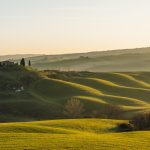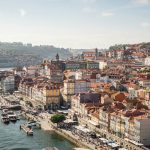
Portugal Travel Guide begins with a simple truth: Portugal is not a country designed for rushing. It is a destination that reveals itself slowly — through viewpoints above red rooftops, ocean air drifting into city streets, long meals, music filled with nostalgia, and everyday rituals that value time over speed.
Located on Europe’s western edge, Portugal blends historic cities, dramatic Atlantic coastlines, surf towns, wine regions, and remote islands into one of the most balanced travel experiences in Western Europe. Many travelers begin their trip in Lisbon, continue north to Porto, and then head south to the beaches of the Algarve.
Affordable, welcoming, culturally rich, and easy to navigate, the country feels layered and deeply authentic beneath the surface.
This complete Portugal Travel Guide covers the country’s main destinations, food and drink, transport, costs, culture, hidden locations, best travel seasons, common mistakes, and practical advice to help you experience Portugal beyond the obvious.
Portugal Travel Guide: Main Destinations
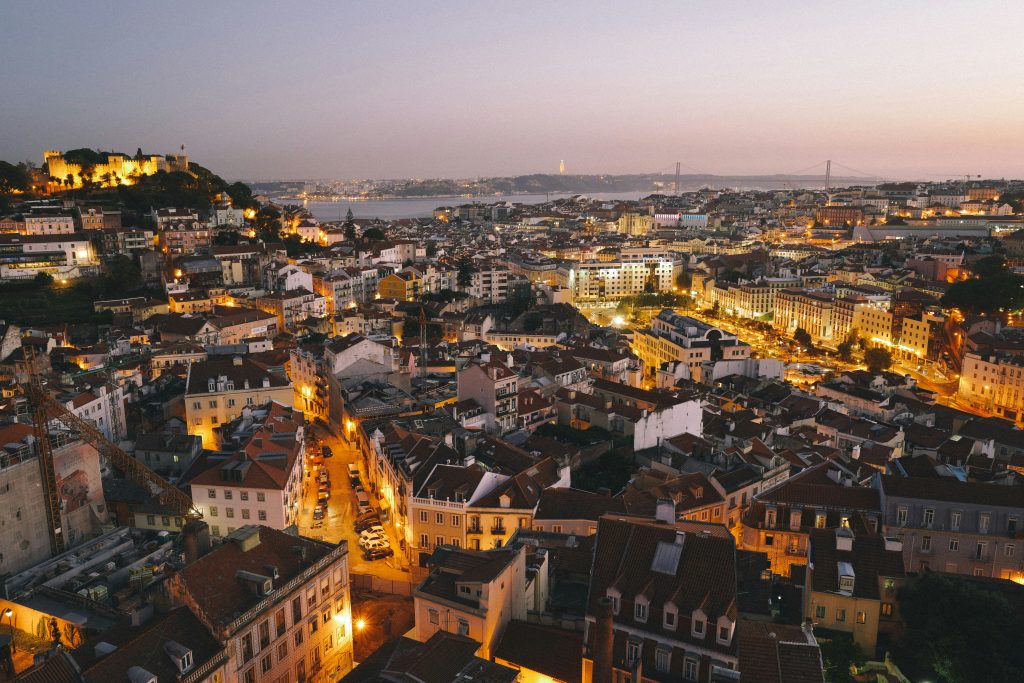
Lisbon (Lisboa)
Lisbon is built across seven hills, and exploring it means walking, climbing, and earning every view.
The city mixes faded elegance with daily life, historic neighborhoods with creative energy, and nostalgia with modern rhythm.
Key experiences include:
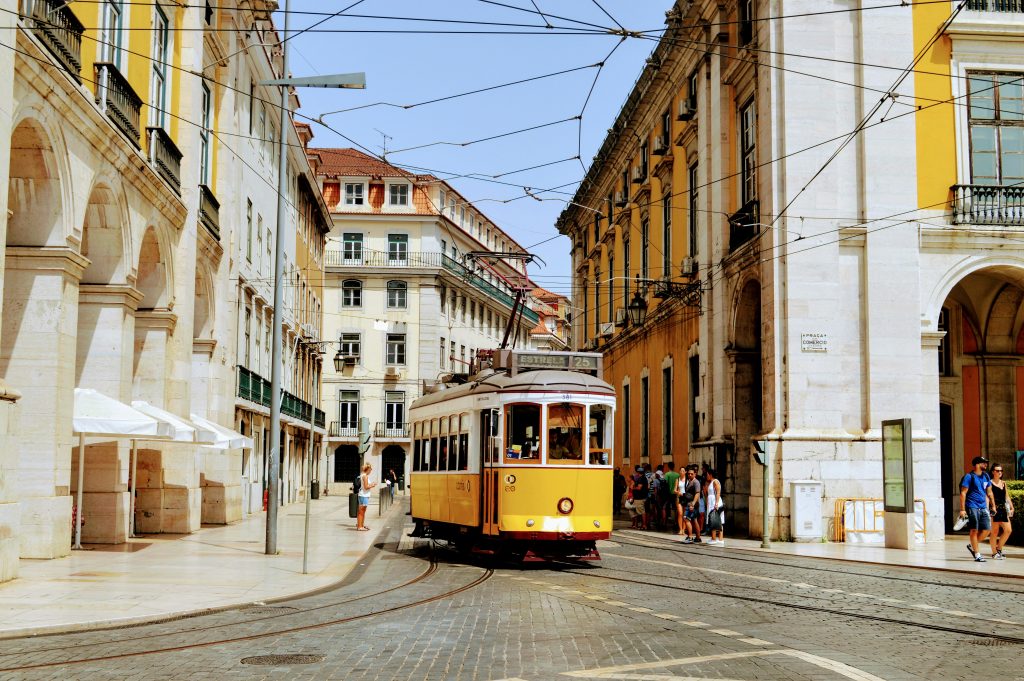
- Riding Tram 28 through Alfama and Graça
- Visiting Belém Tower and Jerónimos Monastery
- Watching sunset from miradouros overlooking the Tagus River
Lisbon feels romantic, slightly melancholic, and deeply atmospheric.For a full itinerary, neighborhoods, and travel tips, read the complete Lisbon Travel Guide.
Porto
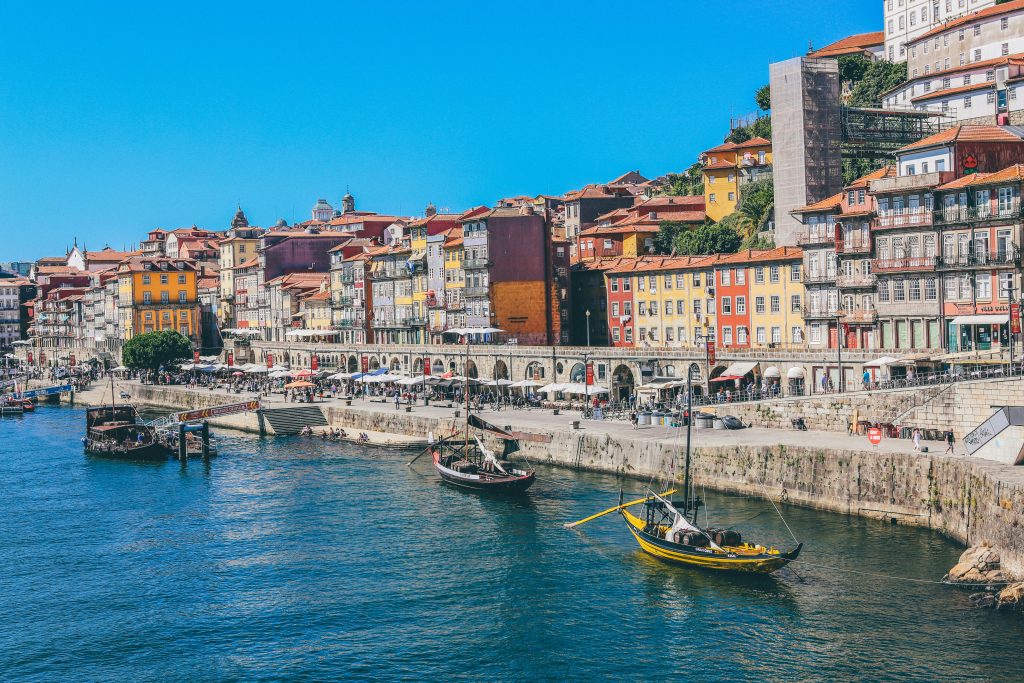
Porto is smaller, more intimate, and more rugged than Lisbon.
The city is defined by:
- The Ribeira riverfront along the Douro
- Iconic bridges connecting Porto to Vila Nova de Gaia
- Port wine cellars overlooking the water
Livraria Lello, often associated with Harry Potter inspiration, attracts crowds, but Porto’s true charm lies in its hills, tiled façades, and slower pace.Discover wine tastings, hidden viewpoints, and the best neighborhoods in the full Porto Travel Guide.
Sintra
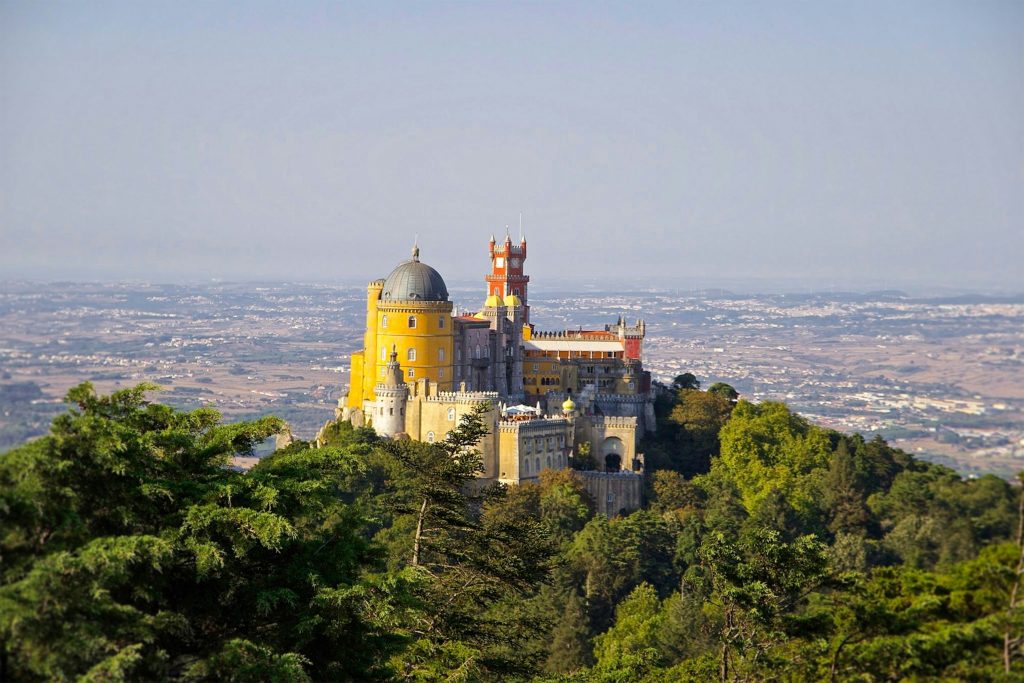
Located less than an hour from Lisbon, Sintra feels detached from reality.
Forests, mist, and extravagant palaces create a fairytale atmosphere unlike anywhere else in Portugal. Expect large crowds and plan early visits, especially in peak season.
Algarve
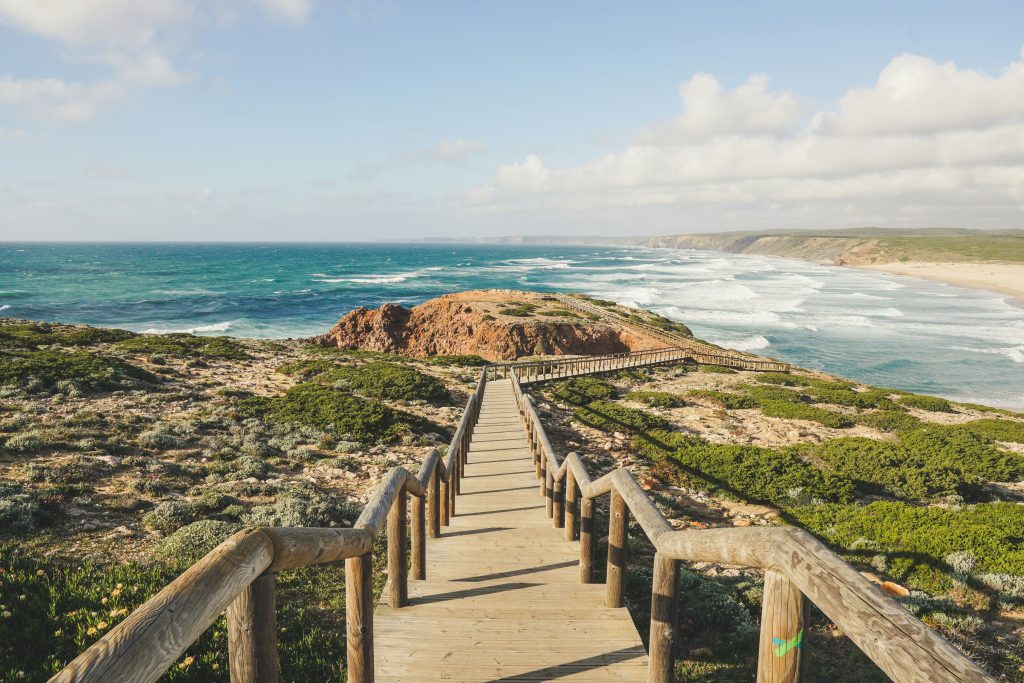
Portugal’s southern coast is known for golden cliffs, long beaches, sea caves, and dramatic coastal scenery.
The Algarve is best explored by car.Explore the region’s cliffs, caves, and coastal towns in the detailed Algarve Travel Guide.
Surfing in Portugal: A Global Destination
Portugal is one of the world’s top surfing countries.
Notable surf areas include:
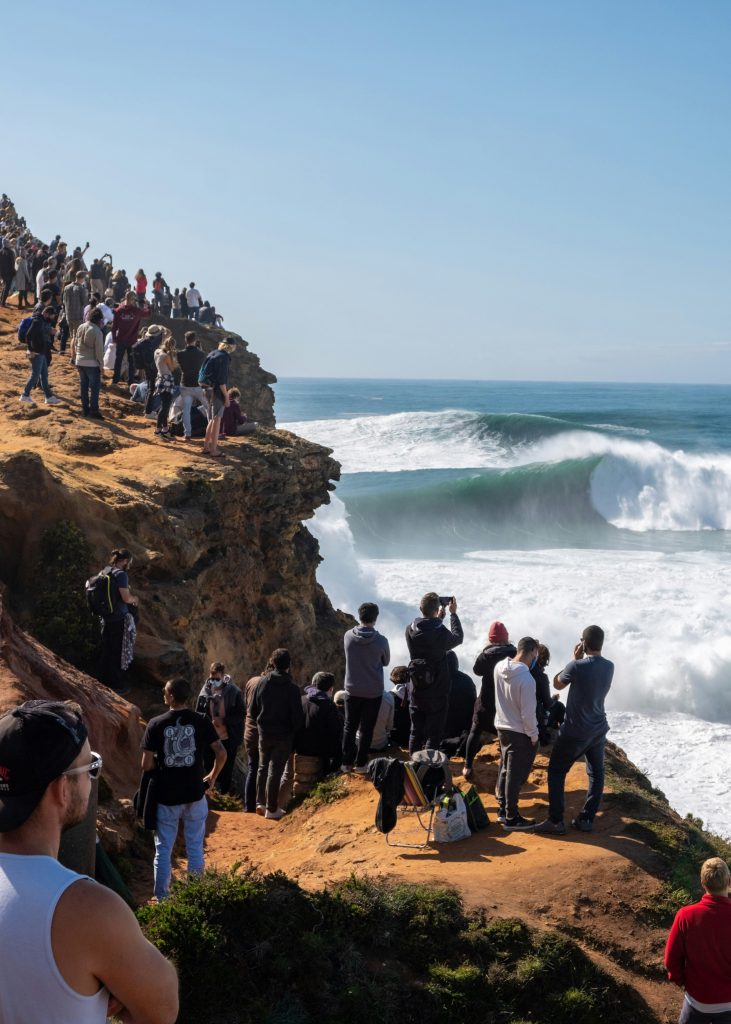
- Nazaré, home to the largest surfed waves ever recorded
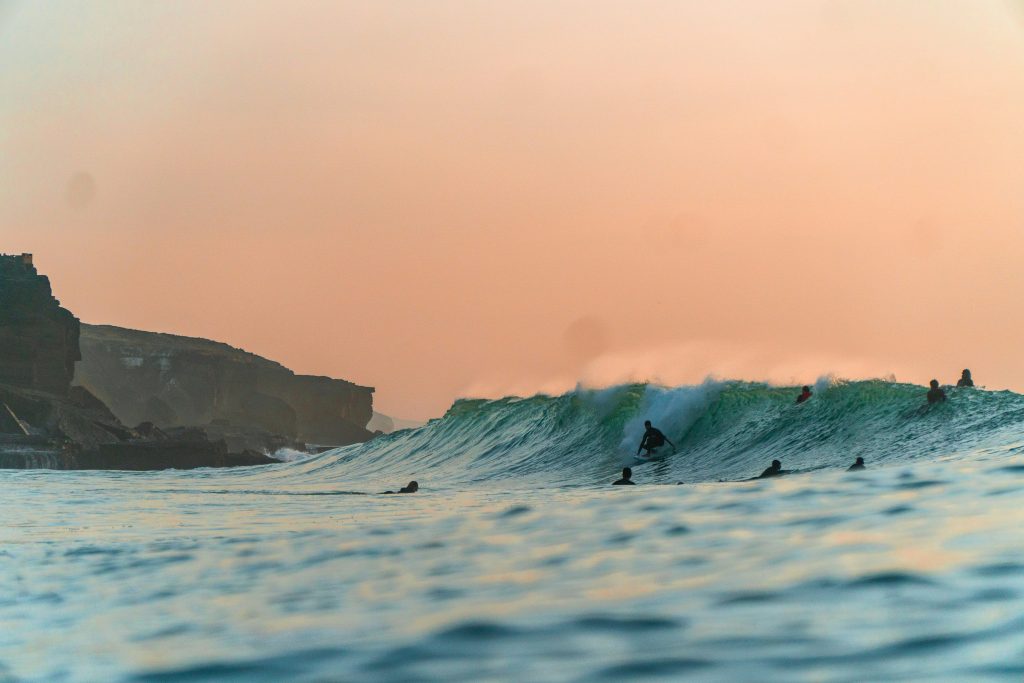
- Ericeira, Europe’s only World Surfing Reserve
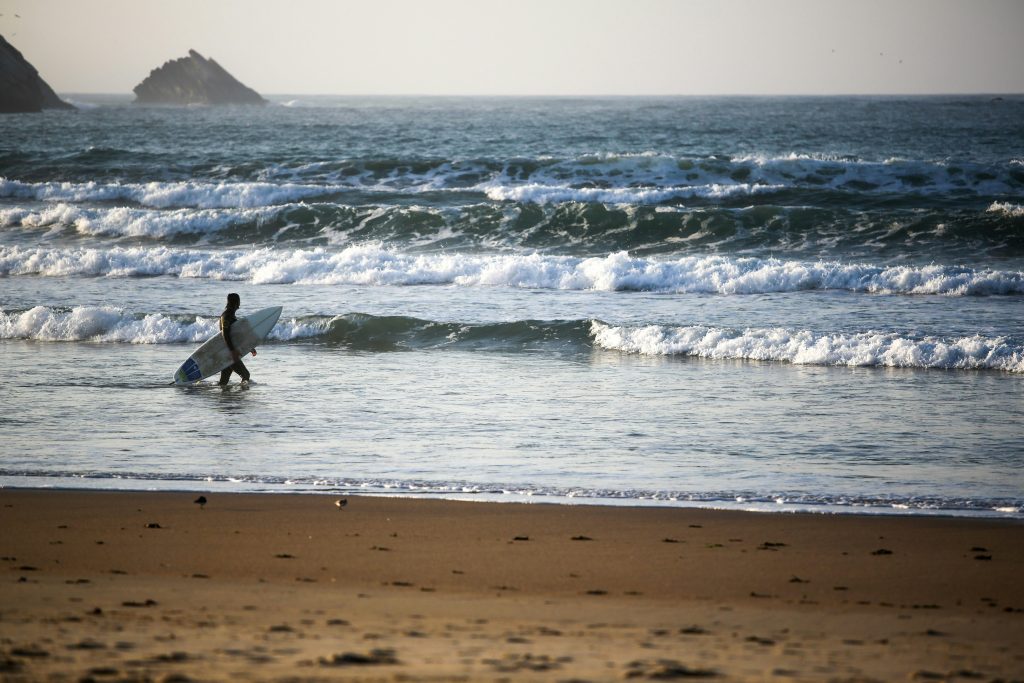
- Peniche, ideal for both competitions and beginners
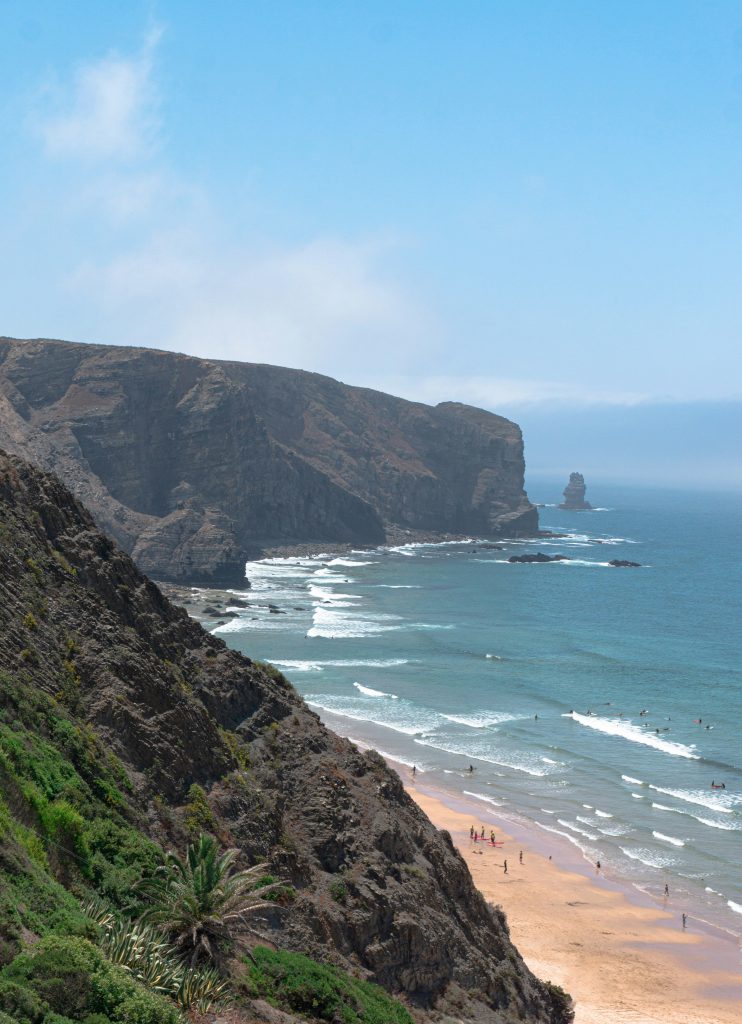
- Arrifana and Amado, wild beaches with powerful Atlantic energy
Even non-surfers are drawn to Nazaré during winter for the sheer scale of the waves.
Portugal’s Atlantic Islands: Azores and Madeira
Azores
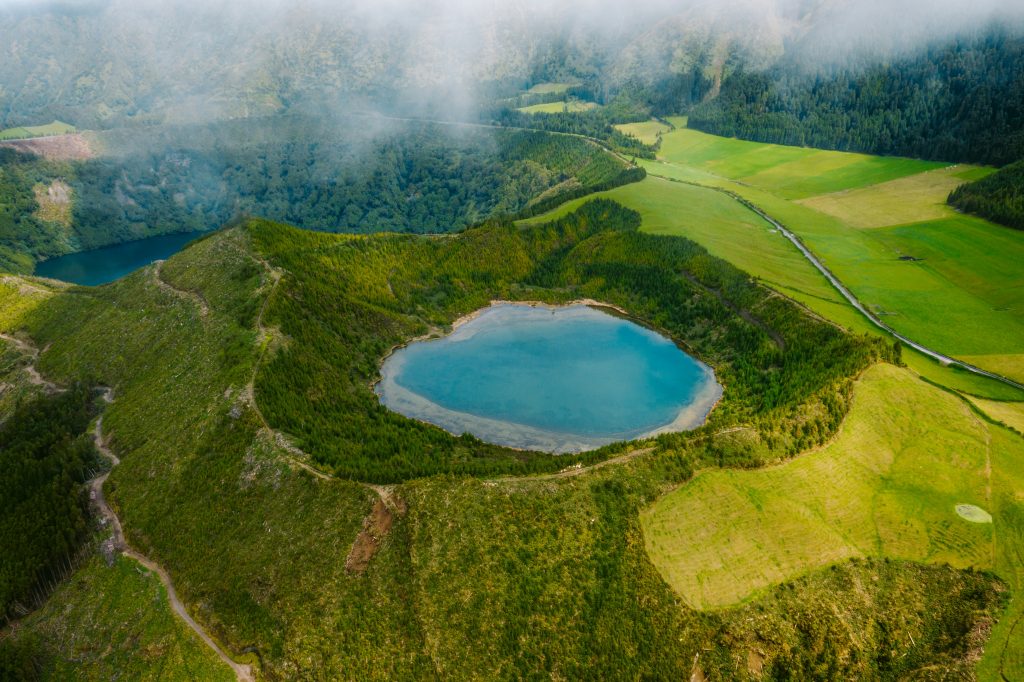
The Azores are one of Europe’s most striking nature destinations.
They offer:
- Volcanic lakes and craters
- Natural hot springs
- Whale and dolphin watching
- Green landscapes shaped by isolation
Madeira
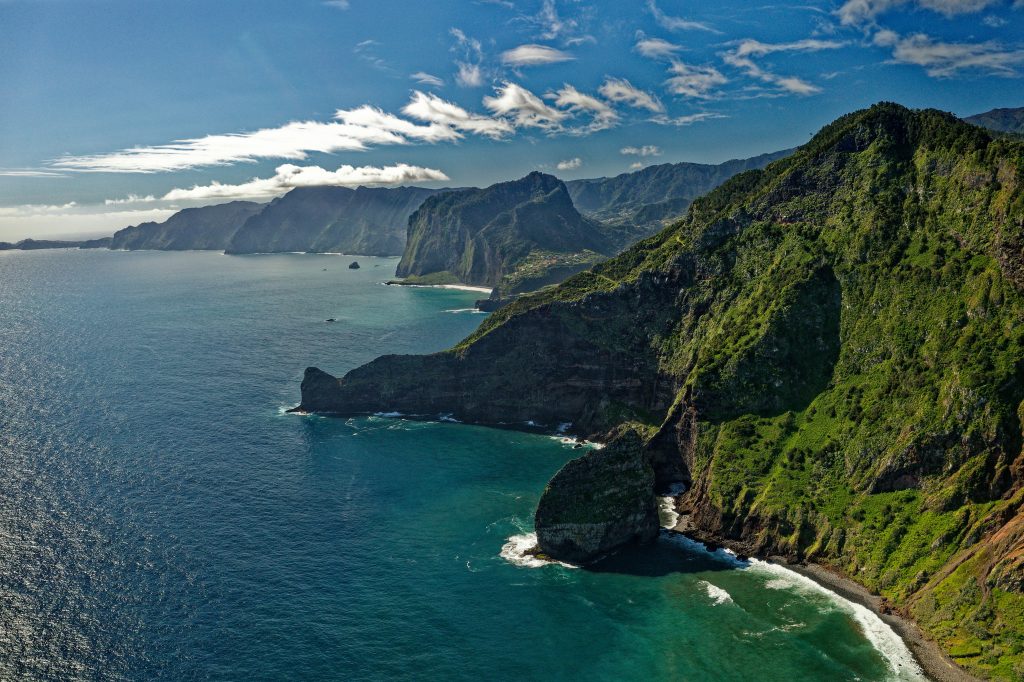
Madeira is known for:
- Mild weather year-round.Learn more about hiking routes, viewpoints, and volcanic landscapes in the complete Madeira Travel Guide.
- Cliffside views and levada walks
- Botanical gardens and dramatic hikes
The islands feel completely different from mainland Portugal and reward travelers seeking nature and tranquility.
Portuguese Food and Drink
Portuguese cuisine is based on simplicity, quality, and tradition.
Must-Try Foods
- Pastel de nata, a crisp custard tart best experienced in Lisbon
- Bacalhau, salted cod prepared in countless variations
- Francesinha, Porto’s rich and indulgent sandwich
- Ginjinha, a cherry liqueur often served in small cups
Meals are honest, filling, and deeply connected to regional identity.

Culture and Atmosphere
Fado
Fado music expresses longing, loss, and emotion through slow melodies and powerful vocals. Even without understanding Portuguese, the emotional weight is unmistakable.
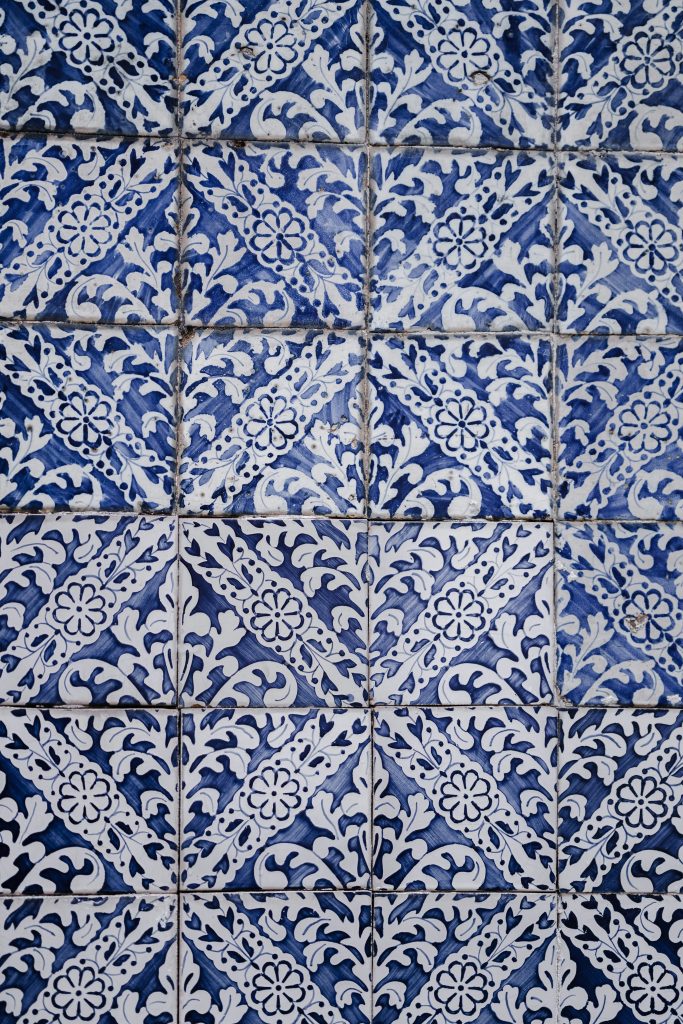
Azulejos
Blue ceramic tiles decorate churches, stations, and homes across the country. They are central to Portugal’s visual identity. Photograph freely, but avoid buying antique tiles, as many are taken illegally from protected buildings.
Transport and Getting Around Portugal
Portugal is one of the easiest countries in Europe to navigate.
- Trains and long-distance buses connect major cities efficiently
- Rede Expressos buses are reliable and affordable
- Uber and Bolt operate widely and cost less than traditional taxis
- Lisbon and Porto both have excellent metro systems
In Lisbon, the Viva Viagem card with Zapping credit offers the best value across all transport types.
As highlighted in this Portugal Travel Guide, transportation across the country is efficient and easy to understand.
Train Booking Tip
Tickets purchased through Comboios de Portugal several days in advance can be discounted significantly. Always validate paper tickets before boarding.
Important Practical Tips
Street Surfaces
Portugal’s traditional stone pavement is beautiful but extremely slippery. Proper footwear with grip is essential.
Restaurant Couvert
Bread, olives, and cheese placed on the table are not free. If you eat them, they will appear on the bill.
Language
English is widely spoken. Avoid assuming Spanish. Learning a few Portuguese words is appreciated.
Safety and Awareness
Portugal consistently ranks among Europe’s safest countries.
Normal precautions apply:
- Watch belongings in crowded trams
- Be mindful in tourist-heavy areas
- Avoid leaving valuables unattended on beaches
Violent crime is rare, and solo travel is considered safe.
Weather Reality
Portugal faces the Atlantic Ocean.
- Weather can change quickly
- Even sunny days may bring cool evening winds
- Sun exposure is strong year-round
Layered clothing is always recommended.
Best Time to Visit Portugal
- Spring (April–June): ideal temperatures and fewer crowds
- Summer (July–August): best for beaches, busiest in cities
- Spring and autumn are also excellent seasons for visiting southern European destinations such as Spain, Italy, and the coastal villages of the Amalfi Coast.
Autumn (September–October): excellent for wine regions - Winter: mild and sunny in Lisbon, cooler and wetter in the north
Travel Costs and Budget Expectations
Portugal remains one of Western Europe’s best-value destinations.
Typical costs:
- Espresso: €0.70–1.20
- Lunch menu: €10–15
- Hostels: from €25
- Hotels: from €80
Tipping is optional. A small gesture for good service is sufficient.
Festivals and Local Life
Seasonal celebrations reveal Portugal’s social energy.
- Lisbon street festivals in June
- São João celebrations in Porto
- Wine harvest festivals in the Douro Valley
These events show a side of Portugal tourists often miss.
Best Souvenirs
Portugal is the world’s leading cork producer.
Cork products include:
- Bags and wallets
- Umbrellas
- Practical everyday items
They are lightweight, sustainable, and distinctly local.
Hidden Places Worth Exploring
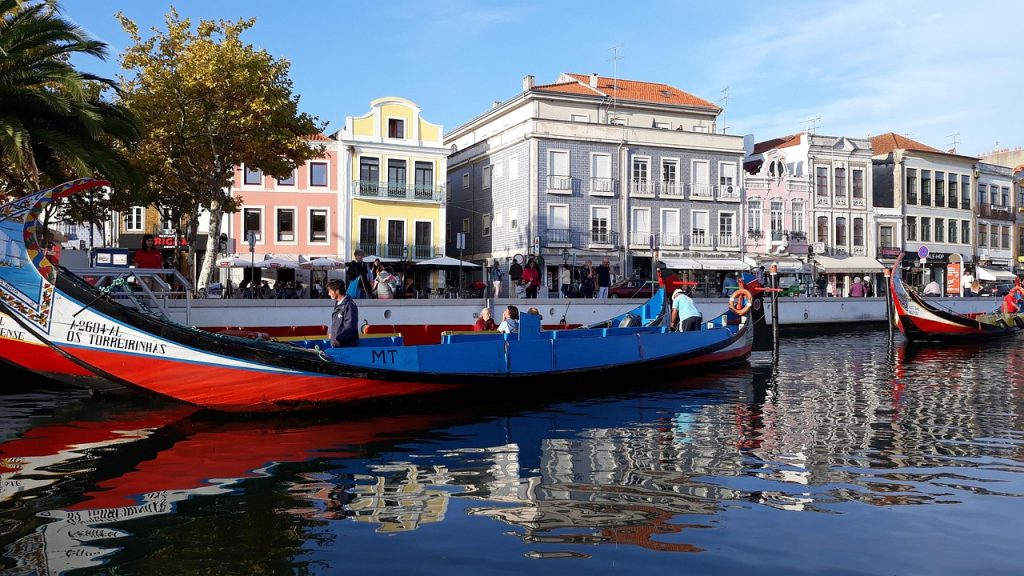
- Aveiro, known for canals and colorful boats
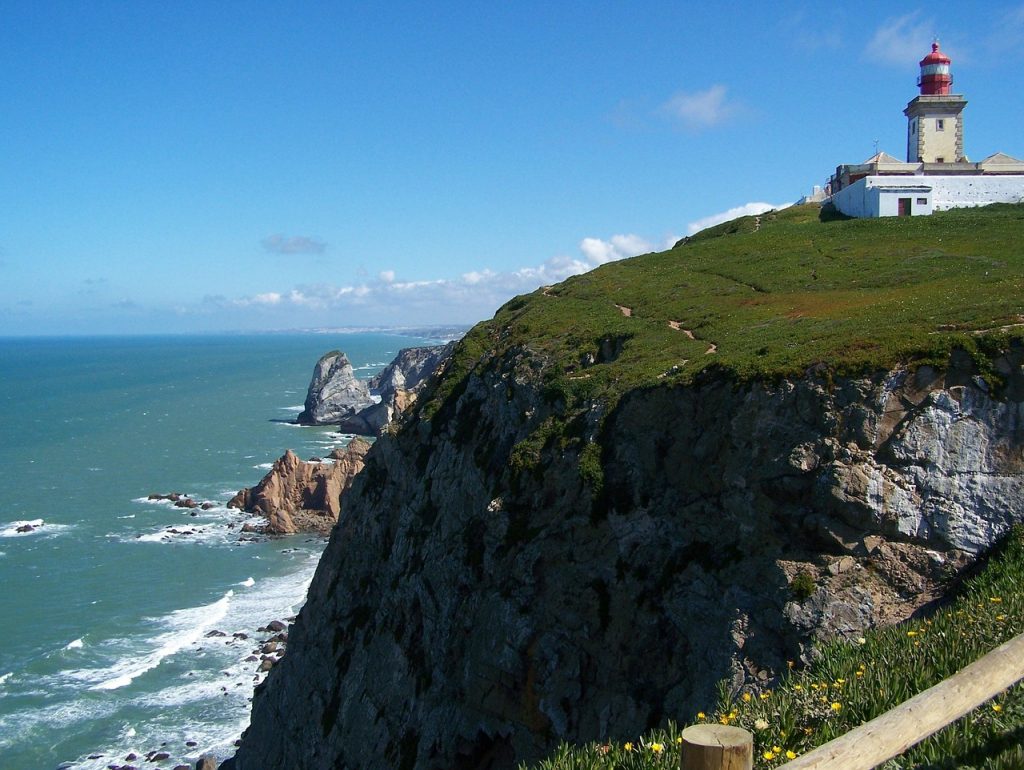
- Cabo da Roca, the westernmost point of mainland Europe
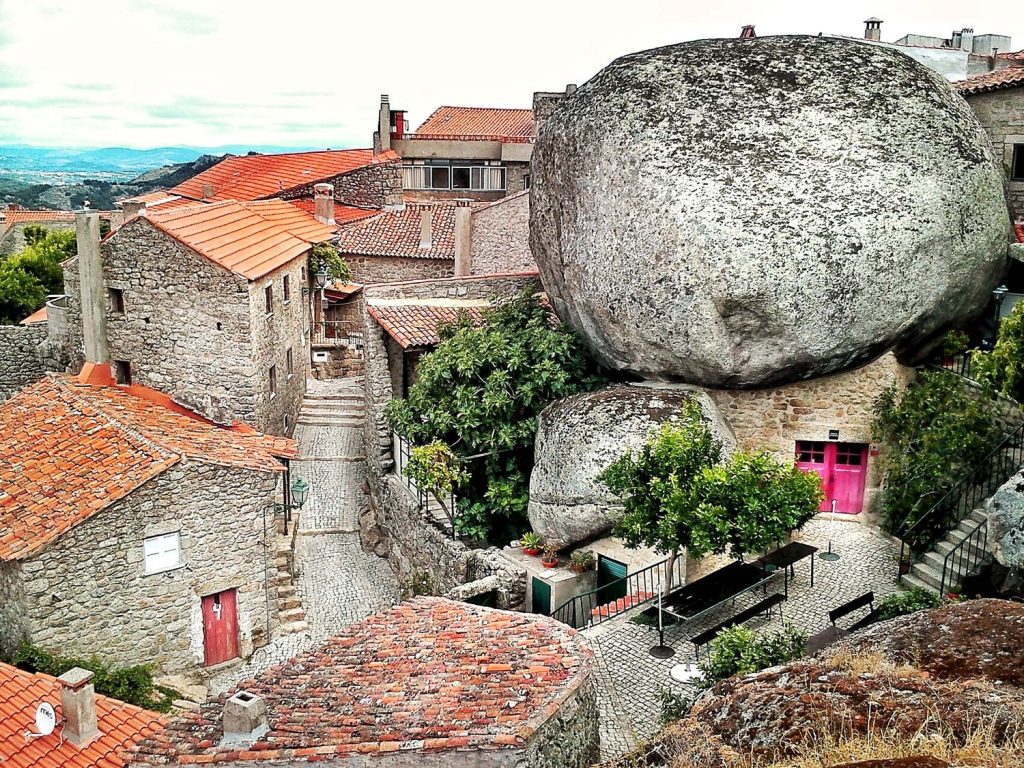
- Monsanto, a village built among massive stone boulders.Travelers exploring southern Europe may also enjoy Mediterranean islands such as Sicily, Sardinia, or Spain’s Balearic Islands.
Where to Stay in Portugal
Choosing the right neighborhood shapes the experience more than the hotel itself.
Lisbon
- Baixa and Chiado for central access
- Alfama for atmosphere
- Bairro Alto and Príncipe Real for nightlife
Porto
- Ribeira for views
- Cedofeita for value and local life
Algarve
- Lagos for balance
- Albufeira for nightlife
- Tavira for calm and authenticity
How Many Days Do You Need?
- 3–4 days: Lisbon and Sintra
- 5–7 days: Lisbon and Porto
- 10–14 days: Lisbon, Porto, and Algarve
Portugal is best enjoyed without rushing.
Ocean Reality Check
The Atlantic defines Portugal’s coastline.
- Water temperatures are cooler year-round
- Waves and currents are strong
- Beaches are stunning, often better for views and surfing than swimming
Day Trips That Add Real Value
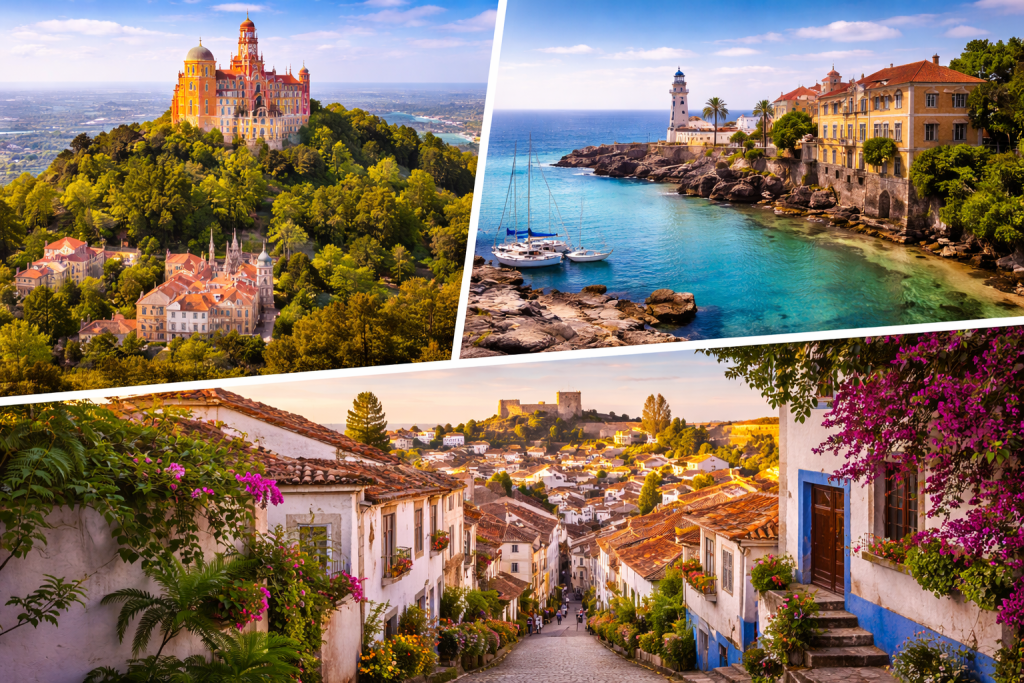
From Lisbon:
- Sintra
- Cascais
- Óbidos
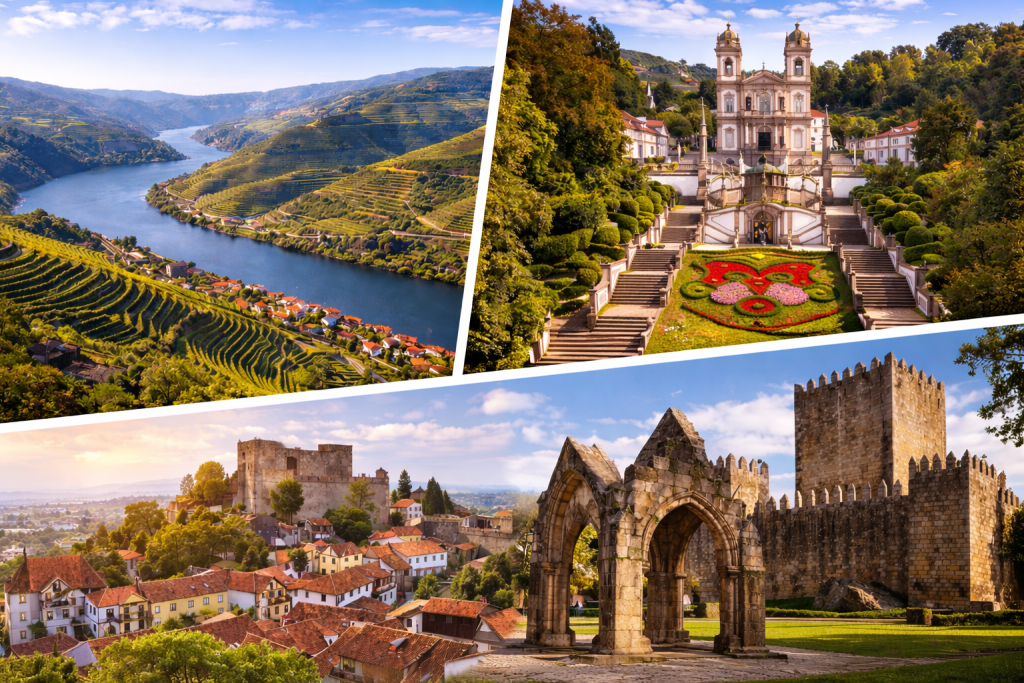
From Porto:
- Douro Valley
- Braga
- Guimarães
Common Mistakes Travelers Make
- Wearing inappropriate footwear
- Expecting Mediterranean-style sea conditions
- Eating only near major attractions
- Booking transport too late
- Moving too fast
Portugal rewards patience.
Mini FAQ
Is Portugal expensive?
No. It is among the most affordable Western European destinations.
Is Portugal safe?
Yes, very safe with standard awareness.
Do you need a car?
Not for cities. Useful for Algarve and rural areas.
Is English widely spoken?
Yes, English proficiency is excellent.
Explore Portugal Travel Guides
If you are planning a broader trip across Portugal, these guides may help:
More European Coastal Destinations
If you enjoy scenic coastlines and historic cities, these destinations may inspire your next trip:
- Amalfi Coast Travel Guide
- Sicily Travel Guide
- Sardinia Travel Guide
- Balearic Islands Travel Guide
- Canary Islands Travel Guide
Final Thoughts
Portugal is gentle rather than loud, emotional rather than dramatic, and shaped by the ocean rather than urgency.
If you slow down, eat locally, respect its rhythm, and explore beyond the obvious, Portugal becomes one of Europe’s most rewarding travel experiences — human, beautiful, and deeply memorable.
This Portugal Travel Guide is designed to help you plan confidently and explore the country at the right pace.