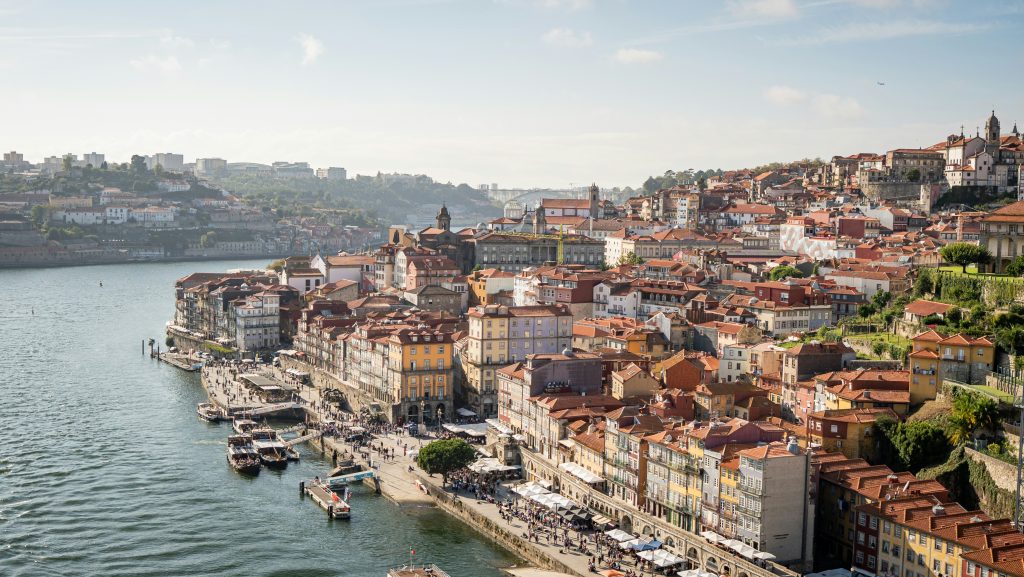
Porto Travel Guide explores a city built on steep granite hills above the Douro River, shaped by maritime ambition, trade routes, and resilience. Porto carries a personality that feels both proud and poetic. Many travelers combine Porto with the Portuguese capital Lisbon or continue south toward the dramatic beaches of the Algarve.
Known as Cidade Invicta — the Undefeated City — Porto blends medieval streets, baroque towers, tiled façades, world-famous Port wine cellars, Atlantic beaches, and a growing creative scene. This Porto Travel Guide provides everything you need for a complete and practical trip plan: best attractions, hidden stories, food, wine experiences, day trips, neighborhoods, transportation, safety advice, itinerary ideas, seasonal tips, budgeting, and detailed FAQs.
One of the first things travelers notice in Porto is how the city reveals itself slowly. What looks quiet at first quickly turns into a place full of small details — hidden viewpoints, local cafés, and everyday life along the river.
Why Visit Porto?
Porto consistently ranks among the best European city breaks because it offers:
- A UNESCO-listed historic center
- An authentic local atmosphere
- World-renowned Port wine culture
- River, ocean, and vineyard landscapes in one region
- Strong value compared to other Western European cities
It suits couples, solo travelers, digital nomads, food lovers, photographers, and slow travelers. Compared to cities such as Paris, Rome, or Barcelona, Porto offers a more relaxed pace and stronger value for travelers.
As this Porto Travel Guide explains, the city offers a rare balance between history, food, wine culture, and coastal beauty.
Porto Travel Guide: Must-See Attractions
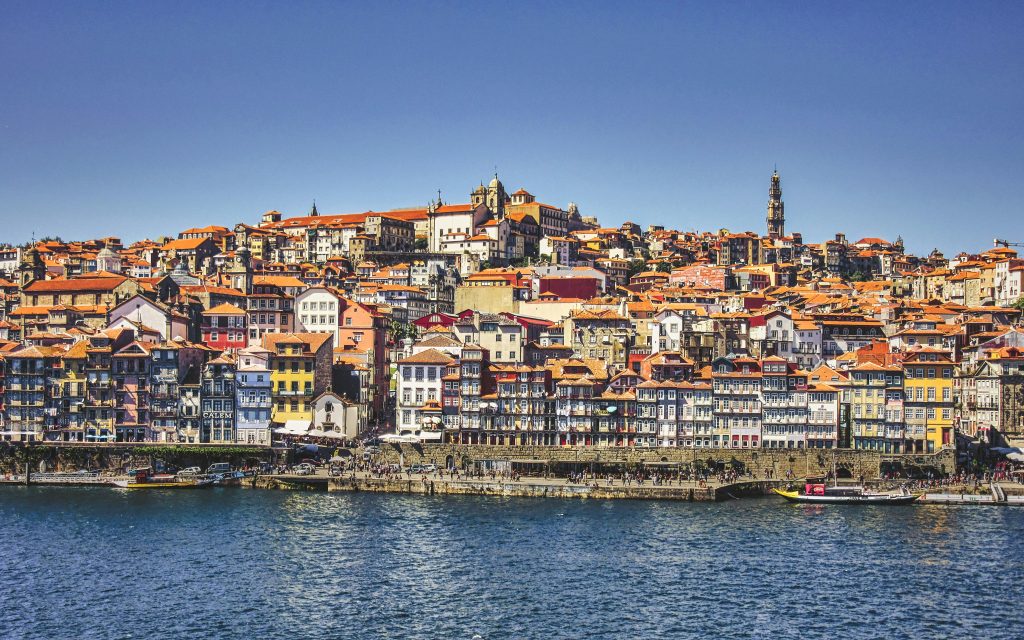
Ribeira District
Ribeira is Porto’s historic waterfront quarter. Expect narrow lanes, colorful buildings, granite walls, and river-facing restaurants.
Tip: Arrive before 9:00 AM for peaceful photography and softer light.
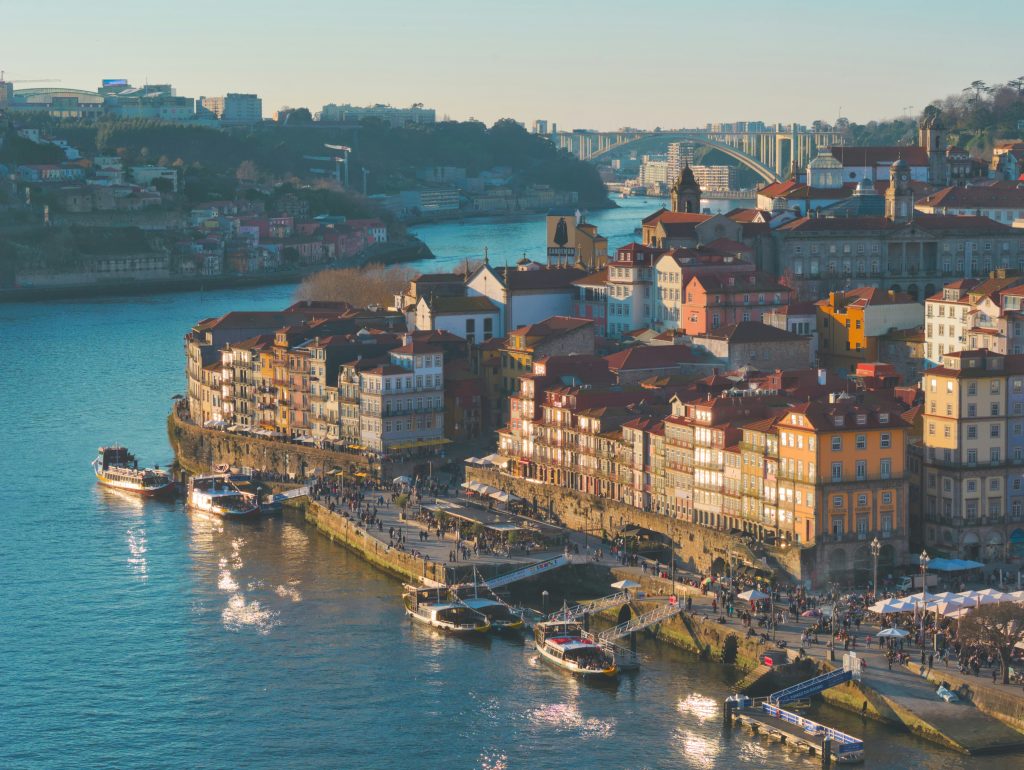
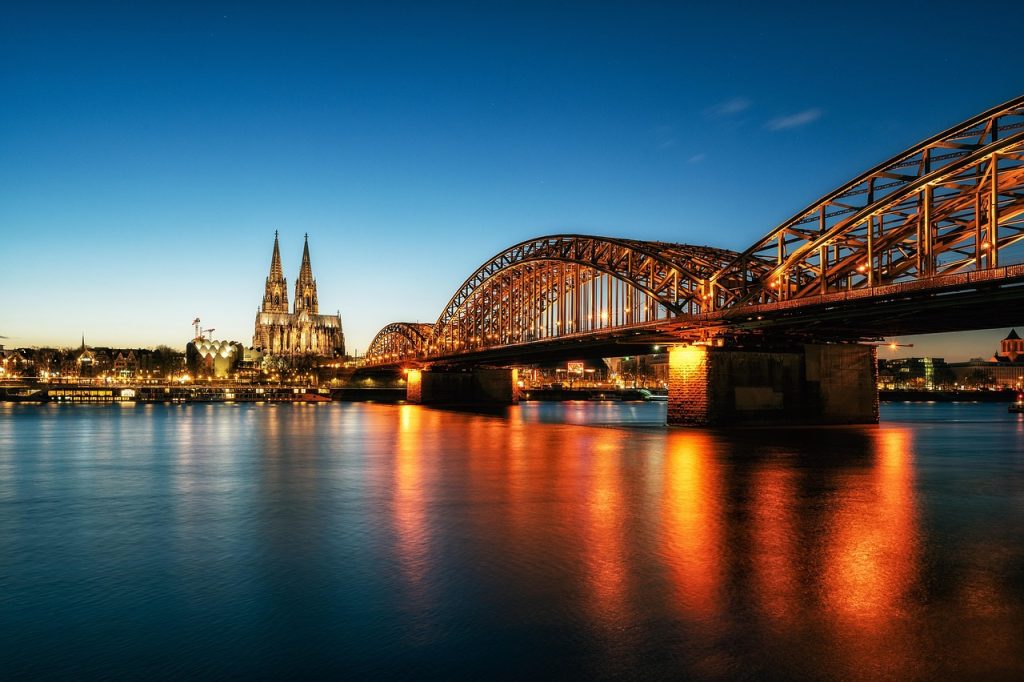
Dom Luís I Bridge
The Dom Luís I Bridge connects Porto with Vila Nova de Gaia and remains one of the city’s defining landmarks.Porto sits along the Douro River, one of Portugal’s most important landscapes, much like the Tagus River shapes the atmosphere of Lisbon.
Tip: Walk the upper deck near sunset for the best panoramic views over the Douro.
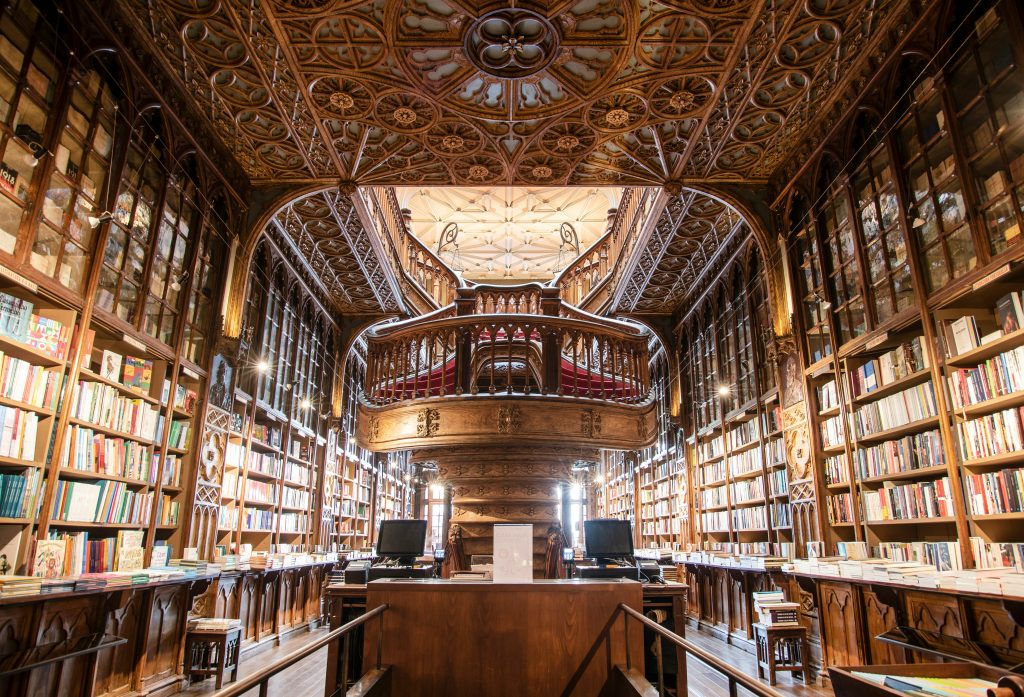
Livraria Lello
The ornate Livraria Lello is famous for its carved wood interior and dramatic staircase.
Tip: Pre-book entry tickets online to avoid long queues.
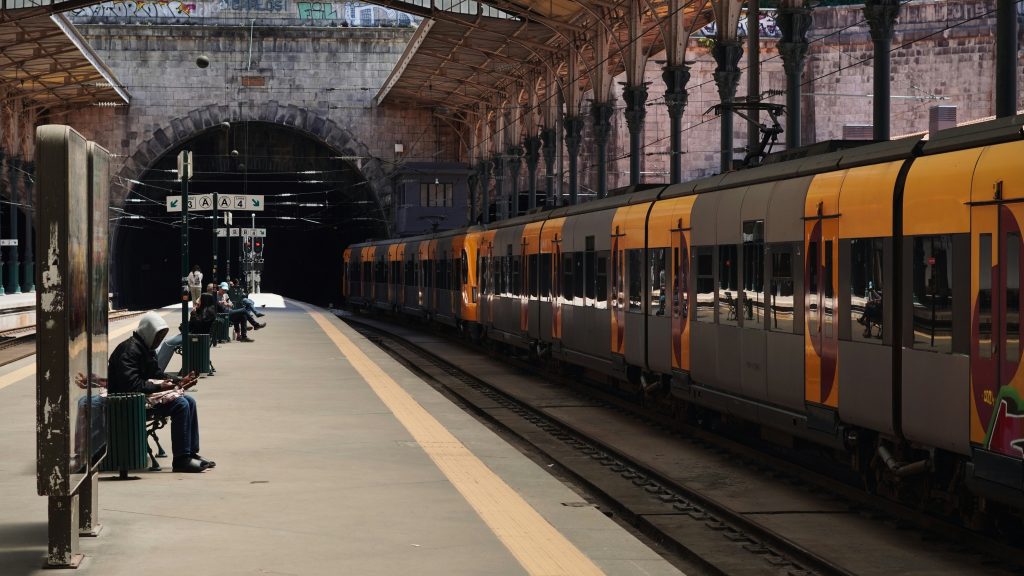
São Bento Railway Station
São Bento Railway Station showcases thousands of blue azulejo tiles depicting Portuguese history.
Tip: Visit mid-morning for better lighting inside the station hall.
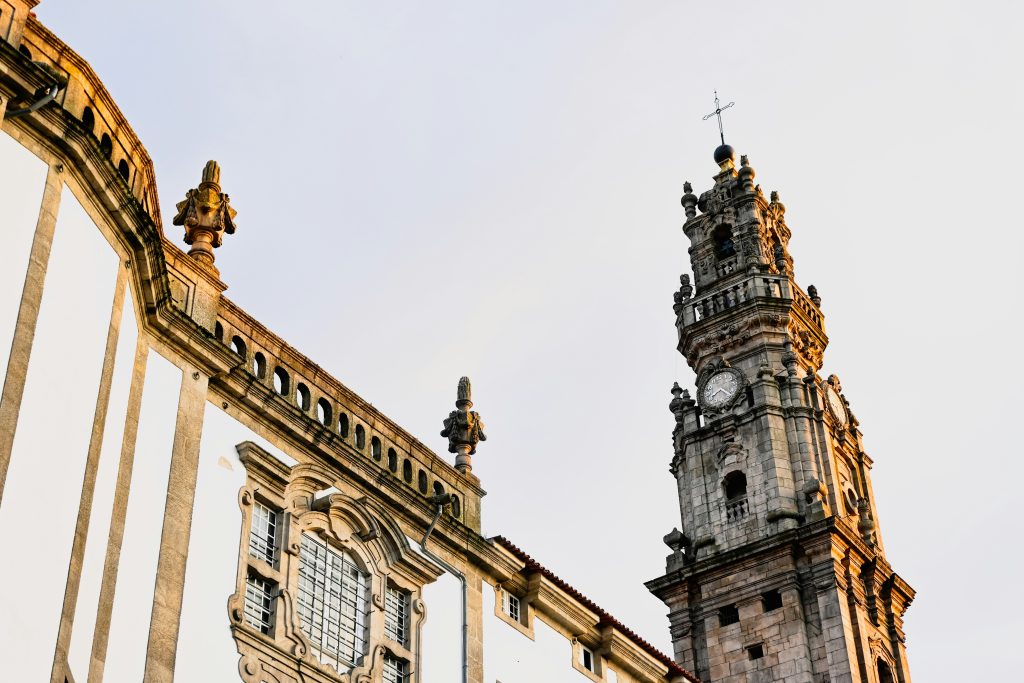
Clérigos Tower
Climb the Clérigos Tower for sweeping 360-degree views of the city.
Tip: Wear stable shoes; the staircase is narrow and steep.
Unique Cultural Facts
- The nickname “Tripeiros” originates from 15th-century sacrifices when locals gave quality meat to sailors and kept tripe for themselves.
- Port wine is produced in the Douro Valley and aged in Gaia, not directly in Porto.
- Portugal’s diplomatic alliance with England dates back to 1386 — the oldest active alliance in the world.
Gastronomy: What to Eat
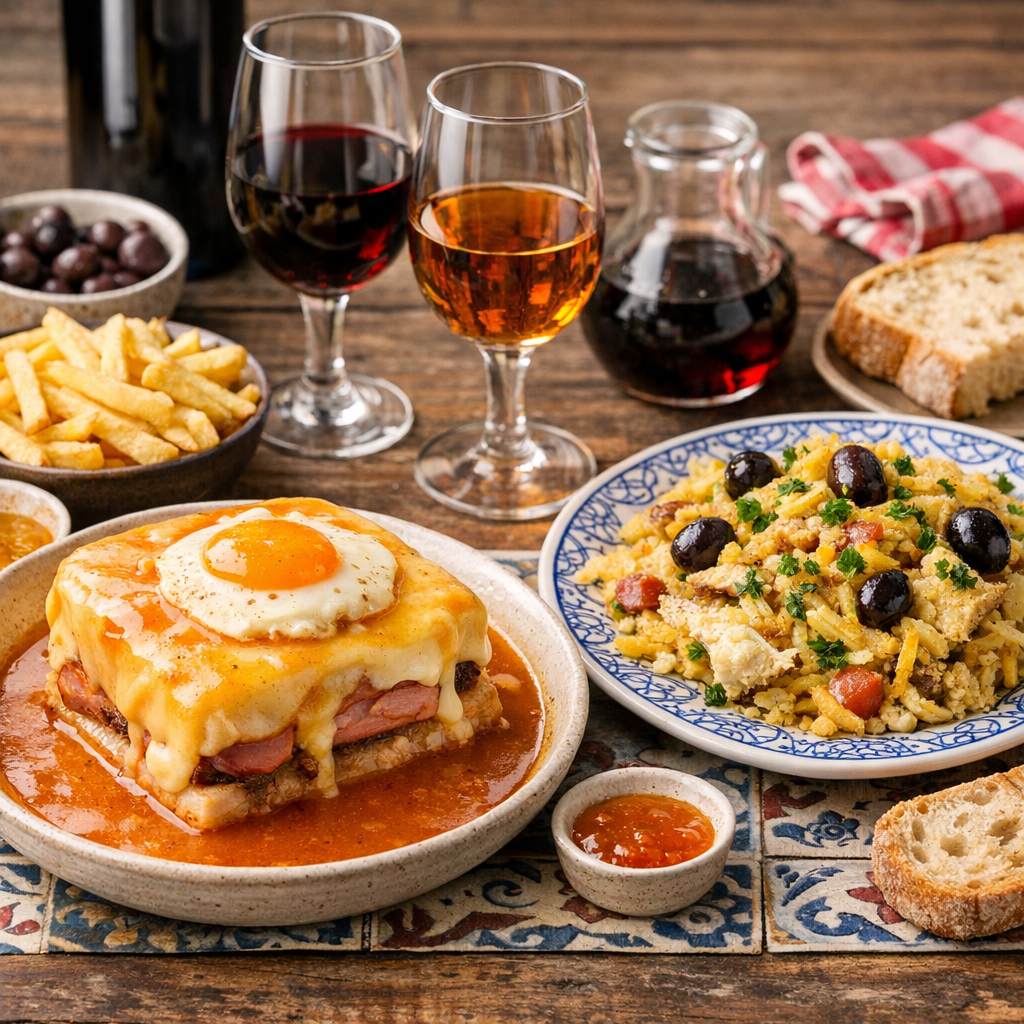
- Francesinha – A rich meat sandwich covered in beer-based sauce and melted cheese.
- Port Wine – Ruby, Tawny, and White varieties are the most common styles.
- Bacalhau – Salted cod prepared in numerous traditional ways.
Tip: Avoid restaurants directly on major squares for better pricing and authenticity.
Best Areas to Stay in Porto
- Ribeira – Scenic, historic, and romantic.
- Baixa – Central, convenient, and well-connected.
- Cedofeita – Trendy, artistic, and local.
- Foz do Douro – Oceanfront, quiet, and relaxed.
Suggested Porto Itineraries
1 Day: Ribeira, Dom Luís Bridge walk, Livraria Lello, Clérigos Tower.
2 Days: Add wine lodges in Vila Nova de Gaia.
3 Days: Add Foz do Douro beach or a Douro Valley excursion.
Best Day Trips from Porto
Douro Valley
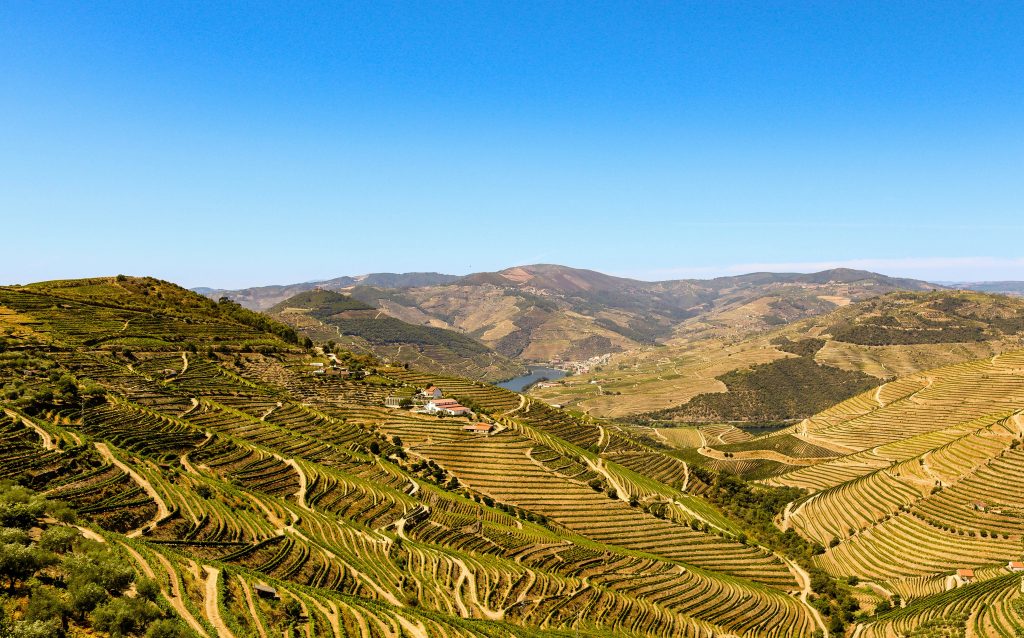
The terraced vineyards and river scenery of the Douro Valley define this UNESCO wine region. A train ride along the river offers spectacular views.
Braga
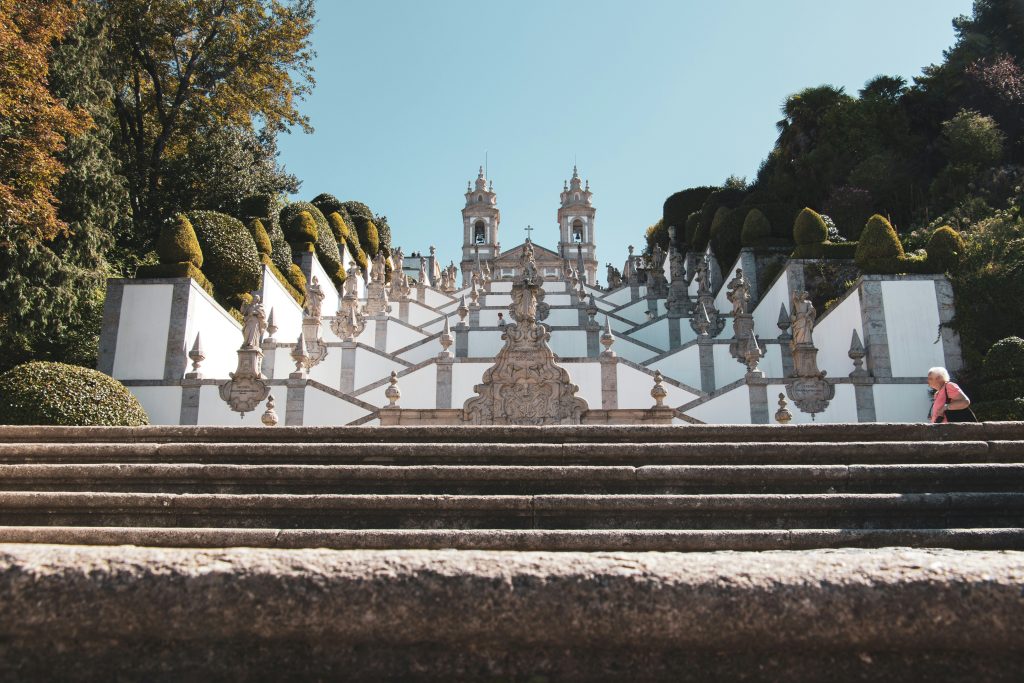
Visit Bom Jesus do Monte, known for its monumental baroque staircase.
Guimarães
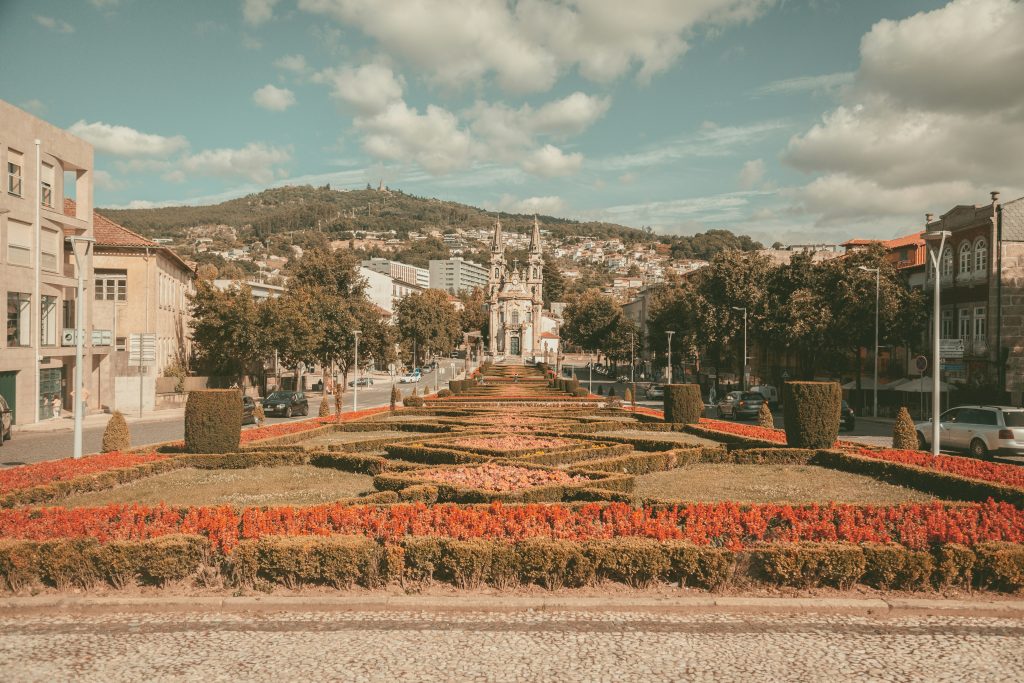
Guimarães is considered the birthplace of Portugal.Travelers continuing their journey through Portugal often head south toward the sunny coastline of the Algarve or explore the volcanic landscapes of Madeira.
Beaches Near Porto
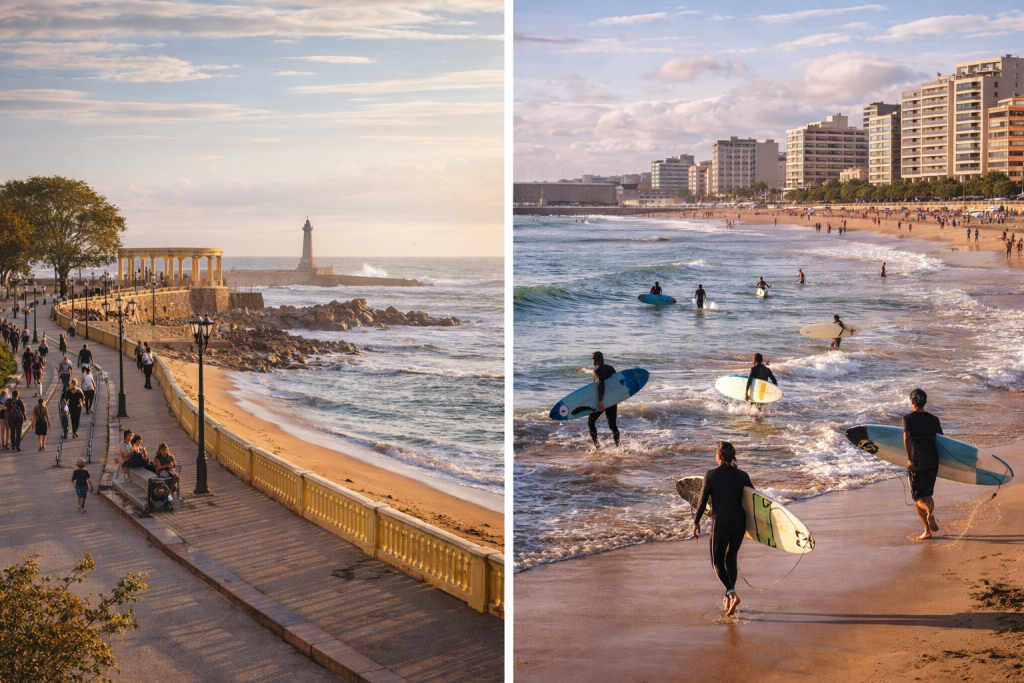
- Foz do Douro – Relaxed seaside promenades.
- Matosinhos – Surf-friendly and known for seafood restaurants.
Getting Around Porto
- Metro Line E connects the airport to the city center.
- Walking is best in historic districts.
- Avoid renting a car for the city center due to limited parking and narrow streets.
Travel Costs in Porto
- Budget hotel: €40–80 per night
- Mid-range hotel: €90–180 per night
- Food per day: €20–50
- Wine tasting: €15–25
According to this Porto Travel Guide, the city remains one of the best-value destinations in Western Europe.
Practical Travel Information
- Currency: Euro (€)
- Language: Portuguese (English widely spoken in tourist areas)
- Tap water: Safe to drink
- Safety: Very safe; minor pickpocket risk in crowded areas
- Terrain: Steep hills and slippery cobblestones when wet
Best Time to Visit Porto
- Spring (April–June): Mild weather and fewer crowds.
- Summer (July–August): Busy but lively atmosphere.
- Autumn (September–October): Wine harvest season.
- Winter (November–March): Cooler and rainy but quieter.
Late May and September offer the most balanced conditions.These months are also excellent for exploring southern European destinations such as Italy, Spain, or the coastal villages of the Amalfi Coast.
Detailed Budget Breakdown (Per 3-Day Trip)
- Accommodation (mid-range): €300–450
- Food and drinks: €120–180
- Activities and tours: €50–100
- Transport: €20–40
Estimated total: €500–750 per person (excluding flights).
Porto for Different Travel Styles
- Couples: Ribeira sunset walks and wine tastings.
- Families: Cable cars in Gaia, beaches, river cruises.
- Digital Nomads: Cafés in Cedofeita with reliable Wi-Fi.
- Luxury Travelers: Boutique hotels and private wine tours.
- Budget Travelers: Free viewpoints, walking tours, and local bakeries.
Hidden Gems in Porto
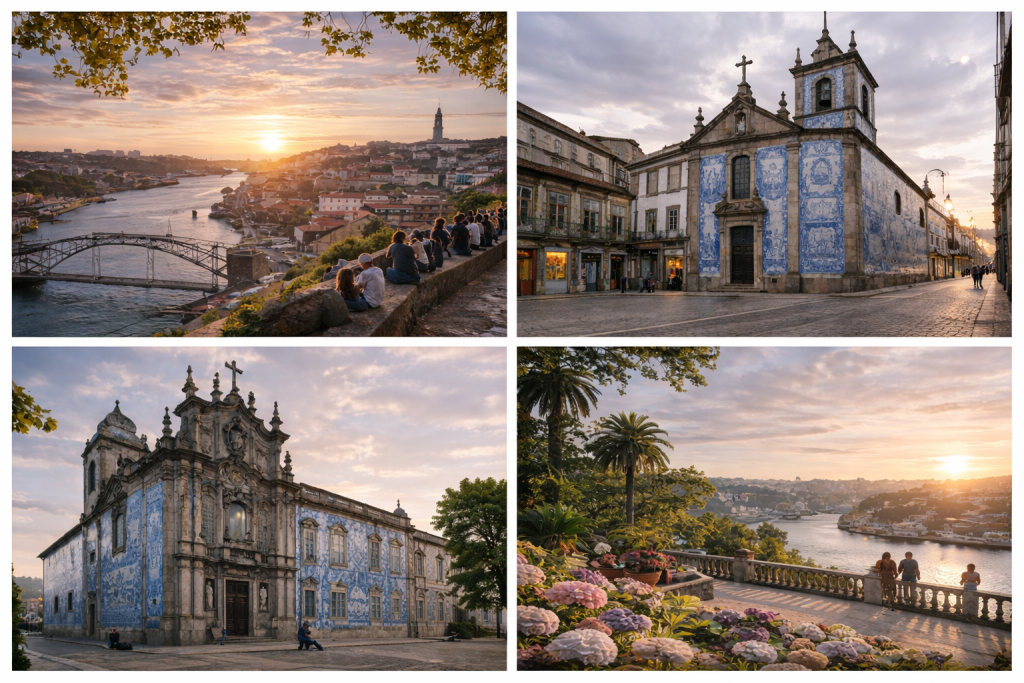
Miradouro das Virtudes
One of the best sunset viewpoints in Porto, yet far less crowded than Dom Luís I Bridge. Locals gather here in the evening, especially during summer.
Capela das Almas
A small chapel covered in thousands of blue azulejo tiles on Santa Catarina Street.
Igreja do Carmo (Side Wall)
The side façade is one of the most photographed tile walls in Porto.
Jardins do Palácio de Cristal
Peaceful gardens with panoramic views over the Douro River.
Real Local Tips You Won’t Read Everywhere
- The busiest time on Dom Luís I Bridge is between 6:30 PM and 8:00 PM in summer.
- Francesinha in Ribeira is often overpriced — walk a few streets uphill for better value.
- Visit Livraria Lello immediately at opening time.
- Supermarkets sell excellent local wine for under €6.
- Free viewpoints often offer better views than paid rooftop bars.
Best Restaurants in Porto
- Café Santiago – Authentic Francesinha.
- Brasão – Modern Portuguese cuisine.
- Taberna dos Mercadores – Intimate seafood spot.
- Casa Guedes – Pork sandwich with Serra cheese.
- Gazela – Classic Portuguese-style hot dogs.
Porto vs Lisbon
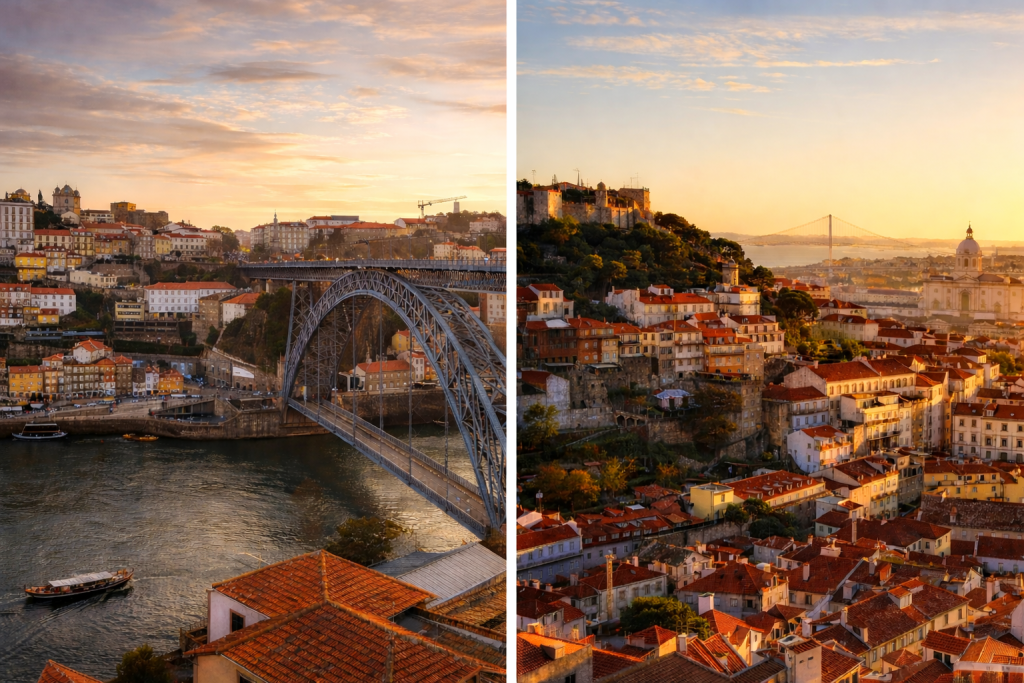
Porto is smaller, more intimate, and generally more affordable. It feels traditional and is easier to explore on foot. Lisbon is larger, more cosmopolitan, and offers broader nightlife and museum options.For a deeper look at Portugal’s capital, read the full Lisbon Travel Guide.Choose Porto for compact charm; choose Lisbon for capital-city energy.
Money-Saving Tips
- Use free viewpoints.
- Join tip-based walking tours.
- Buy wine from supermarkets.
- Avoid obvious tourist menus.
- Visit in May or September for better prices.
Things Tourists Often Regret
- Staying only one day.
- Not crossing to Vila Nova de Gaia.
- Renting a car unnecessarily.
- Underestimating the hills.
- Not booking wine tastings in advance.
Detailed 3-Day Porto Itinerary
Day 1
Morning: Ribeira and São Bento Station.
Afternoon: Livraria Lello and Clérigos Tower.
Evening: Dom Luís I Bridge sunset and dinner in Gaia.
Day 2
Morning: Jardins do Palácio de Cristal.
Afternoon: Wine tasting in Vila Nova de Gaia.
Evening: Dinner along Rua das Flores.
Day 3
Morning: Foz do Douro or Matosinhos Beach.
Afternoon: Douro River cruise.
Evening: Sunset at Miradouro das Virtudes.
Key Facts About Porto
- Population: Approximately 230,000.
- Metropolitan area: Around 1.7 million.
- UNESCO status: Since 1996.
- Average summer temperature: 25°C.
- Average winter temperature: 14°C.
Best Time of Day for Major Attractions
- Ribeira – Early morning.
- Dom Luís I Bridge – Sunset.
- Livraria Lello – Opening hours.
- Gaia wine cellars – Mid-afternoon.
- Foz do Douro – Late afternoon.
Who Porto Is Perfect For
Porto is ideal for couples seeking romantic views, food lovers exploring Portuguese cuisine, wine enthusiasts visiting historic lodges, digital nomads looking for relaxed cafés, and first-time travelers wanting a manageable European city experience.
Frequently Asked Questions (FAQ)
Is Porto worth visiting?
Yes. It combines history, food, wine, and scenic beauty in a compact layout.
Is Porto expensive?
Moderate. It is more affordable than Lisbon and many Western European cities.
How many days do you need in Porto?
Three to four days is ideal.
Is Porto safe for solo travelers?
Yes, including solo female travelers.
Can you drink tap water in Porto?
Yes, it is safe.
Do you need a car in Porto?
No. The metro and walking are sufficient.
Is Porto better than Lisbon?
Porto feels more compact and traditional, while Lisbon is larger and busier.
What is Porto famous for?
Port wine, azulejo tiles, Ribeira district, and Dom Luís Bridge.
Explore Portugal Travel Guides
If you are planning a wider trip across Portugal, these guides may help:
More European Coastal Destinations
If you enjoy scenic coastlines and historic cities, these destinations may inspire your next trip:
- Amalfi Coast Travel Guide
- Sicily Travel Guide
- Sardinia Travel Guide
- Balearic Islands Travel Guide
- Canary Islands Travel Guide
Travel conditions, prices, opening hours, and access rules in Porto can change depending on the season, so it is always recommended to check current information before your trip.
Final Thoughts
Porto is layered, textured, and deeply rooted in tradition. Its strength lies in contrast: granite walls and blue tiles, river light and Atlantic wind, historic wine cellars and modern cafés.
For travelers seeking authenticity, culinary depth, and scenic drama without overwhelming scale, Porto remains one of Europe’s most compelling destinations.
This Porto Travel Guide is designed to help you experience the city beyond the obvious and plan your visit with clarity.