

Lisbon Travel Guide introduces one of the most compelling European city breaks right now. Lisbon is not just another capital — with its golden light, tiled façades, steep cobbled streets, Atlantic breeze, and layered history, Portugal’s capital offers depth without overwhelming scale.Many travelers begin their Portugal journey in Lisbon before continuing to coastal regions such as the Algarve or the volcanic island landscapes of Madeira.
Built across seven hills overlooking the Tagus River, Lisbon blends medieval districts, Manueline architecture, historic trams, panoramic viewpoints, vibrant food culture, and a growing creative scene. It feels authentic rather than curated — energetic yet relaxed.
This comprehensive Lisbon Travel Guide includes everything you need to plan your trip efficiently:
• Best things to do in Lisbon
• Hidden gems beyond the tourist route
• Detailed Lisbon itinerary ideas (1–3 days)
• Day trips to Sintra, Cascais, and Cabo da Roca
• Lisbon travel costs and budget planning
• Where to stay by neighborhood
• Transportation tips and safety advice
• Best time to visit Lisbon
• Frequently asked questions
If this is your first time visiting Lisbon, this guide will help you avoid common mistakes and structure your days intelligently.you avoid common mistakes and structure your days intelligently.
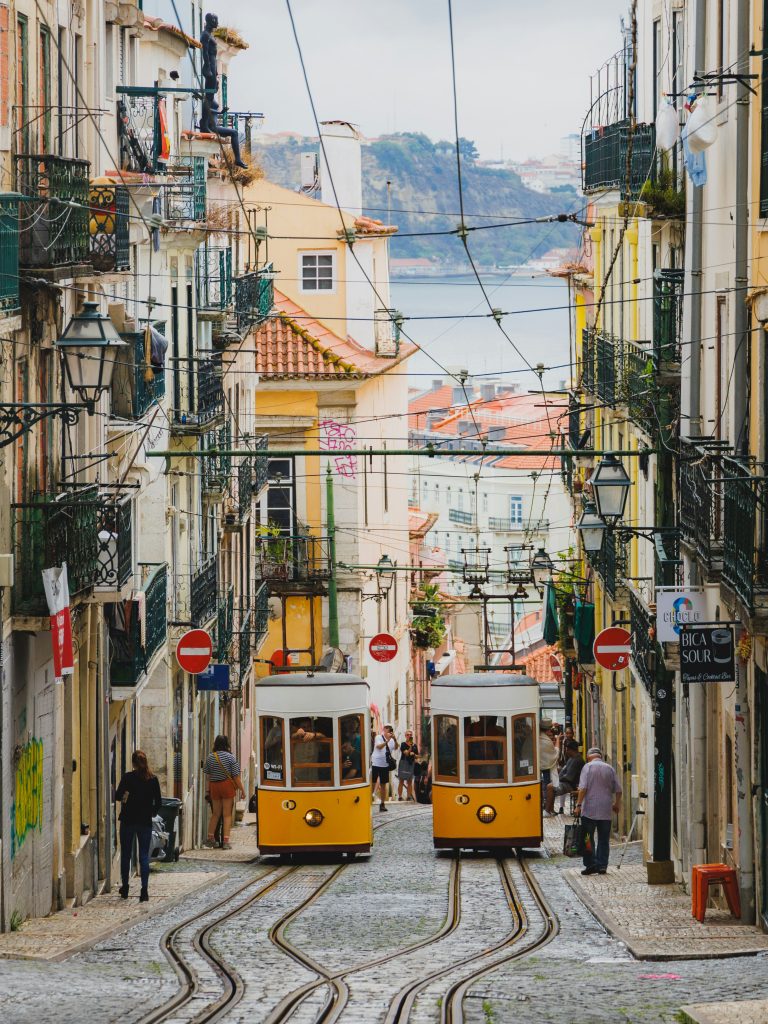
Why Visit Lisbon?
Lisbon consistently ranks among the top European city destinations because it combines:
- A compact but architecturally diverse historic center
- Scenic miradouros (viewpoints) across nearly every hill
- Easy access to palaces, beaches, and dramatic Atlantic coastline
- Strong value compared to Paris, Rome, or Amsterdam
- Affordable wine and excellent traditional cuisine
- Mild climate year-round
Compared to cities such as Rome, Paris, or Barcelona, Lisbon offers a more relaxed atmosphere and stronger value for travelers.Lisbon is ideal for couples seeking romantic sunset views, solo travelers, photographers, digital nomads, and first-time visitors to Portugal.
As this Lisbon Travel Guide highlights, the city offers a rare balance between history, culture, coastline, and value.
Culture & Atmosphere of Lisbon
The City of Seven Hills
Lisbon’s geography defines its character. The city rises and falls constantly, offering dramatic vantage points but demanding steady walking. Expect inclines, staircases, and narrow cobbled lanes. The hills are part of the experience — and the views always compensate for the effort.
Wear Practical Footwear
Lisbon’s traditional calçada portuguesa sidewalks are polished limestone and can become slippery. Comfortable shoes with solid grip are essential, especially in Alfama and Bairro Alto.
Fado – The Soul of Lisbon
Fado music expresses longing, nostalgia, and identity. The most authentic performances take place in intimate restaurants in Alfama, where live singing accompanies traditional Portuguese cuisine.
Lisbon Travel Guide: Must-See Attractions
Lisbon’s top attractions are best explored by district rather than as a random checklist.
Historic Core: Alfama & Baixa
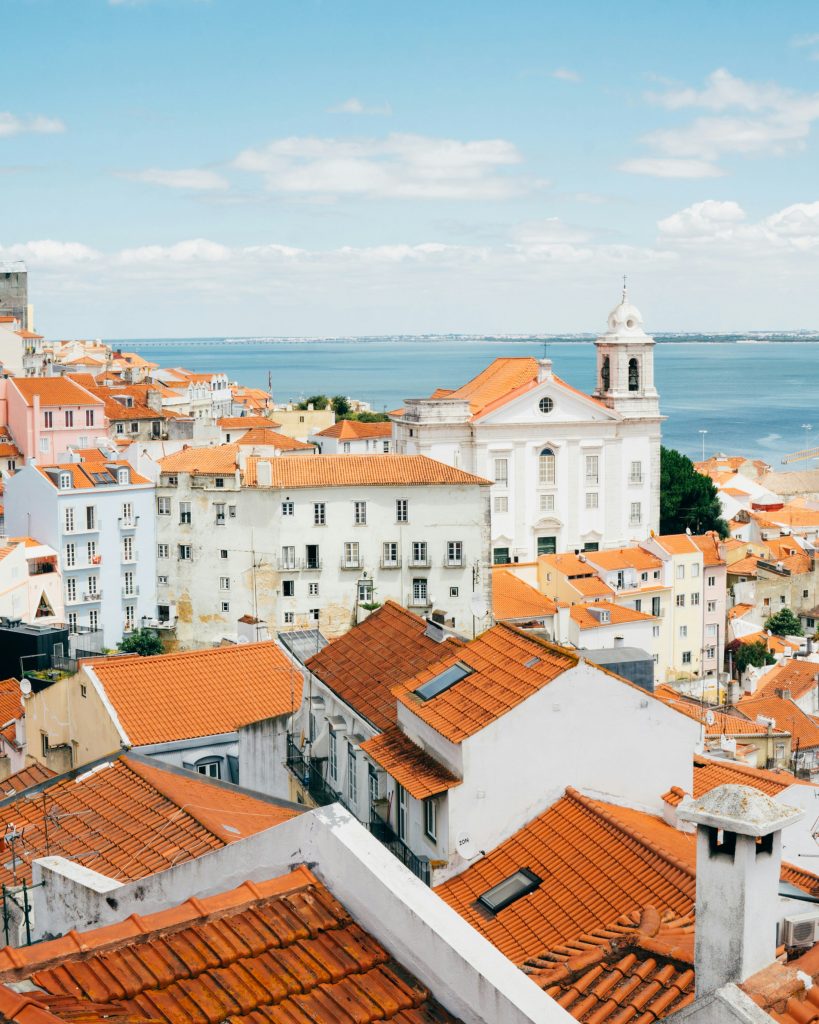
Alfama District
The oldest neighborhood in Lisbon, Alfama is a labyrinth of narrow streets, tiled buildings, and hidden terraces. It remains the emotional heart of the city.
Tip: Visit early morning for softer light and fewer visitors.
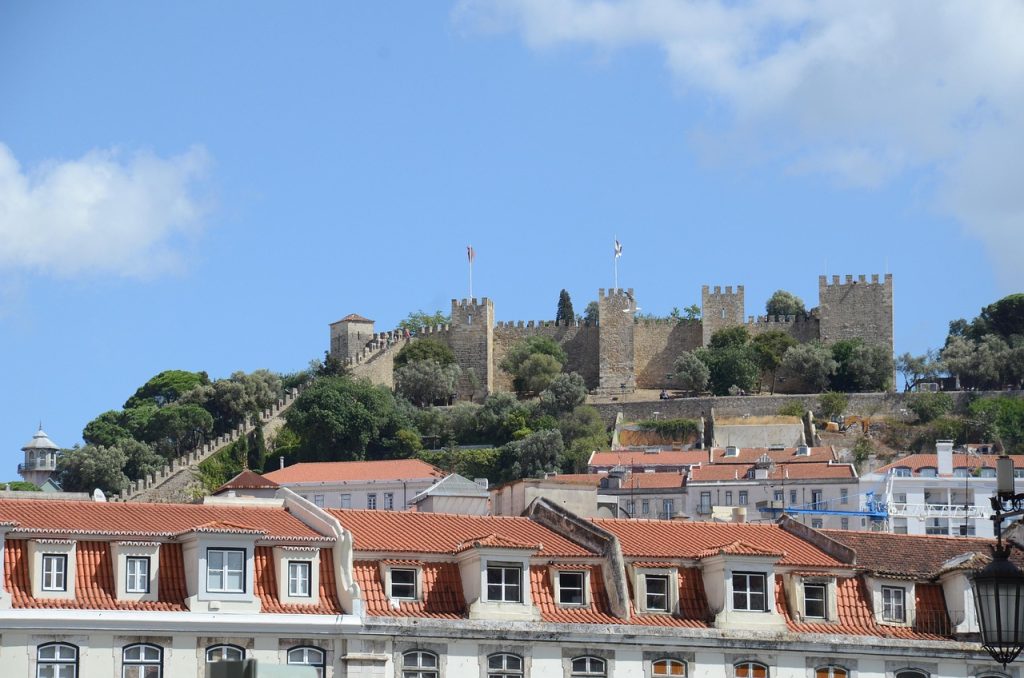
São Jorge Castle
This medieval fortress dominates the skyline and provides panoramic views over the city and the Tagus River.
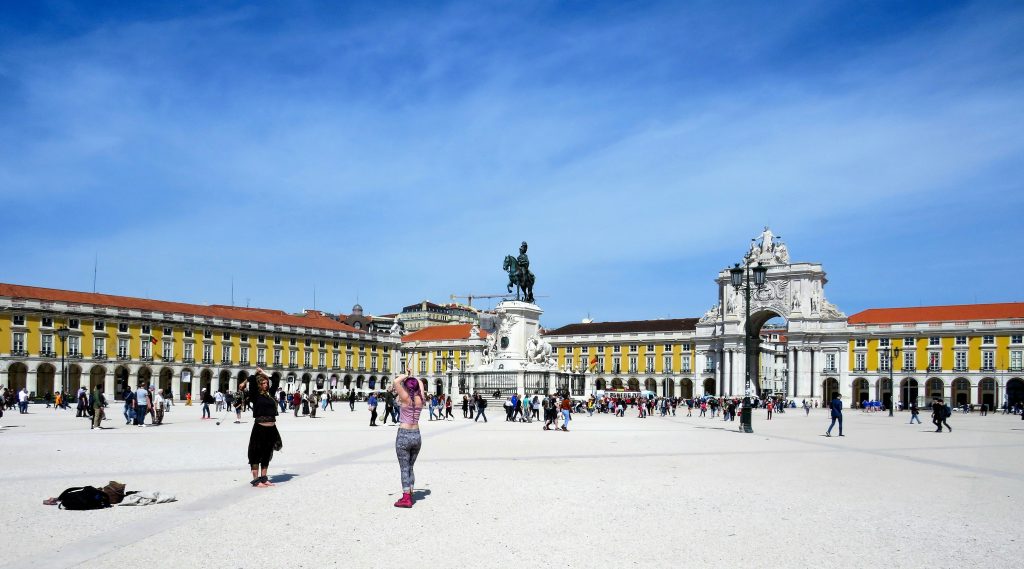
Praça do Comércio
A grand riverside square once welcoming ships during Portugal’s Age of Discoveries.Portugal’s maritime expansion also shaped historic cities like Porto, which remains famous for its riverside architecture and wine culture.
Monumental Lisbon: Belém
Belém Tower
A UNESCO World Heritage fortress symbolizing Portugal’s maritime expansion.
Jerónimos Monastery
One of Europe’s most impressive examples of Manueline architecture.
Tip: Visit mid-morning and purchase tickets online in advance.
Iconic Lisbon Experiences
Tram 28
Lisbon’s historic tram route passes through Graça, Alfama, Baixa, and Estrela. It is iconic but frequently crowded.
Alternative: Tram 24 offers a similar vintage experience with fewer tourists.
Lisbon Viewpoints (Miradouros)
Top panoramic spots include:
- Miradouro da Senhora do Monte
- Miradouro de Santa Catarina
- Miradouro das Portas do Sol
Sunset is the ideal time to visit.
Cultural & Architectural Landmarks
Carmo Convent
A Gothic ruin left roofless after the 1755 earthquake — one of Lisbon’s most atmospheric landmarks.
Chiado
A refined district combining literary cafés, historic architecture, and contemporary boutiques.
Best Time of Day for Major Attractions
- Alfama – Early morning
- Belém Tower – Mid-morning
- Tram 28 – Before 9 AM
- Miradouros – Sunset
- LX Factory – Late afternoon
Timing significantly improves your experience and reduces crowd exposure.
Hidden Gems in Lisbon
Beyond the main sights, Lisbon rewards exploration:
- LX Factory – Creative complex with cafés and art spaces
- National Tile Museum (Museu Nacional do Azulejo)
- Campo de Ourique – Local neighborhood atmosphere
- Tapada da Ajuda – Quiet botanical gardens
Where to Stay in Lisbon
- Baixa – Central and convenient
- Alfama – Traditional and atmospheric
- Chiado – Elegant and well-connected
- Príncipe Real – Trendy and upscale
- Belém – Quieter and monument-focused
- Bairro Alto – Best for nightlife
Lisbon Itinerary Ideas
1 Day in Lisbon
Alfama → São Jorge Castle → Baixa → Tram 28 → Sunset viewpoint
2 Days in Lisbon
Add Belém district and LX Factory.
3 Days in Lisbon
Include a full-day trip to Sintra or Cascais.
Best Day Trips from Lisbon
Sintra
Home to Pena Palace and Quinta da Regaleira. Allow a full day and pre-book tickets online.

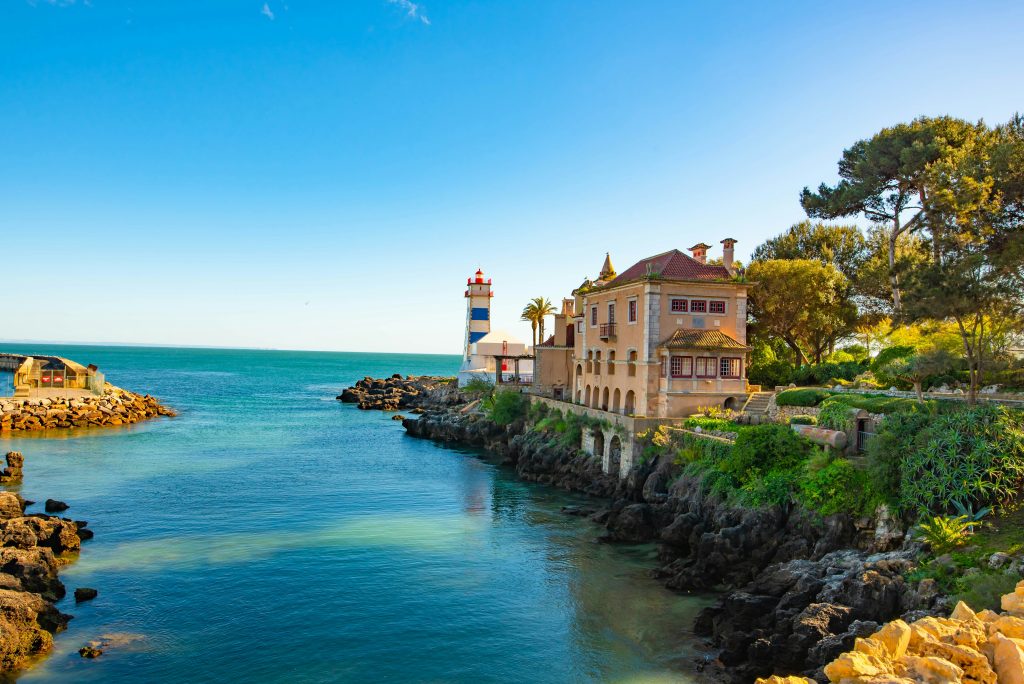
Cascais
Coastal town with beaches and relaxed seaside atmosphere.
Cabo da Roca
Westernmost point of mainland Europe.Travelers continuing south often explore the dramatic cliffs and beaches of the Algarve, Portugal’s most famous coastal region.

Transportation in Lisbon
Viva Viagem (Navegante) Card
Purchase at metro stations (€0.50). The “Zapping” option allows flexible, discounted use across metro, buses, and trains.
Uber & Bolt
Affordable and often cheaper than traditional taxis.
Lisbon Food Guide
Entradas
Bread, olives, and cheese placed on your table are not complimentary. If consumed, they are charged.
Traditional Foods to Try
- Pastel de Nata
- Bacalhau
- Bifana
Tipping in Lisbon
Not mandatory. 5–10% for good service is appropriate.

Travel Costs in Lisbon
Budget hotel: €50–90
Mid-range hotel: €120–220
Food per day: €25–60
Transport pass: €6–10
Sintra day trip: €20–40
Estimated 3-day mid-range trip: €600–900 per person (excluding flights).
Money-Saving Tips for Lisbon
- Use Viva Viagem with Zapping
- Prioritize free viewpoints
- Avoid airport taxis
- Dine outside main squares
- Travel in May or September
- Pre-book Sintra tickets
Common Mistakes Tourists Make in Lisbon
- Staying only one day
- Visiting Sintra without advance planning
- Riding Tram 28 during peak hours
- Underestimating walking distances
- Wearing unsuitable footwear
Who Should Visit Lisbon?
Couples – Romantic viewpoints
Digital Nomads – Café culture in Príncipe Real
Families – Belém and coastal areas
Budget Travelers – Free miradouros
Luxury Travelers – Boutique hotels & private tours
Best Time to Visit Lisbon
Spring – Ideal weather
Summer – Lively atmosphere
Autumn – Balanced conditions
Winter – Fewer crowds
May and September offer optimal balance.These months are also ideal for exploring Mediterranean destinations such as Italy, Spain, or the Amalfi Coast.
Practical Information
Currency: Euro (€)
Language: Portuguese
Tap water: Safe
Safety: Very safe; stay alert in crowded trams
Terrain: Hilly
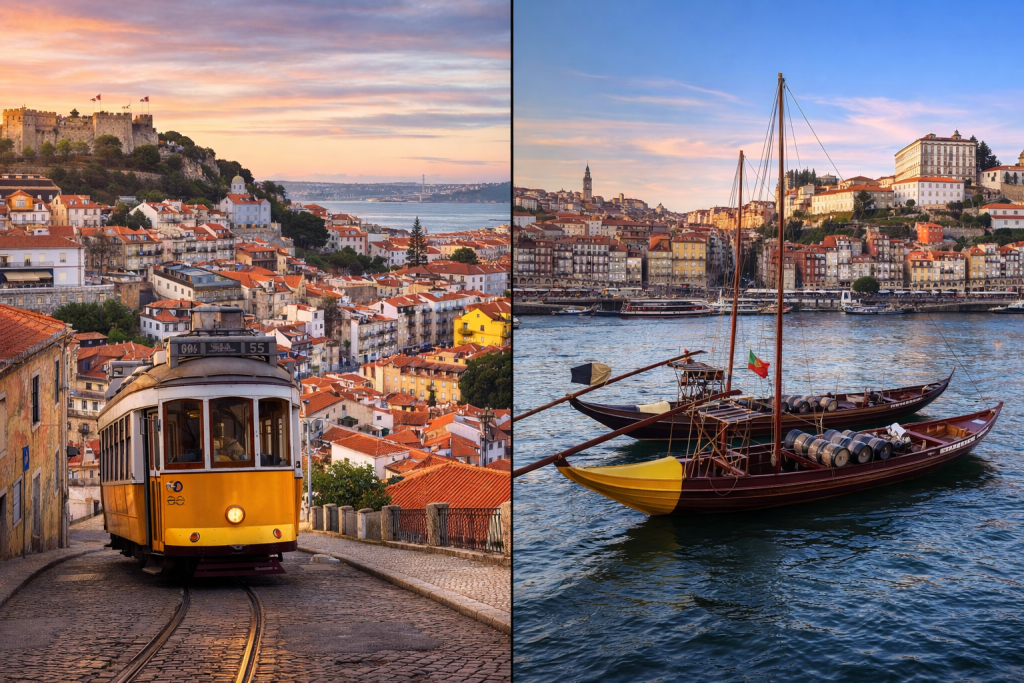
Lisbon vs Porto
Lisbon offers scale, nightlife, and broader cultural institutions.
Porto provides intimacy and compact charm.For a deeper comparison of Portugal’s two main cities, see the full Porto Travel Guide.
Frequently Asked Questions
Is Lisbon worth visiting? Yes.
Is Lisbon expensive? Moderately priced.
How many days are ideal? 3–4 days.
Do you need a car? No.
Explore Portugal Travel Guides
If you are planning a broader trip across Portugal, these guides may help:
More European Coastal Destinations
If you enjoy coastal scenery and historic cities, these destinations may inspire your next trip:
- Amalfi Coast Travel Guide
- Sicily Travel Guide
- Sardinia Travel Guide
- Balearic Islands Travel Guide
- Canary Islands Travel Guide
Final Thoughts
Lisbon rewards those who move slowly — pausing at viewpoints, riding historic trams, listening to Fado, and exploring side streets beyond the obvious.
For travelers seeking culture, scenery, history, and atmosphere within a manageable European capital, Lisbon remains one of Europe’s most compelling city destinations.
This Lisbon Travel Guide is designed to help you structure your days efficiently and experience the city beyond the typical tourist path.