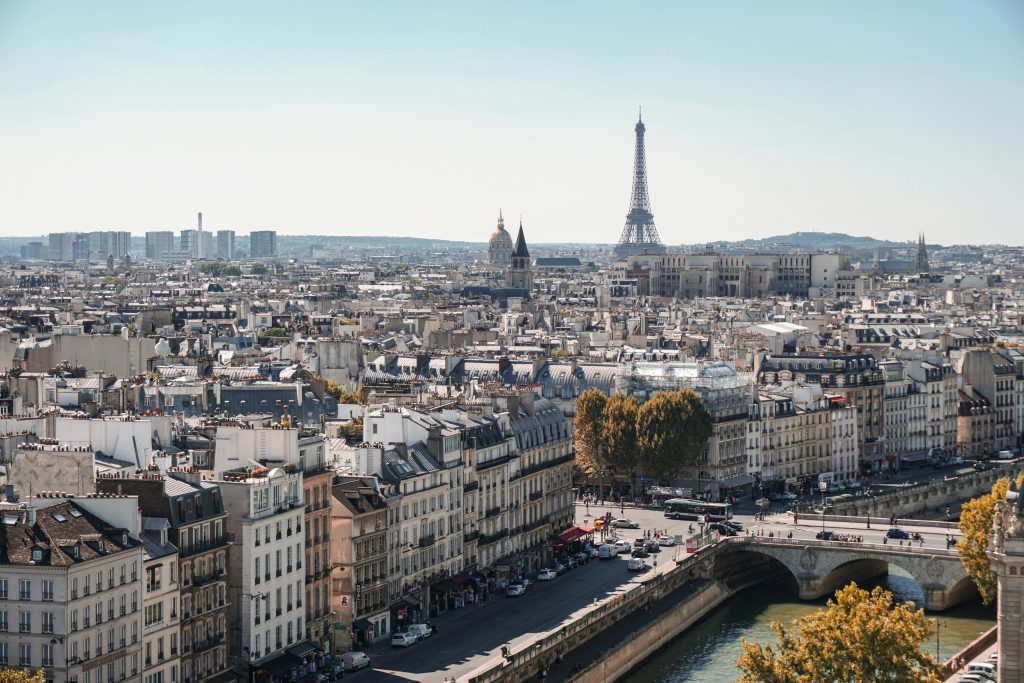
In this Paris Travel Guide, you’ll discover that Paris is not just a destination — it’s a rhythm.
It is a city shaped by routine, conversation, food, architecture, and everyday rituals that slowly draw you in.
Some travelers experience Paris as romantic and cinematic. Many travelers use Paris as a starting point before exploring other parts of France.
Others see it as intellectual, artistic, or surprisingly local. That’s because Paris doesn’t perform — it reveals itself based on how patiently you explore it.
This complete Paris travel guide covers everything you need to know before visiting: neighborhoods, food, transport, costs, weather, itineraries, cultural norms, and mistakes most tourists make.
What many visitors notice after arriving is that Paris feels different from expectations — not because of the landmarks, but because of the pace and everyday atmosphere.
Why Visit Paris? – A Quick Paris Travel Guide Overview
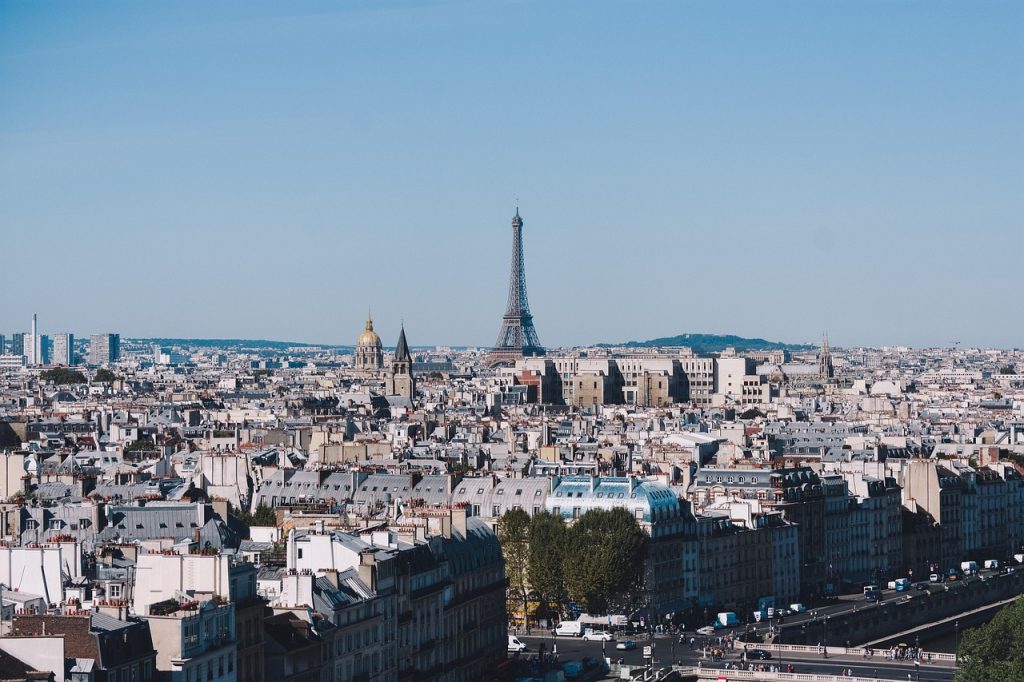
Paris consistently ranks among the top city destinations in the world — not just for its attractions, but for its atmosphere.
Travelers choose Paris for:
- Iconic landmarks and world-famous sights
- Unmatched culture, museums, and history
- World-class food and café culture
- Walkable neighborhoods with strong identity
- Perfect city breaks for all travel styles
Paris is compact, layered, and endlessly rewarding. While Paris is the cultural heart of France, regions like Provence and the French Alps reveal the country’s landscapes, food traditions, and slower regional rhythm.
Must-See Landmarks in Paris
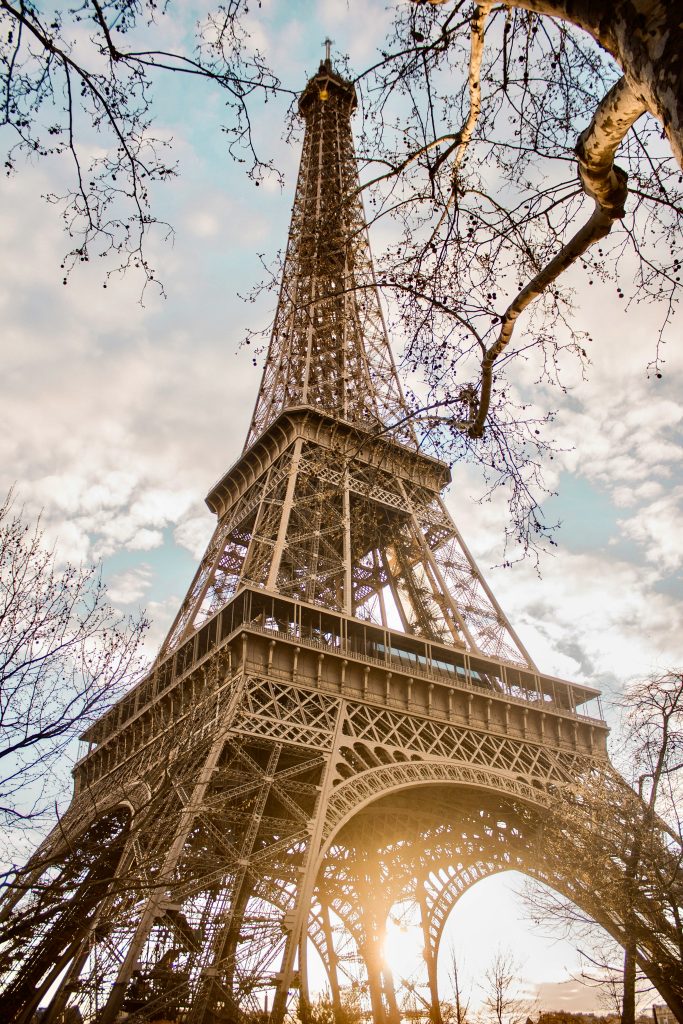
Eiffel Tower
The symbol of Paris and one of the most recognizable landmarks in the world.
You can admire it from many parts of the city, picnic nearby, or go up for panoramic views. Sunset and evening lights are especially memorable.
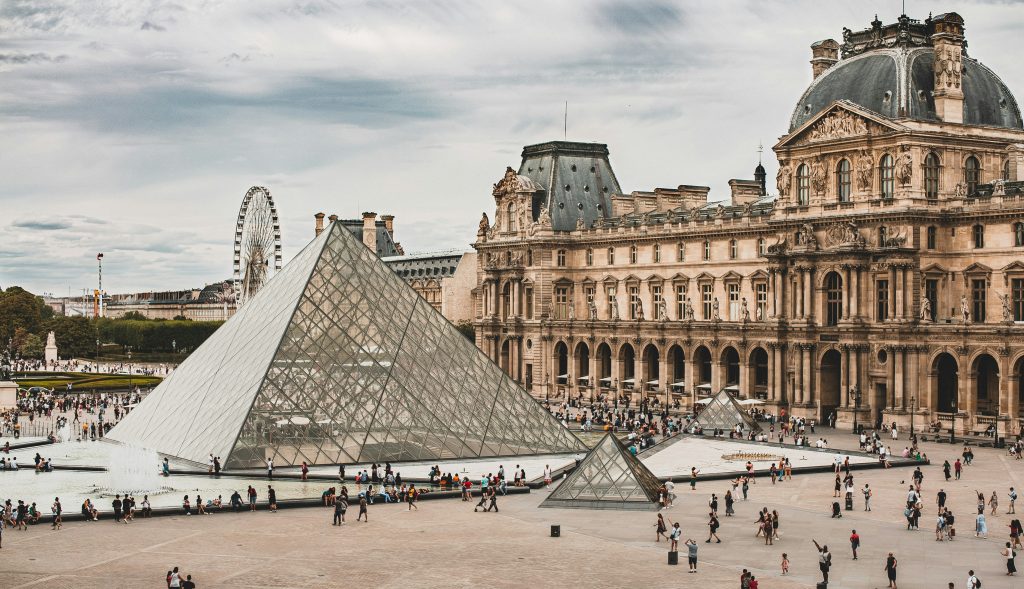
Louvre Museum
The world’s largest art museum and home to the Mona Lisa.
Even if you don’t go inside, the courtyard and glass pyramid are worth seeing. Inside, it’s best to focus on a few sections rather than trying to see everything.
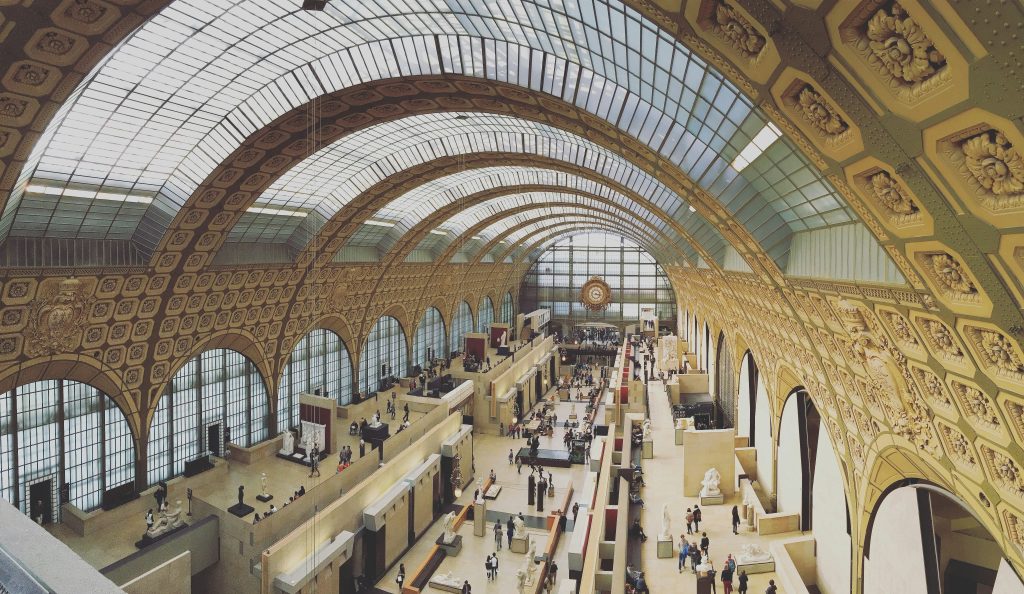
Musée d’Orsay
A former train station turned art museum, famous for Impressionist masterpieces.
Many travelers prefer it over the Louvre for its size, layout, and relaxed atmosphere.
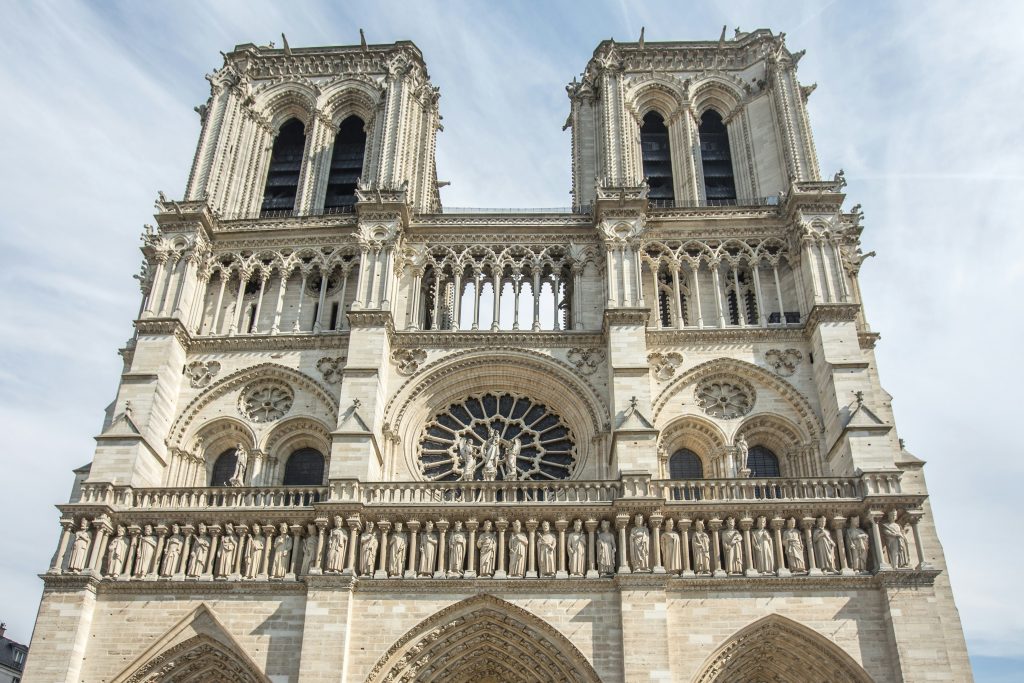
Notre-Dame Cathedral
A Gothic masterpiece located along the Seine.
While interior access may vary, the exterior and surrounding area remain a must-see.
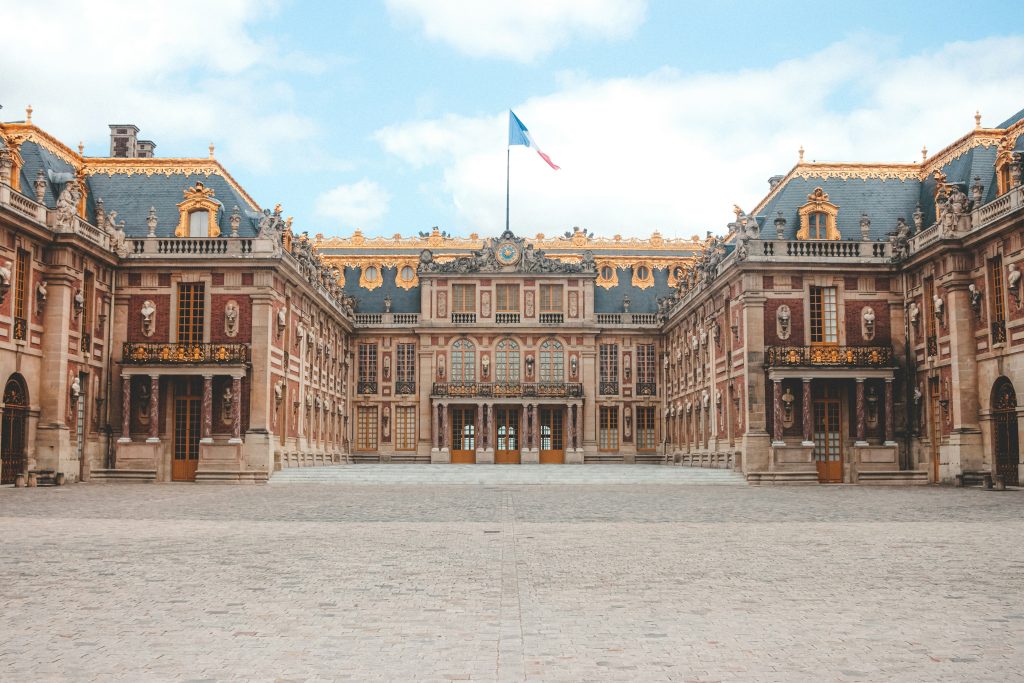
Palace of Versailles
Located just outside Paris, Versailles is one of the most popular day trips.
The palace interiors and vast gardens showcase royal France at its peak.
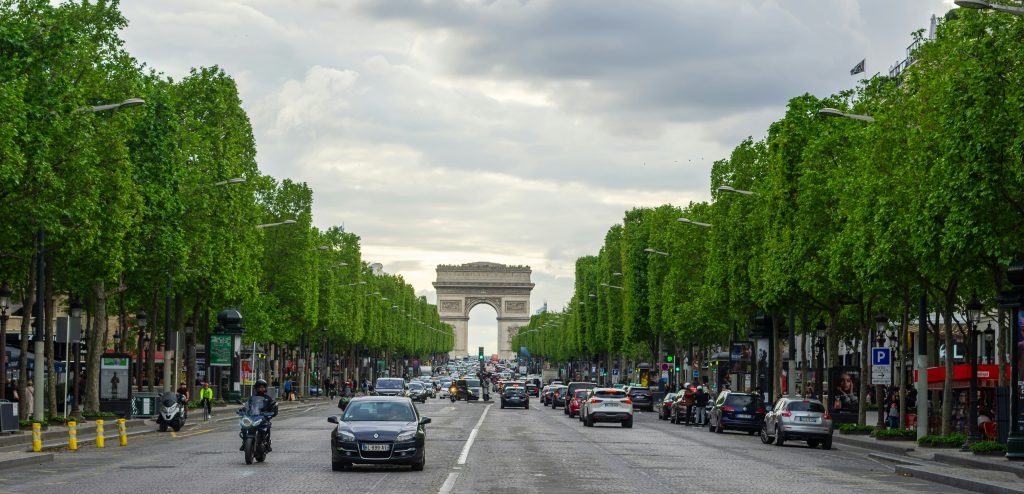
Champs-Élysées
The most famous street in Paris, stretching from Place de la Concorde to the Arc de Triomphe.
Known for shops, cafés, cinemas, and major events, it’s one of the classic walks in the city, especially lively in the evening.
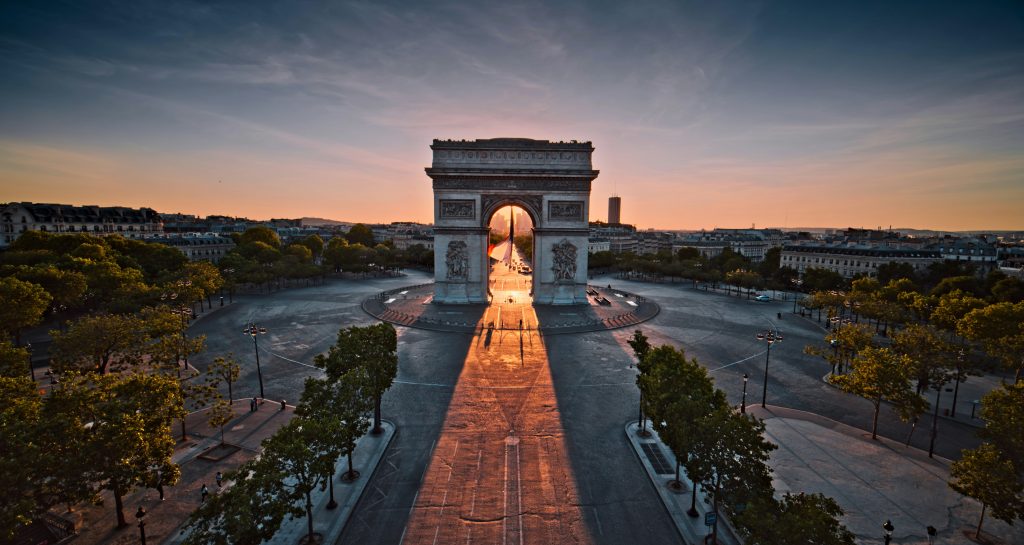
Arc de Triomphe
One of Paris’s most important monuments, honoring those who fought for France.
From the top, visitors get one of the best panoramic views over the city and its grand avenues.
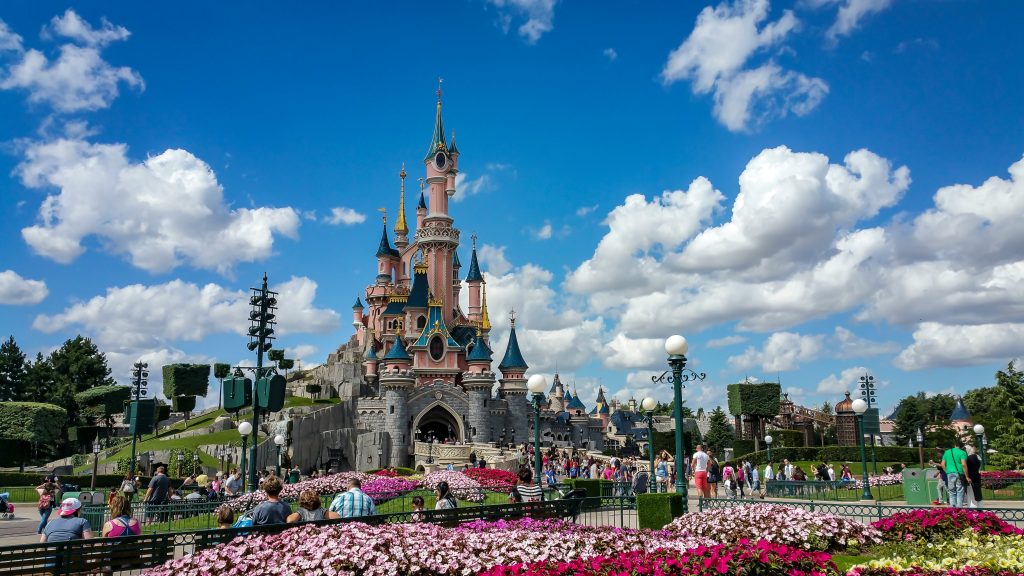
Disneyland Paris
One of Europe’s most visited attractions and a must-see for families and theme park fans.
Easily reachable by train from Paris, it offers two theme parks, rides, parades, and seasonal events. It is a full-day experience and a completely different side of a Paris trip.
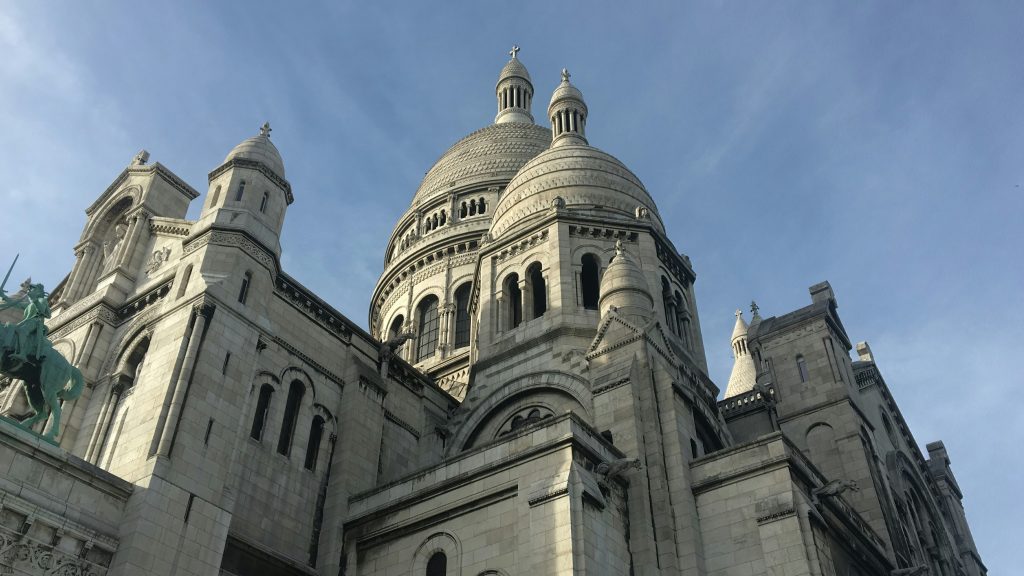
Sacré-Cœur
A white basilica located at the top of Montmartre, famous for its panoramic views over Paris. It’s one of the most recognizable landmarks and a popular sunset spot.
Seine River
The river that runs through the heart of Paris, connecting many of its most famous landmarks. Walking along the Seine or taking a boat cruise is a classic Paris experience.
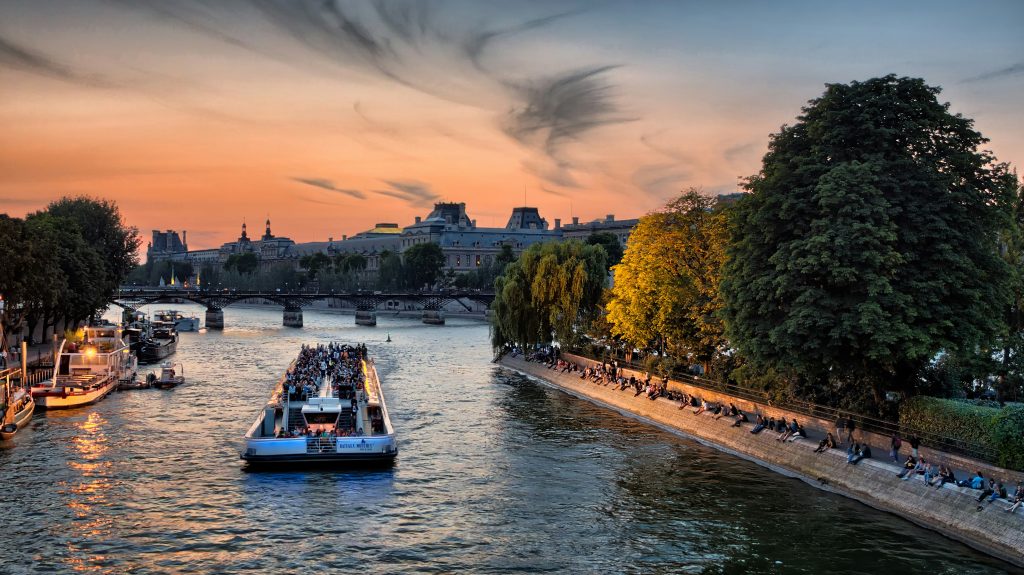
Place de la Concorde
One of the largest and most important squares in Paris, located between the Champs-Élysées and Tuileries Garden. It plays a key historical and geographical role in the city.
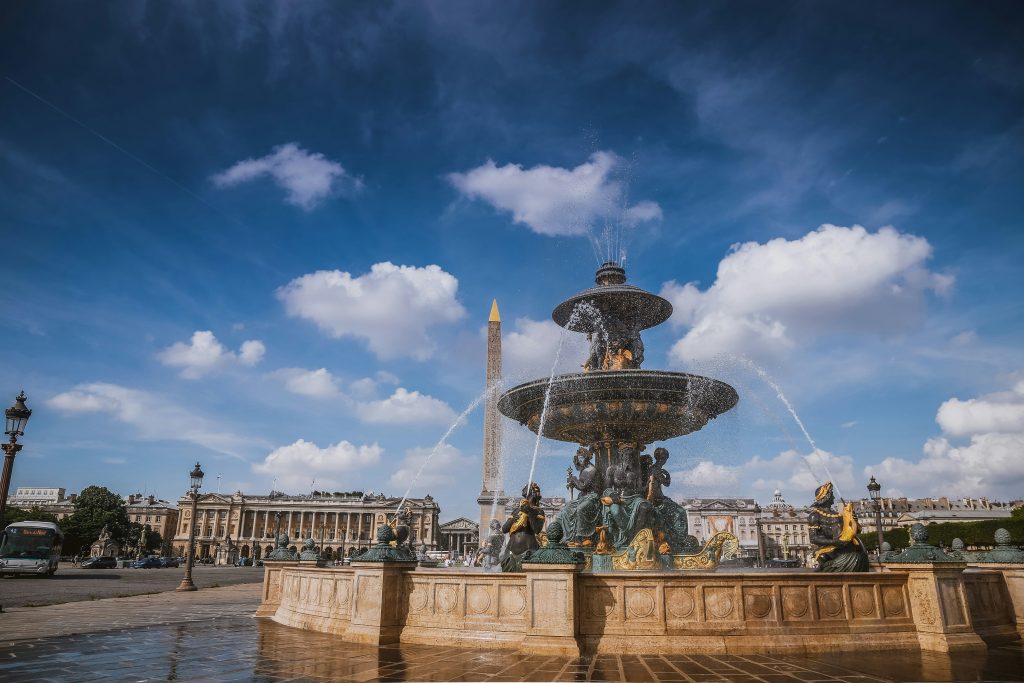
Luxembourg Gardens
A beautiful public park popular with both locals and visitors. It’s ideal for relaxing, walking, or taking a break from sightseeing.
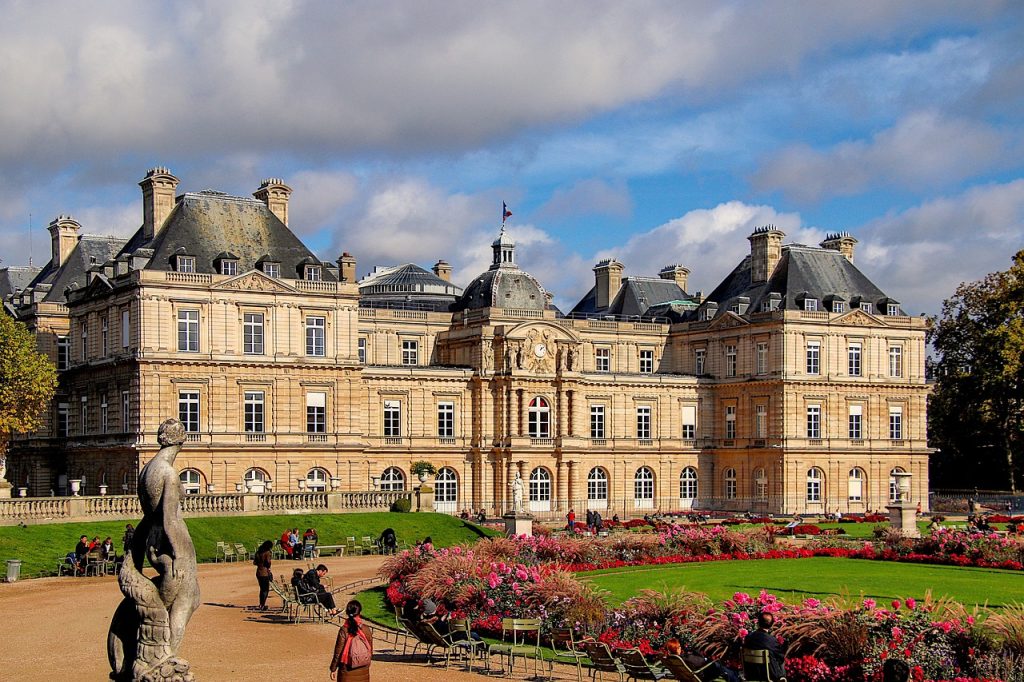
Galeries Lafayette
One of Paris’s most famous department stores, known for its luxury shopping and stunning glass dome.
The rooftop terrace offers free panoramic views over Paris, making it worth visiting even if you don’t plan to shop.
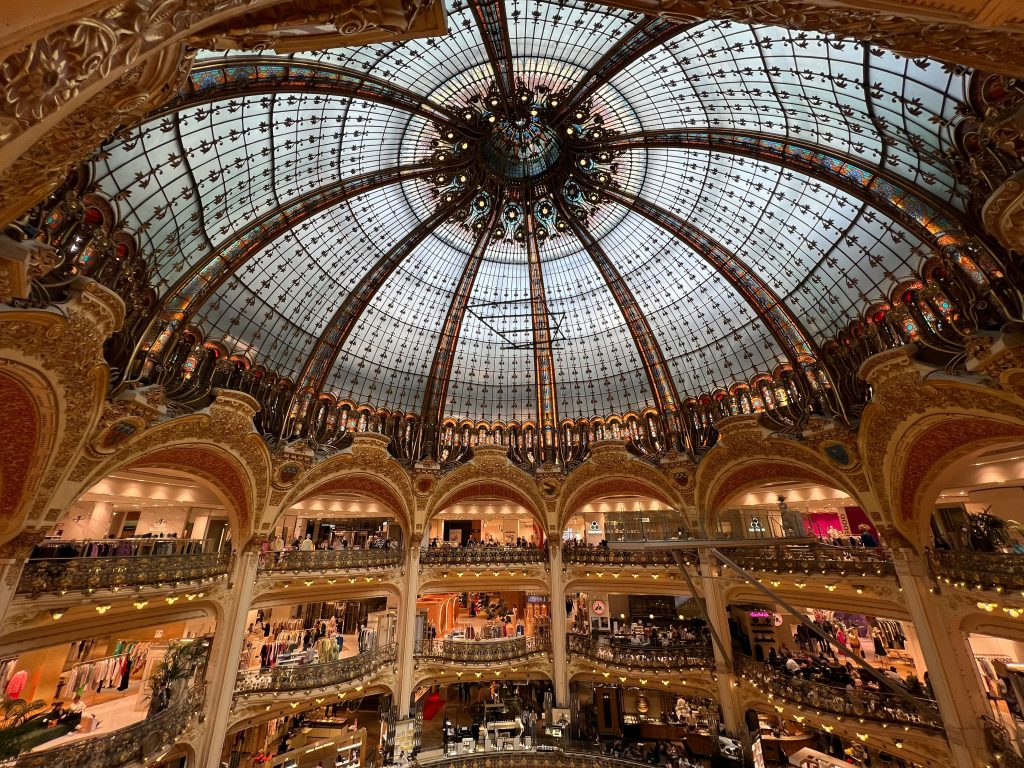
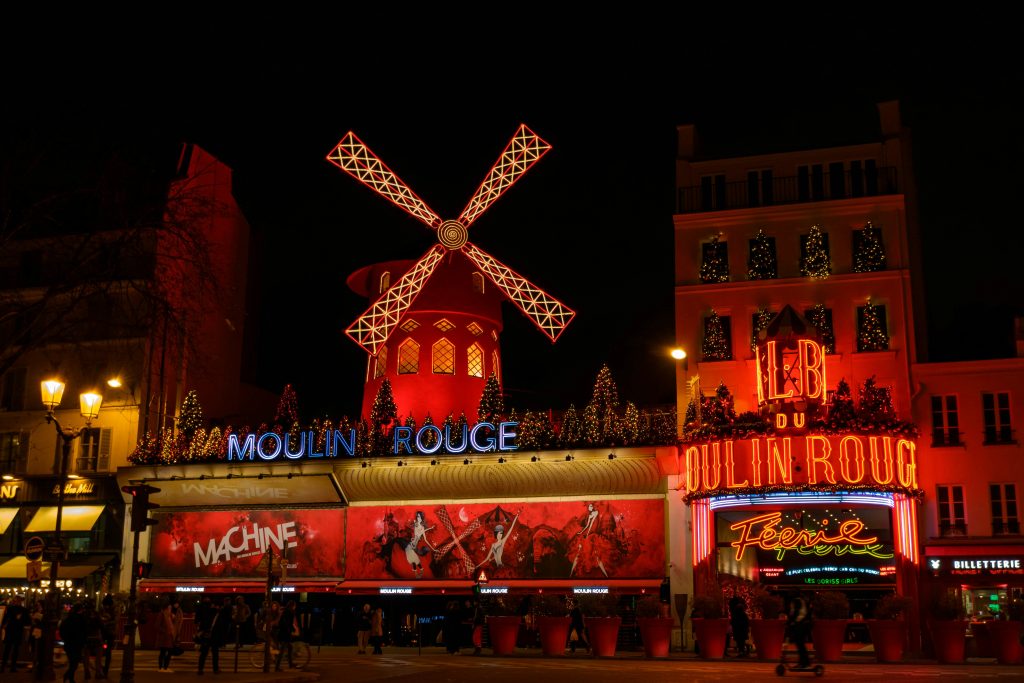
Moulin Rouge
A world-famous cabaret known for its history, shows, and connection to Parisian nightlife. It represents the city’s entertainment and cultural scene.
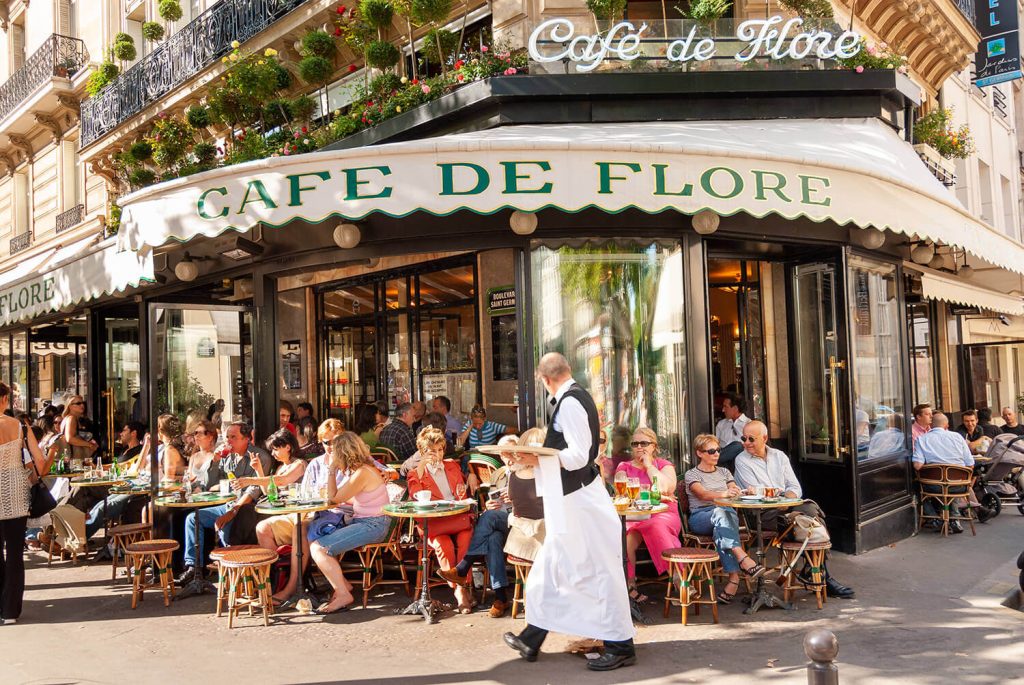
Paris Café Culture
Cafés are central to daily life in Paris, where people sit, talk, read, and observe the city. Experiencing café culture is essential to understanding Parisian lifestyle.
Best Neighborhoods & Areas in Paris
Le Marais
Historic, lively, and central. Known for cafés, boutiques, museums, and beautiful streets. Ideal for first-time visitors.
Saint-Germain-des-Prés
Elegant and intellectual, famous for cafés, bookstores, and classic Parisian atmosphere.
Latin Quarter
Student energy, narrow streets, affordable food, and cultural landmarks.
Montmartre
Artistic and romantic, with village-like streets and sweeping city views.
Eiffel Tower Area (7th Arrondissement)
Calm, elegant, and postcard-perfect.
Each neighborhood shows a different side of Paris.Travelers who enjoy layered city experiences often combine Paris with food-focused destinations such as Lyon or slower regional stays in Provence.
Things to Do in Paris (Beyond Landmarks)
- Walk along the Seine at sunset
- Sit at a café and people-watch
- Explore local markets and bakeries
- Wander neighborhoods without a plan
- Enjoy city views from Montmartre or rooftops
Paris rewards curiosity more than packed schedules.
Paris Food You Must Try
Food in Paris is part of everyday life, not a special occasion.
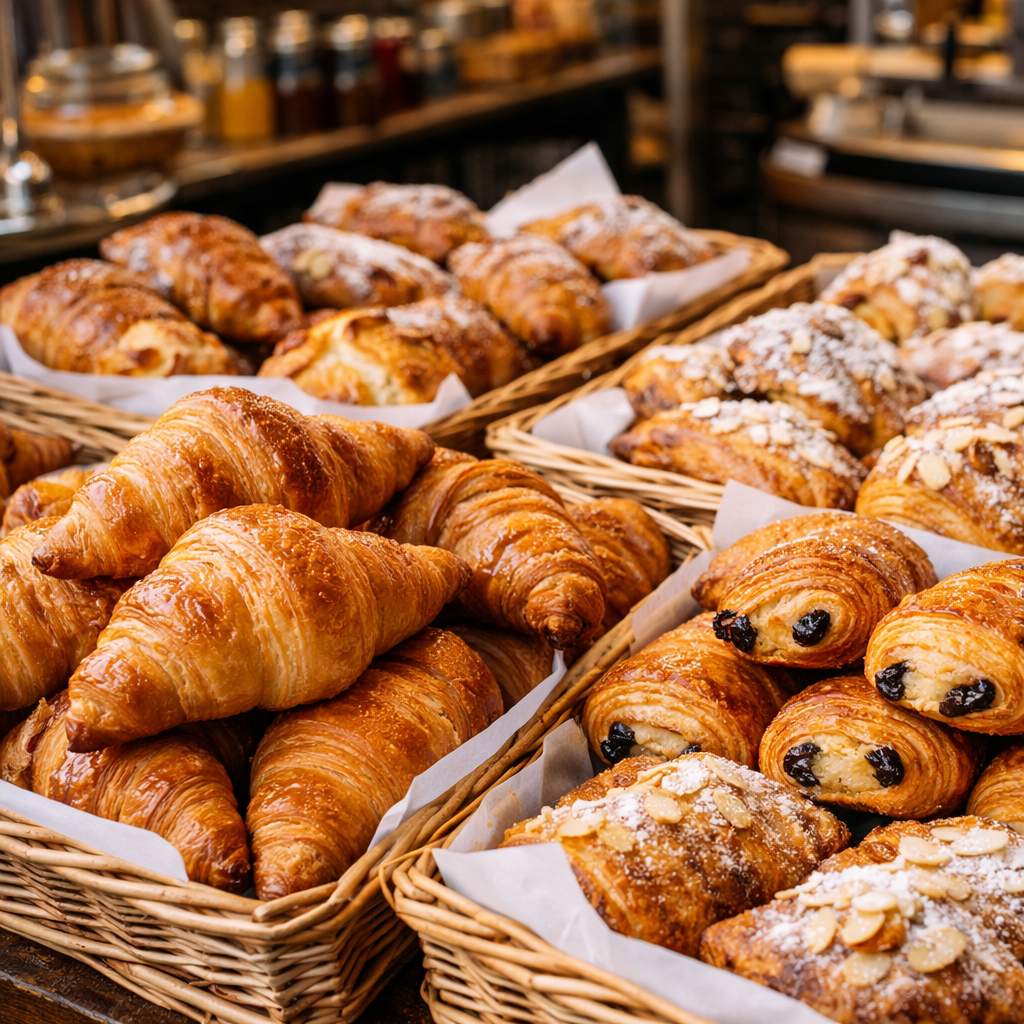
- Croissants and pastries – fresh every morning
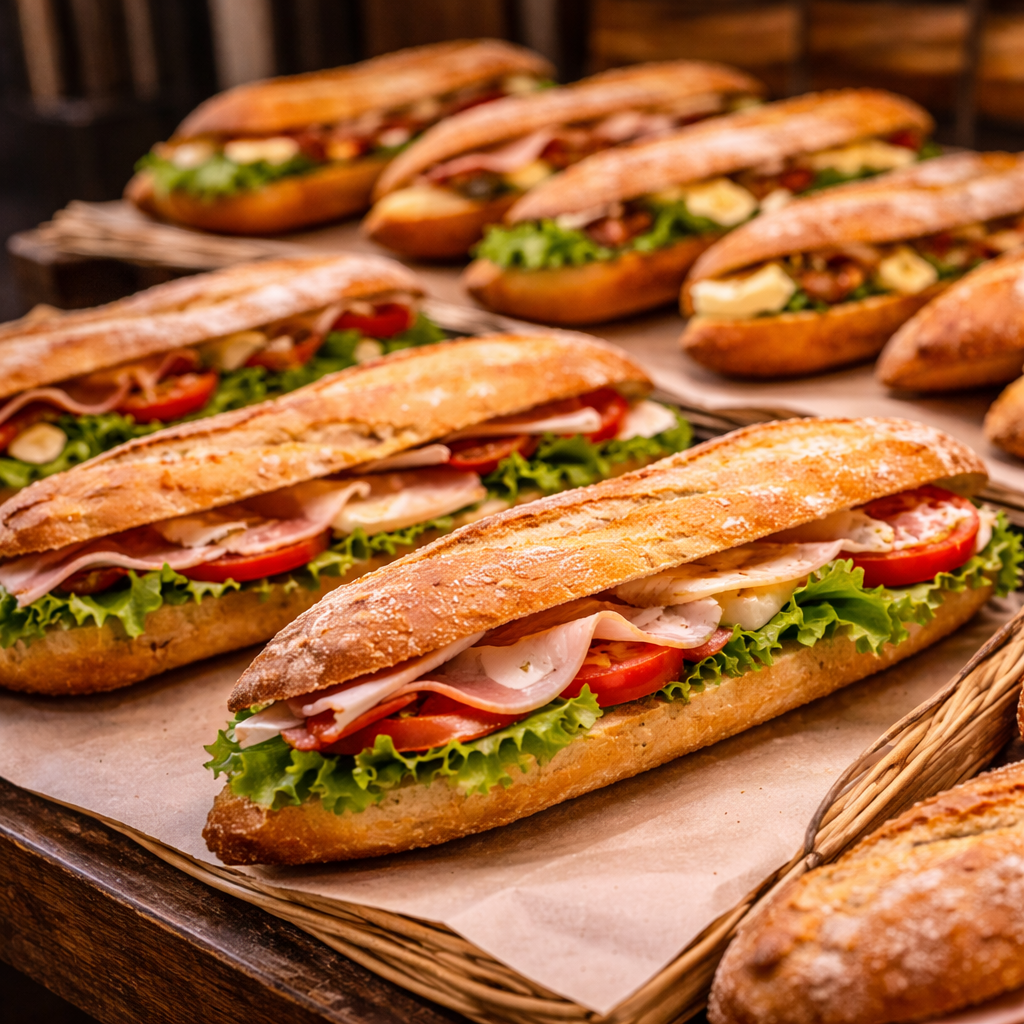
- Baguette sandwiches – simple and filling
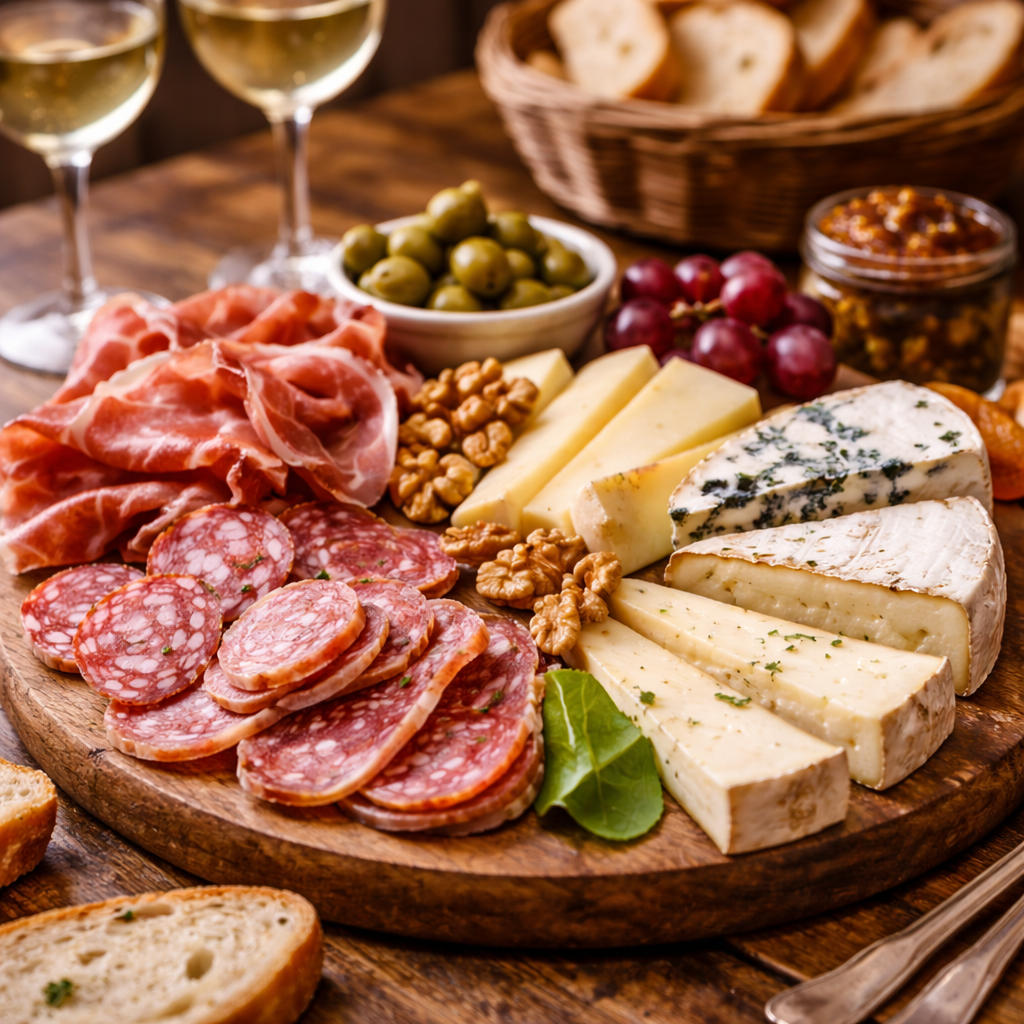
- Cheese and charcuterie – enjoyed casually
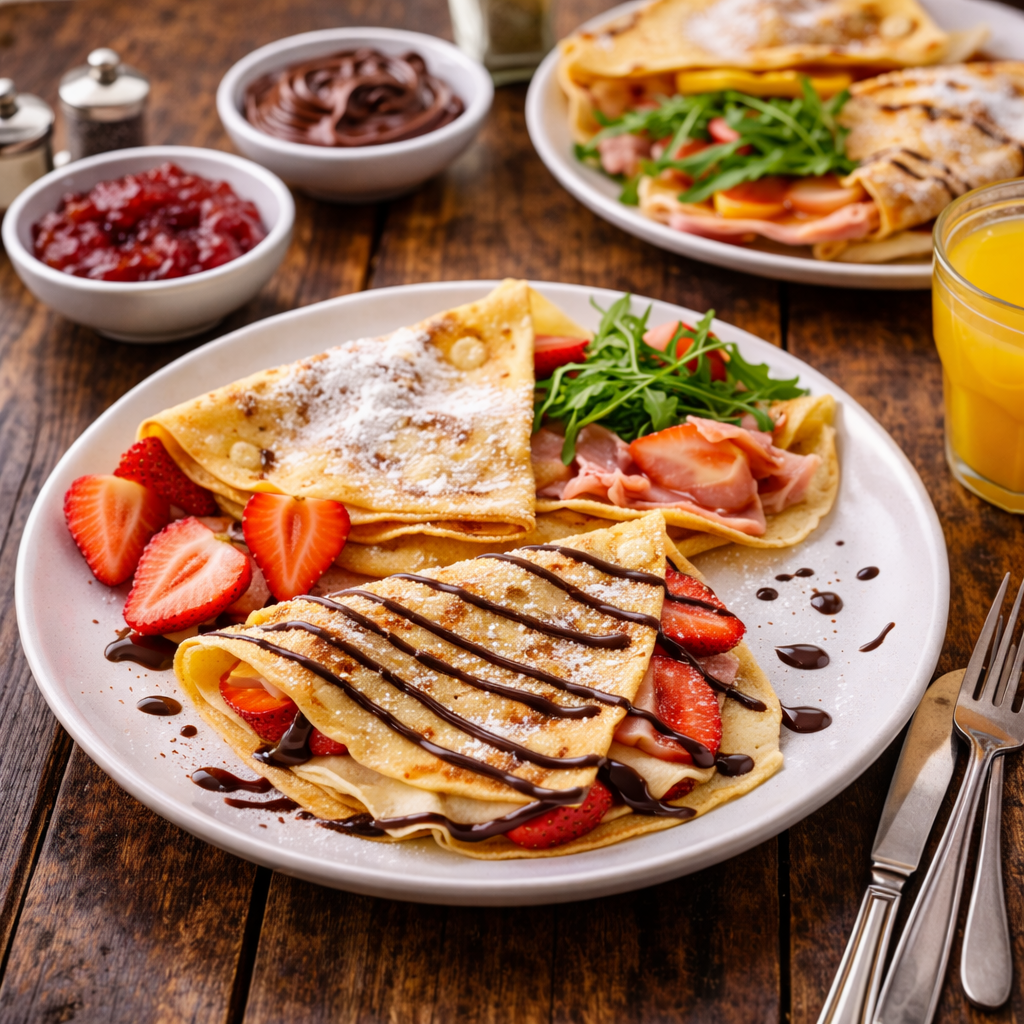
- Crêpes – sweet or savory, eaten all day
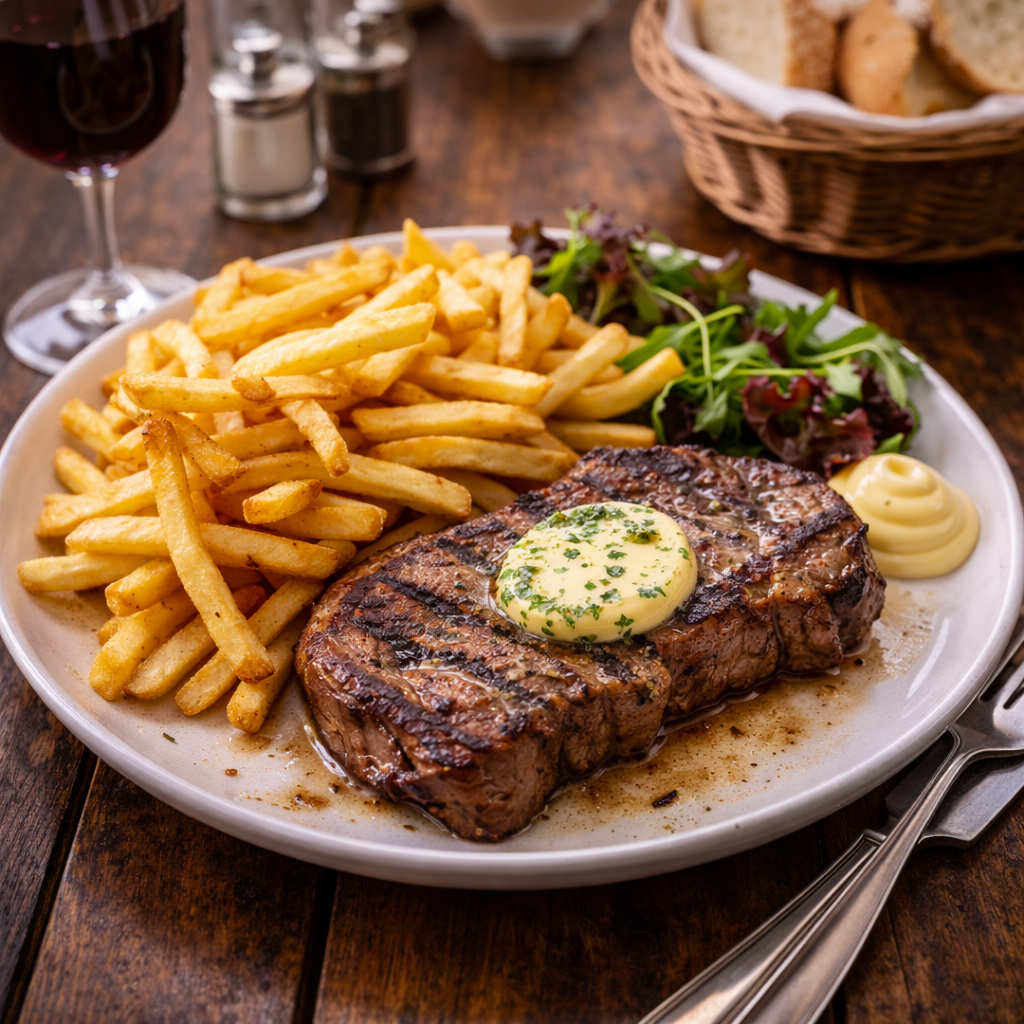
- Steak frites – classic bistro dish
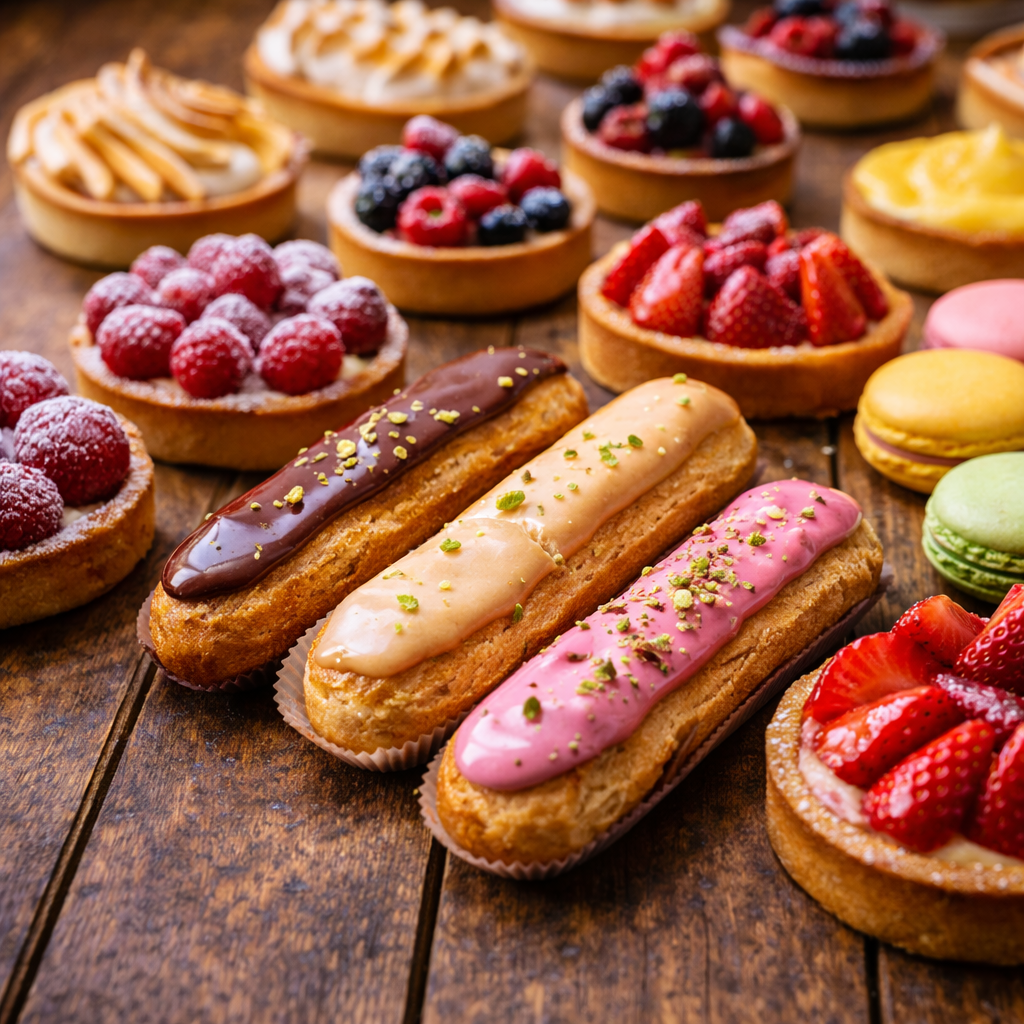
- Patisserie desserts – éclairs, tarts, macarons
Meals are meant to be enjoyed slowly. Conversation matters as much as the food. Travelers interested in French food culture often continue from Paris to Lyon, the country’s culinary capital, or to Provence for Mediterranean flavors and market culture.
Cultural Facts That Define Paris
- Café culture is essential
- Meals are not rushed
- Style matters, even casually
- Art is part of everyday surroundings
- Locals value routine and personal space
Paris feels elegant, but also deeply lived-in.
How Much Does Traveling to Paris Cost?
Accommodation (per night)
- Budget: €40–70
- Mid-range: €100–180
- Luxury: €220+
Food (per day)
- Budget: €20–30
- Comfortable: €35–60
- Fine dining: €80+
Attractions
- Museums: €12–20
- Many museums offer free entry on certain days
Paris can be affordable with planning, especially outside peak season.
Best Time to Visit Paris – Paris Travel Guide Season Tips
- Spring (April–June): best atmosphere
- Summer (July–August): hot and crowded
- Autumn (September–October): ideal balance
- Winter (November–February): quieter and cheaper
Best months: May and September. These months are also excellent for exploring other regions of France, including Provence, Monaco, and the hiking landscapes of the French Alps. Cheapest months: January and February
Busiest month: August
Average Temperatures in Paris
- Spring: 10°C – 20°C
- Summer: 20°C – 30°C
- Autumn: 12°C – 22°C
- Winter: 2°C – 10°C
Hidden Paris: Less Touristy Experiences
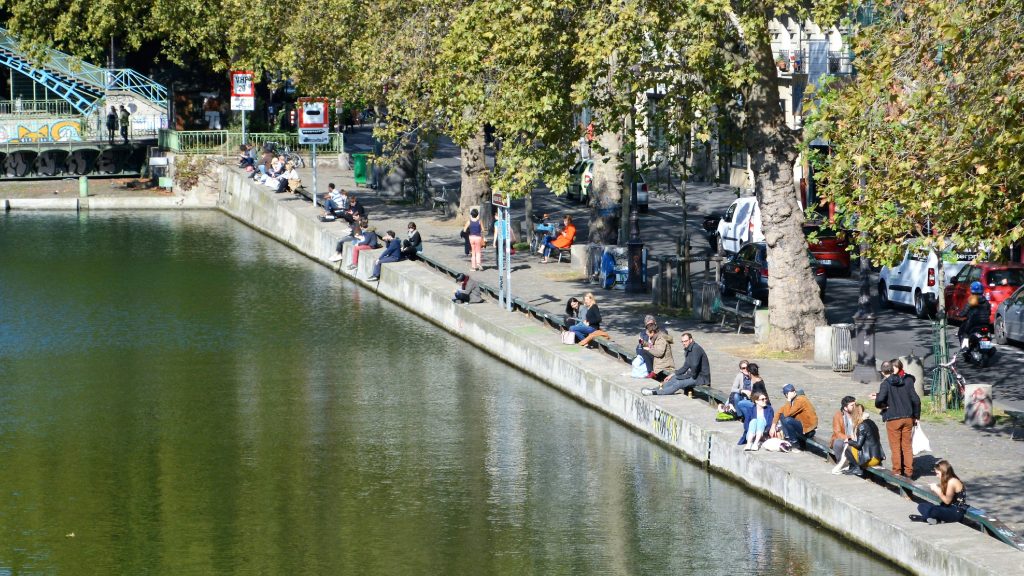
- Canal Saint-Martin – relaxed local atmosphere
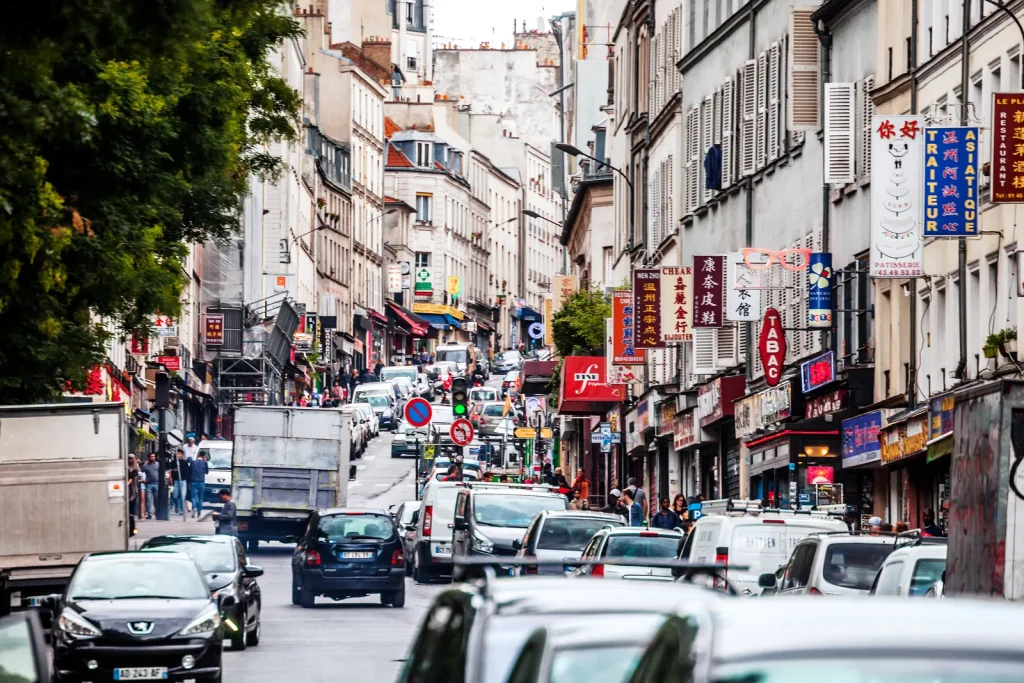
- Belleville – multicultural food and city views
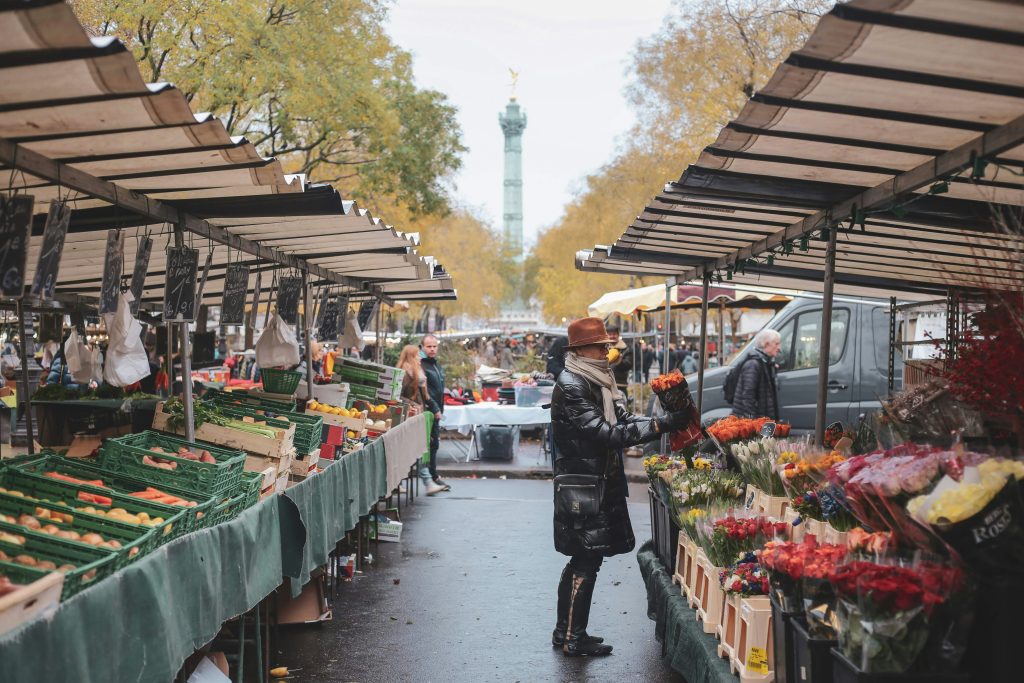
- Local markets – everyday Parisian life
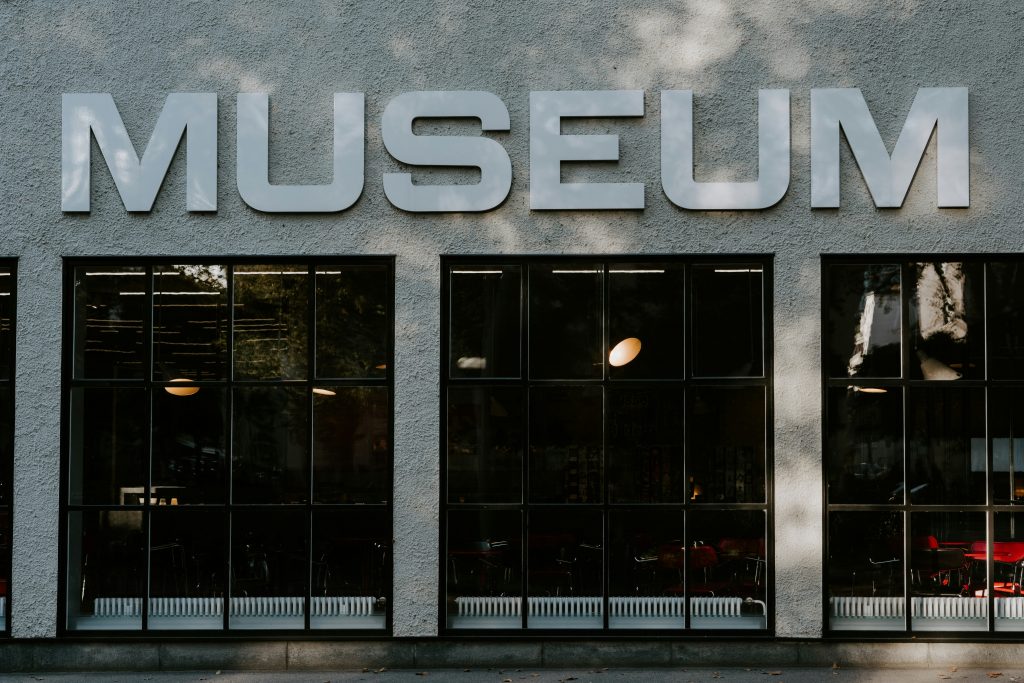
- Smaller museums – fewer crowds and more depth
Day Trips From Paris
Paris is an excellent base for short trips.
- Versailles – royal palace and gardens
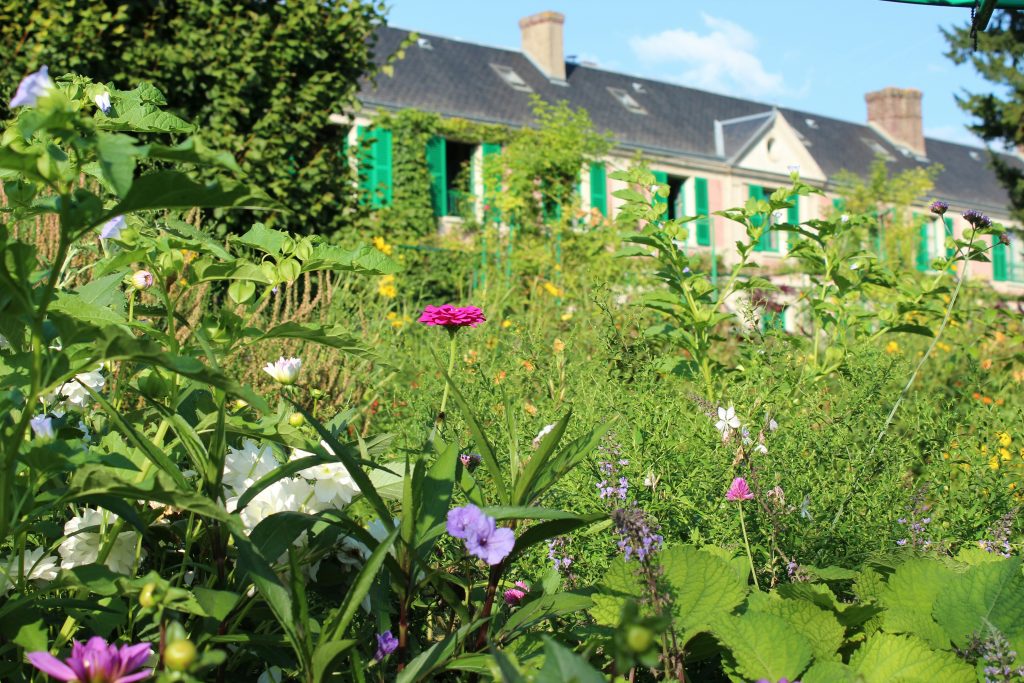
- Giverny – Monet’s house and gardens
- Disneyland Paris – theme parks and shows
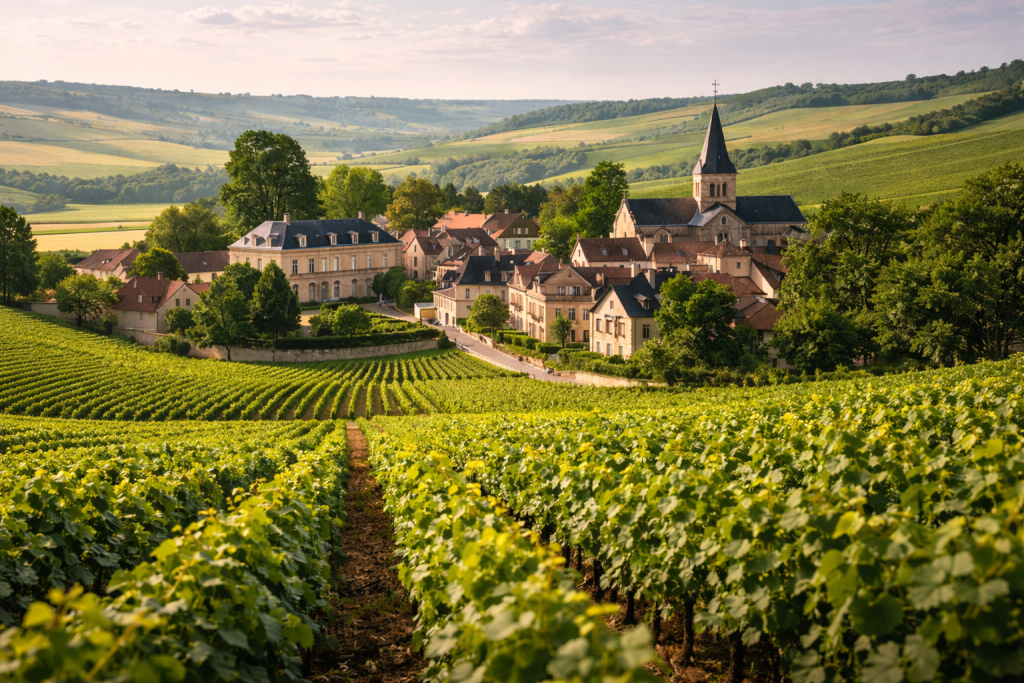
- Champagne Region (Reims) – vineyards and champagne houses
Most destinations are reachable in under one hour by train. For longer trips across France, many travelers continue from Paris to Lyon, Provence, or the mountain towns of the French Alps.
Quality Restaurants in Paris (Real Examples)
Budget (Great Quality, Low Price)
• Bouillon Pigalle – classic French dishes at very affordable prices
• Chez Gladines – generous portions, casual atmosphere, great value
• Le Relais de l’Entrecôte – famous for steak frites and fixed menu
• Breizh Café (select locations) – high-quality savory and sweet crêpes
Mid-Range (Best Value)
• Bistrot Paul Bert – traditional French bistro with excellent quality
• Septime La Cave – relaxed wine bar with seasonal small plates
• Chez Janou – Provençal cuisine, cozy and authentic
• Le Comptoir du Relais – classic Paris dining experience
Luxury (Top-Level Experience)
• Le Jules Verne – fine dining inside the Eiffel Tower
• Guy Savoy – world-renowned Michelin-starred restaurant
• Plénitude – modern luxury dining with Michelin recognition
• Le Meurice Alain Ducasse – refined French gastronomy
Best Cafés in Paris (Real Examples)
Classic Parisian Cafés
• Café de Flore – one of the most iconic cafés in Paris, famous for its history and Saint-Germain atmosphere
• Les Deux Magots – legendary café known for writers, artists, and classic Parisian style
• Café de la Paix – elegant café near the Opera, ideal for a classic Paris experience
Neighborhood Cafés (Local Feel)
• Café Charlot (Le Marais) – relaxed local café popular with both Parisians and visitors
• Le Progrès (Montmartre) – traditional café with authentic neighborhood atmosphere
• La Caféothèque – coffee-focused café with a quieter, local vibe
Modern & Specialty Coffee
• Coutume Café – one of the pioneers of specialty coffee in Paris
• Ten Belles – excellent coffee and pastries, very popular with locals
• KB Coffee Roasters – known for high-quality beans and modern café culture
Cafés for Sitting & People-Watching
• Le Select (Montparnasse) – classic terrace café, perfect for observing Paris life
• La Palette – small historic café near art galleries and museums
• Café Carette – popular for coffee, hot chocolate, and desserts
Best Bakeries in Paris (Top Picks)
• Du Pain et des Idées – one of the most famous bakeries in Paris, known for its pastries and traditional bread
• Poilâne – legendary bakery specializing in sourdough bread and classic French baking
• Maison Landemaine – modern bakery with excellent croissants and baguettes
• Boulangerie Utopie – creative flavors and high-quality daily baking
How Many Days Do You Need in Paris? – Paris Travel Guide Advice
- 2–3 days – main landmarks
- 4–5 days – relaxed city experience
- 6–7 days – slow travel plus day trips
Paris is best enjoyed without rushing. A slower itinerary also makes it easier to combine Paris with destinations such as Lyon, Provence, or even Monaco on a wider France trip.
Is Paris Safe? (Important to Know)
Paris is generally very safe, especially in central areas.
- Pickpocketing can occur near landmarks and on the metro
- Some street scams exist in tourist zones
- Normal city awareness is enough
Violent crime against tourists is rare.
Money, Payments & Tipping in Paris
- Cards and contactless payments are accepted almost everywhere
- Cash is rarely needed
- Tipping is included in restaurant bills
- Leaving small change is optional
Paris is very payment-friendly for travelers.
Important Things to Know Before Visiting Paris
Transport From the Airport (CDG)
From Charles de Gaulle Airport, the most practical options are:
- RER B train – the cheapest option, around €11, directly connects the airport with central Paris
- RoissyBus – more comfortable, stops near Opéra
- Uber or Bolt – convenient but more expensive, especially during peak hours
RER B is the best balance of price and speed for most travelers.
Getting Around the City
Paris has one of the best public transport systems in Europe.
- Metro is the fastest and most efficient way to move around
- Buy a Navigo Easy card and top it up as needed
- Citymapper is highly recommended and often more accurate than Google Maps for Paris metro routes
A car is unnecessary and often slows you down.
Book Tickets in Advance
Tickets for the Eiffel Tower and the Louvre should be booked online weeks, and sometimes months, in advance.
Waiting to buy tickets on-site can mean standing in line for several hours, especially during peak season.
Free Water in Restaurants
Tap water is safe and free in Paris.
In restaurants, you can always ask for “une carafe d’eau” and receive a jug of water at no extra cost instead of buying bottled water.
Wear Comfortable Shoes
Paris is best experienced on foot.
Expect to walk 15,000–20,000 steps per day, so comfortable shoes are essential for enjoying the city.
Opening Hours & Local Schedules
- Museums usually close one day per week
- Some shops close on Sundays
- Lunch breaks are common
- Restaurants may stop serving food between lunch and dinner
Checking schedules in advance avoids frustration.
Seasonal Warnings (Real-World Tips)
- August brings extreme crowds, heat, and some local closures
- Winter has shorter daylight hours
- Spring and autumn offer the best sightseeing balance
Practical Travel Tips for Paris
- Always greet with “bonjour”
- Expect slower service in restaurants
- Dress neatly, even casually
- Use public transport
- Do not rush your schedule
- That same slower rhythm is useful when exploring other parts of France too.
Common Tourist Mistakes in Paris
- Trying to see everything too fast
- Eating only near landmarks
- Ignoring neighborhoods
- Expecting fast service
- Overplanning every moment
Paris rewards travelers who slow down.
What Most Travelers Get Wrong About Paris
Many travelers arrive in Paris expecting the city to feel perfect immediately, but Paris works better when you slow down and accept its rhythm.
The biggest mistake is trying to see every major landmark in one trip. This often creates stress and makes the city feel overwhelming.
Paris becomes much more enjoyable when you balance famous sights with neighborhoods, cafés, riverside walks, and simple daily moments.
FAQ – Paris Travel Questions
Is Paris expensive for tourists?
It can be, but smart planning keeps costs manageable.
Is Paris safe for solo travelers?
Yes, especially in central neighborhoods.
How many days do you need in Paris?
Three to four days for highlights, five to seven for a relaxed trip.
Do people speak English in Paris?
Yes, especially in tourist areas, but basic French is appreciated.
Explore More France Travel Guides
If you are planning a broader trip across France, these guides may help:
- France Travel Guide
- Provence Travel Guide
- Lyon Travel Guide
- French Alps Travel Guide
- Monaco Travel Guide
More European City & Coastal Destinations
If you enjoy culture, food, and iconic city breaks, these destinations may also inspire your next trip:
- Italy Travel Guide
- Rome Travel Guide
- Spain Travel Guide
- Barcelona Travel Guide
- Portugal Travel Guide
Travel conditions, prices, opening hours, and availability may change depending on the season and current local conditions, so it is always recommended to check official sources before planning your trip.
Final Thoughts
Paris is not only about landmarks.
The city becomes more memorable when you slow down, walk more, sit longer, and allow space for unplanned moments.
If you balance famous sights with neighborhoods, food, cafés, and everyday rhythm, Paris feels far more personal and rewarding.