This French Alps Travel Guide explores one of Europe’s most powerful natural regions, stretching across dramatic mountain landscapes shaped by glaciers, lakes, and centuries of alpine life. The French Alps are often included in wider trips across France, especially alongside cities like Paris, Lyon, and regions such as Provence.
This area is not defined by a single season or activity — it offers world-class skiing in winter, legendary hiking in summer, crystal-clear lakes, historic towns, and authentic mountain culture year-round.
This complete French Alps travel guide explains everything you need to know before visiting: where to go, the best ski resorts, top hiking regions, famous towns, alpine lakes, seasonal activities, costs, transport options, accommodation tips, insider experiences, safety advice, and common travel mistakes.
What many visitors notice after arriving is how quickly the scale of the mountains changes your perception of distance and time.
French Alps Travel Guide: Why Visit?
The French Alps stand out because they work in every season and for every travel style.
- Some of Europe’s highest and most dramatic mountain peaks
- Globally recognized ski resorts and winter infrastructure
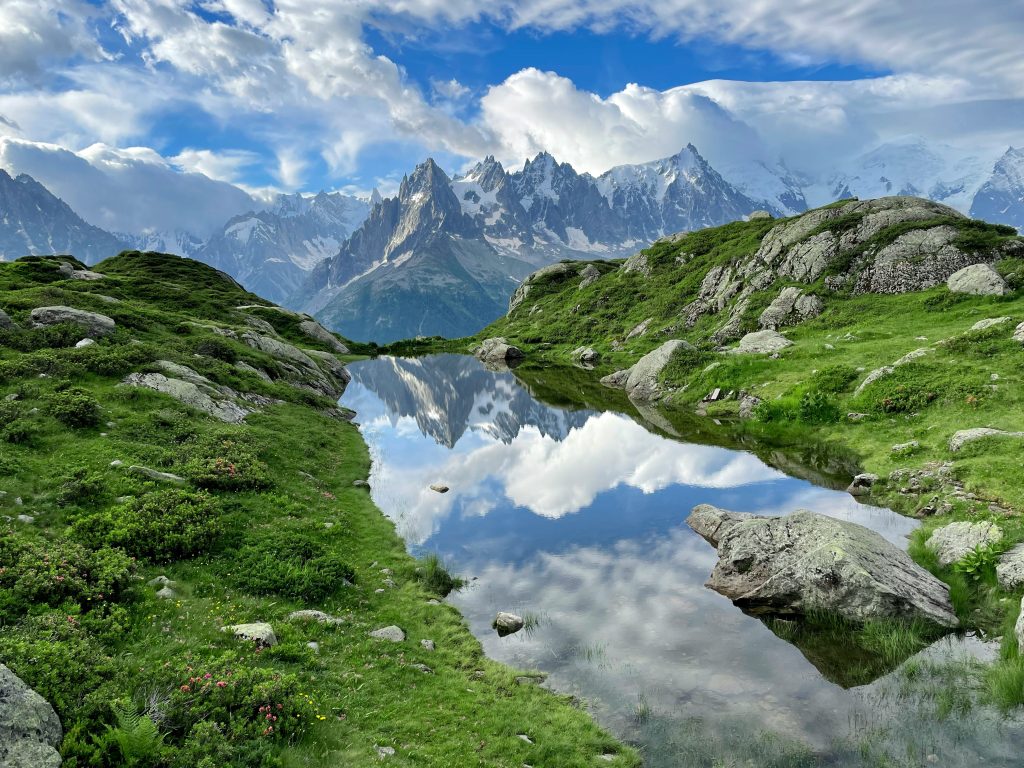
- Alpine lakes with exceptionally clear water
- Traditional villages with strong local identity
- Outdoor activities available all year
From adrenaline seekers to families and slow travelers, the French Alps adapt to how you travel. While Paris represents the cultural heart of France, regions like Provence, Lyon, and the French Alps showcase the country’s landscapes, food traditions, and outdoor lifestyle.
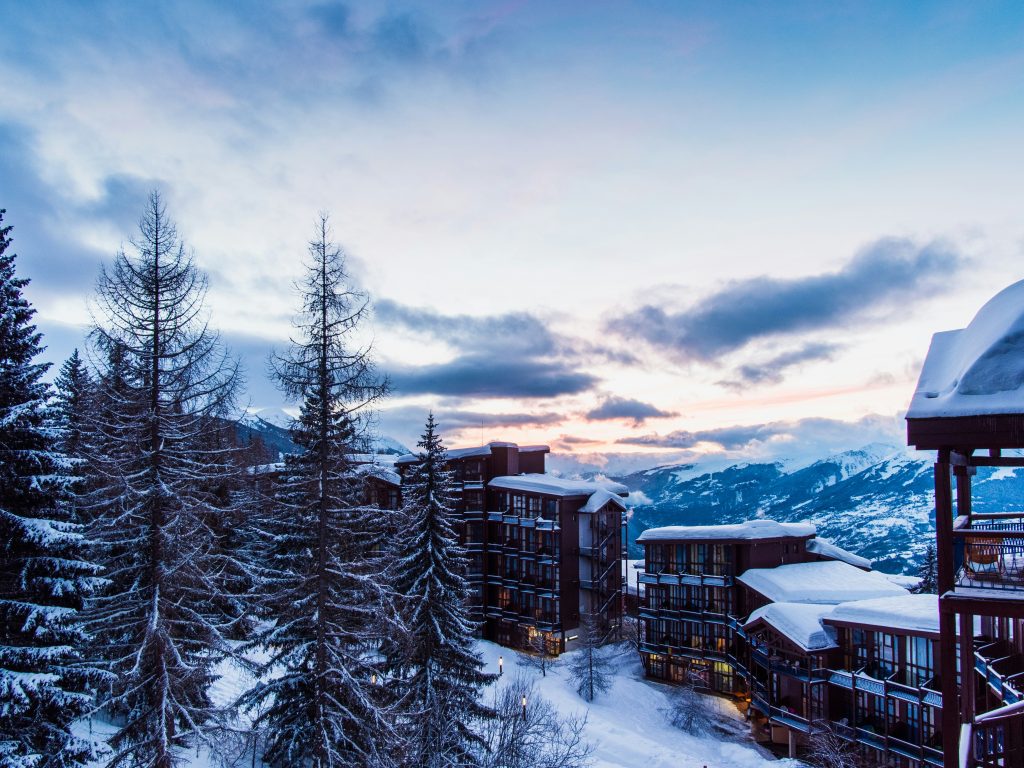
Best Ski Resorts in the French Alps
The French Alps host several of the largest ski areas on the planet, known for scale, snow reliability, and modern infrastructure. Alpine trips are often balanced with cultural destinations like Lyon or other major cities in France.
Chamonix
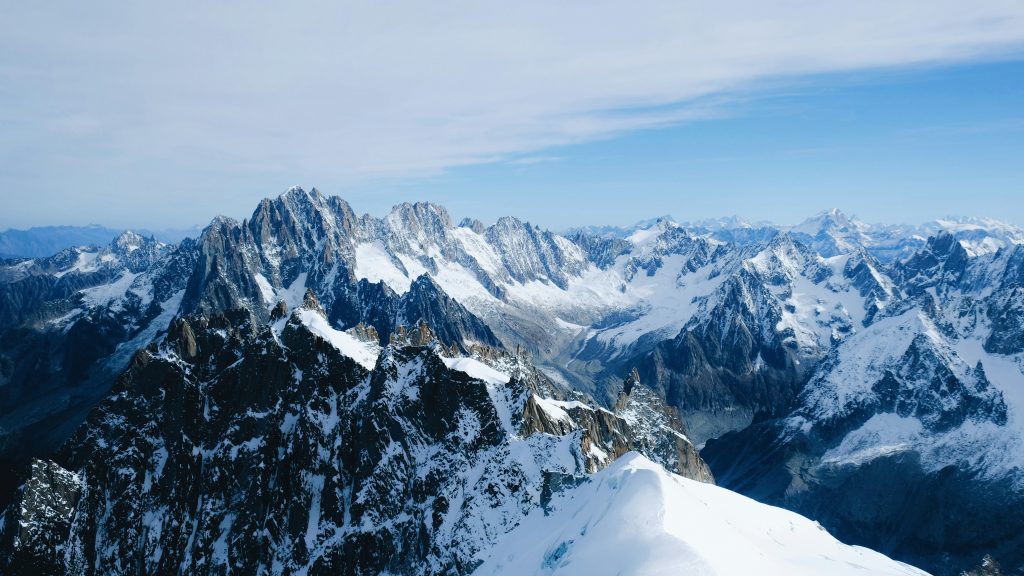
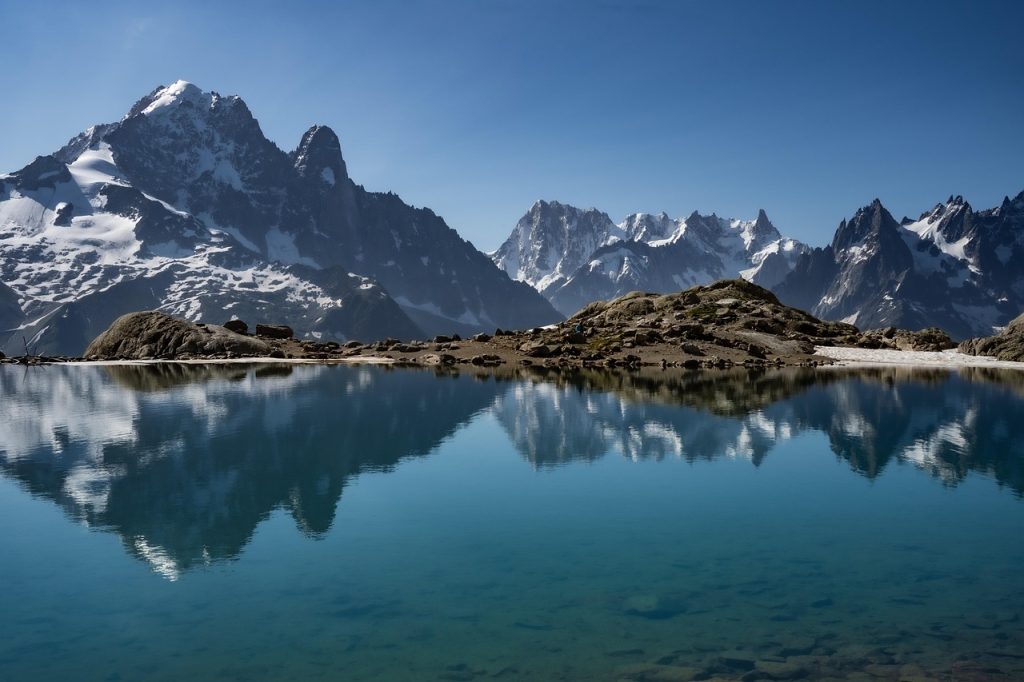
Set at the foot of Mont Blanc, Chamonix is iconic for its extreme terrain and dramatic scenery.
Best suited for experienced skiers and off-piste enthusiasts.
Val d’Isère
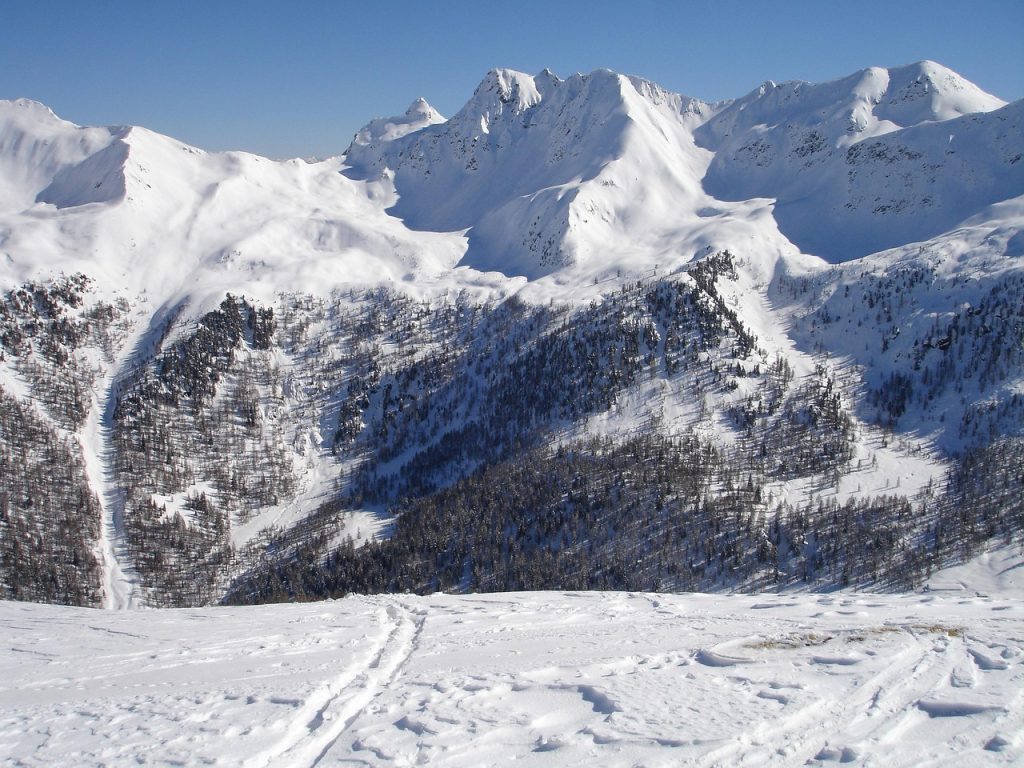
A high-altitude resort with consistent snow conditions.
Popular among advanced skiers and serious winter sports fans.
Courchevel
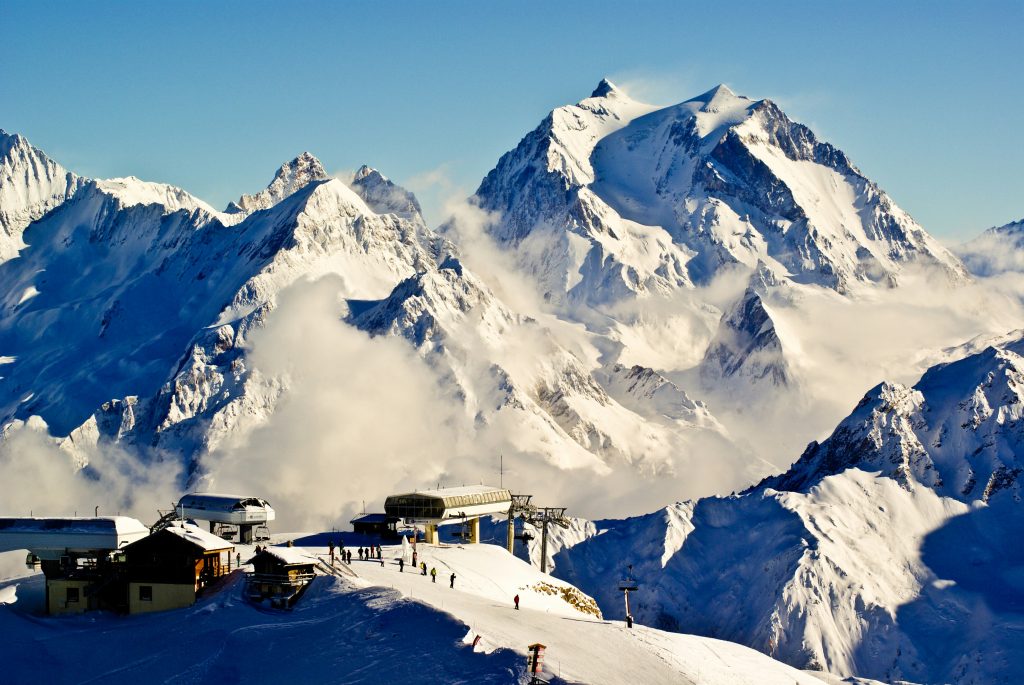
Part of Les Trois Vallées, the world’s largest connected ski area.
Known for luxury accommodation, perfectly groomed slopes, and excellent lift systems.
Méribel
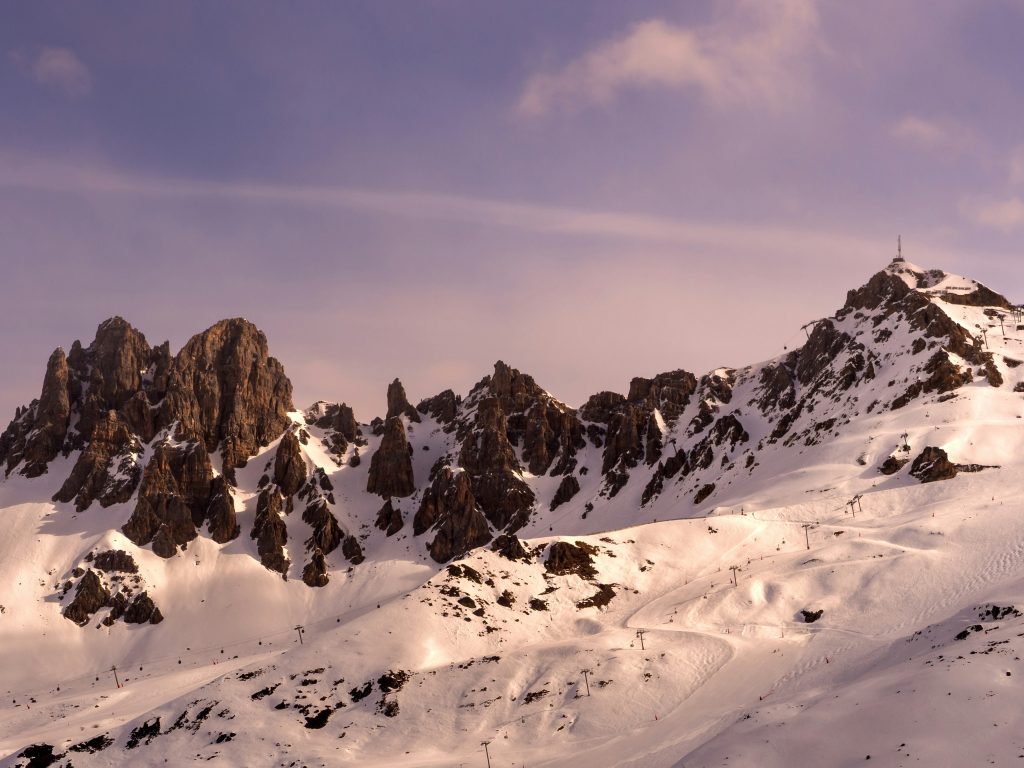
A traditional alpine resort located in the center of Les Trois Vallées.
Offers a strong mix of quality skiing, village charm, and après-ski life.
Les Arcs
A modern resort with wide, open slopes and panoramic views.
Well suited for intermediate skiers and families.
Top Hiking Areas in the French Alps
When the snow disappears, the Alps transform into one of Europe’s premier hiking destinations.
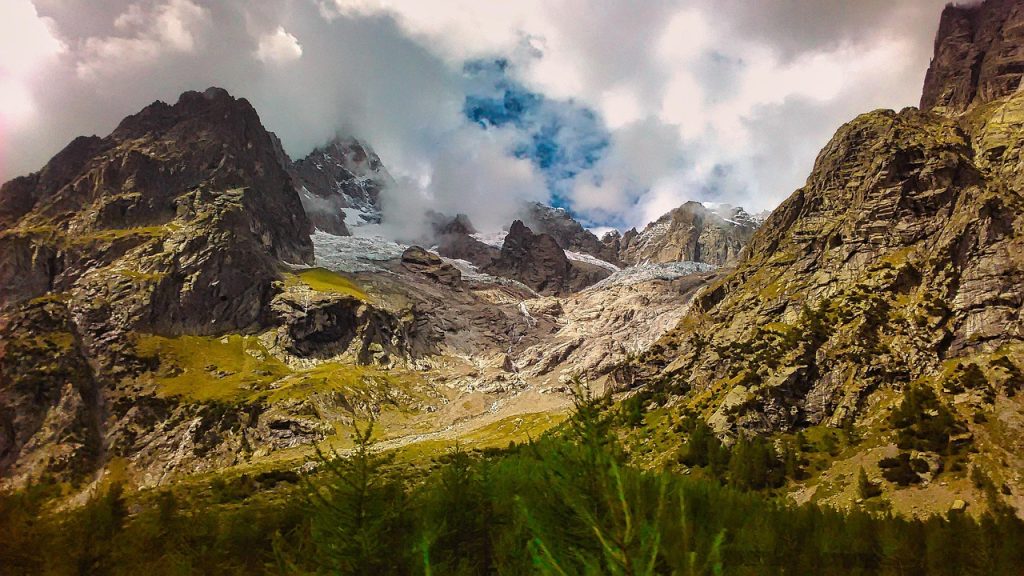
Mont Blanc Massif (Chamonix region)
Home to some of the most famous hiking routes in Europe.
Trails range from gentle valley walks to demanding high-altitude paths.
Tour du Mont Blanc
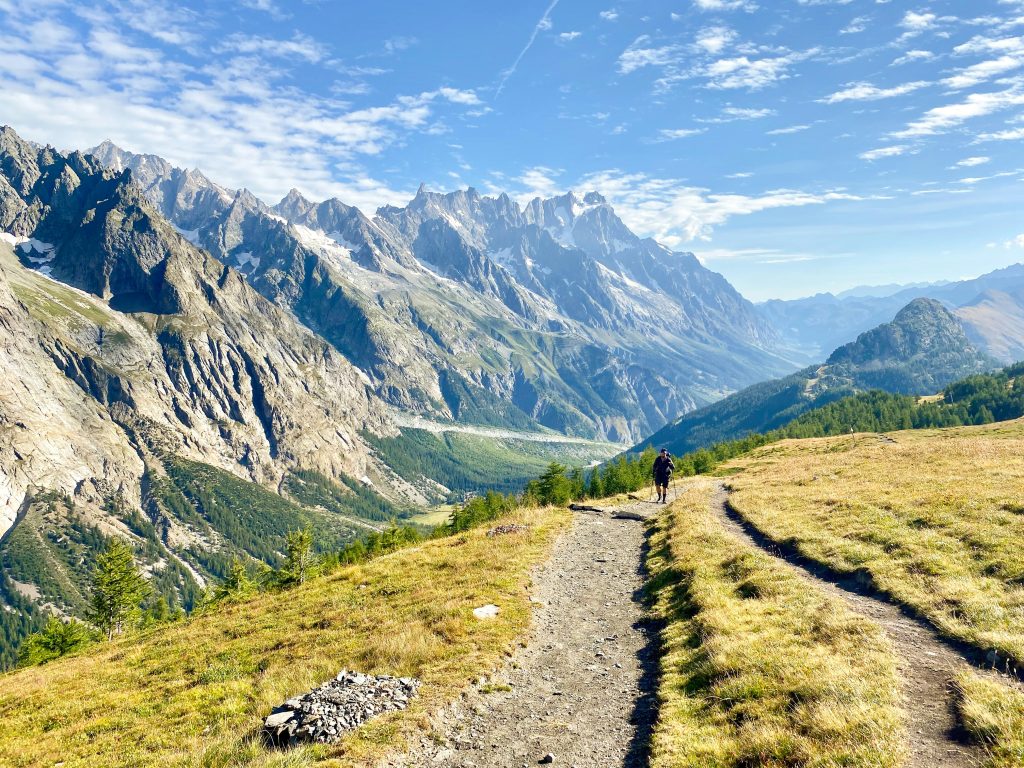
One of the world’s most renowned long-distance hikes.
A multi-day route passing through France, Italy, and Switzerland.
Vanoise National Park
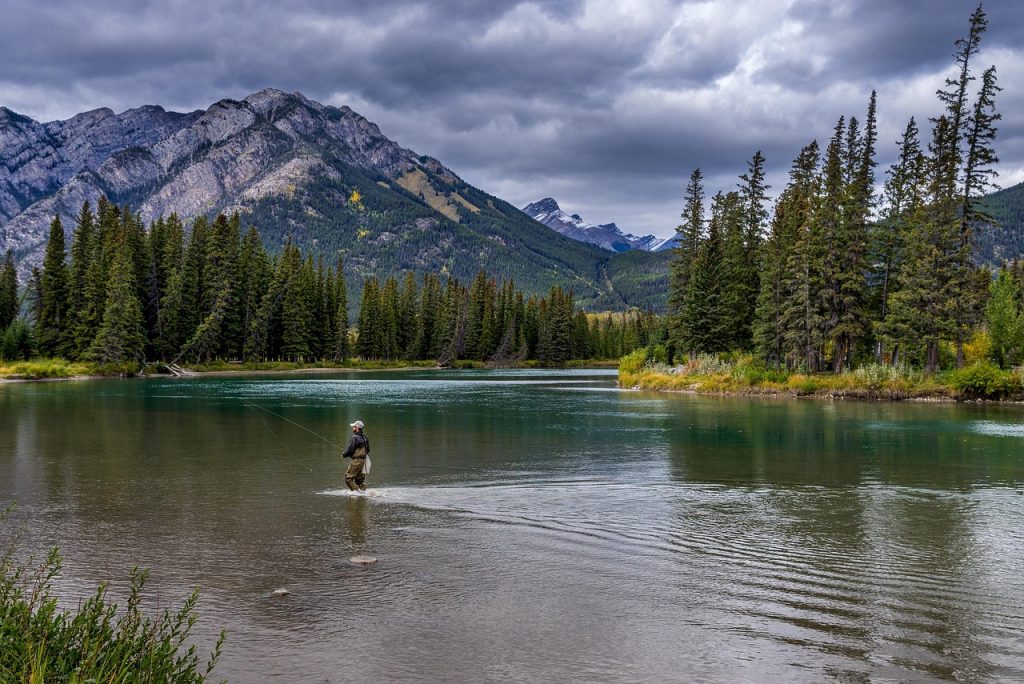
France’s oldest national park, known for glaciers, wildlife, and well-maintained trails.
Écrins National Park
Wild and rugged, with fewer tourists.
Ideal for experienced hikers seeking untouched landscapes.
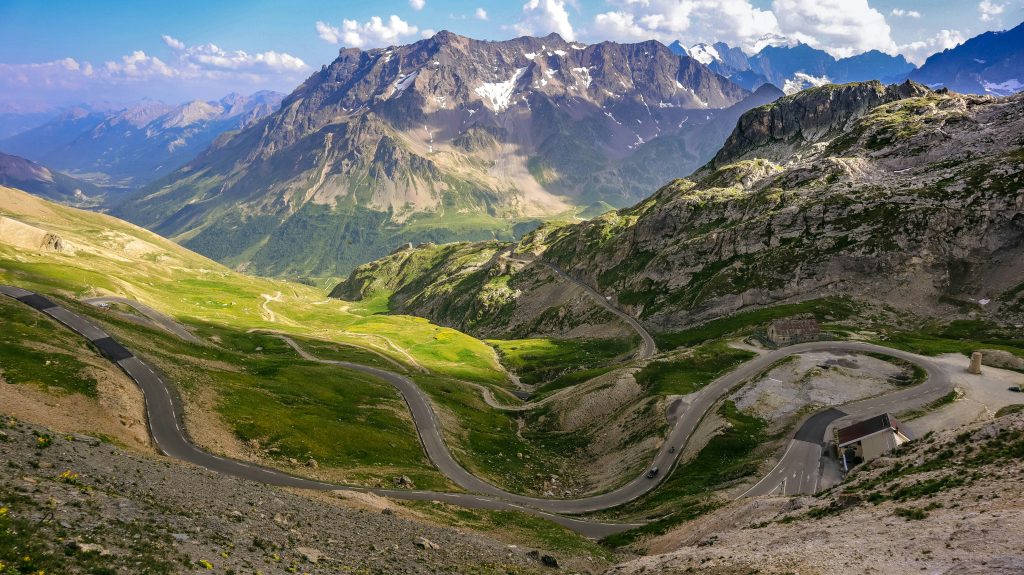
Chartreuse Mountains
Located near Grenoble, perfect for day hikes and scenic viewpoints.
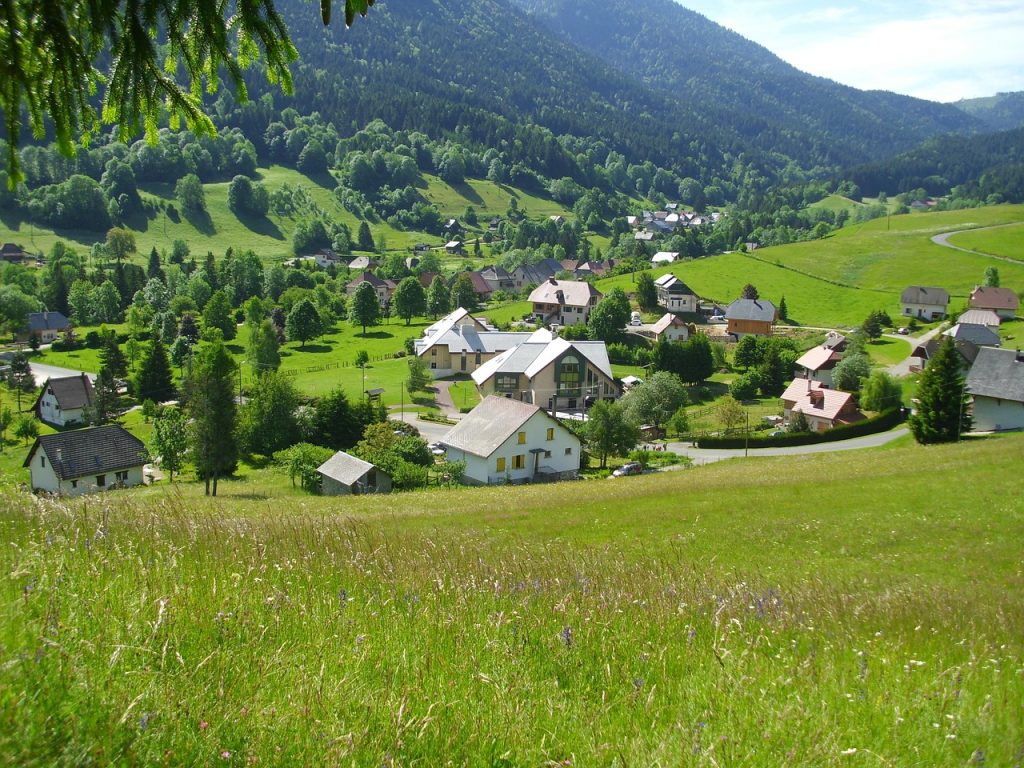
Famous Towns and Places in the French Alps
Beyond resorts and trails, the Alps are home to notable towns and cultural centers. These alpine towns offer a completely different atmosphere compared to coastal regions in southern France.
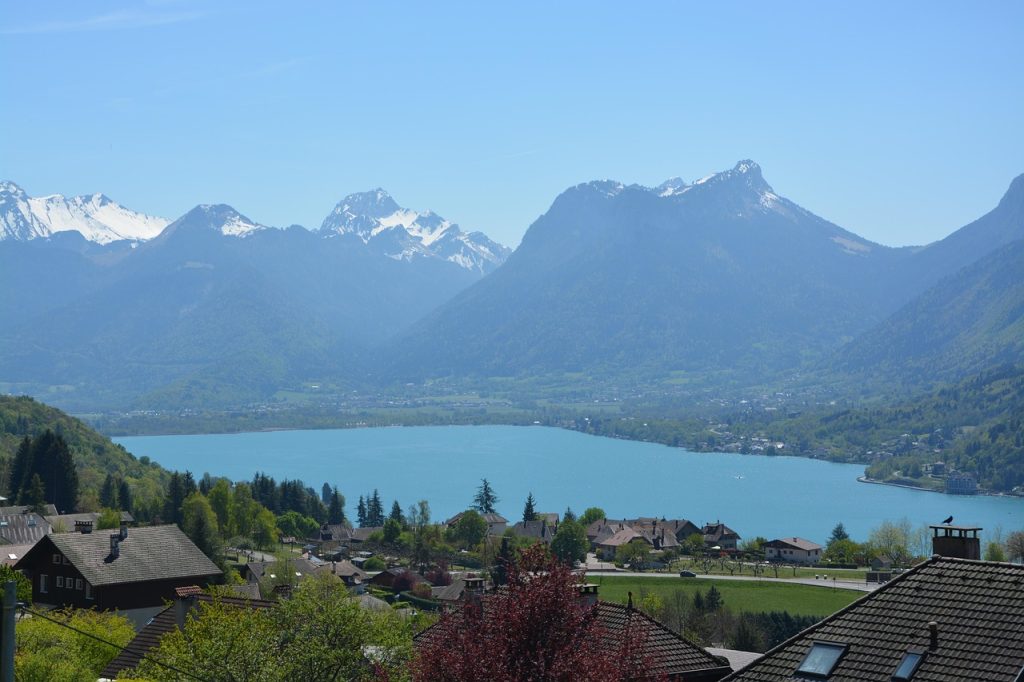
Annecy
Often referred to as the “Venice of the Alps,” with canals, a preserved old town, and a relaxed lakeside atmosphere.
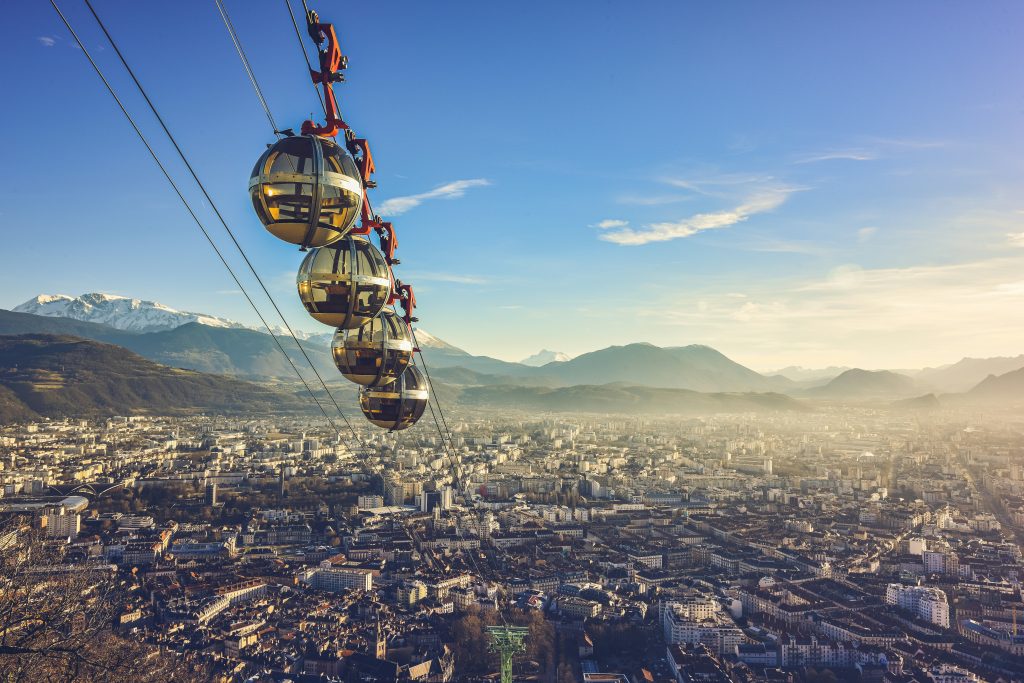
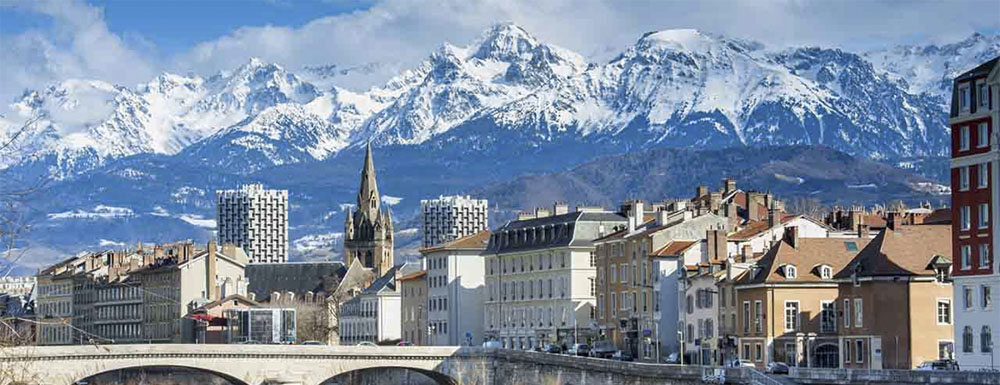
Grenoble
A dynamic alpine city surrounded by mountains, offering cable cars and easy access to nature.
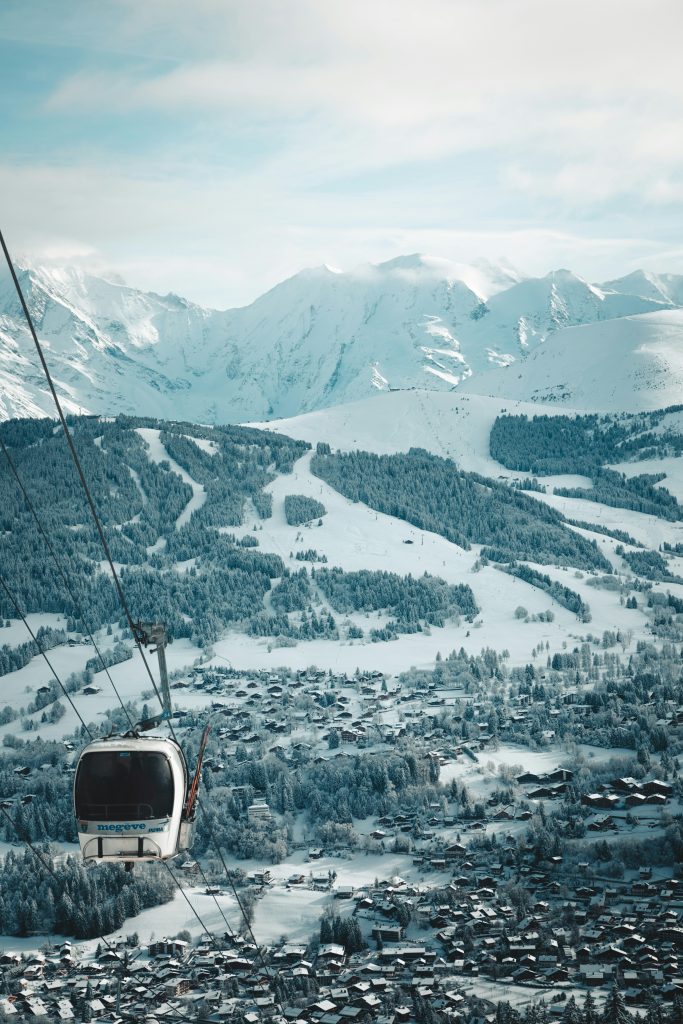
Megève
A classic alpine village known for wooden chalets and year-round appeal.
Chambéry
A historic town with medieval architecture and a strong local character.
Most Beautiful Alpine Lakes
Alpine lakes are a defining feature of the French Alps, especially during summer.
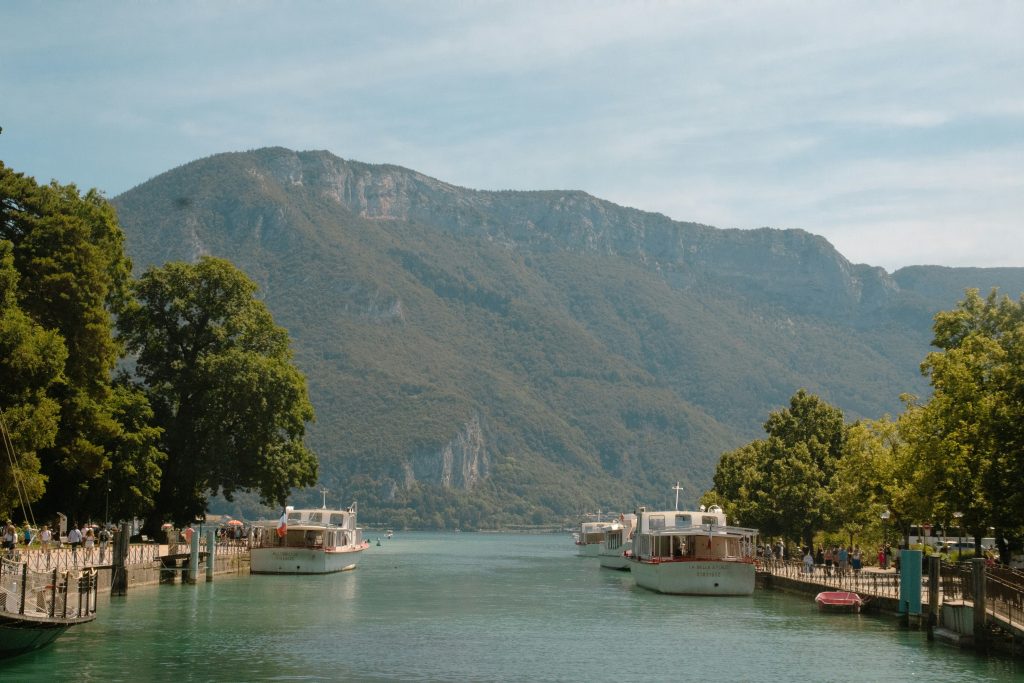
Lake Annecy
Among the cleanest lakes in Europe, ideal for swimming, cycling, and paddleboarding.
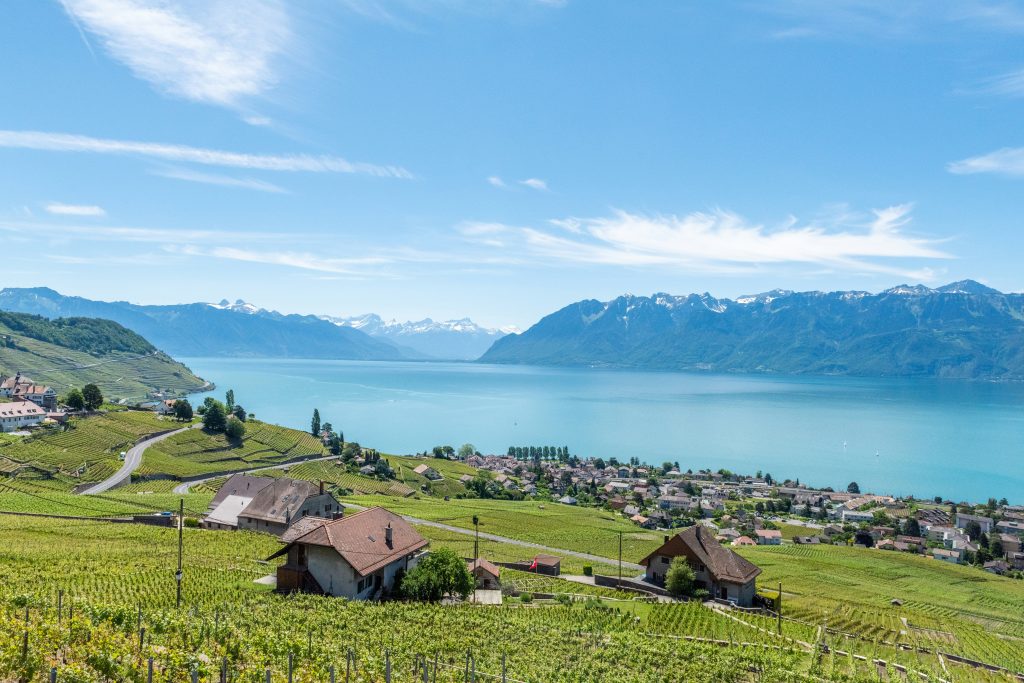
Lake Geneva (French side)
A vast lake with mountain views, elegant promenades, and boat connections.
Lac du Bourget
The largest natural lake fully within France, calmer and less crowded.
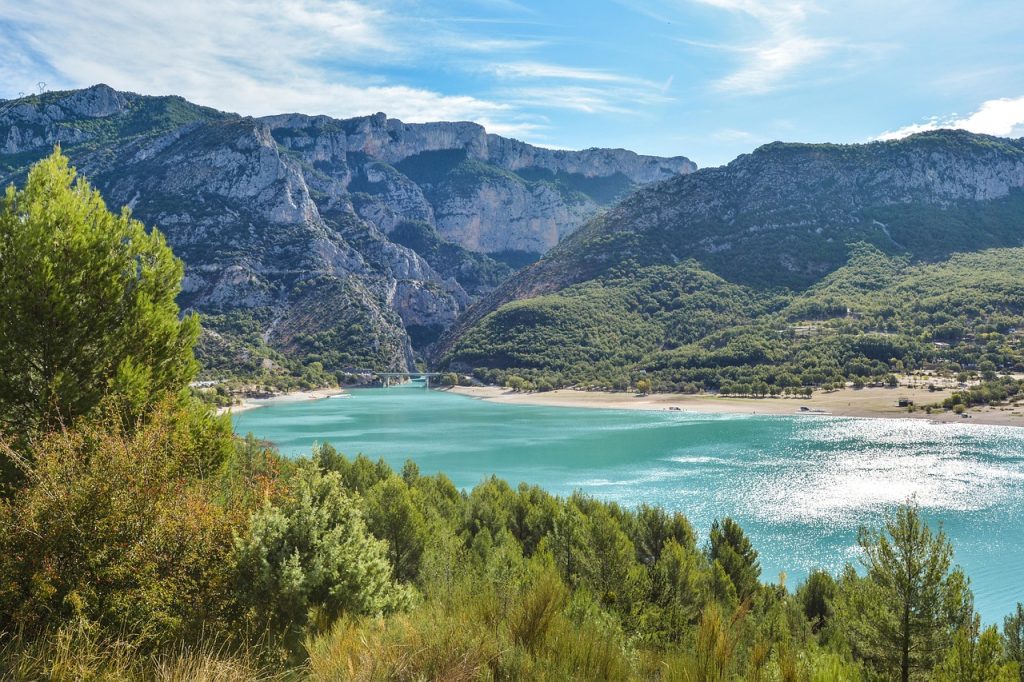
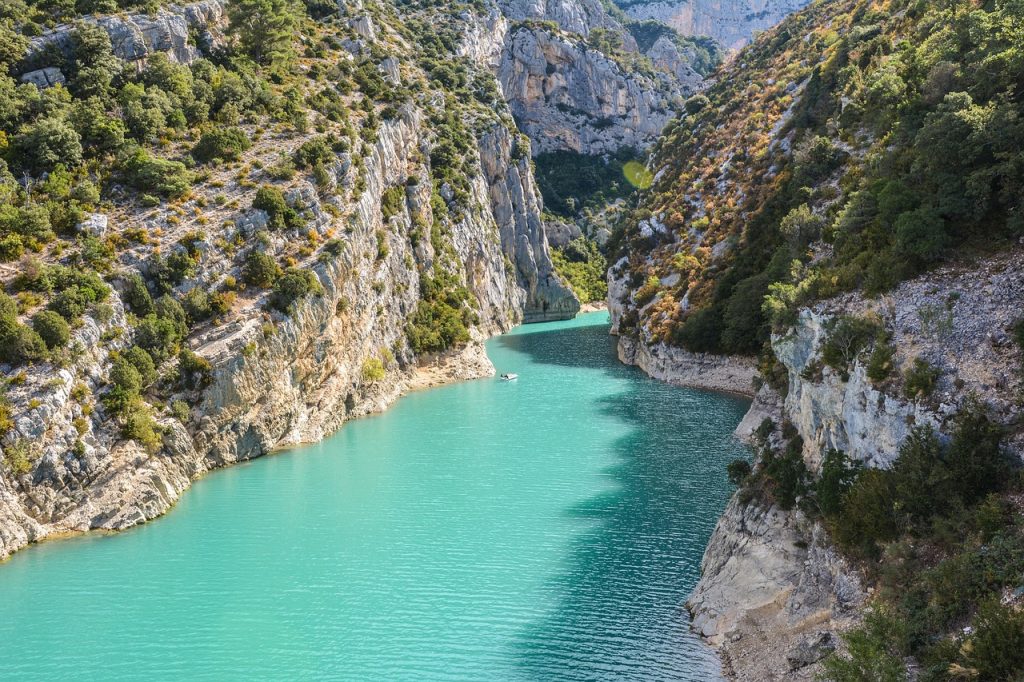
Lac de Serre-Ponçon
A striking turquoise lake surrounded by peaks, famous for scenic drives and water sports.
Best Time to Visit: Winter vs. Summer
Winter (December–March)
Skiing, snowboarding, snowshoeing, and classic alpine scenery dominate the region.
Major ski areas include Les Trois Vallées, Tignes, and Val d’Isère.
Summer (June–September)
Hiking, cycling, cable cars, mountain lakes, and panoramic road trips take over.
Spring & Autumn
Quieter seasons with fewer crowds, lower prices, and ideal conditions for walking and photography.
The French Alps are genuinely a four-season destination. During summer, many travelers also explore other regions of France as part of a wider trip.
Where to Stay in the French Alps
Mountain Resorts
Best for skiing and high-altitude hiking.
Examples include Chamonix, Megève, and Val d’Isère.
Lakeside Towns
Ideal for summer stays and relaxed travel.
Annecy and towns along Lake Geneva are popular choices.
Cities
Best for budget travelers and transport connections.
Grenoble and Chambéry offer easier access and lower prices.
Travel Costs in the French Alps
Accommodation (per night)
- Budget: €50–90
- Mid-range: €100–180
- Luxury resorts: €250+
Food (per day)
- Budget: €20–30
- Comfortable dining: €35–60
- Mountain restaurants: €60+
Activities
- Ski passes are costly in winter
- Hiking and nature access is mostly free
- Cable cars typically cost €15–30
Prices vary greatly by season and location. Costs in the Alps can vary significantly depending on the season and type of destination.
Getting Around the French Alps
Train
Annecy, Grenoble, and Chamonix are well connected by rail.
Car
The most flexible option for reaching villages and lakes.
Mountain roads are scenic but slow and winding.
Buses
Useful for local travel, especially in ski regions.
A car is helpful but not always required. High-speed trains also make it easy to travel between alpine cities and major destinations like Paris and Lyon.
Traditional Food in the French Alps
Alpine cuisine is designed to be filling and warming.
- Cheese-based dishes such as fondue and raclette
- Potatoes, cured meats, and sausages
- Regional alpine cheeses
Meals reflect the region’s mountain lifestyle.
Insider Experiences in the French Alps
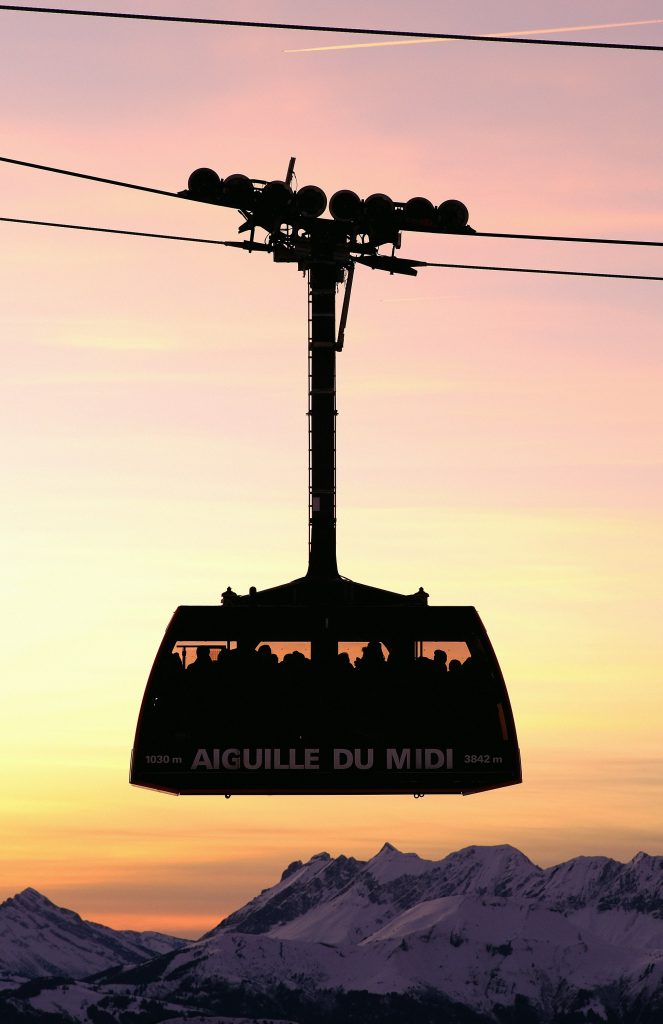
Aiguille du Midi (Chamonix)
The world’s highest vertical cable car ascent, reaching nearly 4,000 meters in minutes.
Move slowly at the top and stay hydrated to avoid altitude discomfort.
Mountain Refuges
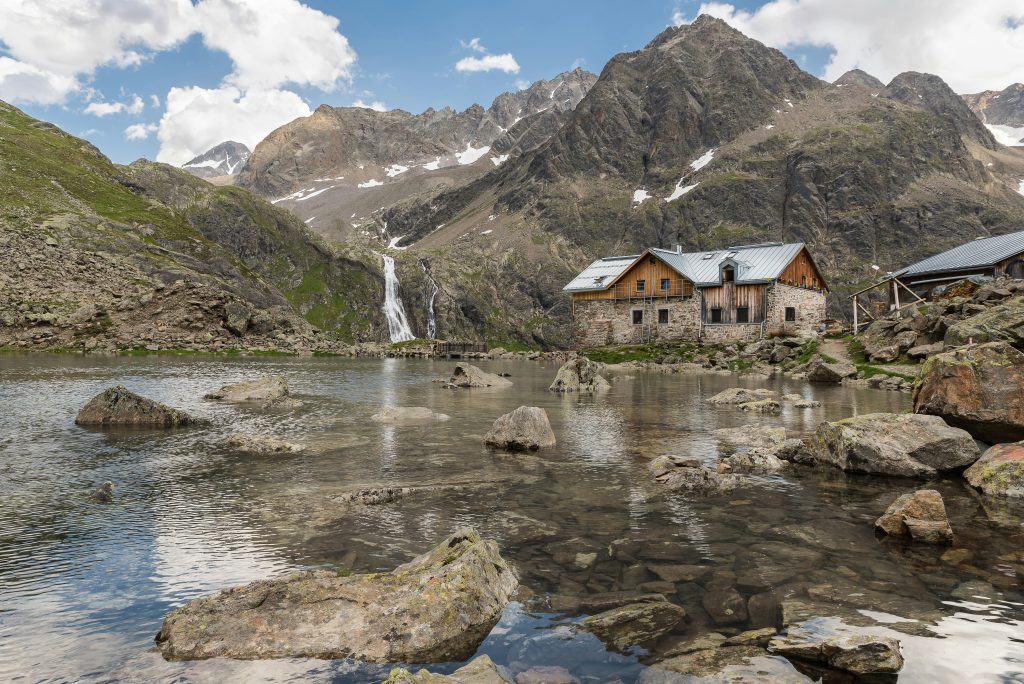
Basic huts located high in the mountains where hikers stay overnight.
Shared meals and quiet alpine nights offer a unique experience.
Cross-Border Skiing (Portes du Soleil)
Ski from France into Switzerland using one ski pass.
Carrying a passport is recommended.
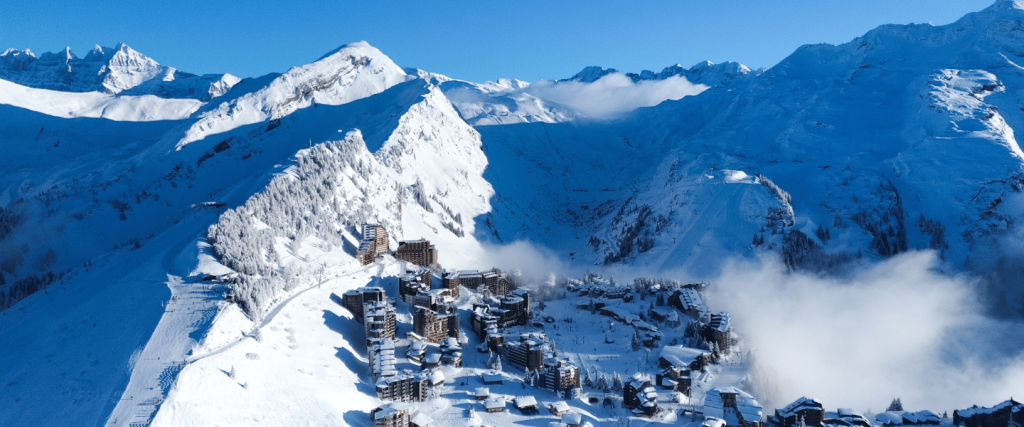
Alpine Wildlife
Marmots and ibex are common in summer and symbolize alpine ecosystems.

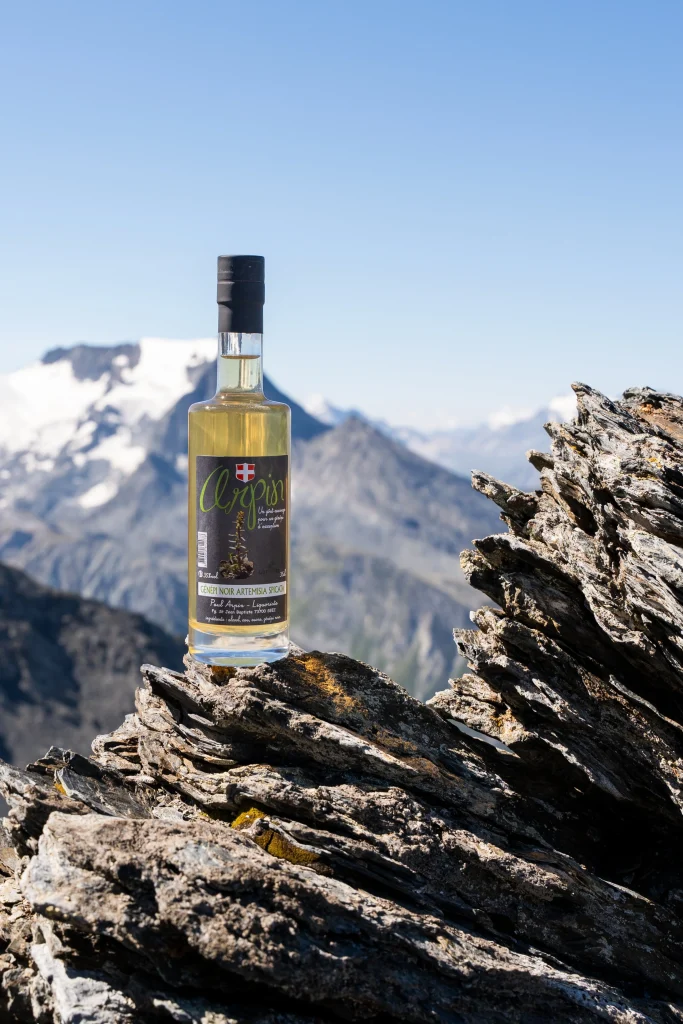
Génépi
A traditional herbal liqueur made from alpine plants, often enjoyed after meals.
Cable Cars and Scenic Viewpoints
Cable cars are widely available throughout the French Alps.
They allow visitors of all ages to reach high viewpoints without hiking and are ideal for photography.
Weather and Mountain Safety
Mountain weather can change suddenly, even in summer.
Always check forecasts daily, start hikes early, wear layered clothing, and respect trail signs.
Alpine Etiquette and Culture
- Greet other hikers on trails
- Follow marked paths
- Respect wildlife and nature
- Never leave trash
Cultural respect is taken seriously in alpine regions.
Common Travel Mistakes
- Visiting only during winter
- Underestimating distances and travel times
- Ignoring weather conditions
- Overplanning instead of enjoying nature
FAQ – French Alps
Are the French Alps only for skiing?
No. Summer hiking, lakes, and villages are equally popular.
Is hiking safe without a guide?
Yes, on marked trails with proper preparation. High-altitude routes may require a guide.
Can beginners enjoy the French Alps?
Absolutely. Cable cars, easy hikes, lakes, and villages are perfect for beginners.
Are the French Alps suitable for families?
Yes. Many areas offer easy trails, cable cars, lakes, and family-friendly activities.
Do you need a car?
Not always, but it helps for flexibility and remote areas.
How many days are enough?
Five to seven days is ideal for a balanced trip.
Explore More France Travel Guides
If you are planning a broader trip across France, these guides may help:
Other Mountain and Nature Destinations
If you enjoy mountain landscapes and outdoor travel, you may also like:
- Italy Travel Guide
- Tuscany Travel Guide
- Sardinia Travel Guide
- Spain Travel Guide
- New Zealand Travel Guide
Travel conditions, weather, prices, and accessibility in the French Alps can change depending on the season and local conditions, so it is always recommended to check current information before planning your trip.
Final Thoughts
The French Alps are not limited to one type of travel.
They offer a mix of nature, movement, and slower experiences that change depending on the season.
Whether you visit for snow, hiking, or simply the landscape, the region allows you to travel at your own pace and focus on what you enjoy most.