Tuscany Travel Guide begins with a simple truth: Tuscany is not a place you simply visit and move on from. It is a region you absorb slowly — through landscapes, meals, silence, and centuries of culture layered into everyday life.
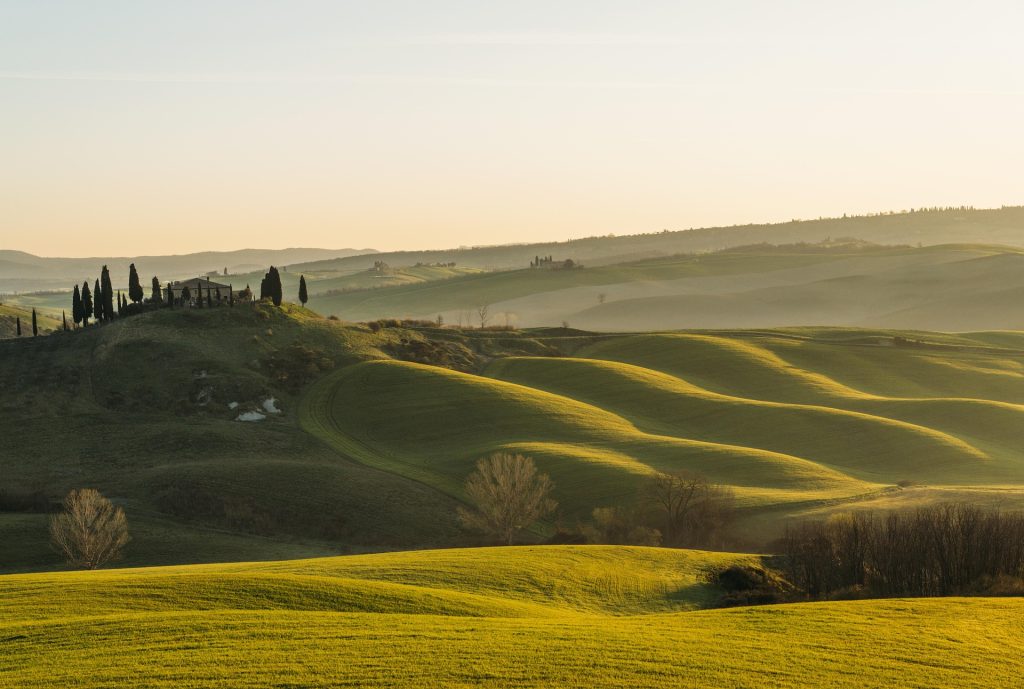
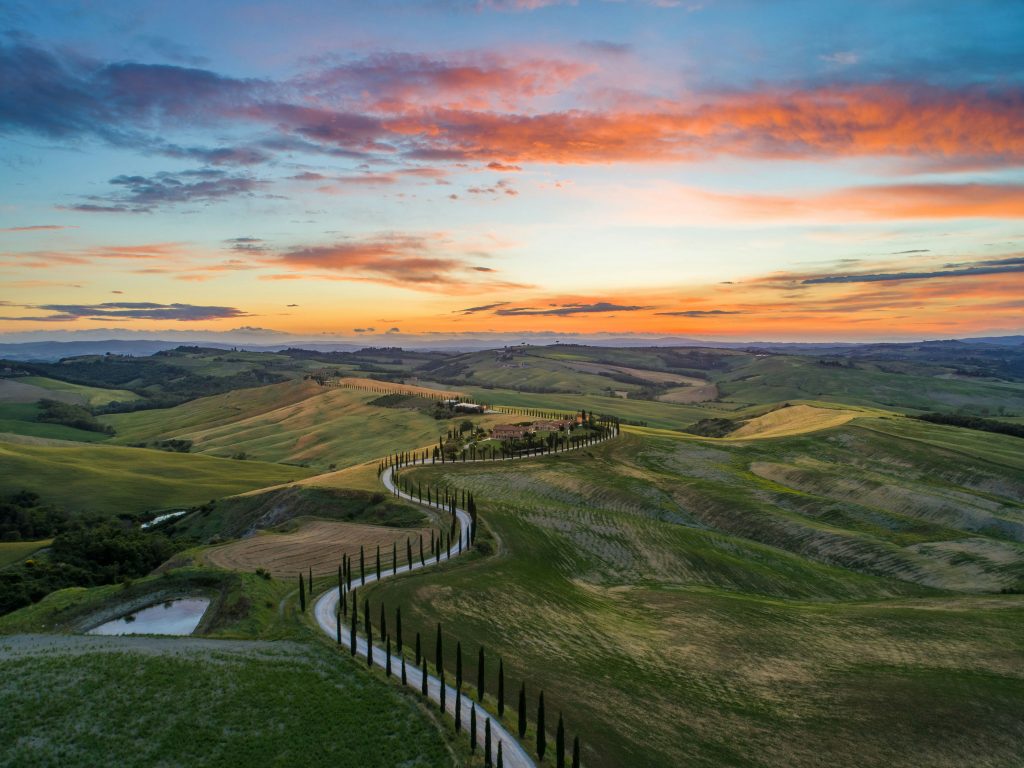
This is the Italy many travelers imagine before they arrive. Rolling hills stretch under golden light, cypress-lined roads cut through the countryside, and medieval towns rise from stone landscapes. Vineyards and olive groves shape the region, creating a setting that feels timeless and deeply connected to tradition. Tuscany is often part of a wider Italy trip, but it is best experienced by focusing on the region itself and giving it enough time.
Life here follows the land, the seasons, and tradition — not urgency.
This complete Tuscany Travel Guide covers where to stay, what to see, how to move around, wine regions, food culture, travel costs, thermal springs, hidden local details, and how to experience Tuscany properly.
One of the most surprising things about Tuscany is how quickly time seems to slow down. Simple moments — like sitting in a small village square or driving through empty countryside roads — often become the most memorable parts of the trip.
Tuscany Travel Guide: Why Visit Tuscany
Tuscany remains one of Europe’s most iconic travel regions because it offers harmony rather than spectacle.
World-famous Renaissance art and architecture
Rolling countryside landscapes unique to central Italy
Medieval hill towns preserved almost untouched
Internationally respected wine regions
Simple, seasonal food rooted in tradition
A slower lifestyle focused on quality, not quantity
Tuscany offers a balance that is difficult to find elsewhere in Europe. The region combines world-famous Renaissance art, rolling countryside landscapes, historic towns, and some of the most respected wine regions in the world.
Tuscany rewards travelers who reduce speed, choose fewer bases, and spend time observing rather than ticking boxes. Compared to faster-paced destinations, Tuscany is better suited to slow travel and countryside immersion.
Tuscany Is Not One Place (Extremely Important)
One of the biggest mistakes travelers make is thinking Tuscany is a single experience.
In reality, the region changes dramatically depending on where you are:
Art-heavy historic cities
Medieval hill towns with local life
Vineyard-covered countryside
Thermal zones and forests
Wild southern areas and coastline
Choosing the right area matters more than choosing a luxury hotel.
The Renaissance Triangle: Florence, Siena & Pisa
Florence (Firenze)
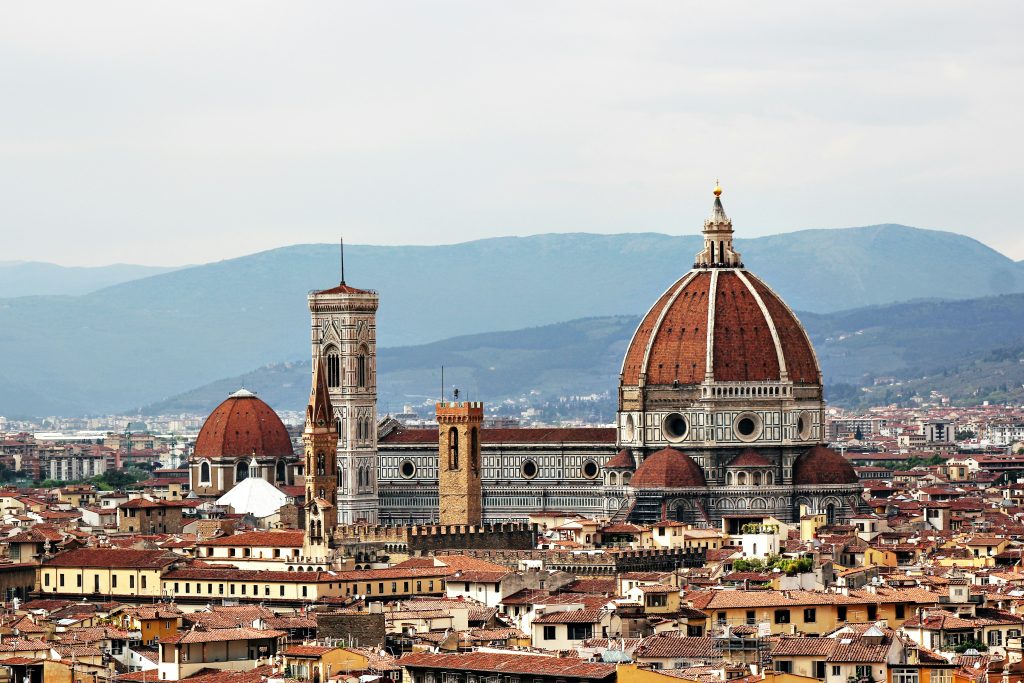
The birthplace of the Renaissance and one of the most important cultural cities in the world.
Essential sights:
Cathedral of Santa Maria del Fiore (Duomo)
Uffizi Gallery
Ponte Vecchio
Florence is an open-air museum, but it is also a living city with strong food traditions and local rhythms. Florence is often used as a starting point for exploring Tuscany, but the region itself deserves more time beyond the city.
Local eating tip:
Avoid restaurants on major squares. For authentic meals at fair prices, go to Mercato Centrale — fresh products downstairs, excellent cooked food upstairs where locals eat daily.
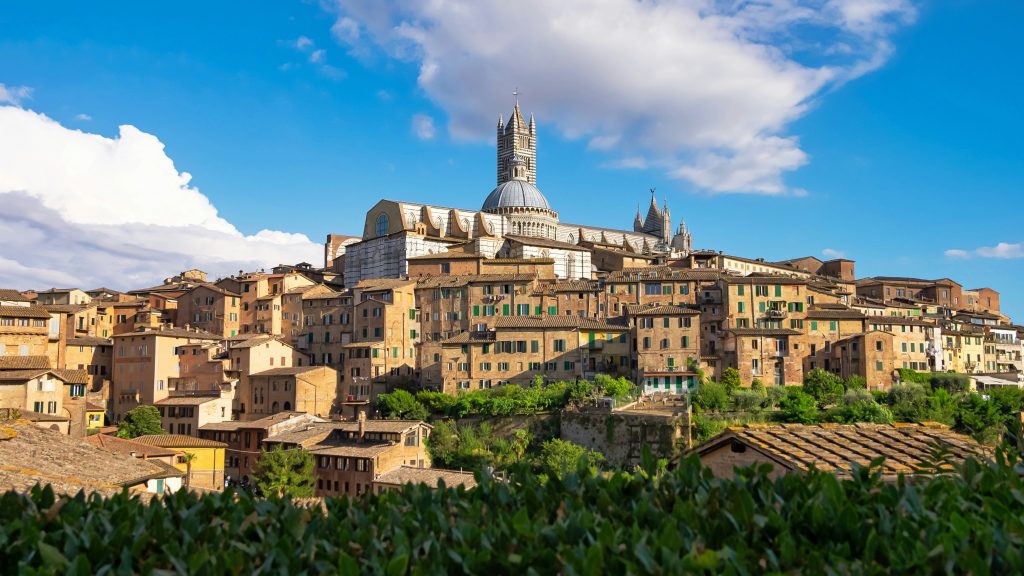
Siena
A perfectly preserved medieval city.
Known for:
Piazza del Campo (shell-shaped square)
The Palio horse race
Siena feels calmer and more traditional than Florence, with a strong sense of local identity.
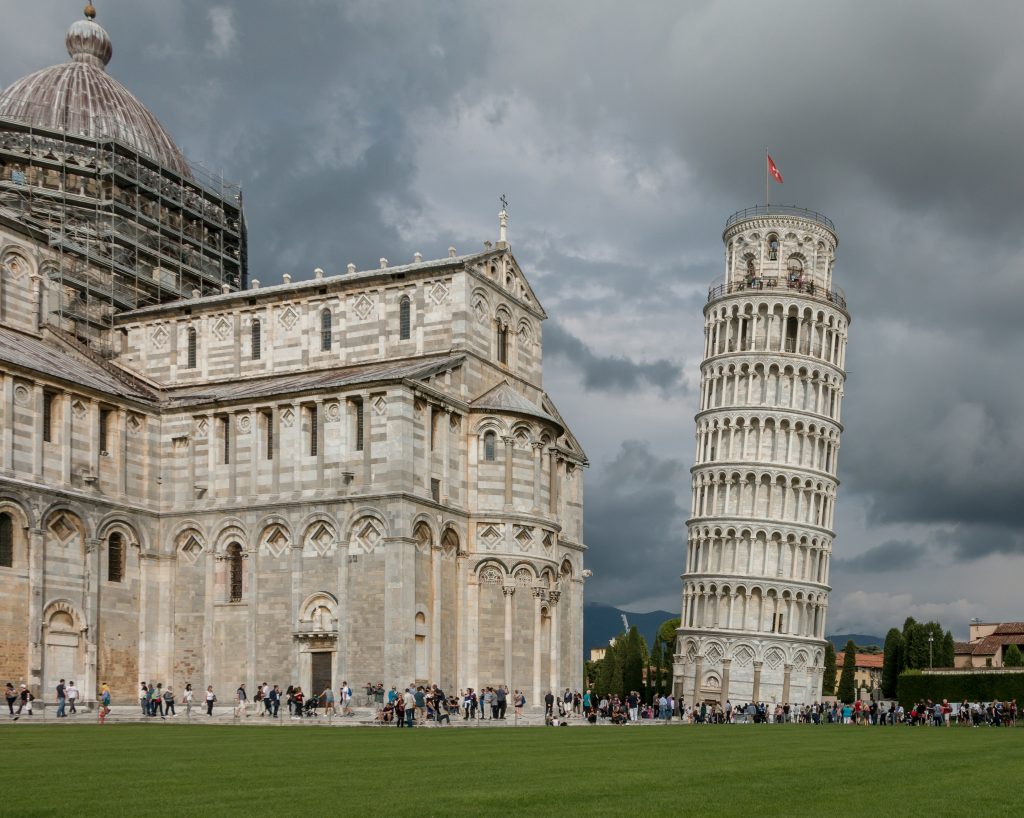
Pisa
While famous for the Leaning Tower, Pisa’s true impact comes from the entire Piazza dei Miracoli.
The cathedral, baptistery, and tower together form one of Italy’s most important architectural complexes.
Tuscany Travel Guide: Wine Regions
Tuscany is one of the world’s great wine destinations.Wine lovers who enjoy scenic food regions may also be inspired by coastal destinations such as Sicily or Sardinia, each offering a very different side of Italy.
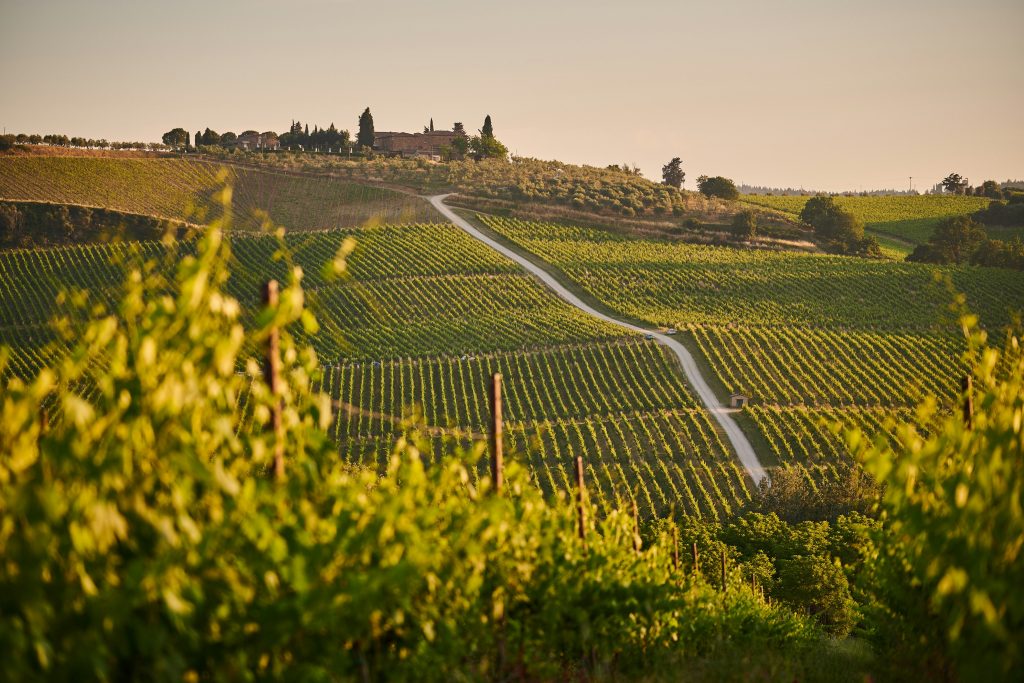
Chianti
Located between Florence and Siena.
Recognizable by:
Rolling vineyards
Olive groves
Black rooster symbol
Perfect for winery visits and countryside drives.
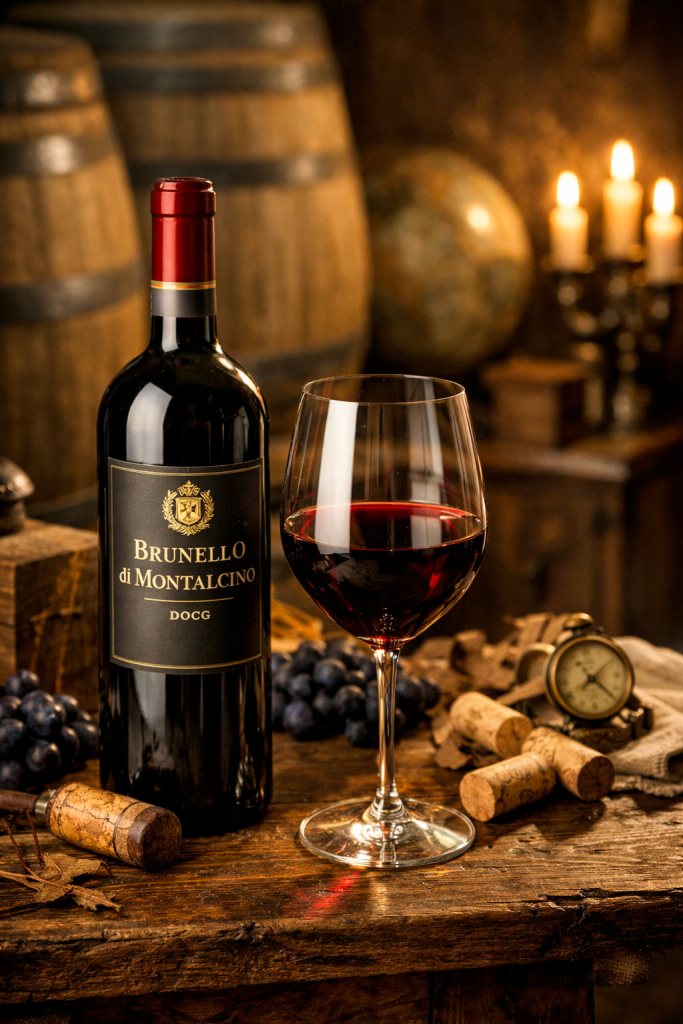
Brunello di Montalcino
One of the most prestigious red wines on Earth.
Known for:
Long aging
Power and elegance
High prices and global demand
Montepulciano
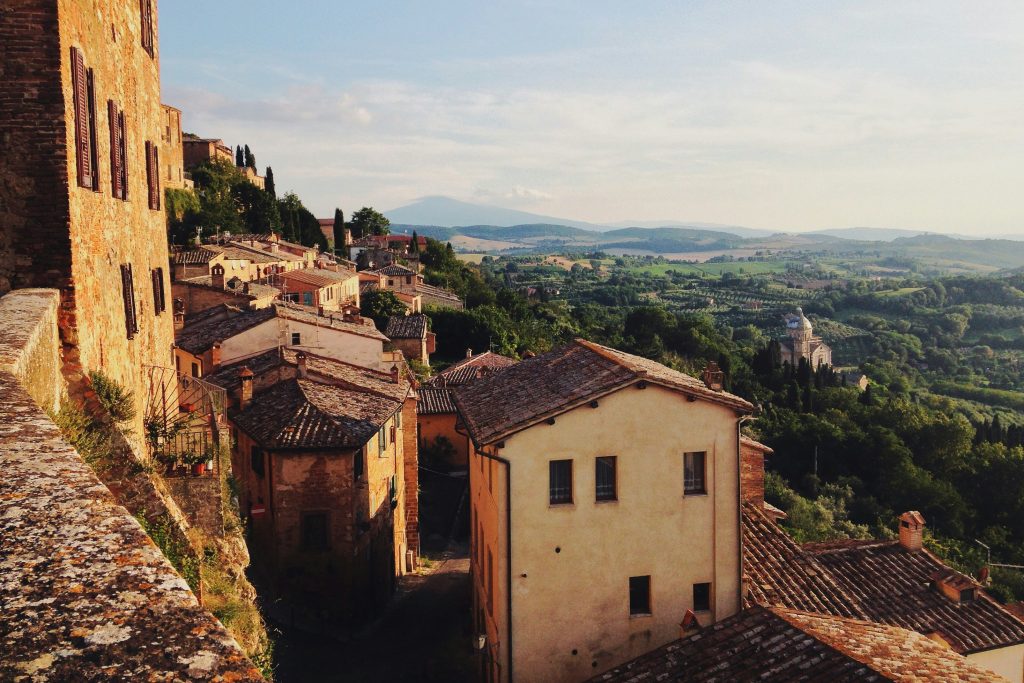
A medieval hill town famous for Vino Nobile di Montepulciano.
Excellent mix of wine, views, and architecture.
Val d’Orcia – Tuscany’s Iconic Landscape (UNESCO)
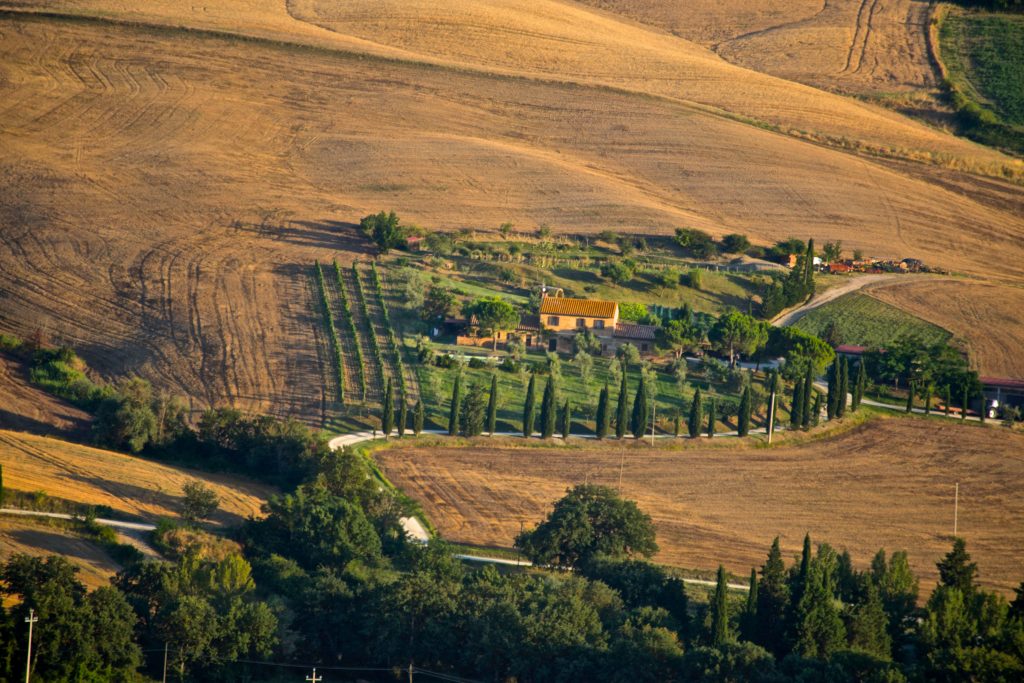
If you have ever seen a Tuscan postcard, it was likely Val d’Orcia. Val d’Orcia represents the most iconic Tuscan landscape, known for its balance, light, and open space.
Highlights:
Pienza — the “ideal Renaissance city,” famous for Pecorino di Pienza cheese
San Quirico d’Orcia — panoramic viewpoints and peaceful atmosphere
Cypress roads, isolated farmhouses, and soft hills define this valley.
San Gimignano – The Town of Towers
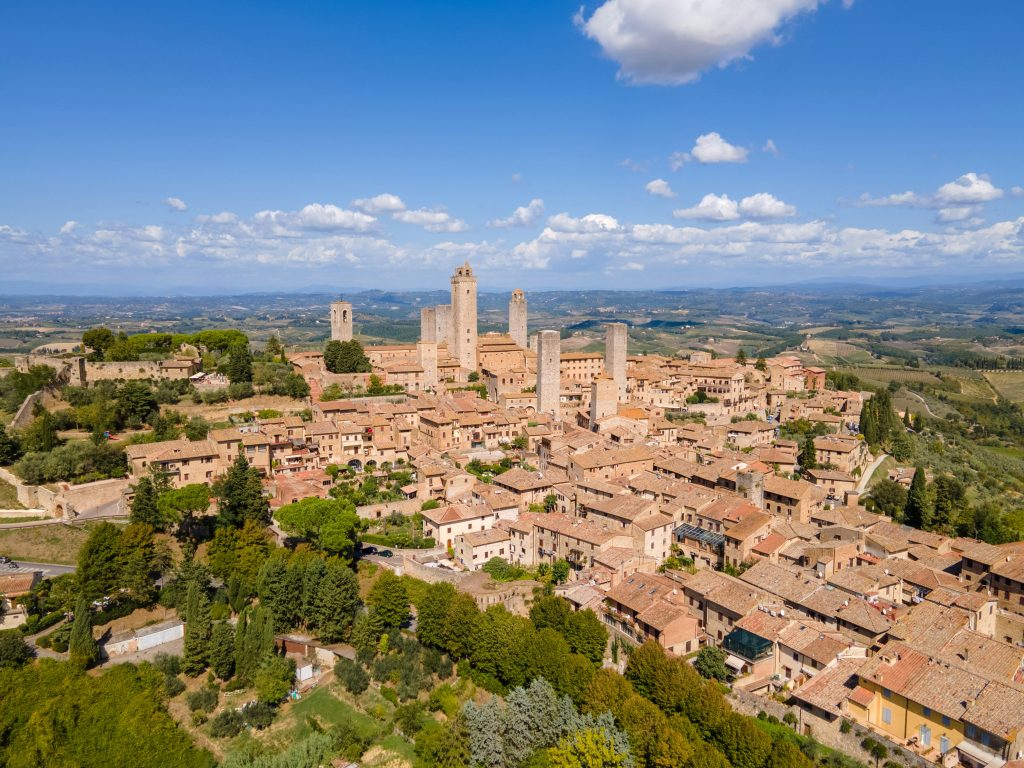
Often called the medieval “Manhattan.”
Once home to over 70 stone towers; 14 remain today.
Bonus:
Gelateria Dondoli, repeatedly awarded as one of the best gelato shops in the world.
Thermal Springs of Tuscany (Free & Natural)
Tuscany is rich in natural thermal waters.
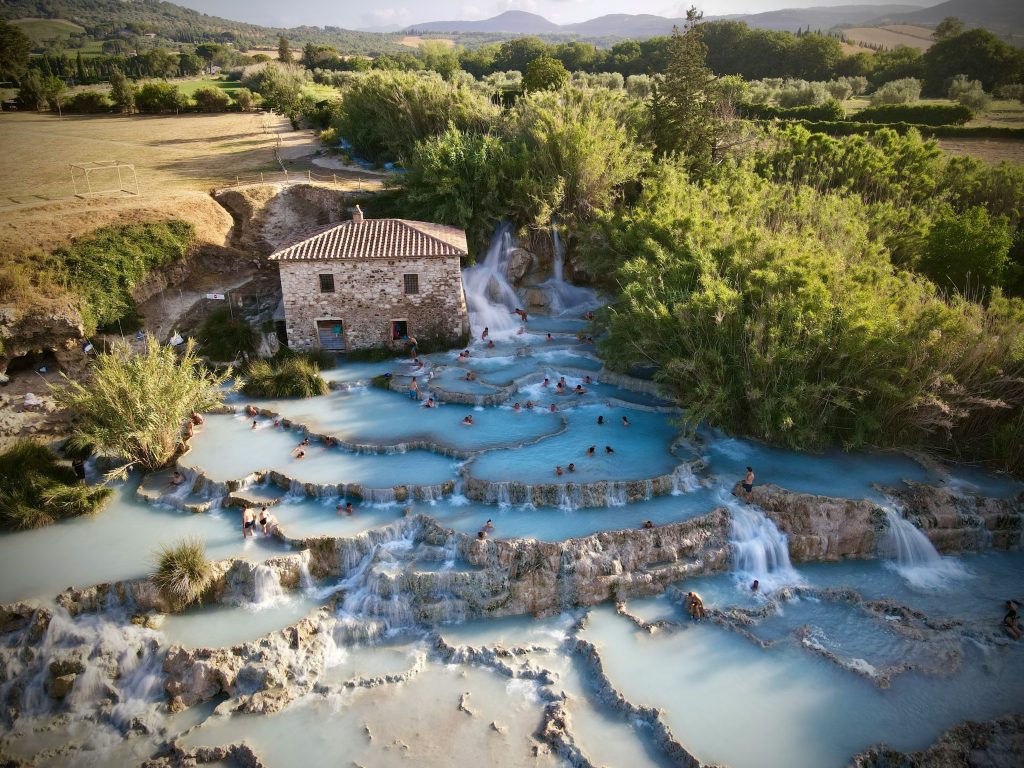
Saturnia – Cascate del Mulino
Open-air limestone pools
Water temperature around 37°C year-round
Free access
One of the most unique wellness experiences in Italy.
Tuscan Food Philosophy (Quality Over Complexity)
Tuscan cuisine is based on simplicity and respect for ingredients.
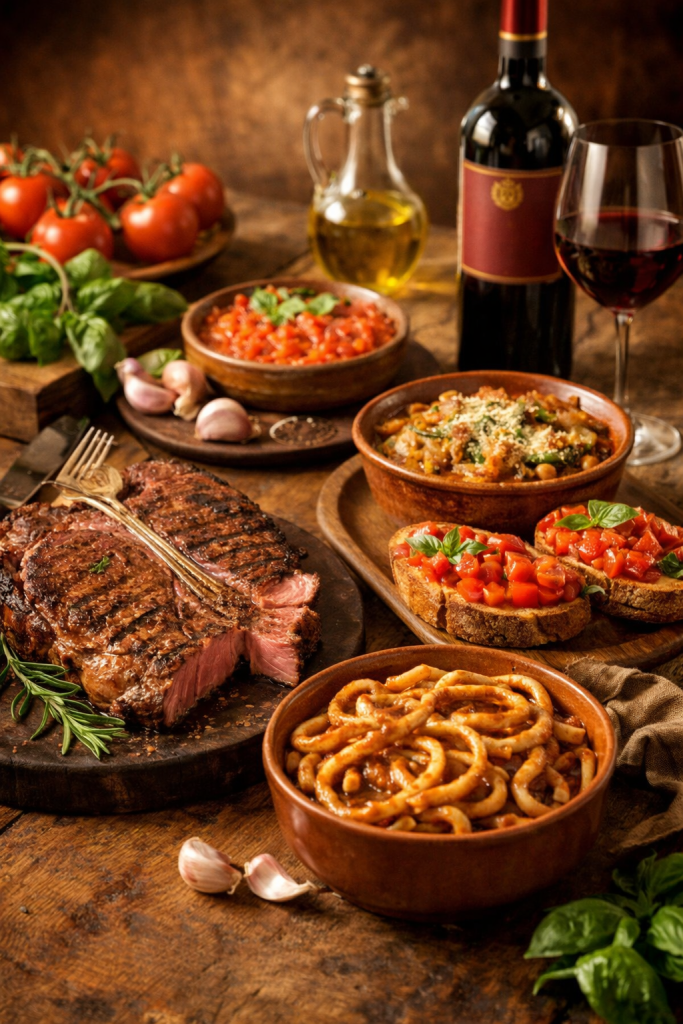
Signature foods:
Bistecca alla Fiorentina — massive T-bone steak served rare
Pici — thick handmade pasta from southern Tuscany
Bruschetta with local olive oil
Traditional soups like ribollita and pappa al pomodoro
Pane Sciocco – Salt-Free Bread
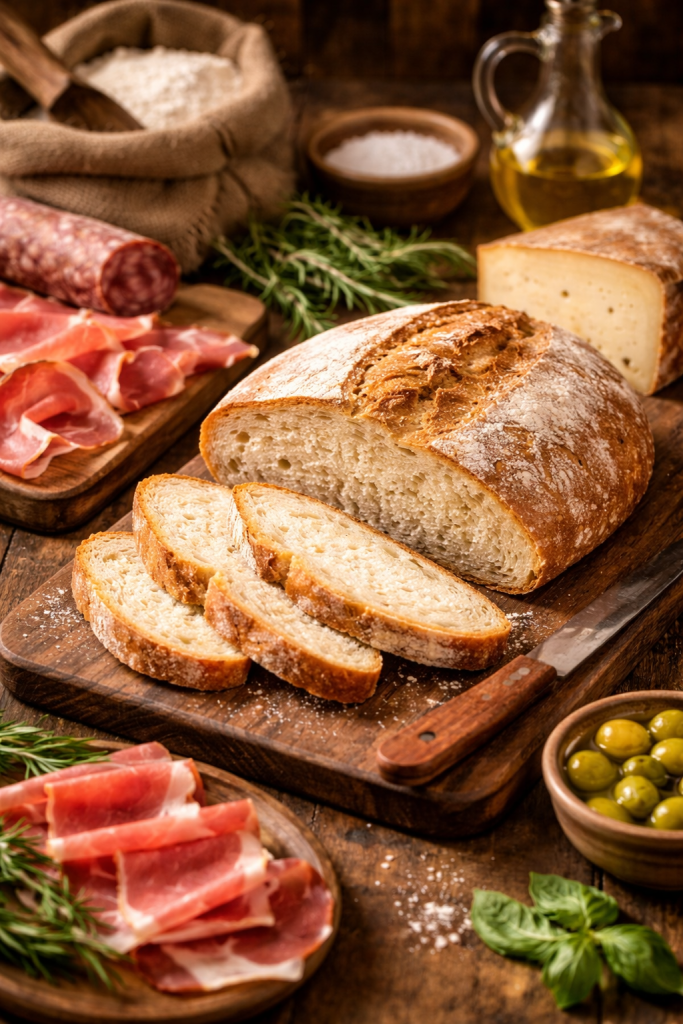
Tuscan bread traditionally contains no salt.
Historical reason:
High salt taxes in the Middle Ages.
Purpose:
Neutral bread balances salty cured meats and aged sheep cheeses.
Agriturismo – The Real Tuscan Stay
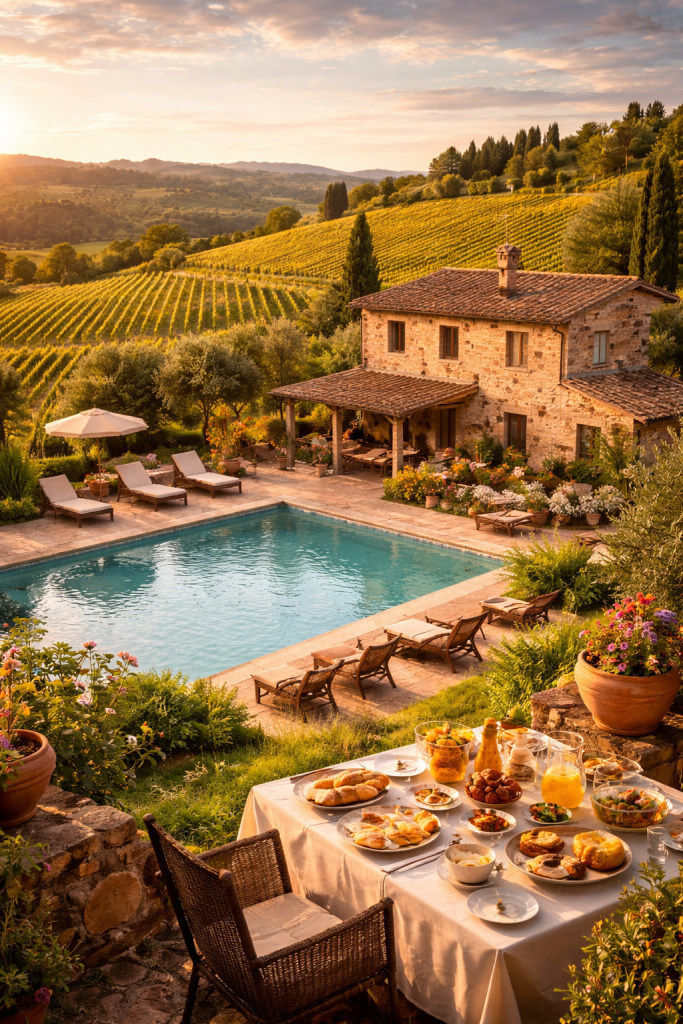
For the most authentic experience, stay in an agriturismo.
Converted stone farmhouses
Often produce their own wine and olive oil
Pools overlooking vineyards
Homemade breakfasts
Agriturismo offers deeper connection and better value than city hotels.This slower rural style contrasts strongly with city-based travel in Rome or more resort-style stays along the Amalfi Coast.
Lucca – The City of Bicycles
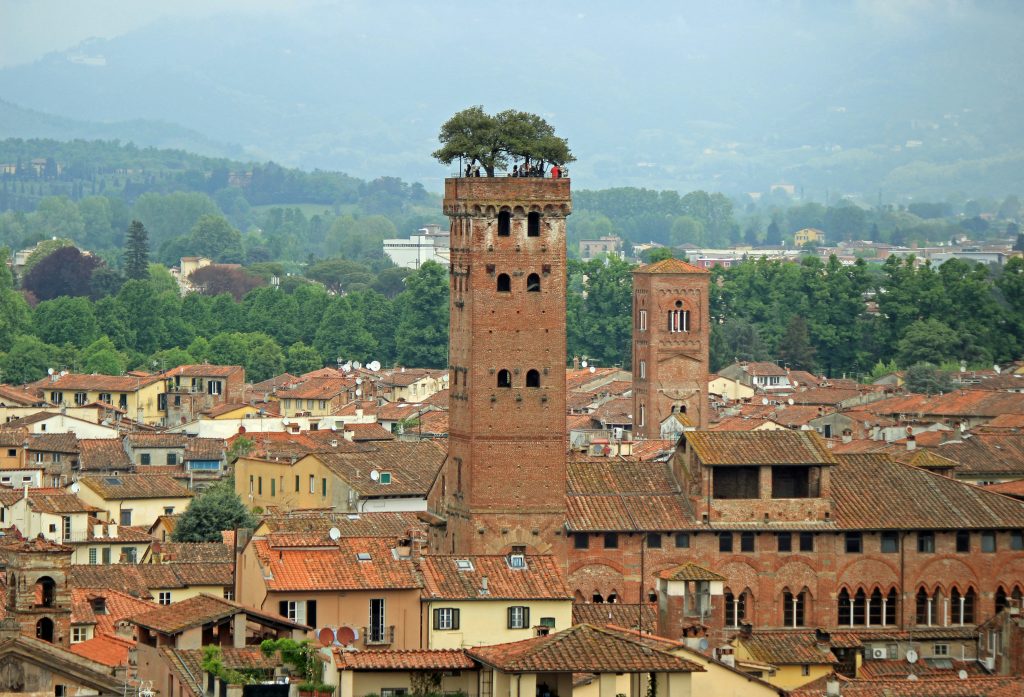
A quiet, often overlooked gem.
Lucca is surrounded by Renaissance walls transformed into a green park.
Best activity:
Rent a bicycle and ride the full loop around the city walls.
Inside the walls:
No traffic
Relaxed atmosphere
Beautiful squares
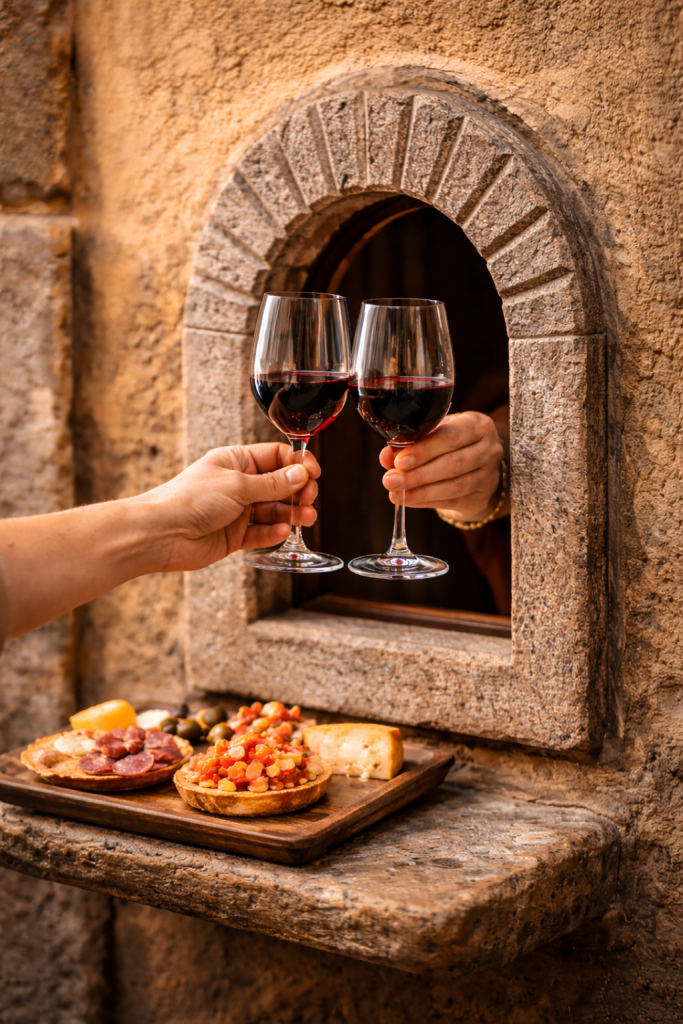
Buchette del Vino – Historic Wine Windows
In Florence, look closely at old palace walls.
You’ll notice small arched openings — historic wine windows.
Origin:
Used during plague outbreaks to sell wine without physical contact.
Today:
Some are reopened, serving wine or gelato directly through the wall.
Maremma – Tuscany’s Wild South
Southern Tuscany offers a completely different feel.
Untouched beaches
Wild horses
Local cowboys known as Butteri
Minimal tourism
Maremma shows Tuscany before mass tourism.
ZTL Zones (Critical Warning)
Historic centers have Zona Traffico Limitato.
Unauthorized entry results in heavy fines sent by mail.
Always park outside old towns.
Train Ticket Rule
Paper train tickets must be validated before boarding.
Failure to validate can result in a €50 fine.
Best Time to Visit Tuscany
Spring (April–May): green landscapes, flowers
Summer (June–August): hot, crowded cities, better countryside stays
Autumn (September–October): wine harvest, golden colors
Winter (November–February): quiet, atmospheric, lower prices
Best months: May and September.These months are also excellent for exploring Italy more broadly, including destinations such as Sardinia and Sicily.
Worst for crowds: August
How Much Does Tuscany Cost? (Real Travel Costs)
Tuscany can be both luxurious and affordable depending on travel style.
Accommodation (per night):
- Budget: €50–90
- Mid-range: €120–220
- Luxury villas & estates: €300+
Food (per day):
- Budget: €20–30
- Comfortable dining: €40–60
- Fine dining: €80+
Wine tastings:
Typically €15–40 per person (often includes 3–5 wines)
Fuel & tolls:
If driving, expect €15–25 per day on average
Entrance fees:
- Uffizi Gallery: ~€25
- Leaning Tower of Pisa: ~€20
- Saturnia hot springs: free
Getting Around Tuscany
Trains
Excellent for Florence, Pisa, Siena, and Lucca. Affordable and reliable.
Car (essential)
To experience real Tuscany — villages, wineries, Val d’Orcia, and agriturismos — a car is necessary.
ZTL Zones (Important)
Historic centers have restricted traffic zones. Cameras automatically fine unauthorized vehicles, with penalties often arriving later by mail (€80–150).
As this Tuscany Travel Guide explains, renting a car is essential for exploring rural villages, wine estates, and the Val d’Orcia countryside properly.
Best Photo Spots In Tuscany
- Val d’Orcia – cypress-lined roads
- Pienza – panoramic countryside views
- San Gimignano – medieval towers
- Pisa – creative angles beyond the tower
- Saturnia – overhead views of the thermal cascades
- Chianti – vineyards at sunset
These are among the most photographed locations in central Italy.
Where To Stay In Tuscany
City Centers
Ideal for culture and walking (Florence, Siena)
Agriturismo
The most authentic Tuscan experience — countryside, wine, olive oil, and silence
Villas with Pools
Perfect for summer stays and longer trips
Thermal Areas
Saturnia and surroundings for relaxation and nature
Common Mistakes Travelers Make In Tuscany
- Overloading the itinerary
- Not renting a car
- Eating only on main tourist squares
- Ignoring ZTL traffic rules
- Visiting in August without reservations
Tuscany rewards travelers who slow down.
Best Day Trips From Florence
- Pisa – Leaning Tower
- Siena – Piazza del Campo
- Lucca – cycling on the city walls
- Chianti – wine villages
- San Gimignano – medieval towers
- Val d’Orcia – full-day countryside loop
- These destinations make excellent day trips and allow you to explore different sides of Tuscany in a short time.
FAQ – Tuscany
Is Tuscany expensive?
It can be, but agriturismos and local food make it very manageable.
Do you need a car?
Yes, for the true Tuscan countryside experience.
How many days are enough?
5–7 days for one area, 10–14 days for deeper exploration.
Is Tuscany good for families?
Yes, especially rural areas and agriturismos.
Explore More Italy Travel Guides
If you are planning a wider trip through Italy, these guides may help:
- Italy Travel Guide
- Rome Travel Guide
- Amalfi Coast Travel Guide
- Sicily Travel Guide
- Sardinia Travel Guide
More Southern Europe Destinations
If you enjoy scenic regions, coastal beauty, and slower travel, these destinations may also inspire your next trip:
Final Thoughts
Tuscany is not a destination you rush through.
It is a region to sit longer at lunch, drive slower, choose silence over schedules, and allow time to pass naturally.
This Tuscany Travel Guide is designed to help you slow down, choose the right base, and experience the region beyond surface-level sightseeing.