
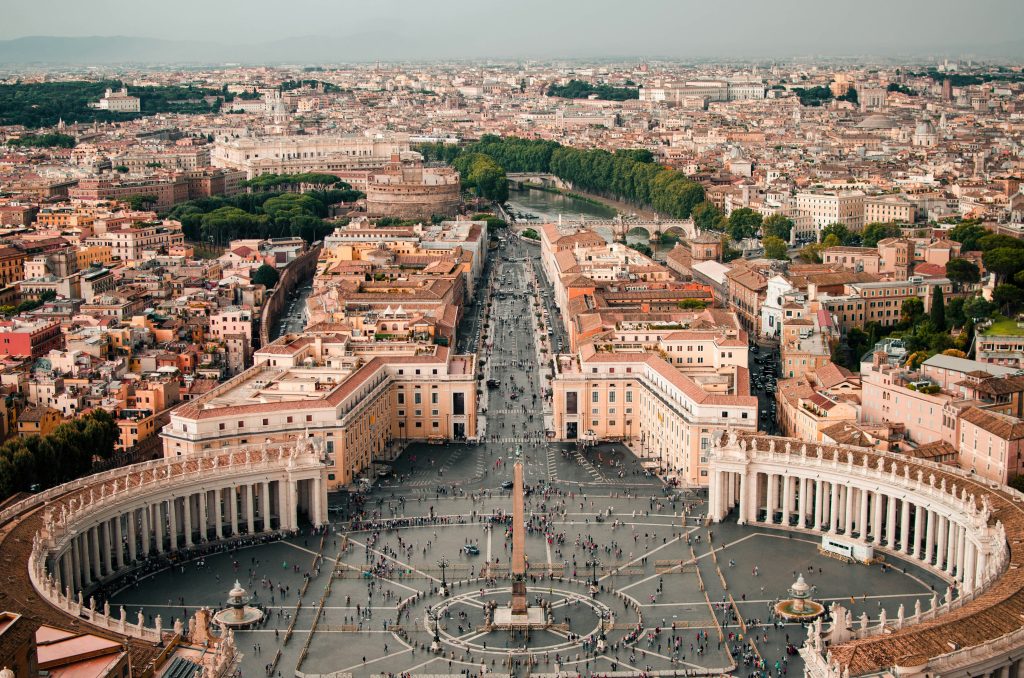
This Rome Travel Guide begins with a simple truth: Rome, often called the Eternal City (Roma Aeterna), is not simply a place you visit — it is a city you experience.
Here, Roman temples stand next to busy cafés, Renaissance churches hide priceless art, and everyday life unfolds among ruins that once ruled the world. Rome is loud, emotional, beautiful, chaotic, and deeply unforgettable. Rome is often part of a broader trip across Italy, especially for travelers exploring different regions.
This complete Rome travel guide explains what to book in advance, how to get around, how much things cost, where to eat, the best photo spots, when to visit, where to stay, nearby day trips, and how to avoid common mistakes.
What surprises many visitors is how normal daily life continues around some of the most famous historical sites in the world.
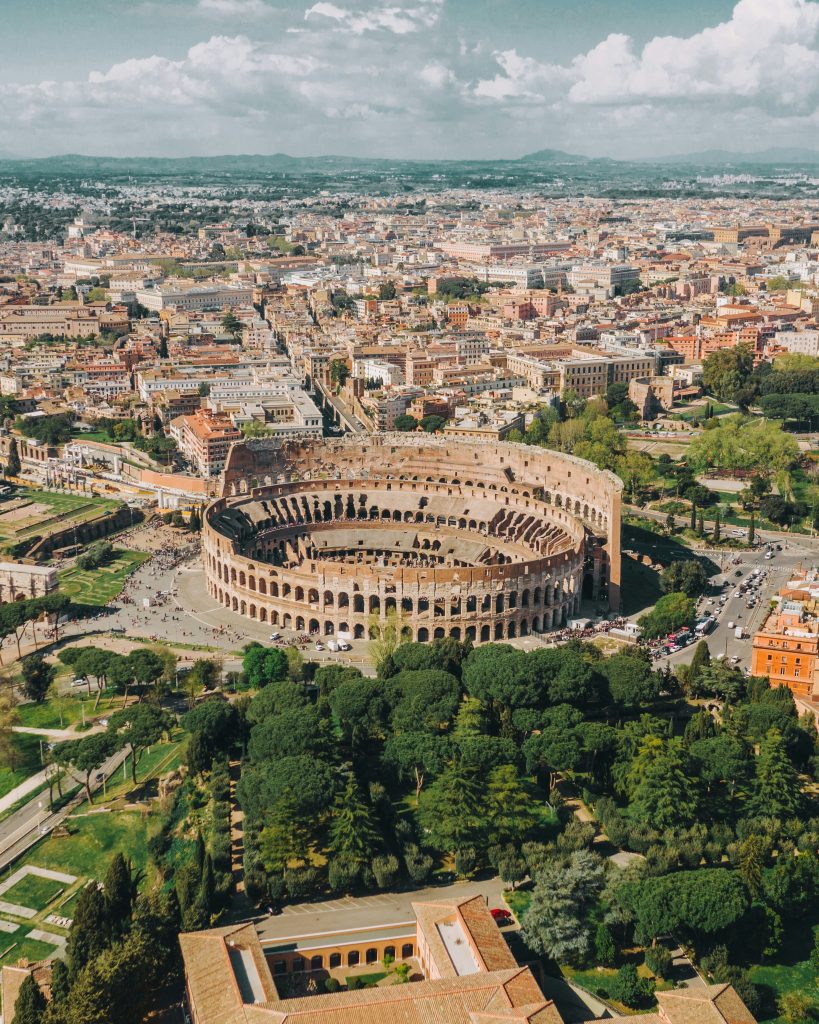
Why Visit Rome?
This Rome Travel Guide explains why the city remains one of the most powerful destinations in the world:
- One of the most historically significant cities in human history
- Ancient Roman ruins and Vatican City in one destination
- World-class art, architecture, and museums
- Legendary Italian food traditions
- Walkable neighborhoods with strong local identity
Rome is not a city to rush through. It rewards travelers who slow down and observe. Rome works well as a starting point, but many travelers choose to focus only on the city to fully experience it.
Booking Attractions in Rome (Extremely Important)
Rome is among the most visited cities in the world. Booking in advance is not optional — it is essential.
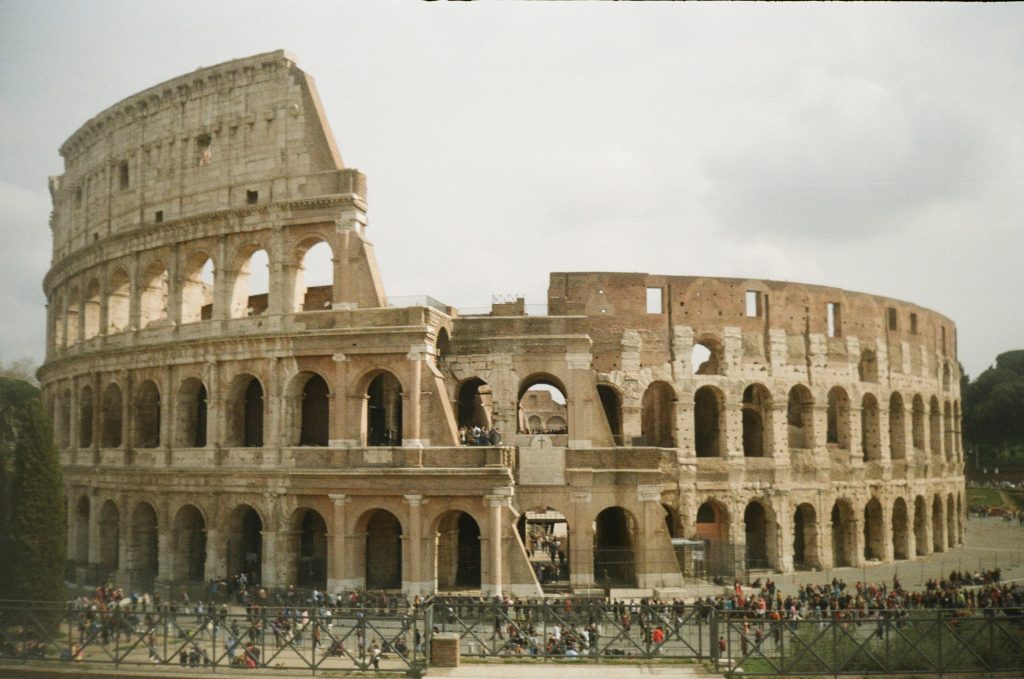
Colosseum & Roman Forum
Tickets should be booked at least 30 days ahead.
If official tickets are unavailable, skip-the-line guided tours are often the only way to enter.
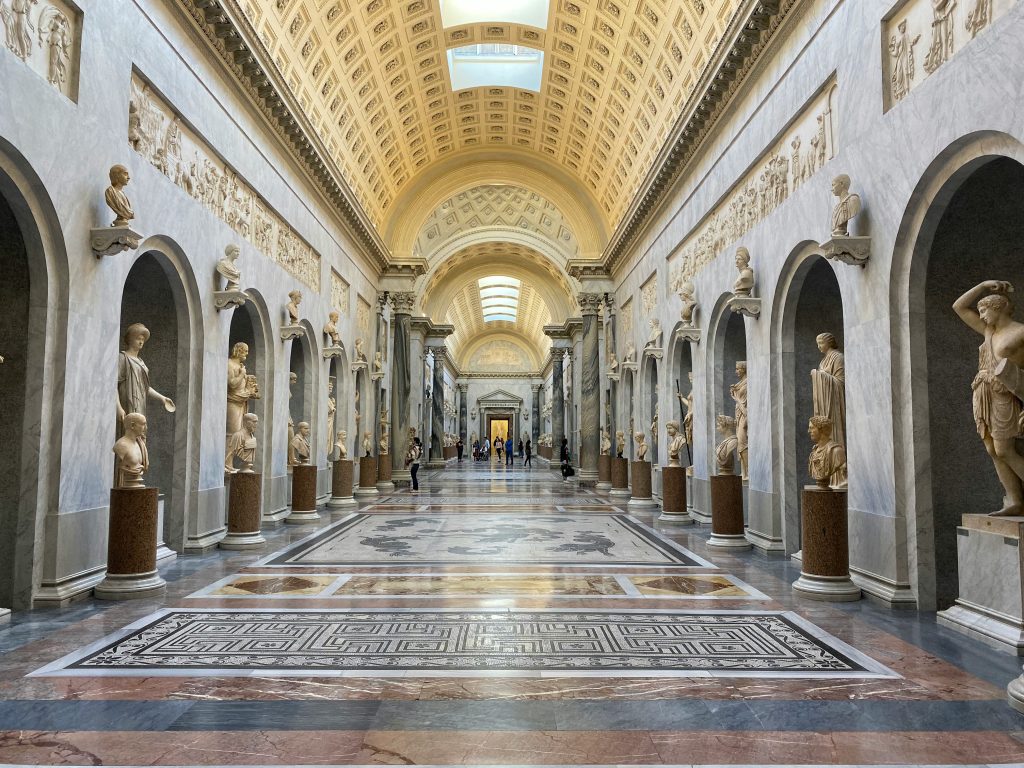
Vatican Museums & Sistine Chapel
Without online tickets, waiting times can easily exceed 3–4 hours, especially in high season.
Rome Travel Guide: Getting Around the City
Walking
Rome is a walking city. Many major landmarks are close together, and walking reveals hidden streets and details.
Metro
Fast and inexpensive but limited in coverage.
The most useful lines are Line A and Line B.
Buses & Trams
Cover the entire city but can be slow due to traffic.
Public Transport Tickets
- Single ticket: ~€1.50
- 24h / 48h / 72h passes available
Tickets must always be validated.
From the Airport
From Fiumicino Airport, the fastest way to the city is the Leonardo Express, which reaches Termini Station in 32 minutes.
Travel Costs in Rome
Accommodation (per night)
- Budget: €40–80
- Mid-range: €120–200
- Luxury: €250+
Food (per day)
- Budget: €15–25
- Comfortable: €30–50
- Fine dining: €70+
Attractions
- Museums: €5–20
- Churches: many are free
Rome can be surprisingly affordable with smart choices.
Best Time to Visit Rome
Spring (April–May)
Ideal weather and manageable crowds.
Summer (June–August)
Extremely hot and crowded. August is the worst month due to heat and local vacations.
Autumn (September–October)
Excellent temperatures and fewer tourists.
Winter (November–February)
Quiet, cheaper, and perfect for museums and culture.
Best months: May and September. These months offer the best balance between weather, crowds, and overall experience in Rome.
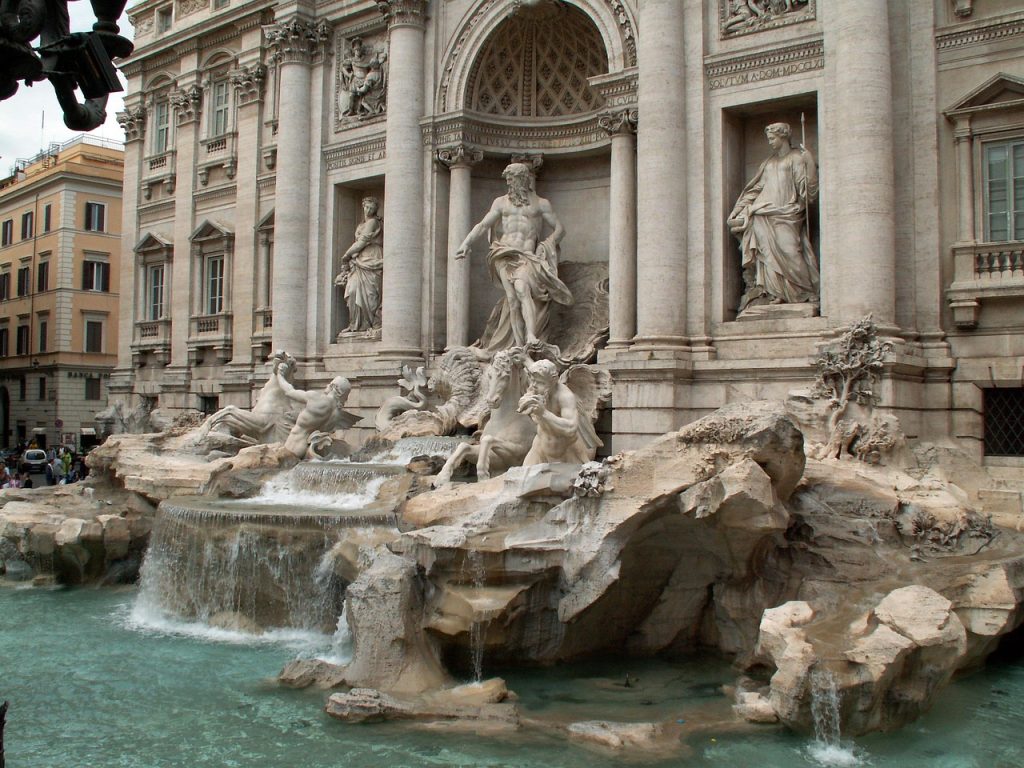
Trevi Fountain: Legend & Best Timing
Throwing one coin with your right hand over your left shoulder symbolizes a return to Rome.
Best time for photos:
Around 06:30 AM, before crowds arrive.
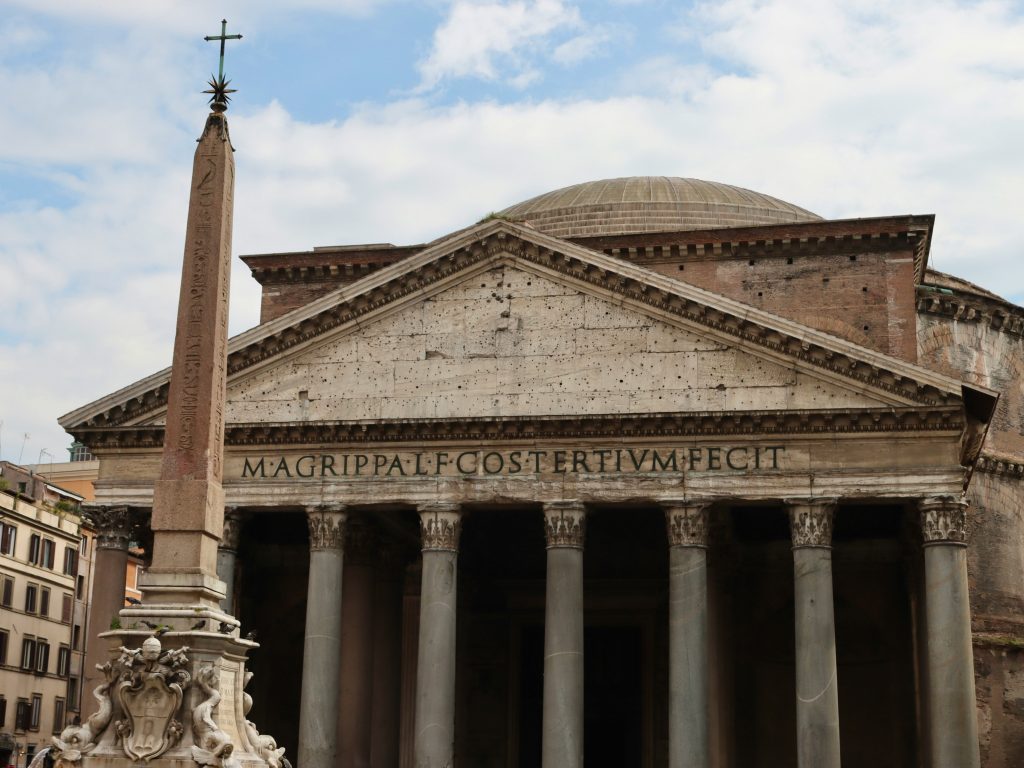
The Pantheon: Rome’s Architectural Wonder
The Pantheon is the best-preserved ancient building in the world.
Its concrete dome remains unmatched after nearly 2,000 years.
Entrance fee: €5 (check weekends).
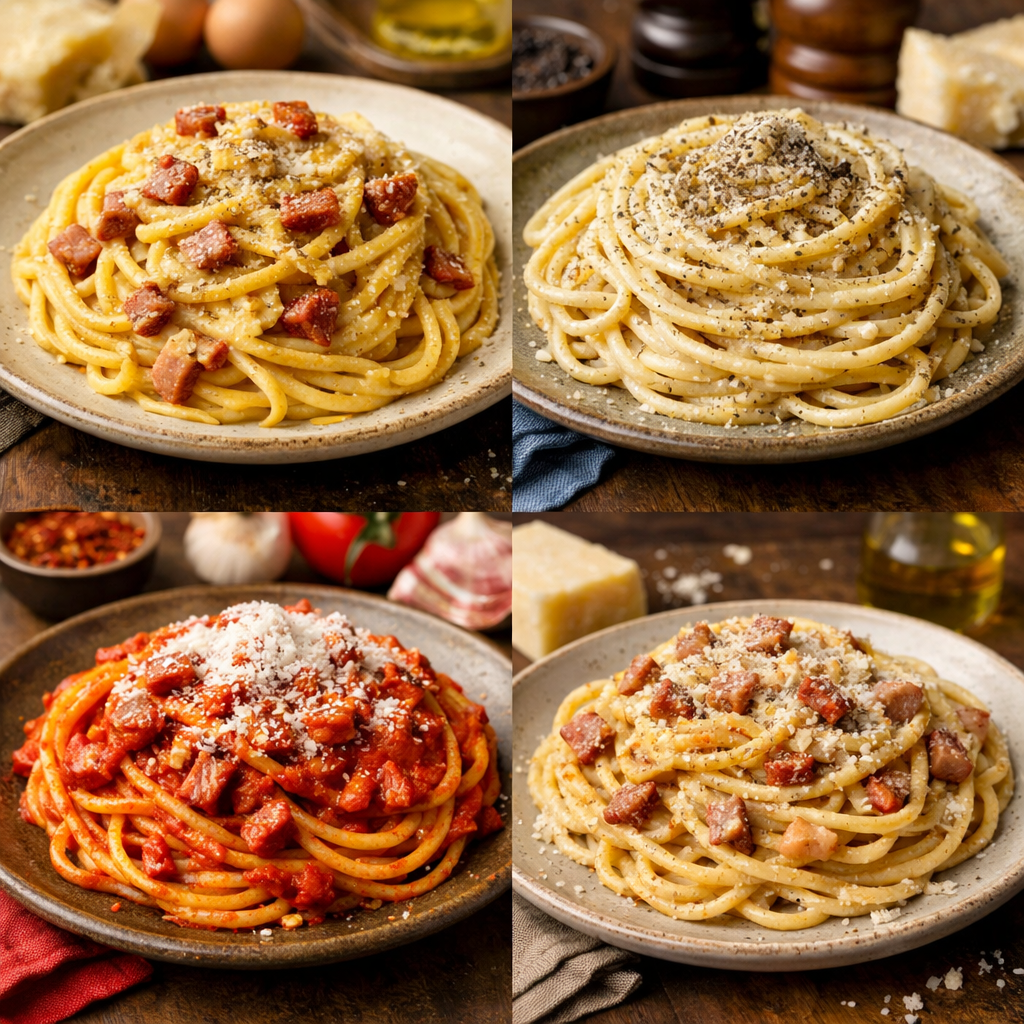
What to Eat in Rome (Beyond Pizza)
The Four Iconic Roman Pastas
- Carbonara
- Cacio e Pepe
- Amatriciana
- Gricia
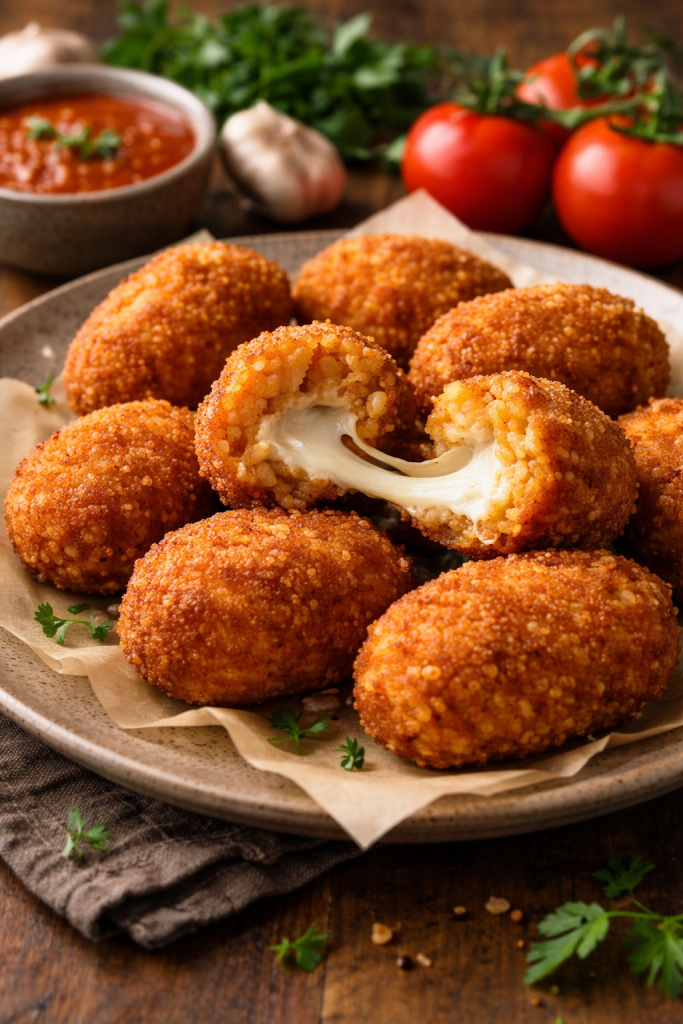
Street Food
- Supplì – fried rice balls filled with mozzarella
Sandwiches, Pasta & Osteria Culture
Rome’s food philosophy is based on simplicity and quality.
- Fresh focaccia sandwiches with cured meats
- Traditional osterias with short, seasonal menus
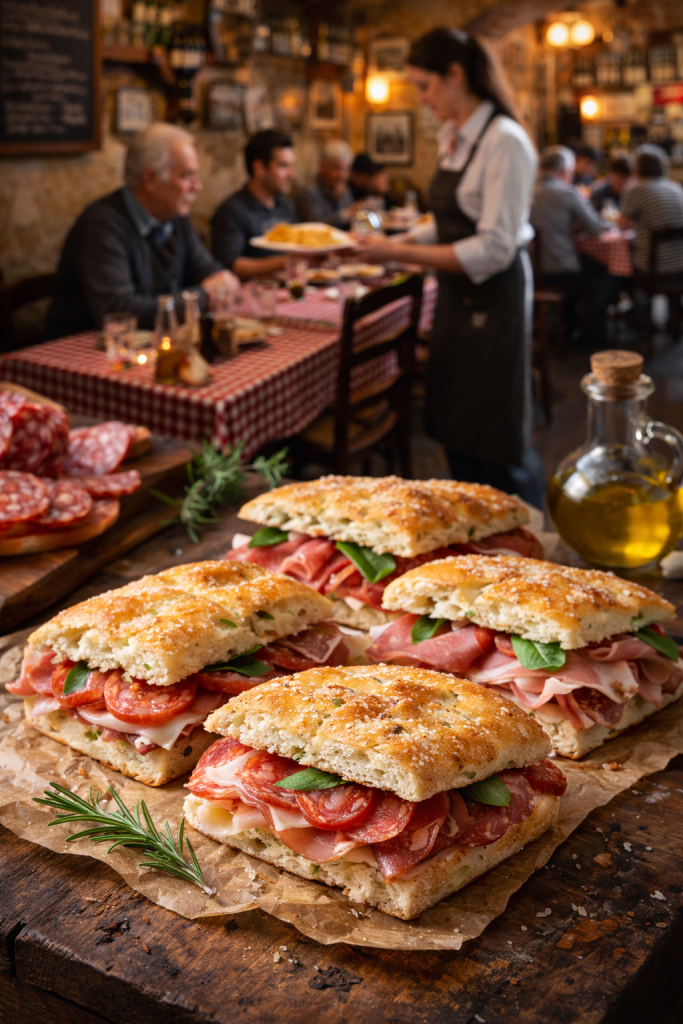
A real Roman osteria includes:
- Local dishes only
- No cream in carbonara
- Relaxed atmosphere, serious cooking
Roman Pizza: Thin & Crispy (Scrocchiarella)
Rome has its own pizza identity:
- Pizza Tonda Romana – thin and crunchy
- Pizza al Taglio – rectangular pizza sold by weight
Pizza al taglio is one of the best-value meals in the city.

Free Drinking Water Everywhere (Nasoni)
Rome has more than 2,500 public drinking fountains with clean, cold, free water.
Bring a refillable bottle and save money.
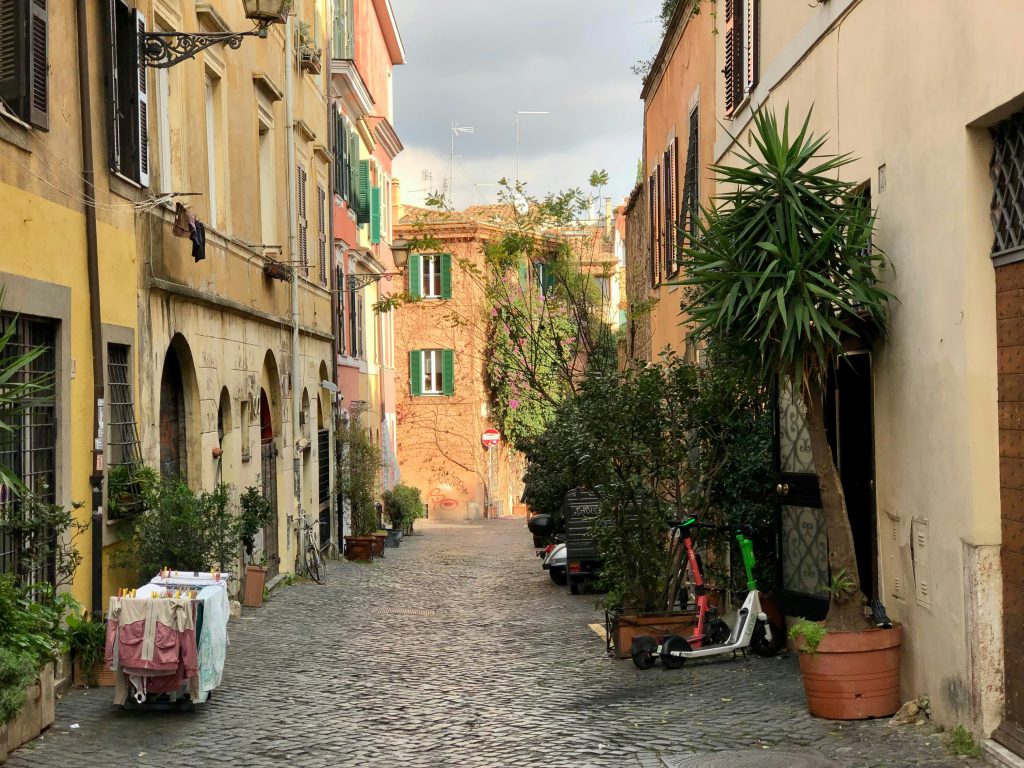
Trastevere: The Soul of Rome
Trastevere is the heart of authentic Roman life.
- Cobblestone streets
- Ivy-covered buildings
- Local bars and restaurants
This is the best area for evenings and nightlife.
Best Photo Spots in Rome
Terrazza del Pincio
One of the best free panoramic views in Rome, especially at sunset.
Aventine Hill
Famous keyhole view perfectly framing St. Peter’s Basilica.
Roman Forum
Golden hour among ancient ruins creates dramatic photos.
Trastevere
Atmospheric streets after dark.
Important Practical Tips
Fake Gladiators
Near the Colosseum, costumed gladiators may charge €20–50 for photos.
Politely decline and walk away.
Shoes Matter
Rome’s cobblestone streets destroy uncomfortable footwear.
Wear sturdy sneakers only.
Termini Station
Excellent transport hub but chaotic at night.
Inside tip: Mercato Centrale offers quality food at fair prices.
Rome’s Churches Are Free Art Museums
Many churches contain priceless artwork and are free to enter.
Example: San Luigi dei Francesi, home to Caravaggio masterpieces
(€1–2 needed to activate the lights).
Rome Travel Guide: Where to Stay by Area
- Centro Storico – central, beautiful, expensive
- Trastevere – nightlife and charm
- Monti – young, creative, near the Colosseum
- Prati – calm, near the Vatican
- Near Termini – budget-friendly, excellent transport. Rome’s central location also makes it an excellent starting point for exploring other destinations across Italy.
How Many Days Do You Need in Rome?
- 2 days: highlights only (very rushed)
- 3–4 days: ideal for first-time visitors
- 5–7 days: full experience + day trips
Shopping in Rome
- Via del Corso – main shopping street
- Via dei Condotti – luxury brands
- Local markets – Campo de’ Fiori, Trionfale
Rome at Night
Rome transforms after sunset:
- Illuminated Colosseum
- Trevi Fountain glowing at night
- Trastevere nightlife
- Walks along the Tiber River
Never skip Rome’s evenings. Evenings in Rome offer a completely different atmosphere compared to daytime sightseeing.
Best Day Trips from Rome
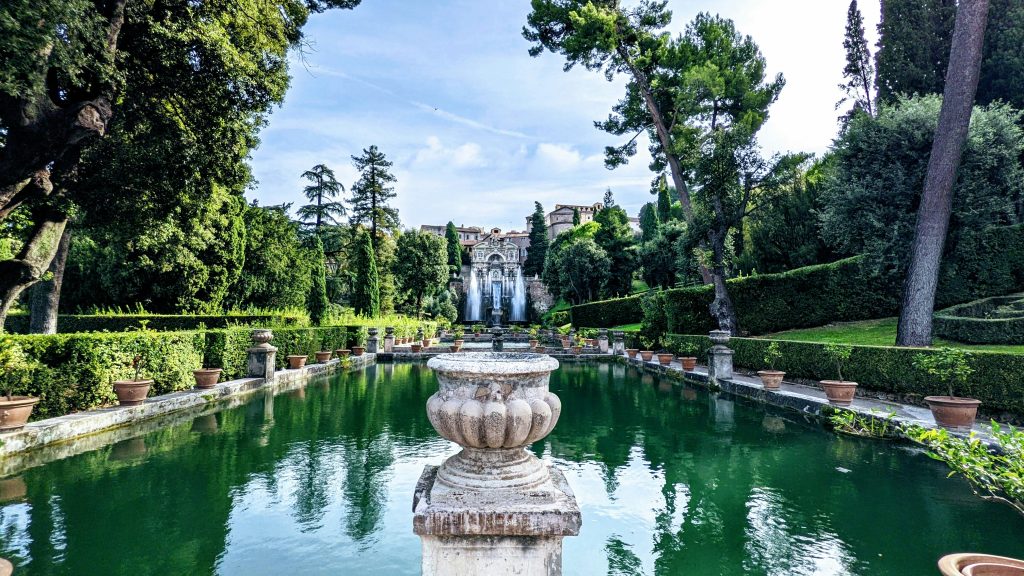
- Tivoli – Villa d’Este & Hadrian’s Villa
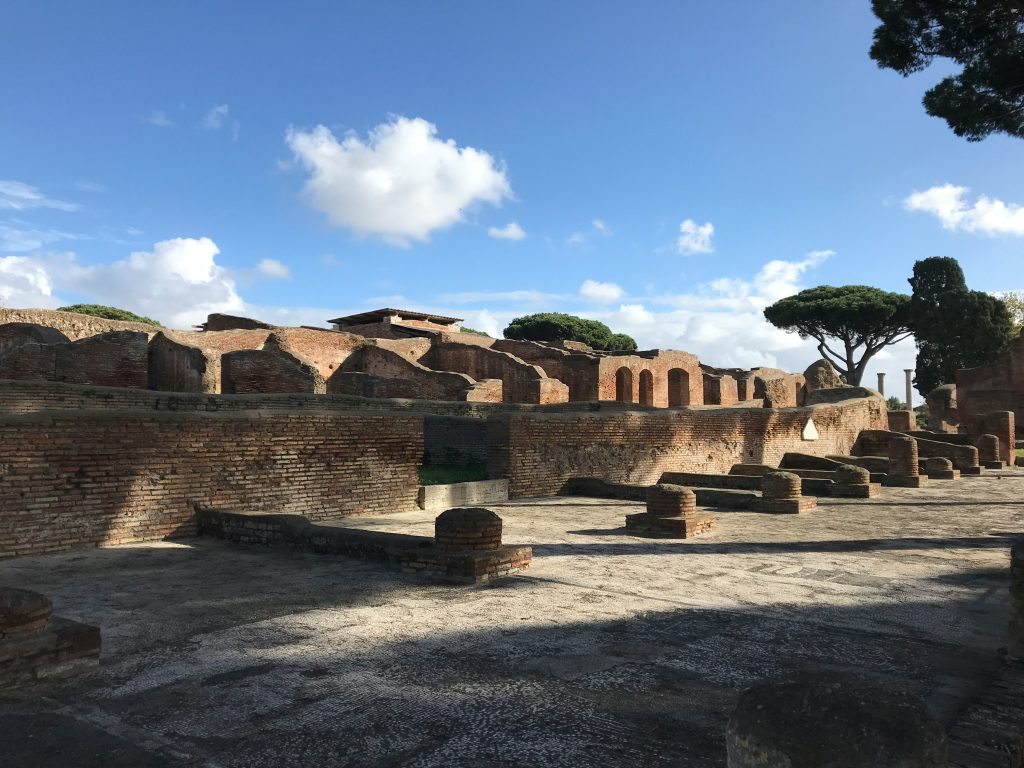
- Ostia Antica – ancient ruins without crowds
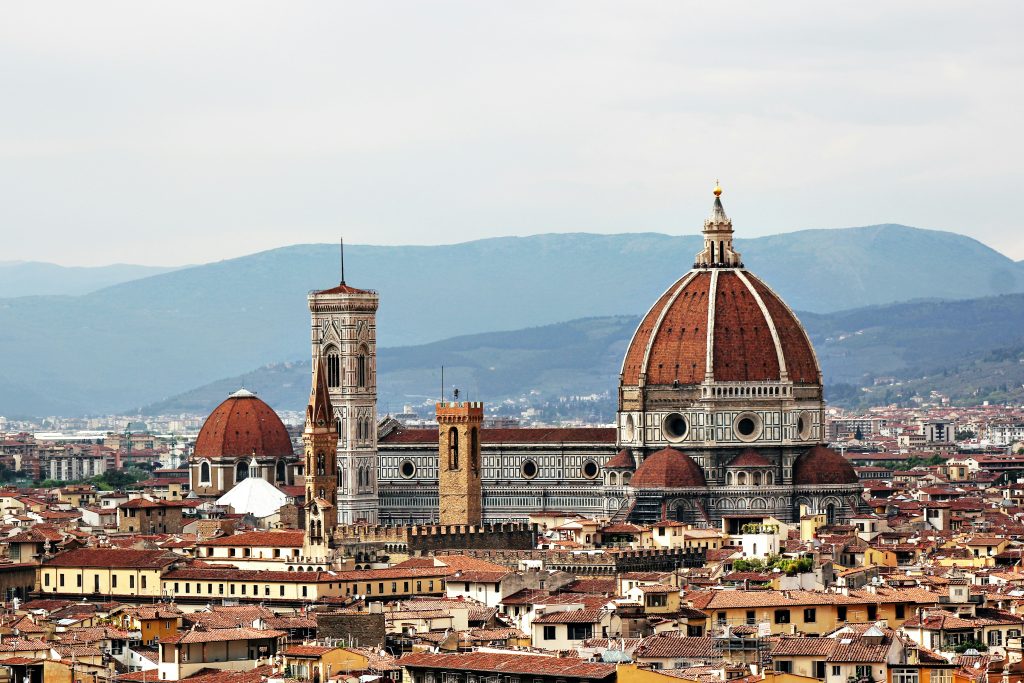
- Florence – 1.5 hours by high-speed train. Florence is one of the easiest and most popular day trips from Rome.
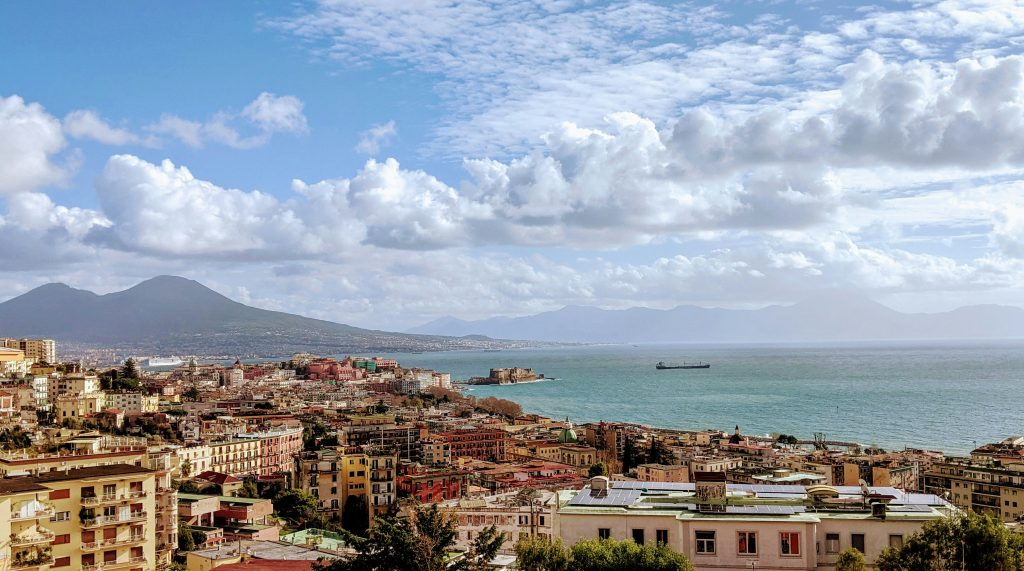
- Naples – pizza, history, Pompeii. Naples is also the main gateway to the famous Amalfi Coast, one of Italy’s most dramatic coastal regions.
Common Mistakes Travelers Make in Rome
- Not booking attractions early
- Eating near tourist landmarks
- Rushing the itinerary
- Wearing uncomfortable shoes
- Ignoring neighborhoods
Rome rewards patience and curiosity.
Mini FAQ – Rome
Is Rome expensive?
It can be, but bakeries, street food, walking, and free attractions help.
Is Rome safe?
Yes, with normal awareness.
How many days are enough?
3–4 days for highlights, 5–7 days for deeper exploration.
Quick Planning Checklist
Book tickets early
Wear comfortable shoes
Carry a refillable water bottle
Choose the right neighborhood
Leave time for wandering
Explore More Italy Travel Guides
If you are planning a wider trip across Italy, these guides may help:
- Italy Travel Guide
- Tuscany Travel Guide
- Amalfi Coast Travel Guide
- Sicily Travel Guide
- Sardinia Travel Guide
More Mediterranean Destinations
If you enjoy historic cities, coastal landscapes, and strong food cultures, these destinations may also inspire your next trip:
Travel conditions, prices, opening hours, and access to attractions in Rome can change depending on the season, so it is always recommended to check current information before your trip.
Final Thoughts
Rome is best experienced without rushing.
Some of the most memorable moments often come from simple things — walking through quiet streets, sitting in a small square, or taking a break between landmarks.
Giving yourself more time and less pressure usually leads to a better experience than trying to see everything at once.