This Amalfi Coast travel guide begins with a simple truth: the Amalfi Coast is not a place you simply “visit.” It is a vertical world where mountains fall into the sea, towns grow on cliffs, roads defy logic, and daily life unfolds between lemon trees, boats, and staircases.
Recognized as a UNESCO World Heritage Site, the Amalfi Coast remains one of the most visually dramatic coastlines in Europe — but it is also demanding, crowded, expensive, and physically intense if you arrive unprepared.Many travelers combine the Amalfi Coast with historic cities such as Rome or countryside regions like Tuscany when exploring southern Italy.
This complete Amalfi Coast travel guide explains exactly what to expect, where to go, how to move, what to eat, how much things cost, when to visit, which places are worth your time, which ones tourists miss, and how to experience the coast without ruining the trip.
Amalfi Coast Travel Guide: Best Towns to Visit
Each town along the coast has a completely different identity. Choosing where to spend your time matters.
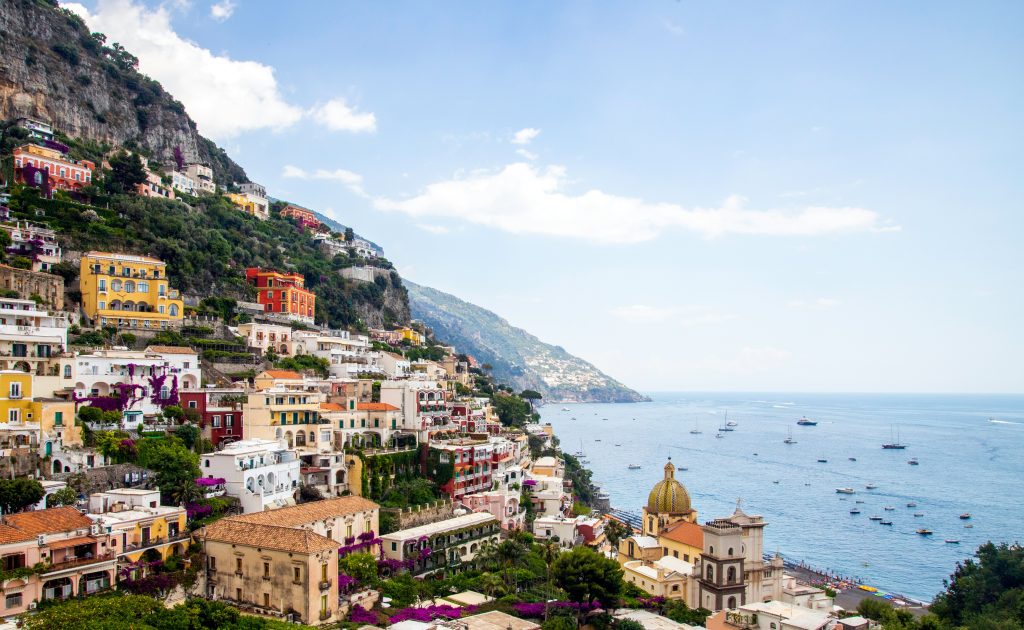
Positano
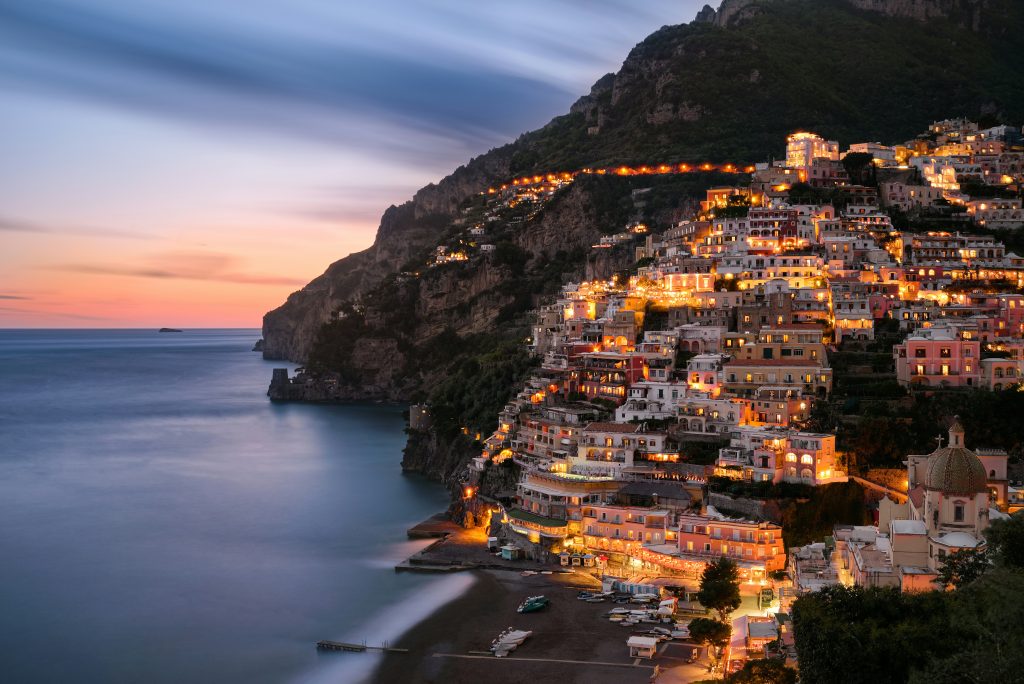
Positano is the image everyone recognizes when they think of the Amalfi Coast.
Colorful houses appear stacked on top of each other, flowing down steep cliffs toward the sea.
What to expect:
- Iconic views and photography
- Endless staircases
- Some of the highest prices on the coast
Positano is stunning, but it is also physically demanding and crowded.Travelers often visit the coast as part of a larger Italy itinerary that includes cities like Rome or countryside regions such as Tuscany.
Amalfi
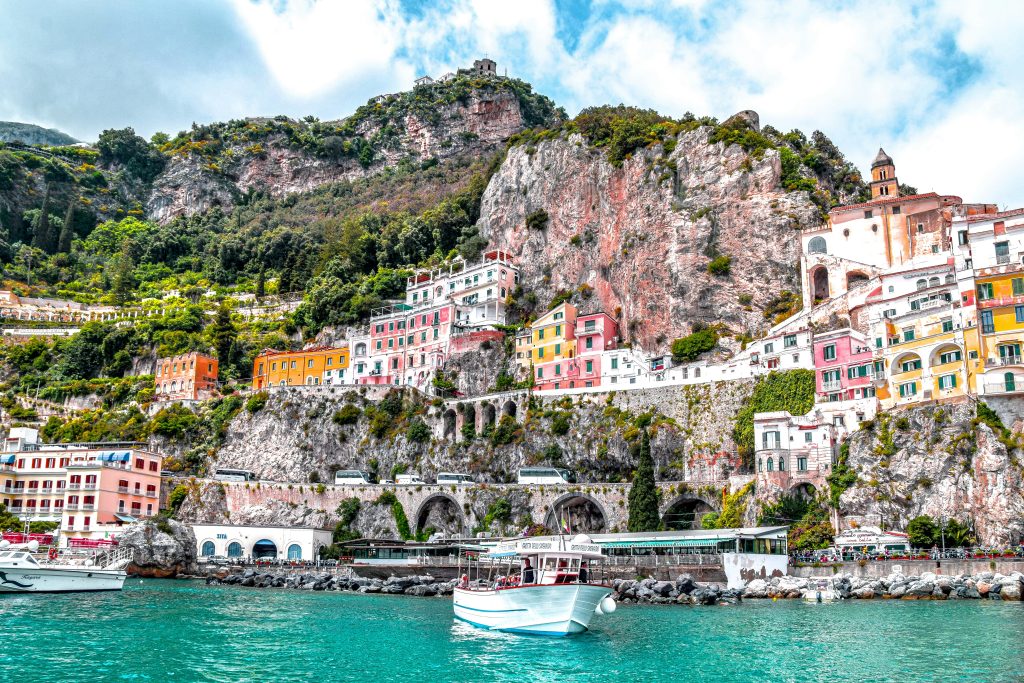
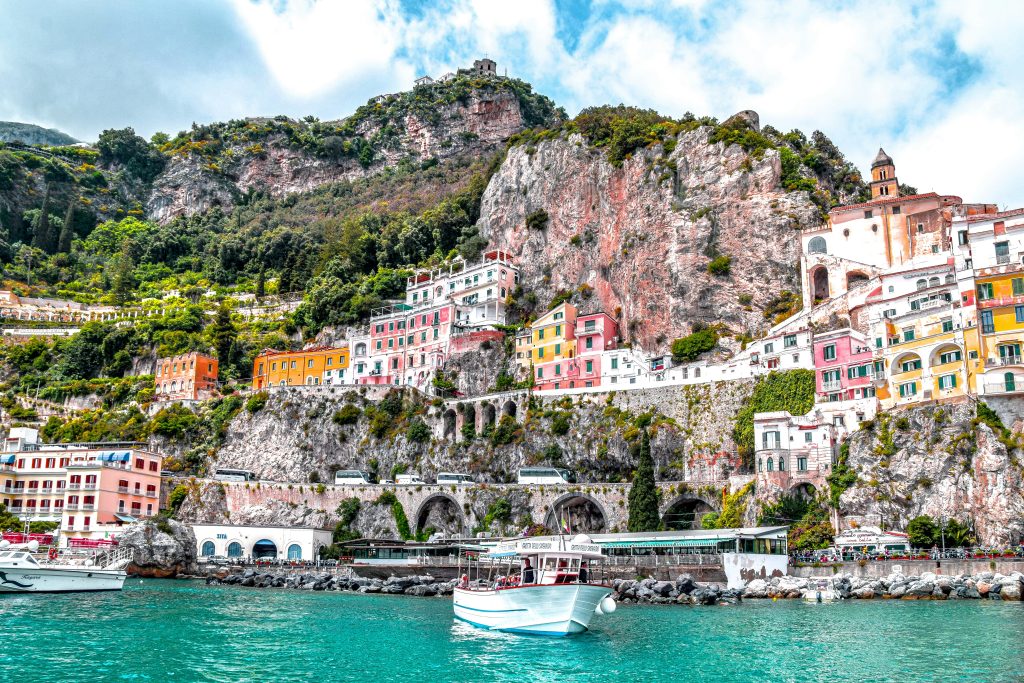
Amalfi is the historical and logistical heart of the coast.
Once a powerful maritime republic, today it revolves around the dramatic Cathedral of Saint Andrew (Duomo di Sant’Andrea).
Why Amalfi matters:
- Central location
- Excellent ferry connections
- Easier base for moving around
Ravello
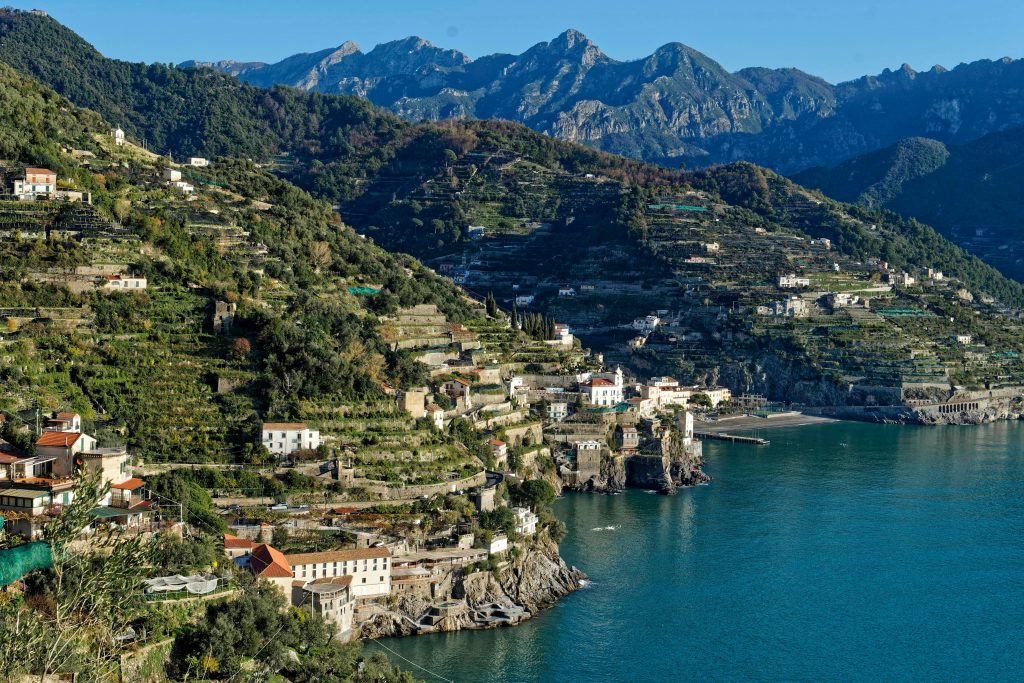
Ravello sits high above the sea, removed from beach crowds and traffic.
It is known for:
- Silence and elegance
- Classical gardens
- The best panoramic views on the entire coast
Villa Cimbrone and Villa Rufolo offer views that feel unreal, especially at sunset.
Atrani
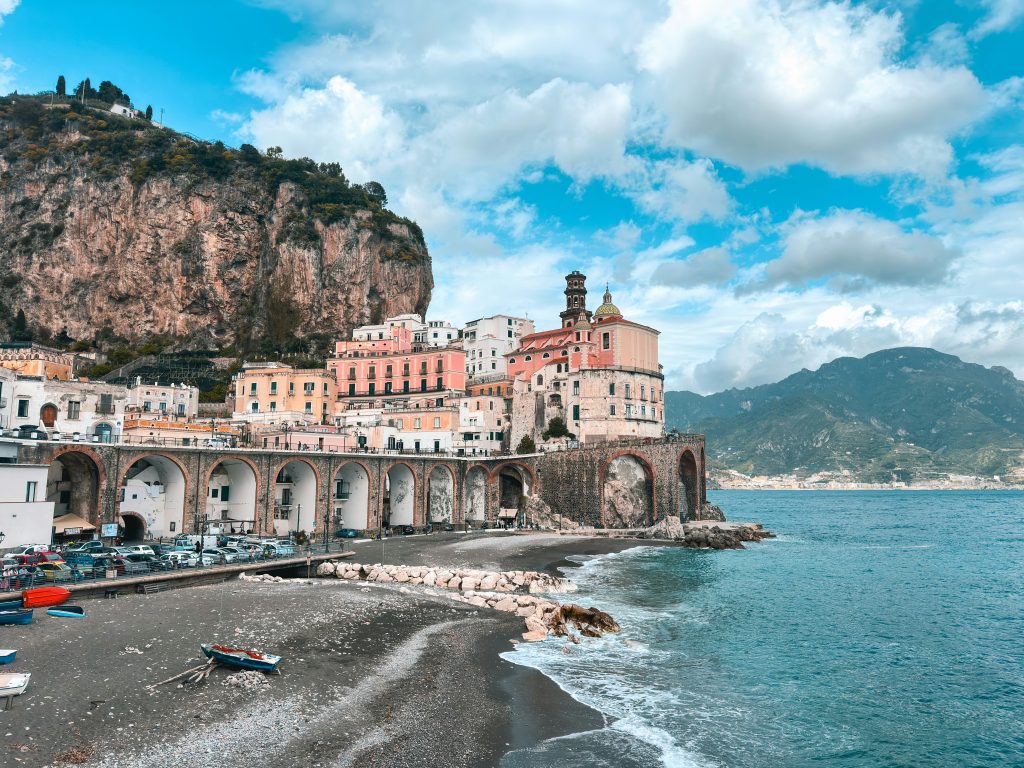
Atrani is Italy’s smallest town and one of the most authentic places on the coast.
Located just minutes from Amalfi, it has managed to preserve local life and calm energy.
Transport on the Amalfi Coast: Beauty Meets Chaos
Moving along the Amalfi Coast is both spectacular and challenging.
The Coastal Road (SS163)
One of the most scenic roads in the world — and one of the most stressful.
- Extremely narrow
- Sharp curves
- Heavy seasonal traffic
Driving is only recommended for very confident drivers.
Ferries (Strongly Recommended)
During spring and summer, ferries are the smartest way to travel.Ferry routes also connect to nearby destinations such as Capri, Sorrento, and cities near Naples, making the coast easy to combine with other southern Italy destinations.
Benefits:
- No traffic
- Faster connections
- Views of the coast from the sea
Scooters
Scooters make parking easier but are dangerous for inexperienced riders.
Taxis (Important Warning)
Taxi rides between towns can cost €50–100 for short distances.
For budget travel, ferries and buses are essential.
Amalfi Coast Food: Lemon, Sea & Simplicity
Sfusato Amalfitano Lemons
These oversized, fragrant lemons grow only here and define the region’s flavor.

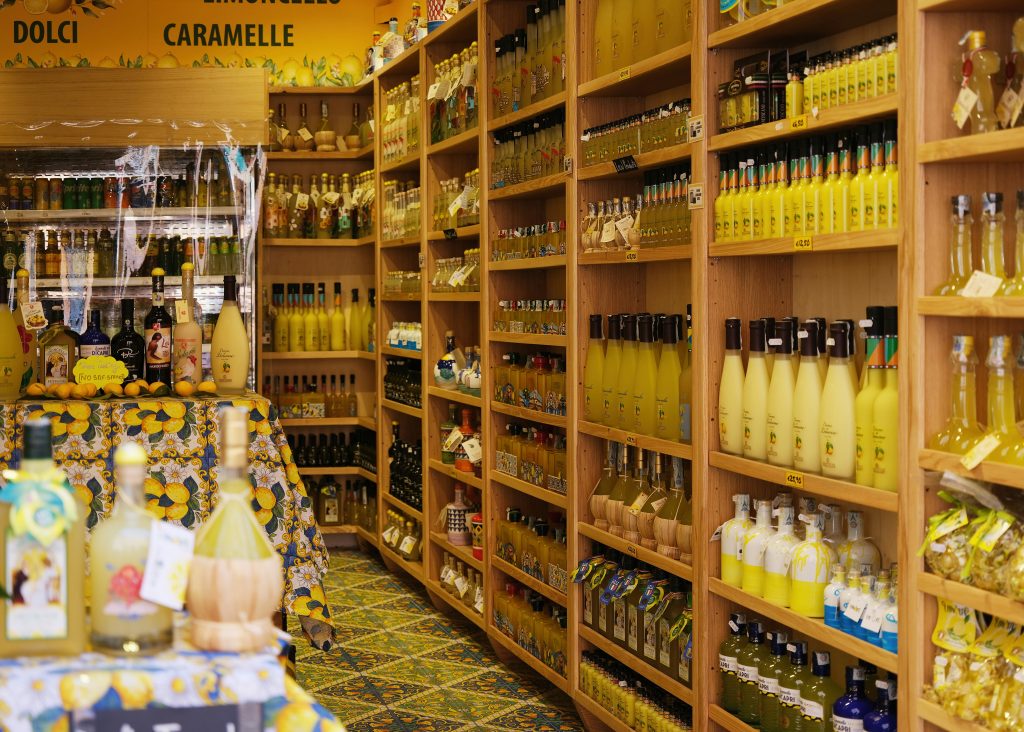
Limoncello
The famous lemon liqueur originates on this coast and tastes noticeably better when produced locally.
Seafood & Regional Pasta
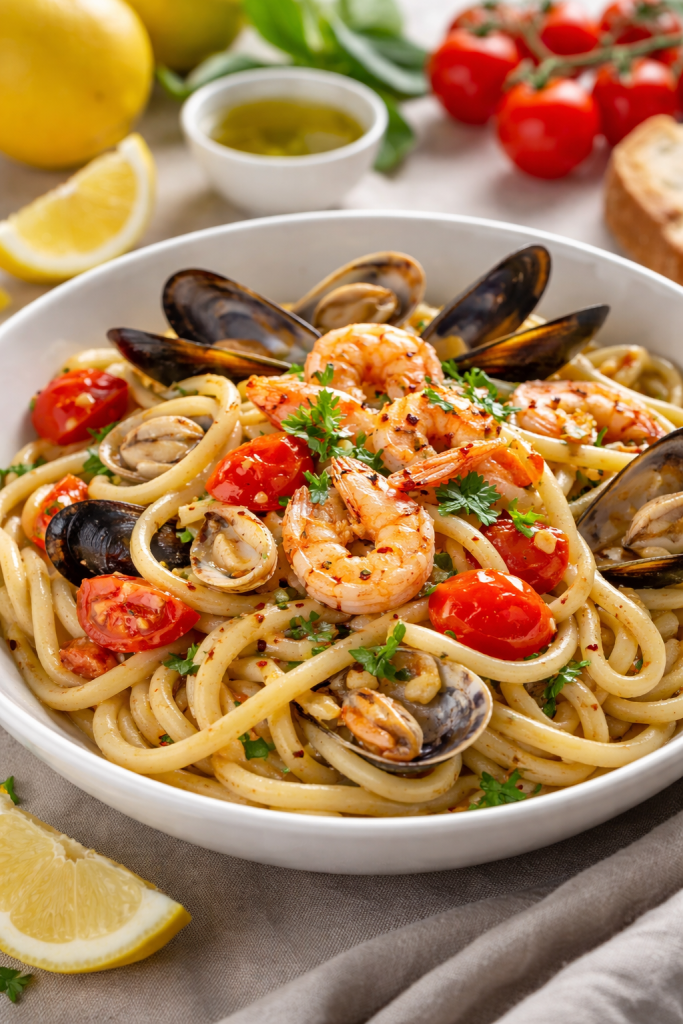
Fresh fish and handmade pasta dominate menus.
Local specialty:
- Scialatiello, a pasta created specifically for the Amalfi Coast.
Best Things to Do on the Amalfi Coast
Path of the Gods (Sentiero degli Dei)
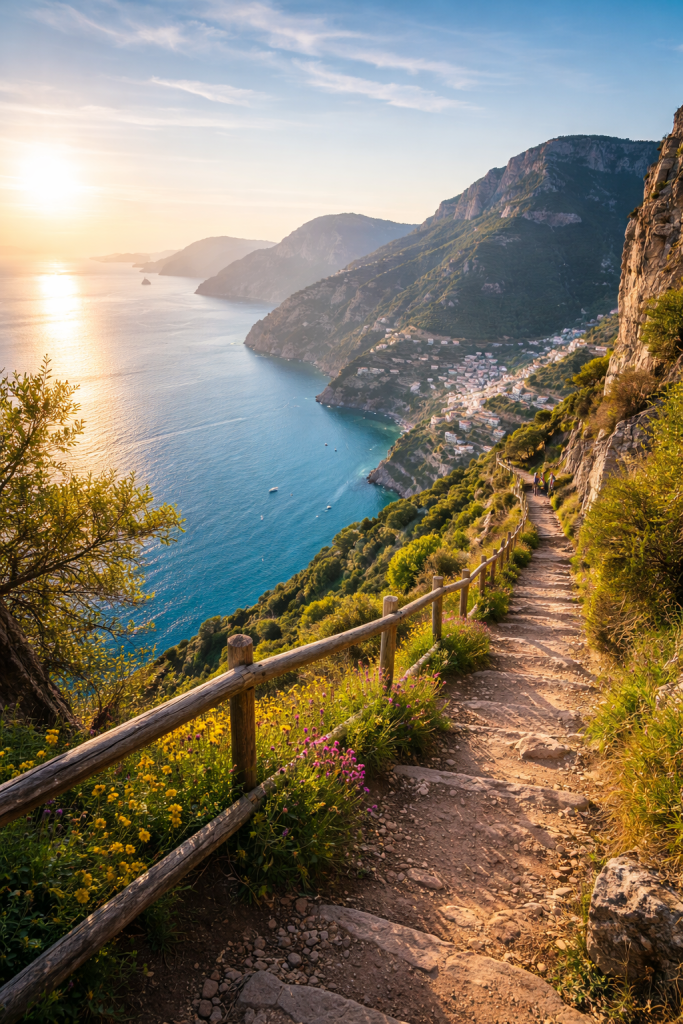
One of Italy’s most famous hiking trails.
- Connects mountain villages with the coast
- Offers dramatic cliff-top views
- Best done early in the morning
Emerald Grotto (Grotta dello Smeraldo)
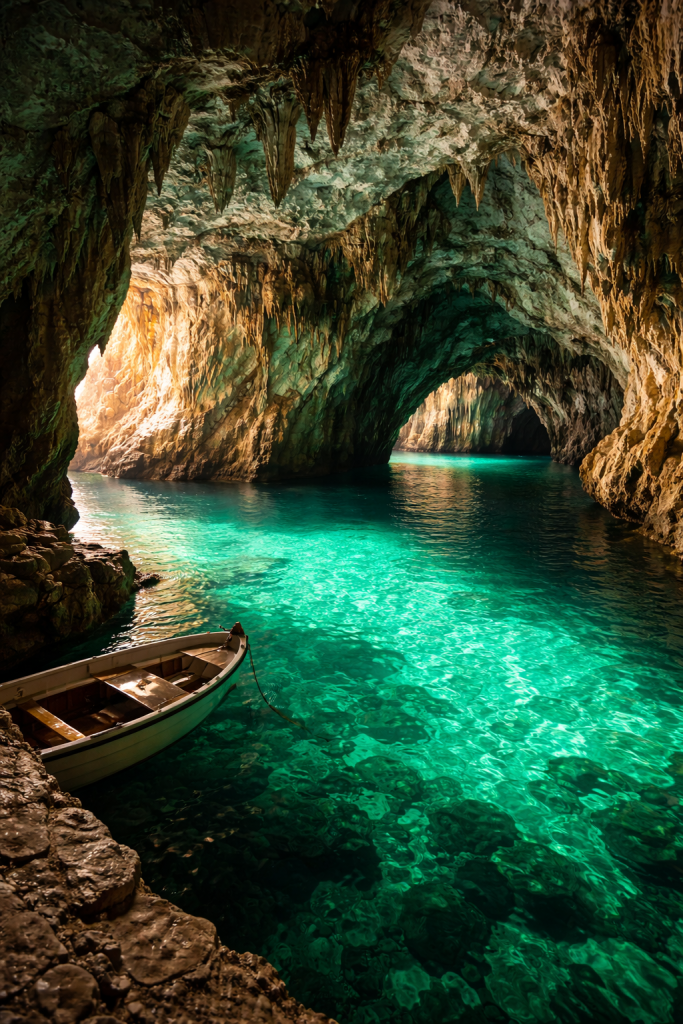
A sea cave filled with emerald-green water caused by light refraction.
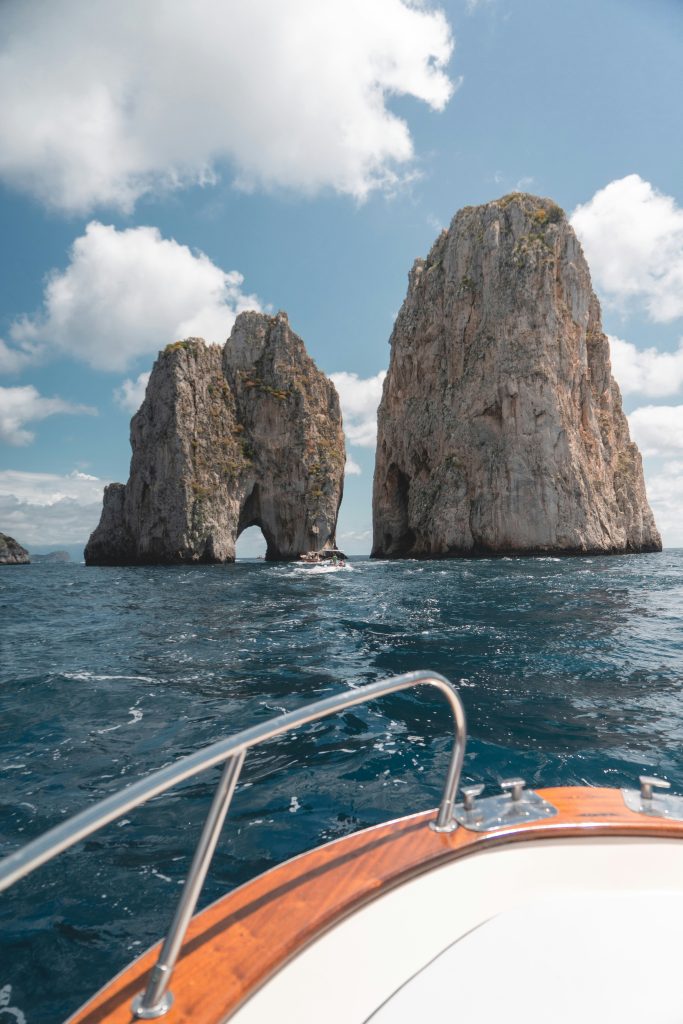
Capri Day Trip
A classic boat excursion to one of Italy’s most glamorous islands.Travelers continuing their trip across Italy often explore nearby regions such as Tuscany, Sicily, or Sardinia after visiting the Amalfi Coast.
Hidden Amalfi Coast Experiences Most Travelers Miss
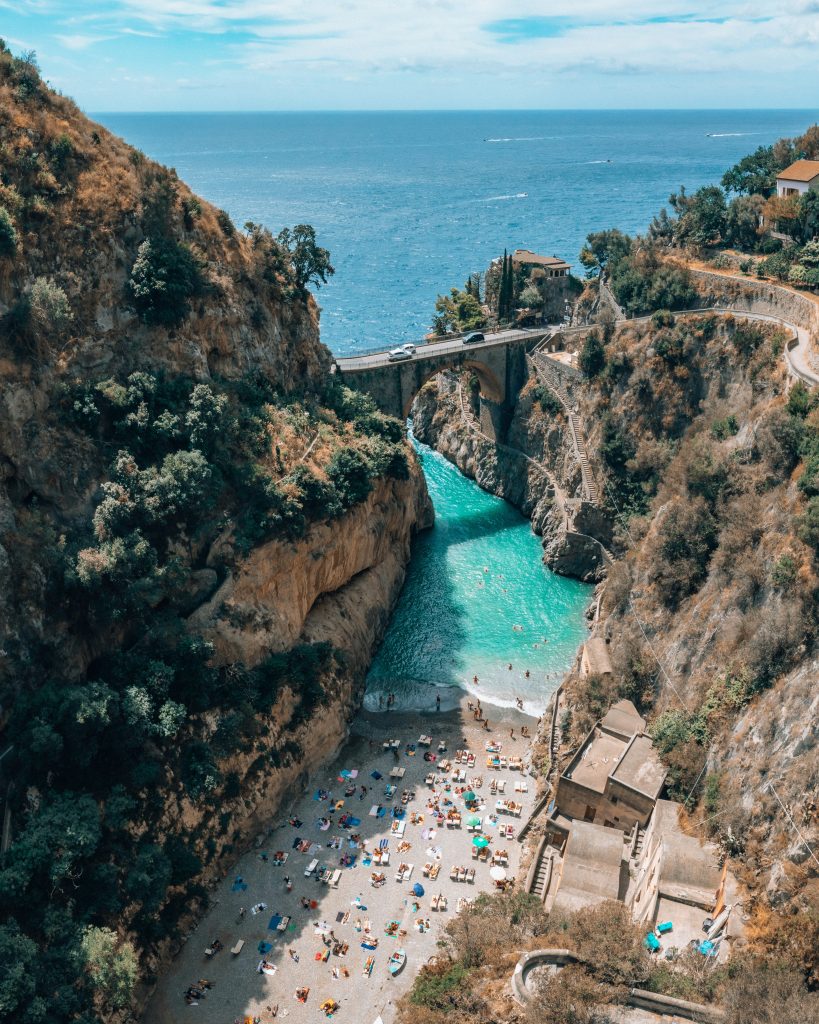
Fiordo di Furore
A narrow fjord-like inlet beneath a high bridge.
Important details:
- Accessed by steep stairs
- Sunlight reaches the beach only for a few hours per day
- One of the most photographed locations on the coast
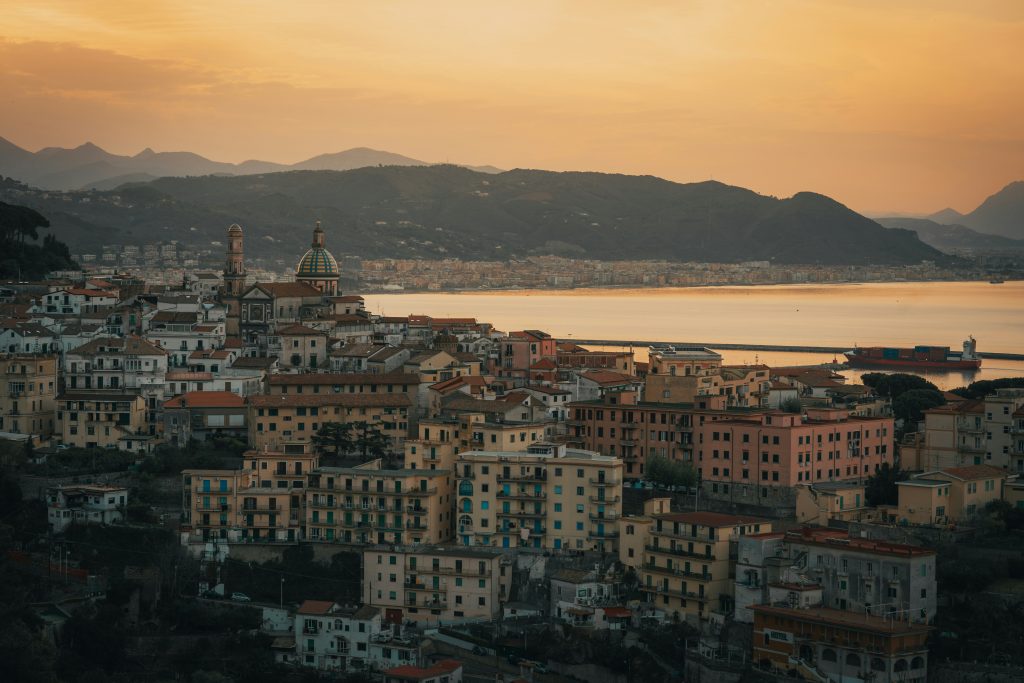
Vietri sul Mare – Ceramic Capital
The center of traditional hand-painted ceramics.
Tip:
Buying ceramics here is significantly cheaper than in Positano.
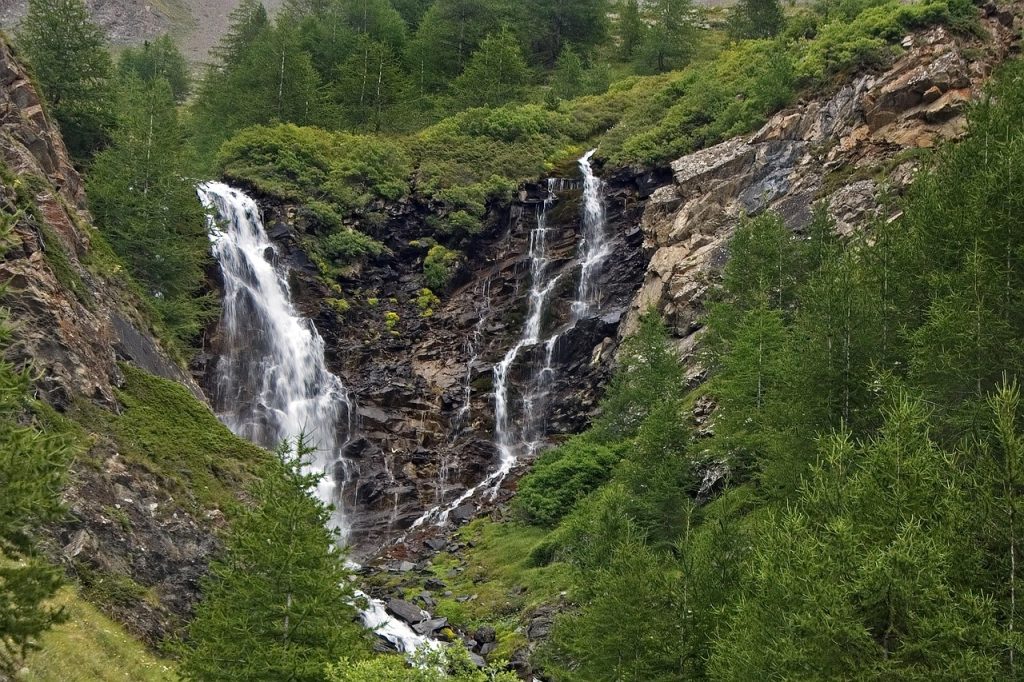
Valle delle Ferriere
A protected green valley above Amalfi.
What you’ll find:
- Waterfalls
- Old paper mills
- Cooler air and fewer tourists
Carta d’Amalfi Tradition
Amalfi was once one of Europe’s leading paper producers.
Visit:
- Museo della Carta
- Handmade paper still used by institutions like the Vatican
Desserts You Should Not Skip
Delizia al Limone
A soft sponge cake filled and covered with lemon cream made from local lemons.
Iconic stop:
- Pasticceria Pansa in Amalfi

Amalfi Coast Beaches: What to Really Expect
Most beaches here are:
- Small
- Pebbled (not sandy)
- Limited in space
Beach Clubs (Lidi)
- Paid sunbeds
- Services included
Free Beaches
- Very limited
- Early arrival required
Best swimming option:
Rent a small boat (gozzo) for a few hours and swim directly from the sea.
Where to Stay – Amalfi Coast Travel Guide Tips
Choosing the right base matters more than choosing a luxury hotel.
- Positano – romantic, iconic, expensive
- Amalfi – central, best ferry access
- Ravello – peaceful, panoramic
- Minori & Maiori – flatter, more affordable
- Salerno – budget-friendly, excellent ferry hub
Realistic Travel Costs
Accommodation (per night):
- Budget: €120–180
- Mid-range: €200–350
- Luxury: €500+
Food:
- Casual meals: €20–30
- Restaurants with views: €40–70
Ferries:
- €10–25 depending on route
Beach clubs:
- €20–40 per day
Best Time to Visit the Amalfi Coast
Best months:
- May
- June
- September
- These months are also ideal for exploring other Mediterranean destinations such as Sicily, Sardinia, or countryside regions like Tuscany.
Worst months:
- July and August (crowded and extremely expensive)
Weather & Physical Reality
- High summer heat and humidity
- Thousands of stairs every day
- Windy conditions may cancel ferries
Spring and early autumn offer the best balance.
Photography Tips
- Morning light: Positano and Amalfi
- Sunset light: Ravello and elevated viewpoints
- Midday light is harsh and less flattering
Drone use is heavily restricted.
Packing Advice
Avoid large suitcases.
Why:
- No elevators
- Narrow streets
- Endless stairs
Backpacks or small rolling luggage are far more practical.
Day Trips from the Amalfi Coast
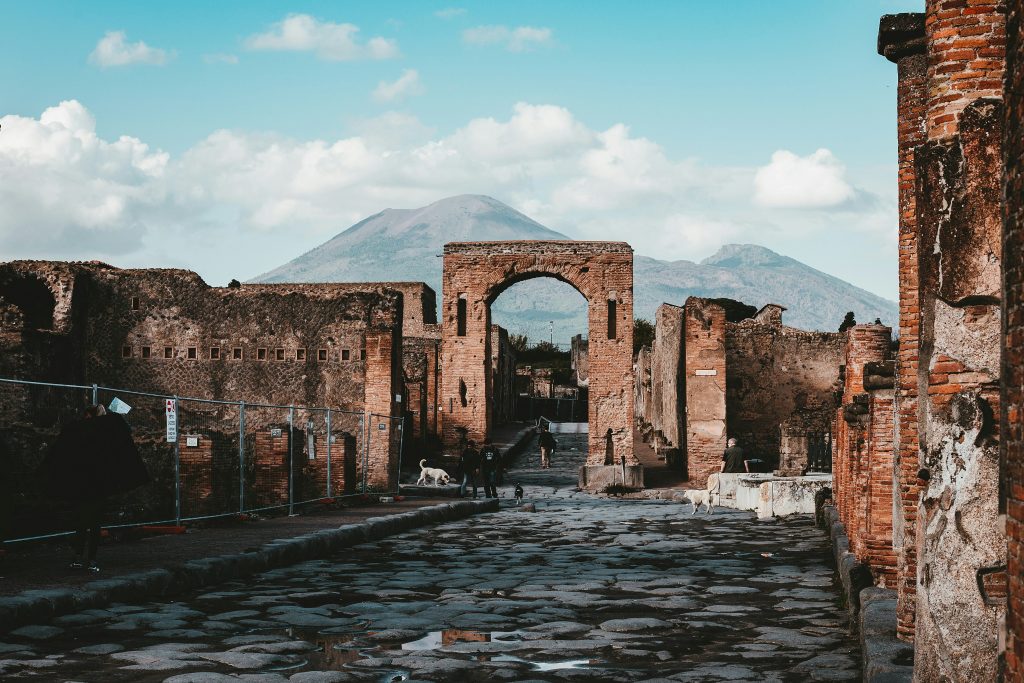
- Pompeii and Herculaneum
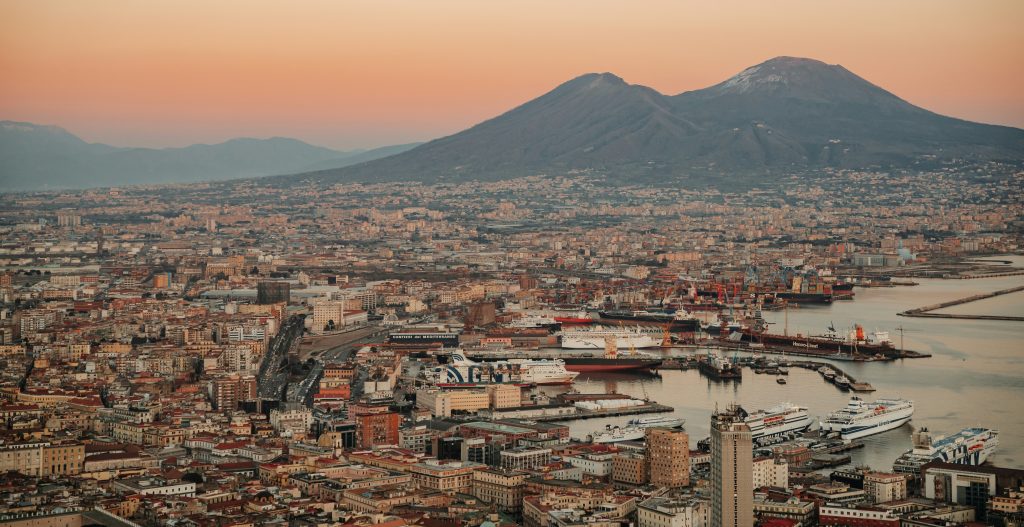
- Mount Vesuvius
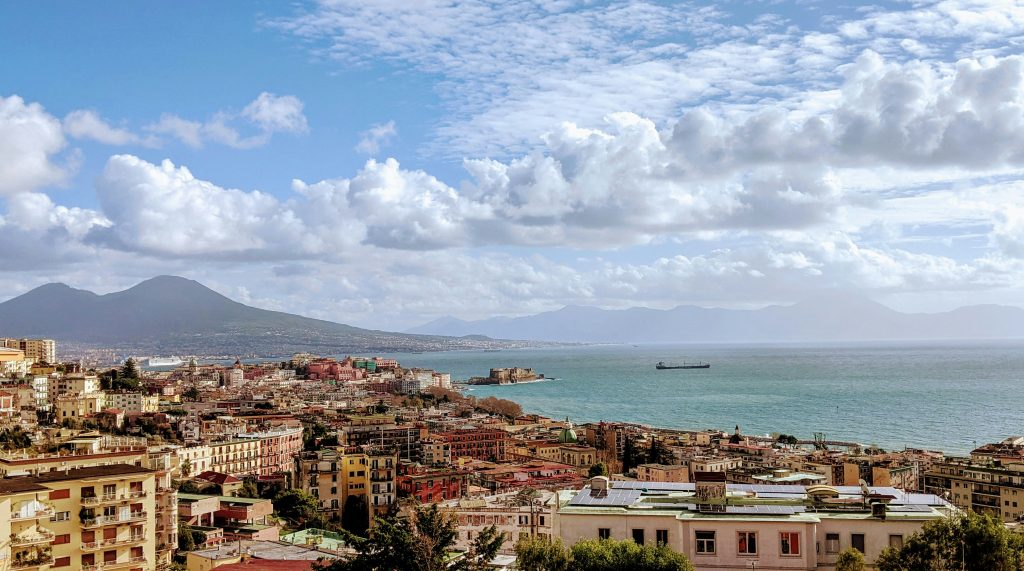
- Naples (food-focused visit)
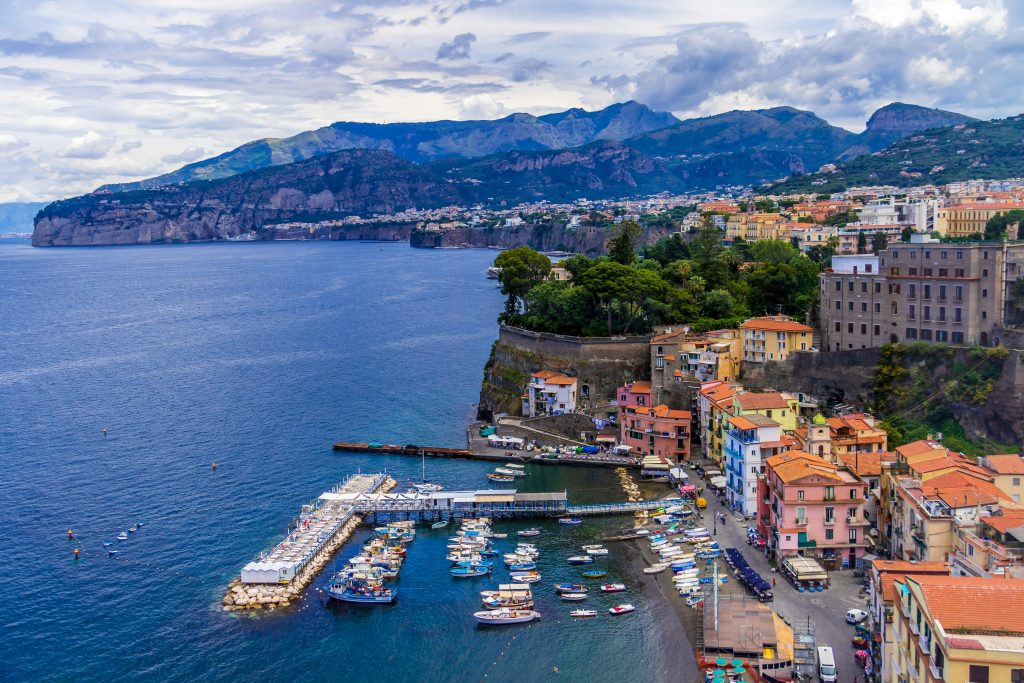
- Sorrento.Many travelers also continue north to Rome after visiting the Amalfi Coast, especially when following a classic southern Italy travel route.
Safety & Practical Advice
- Watch belongings on ferries
- Be cautious on stairs at night
- Stay hydrated
Who the Amalfi Coast Is (and Isn’t) For
Perfect for:
- Couples
- Slow travelers
- Photography lovers
Not ideal for:
- Travelers with mobility limitations
- Families with strollers
- Rushed itineraries
Explore More Italy Travel Guides
If you are planning a wider trip across Italy, these guides may help:
More Mediterranean Destinations
If you enjoy dramatic coastlines and historic towns, these destinations may also inspire your next trip:
Final Thoughts
The Amalfi Coast is not a destination to rush. This Amalfi Coast travel guide helps you choose the right base, move efficiently between towns, manage expectations about costs and crowds, and experience the coast without unnecessary stress.
With the right planning, the Amalfi Coast becomes less chaotic and more magical — a place of vertical beauty, sea light, and unforgettable Mediterranean atmosphere.