This Provence Travel Guide introduces one of the most iconic and atmospheric regions in southern France. Provence is defined by lavender landscapes, sun-drenched stone villages, Roman history, open-air markets, rosé wine, and a slow Mediterranean rhythm of life. Provence is often part of a wider trip across France, especially when visiting different regions.
It is a place defined by lavender landscapes, sun-drenched stone villages, Roman history, open-air markets, rosé wine, and a slow Mediterranean rhythm of life.
This in-depth Provence travel guide brings together everything you need before visiting — the best time for lavender, the most beautiful villages, food and wine traditions, historical cities, natural wonders, coastline highlights, transport advice, costs, where to stay, day trips, insider knowledge, practical tips, common mistakes, and frequently asked questions.
What many visitors notice after arriving is how quiet and spacious the region feels compared to larger cities in France.
Why Visit Provence?
In this Provence Travel Guide, understanding the region’s geography and timing your visit properly makes all the difference:
- Endless lavender fields and rolling hills
- Hilltop villages built from warm stone
- Roman ruins and medieval architecture
- Mediterranean cuisine based on olive oil and herbs
- A relaxed pace that encourages slow travel
The region is perfect for couples, photographers, food lovers, and travelers who want to experience France beyond major cities.While Paris represents the cultural capital of France, regions like Provence, Lyon, and the French Alps reveal the country’s landscapes, food traditions, and slower regional lifestyle.
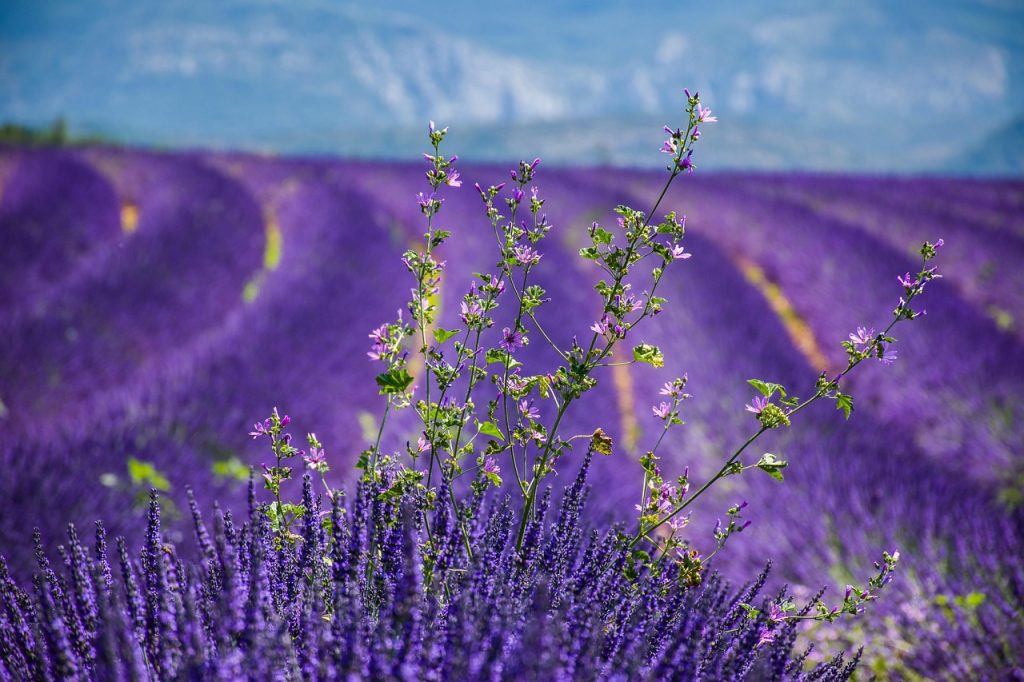
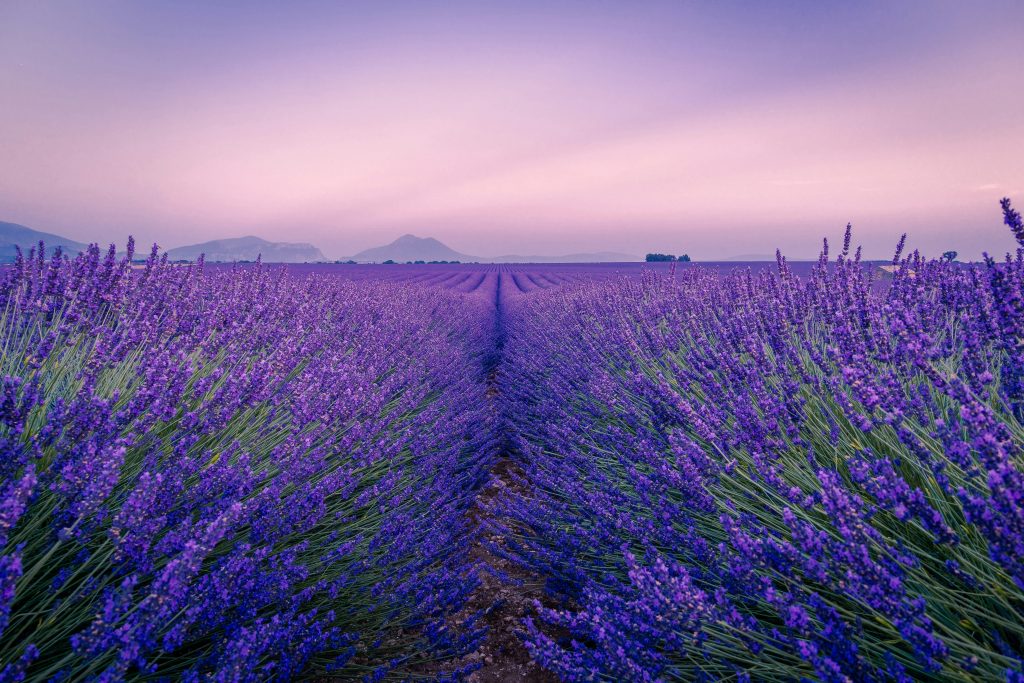
Lavender in Provence: When and Where to Go
One of the most common travel mistakes in Provence is arriving too early or too late for lavender.
Blooming period:
Lavender flowers from mid-June until the end of July. Shortly after, the fields are harvested.
Best location:
The Plateau de Valensole is the most famous lavender area in Provence.
It offers vast purple fields, iconic scenery, and unforgettable photo opportunities. Expect bees — they are everywhere and completely harmless.
The Most Beautiful Villages in Provence
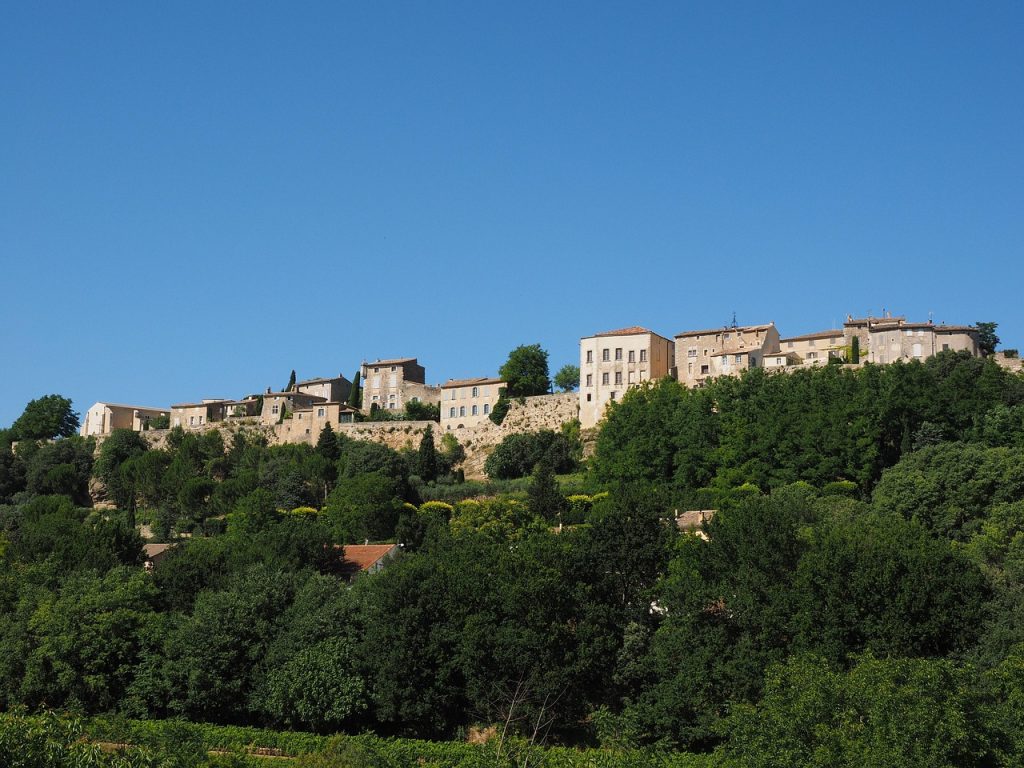
Provence is known worldwide for its hilltop villages, often listed among the most beautiful in France. Provence offers a strong contrast to larger cities in France, especially in terms of pace and atmosphere.
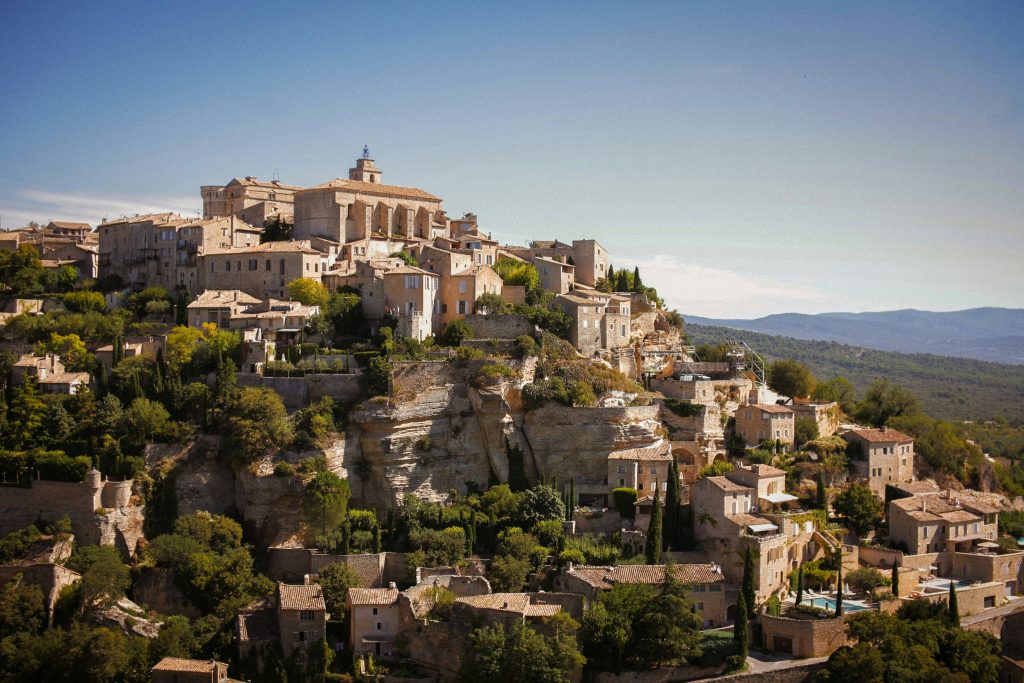
Gordes
Dramatically perched on a cliff, Gordes is one of the most photographed villages in the country. The golden stone glows beautifully at sunset.
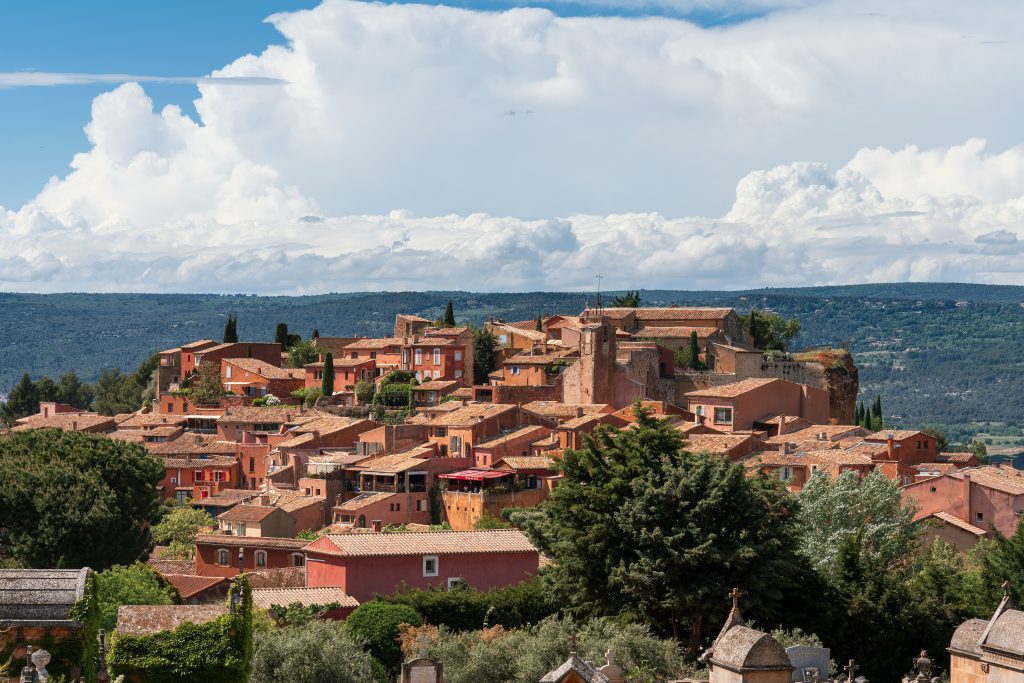
Roussillon
Famous for its ochre cliffs and red-orange landscapes. The village is surrounded by warm colors unlike anywhere else in France.
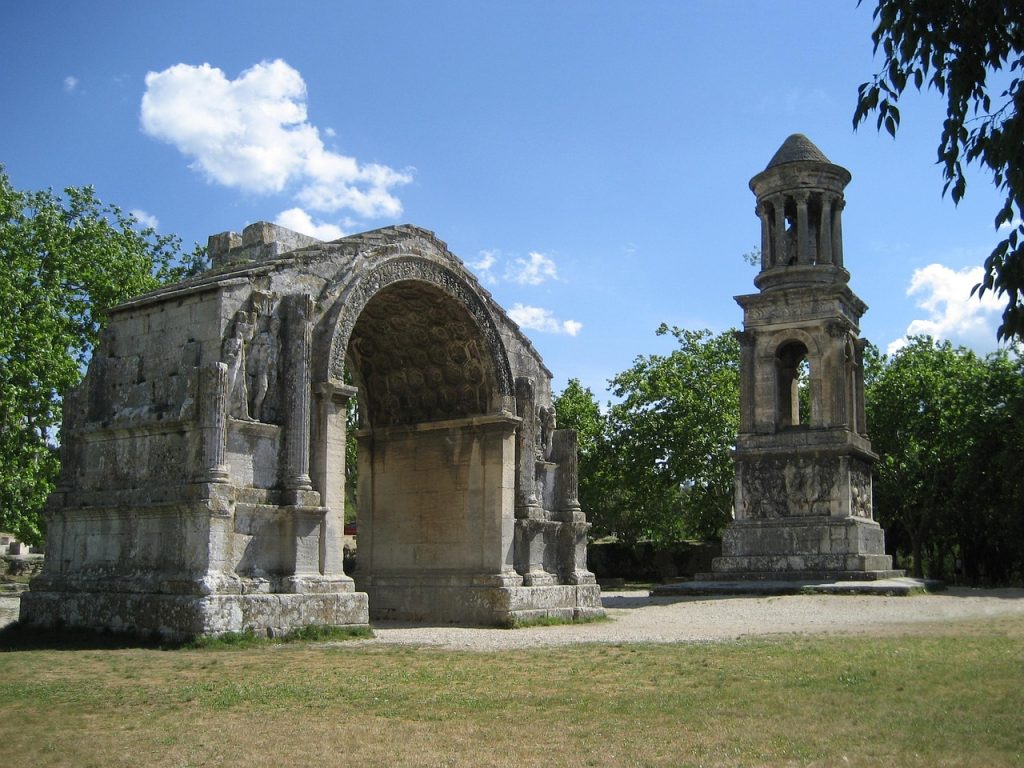
Saint-Rémy-de-Provence
A lively Provençal town where Vincent van Gogh created some of his most famous paintings. It combines culture, markets, and local life.
Luberon villages
Ménerbes, Bonnieux, Lacoste, and Oppède-le-Vieux represent classic rural Provence with narrow streets and panoramic views.
Rosé Wine Culture and Open-Air Markets
Rosé wine:
Provence is considered the global center of rosé wine production. Wine culture in Provence reflects the region’s climate and lifestyle, making it different from other parts of France.
The wine is light, refreshing, and perfectly suited to the hot climate.
Local markets:
Every village has a weekly market. Aix-en-Provence hosts one of the most famous.
Markets are the best place to buy lavender honey, olive oil, cheeses, herbs, and authentic regional products.
Avignon and the City of the Popes
Avignon played a central role in European history.
Palais des Papes:
During the 14th century, Avignon served as the seat of the Catholic Church.
The Papal Palace remains one of the largest medieval structures in Europe.
The city is surrounded by remarkably preserved medieval walls that are still visible today.
Gorges du Verdon: Europe’s Grand Canyon
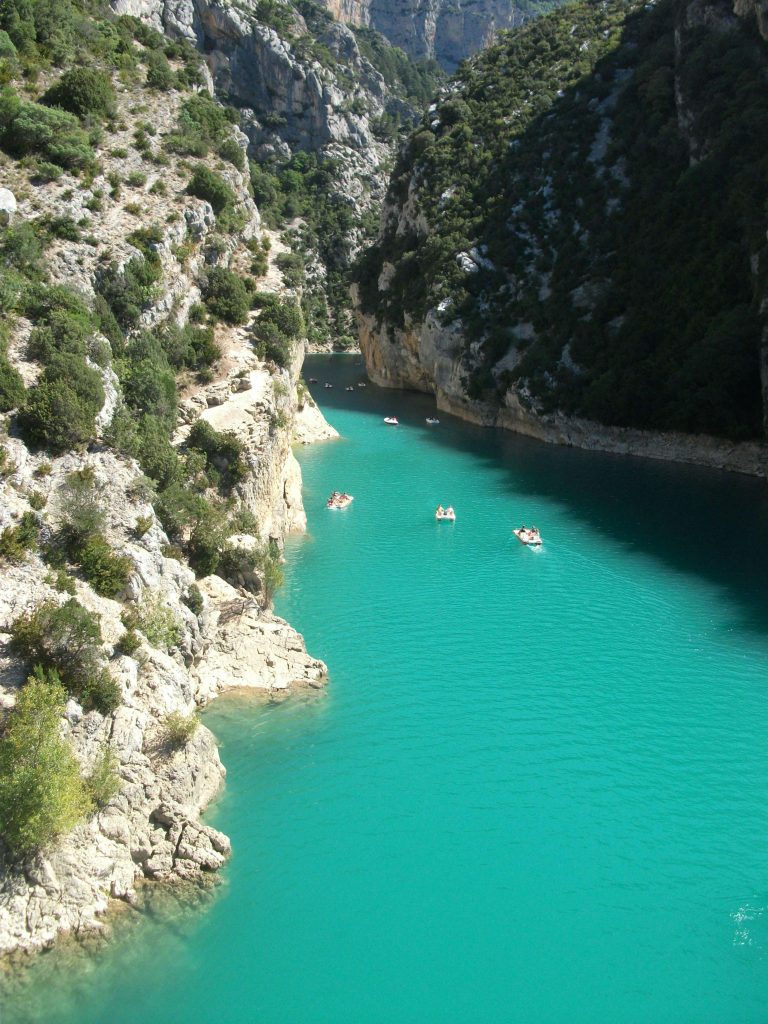
Gorges du Verdon is one of the most impressive natural landmarks in France.
Towering limestone cliffs surround a river with intense turquoise color.
Best way to explore:
Rent a kayak or pedal boat and navigate through the canyon. The experience is unforgettable and offers incredible views from below.
The Provençal Coast: Les Calanques
Between Marseille and Cassis lies one of France’s most dramatic coastlines. The coastline in this part of France offers a very different experience compared to inland Provence.
Les Calanques:
Narrow sea inlets with steep white cliffs and crystal-clear water.
Some calanques can only be reached after a 45-minute hike or by boat.
The most famous include En-Vau and Port-Pin.
Practical Travel Tips for Provence
Car rental is essential:
Most villages, lavender fields, and natural sights are unreachable by train. A car is necessary to explore the region properly. If you plan to explore more of France, high-speed trains connect Provence with Paris, Lyon, and the French Alps.
Siesta hours:
Between 13:00 and 16:00, many small towns slow down or close. Use this time for lunch or rest.
Mistral wind:
A strong, cool wind that can blow unexpectedly. Even on sunny days, carry a light jacket or long sleeves.
Insider Details That Define Provence
Savon de Marseille
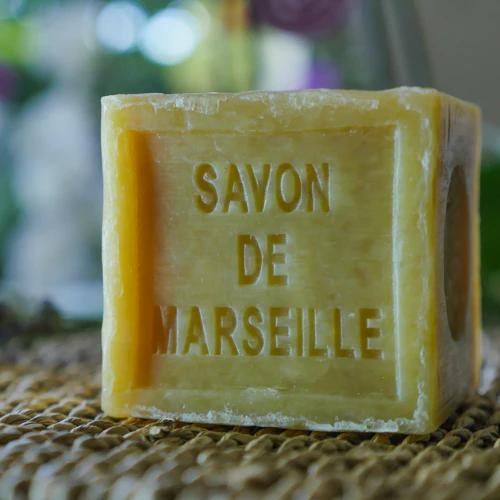
This traditional soap has been produced in the region for over 600 years.
Authentic Marseille soap contains at least 72% olive oil.
True versions are green or cream-colored and have a natural scent, not artificial fragrances.
Pétanque: The Game of Provence
Pétanque is played daily in village squares across Provence.
Locals play slowly, often with a glass of Pastis in hand. Watching a game is one of the best ways to understand Provençal life.
The Unique Light of Provence
Artists like Cézanne, Picasso, and Matisse were drawn to Provence for a reason.
The Mistral wind clears the air, creating sharper light and deeper blue skies than in most regions of Europe.
Herbes de Provence
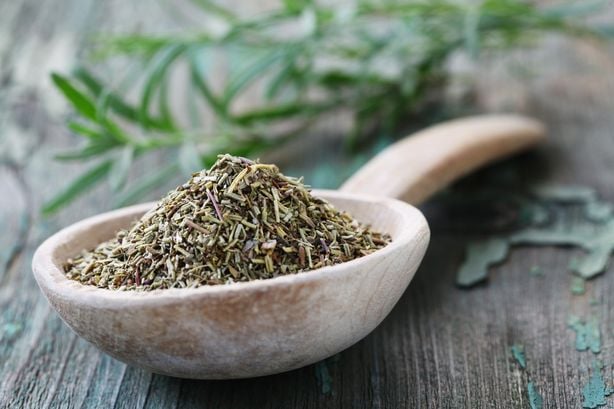
A classic culinary souvenir made from dried regional herbs.
Rosemary, thyme, oregano, and savory capture the scent and flavor of Provence and bring it home with you.
Sénanque Abbey
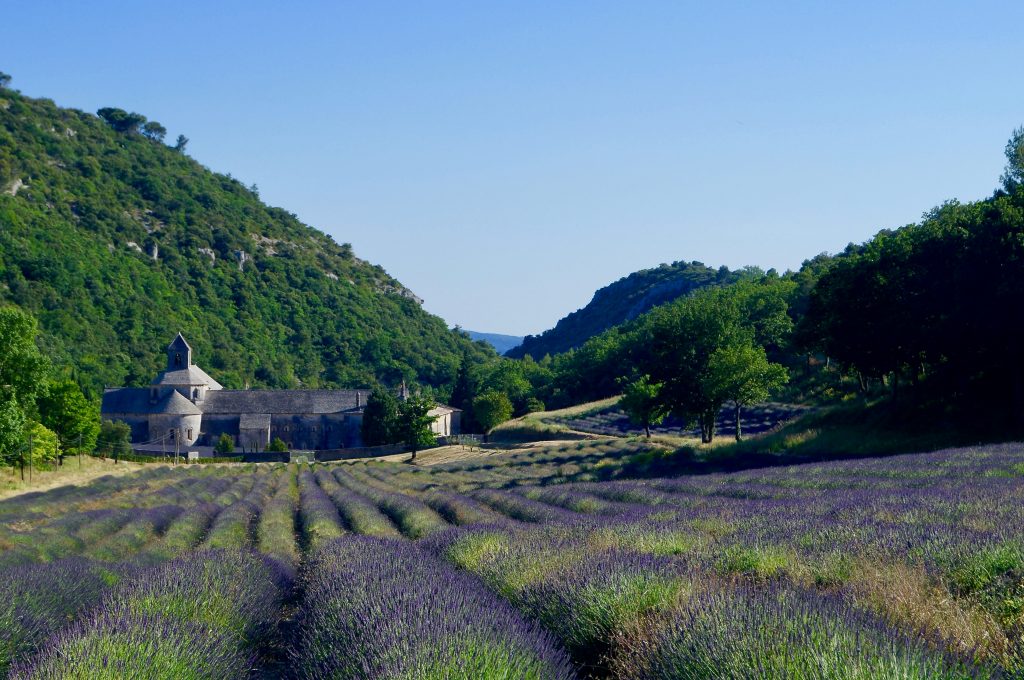
Near Gordes lies Sénanque Abbey, surrounded by lavender fields.
Monks still live and work here, producing lavender-based products.
The atmosphere is peaceful, quiet, and deeply connected to the land.
Provence Travel Guide: Where to Stay
Romantic stays:
Gordes, Bonnieux, Lourmarin
Budget-friendly bases:
Apt, Cavaillon, outskirts of Avignon
Luxury hotels:
Gordes and Saint-Rémy-de-Provence
Best central base:
Aix-en-Provence for easy access to villages and markets
Choosing the right location shapes your entire experience.
Provence Travel Guide: Traditional Food
Provençal cuisine is Mediterranean, fresh, and seasonal.
- Ratatouille
- Bouillabaisse (Marseille specialty)
- Tapenade
- Aïoli
- Socca
Meals rely on vegetables, olive oil, herbs, and seafood.
Day Trips from Provence
Provence is ideal for short regional trips.
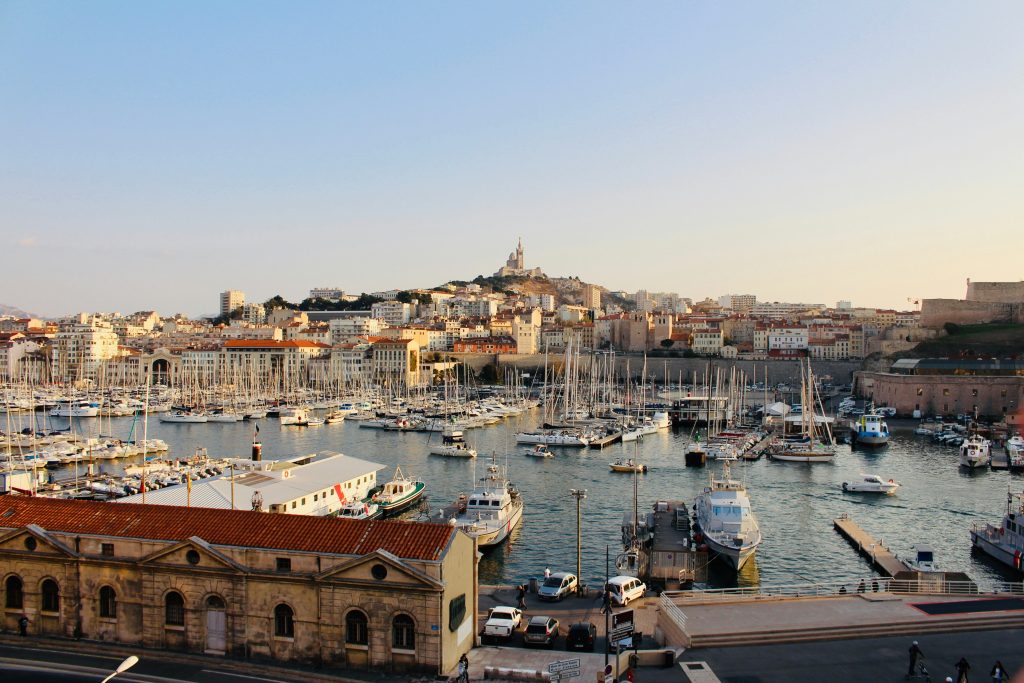
- Marseille for history and food
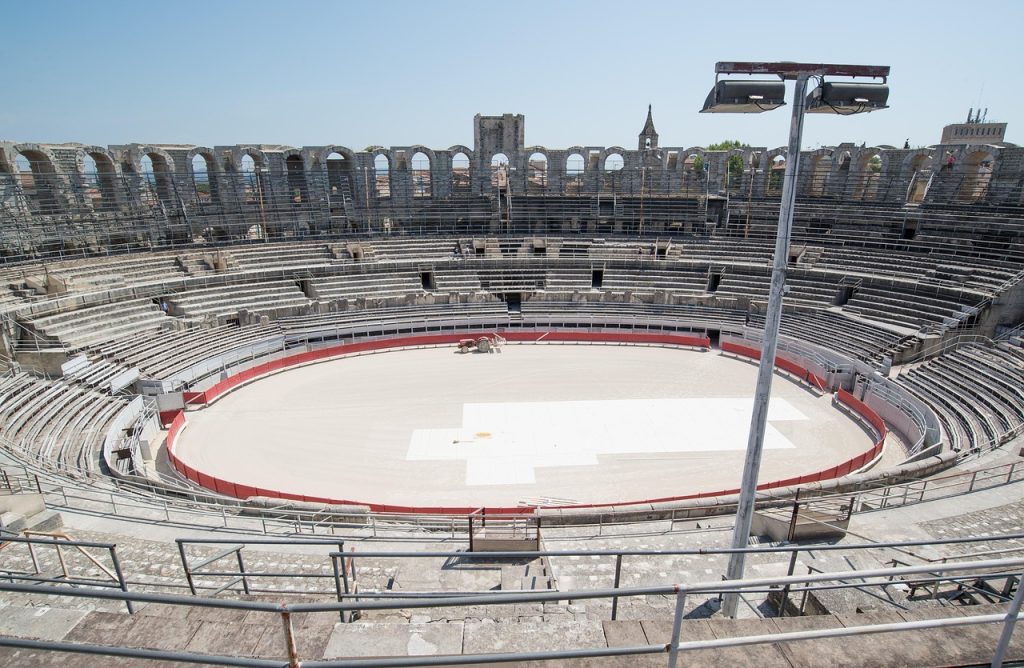
- Arles for Roman ruins and Van Gogh heritage
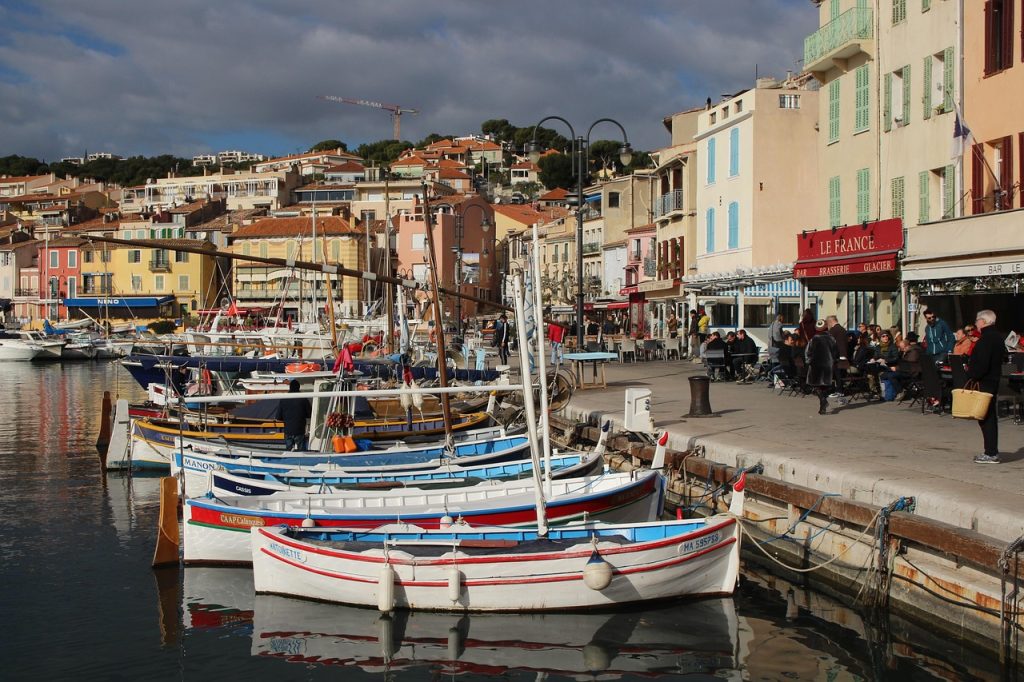
- Cassis for coastal scenery
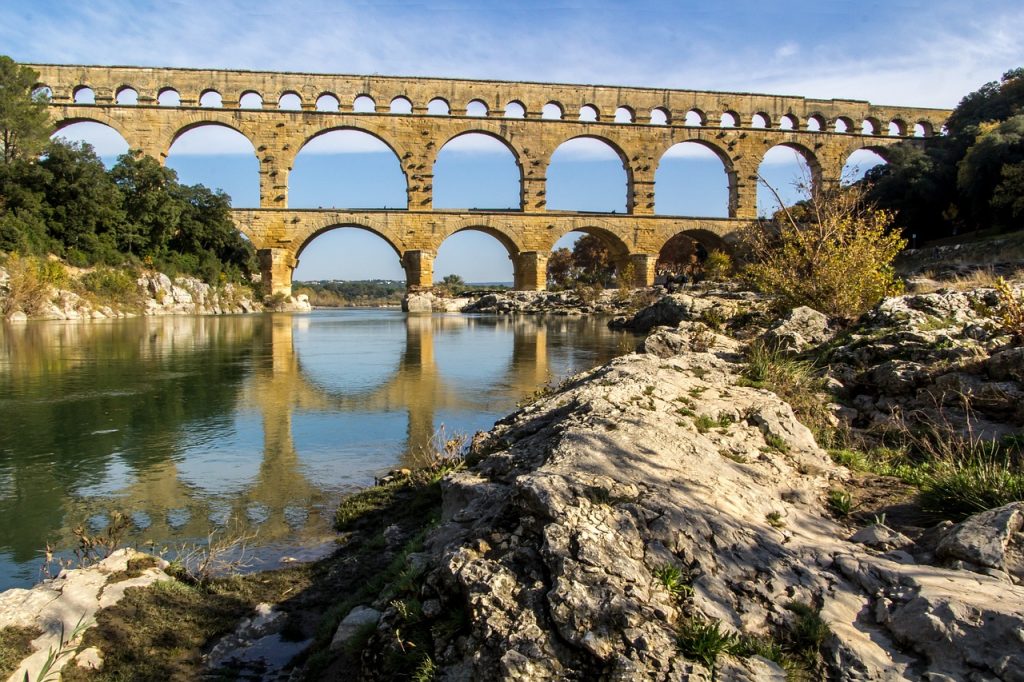
- Pont du Gard for Roman engineering
Most destinations are reachable within one to two hours. The region also allows access to other parts of southern France if you plan a longer trip.
Travel Costs in Provence
Accommodation per night:
- Budget: €50–80
- Mid-range: €100–160
- Boutique hotels: €200+
Food per day:
- Budget: €20–30
- Comfortable: €35–60
- Fine dining: €70+
Prices increase significantly in July and August.
Best Time to Visit Provence
- Spring (April–June): pleasant weather, fewer crowds.These months offer the best balance between weather, crowds, and overall experience.
- Summer (July–August): lavender season, very busy
- Autumn (September–October): harvest season, calmer pace
- Winter: quiet villages, limited tourism
Common Travel Mistakes
- Missing lavender season
- Staying in only one village
- Not renting a car
- Rushing through the region
- Skipping local markets
FAQ: Provence Travel
Is Provence expensive?
It can be, but choosing smaller villages and avoiding peak summer lowers costs.
Is a car necessary?
Yes. Public transport does not reach most highlights.
How long should you stay?
Five to seven days is ideal, ten days allows relaxed exploration.
Explore More France Travel Guides
If you are planning a broader trip across France, these guides may help:
- France Travel Guide
- Paris Travel Guide
- Lyon Travel Guide
- Monaco Travel Guide
- French Alps Travel Guide
More Mediterranean Destinations
If you enjoy Mediterranean landscapes, coastal towns, and strong food cultures, these destinations may also interest you:
- Italy Travel Guide
- Amalfi Coast Travel Guide
- Sardinia Travel Guide
- Spain Travel Guide
- Barcelona Travel Guide
Travel conditions, prices, opening hours, and accessibility in Provence can vary depending on the season and local conditions, so it is always recommended to check current information before planning your trip.
Final Thoughts
Provence is best experienced without rushing.
It is a region where small details — markets, villages, landscapes, and everyday routines — shape the overall experience.
Taking more time and moving slower often makes the trip far more enjoyable than trying to see everything at once.