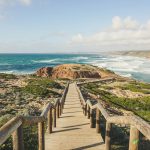
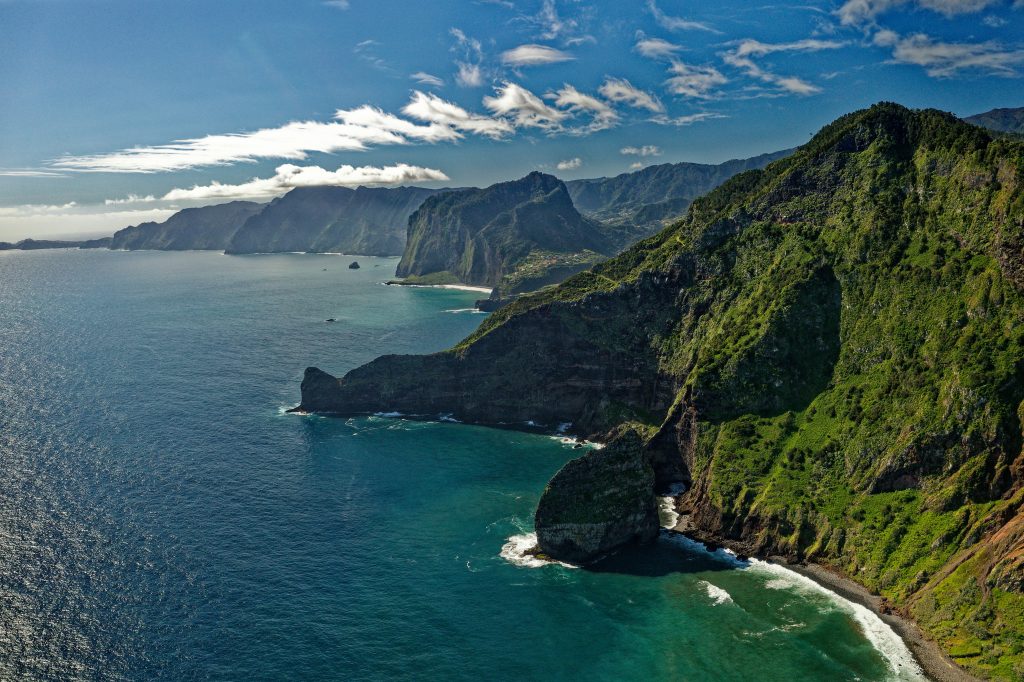
Madeira Travel Guide:explores an island defined by dramatic coastline, volcanic formations, and powerful Atlantic scenery rather than conventional resort life. Rising from the ocean with steep cliffs, black sand shores, and lava-sculpted swimming pools, Madeira offers a coastal experience shaped entirely by nature.While mainland Portugal destinations like Lisbon, Porto, and the beaches of the Algarve attract most travelers, Madeira offers a completely different Atlantic island experience.
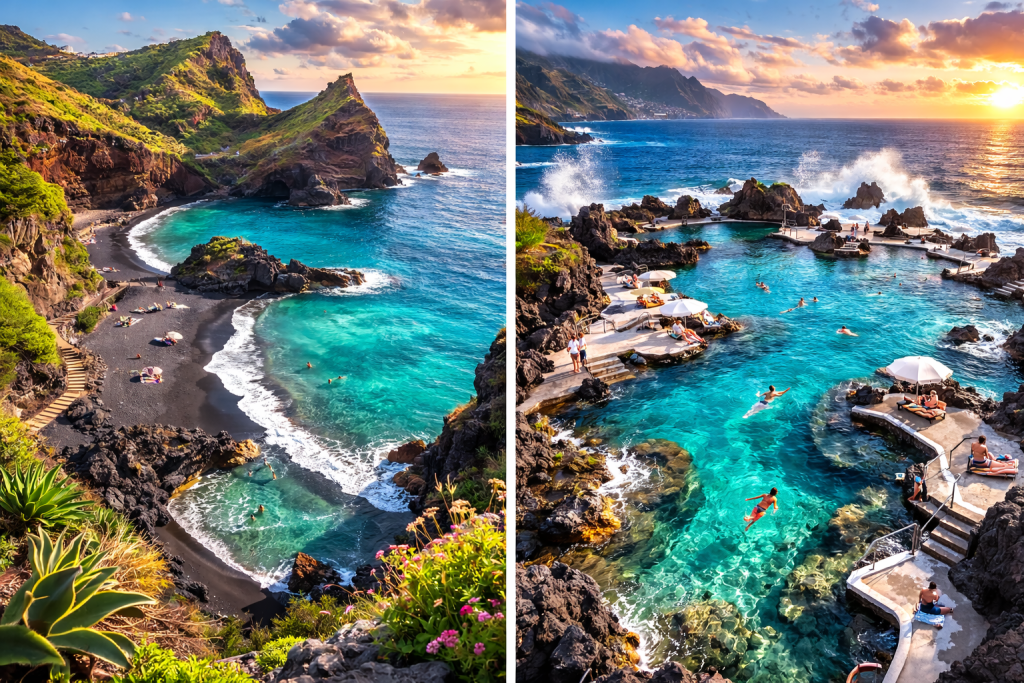
From Seixal’s dark volcanic beach to the golden sand of Calheta and the lava pools of Porto Moniz, the island blends rugged terrain with safe, swimmable Atlantic access in carefully protected natural formations. Unlike flat beach destinations, Madeira’s coastline is vertical, cinematic, and constantly changing with tides and light.
This Madeira Travel Guide: Beaches & Natural Pools covers where to swim, which beaches are best for sunbathing, how tides affect access, ocean safety tips, transport advice, and how to experience Madeira’s coastal landscape properly — beyond the obvious viewpoints.
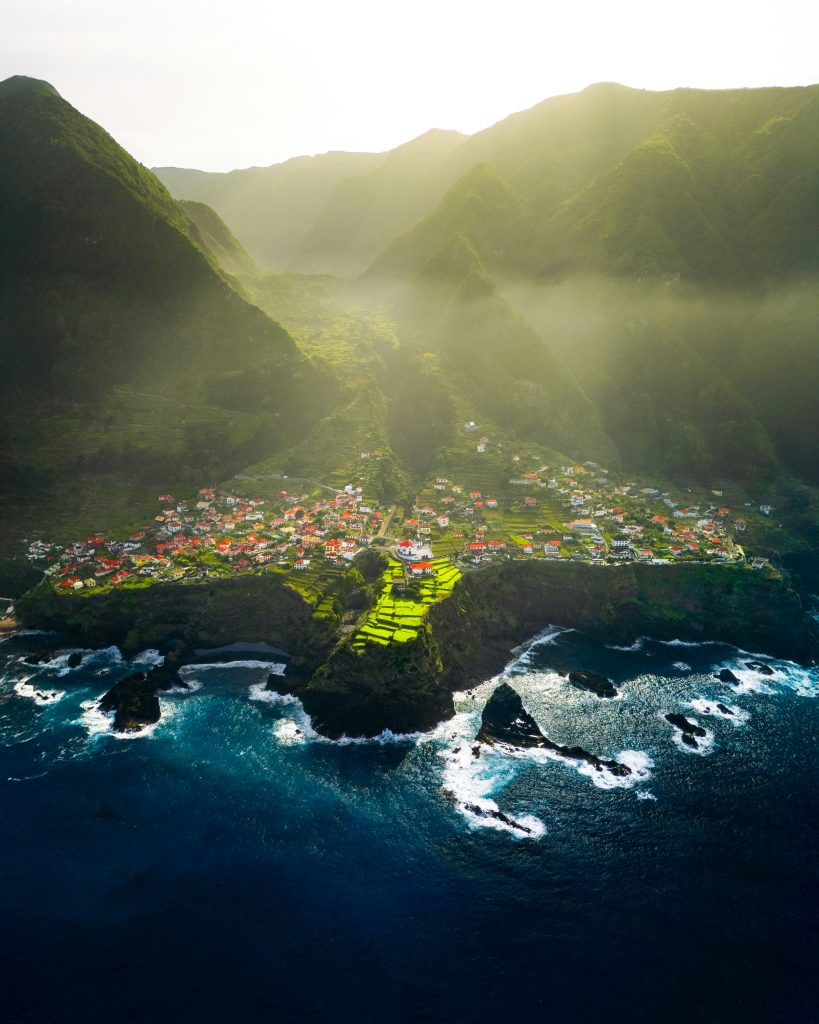
Why Visit Madeira?
Madeira stands out for its landscapes rather than resorts.
Here you’ll find:
- Volcanic cliffs rising above deep blue ocean
- Ancient cloud forests
- Year-round mild weather
- Some of Europe’s most scenic hikes
- Natural lava swimming pools
- Whale and dolphin watching
It is ideal for hikers, photographers, couples, road-trippers, and digital nomads.Travelers exploring Portugal often combine Madeira with mainland destinations such as Lisbon or Porto for a balanced itinerary.
How to Get to Madeira
Cristiano Ronaldo International Airport (FNC)
Madeira’s international airport is located near Funchal and operates year-round connections to major European cities.
From the airport you can:
- Rent a car (recommended)
- Take an airport shuttle
- Use public buses
- Book a private transfer
Getting Around Madeira
Do You Need a Car in Madeira?
Yes, in most cases.
The island is steep and mountainous. Many viewpoints, beaches, and hiking trailheads are difficult to reach by bus.
A rental car allows:
- Sunrise flexibility
- Full island loop exploration
- Access to remote coastlines
What Car Should You Choose?
Select a vehicle with adequate engine power. Madeira’s roads include sharp inclines and tight curves. Automatic transmission is recommended for comfort.
Public transport connects main towns, but it limits your schedule.
Best Things to Do in Madeira
Levadas
Historic irrigation channels with walking paths alongside them. There are hundreds of kilometers of marked levada trails through valleys, forests, and waterfalls.
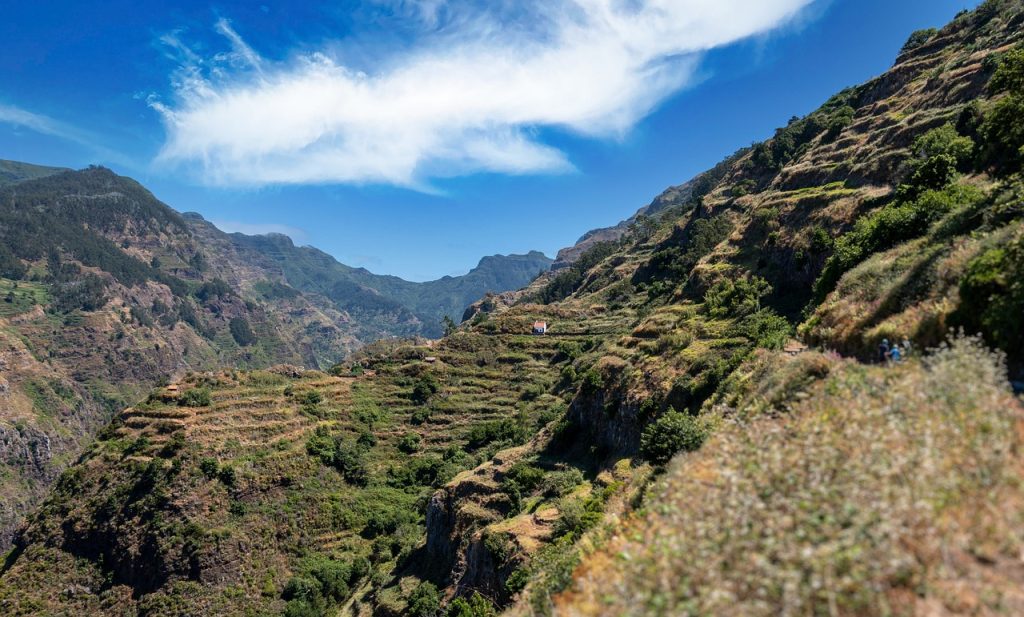
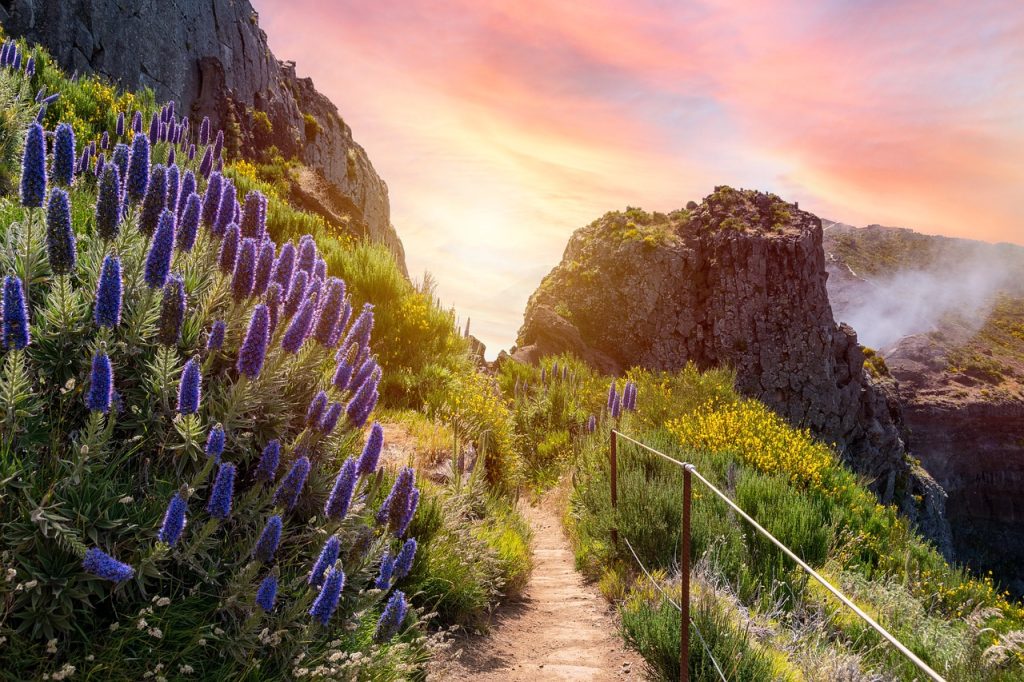
Pico do Arieiro to Pico Ruivo
The island’s most famous hike connecting the two highest peaks. Expect dramatic ridgelines and cloud inversions. Requires good fitness and proper footwear.
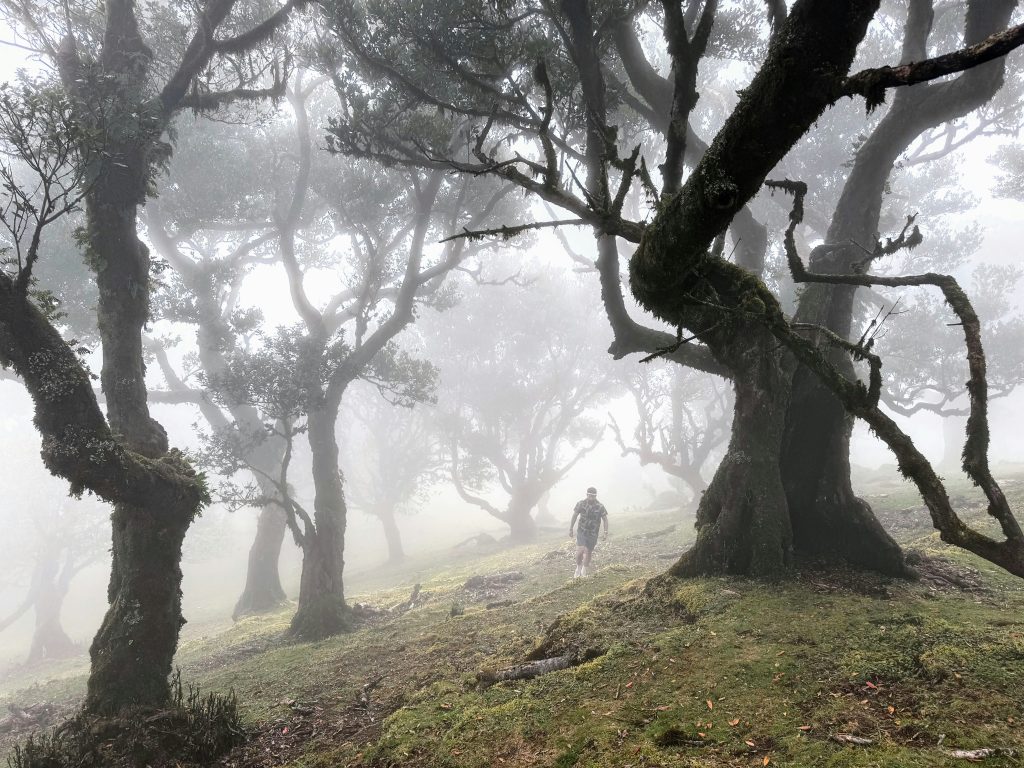
Fanal Forest
Part of Madeira’s protected Laurisilva forest, known for twisted trees and frequent mist.
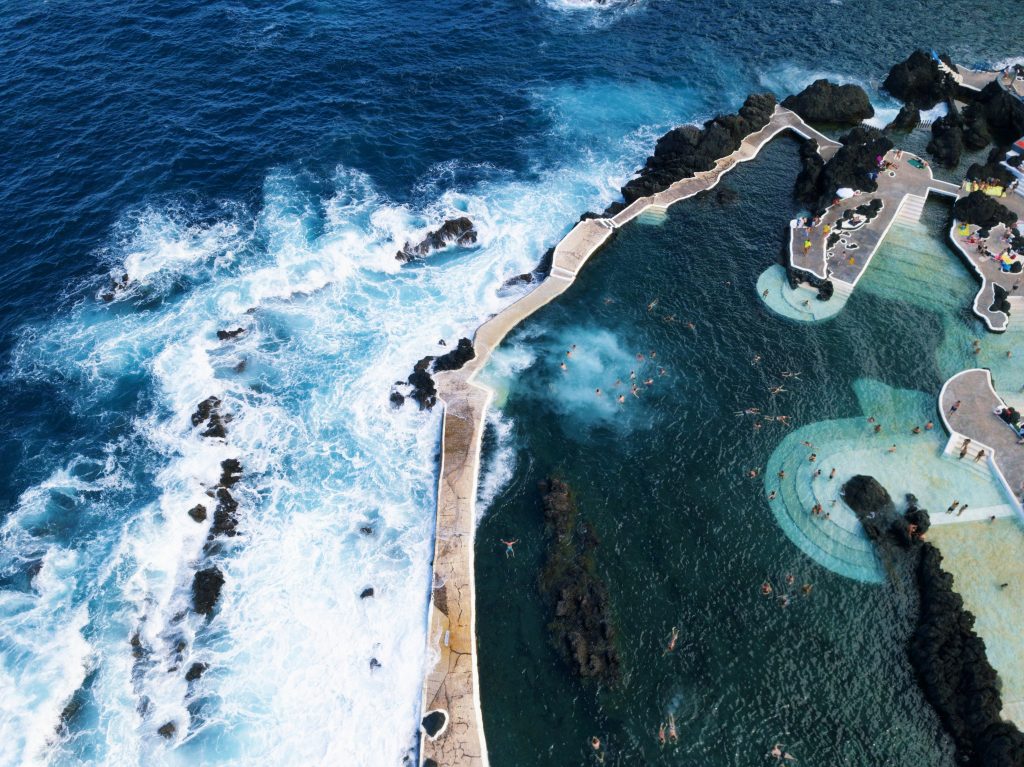
Porto Moniz Natural Swimming Pools
Volcanic lava pools filled with Atlantic seawater — the safest place to swim on the island.
Whale & Dolphin Watching
Madeira’s surrounding waters host over 20 marine species.If you enjoy island landscapes, other dramatic coastal destinations include the volcanic Canary Islands and the Mediterranean scenery of the Balearic Islands.
Tours depart daily from Funchal and Calheta. Dolphins are visible year-round, with whale sightings more common in spring and summer.
Madeira Itinerary Ideas
3 Days
Day 1 – Funchal + Cabo Girão
Day 2 – Pico do Arieiro sunrise + Levada
Day 3 – Porto Moniz + Fanal
5 Days
Add Santana traditional houses and east coast viewpoints.
7 Days
Complete a full island road trip including Ponta de São Lourenço, Seixal, Ponta do Sol, and west coast miradouros.
Where to Stay in Madeira
Funchal
Best for first-time visitors and easy access to restaurants and tours.
Porto Moniz
Quiet base near natural pools.
Calheta
One of the sunniest areas with a sandy beach.
Ponta do Sol
Small coastal town popular with digital nomads.Travelers who enjoy scenic coastal regions may also consider Mediterranean destinations such as the Amalfi Coast, Sicily, or Sardinia.
Madeira Travel Guide: Beaches & Natural Pools
- Seixal – natural black sand
- Calheta – artificial golden sand
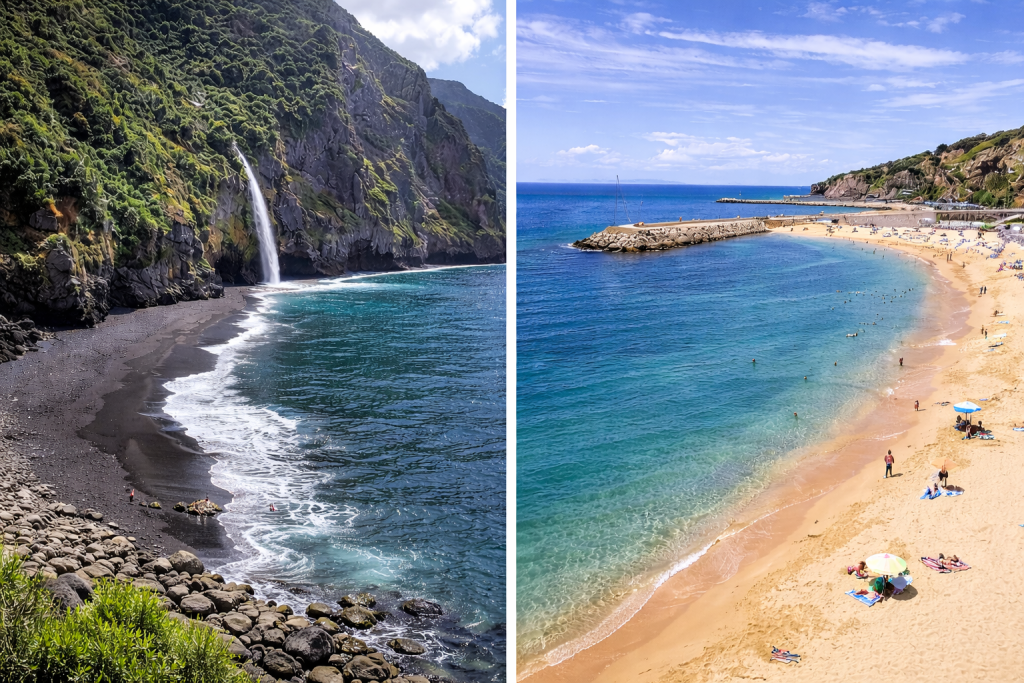
- Prainha – small hidden cove
- Porto Moniz – lava pools
For natural golden sand, visit Porto Santo island by ferry.
Traditional Food in Madeira (What to Eat)
Madeira’s cuisine is simple, local, and shaped by the ocean.
Espetada – grilled beef skewers cooked over bay wood. The island’s most famous dish.
Bolo do Caco – warm flatbread with garlic butter.
Espada com Banana – black scabbardfish served with banana, a local specialty.
Poncha – traditional sugarcane rum drink with citrus and honey.
Madeira Wine – historic fortified wine produced on the island.
Best Photo Spots in Madeira
- Pico do Arieiro (sunrise above clouds)
- Ponta de São Lourenço (dramatic cliffs)
- Seixal beach (black sand contrast)
- Fanal Forest (misty trees)
- Cabo Girão (vertical cliff views)
Travel Costs in Madeira
Budget hotel: €60–120 per night
Mid-range hotel: €130–250 per night
Car rental: €30–60 per day
Daily food budget: €30–70
Coffee: €1–2
Beer: €2–3
Dinner for two: €40–70
Fuel: ~€1.70 per liter
Estimated 5-day mid-range trip: €800–1,200 per person excluding flights.
Climate & Best Time to Visit
Madeira has microclimates. The south is often sunny while the north may be rainy.
Best months: May, June, September.These months are also ideal for exploring southern European destinations such as Spain, Italy, and Portugal.
Warmest: July and August.
Winter: Mild but wetter.
Layered clothing is recommended year-round.
Tides & Ocean Conditions
Atlantic water temperatures range from 18–24°C depending on season.
Tides change during the day and can affect rocky areas and sea access.
Ocean currents can be strong. Always respect beach flags and swim in designated areas. Lava pools remain the safest option.
Common Mistakes to Avoid
- Renting an underpowered car
- Ignoring weather forecasts in the mountains
- Starting hikes too late
- Staying only in Funchal
- Underestimating ocean currents
Health & Safety
Madeira is considered very safe.
Healthcare services are reliable. EU travelers can use the European Health Insurance Card.
Most risks are nature-related rather than crime-related.
Madeira vs Azores
Madeira offers dramatic cliffs, easier transport access, and warmer weather.
The Azores are more volcanic and remote.
For first-time island travel, Madeira is generally simpler.
Frequently Asked Questions
Is Madeira worth visiting?
Yes — especially for scenery and hiking.
How many days do you need?
4–7 days is ideal.
Is Madeira expensive?
Moderate compared to other European islands.
Do you need a car?
Yes, for full flexibility.
Can you swim in Madeira?
Yes, mainly in lava pools and protected areas.
Explore Portugal Travel Guides
If you are planning a broader trip through Portugal, these guides may help:
More Island Destinations in Europe
If you enjoy dramatic coastlines and island landscapes, these destinations may inspire your next trip:
- Canary Islands Travel Guide
- Balearic Islands Travel Guide
- Sicily Travel Guide
- Sardinia Travel Guide
- Amalfi Coast Travel Guide
Final Thoughts
Madeira is a destination built on landscape, not nightlife.
For travelers seeking volcanic cliffs, high-altitude trails, Atlantic horizons, and mild weather throughout the year, Madeira stands as one of Europe’s most compelling island escapes — defined by raw scenery, elevation, and constant movement between sea and sky.This Madeira Travel Guide is designed to help you explore the island realistically and understand its terrain, weather, and ocean conditions.