
Introduction
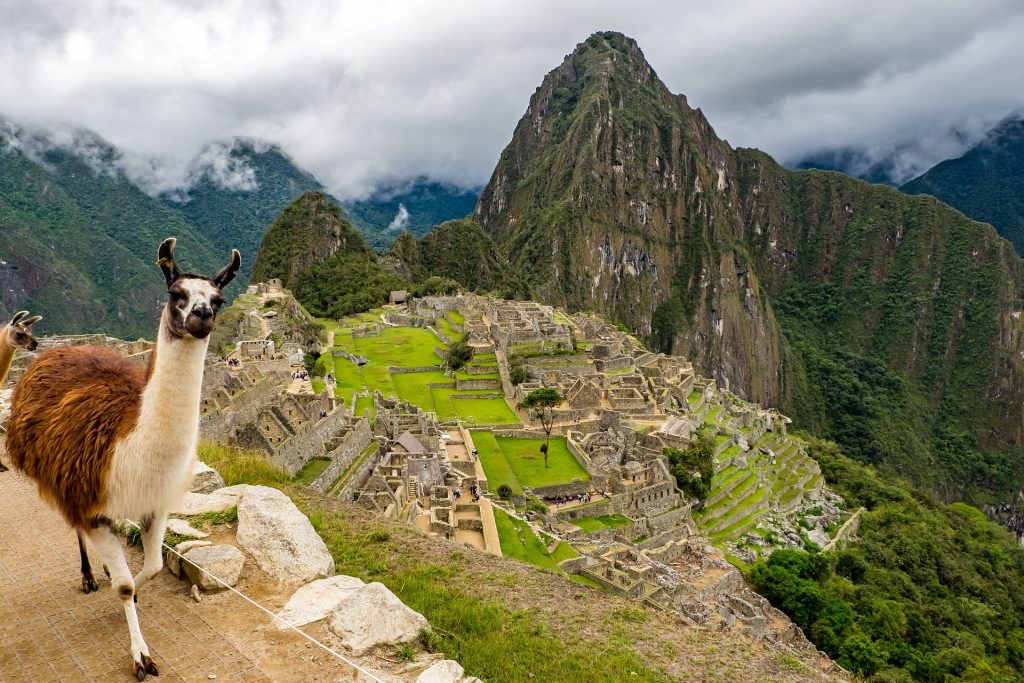
Peru is one of those places that feels different the moment you arrive. It’s not just about the famous landmarks — it’s about the contrast between landscapes, cultures, and experiences.
Before visiting Peru, I expected to focus mostly on Machu Picchu. But what surprised me the most was how much more there is beyond it.
Here are the things you should know before visiting Peru.
If you’re planning a bigger trip, you can also explore destinations like Mexico, Thailand, or Bali.
It’s More Diverse Than You Expect
Peru is not just one type of destination. You’ll find mountains, deserts, jungles, and cities that all feel completely different from each other.
This means your experience can change a lot depending on where you go.
Few destinations offer this level of diversity, although places like Morocco or Vietnam also provide a mix of landscapes and cultures.
Altitude Can Affect You
One of the biggest things people underestimate is the altitude, especially in places like Cusco.
You might feel tired, dizzy, or short of breath, even if you’re normally active.
Tip:
Take it slow on your first days and give your body time to adjust.
Hiking in Peru
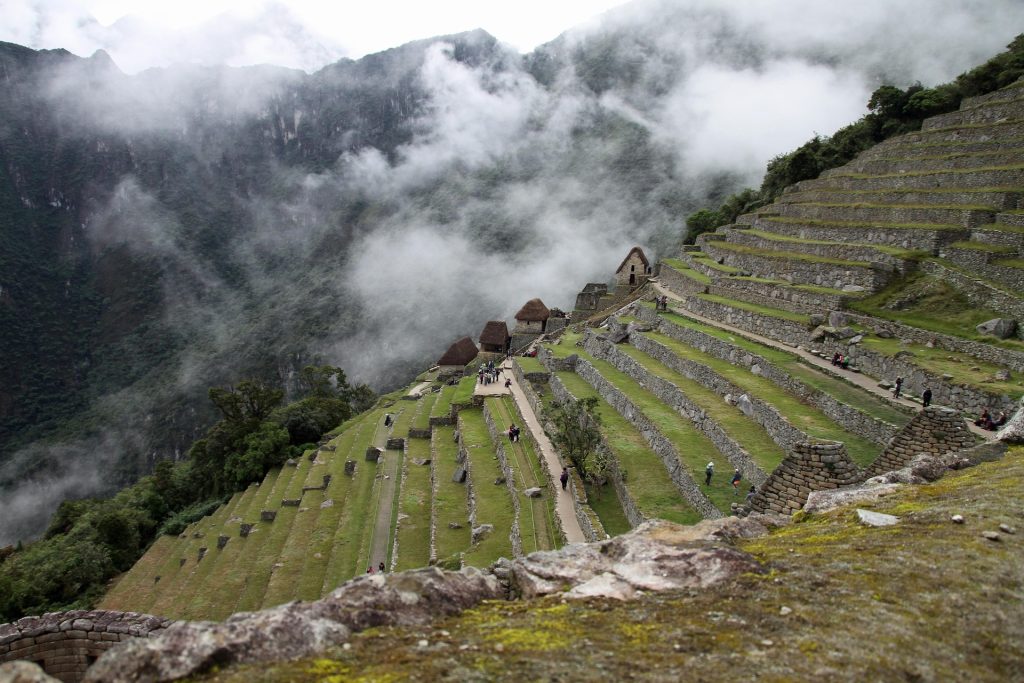
Peru is one of the best places for hiking, especially around the Andes.
The Inca Trail is one of the most famous routes, but there are many other trails with incredible views.
If you enjoy scenic hikes, you might also like destinations such as the Norway Fjords or Madeira.
Machu Picchu Is Not the Only Highlight
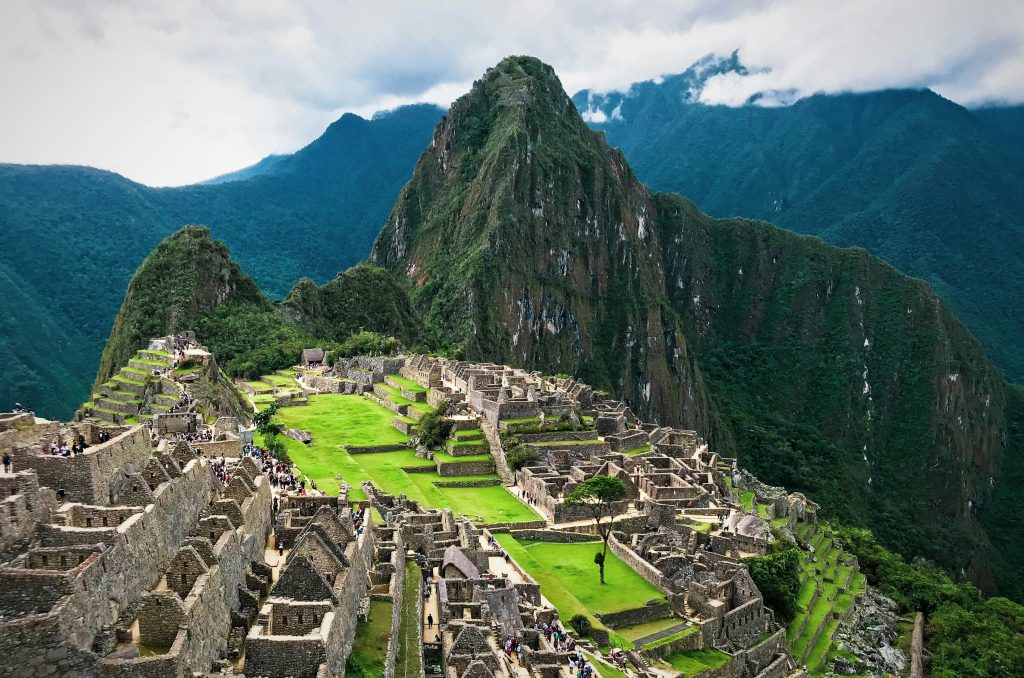
While Machu Picchu is incredible, it’s not the only reason to visit Peru.
There are many other places that offer just as memorable experiences, often with fewer crowds.
Machu Picchu Planning
Visiting Machu Picchu requires planning in advance. Tickets can sell out quickly, especially during peak season.
There are different types of tickets and entry times, so it’s important to choose the right one.
Tip:
Book your tickets early and plan your visit ahead of time to avoid missing out.
Best Places to Visit in Peru
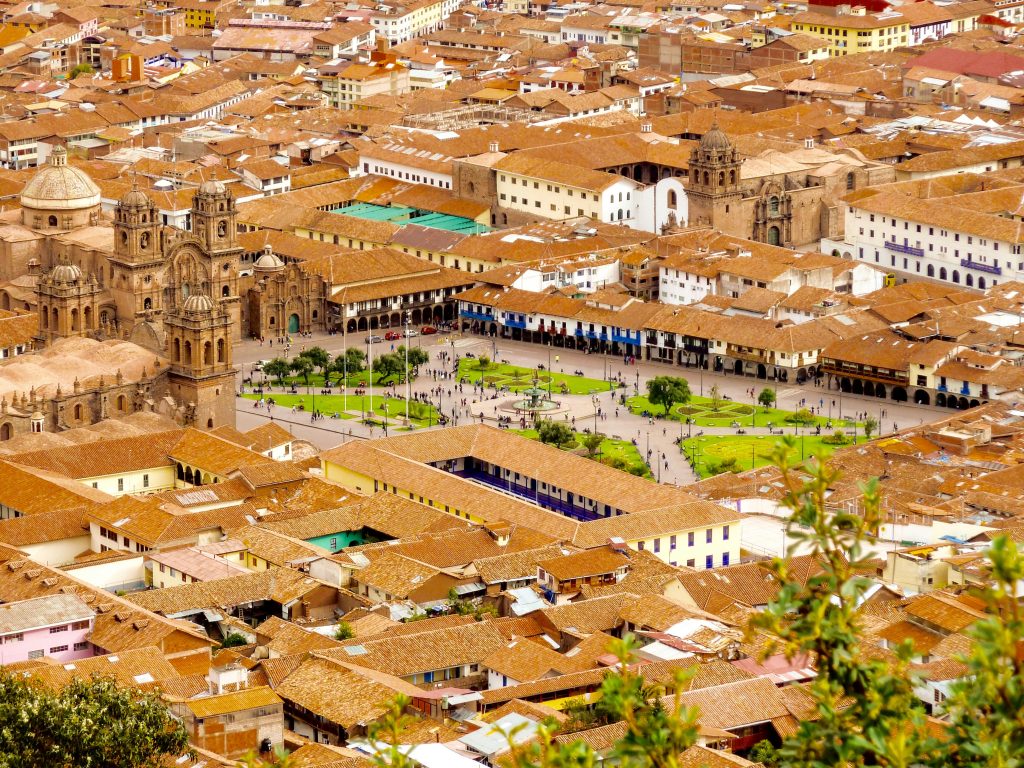
While Machu Picchu is the most famous attraction, there are several other places worth exploring.
- Cusco – cultural and historical center
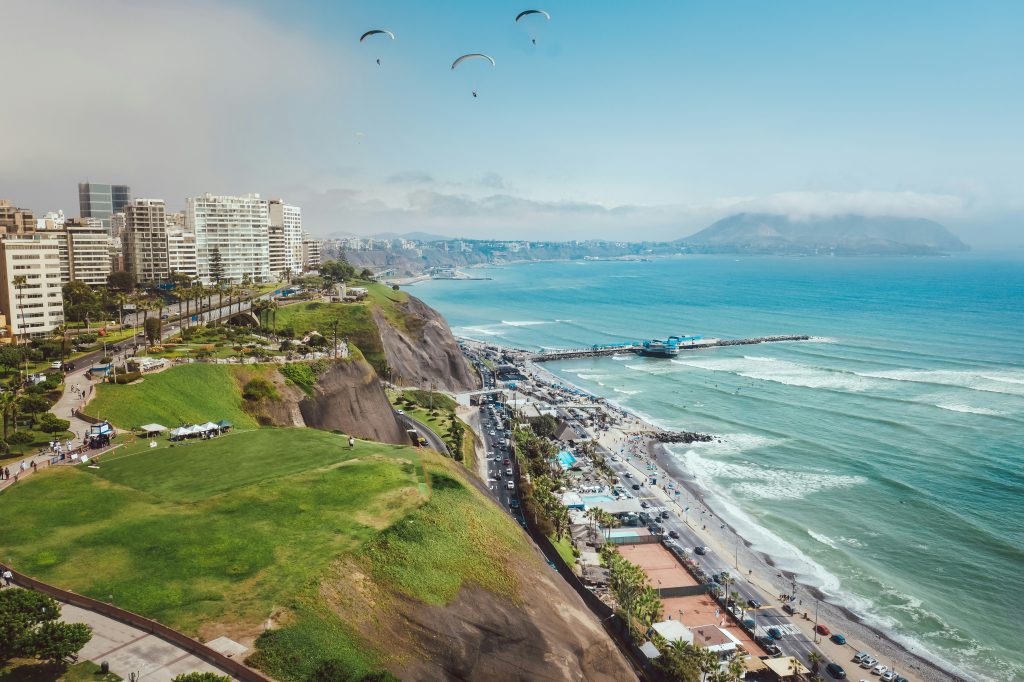
- Lima – capital city with amazing food
- Sacred Valley – scenic landscapes and history
- Arequipa – colonial architecture
- Lake Titicaca – unique cultural experience
These places offer different perspectives of the country.
If you enjoy exploring cultural cities, you can also visit places like Rome, Paris, or Kyoto.
Rainbow Mountain Experience
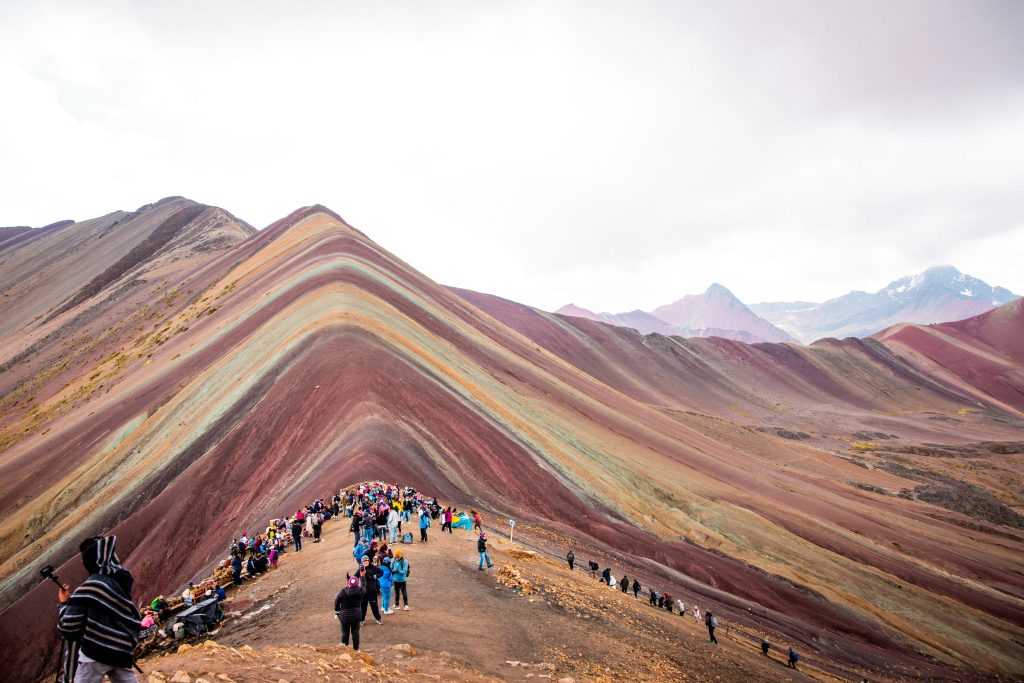
One of the most surreal places in Peru is Rainbow Mountain. The colors look almost unreal, but getting there is not easy.
The hike is challenging, especially because of the altitude, but the view at the top makes it worth it.
Tip:
Go early and be prepared for cold weather and high altitude.
Unexpected Landscapes
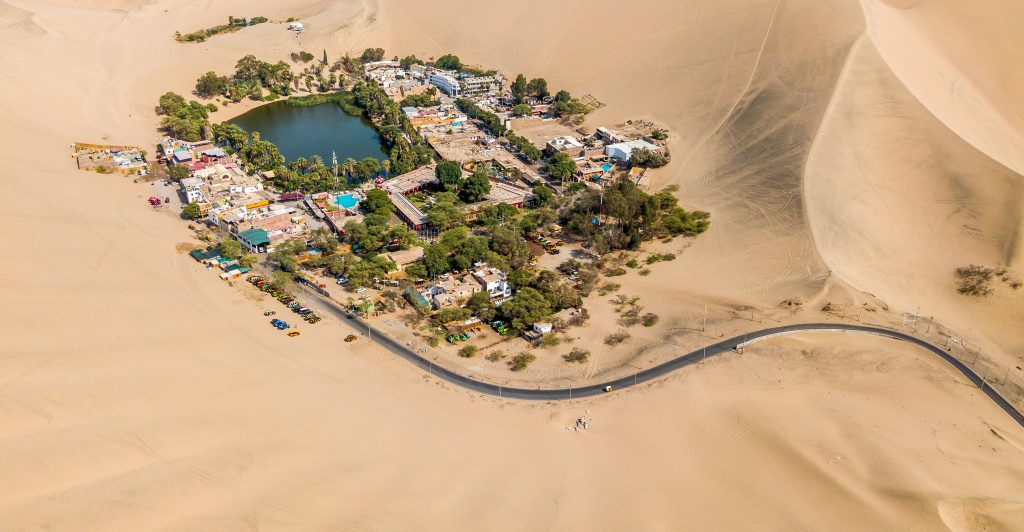
Many people don’t expect deserts in Peru, but places like Huacachina offer completely different scenery.
You can even try activities like sandboarding or dune buggy rides.
For similar unique landscapes, you might also enjoy places like Iceland or the Canary Islands.
Getting Around Takes Time
Distances in Peru can be longer than they look on the map. Roads, terrain, and travel conditions can make journeys slower than expected.
Planning fewer destinations and staying longer in each place usually works better.
Transportation in Peru
Getting around Peru is not always as simple as it looks on the map. Distances are big, and travel times can be longer than expected.
Flights are the fastest way to move between major cities like Lima, Cusco, and Arequipa. Buses are more affordable and widely used, but long journeys can take many hours.
In cities, taxis and ride apps are common, but it’s better to use trusted options instead of random street taxis.
Tip:
Plan your routes in advance and avoid scheduling too many long travel days back to back.
Compared to Peru, getting around in places like Dubai or Amsterdam is usually much easier.
Night Travel in Peru
Night buses are a common way to travel long distances in Peru. They can save time and money, but the experience can vary depending on the company.
Tip:
Choose reputable bus companies and avoid the cheapest options.
Money and Payments
Peru is still a mix of cash and card payments. In larger cities, cards are widely accepted, but in smaller towns and local markets, cash is often preferred.
ATMs are easy to find in cities, but not always in remote areas.
Tip:
Always carry some cash, especially when traveling outside major tourist areas.
Visa Requirements for Peru
Visa requirements for Peru depend on your nationality. Many travelers can enter Peru without a visa for short stays, usually up to 90 days.
However, entry rules can change, so it’s always best to check official requirements before traveling.
Tip:
Make sure your passport is valid for at least six months before your trip.
Language Barrier
Spanish is the main language in Peru, and in many places, especially outside tourist areas, English is not widely spoken.
This can make simple things like ordering food or asking for directions a bit challenging.
Tip:
Learning a few basic Spanish phrases can make your experience much smoother.
Local Culture and Etiquette
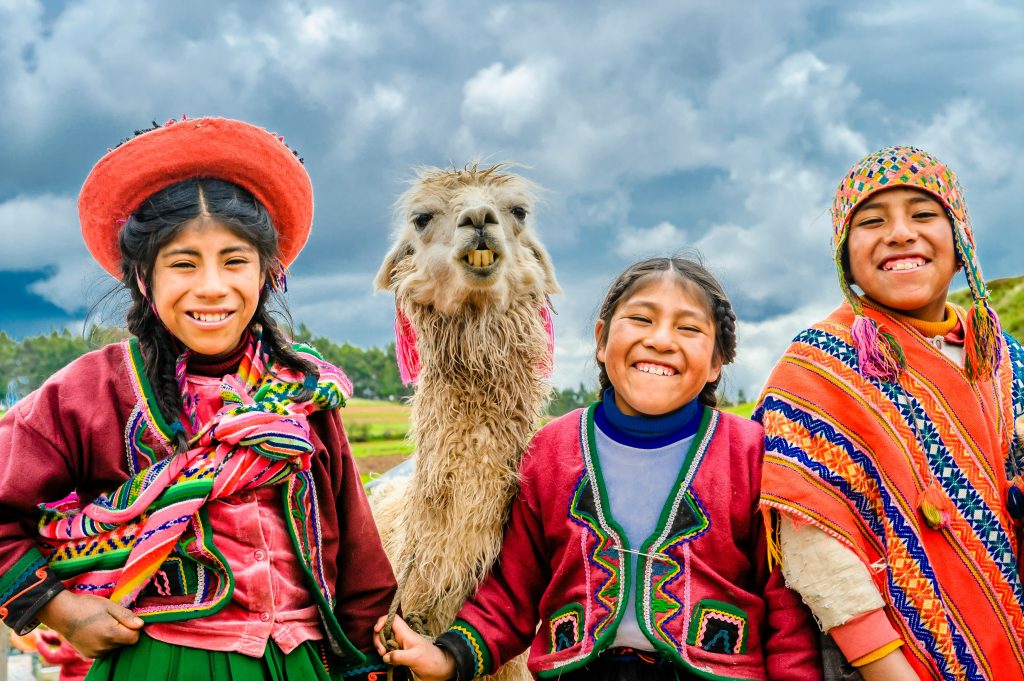
Peru has a strong cultural identity, especially in traditional regions. You’ll notice differences in lifestyle, clothing, and daily routines.
Respecting local customs goes a long way, especially in smaller towns and rural areas.
Tip:
Be polite, patient, and open to different ways of life.
Llamas and Alpacas
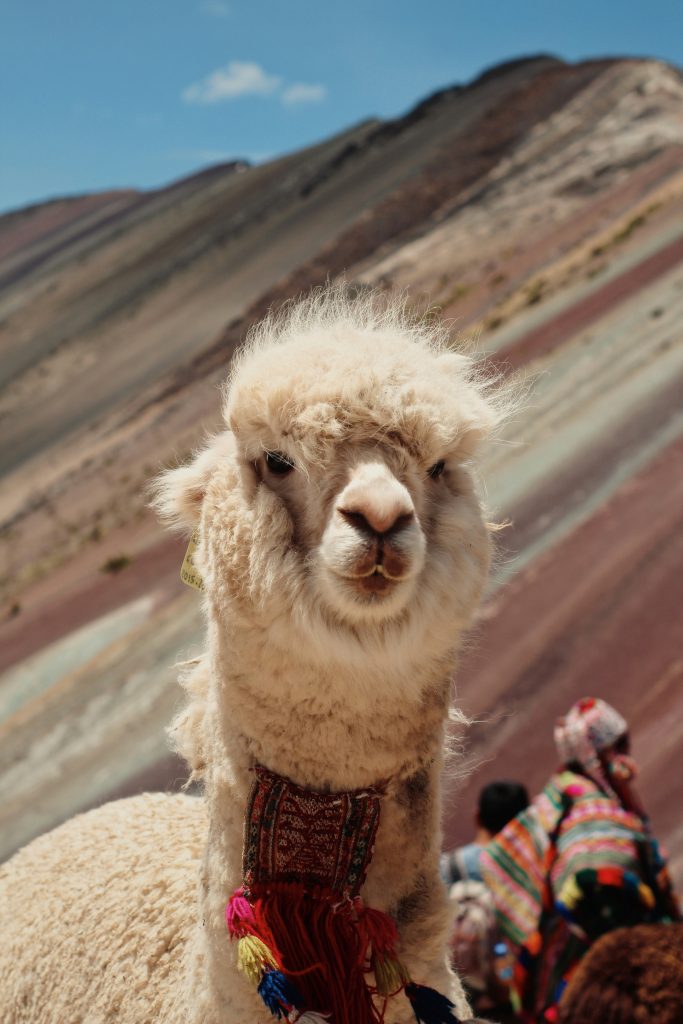
Peru is famous for its llamas and alpacas. You’ll see them in many places, especially in mountain regions.
They’re not just part of the landscape — they’re part of the culture.
The Food Is a Big Part of the Experience
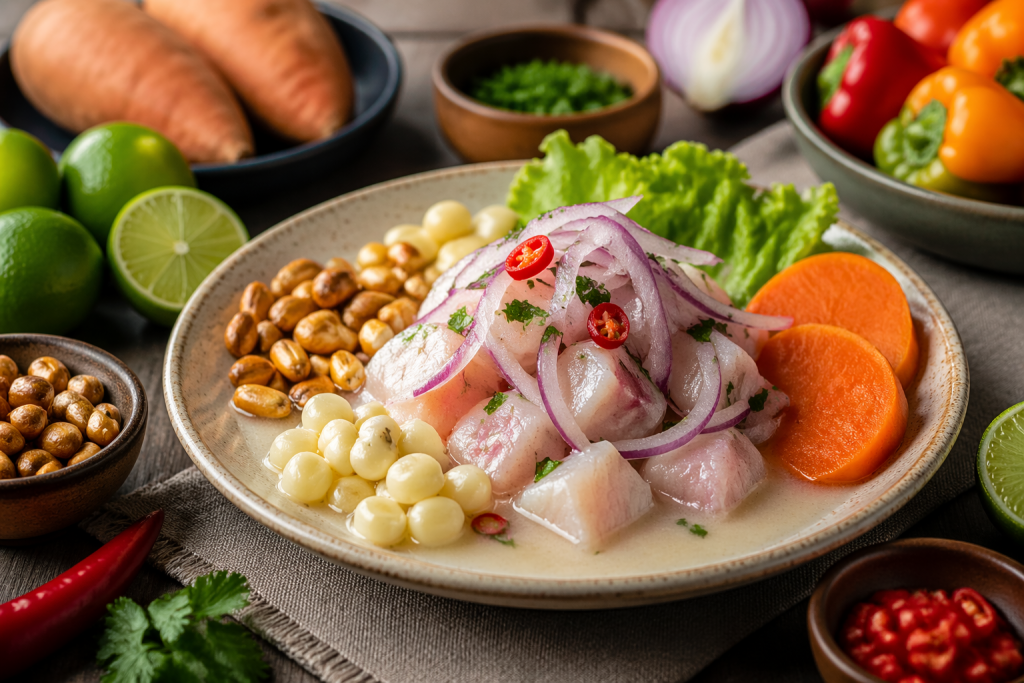
Peruvian food is one of the most interesting parts of the trip. It’s known for its variety and unique flavors.
Trying local dishes can easily become one of the highlights of your visit.
If you enjoy food-focused travel, cities like Tokyo or Lisbon also offer incredible culinary experiences.
Food Safety in Peru
While the food in Peru is amazing, it’s important to be careful with what and where you eat, especially when it comes to street food.
Tap water is not safe to drink, so bottled water is recommended.
Tip:
Choose busy places to eat and avoid drinking tap water.
Safety Is About Awareness
Peru is generally safe for travelers, but like in many destinations, it’s important to stay aware of your surroundings, especially in busy areas.
Tip:
Keep your belongings secure and avoid less crowded areas at night.
The Weather Varies by Region
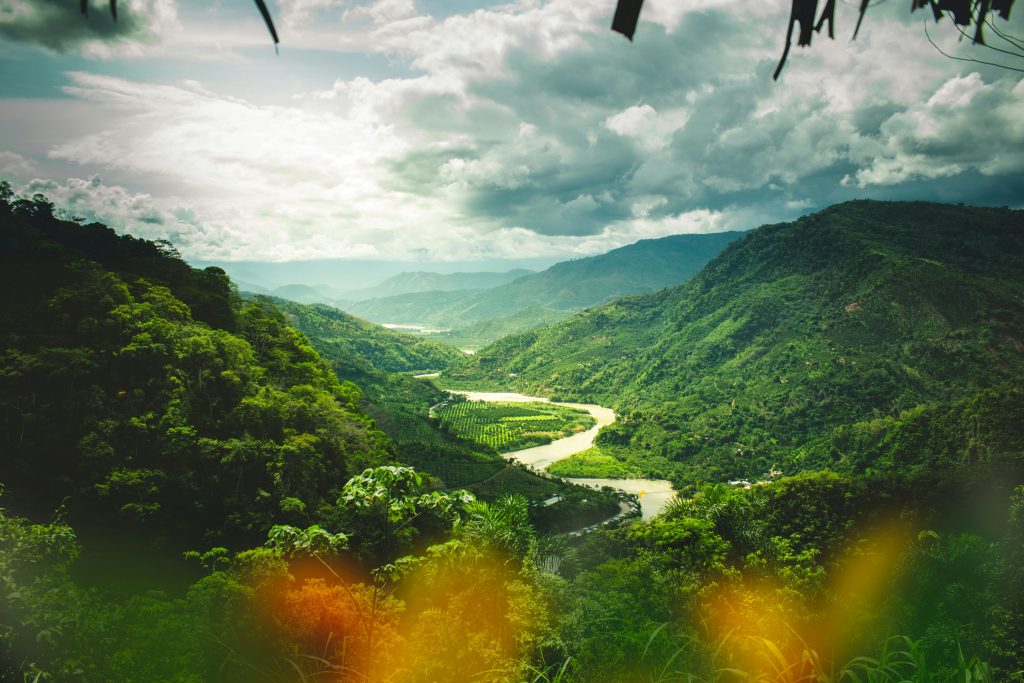
Peru doesn’t have one simple climate. Weather depends heavily on where you are — coast, mountains, or jungle.
This affects what you pack and when you travel.
When to Visit Peru
The best time to visit depends on what you want to see.
The dry season (May to September) is ideal for visiting Machu Picchu and hiking. The rainy season can make travel more difficult, especially in mountain areas.
Packing for Peru
What you pack depends heavily on where you’re going. Peru has very different climates, and you might experience both warm and cold weather during the same trip.
Layers are essential.
Tip:
Pack comfortable shoes, a light jacket, and clothes you can layer easily.
Internet and Connectivity
Internet is available in most cities, hotels, and cafés, but it may be slower or less reliable in remote areas.
If you plan to travel a lot, staying connected might not always be guaranteed.
You Don’t Need to Rush
One of the biggest mistakes is trying to see too much in a short time. Peru is best experienced slowly.
Spending more time in fewer places makes the trip more enjoyable.
Common Mistakes to Avoid
One of the most common mistakes is underestimating travel time and trying to see too much.
Another is ignoring altitude and not giving your body time to adjust.
Traveling too fast can take away from the overall experience.
My Personal Advice
If I visited Peru again, I would plan more rest days and focus on the overall experience rather than just checking off locations.
The moments in between — the food, the views, the culture — are what make Peru special.
Is Peru Worth Visiting?
Yes — Peru offers a unique mix of culture, history, and nature that you won’t easily find anywhere else. It’s not always the easiest destination, but that’s part of what makes it memorable.
FAQs About Peru Travel
Is Peru expensive to visit?
Peru can be affordable compared to many other destinations, but costs vary depending on your travel style and activities.
Do you need a visa to visit Peru?
Many travelers can enter Peru without a visa for short stays, but it’s always best to check requirements based on your country.
Is Machu Picchu worth visiting?
Yes, it’s one of the most unique places in the world, but planning in advance is important.
How many days do you need in Peru?
A well-paced trip usually takes around 10 to 14 days to experience different regions.
Is Peru safe for solo travelers?
Peru is generally safe, but staying aware and cautious is always important.
Where to Go After Peru
After visiting Peru, you can continue your journey by exploring destinations like Maldives, Santorini, or Australia, each offering a completely different experience.
Final Thoughts
Peru is not just a place you visit — it’s a place you experience. The variety, the energy, and the differences between each region make it one of the most interesting countries to explore.