
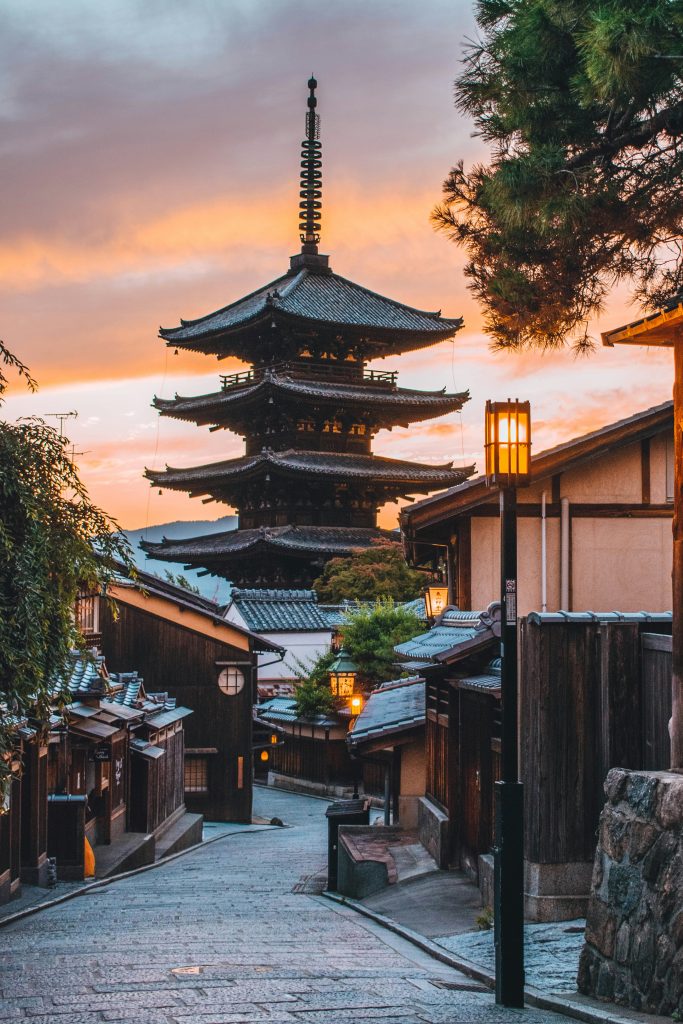
Why Visit Kyoto
Kyoto is the cultural heart of Japan, and this Kyoto travel guide highlights its preserved traditions, historic streets, and timeless atmosphere. If you’ve explored cities like Tokyo, Kyoto offers a completely different and more traditional experience.
Unlike fast-paced cities, Kyoto offers a slower and more immersive experience where every part of the city feels connected to its past.Compared to places like Dubai or London, Kyoto feels slower and more immersive.
What makes Kyoto special is the feeling you get while walking through it. The city is not just about attractions, but about atmosphere, silence, and detail.
Key reasons to visit Kyoto:
- Deep connection to traditional Japanese culture
- Large number of temples and shrines
- Unique historical districts
- Scenic nature combined with architecture
- Relaxed and immersive travel experience
Where Is Kyoto Located
Kyoto is located in western Japan, in the Kansai region, on the main island of Honshu. It was the capital of Japan for over a thousand years, which explains its strong cultural identity.
Japan is one of the most unique destinations in Asia, alongside places like Thailand and Vietnam.
Understanding Kyoto Districts
Kyoto is easier to navigate than Tokyo, but each area offers a completely different experience.This is similar to cities like Paris or Rome, where districts feel very different from each other.
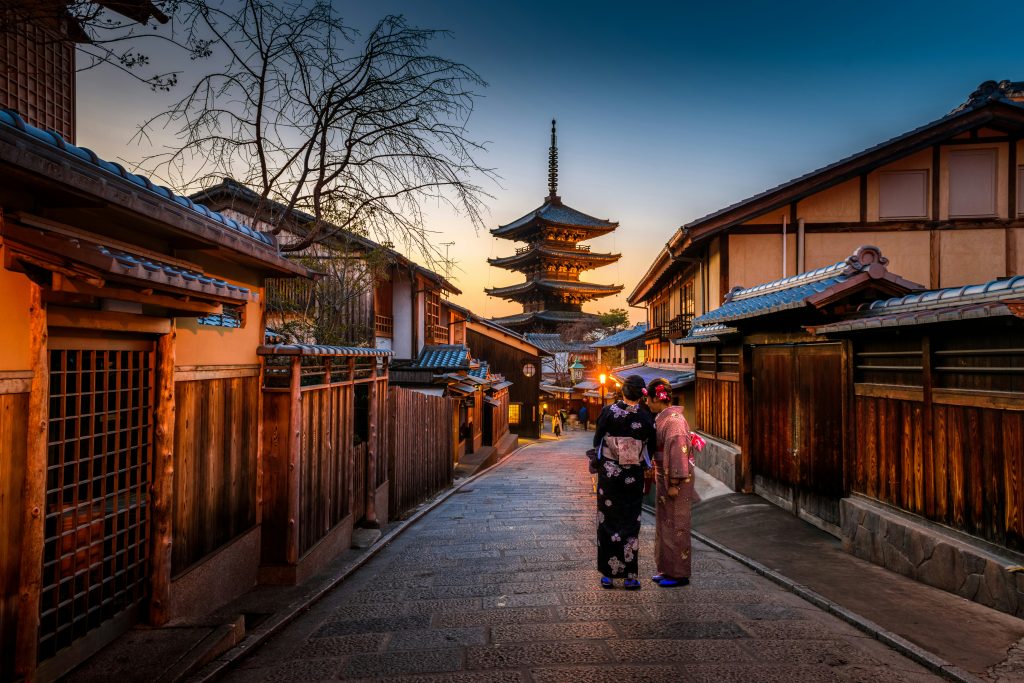
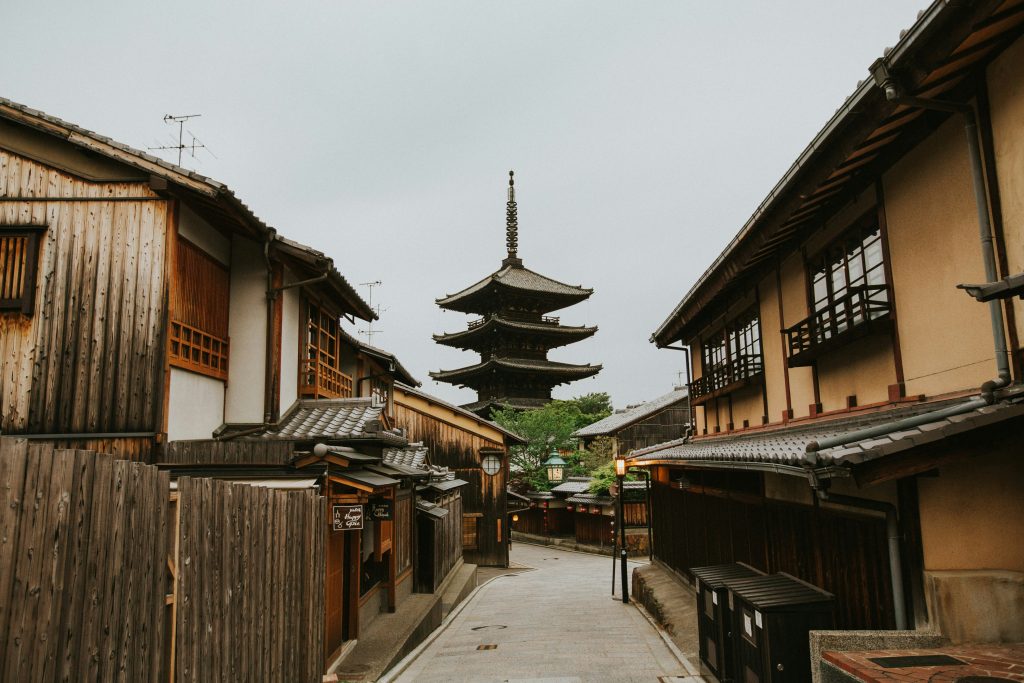
Gion is the most famous traditional district, known for its preserved streets and geisha culture. Higashiyama is filled with temples and historic landmarks, making it one of the most visited parts of the city.
Other important areas include:
- Arashiyama for nature and bamboo forest
- Central Kyoto for convenience and transport
- Northern Kyoto for quieter temples
Geisha Culture in Kyoto
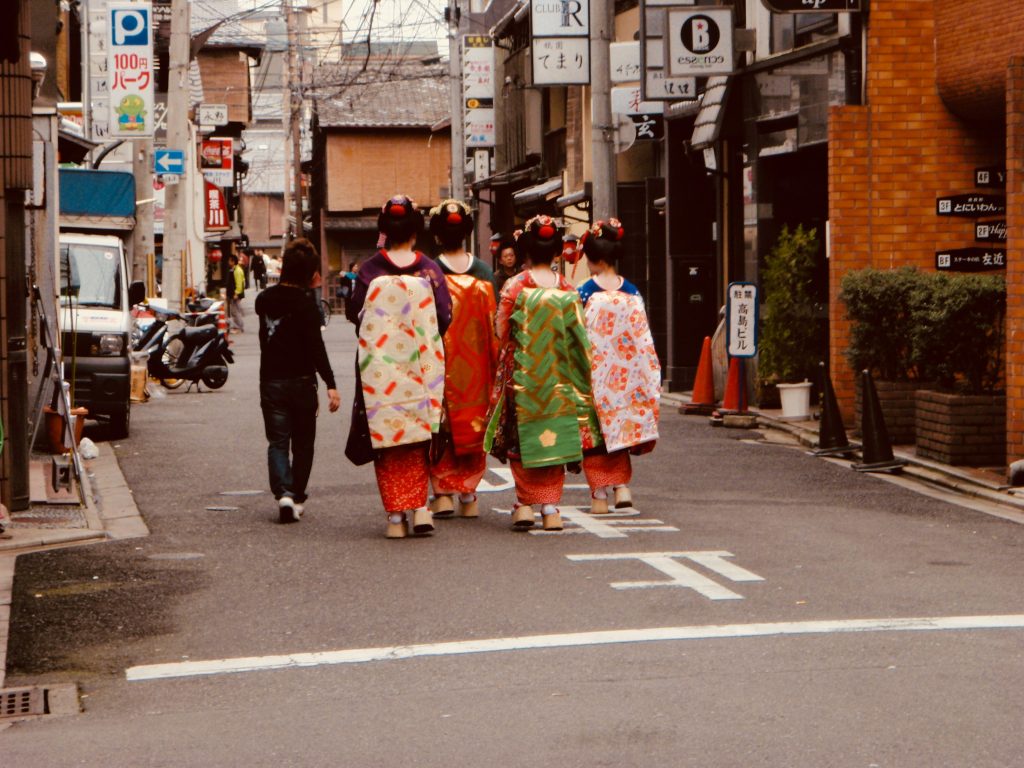
Kyoto is one of the few places in Japan where geisha culture still exists. The Gion district is especially known for this tradition, where geishas and maikos can sometimes be seen walking between appointments.
This cultural element is an important part of Kyoto’s identity and reflects centuries of preserved traditions.
Tip:
If you want to see geishas, visit Gion in the early evening and always respect their privacy.
Best Areas to Stay in Kyoto
Choosing the right location can save you a lot of time during your trip.Just like in Barcelona or Lisbon, location can completely change your experience.
Gion is ideal if you want a traditional experience, while Kawaramachi offers a more central and practical location. Arashiyama is quieter and better suited for relaxation.
Tip:
Stay near transport lines to move easily between areas.
Best Places to Visit in Kyoto
Kyoto is filled with iconic landmarks that represent the essence of Japan.
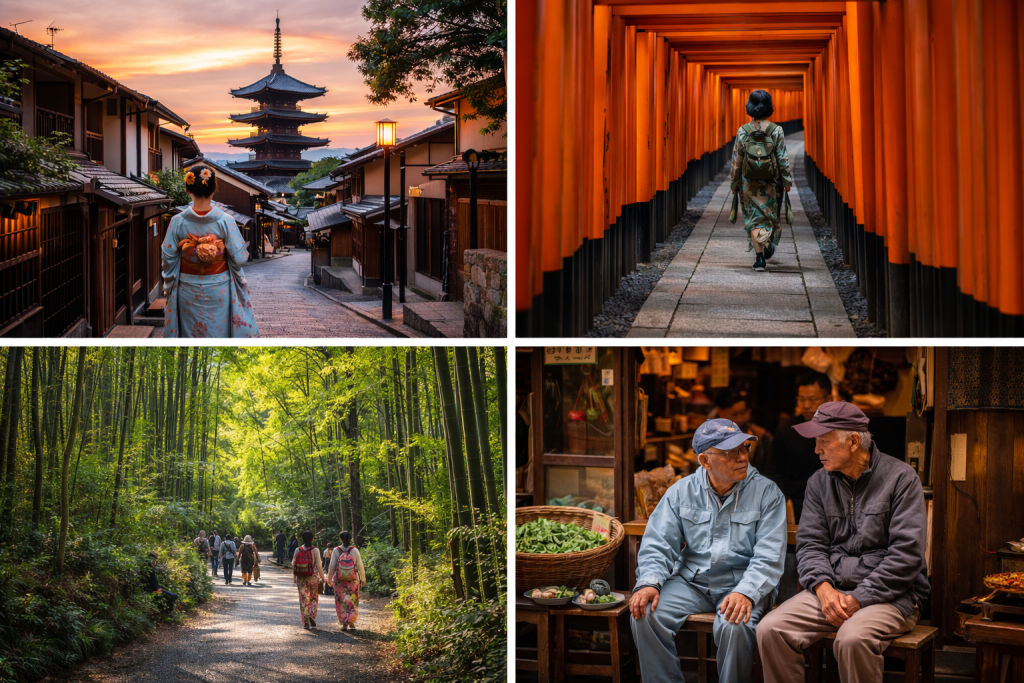
Fushimi Inari Shrine is famous for its endless path of red torii gates and is one of the most photographed places in the country. It’s one of the most iconic places in Japan, similar to landmarks like the Eiffel Tower in Paris. Arashiyama Bamboo Forest offers a peaceful and unique walking experience surrounded by tall bamboo.
Other must-visit places include:
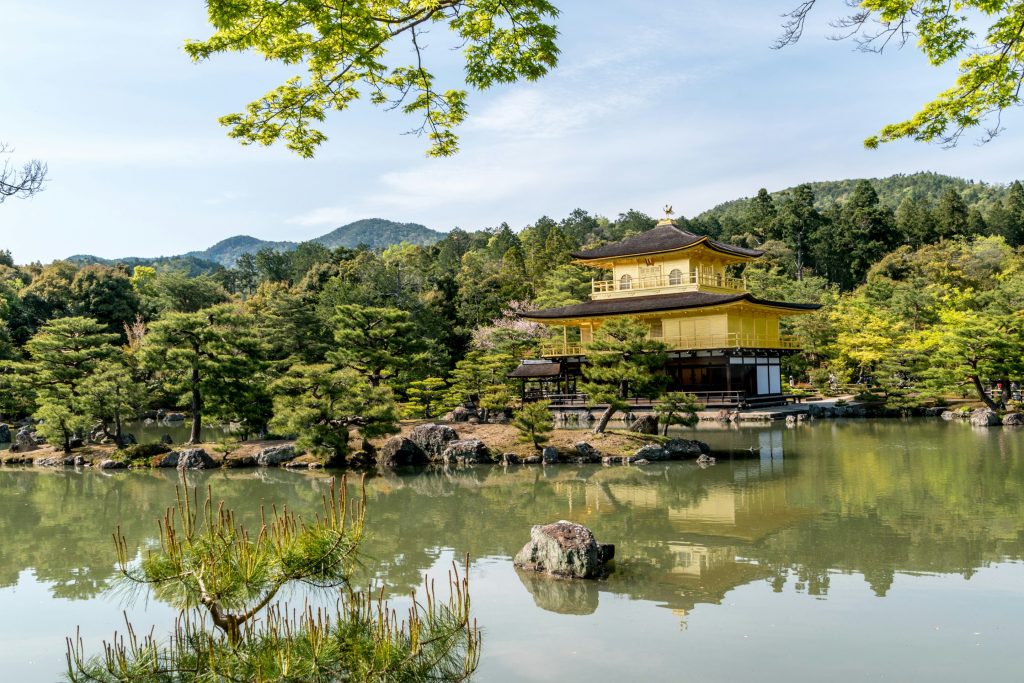
- Kinkaku-ji (Golden Pavilion) for its reflection view
- Kiyomizu-dera for panoramic city views
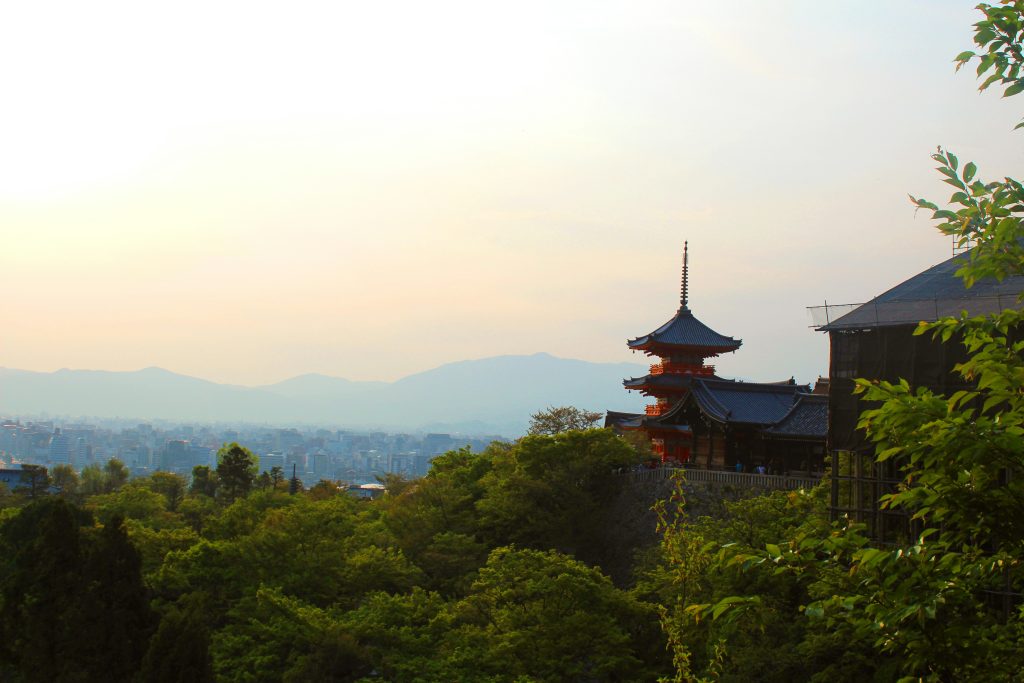
- Gion district for traditional streets
How to Visit Temples Efficiently
Kyoto has hundreds of temples, and visiting too many can quickly become overwhelming. Instead of trying to see everything, it is better to choose a few key locations and spend more time exploring them.
Tip:
Focus on quality over quantity and group nearby temples together.
Top Things to Do in Kyoto
Kyoto is not about rushing from one place to another, but about experiencing the atmosphere.Unlike cities like New York City or London, the experience here is slower and more focused on atmosphere.
Some of the most important activities include:
- Walking through traditional streets
- Visiting temples and shrines
- Exploring nature and scenic areas
- Observing local culture and daily life
Tip:
Take your time and avoid trying to see everything in one day.
Most Photogenic Places in Kyoto
Kyoto is one of the most visually impressive cities in Japan.
The best locations for photos combine traditional architecture with natural scenery.
Top photo spots include:
- Fushimi Inari Shrine
- Arashiyama Bamboo Forest
- Gion streets
- Kinkaku-ji
Tip:
Visit early in the morning for better light and fewer people.
Kyoto at Night
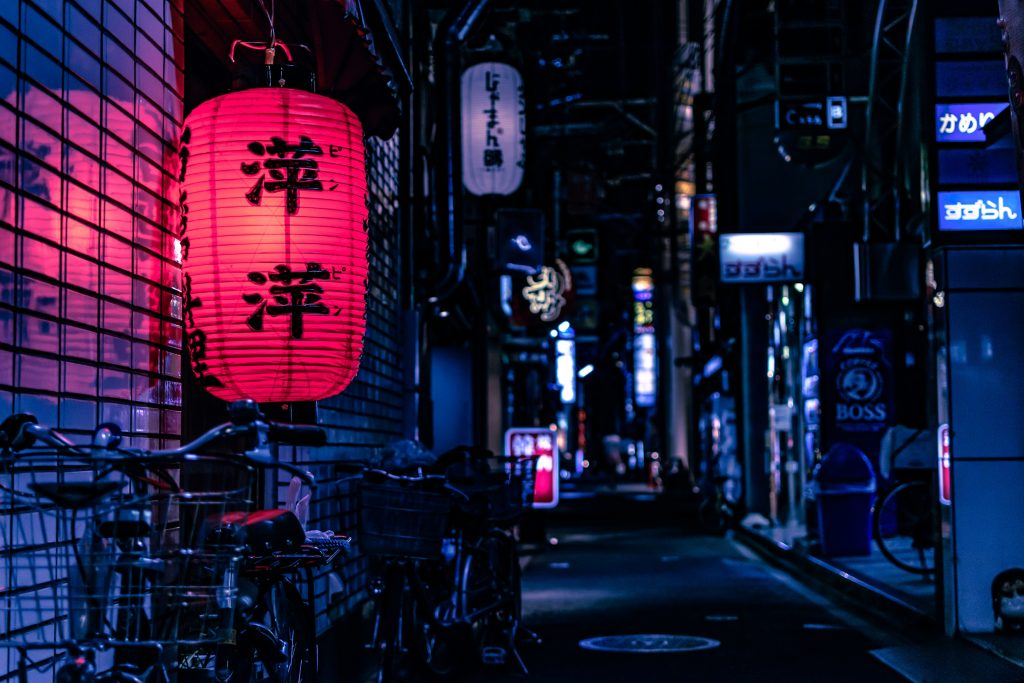
Kyoto has a completely different atmosphere after sunset. While it is quieter than Tokyo, areas like Gion and central districts become beautifully lit and more atmospheric.
Walking through traditional streets at night gives a more authentic and peaceful experience.
Tip:
Evening walks in Gion are one of the best experiences in Kyoto.
Unique Experiences in Kyoto
Kyoto offers experiences that go beyond typical sightseeing.
You can participate in traditional activities that give you a deeper understanding of the culture.
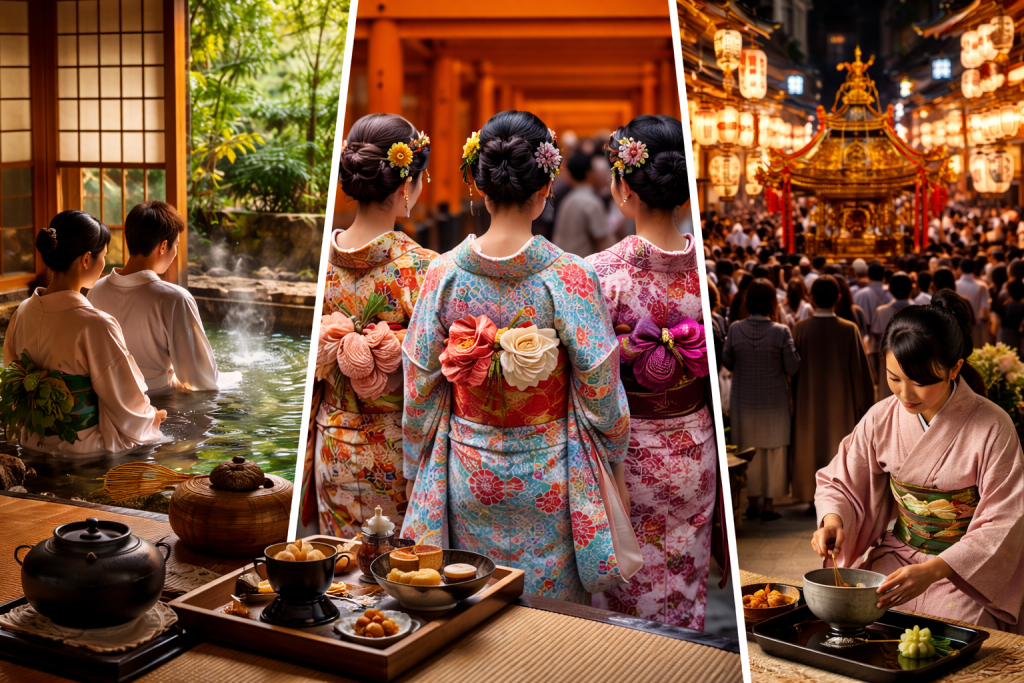
Popular experiences include:
- Tea ceremony
- Staying in a ryokan
- Wearing a kimono
- Attending seasonal festivals
Hidden Gems in Kyoto
Beyond the main attractions, Kyoto has many peaceful locations that are often overlooked.
These places offer a more authentic and less crowded experience.
Hidden gems include:
- Philosopher’s Path
- Lesser-known temples in the north
- Local neighborhoods away from tourist areas
Best Time to Visit Kyoto
Kyoto can be visited throughout the year, but some seasons stand out more.
- Spring is known for cherry blossoms
- Autumn offers colorful foliage
- Winter is quiet and peaceful
- Summer includes festivals but can be hot
Spring in Kyoto is similar in popularity to destinations like Amsterdam during tulip season.
The best time to visit is spring or autumn.
Transportation in Kyoto
Getting around Kyoto is simple, but slightly different from Tokyo.
Buses are widely used, especially for reaching temples, while trains connect larger areas and nearby cities.
Tip:
Plan your routes in advance, as buses can be slower during busy hours.
Exploring Kyoto by Bicycle
Kyoto is one of the best cities in Japan for cycling, as many areas are flat and easy to navigate. Renting a bicycle allows you to explore smaller streets, hidden temples, and local neighborhoods that are harder to reach by bus.
Tip:
Biking is often faster than buses during busy hours.
Internet and Connectivity in Kyoto
Staying connected in Kyoto is simple with options like pocket WiFi and local SIM cards. While many hotels and cafés offer free WiFi, it is not always reliable.
Tip:
A pocket WiFi device is the most convenient option for travelers.
Cost of Travel in Kyoto
Kyoto can fit different budgets depending on your travel style.
- Budget: $70–120 per day
- Mid-range: $120–250 per day
- Luxury: $300+
Accommodation and cultural experiences are the main costs.
Temple Entrance Fees
Many temples and attractions in Kyoto require a small entrance fee. Prices are usually affordable, but they can add up if you visit multiple places in one day.
Tip:
Carry small cash for entrance tickets and plan which places you want to prioritize.
Kyoto Food Guide
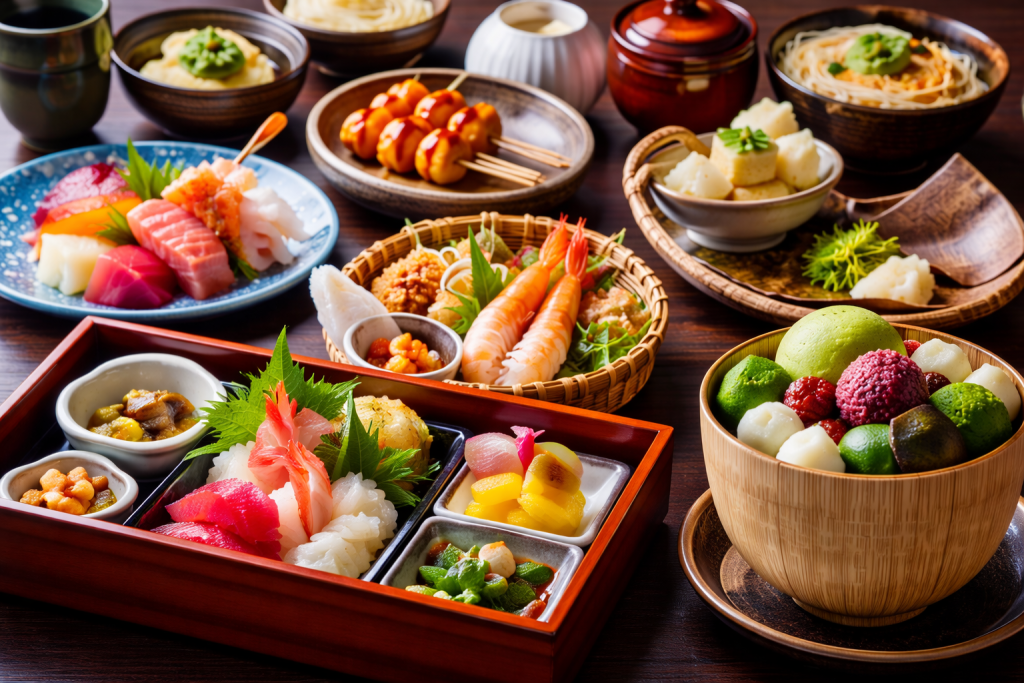
Kyoto’s food is focused on tradition, seasonality, and presentation.
Must-try foods include:
- Kaiseki (traditional multi-course meal)
- Matcha desserts
- Local street food
Tip:
Try at least one traditional meal for a full experience.
If you’ve visited food destinations like Rome or Tokyo, Kyoto offers a more traditional and refined style.
What to Buy in Kyoto
Kyoto is known for traditional crafts and unique souvenirs that reflect its cultural identity. Many local shops offer handmade items that are different from typical tourist products.
Popular things to buy include:
- Matcha products
- Handmade ceramics
- Traditional textiles
Travel Tips for Kyoto
Kyoto requires a different travel approach compared to modern cities.
- Start early to avoid crowds
- Respect local traditions
- Walk and explore slowly
- Plan your days by area
Why Early Morning Is Important in Kyoto
Kyoto’s most popular locations can become extremely crowded during the day. Visiting early in the morning allows you to experience these places in a much more peaceful way.
Tip:
Arrive before 8 AM for the best experience and photos.
Things That May Surprise You in Kyoto
Kyoto feels very different from Tokyo.
The city is quieter, more traditional, and more focused on cultural values. Many areas have rules that are more noticeable than in modern cities.
Common Mistakes to Avoid
Some travelers make simple mistakes that reduce their experience.
- Visiting popular places too late
- Rushing through attractions
- Ignoring cultural etiquette
2-Day Kyoto Itinerary
The first day is best spent exploring eastern Kyoto, including temples and traditional districts.
The second day can focus on Arashiyama and nearby scenic areas, offering a mix of nature and relaxation.
Pro Tips for Kyoto
To get the most out of your trip:
- Explore early in the morning
- Stay in central areas
- Combine nearby attractions
- Avoid peak hours
How to Experience Kyoto Properly
Kyoto is not a city that should be rushed. The best way to enjoy it is to slow down, observe details, and spend time in each location instead of moving quickly from one place to another.
This approach creates a more memorable and authentic experience.
Interesting Facts About Kyoto
Kyoto was the capital of Japan for over 1,000 years, which is why it has such a strong cultural identity. The city is home to more than 1,600 temples and shrines, making it one of the most historically rich destinations in the country.
Unlike many other cities, Kyoto avoided major destruction during World War II, which is why so much of its traditional architecture remains intact today.
Who Is Kyoto Best For
Kyoto is best suited for travelers who are interested in culture, history, and a slower travel experience. It is ideal for couples, solo travelers, and those looking for a more peaceful destination.
It may be less suitable for travelers focused on nightlife or fast-paced city experiences.
FAQs About Kyoto Travel
Is Kyoto better than Tokyo?
Kyoto and Tokyo offer completely different experiences, with Kyoto focusing on traditional culture and history, while Tokyo is modern and fast-paced.
How many days are enough for Kyoto?
Most travelers need around 2 to 3 days to explore Kyoto properly without rushing.
How early should you start your day in Kyoto?
It is best to start early, ideally before 8 AM, to avoid crowds at popular attractions.
Is Kyoto expensive for tourists?
Kyoto can be moderate to expensive depending on your travel style, but it is manageable with planning.
Is Kyoto walkable?
Yes, many areas of Kyoto are walkable, especially when you focus on one district at a time.
Can you see geishas in Kyoto?
Yes, geishas can sometimes be seen in the Gion district, especially in the early evening.
Do temples in Kyoto have dress rules?
There are no strict rules, but respectful and modest clothing is recommended.
What should I avoid in Kyoto?
Avoid visiting popular spots late, rushing through attractions, and not respecting local customs.
If You Want to Explore More Places Like This
If you enjoy destinations with culture, history, and a unique atmosphere, here are a few more travel guides you might like:
- Tokyo → modern, fast-paced contrast to Kyoto
- Rome → historic and full of landmarks
- Paris → cultural and atmospheric
- Barcelona → more relaxed and vibrant
- Amsterdam → smaller and easy to explore
Final Thoughts
Kyoto offers one of the most authentic travel experiences in Japan.Compared to modern cities like Dubai or Tokyo, Kyoto feels more connected to history and tradition. Its combination of culture, nature, and atmosphere makes it a destination that feels completely different from modern cities.