Why Visit Tokyo
Tokyo is one of the most dynamic cities in the world, and this Tokyo travel guide highlights its unique mix of modern technology and traditional culture. If you want a more traditional and slower experience, consider visiting Kyoto as well.From neon-lit streets to peaceful temples, the city delivers a travel experience that feels both exciting and balanced.
What makes Tokyo truly special is the contrast. You can explore historic shrines in the morning and spend the evening in one of the busiest urban areas in the world.
Key reasons to visit Tokyo:
- A perfect mix of modern and traditional Japan
- Endless things to see and do
- One of the best food scenes in the world
- Efficient and reliable transport system
- Safe, clean, and well-organized environment
Where Is Tokyo Located
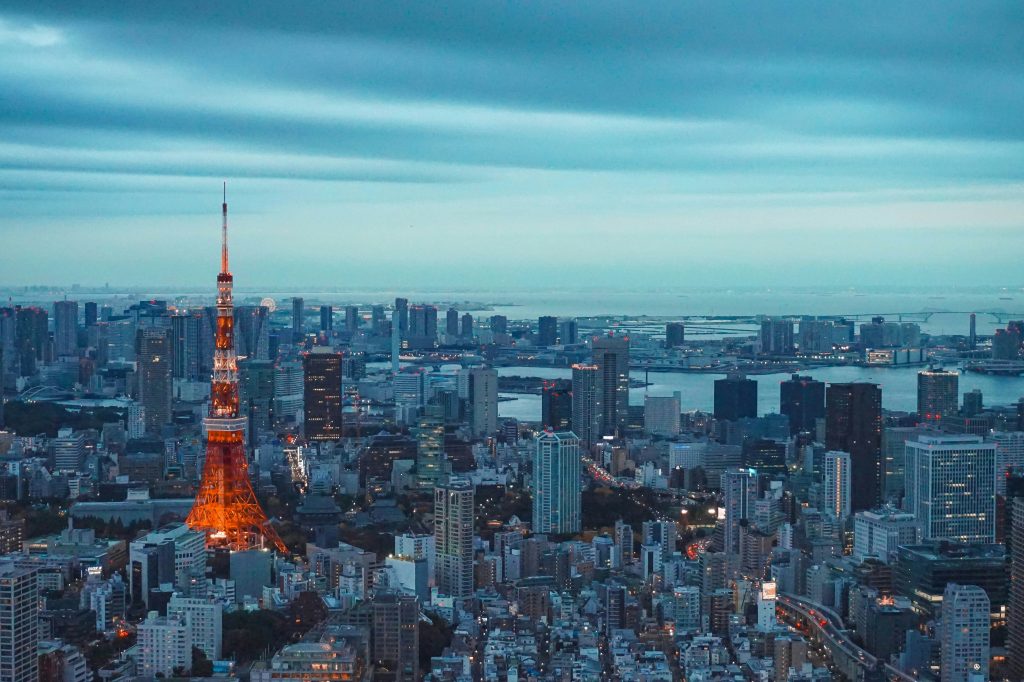
Tokyo is the capital of Japan, located on the eastern coast of Honshu, the country’s main island. It is part of the Kanto region and serves as the main center for business, culture, and travel.
Understanding Tokyo Neighborhoods
Tokyo is made up of many districts, each with its own atmosphere. This is similar to cities like Paris or Rome, where different districts feel like separate worlds. Understanding them helps you plan better and save time.
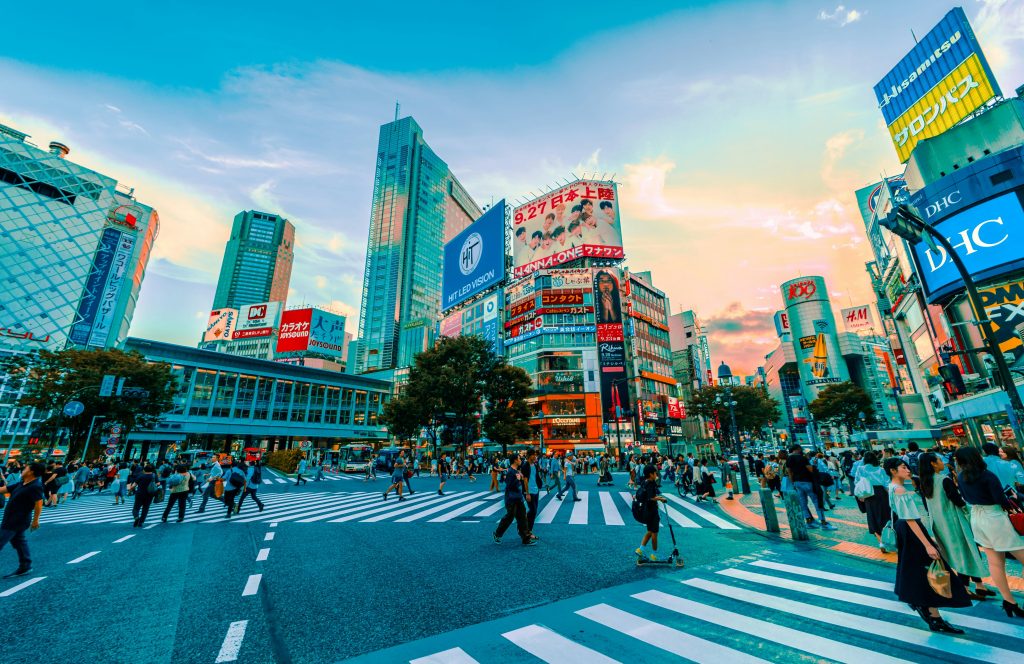
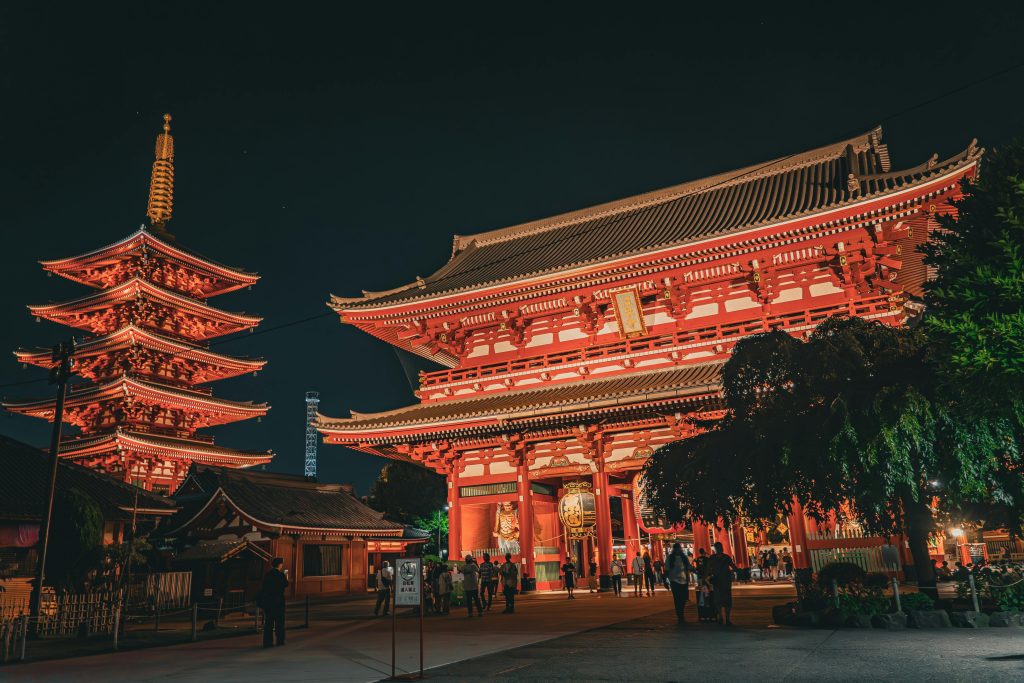
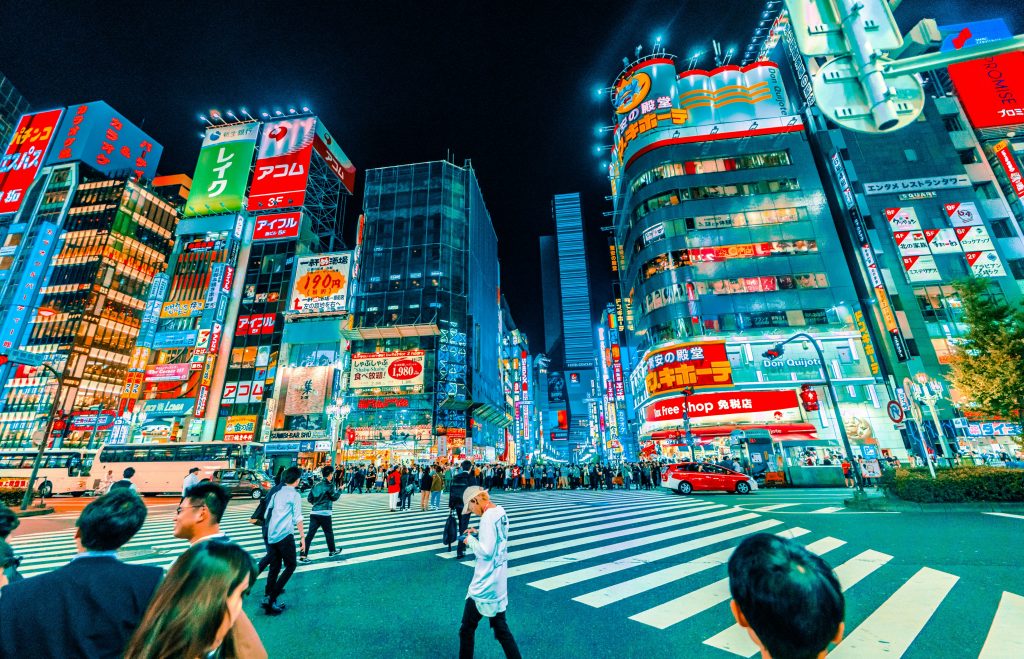
Shinjuku is known for its skyscrapers, nightlife, and major transport hub, making it one of the most convenient areas. Shibuya is more modern and trendy, filled with shops, cafés, and the famous crossing. Asakusa offers a traditional experience with historic temples and quieter streets, while Ginza focuses on luxury shopping and fine dining.
Best Areas to Stay in Tokyo
Choosing the right location is very important because Tokyo is a large city. Just like in Barcelona or Lisbon, your location can completely shape your experience.
Shinjuku is one of the best options because it has excellent transport connections and a lively atmosphere. Shibuya is perfect if you want a central and energetic location. Asakusa is a better choice if you prefer a quieter and more traditional environment, while Ginza is ideal for luxury stays.
Tip:
Always choose accommodation close to a metro or train station to save time.
Best Hotels in Tokyo
Tokyo offers accommodation for every budget, but rooms are usually smaller than expected.
Luxury hotels such as Aman Tokyo, Park Hyatt Tokyo, and The Ritz-Carlton Tokyo provide top-level comfort. Mid-range options like Hotel Gracery Shinjuku and Tokyu Stay offer good value for money, while budget travelers can choose capsule hotels, hostels, and business hotels.
Tip:
Book early, especially during peak seasons like cherry blossom time.
Best Places to Visit in Tokyo
Tokyo has many iconic locations, each offering a different experience.
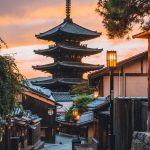
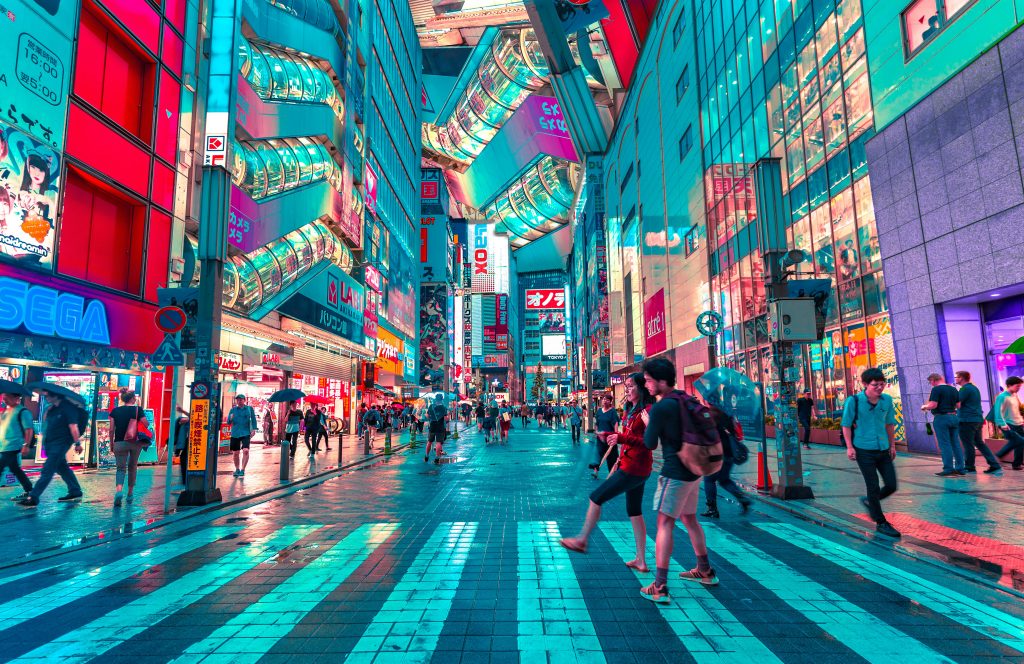
Shibuya Crossing is one of the most famous intersections in the world and a must-see spot. Shinjuku offers a modern skyline with shopping and nightlife. Asakusa and Senso-ji Temple provide a more traditional side of Tokyo with historic charm.
Other must-visit places include:
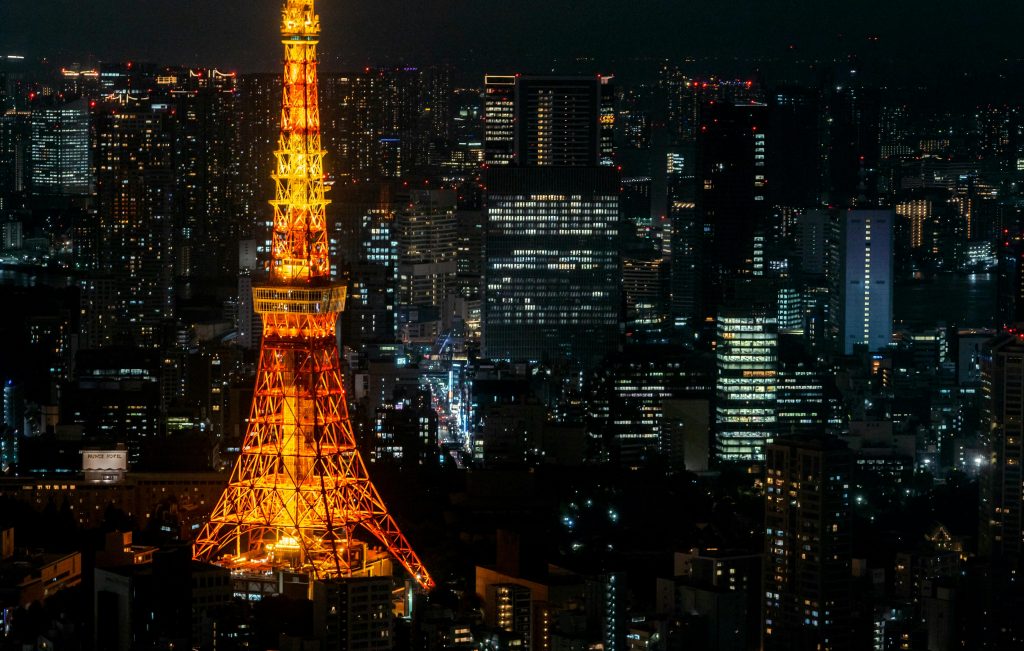
- Tokyo Tower for city views
- Akihabara for anime and gaming culture
- Meiji Shrine for a peaceful escape
Top Things to Do in Tokyo
Tokyo offers a wide range of activities, and the best experience comes from mixing modern and cultural spots. Unlike more traditional destinations like Kyoto, Tokyo is all about variety and energy.
Some of the top things to do include:
- Walking through Shibuya Crossing
- Visiting temples and shrines
- Exploring modern districts like Shinjuku
- Trying authentic Japanese food
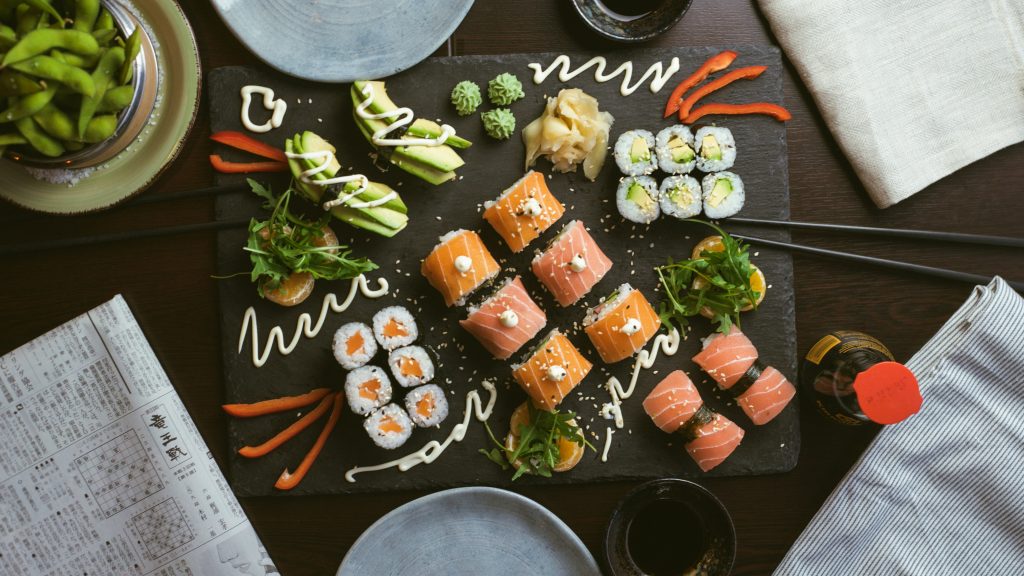
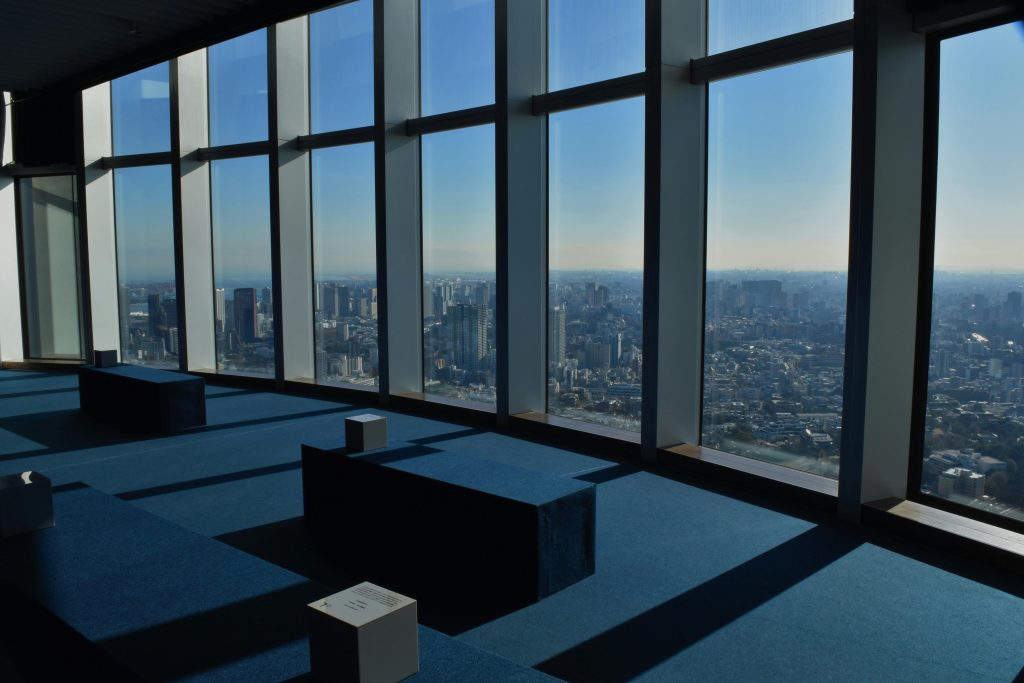
- Visiting observation decks
Most Photogenic Places in Tokyo
Tokyo is one of the most photogenic cities, especially at night.
The best photo spots include Shibuya Crossing, Tokyo Tower, Senso-ji Temple, and the Shinjuku skyline. These locations show both the traditional and modern sides of the city.
Tip:
Visit early in the morning or late in the evening to avoid crowds.
Tokyo at Night
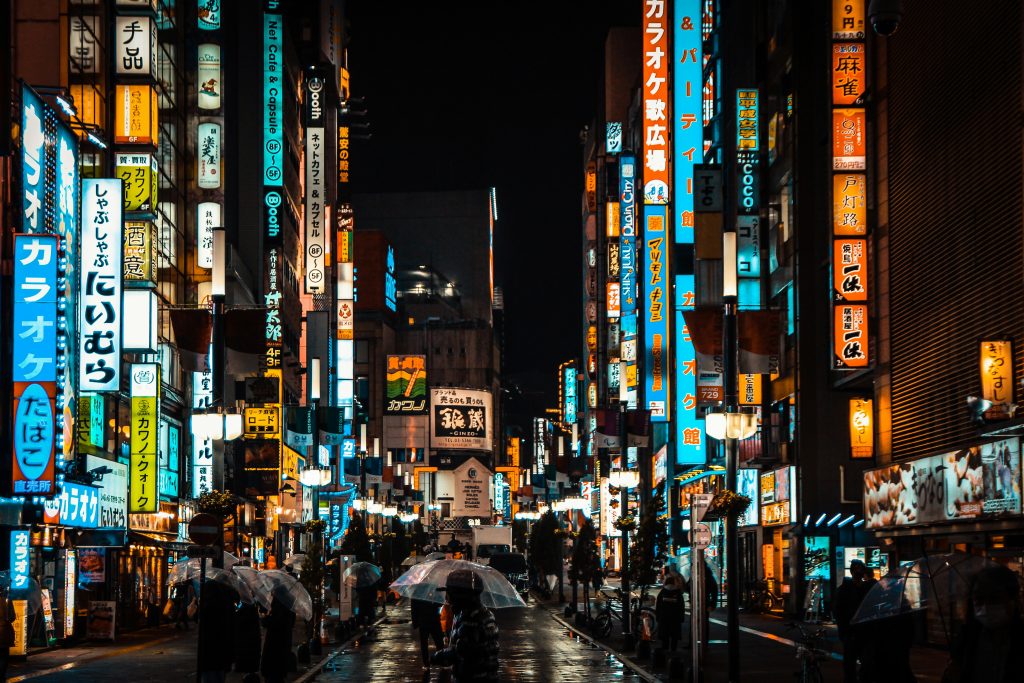
Tokyo transforms completely after sunset, offering a different atmosphere compared to daytime. Areas like Shinjuku and Shibuya become filled with lights, energy, and nightlife, while other neighborhoods remain calm and quiet.
Exploring Tokyo at night is one of the best ways to experience the city’s unique contrast between modern life and everyday routines.
Tip:
Visit observation decks or walk through illuminated streets for the best experience.
Unique Experiences in Tokyo
Tokyo offers experiences you won’t find anywhere else, making your trip more memorable.
You can stay in a capsule hotel for a unique accommodation experience, visit themed cafés, or explore anime culture in Akihabara. Tokyo nightlife is also something special, offering a completely different side of the city.
Hidden Gems in Tokyo
Beyond the main attractions, Tokyo has many lesser-known areas worth visiting.
Yanaka gives you a look at old Tokyo with traditional streets and a calm atmosphere. Shimokitazawa is known for vintage shops and a relaxed vibe, while Daikanyama offers a more modern and stylish environment.
Best Time to Visit Tokyo
Tokyo can be visited all year, but some seasons are better than others.
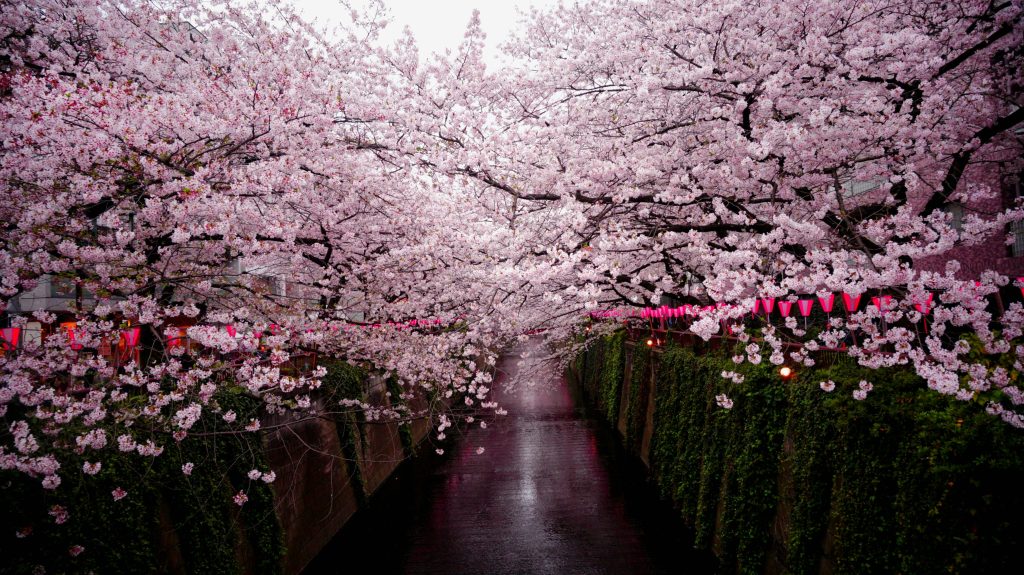
- Spring is popular because of cherry blossoms
- Autumn offers mild weather and beautiful colors
- Winter has fewer crowds and clear skies
- Summer is hot but full of festivals
The best time to visit is spring or autumn. Spring in Tokyo is as popular as destinations like Amsterdam during tulip season.
How to Deal with Jet Lag in Tokyo
Many travelers arriving in Tokyo experience jet lag due to the time difference. The best way to adjust quickly is to stay active on your first day and avoid sleeping too early.
Spending time outdoors and following local time schedules helps your body adapt faster.
Transportation in Tokyo
Tokyo has one of the best transport systems in the world, making it easy to move around the city.
Trains and metro lines connect almost every area, and they are known for being fast and reliable. Navigation is simple with apps like Google Maps.
Tip:
Use a Suica or Pasmo card for easy payments and transport.
Walking in Tokyo
Even though Tokyo has excellent public transport, you will still walk a lot. Train stations are large, and distances between platforms can take several minutes.
Comfortable shoes are essential, especially if you plan to explore multiple districts in one day.
Tokyo Rush Hour Tips
Tokyo’s public transport can become extremely crowded during peak hours, especially between 7–9 AM and 5–7 PM. Traveling during these times can be stressful if you are not prepared.
Tip:
Avoid rush hours whenever possible and plan your day accordingly.
Internet and SIM Cards in Tokyo
Staying connected in Tokyo is very easy, but it is important to plan your internet access before arriving. Most travelers choose between pocket WiFi devices and local SIM cards, both of which provide fast and reliable internet across the city.
Pocket WiFi is ideal if you are traveling with multiple devices, while SIM cards are more convenient for solo travelers. Free WiFi is available in many hotels, cafés, and stations, but it is not always reliable.
Tip:
Rent a pocket WiFi at the airport for the easiest setup.
Power Plugs and Electricity in Tokyo
Tokyo uses Type A and Type B plugs with a voltage of 100V. Most European devices will need an adapter, and some electronics may charge slower due to the lower voltage.
Tip:
Bring a universal adapter to avoid problems.
Cost of Travel in Tokyo
Tokyo is not cheap, but it can be managed with proper planning.
- Budget: $80–120 per day
- Mid-range: $120–250 per day
- Luxury: $300+ per day
Accommodation and food are the biggest expenses.
Money and Payments in Tokyo
Although Tokyo is highly modern, cash is still widely used in many places. Credit cards are accepted in hotels, malls, and larger restaurants, but smaller shops and local spots may only accept cash.
ATMs in convenience stores such as 7-Eleven are the most reliable for international cards.
Tip:
Always carry some cash, especially for small purchases.
Tokyo Food Guide
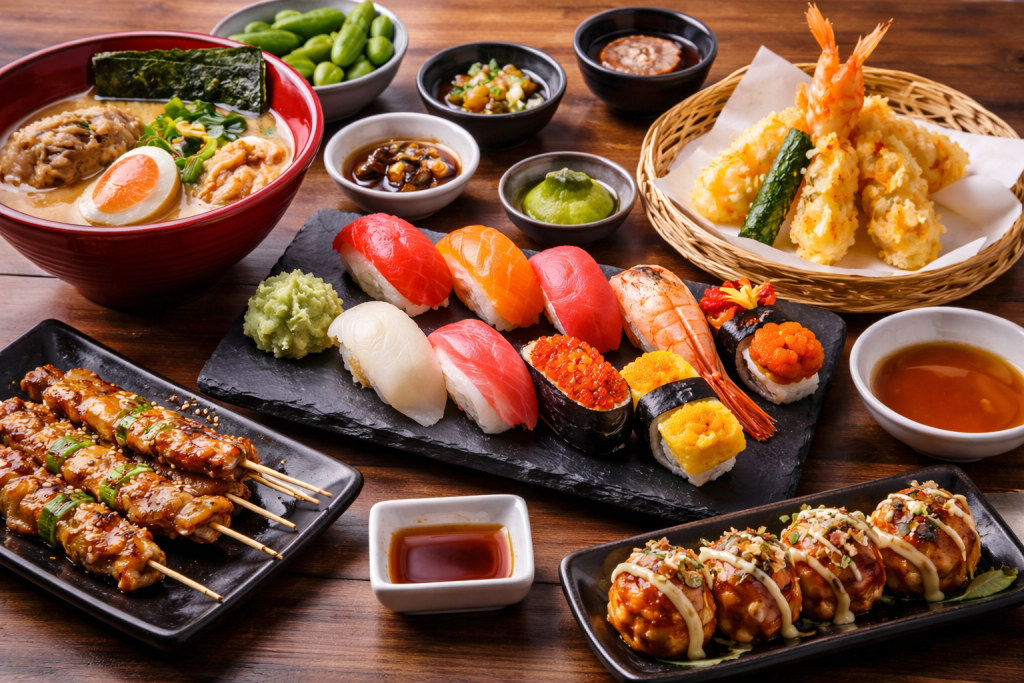
Tokyo is one of the best cities in the world for food, offering both high-end dining and affordable street options.
Must-try dishes include:
- Sushi
- Ramen
- Tempura
- Street food
If you’ve visited food cities like Rome or Bangkok, Tokyo stands out for both quality and variety.
How to Order Food in Tokyo
Ordering food in Tokyo can be different from what many travelers are used to. Some restaurants use vending machines for ordering, while others display plastic models of dishes outside.
Menus may not always have English translations, but pointing at pictures is usually enough.
Tip:
Do not hesitate to enter small local restaurants — they often have the best food.
Convenience Stores in Tokyo
Convenience stores such as 7-Eleven, Lawson, and FamilyMart are an essential part of daily life in Tokyo. They offer fresh meals, snacks, drinks, and even ATM services.
These stores are one of the easiest and most affordable ways to eat during your trip.
Best Food Spots in Tokyo
Some of the best places to eat in Tokyo include Tsukiji Outer Market, local ramen shops, and small sushi restaurants.
Tip:
Smaller local places often offer the most authentic experience.
Shopping in Tokyo
Tokyo is one of the best cities in the world for shopping, offering everything from luxury brands to unique local items.
Popular areas include:
- Ginza for luxury shopping
- Shibuya for modern fashion
- Harajuku for street style
Tip:
Tax-free shopping is available for tourists in many stores.
Travel Tips for Tokyo
Traveling in Tokyo is easy, but a few tips can improve your experience.
- Follow local etiquette
- Stay organized and plan ahead
- Carry some cash
- Use navigation apps
Language Tips for Tokyo
While Tokyo is an international city, English is not always widely spoken, especially in smaller shops and local restaurants. However, signs in transport systems are usually translated, making navigation much easier.
Learning a few basic phrases or using translation apps can make your experience smoother and more enjoyable.
Tip:
Google Translate and offline maps can be extremely helpful.
Things That May Surprise You in Tokyo
Tokyo has many small details that surprise visitors.
Public transport is very quiet, streets are extremely clean, and trash bins are limited. Everything is very organized, and people follow rules strictly.
Important Rules Tourists Should Know
Tokyo has many unwritten rules that visitors should follow. Speaking loudly on public transport is considered rude, and eating while walking is not common in many areas. People also line up in an orderly way and respect personal space.
Tip:
Observe locals and follow their behavior.
Train Etiquette in Tokyo
Public transport etiquette is taken very seriously in Tokyo. People avoid speaking loudly, and phone calls are usually not allowed on trains.
Passengers also line up in an orderly way before boarding and give priority to others when exiting.
Safety in Tokyo
Tokyo is one of the safest cities in the world.
Crime rates are very low, and it is safe to walk even at night. The city is also very clean and well-managed.
Common Mistakes to Avoid
Many travelers make simple mistakes when visiting Tokyo.
- Trying to do too much in one day
- Not planning transport routes
- Staying far from central areas
3-Day Tokyo Itinerary
Your first day in Tokyo should focus on experiencing its modern energy, starting in Shibuya where you can witness the famous crossing and explore vibrant streets, before continuing to Shinjuku for skyscrapers, shopping, and nightlife.
The second day can shift toward culture and iconic landmarks, with a visit to Asakusa and Senso-ji Temple, followed by Tokyo Tower where you can enjoy panoramic views of the city skyline.
For the final day, a balanced mix works best, combining the unique atmosphere of Akihabara, known for anime and technology, with the peaceful surroundings of Meiji Shrine for a calm and reflective ending to your trip.
Best Day Trips from Tokyo
Tokyo is a great base for exploring nearby destinations that offer a completely different experience.
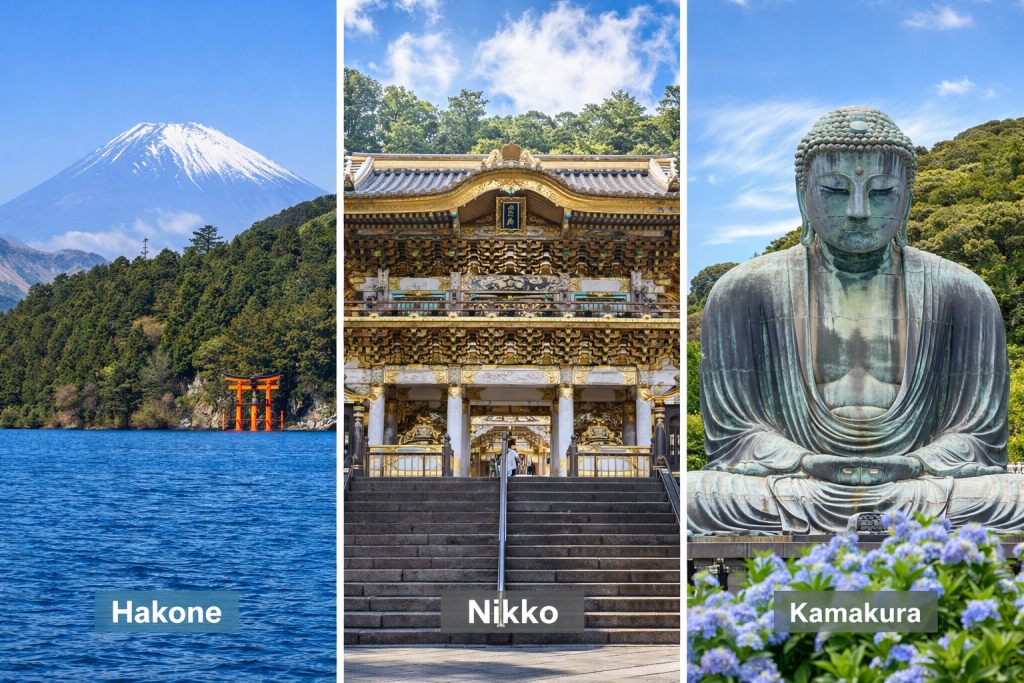
Popular day trips include Hakone for hot springs and Mount Fuji views, Nikko for temples and nature, and Kamakura for a mix of history and coastal scenery. These are similar to short escapes from cities like Paris or London.
These trips allow you to see more of Japan without changing your main location.
How to Explore Tokyo Efficiently
Tokyo is best explored by grouping nearby areas together instead of traveling across the city multiple times.
For example:
- Shibuya + Harajuku + Meiji Shrine
- Asakusa + Ueno
- Shinjuku + nearby districts
This approach saves time and energy.
Pro Tips for Tokyo
To get the most out of your trip, keep these tips in mind:
- Start your day early
- Stay in central areas
- Plan your route in advance
- Avoid rush hours
Who Is Tokyo Best For
Tokyo is ideal for travelers who enjoy structured trips, efficient systems, and a mix of cultural and modern experiences.
It is especially suitable for first-time visitors to Japan, solo travelers, and people who enjoy exploring large cities.
It may be less suitable for travelers looking for quiet nature-focused trips or very low-budget travel.
Interesting Facts About Tokyo
Tokyo is one of the largest metropolitan areas in the world, with over 35 million people living in the greater region. Despite its size, the city runs with incredible efficiency and organization.
Trains are so punctual that even a delay of a few minutes is considered unusual, and staff may issue delay certificates for passengers. Another interesting fact is that Tokyo has more Michelin-star restaurants than any other city in the world, making it a top destination for food lovers.
Even though it is a mega-city, Tokyo still has quiet neighborhoods and green spaces where you can escape the crowds.
FAQs About Tokyo Travel
Is Tokyo worth visiting?
Tokyo is absolutely worth visiting because it offers a unique mix of modern city life, traditional culture, and some of the best food experiences in the world.
How many days are enough for Tokyo?
Most travelers need around 3 to 5 days to explore Tokyo properly, depending on how much they want to see and how fast they travel.
Is Tokyo expensive for tourists?
Tokyo can be expensive, but it is possible to visit on a moderate budget by choosing affordable accommodation and eating at local restaurants.
Is Tokyo safe for tourists?
Tokyo is one of the safest cities in the world, with very low crime rates and a highly organized environment.
What is the best area to stay in Tokyo?
Shinjuku and Shibuya are the best areas to stay because they offer central locations and excellent transport connections.
Do I need cash in Tokyo?
Cash is still widely used in Tokyo, especially in smaller shops and local places, even though cards are accepted in bigger stores.
What is the best time to visit Tokyo?
The best time to visit Tokyo is during spring for cherry blossoms or autumn for mild weather and beautiful scenery.
Is English widely spoken in Tokyo?
English is not widely spoken everywhere, but transport systems and major areas usually have translated signs.
Can you explore Tokyo without knowing Japanese?
Yes, Tokyo is easy to navigate without knowing Japanese by using translation apps and maps.
What should I avoid in Tokyo?
Avoid speaking loudly in public transport, eating while walking in certain areas, and ignoring local etiquette.
If You Want to Explore More Places Like This
- Kyoto → traditional and peaceful
- Dubai → modern and luxury
- London → big and dynamic
- Paris → cultural and classic
- Barcelona → relaxed and vibrant
Final Thoughts
Tokyo is a city that offers endless variety, combining modern innovation with deep cultural roots. If you combine it with Kyoto, you get the full experience of Japan. Whether you are visiting for a short time or a longer stay, it is a destination that always offers something new.