
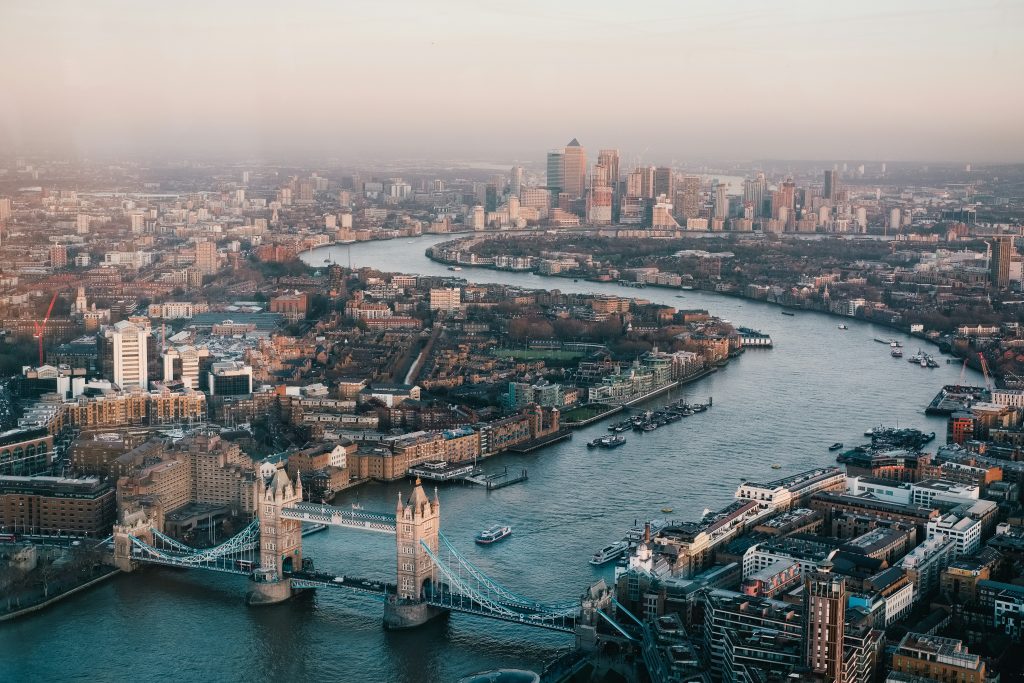
Everyone has an idea of London before they go.
Red buses, Big Ben, rainy weather, expensive prices. It’s one of the most talked-about cities in the world — which is exactly why it feels a bit confusing once you arrive.
This London travel guide will help you understand what the city is really like beyond the usual expectations.
If you’ve already been to cities like Paris or Amsterdam, London will feel bigger and more complex.
Because London is not just one city.
It’s a mix of completely different neighborhoods, each with its own vibe. One street can feel busy and chaotic, and five minutes later you’re somewhere quiet and local.
That’s what makes it interesting — but also a bit overwhelming if you don’t know what to expect.
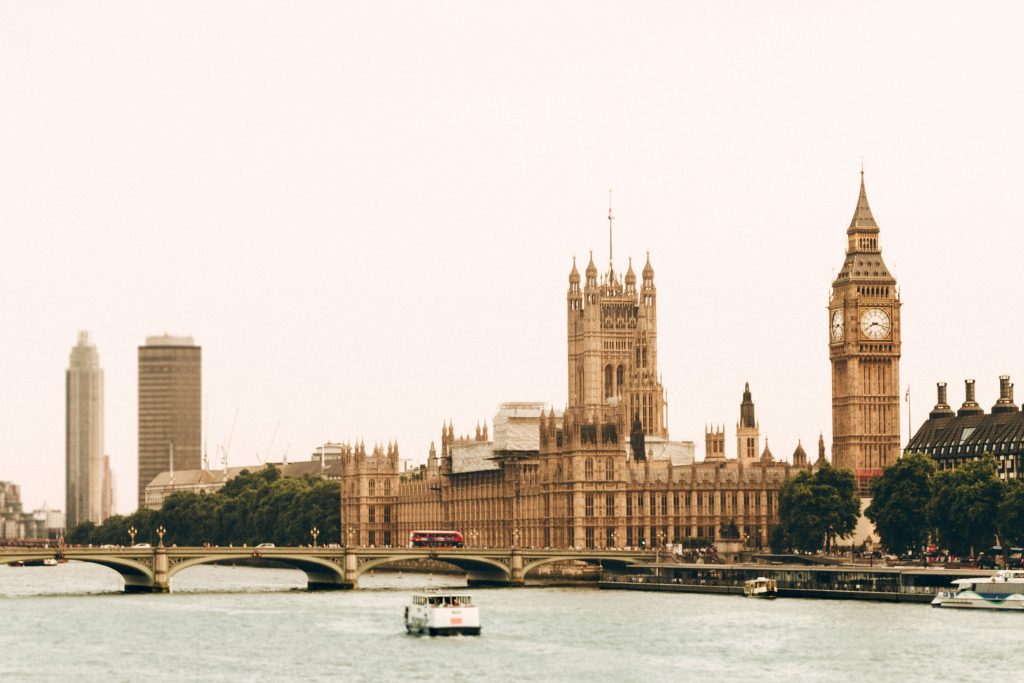
Is London Worth Visiting? (Real Answer)
Yes — but only if you approach it the right way.
London is worth visiting if you:
- like big cities with a lot going on
- enjoy exploring neighborhoods, not just attractions
- don’t mind spending more money
- like walking and discovering places
It might not be for you if:
- you want something relaxed and simple
- you’re on a tight budget
- you expect everything to be close
My honest take:
London is not about “seeing everything” — it’s about experiencing different parts of the city.
Compared to cities like Vienna or Budapest, London requires more planning and movement.
Entry Requirements (Visa & Documents)
Before traveling to London, it’s important to check entry requirements.
- UK is not part of the EU, so rules are different
- most travelers can enter without a visa for short stays
- passport is required (ID card is not enough for most countries)
Real tip:
Always check the official UK government website before traveling, because rules can change.
What London Feels Like (Not What You Expect)
The biggest surprise is how spread out everything is.
You don’t just “walk the city” like in smaller European places. You move between areas — and each one feels like a different city.
- Central London → busy, touristy
- Shoreditch → creative, younger vibe
- Notting Hill → calm, aesthetic
- Camden → alternative, different
Real tip:
Don’t try to rush everything — London works better when you explore 1–2 areas per day.
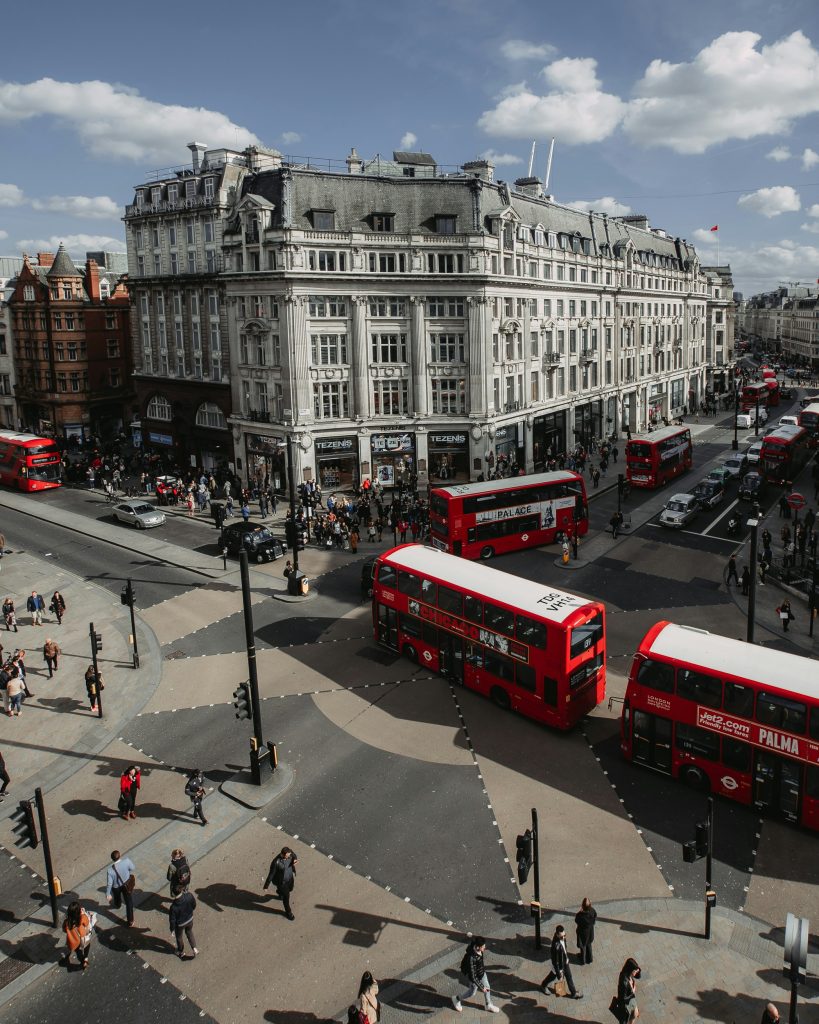
The Mistake Almost Everyone Makes
Trying to do too much.
People come with a list:
Big Ben, Tower Bridge, London Eye, Buckingham Palace… all in one day.
That doesn’t work here.
You’ll spend more time in transport than actually enjoying the city.
Real tip:
Group places by area — not by popularity.
How Many Days Do You Actually Need
- 2 days → not enough
- 3 days → good, but fast
- 4–5 days → ideal
Real advice:
London is one of the few cities where staying longer actually makes the experience better.
Where to Stay (This Matters A LOT)
London is huge — location changes everything.
Central London (Zone 1)
Best for:
- first-time visitors
- easy access to everything
downside: expensive
Shoreditch
Best for:
- nightlife
- trendy places
- younger vibe
Paddington / Westminster
Best for:
- balance (location + price)
Real tip:
Stay near a метро (Underground) station — this matters more than the exact area.
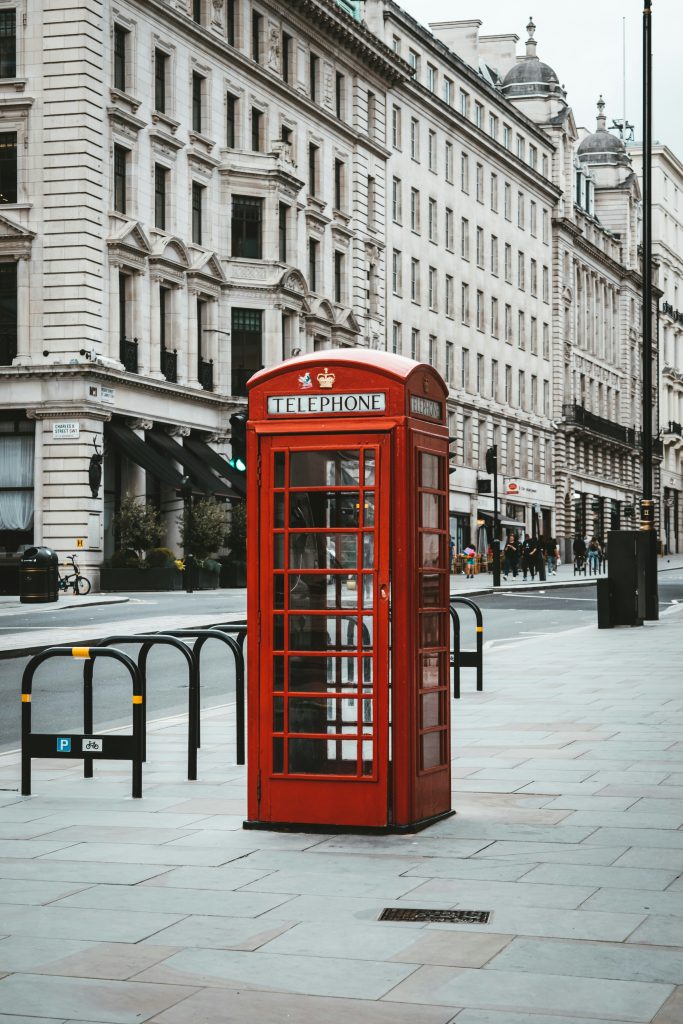
Is London Expensive? (Honest Answer)
Yes — and you will feel it, especially compared to cities like Budapest or Lisbon.
Real daily budget:
- Budget: £80–120
- Mid-range: £150–250
- Comfortable: £250+
Examples:
- Coffee: £3–5
- Meal: £15–25
- метро ride: £2–4
Real insight:
Transport + food = biggest costs.
Daily Budget Breakdown (Realistic Example)
Here’s what a typical day in London might look like:
- morning coffee → £3–5
- transport → £8–12
- lunch → £8–15
- dinner → £15–25
- small extras → £5–10
Total: around £40–70 per day (without accommodation)
Real tip:
Costs don’t feel high individually, but they add up quickly over a few days.
Free Things That Are Actually Worth It
London is expensive, but many of the best experiences are free.
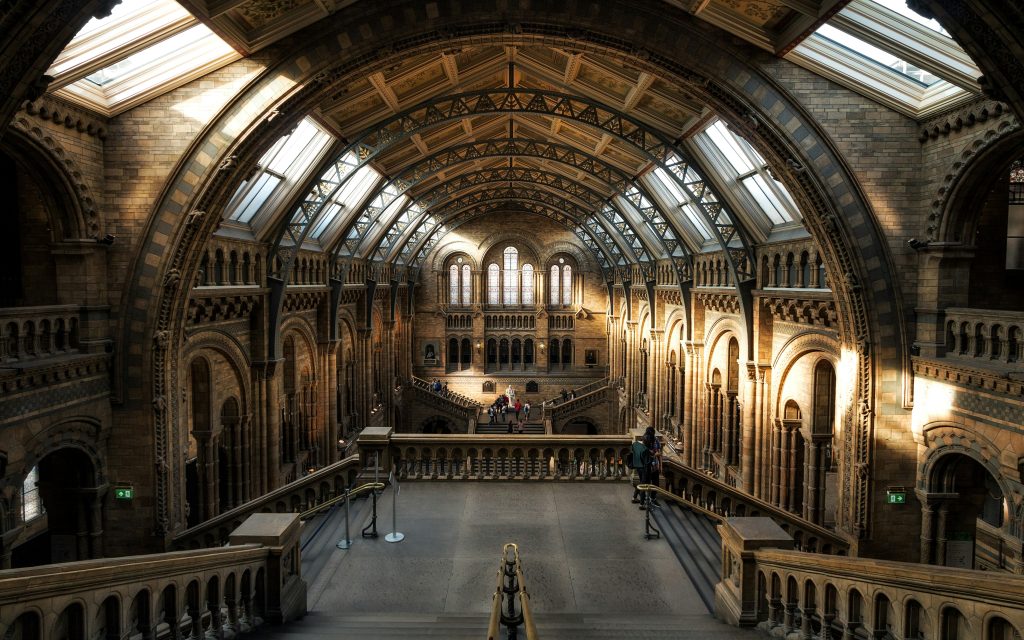
- museums (most are free)
- walking along the Thames
- parks like Hyde Park
- markets
Real tip:
Mix free and paid activities — it makes a big difference.
Best Things to Do (That Are Actually Worth It)
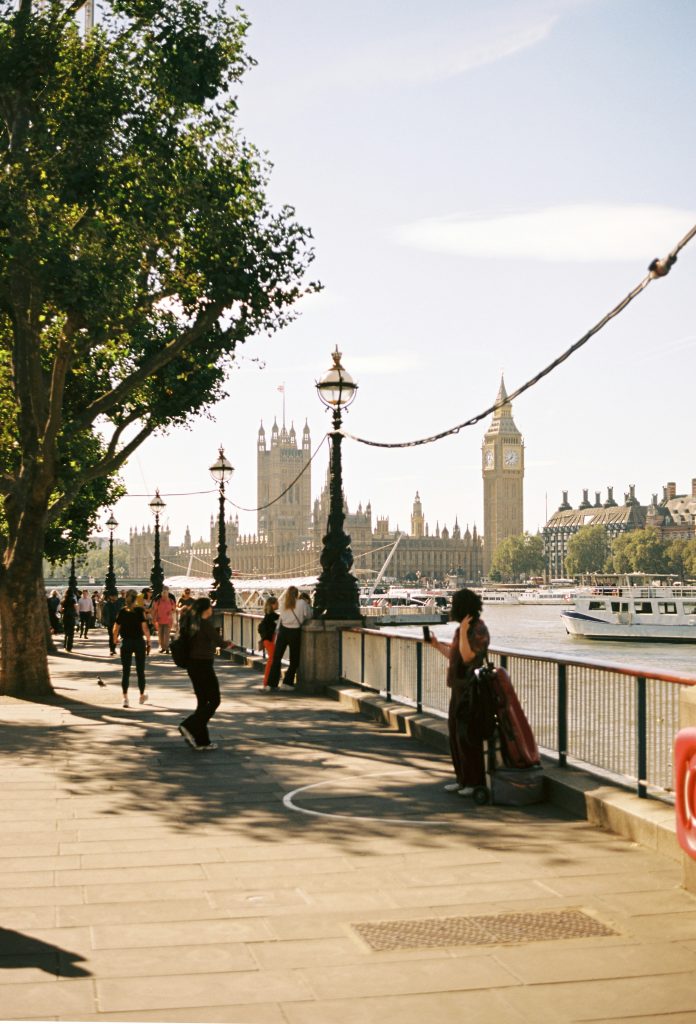
1. Walk Along the Thames
One of the best ways to see the city.
If you enjoy walks like in Paris, this is one of the best experiences in London.
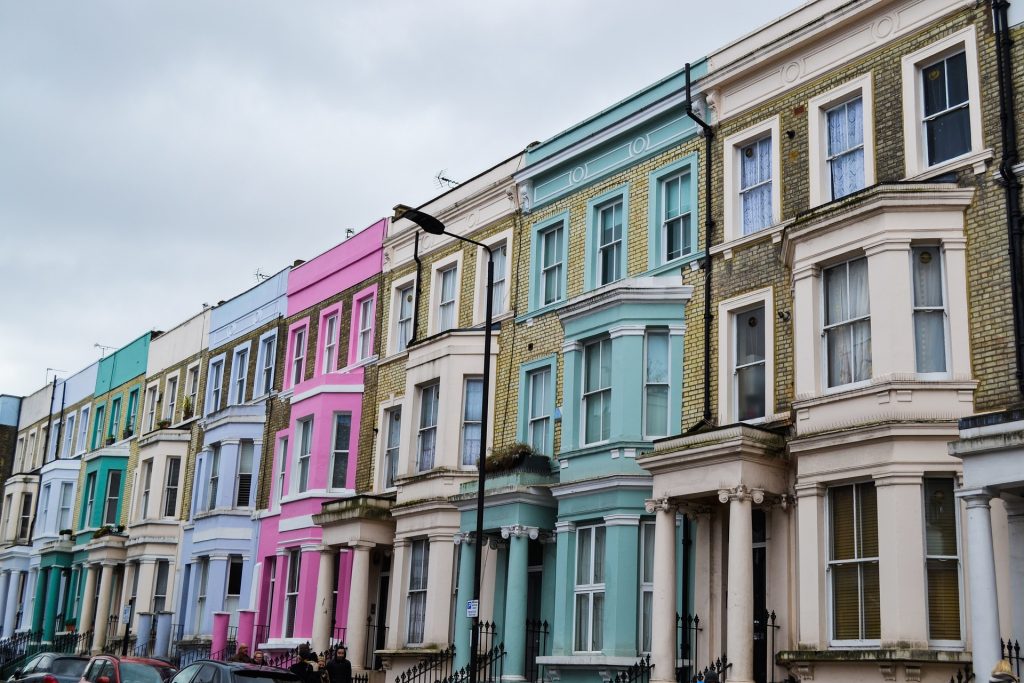
2. Explore Notting Hill
Colorful streets, calm vibe.
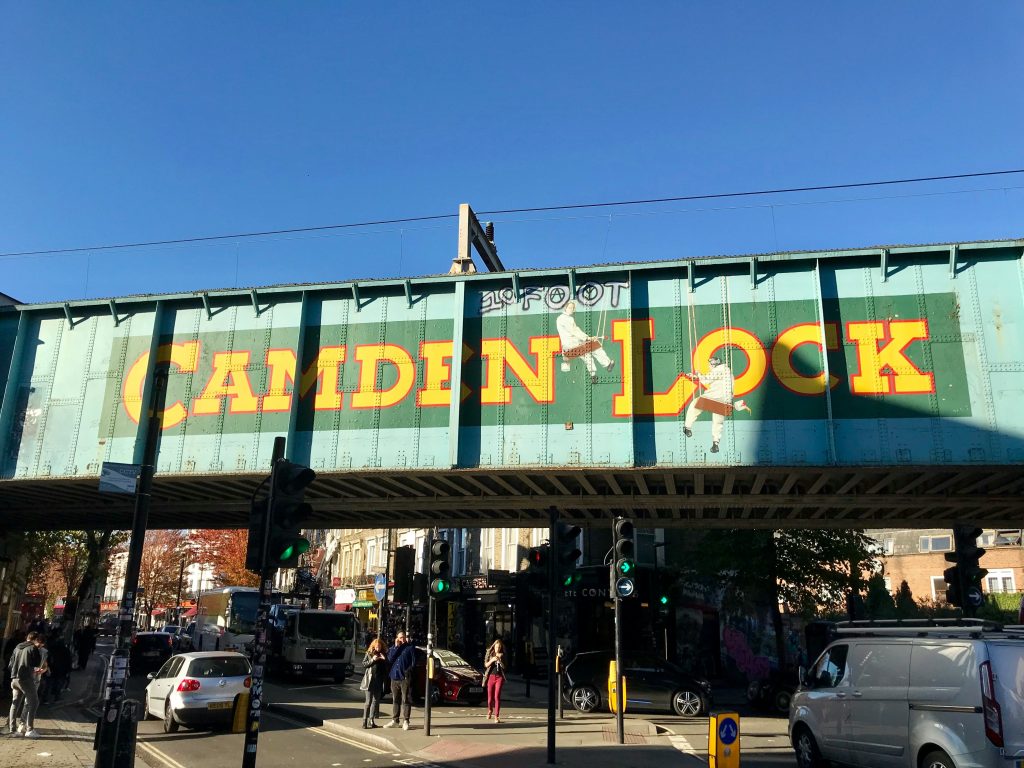
3. Visit Camden Market
Food, shops, different atmosphere.
4. See the Main Landmarks (but don’t overdo it)
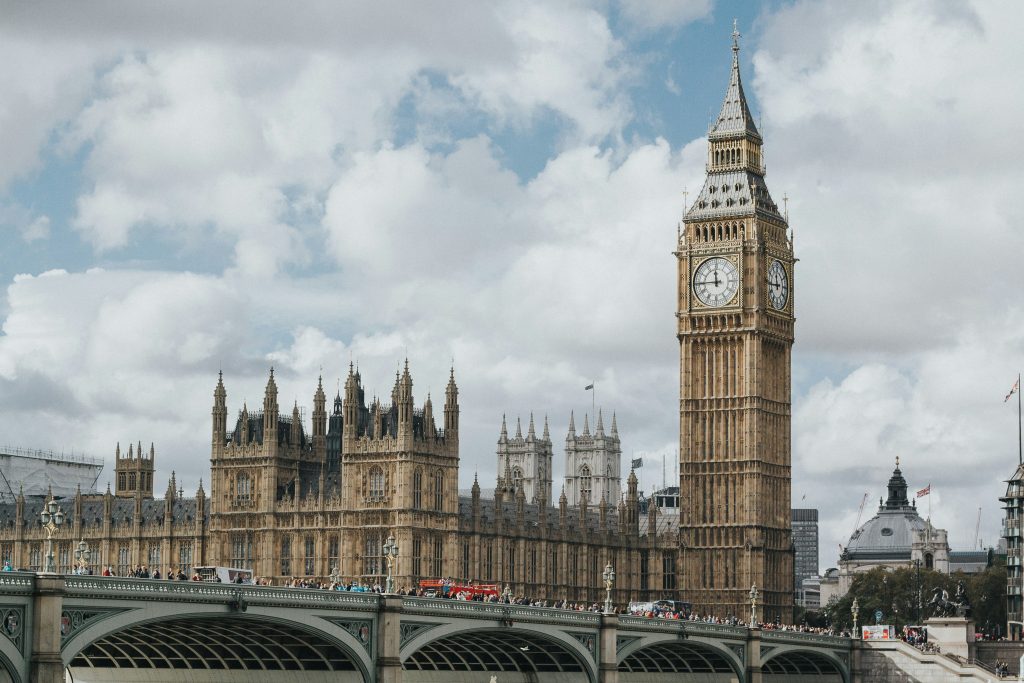
- Big Ben
- Tower Bridge
- Buckingham Palace
5. Museums (Most Are Free)
Huge advantage.
Real tip:
Don’t try to visit too many — pick 1–2.

Best Areas to Explore Instead of Rushing
Instead of jumping between attractions, it’s better to explore areas:
- Westminster → main landmarks
- Soho → food and energy
- Shoreditch → street art and nightlife
- Notting Hill → calm and aesthetic.It has a similar relaxed feel to places like Barcelona in certain areas.
- Camden → alternative vibe
Real tip:
Pick 1–2 areas per day and explore them properly.
What Surprises People the Most
- how big the city feels
- how much time transport takes
- how quickly money is spent
What I Wish I Knew Before Visiting London
There are a few things that would have made my trip much easier:
- everything takes more time than expected
- the city is bigger than it looks on maps
- London is not about doing more, but choosing better areas
Real tip:
Once you accept that you won’t see everything, the experience becomes much better.
Getting Around London
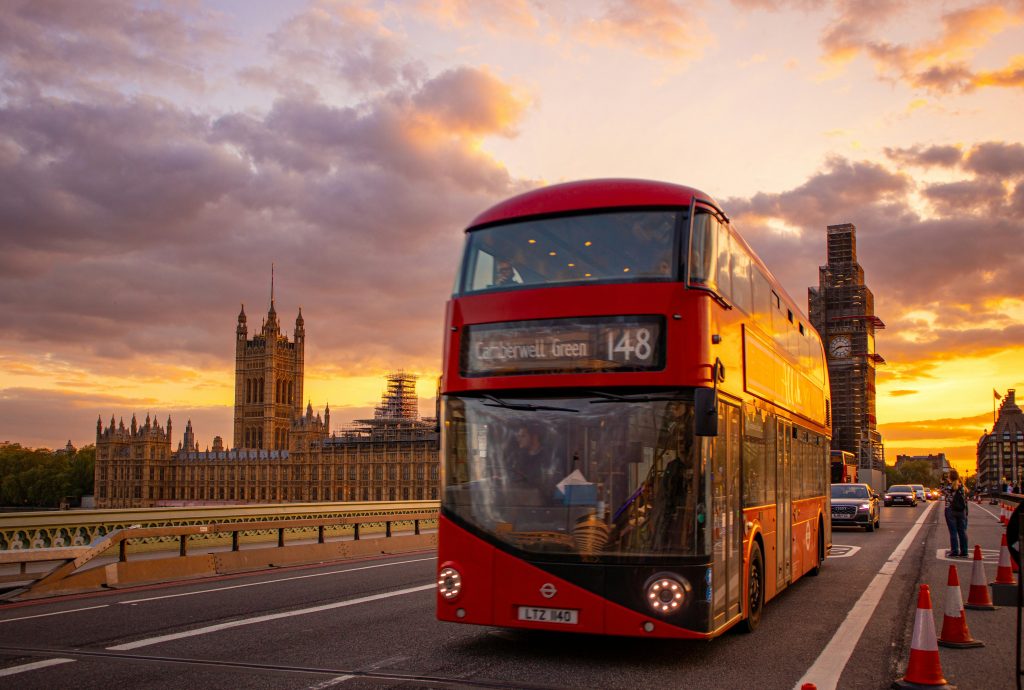
- Underground (metro) → main transport
- buses → cheaper, slower
- walking → good for small areas
Real tip:
Use contactless card — easiest option.
How London Is Organized (Zones Explained Simply)
London is divided into zones, and this affects both transport and where you stay.
- Zone 1 → central London (main attractions)
- Zone 2 → still close, better prices
- Zone 3+ → cheaper, but more travel time
Real tip:
If it’s your first time, stay in Zone 1 or 2 — anything further will cost you time every day.
Oyster Card vs Contactless (What to Choose)
Most people don’t need an Oyster card anymore.
- contactless card → easiest option
- Oyster → only useful if you don’t have contactless
Real tip:
Daily spending is capped, so you won’t overpay even if you use transport a lot.
How London Transport Actually Works
London’s transport system looks complicated at first, but it’s very efficient once you understand the basics.
Underground (Tube)
The fastest way to move around the city.
- connects all main areas
- runs frequently
- best option for longer distances
Buses
Slower, but useful for short trips.
- cheaper than the метро
- good for seeing the city
- can get stuck in traffic
Airport Transport (Best Options)
- Heathrow → Underground (Piccadilly line)
- Gatwick → train (fastest)
- Stansted → bus or train
Real tip:
Avoid taxis — too expensive for long distances.
How Long Things Actually Take
Distances in London are misleading.
Something that looks close can take 30–40 minutes.
Real tip:
Always check travel time, not distance.
Food in London (Realistic Expectation)
London is not known for traditional food — but it has everything.
- street food → very good
- international food → amazing
- classic British food → average
Traditional British Food (What to Try)
Even though London is known for international food, there are a few classic British dishes worth trying:
- fish and chips → the most iconic meal
- full English breakfast → heavy but popular
- Sunday roast → traditional weekend meal
- pie and mash → simple, local comfort food
Real tip:
These are not always the highlight of the trip, but they’re part of the experience.
Real tip:
Try markets — not just restaurants.
If you’ve visited food cities like Rome or Tokyo, London offers more variety but less traditional identity.

Where to Eat (Simple Advice)
Not all places in London offer good value.
- avoid restaurants near major attractions
- look for places with locals
- markets usually have better prices
Real tip:
If a place looks too touristy, it probably is.
Weather (What It Actually Feels Like)
- often cloudy
- light rain is common
- not as bad as people think
Real tip:
Bring a light jacket — always.
A Small Moment That Stands Out
Walking near the river in the evening, with the city lights reflecting on the water — that’s when London feels different.
Not rushed. Not overwhelming. Just… alive.
Practical Tips
- tap water is safe
- contactless payment everywhere
- English obviously spoken
- public transport is reliable
Safety (Realistic)
London is generally safe, but:
- watch your belongings in crowded areas
- avoid empty streets late at night
Real tip:
Just stay aware — no need to stress.

What to Book in Advance
- accommodation
- popular attractions
- certain experiences
Real tip:
Prices increase fast, especially in central areas.
Small Things That Matter
- UK plug adapter is needed
- weather changes quickly
- queues are normal
- walking is part of the experience
Real tip:
These small things affect your trip more than you expect.
Who Should Skip London
- very tight budgets
- people who prefer small cities
- travelers who don’t like busy places
Where to Go After London
- Paris → classic European experience
- Amsterdam → smaller and easier to explore
- Barcelona → more relaxed and vibrant
- Rome → more chaotic and historical
- Vienna → calmer and more structured
Is London Worth It for You?
London is not for everyone.
You’ll enjoy it if you:
- like big, dynamic cities
- don’t mind spending more
- enjoy exploring different areas
You might not enjoy it if:
- you prefer smaller, calm places
- you’re on a strict budget
Frequently Asked Questions About London
Is London expensive for tourists?
Yes, but you can save money with public transport and free attractions.
Do you need a visa to visit London?
It depends on your country. Most travelers don’t need a visa for short stays, but a passport is required.
How many days do you need in London?
3–4 days is ideal.
Is London safe for tourists?
Yes, just be careful in crowded areas.
What is the best way to get around London?
The Underground (Tube) with contactless payment.
Can you visit London without cash?
Yes, card is accepted almost everywhere.
What is the best area to stay in London?
Central London (Zone 1) or nearby areas.
Is London good for first-time visitors?
Yes, but it requires some planning.
When is the best time to visit London?
Spring and autumn.
Final Verdict
London is not simple.Compared to cities like Amsterdam or Vienna, it requires more time and planning.
It’s not cheap. It’s not small. And it’s definitely not calm.
But if you understand how it works — it becomes one of the most interesting cities you can visit.