
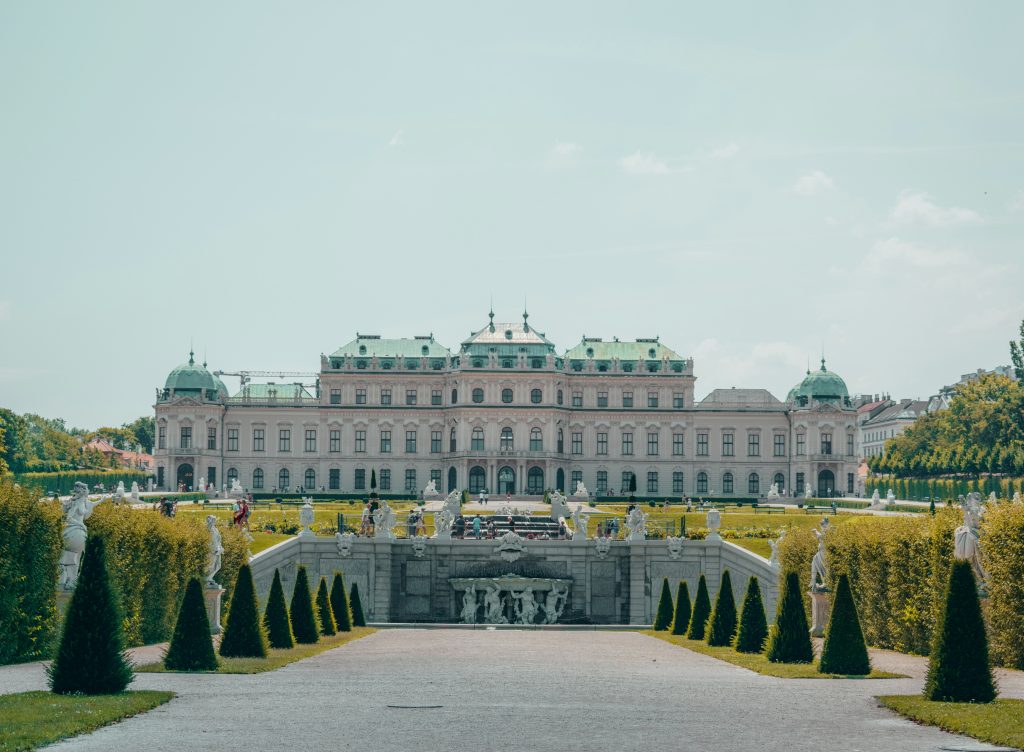
This Vienna travel guide starts with a simple truth: Vienna is one of those cities that feels almost too perfect at first, with clean streets, elegant buildings, and quiet cafés that match exactly how you imagine a European capital should look — but after a day or two, many people realize something unexpected, as the city can feel a bit slow and even slightly too calm.
That doesn’t mean Vienna isn’t worth visiting. It just means you need to understand what kind of city it really is before you go.
If you expect constant energy and nightlife like in Budapest, you might be disappointed. But if you’re looking for a relaxed, beautiful, and easy-to-explore city, Vienna can be one of the most enjoyable places in Europe.
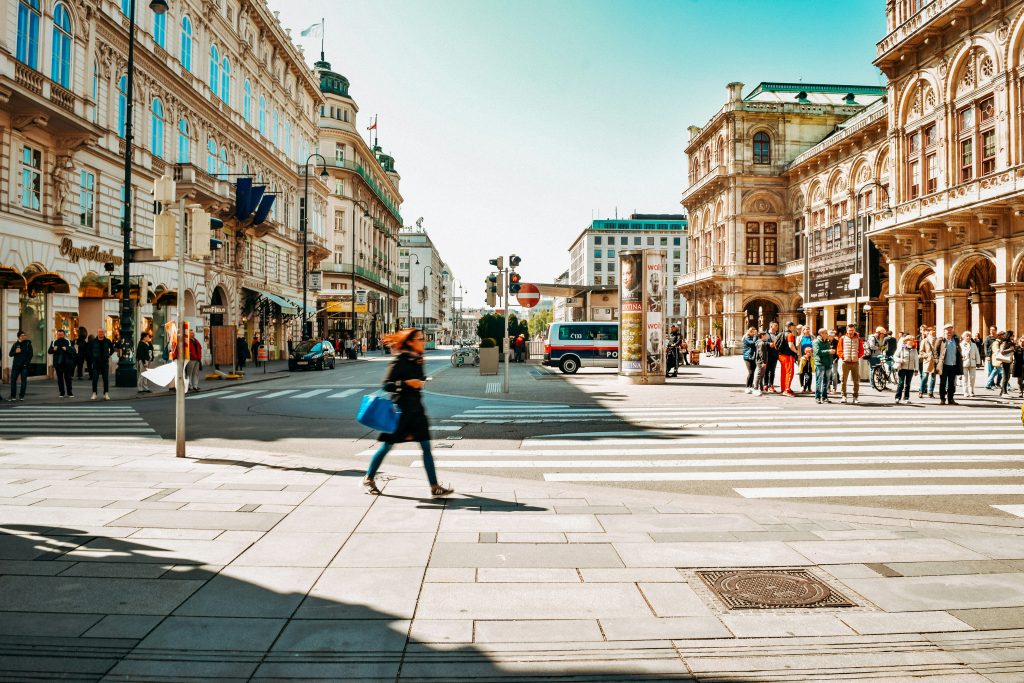
Is Vienna Worth Visiting? (Honest Answer)
Yes — but it depends on your travel style.
Vienna is worth it if you:
- enjoy calm, well-organized cities
- like architecture, museums, and cafés
- prefer walking around without stress
- want a “clean” European experience.If you’ve been to cities like Paris or Amsterdam, Vienna will feel more structured and less chaotic.
But it might not be for you if:
- you want strong nightlife or a busy atmosphere
- you get bored in slower-paced cities
- you prefer cheaper destinations
My honest take:
Vienna is not the most exciting city — but it’s one of the easiest and most comfortable to visit.
What Vienna Is Really Like
The biggest difference compared to many European cities is the pace.
Vienna feels:
- structured
- calm
- predictable
That’s not a bad thing — it just means the experience is more about enjoying the atmosphere than constantly chasing attractions.
One thing many people don’t expect:
You won’t feel rushed here. But if you don’t plan your days, you might also feel like you’re “not doing much.”
How Big Vienna Feels
Vienna is not huge, but it’s not small either.
The center is very compact and easy to explore, but once you move outside of it, distances start to feel longer.
Real tip:
Most of your time will be spent in central districts — you don’t need to overexplore the entire city.
Is Vienna Good for First-Time Visitors?
Yes — it’s actually one of the easiest cities in Europe for a first trip.
- public transport is simple
- the city is very safe
- everything is well organized
Real tip:
If it’s your first time in Europe, Vienna is a great place to start — but combining it with a more energetic city makes the trip better.
How Many Days Do You Need?
- 2 days → enough for main highlights
- 3 days → ideal
- 4+ days → can feel repetitive unless you add day trips
Real advice:
Vienna is best as a 2–3 day destination, not longer.
Best Time to Visit Vienna
- Spring (March–May) → best balance
- Summer (June–August) → beautiful but more crowded.Similar to places like Santorini or Bali, summer can feel more crowded than expected.
- Autumn (Sept–Oct) → calm and comfortable
- Winter (Nov–Dec) → Christmas markets are the highlight
Real tip:
Winter feels magical — but colder than expected.
Vienna’s Most Famous Experiences
Vienna is not just about architecture and cafés — it’s also known for a few unique experiences that define the city.
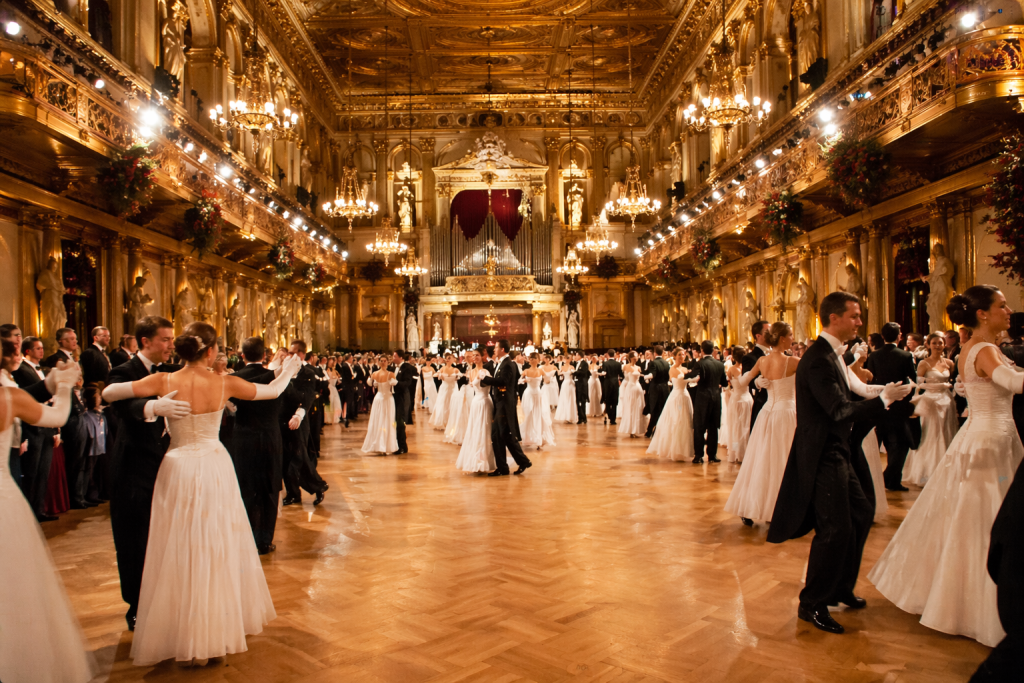
Vienna Ball Season
Every winter, Vienna hosts its famous ball season, where historic buildings turn into elegant dance halls.
- formal dress code (suits and gowns)
- live classical music
- traditional atmosphere
Real tip:
You don’t need to attend a ball to enjoy the atmosphere — even seeing the city during this period feels special.
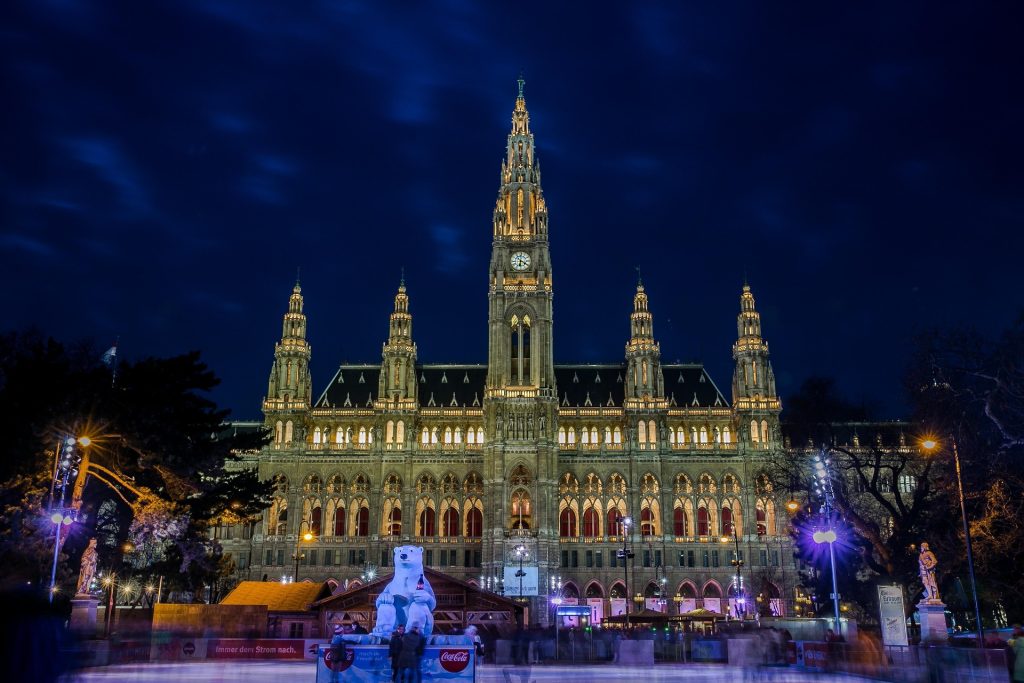
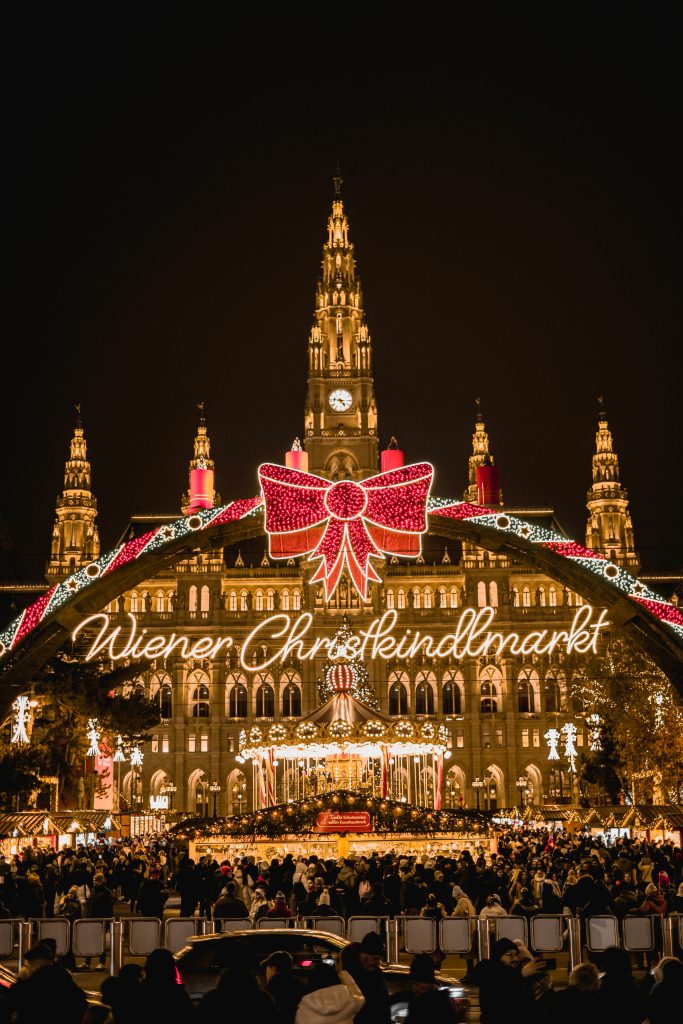
Christmas Markets
Vienna is one of the best places in Europe for Christmas markets.
- warm lights and decorations across the city
- traditional food and drinks
- festive atmosphere in multiple locations
Real tip:
The markets look magical, but they can get crowded — go early or later in the evening for a better experience.
Where to Stay in Vienna
Innere Stadt (1st District)
Best for:
- first-time visitors
- walking everywhere
- central location
Compared to cities like Rome or Barcelona, choosing the right area in Vienna is more about comfort than necessity.
downside: more expensive
Leopoldstadt / Neubau
Best for:
- better prices
- local vibe
- still close to center
Real tip:
Staying slightly outside the center saves money without losing convenience.
Real Costs in Vienna
Vienna is more expensive than Budapest, but still cheaper than cities like Paris or Amsterdam.
Daily budget:
- Budget: €70–100
- Mid-range: €120–200
- Comfortable: €200+
Examples:
- Coffee: €3–5
- Meal: €15–30
- Transport pass: ~€8/day
Real insight:
You don’t feel the costs immediately — but they add up fast.
Small Extra Costs to Expect
Besides daily expenses, there are a few small costs that add up:
- city tax is often included in accommodation, but not always
- some public toilets require a small fee
- museums and attractions can be more expensive than expected
Real tip:
These aren’t big expenses individually, but they can add up over a few days.
Best Things to Do (What’s Actually Worth It)
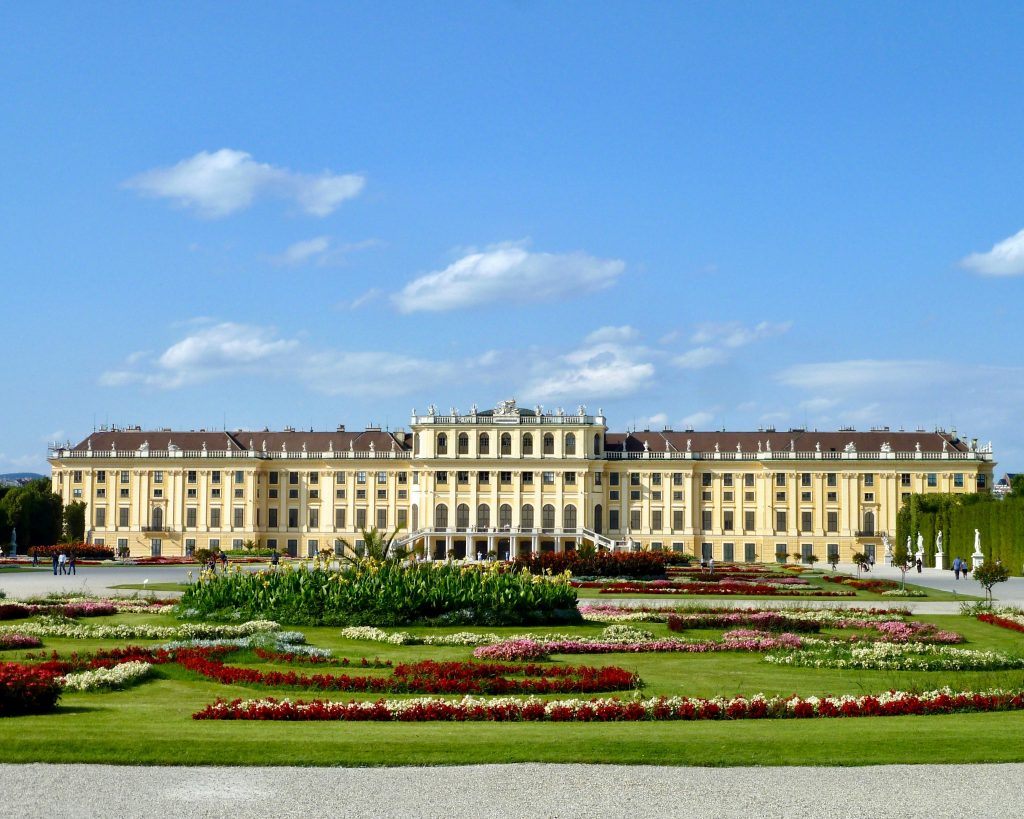
1. Schönbrunn Palace
The most famous attraction — worth it, but busy.
Tip: Go early.
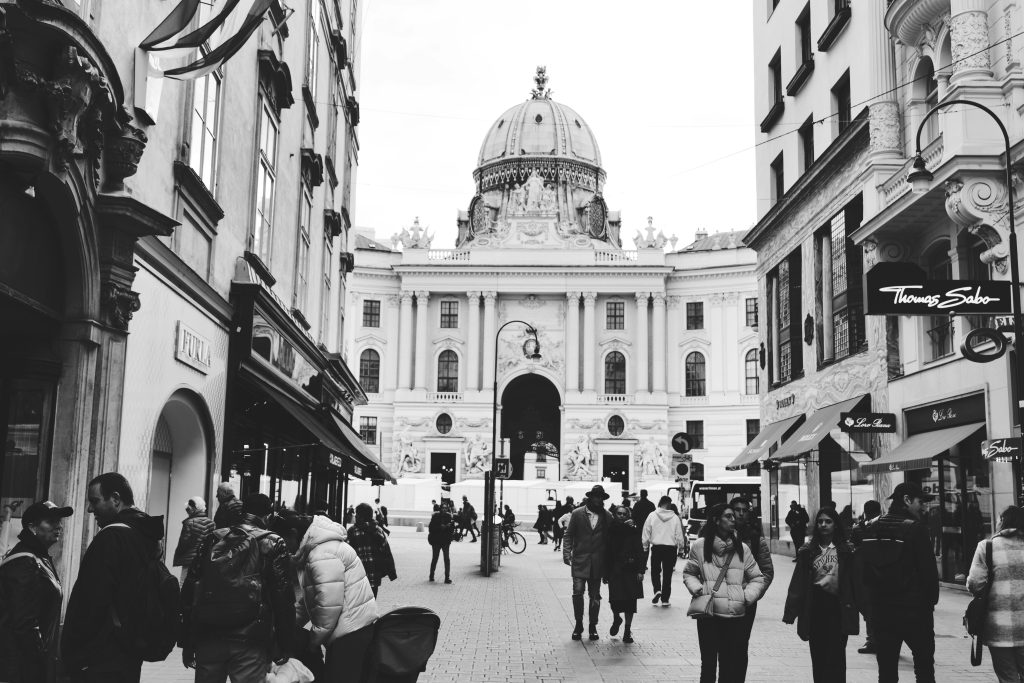
2. Historic City Center
Walking around is half the experience.If you enjoy walking cities like Paris, this is where Vienna really stands out.
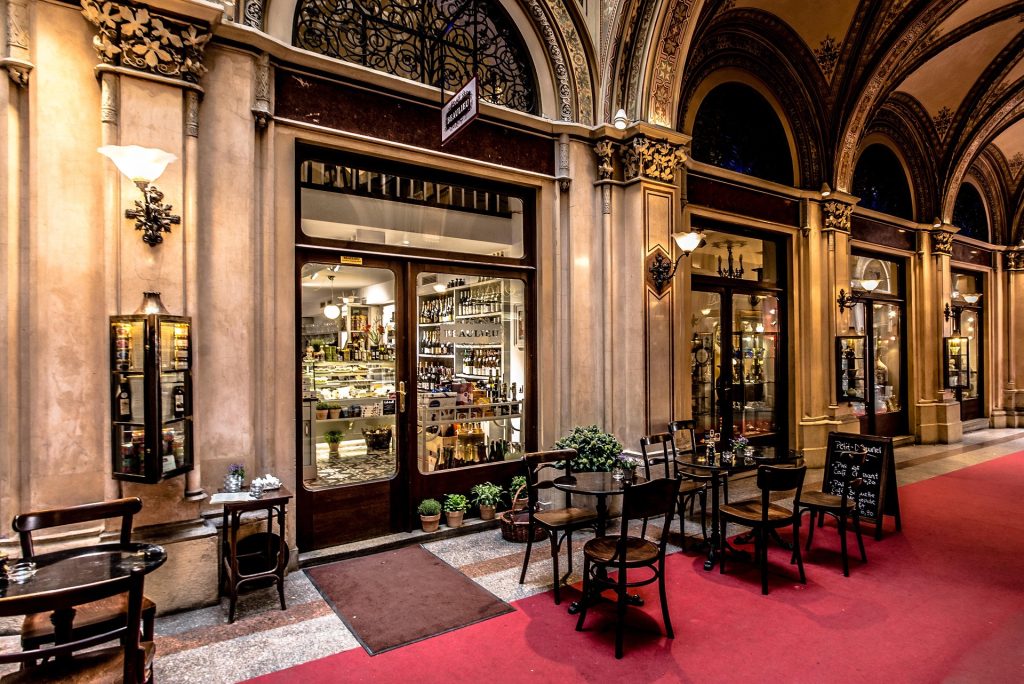
3. Cafés (Must-Do)
Vienna café culture is real.
Tip: don’t rush — sit and enjoy.
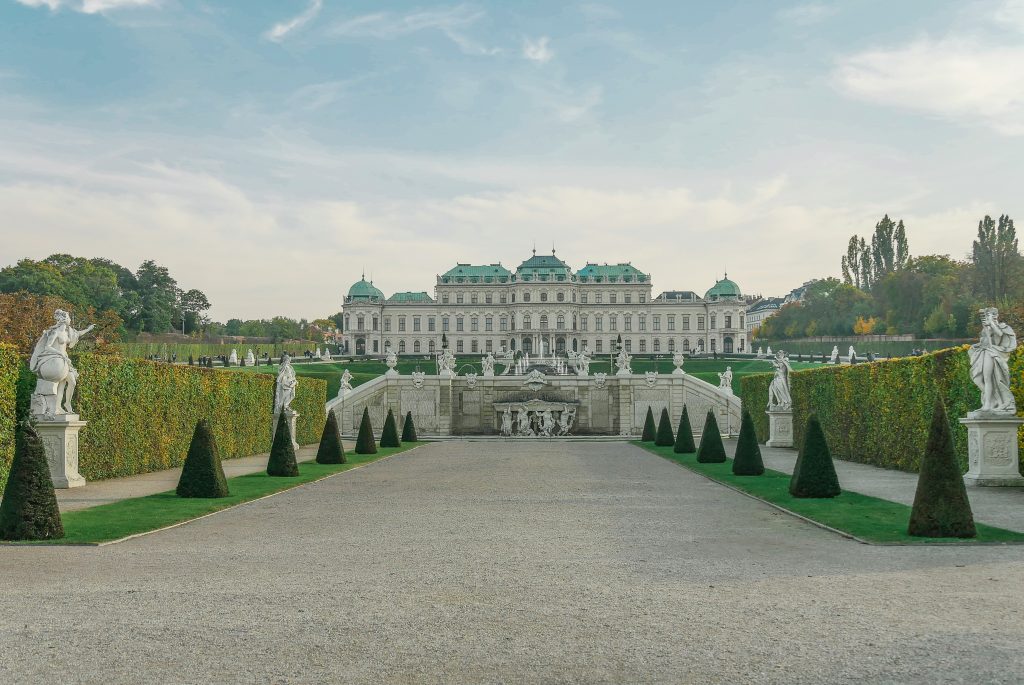
4. Belvedere Palace
Great views + art.
5. Prater & Giant Ferris Wheel
More relaxed, different vibe.

What’s Overrated
- rushing museums
- trying to see everything
- short 1-day visits
Biggest Mistakes Tourists Make
- planning too many attractions in one day
- not slowing down
- underestimating costs
- skipping cafés
Real tip:
Vienna is a city you experience slowly — not quickly.
Getting Around Vienna
- metro
- trams
- buses
-everything works perfectly
Best option:
buy a daily transport pass
Public Transport Details
Vienna’s public transport system is one of the most efficient in Europe.
- metro (U-Bahn) → fastest for longer distances
- trams → best for seeing the city while moving
- buses → useful for specific areas
You rarely wait more than a few minutes, and everything runs on time.
Real tip:
Google Maps works perfectly here, so you don’t need to overthink routes.
How to Get from the Airport
- train → fastest option
- airport bus → cheaper
- taxi → €30–40
Real tip:
Train is the easiest and most reliable.
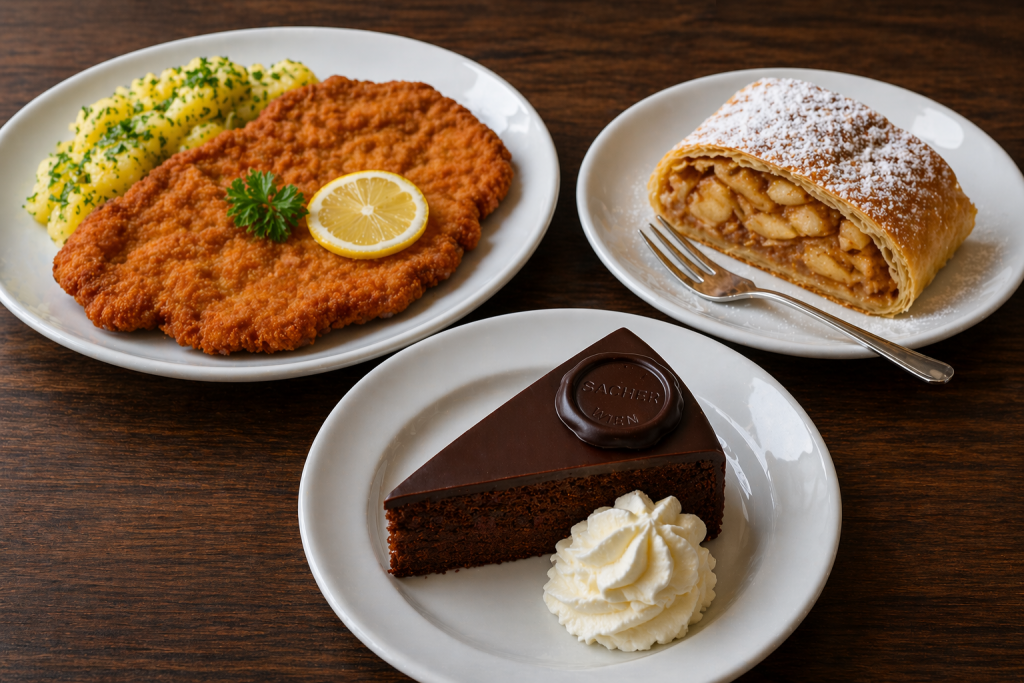
Food in Vienna (What to Try)
- Wiener Schnitzel
- Apple Strudel
- Sachertorte
Real tip:
Cafés are more important than restaurants here.
If you’ve visited food-focused cities like Rome or Tokyo, Vienna offers a simpler but still enjoyable experience.
Service & Tipping in Vienna
Service in Vienna is more formal compared to some other countries.
- waiters may not check on you often
- you usually need to ask for the bill
- tipping is expected (around 5–10%)
Real tip:
Don’t expect overly friendly service — it’s normal here, not bad service.
Opening Hours
One thing that surprises many visitors is how early things close.
- many restaurants close earlier than expected
- shops are often closed on Sundays
- cafés stay open longer, but not late like in other cities
Real tip:
Plan your meals earlier in the evening — don’t expect everything to be open late.
What I Would Do Differently
If I went again:
- spend more time in cafés
- plan fewer attractions
- stay close to center
- combine Vienna with another city
Simple 3-Day Plan
First Day – Getting to Know Vienna
- city center
- cafés
Second Day – Highlights
- Schönbrunn
- Belvedere
Third Day – Take It Slow
- relaxed exploring
What the Weather Really Feels Like
- summer → warm but manageable
- winter → cold but cozy
- spring/autumn → best overall
A Small Moment That Stands Out
Sitting in a quiet café with coffee and cake, watching the city pass by — that’s Vienna.
It’s not about doing more. It’s about slowing down.
Practical Tips
- cards accepted almost everywhere
- very safe
- English widely spoken
- tap water in Vienna is safe to drink and very high quality
Real tip:
You don’t need to buy bottled water — just refill your bottle, especially in cafés or public fountains.
Who Should Skip Vienna
- nightlife lovers
- budget travelers
- fast-paced travelers
Where to Go After Vienna
- Budapest → more energy and nightlife
- Ljubljana → relaxed city
- Lake Bled → perfect nature escape
- Dubrovnik → coastal destination
- Rome → more chaotic and lively
Final Verdict
Vienna is not about excitement.
It’s about comfort, beauty, and slowing down.
If you understand that before you go — you’ll enjoy it a lot more.