
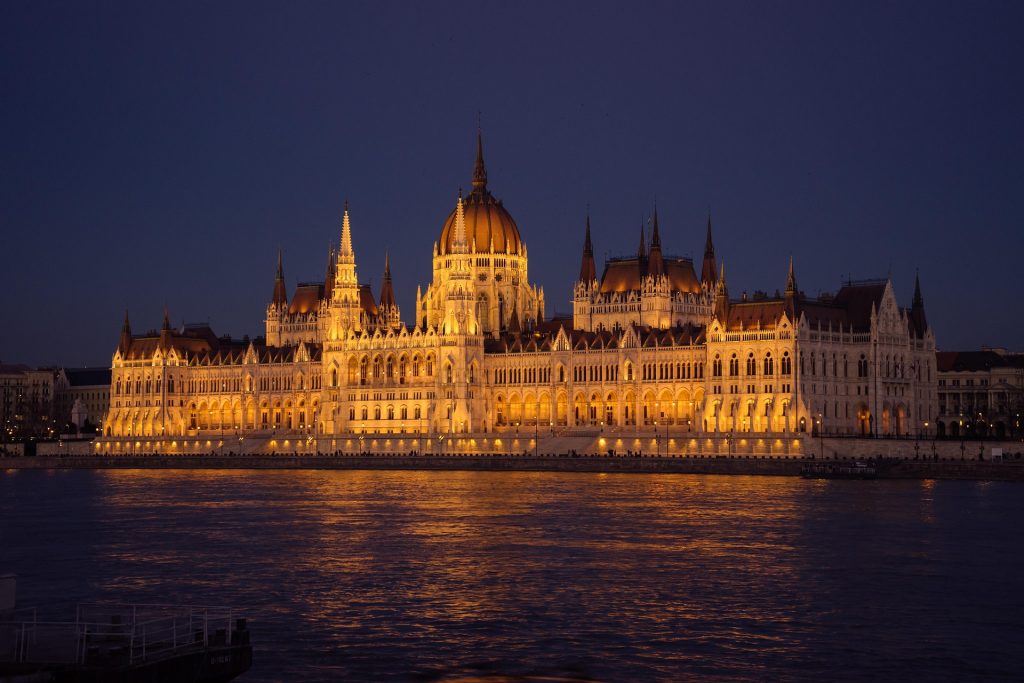
Budapest is one of those cities that looks almost perfect online — and in this Budapest travel guide, you’ll quickly realize why — grand buildings, glowing night views, and that famous river cutting through the middle. But once you arrive, the experience feels a bit different.
It’s not just one city. It’s two completely different worlds — Buda and Pest — and that split affects everything from where you stay to how you plan your day. Most first-time visitors don’t realize how much time they’ll spend moving between the two sides, or how different the vibe feels depending on where they are.
Another thing people often get wrong is the expectation. Budapest isn’t a “perfect” Western European city like Paris — if you’re used to places like Paris or Rome, this one feels a bit rougher, more real, and sometimes slightly chaotic.
If you plan it well, Budapest can feel like one of the best-value cities in Europe. If you don’t, it can feel tiring, slightly overpriced in the wrong places, and a bit confusing to navigate.
Is Budapest Worth Visiting? (Honest Answer)
Yes — but only if it matches your expectations.
Budapest is worth visiting if you:
- enjoy cities with character, not just polished tourist destinations
- want a mix of sightseeing, food, and nightlife
- like destinations where you can relax (thermal baths) and explore at the same time
- are traveling on a mid-range budget and want good value
But it might not be for you if:
- you expect everything to be perfectly organized and clean
- you don’t like moving around a lot during the day
- you prefer calm, quiet destinations
If you’ve already visited places like Amsterdam or Barcelona, Budapest will feel less polished but more raw and authentic.
My honest take: Budapest isn’t the most beautiful city in Europe — but it’s one of the most interesting and balanced.
Is Budapest Good for First-Time Visitors?
Budapest is a great choice for a first-time trip to Europe if you want a mix of culture, food, and nightlife without the high prices of Western Europe. It’s easy to navigate, relatively affordable, and offers a bit of everything — but it does require some planning to get the best experience.
What Budapest Is Really Like (Real Experience)
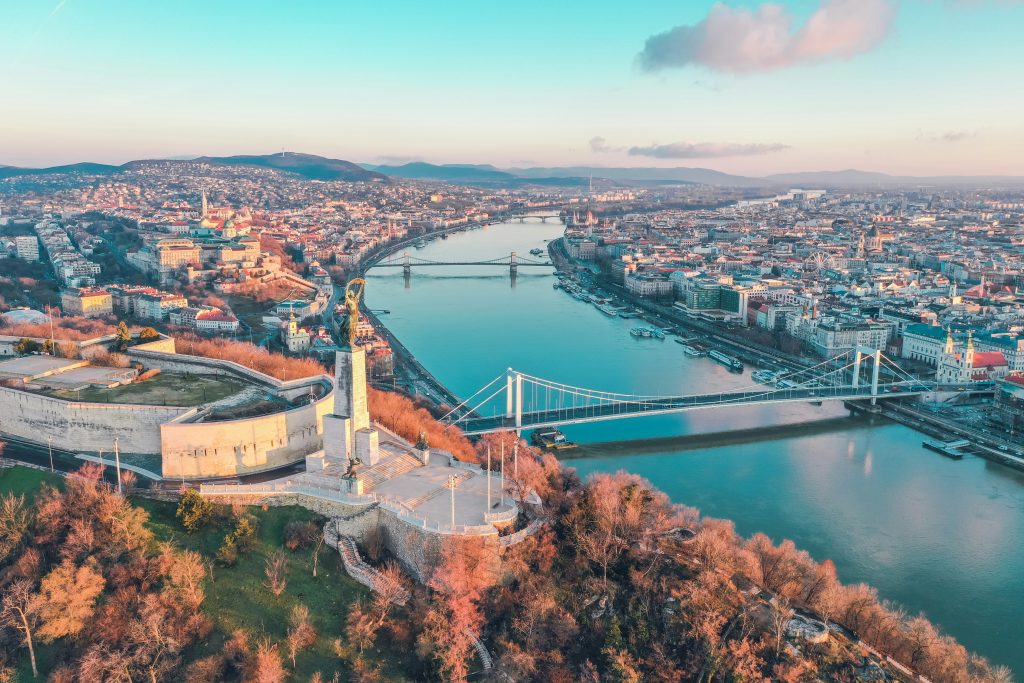
The biggest thing that shapes your experience is the split between Buda and Pest.
- Buda → calm, residential, more scenic
- Pest → busy, social, full of restaurants and nightlife
Most people think they’ll spend equal time on both sides. In reality, you’ll probably spend 80–90% of your time in Pest, even though the most famous views are in Buda.
One thing people don’t expect:
Crossing between the two sides takes longer than it looks. It might seem like a quick walk on the map, but once you do it multiple times a day, it starts to feel inefficient and tiring.
Another thing that stands out is how different the city feels at night. During the day, it can feel like a typical European capital. At night, it becomes much more social and energetic — especially around the ruin bars.
How Many Days Do You Actually Need?
Here’s the realistic breakdown:
- 2 days → enough to see the main highlights, but rushed
- 3 days → ideal (best balance)
- 4 days → only if you want a slower pace
Real recommendation:
3 days is the sweet spot. Less than that and you’ll feel like you’re constantly moving without really enjoying the city.
Best Time to Visit Budapest (By Season)
- Spring (March–May) → one of the best times to visit, fewer crowds and pleasant weather
- Summer (June–August) → lively but crowded and hotter than expected.Similar to destinations like Santorini or Bali, summer in Budapest can feel overcrowded if you don’t plan your days well.
- Autumn (September–October) → great balance of weather and fewer tourists
- Winter (November–February) → colder, but Christmas markets make it special
Real tip:
If you want the best overall experience, late spring or early autumn is usually the sweet spot.
Best Day Trips from Budapest (If You Have Extra Time)
If you stay longer than 3 days, there are a few easy day trips worth considering:
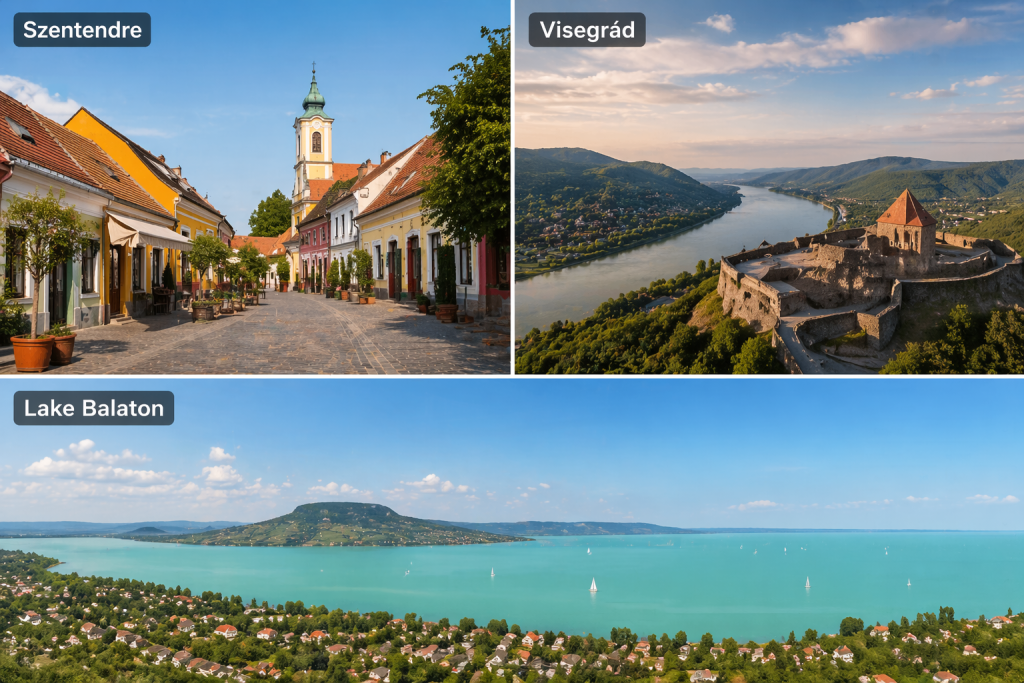
- Szentendre → small, colorful town about 40 minutes away
- Visegrád → great views over the Danube Bend
- Lake Balaton → popular summer destination
Real tip:
Most people don’t need day trips on a short visit — Budapest itself is enough for 2–3 days.If you enjoy smaller destinations like Lake Bled or coastal spots like Ksamil, these nearby trips offer a similar slower experience.
Where to Stay in Budapest (This Can Make or Break Your Trip)
Stay in Pest (Best Choice for Most People)
This is where almost everything happens.
Best for:
- first-time visitors
- restaurants and cafés
- nightlife
- easy access to attractions
Compared to cities like Rome or Madrid, choosing the right area in Budapest matters more than most people expect.
Practical advice:
Stay in District V or VII. These areas save you time because most things are within walking distance.
Stay in Buda (Only If You Know Why)
Best for:
- quiet stays
- couples
- scenic views
But:
- fewer food options
- less activity
- more time spent commuting
Honest tip:
If you stay in Buda, expect to spend 20–30 minutes each time you go into Pest.
Real Costs in Budapest (Detailed Breakdown)
Budapest is cheaper than cities like Paris or Amsterdam — but it’s not as cheap as people expect anymore.
Daily Budget (per person)
- €50–70/day (budget)
→ hostels or cheap apartments, simple meals, public transport - €80–150/day (mid-range)
→ comfortable hotel, restaurants, activities - €150+/day (comfortable)
→ better hotels, frequent dining, more experiences
Real Price Examples:
- Coffee: €2–4
- Street food: €5–10
- Restaurant meal: €12–25
- Thermal bath ticket: €20–35
- Public transport pass (24h): ~€6
Important detail:
Prices change a lot depending on location. You can pay €12 for a good meal in one place — and €25 just a few streets closer to a major attraction.
Biggest hidden cost:
Tourist restaurants in central areas.
Best Things to Do (What’s Actually Worth It)
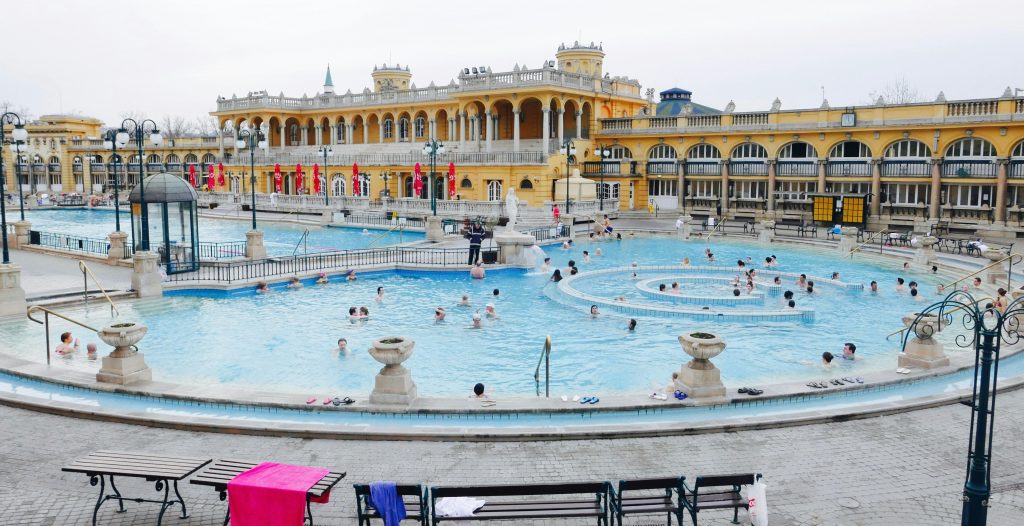
1. Thermal Baths (Must-Do Experience)
It’s touristy — but still worth it.
Tip: Go early morning or late evening to avoid crowds.
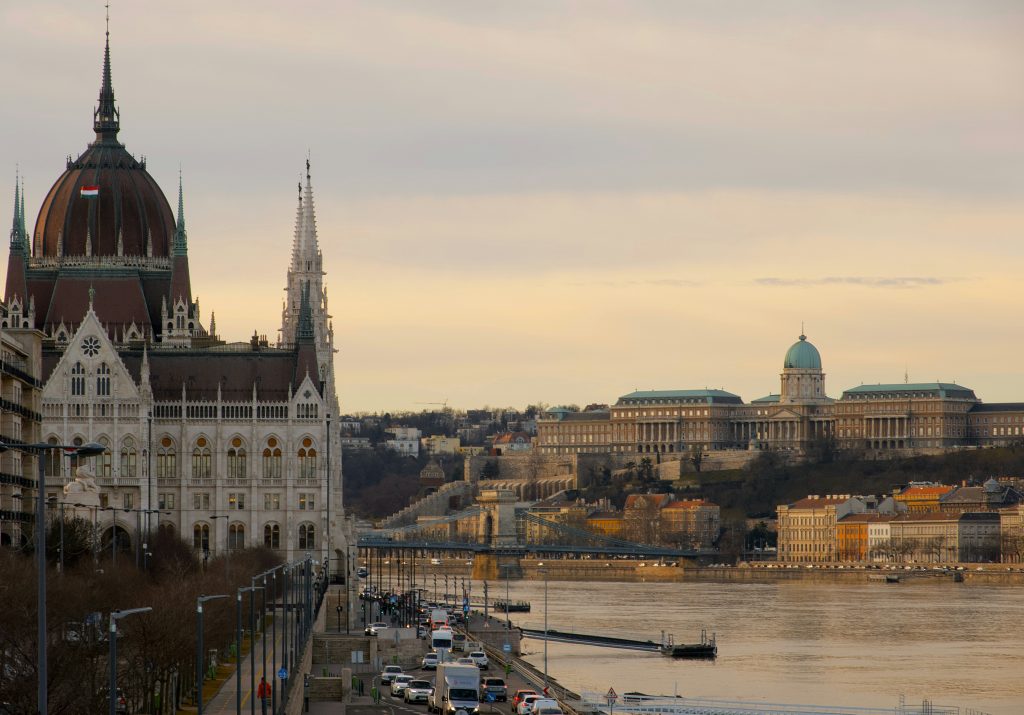
2. Parliament Building (Night View)
One of the best night views in Europe.
Tip: Walk along the river at night — it’s much better than during the day.

3. Buda Castle & Fisherman’s Bastion
Amazing views, but crowded.
Tip: Go early morning for fewer people.
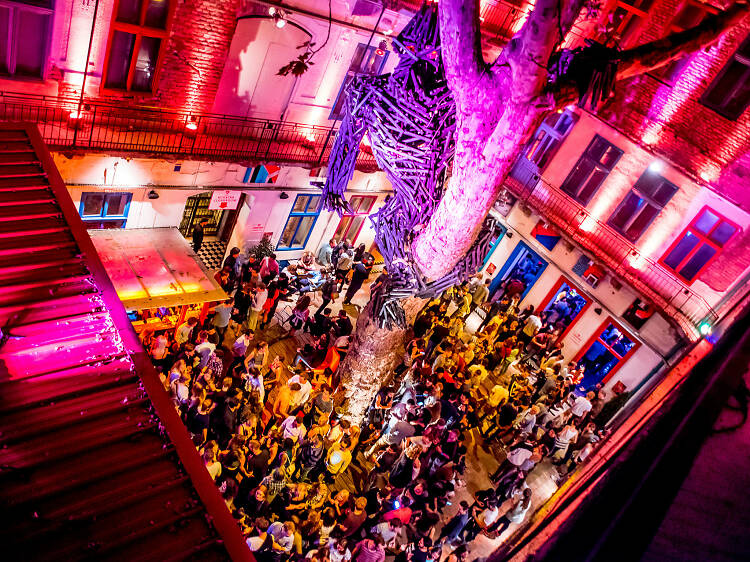
4. Ruin Bars (Unique Experience)
Not just nightlife — it’s part of the culture.
Tip: Visit at least one, even if you don’t party.
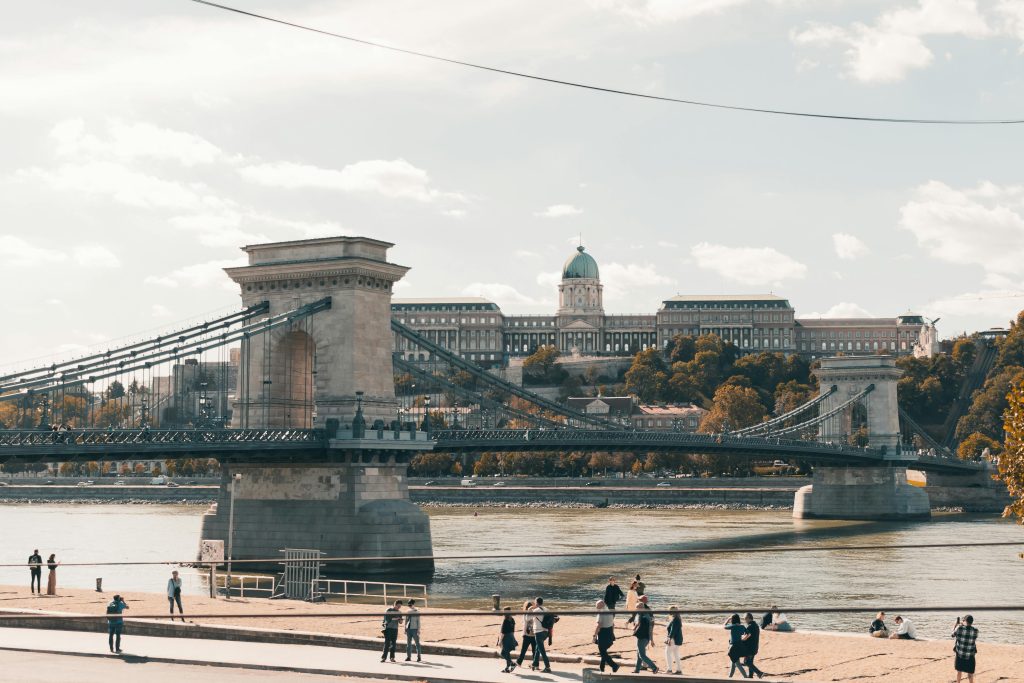
5. Danube Walk at Sunset
Simple but one of the best moments in the city.
What’s Overrated (Honest Part)
- Restaurants right next to major attractions → overpriced
- 1-day trips → too rushed to enjoy
- Only visiting “Instagram spots” → you miss the real city
Best Time of Day to Explore Budapest
The time of day makes a bigger difference than most people expect.
- Early morning (7–10 AM) → best for photos and fewer crowds
- Midday (11 AM – 4 PM) → busiest and most touristy
- Evening (after 6 PM) → best atmosphere, especially near the Danube
- Night (after 9 PM) → city feels more alive, especially in Pest
Real tip:
Budapest is one of those cities that feels completely different at night — don’t treat it as just a daytime destination.
Biggest Mistakes Tourists Make
- Assuming Budapest is very cheap and not checking prices
- Staying too far from the center
- Walking everywhere instead of using transport
- Ignoring the difference between Buda and Pest
- Skipping nightlife completely
Real insight:
Budapest feels like a different city at night — missing that changes the whole experience.
Things to Watch Out For
Budapest is generally safe, but there are a few small things that can affect your experience.
- Some taxis may overcharge if you don’t use official apps or agree on a price
- Restaurants near major attractions often have higher prices than expected
- Currency conversion tricks can make things seem cheaper than they are
Real tip:
If something feels too “convenient” or someone is pushing you to choose a place quickly, it’s usually overpriced.
Getting Around Budapest (What Actually Works Best)
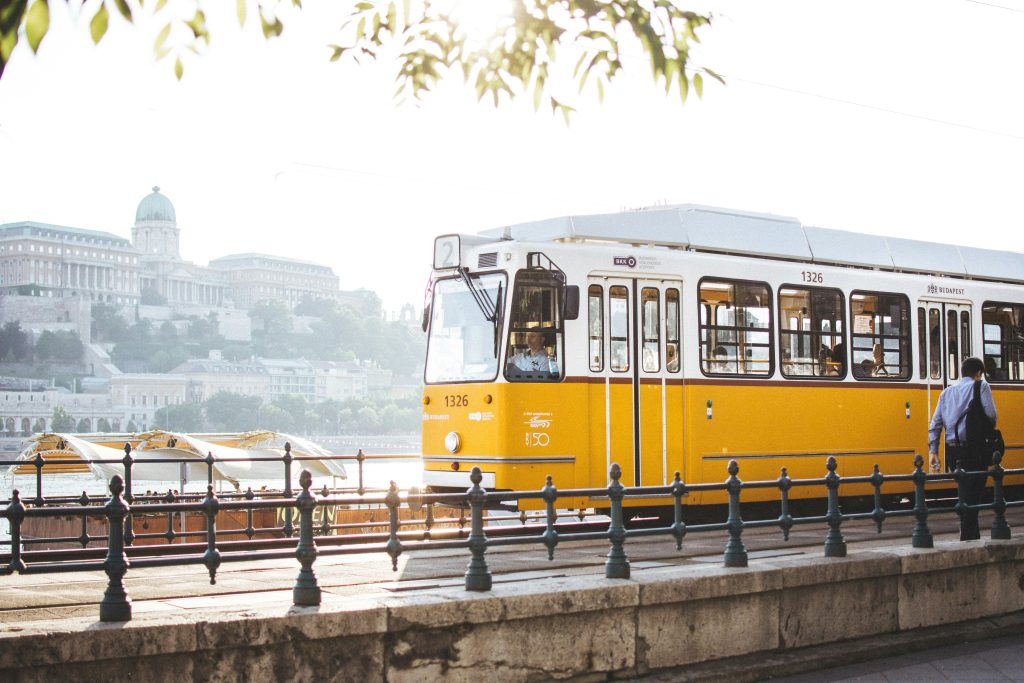
Public transport is:
- reliable
- cheap
- easy to use
Best option:
Buy a 24h or 72h pass — saves time and effort.
Walking is fine for short distances, but don’t rely on it for everything.
How to Get from the Airport to the City
The easiest way to get from Budapest Airport to the city center is by taking the 100E airport bus, which goes directly into Pest (main tourist area).
- Price: around €5–6
- Time: 30–40 minutes depending on traffic
- Runs frequently during the day
If you arrive late at night, you may need to combine bus 200E with the metro.
Real tip:
If you’re staying in Pest, this is the best option. Taxis are faster but usually cost €20–30, and the time difference isn’t always worth it.
Food in Budapest (What’s Worth Trying)
You don’t need expensive restaurants to eat well.
Try:
- Goulash → traditional Hungarian dish
- Langos → cheap and filling street food
- Chimney cake → popular dessert
Tip:
Avoid places where staff try to pull you in — those are usually overpriced.
If you’ve been to food-heavy cities like Rome or Tokyo, Budapest still offers a strong experience — just in a simpler and more affordable way.

What I Would Do Differently (After Visiting)
If I went again, I would:
- stay in Pest without overthinking it
- plan my days to avoid crossing the river too often
- book thermal baths in advance
- avoid eating near major attractions
- spend more time exploring neighborhoods instead of just landmarks
This alone would save time, money, and make the trip more enjoyable.
Simple 3-Day Itinerary (Realistic)
Day 1:
- Parliament
- Danube walk
- Dinner + ruin bar
Day 2:
- Buda Castle
- Fisherman’s Bastion
- Thermal baths
Day 3:
- Markets
- Cafés
- relaxed exploring
What the Weather Really Feels Like
- Summers can feel hotter than expected, especially in the city center
- Winters are cold, but manageable if you plan indoor activities
- Spring and autumn are the most comfortable overall
Real tip:
Budapest is a city where the weather can change how much you enjoy it — especially in summer crowds or winter cold.
A Small Moment That Stands Out
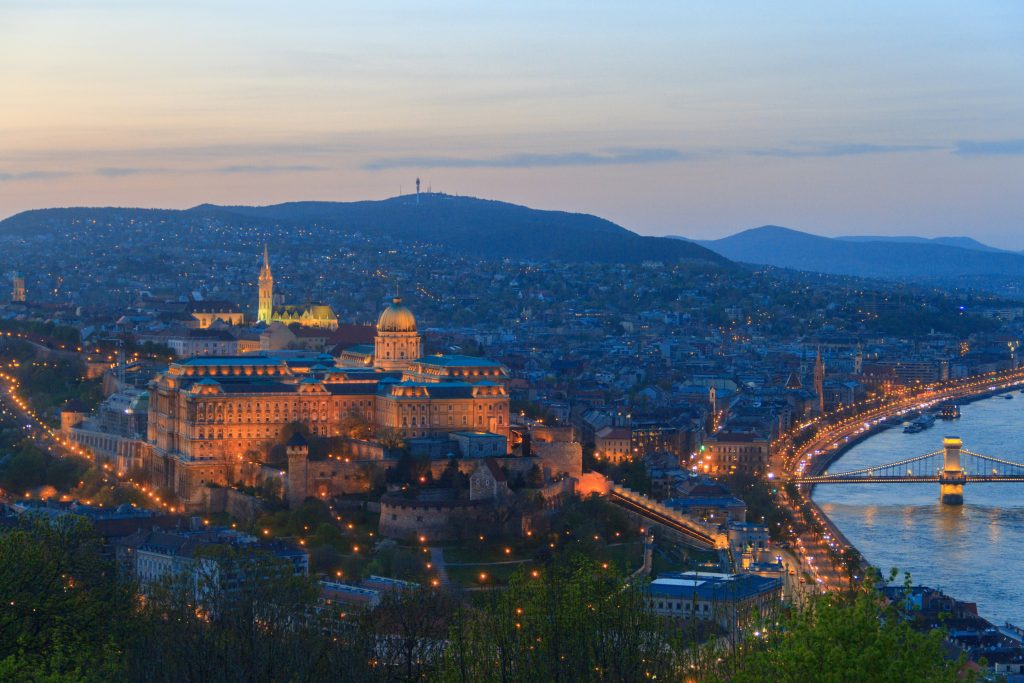
One moment that really stays with most people is walking along the Danube at night. The city feels completely different compared to the day — quieter, more relaxed, and much more atmospheric.
It’s simple, but it often ends up being one of the most memorable parts of the trip.
Practical Tips (Internet, Payments, Language)
- Free Wi-Fi is common in cafés, restaurants, and hotels
- Card payments are accepted almost everywhere
- It’s still useful to have a small amount of cash for smaller places
- English is widely spoken in tourist areas
Real tip:
You don’t need to overprepare — Budapest is easy to navigate once you arrive.
FAQ (Straight Answers)
Is Budapest expensive?
Not really, but it’s not as cheap as people think.
Is Budapest safe?
Yes, generally very safe.
Do you need cash?
Not always, but useful in smaller places.
Is it walkable?
Partly — but transport makes things easier.
Who Should Skip Budapest
Budapest is not for everyone, and that’s completely fine.
You might want to skip it if you:
- are looking for a very clean, polished Western Europe experience
- don’t enjoy cities and prefer nature or beaches
- only have 1 day and want a quick, easy destination
- don’t want to use public transport or move around much
Honest note:
Budapest rewards people who explore a bit — if you try to rush it, it won’t feel as special.
Where to Go After Budapest
If you’re planning a longer trip, Budapest fits perfectly into a Central and Southern Europe route.
- Ljubljana → smaller and more relaxed city with a completely different pace
- Lake Bled → one of the best nature spots to visit after a city trip
- Dubrovnik → a complete switch from city life to coastline
- Split → great mix of city and seaside atmosphere
- Rome → a busier and more classic European experience
Real tip:
Budapest works best as part of a multi-stop trip — combining it with nearby cities or coastal destinations makes the experience much more balanced.
Final Verdict: Should You Visit Budapest?
Budapest isn’t perfect — but that’s part of what makes it interesting.
It’s a mix of:
- beautiful architecture
- busy, energetic streets
- relaxing experiences like thermal baths
Compared to cities like Paris or Amsterdam, Budapest offers a much better balance between price and experience.
If you plan it well, it feels like you’re getting more than you paid for.
If you don’t, it can feel slightly confusing and underwhelming.