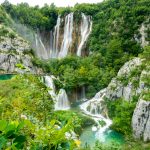
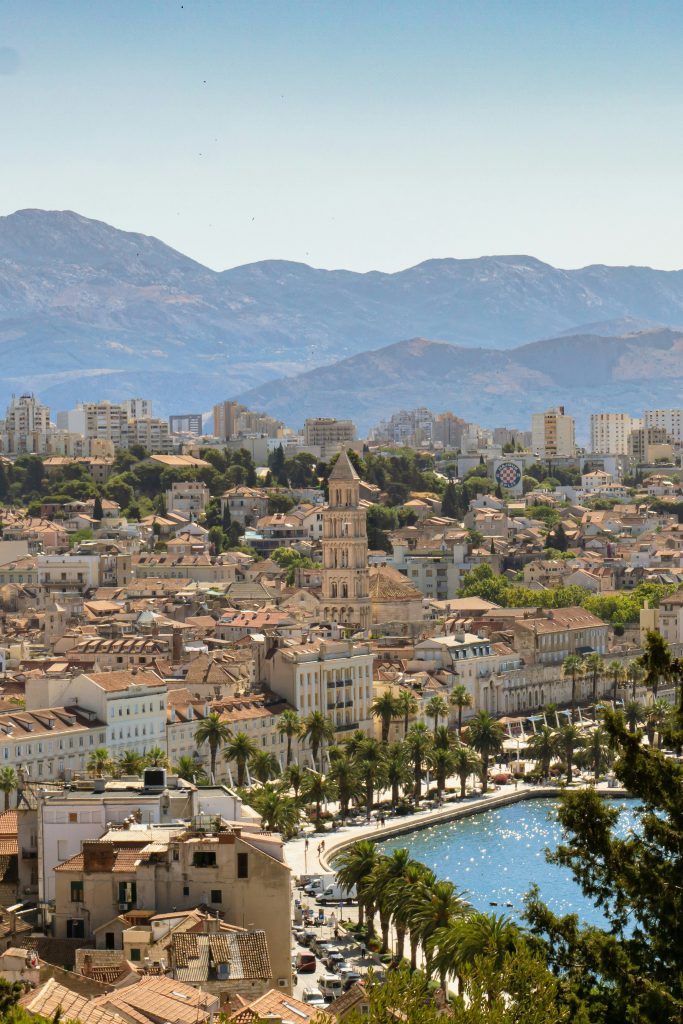
This Split travel guide explains everything you need to know before visiting one of the most important coastal cities in Croatia. Split is not just a destination—it is the central hub of the Adriatic coast, where history, beaches, and island travel come together in one place.Travelers exploring Croatia often combine Split with destinations like Dubrovnik, Hvar, and the full Croatia travel guide.
Unlike cities that feel designed only for tourists, Split is a functioning city built around a Roman palace, where daily life continues inside ancient walls. This creates a unique experience that combines culture, relaxation, and movement.It is also often included in broader Europe trips together with Italy, Slovenia, and Greece.
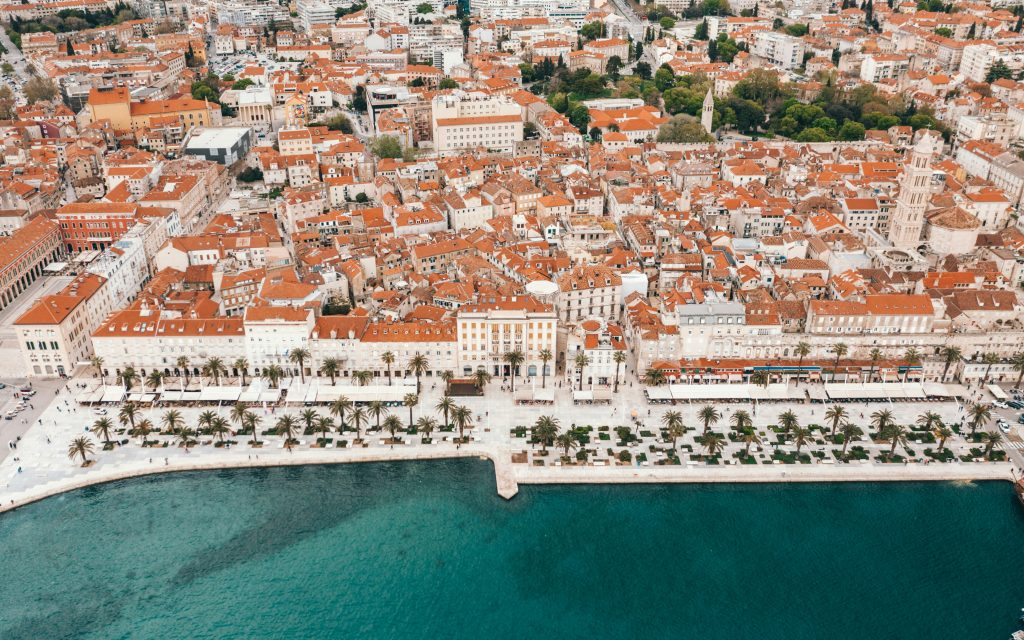
Where Split Is Located
Split is situated along the Dalmatian coast of Croatia, facing the Adriatic Sea. Its location places it at the center of coastal travel routes, making it one of the best bases for exploring nearby islands and other cities.Many travelers continue from Split to destinations like Slovenia, Lake Bled, and Dubrovnik.
Distances:
- approximately 4 hours from Zagreb
- around 2 hours from Dubrovnik
- direct ferry connections to major islands
This positioning makes Split one of the most strategic locations for travel planning in Croatia.
How to Get to Split
Most travelers arrive in Split by air, bus, or ferry.
Main options:
- Split Airport (direct international flights)
- bus connections from Zagreb, Dubrovnik, and other cities
- ferry routes from nearby islands
From the airport, the city center can be reached by shuttle bus, taxi, or ride-sharing services within 25–30 minutes.
For most travelers, flying directly to Split is the most efficient option, especially during summer.
Entry Requirements
Croatia is part of the Schengen Area.
Travelers need:
- a valid passport
- a visa if required based on nationality
- permission to stay up to 90 days
Entry procedures are straightforward, but it is always recommended to check current requirements before travel.
Getting Around Split
Transportation in Split is simple and efficient.
Within the city:
- the Old Town is fully walkable
- public buses connect outer areas
- ride-sharing services are widely available
A car is not necessary for staying in Split itself, but it can be useful for exploring surrounding regions.
Why Visit Split
Split stands out because it offers multiple travel experiences in one location.
Key reasons to visit:
- a historic center built inside a Roman palace
- direct access to islands
- combination of beaches and city life
- active atmosphere with local culture
It works equally well as a base, a destination, or part of a longer itinerary.Split is also one of the most important stops in any Croatia travel guide itinerary.
Most Famous Places in Split
Diocletian’s Palace is the central landmark and one of the most unique historical sites in Europe. Unlike traditional monuments, it functions as part of the city, with homes, cafes, and shops inside its walls.
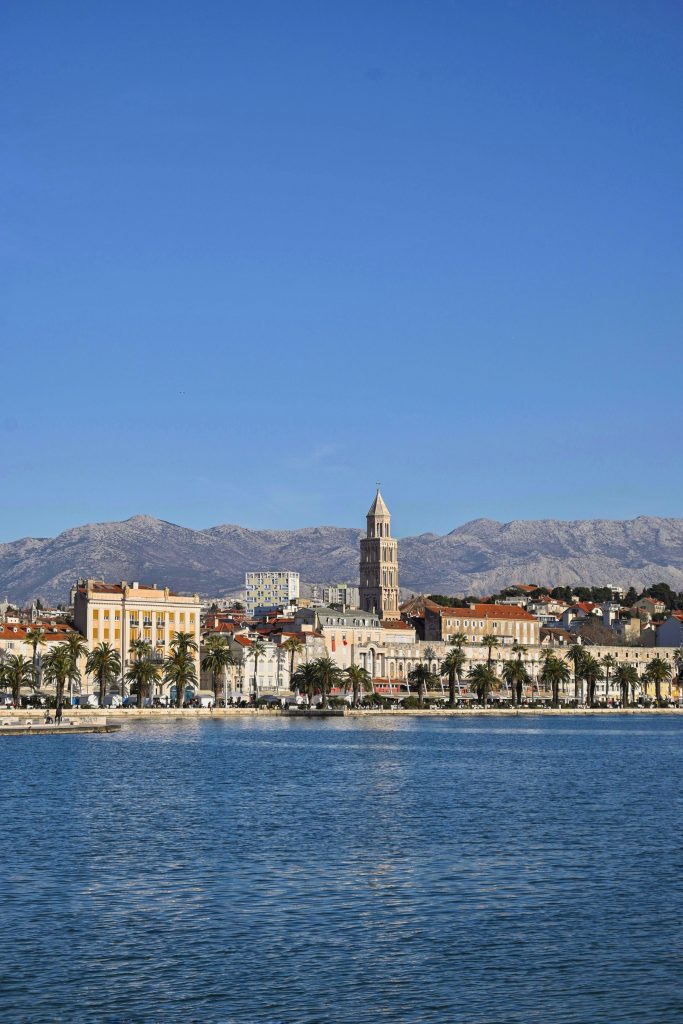
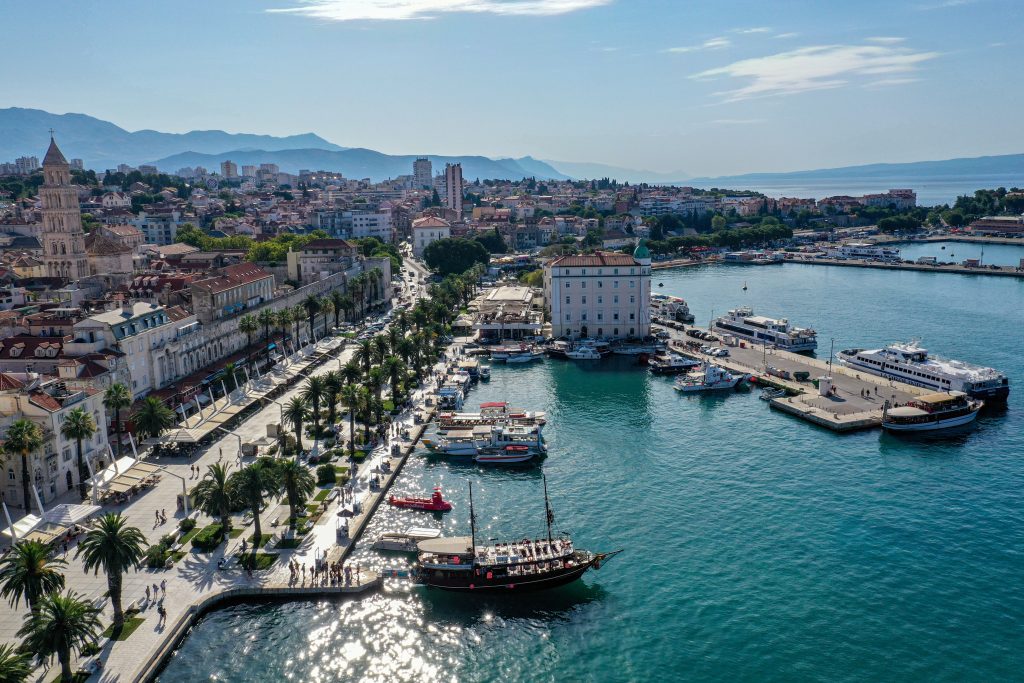
The Riva promenade is the main waterfront area, known for its energy, cafes, and views of the harbor.
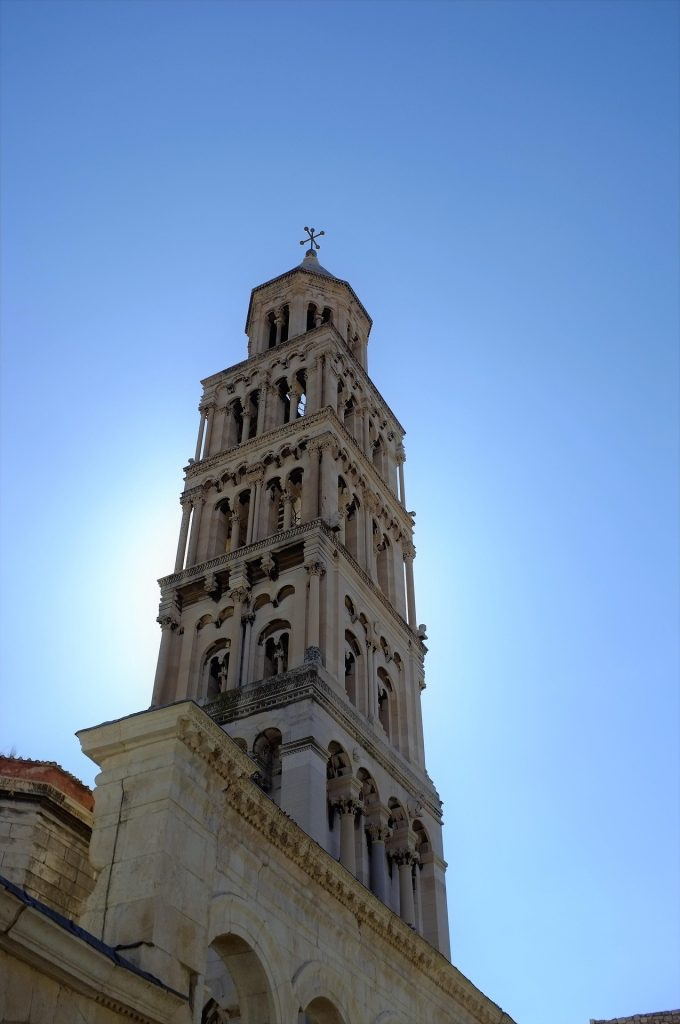
The Cathedral of Saint Domnius is one of the oldest functioning cathedrals in the world and dominates the skyline.
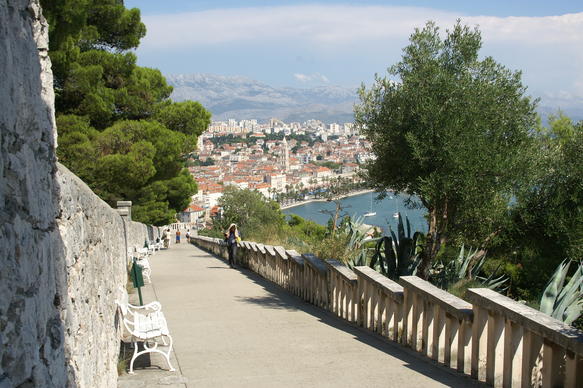
Marjan Hill offers panoramic views, walking paths, and a natural escape from the city.
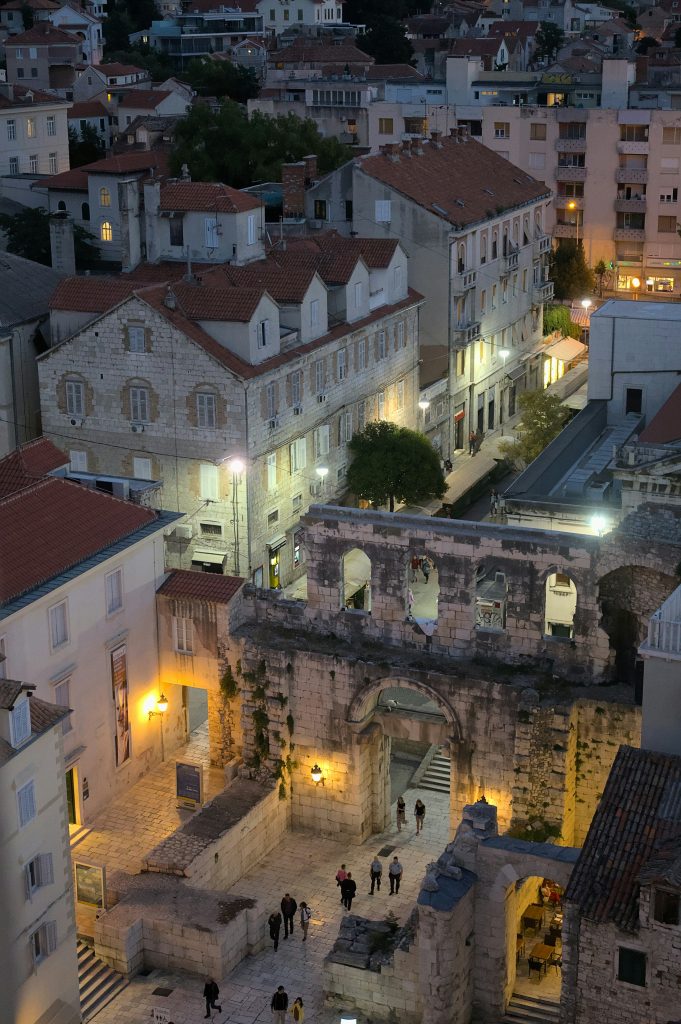
The Old Town streets are filled with narrow stone alleys that create a distinctive Mediterranean atmosphere.
Islands Near Split
One of the main reasons Split is so popular is its connection to nearby islands.
Hvar is known for nightlife, beaches, and a social atmosphere.
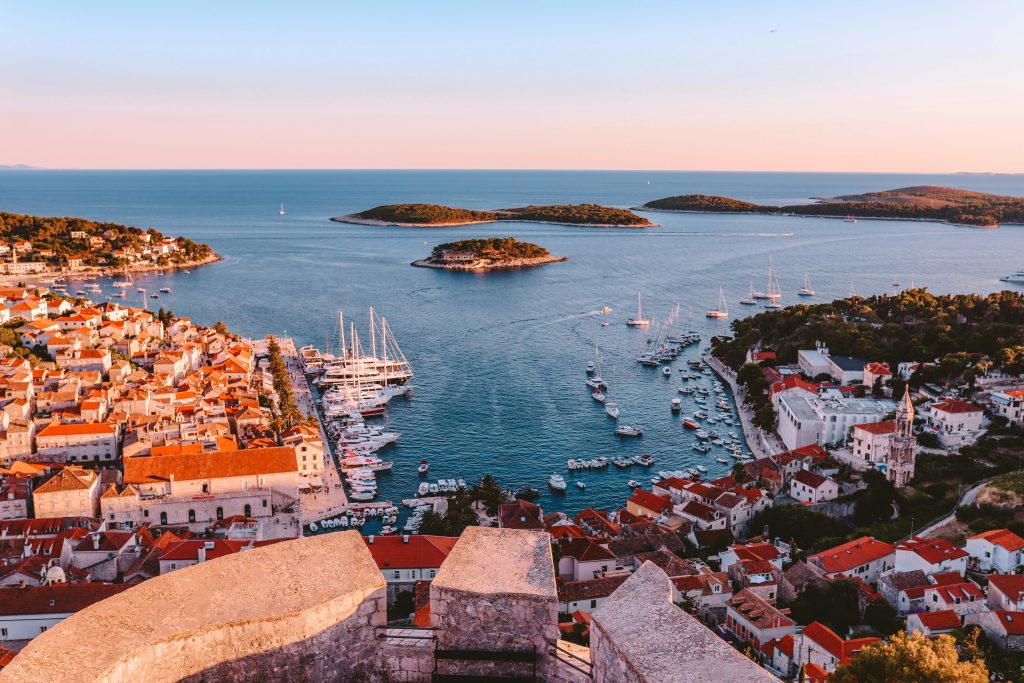
Brač is famous for Zlatni Rat beach and a balanced mix of relaxation and activity.
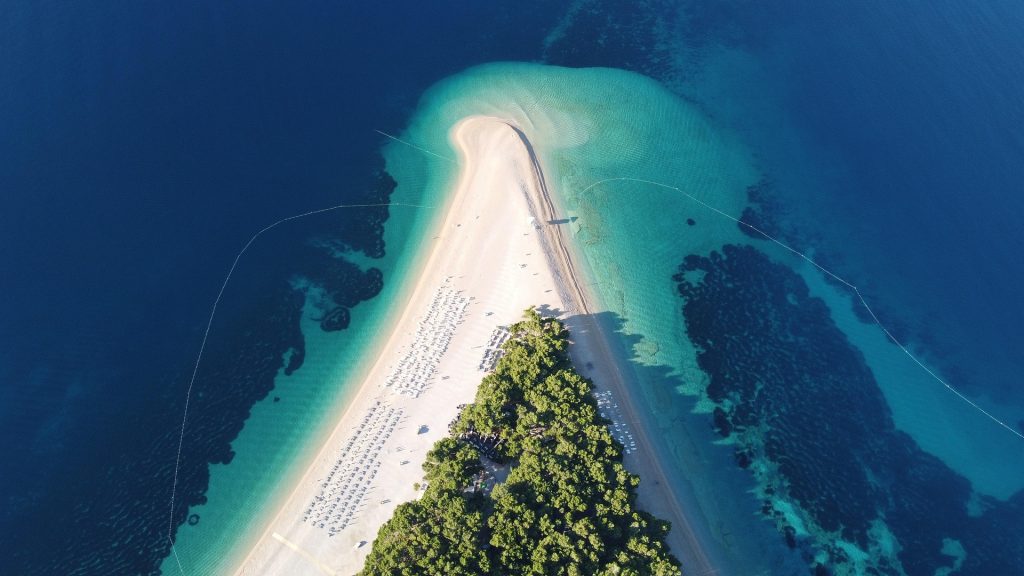
Vis is quieter and more natural, ideal for travelers looking to avoid crowds.
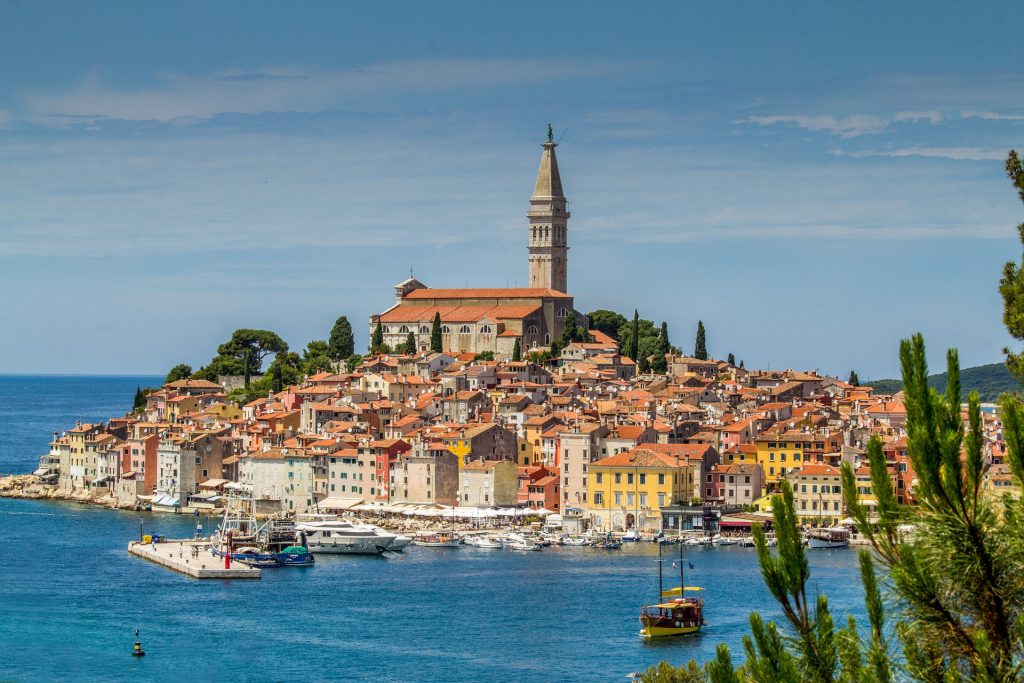
Šolta is less developed and offers a slower, more local experience.
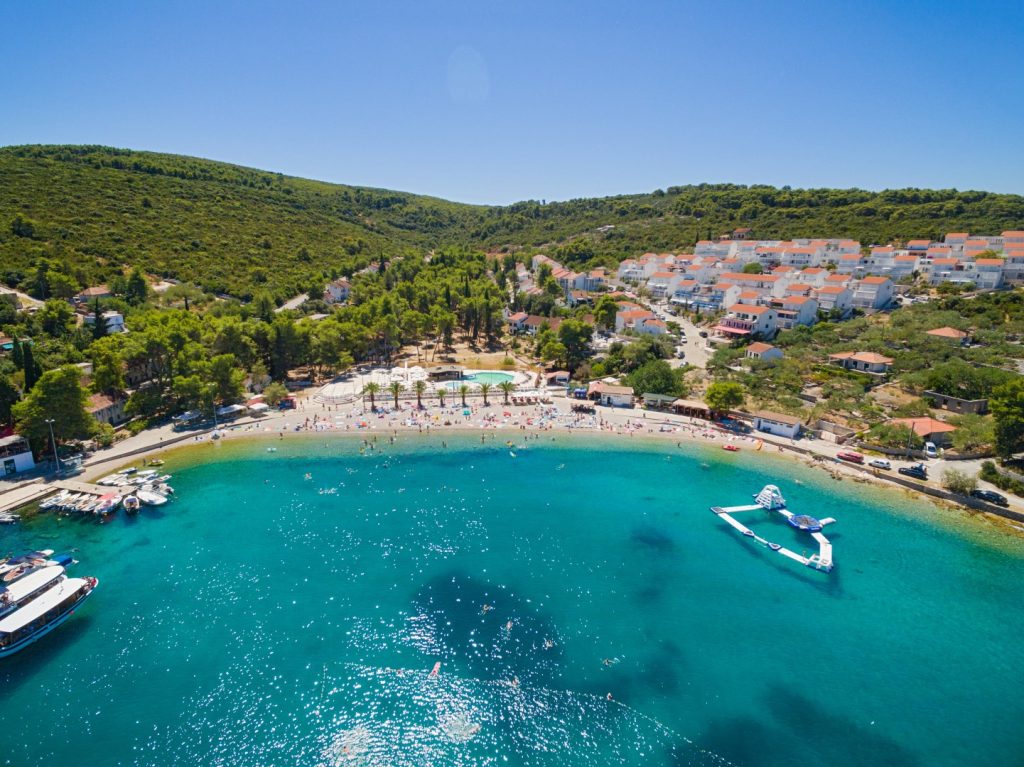
These islands can be reached easily by daily ferry routes from Split.
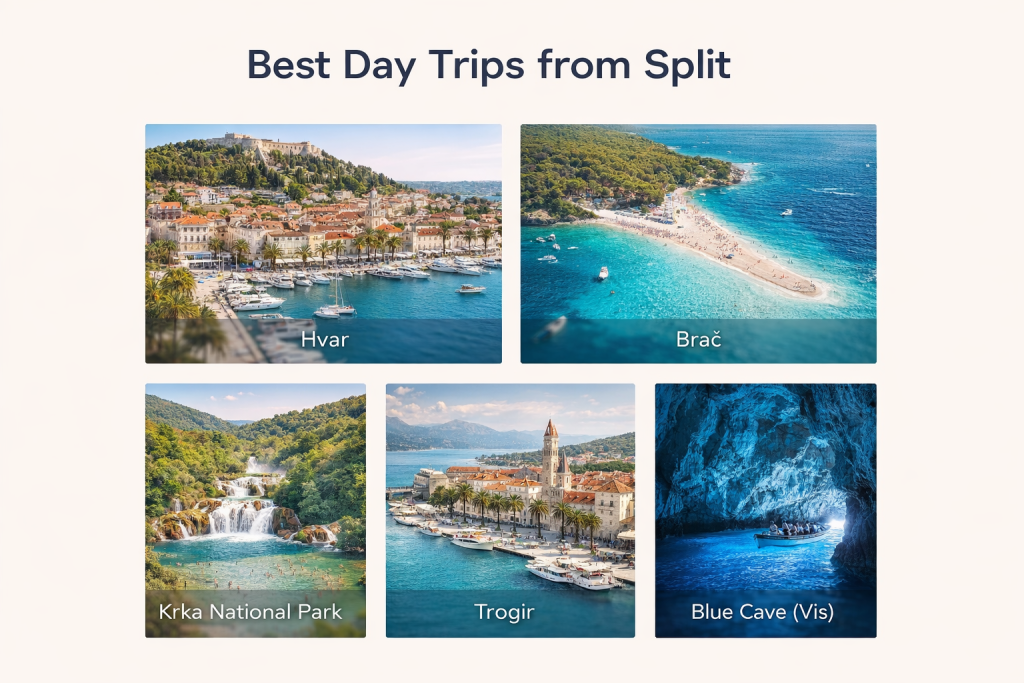
Best Day Trips from Split
- Hvar — nightlife and beaches
- Brač — Zlatni Rat beach
- Krka National Park — waterfalls
- Trogir — historic town
- Blue Cave (Vis) — a unique experience
How to Reach the Islands
Island travel in Croatia depends on ferries and catamarans.
Main options:
- ferries for both passengers and vehicles
- catamarans for faster passenger-only travel
Routes operate frequently, especially during summer, but tickets can sell out. Booking in advance is recommended during peak season.
Ferry Booking Tips (Important)
Ferries in Croatia can sell out quickly during peak season, especially on popular routes like Split to Hvar.
It is strongly recommended to book tickets in advance, particularly in July and August.
Arriving early at the port is also important, as boarding can take time and lines can be long.
Getting Around the Islands
Once on the islands, transportation options are limited.
Visitors typically use:
- walking in town areas
- scooters for flexibility
- rental cars for full exploration
Renting a scooter or small car is often the most practical way to see more than just the main port.
Beaches in Split
Split offers a variety of beaches.
Typical beach types include:
- pebble beaches
- rocky coastline
- limited sandy areas
Bačvice is one of the few sandy beaches and is popular due to its shallow water.
Kasjuni offers cleaner water and a more relaxed environment.
Žnjan is a more modern beach area with space and facilities.
The clarity of the water is one of the biggest advantages of Croatian beaches.This is often compared to destinations like Greece and the Maldives.
Beach Expectations
Most beaches in Split are pebble or rocky, not sandy.
This often surprises travelers expecting soft sand.
However, the water is extremely clear, which is one of the main advantages of Croatian beaches.
Food and Local Experience
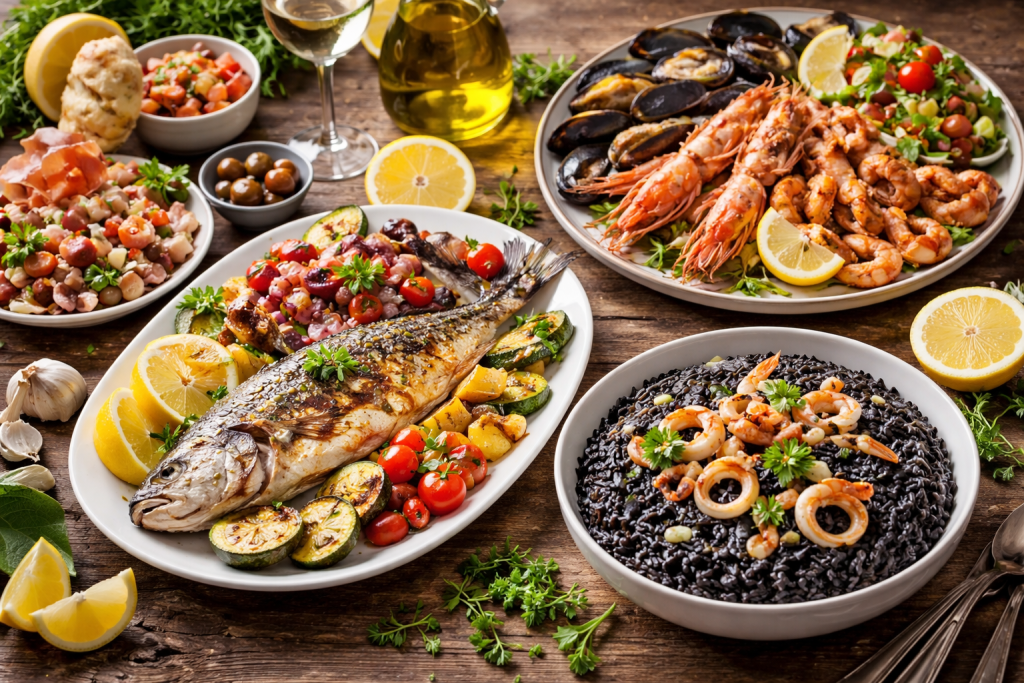
Food in Split reflects coastal Croatian cuisine.For similar Mediterranean food experiences, travelers often explore Italy and Spain.
Typical meals include:
- grilled fish
- seafood dishes
- black risotto
- Mediterranean-style meals
Restaurant Tips (Avoid Overpaying)
Restaurants in the most central tourist areas often have higher prices and lower quality.
Menus with pictures or staff aggressively inviting customers are usually signs of tourist-focused places.
For better food and prices, walk a few streets away from the main promenade.
Currency and Payments
Croatia uses the euro.
Key points:
- cards are widely accepted
- cash is still useful in smaller places
- always pay in local currency
Travel Costs in Split
Split is moderately priced, with costs increasing significantly during peak summer months.
Typical prices:
- meals: €10–€25
- drinks: €3–€6
- accommodation: €50–€200
Traveling outside peak season offers better value.
Internet and Connectivity
WiFi is widely available in cafes, hotels, and public areas. Local SIM cards and eSIM options are affordable and provide reliable coverage.
Best Time to Visit Split
Timing affects the overall experience.
Best months:
- May
- June
- September
- These months are also ideal for visiting destinations like Italy, France, and Greece.
These periods offer good weather, fewer crowds, and more reasonable prices.
July and August are the busiest months, with high temperatures and increased tourism.
Nightlife in Split
Split has an active nightlife scene, especially during summer.For even stronger nightlife, travelers often visit Hvar and Mykonos.
Visitors can expect:
- beach bars
- nightclubs
- events and parties
Nearby islands, especially Hvar, extend the nightlife experience.
Best Photo Spots in Split
Top photography locations include:
- Diocletian’s Palace
- the Riva promenade
- Marjan viewpoints
- harbor and sunset areas
Early morning and sunset provide the best lighting conditions.For more scenic destinations, travelers also visit the Amalfi Coast, Sardinia, and Dubrovnik.
Where to Stay in Split (Best Areas for Every Travel Style)
Choosing where to stay in Split depends on your travel style, budget, and what kind of experience you want.
Old Town (Best for First-Time Visitors)
The Old Town is the most central and convenient location, set inside and around Diocletian’s Palace.
You will be within walking distance of all main attractions, restaurants, and the waterfront.
This is the best area for first-time visitors who want to experience the city fully without needing transport.
Riva & City Center (Best Overall Location)
Staying near the Riva promenade gives you the perfect balance between access, atmosphere, and convenience.
You are close to:
- restaurants and cafes
- ferry port (important for island trips)
- main landmarks
This is one of the most practical and popular areas to stay.
Bacvice (Best for Beaches)
Bacvice is located a short walk from the center and is known for its beach.
It is a good choice if you want to combine city exploration with easy beach access.
Znjan (Best for Modern & Quiet Stay)
Znjan is a more modern area with newer buildings and less crowd.
It is ideal for travelers who prefer a quieter environment while still being close to the city.
Outside Center (Best for Budget Travelers)
Staying outside the center can save money, but you will need to use transport.
This option is suitable for longer stays or travelers with a car.
Best Option (Important Tip)
For most travelers, the best experience is staying in the Old Town or near the Riva promenade.
This allows you to walk everywhere, access ferries easily, and experience the atmosphere of Split fully.
What to Avoid
- staying too far from the center without transport
- choosing accommodation only based on price
- booking late in peak season
Common Mistakes to Avoid
Many visitors reduce their experience by:
- staying too short
- skipping island trips
- eating only in tourist-heavy areas
- not planning ferry routes
Split works best as part of a multi-day and multi-location trip.
Cruise Ship Crowds
Split is a popular cruise destination, and when cruise ships arrive, the Old Town becomes significantly more crowded.
To avoid this, visit main attractions early in the morning or later in the evening.
Travel Tips That Make a Difference
- plan island visits in advance
- explore beyond the main streets
- visit popular spots early
- combine city and island experiences
These small adjustments significantly improve the overall trip.
Safety in Split
Split is generally very safe for travelers. However, basic precautions should be taken in crowded areas, especially around the Old Town and ferry port.
Suggested Split Itinerary
Day 1: explore Old Town, Riva, and historical landmarks
Day 2: visit Marjan Hill and nearby beaches
Day 3: take a day trip to an island
This structure provides a balanced experience.
What to Pack
- comfortable walking shoes
- swimwear
- sunscreen
- water shoes
- light clothing
How Many Days to Spend in Split
- 1–2 days for the city
- 3–5 days with island trips
Three days is the most balanced option.
Split vs Dubrovnik
Split offers a more local and dynamic experience, with better access to islands and lower costs.
Dubrovnik is more visually iconic but also more crowded and expensive.
Split Travel FAQ
Is Split worth visiting?
Yes, especially for combining beaches, history, and island travel.
Is Split expensive?
Moderately priced, with higher costs in summer.
Do you need a car?
No, unless exploring outside the city.
Can you swim in Split?
Yes, the water is clean and accessible.
Is Split safe?
Yes, it is considered a safe destination.
Who Split Is Not For
Split may not be ideal for travelers looking for quiet, remote destinations or luxury-only experiences. It is better suited for those who enjoy a mix of city life, beaches, and active travel.
Where to Go After Split
Many travelers continue their journey with these destinations:
Explore More Europe Travel Guides
If you are planning a wider Europe trip:
Final Thoughts
Split is one of the most complete destinations on the Adriatic coast. It offers a combination of history, beaches, island access, and everyday life that is difficult to find in one place.
For travelers who want more than just a single type of experience, Split provides a flexible and well-connected base for exploring Croatia.