Slovenia is one of the most underrated countries in Europe, offering an exceptional mix of alpine landscapes, crystal-clear lakes, historic towns, and a short but beautiful coastline. Despite its small size, it delivers a wide range of experiences that are often spread across much larger countries.Slovenia is often combined with destinations like Croatia, Italy, and Austria as part of a Central Europe itinerary.
This Slovenia travel guide includes everything you need to plan your trip, from the best places to visit and how to get around, to travel costs and practical tips that will help you avoid common mistakes.Many travelers also include Slovenia together with Lake Bled, Ljubljana, and nearby Croatia destinations like Split and Zagreb.
What makes Slovenia unique is how quickly the scenery changes. Within a short drive, you can move from mountain peaks to lakes, and then to the Adriatic coast, all in a single trip.
Where Slovenia Is Located
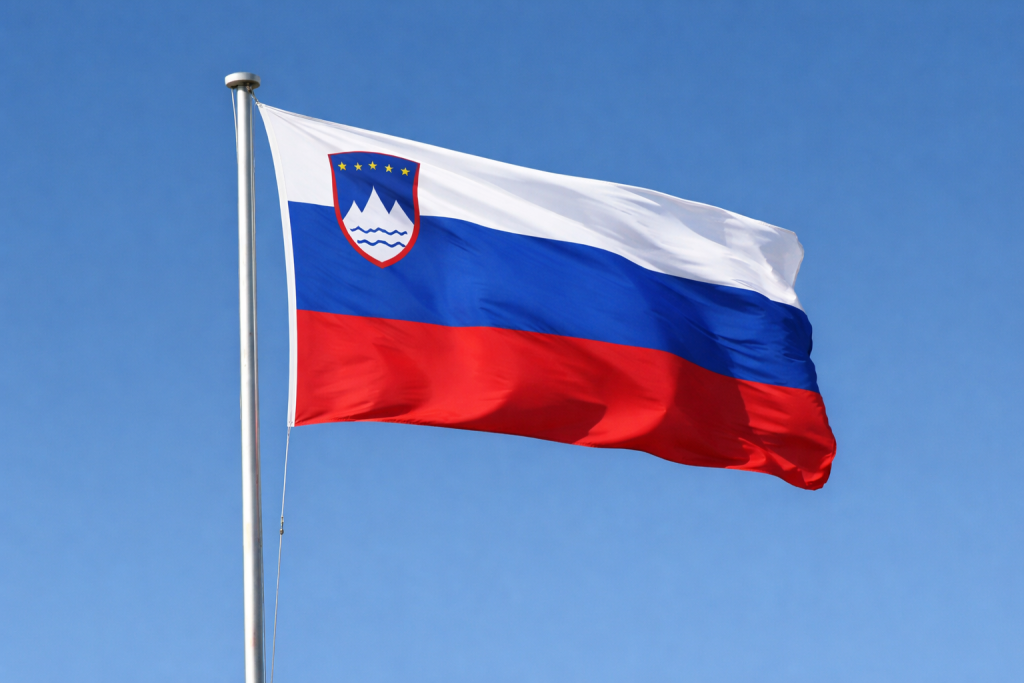
Slovenia is situated in Central Europe, sharing borders with Italy, Austria, Hungary, and Croatia.
Distances:
around 1 hour from Venice
approximately 4 hours from Vienna
direct access to the Adriatic region
Its position makes it an excellent addition to a multi-country European itinerary.
Entry Requirements
Slovenia is part of the Schengen Area.
Travelers can enter with a valid passport, and depending on nationality, a visa may be required.
Most visitors can stay up to 90 days within a 180-day period.
How to Get to Slovenia
Travelers can reach Slovenia in several ways:
fly into Ljubljana Airport
drive from nearby countries
use train connections from Italy, Austria, or Croatia
Driving is often the most efficient way to arrive, especially if you plan to explore multiple regions.
Getting Around Slovenia
Slovenia is easy to navigate, but your experience depends on how you travel.
Main options:
rental car — best for flexibility
train — useful for major routes
bus — connects towns but less flexible
A car allows you to reach natural areas that are not easily accessible by public transport.
Driving in Slovenia (Important)
To drive on highways in Slovenia, you must purchase a vignette (toll sticker), which is mandatory for all vehicles.
Vignettes are available in digital form and can be purchased online or at gas stations near the border.
Driving without a valid vignette can result in fines, so it is important to arrange this before using highways.
Why Visit Slovenia
Slovenia offers a rare combination of landscapes and experiences within a compact area.
Key reasons to visit:
alpine lakes and mountain scenery
less crowded destinations compared to Italy or Austria
charming cities with a relaxed atmosphere
easy travel distances between locations
It is ideal for travelers who want variety without long travel times.
Most Famous Places in Slovenia
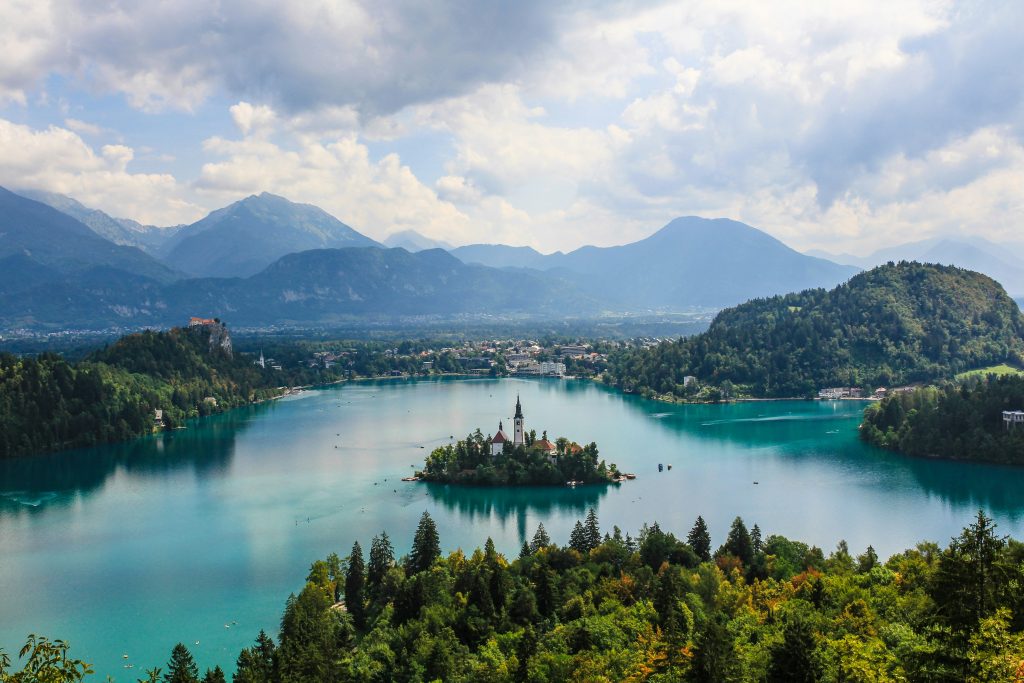
Lake Bled
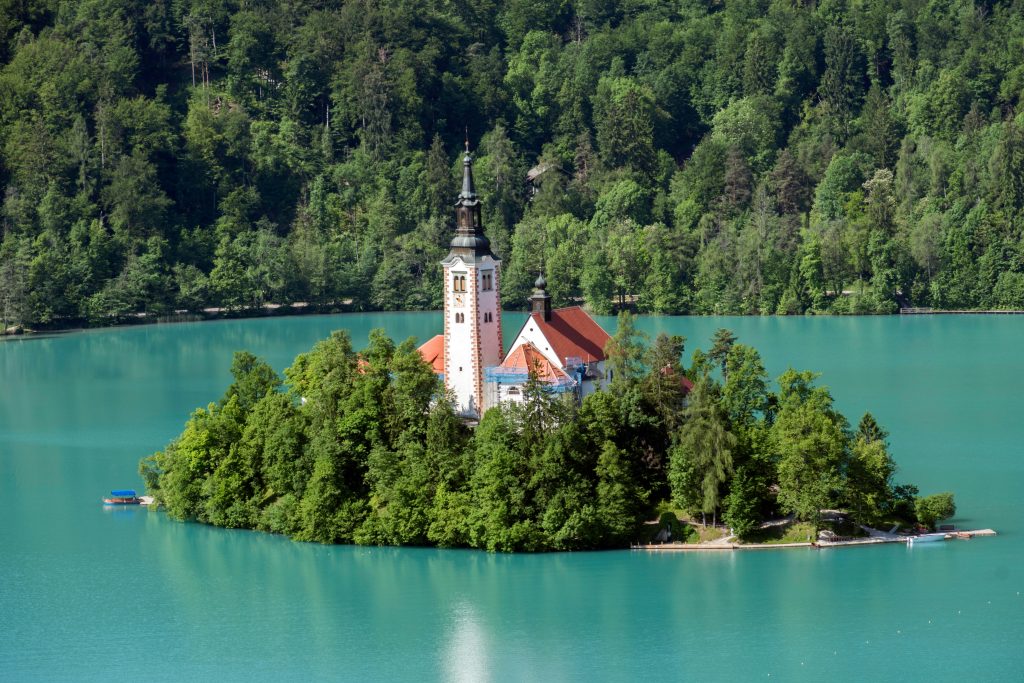
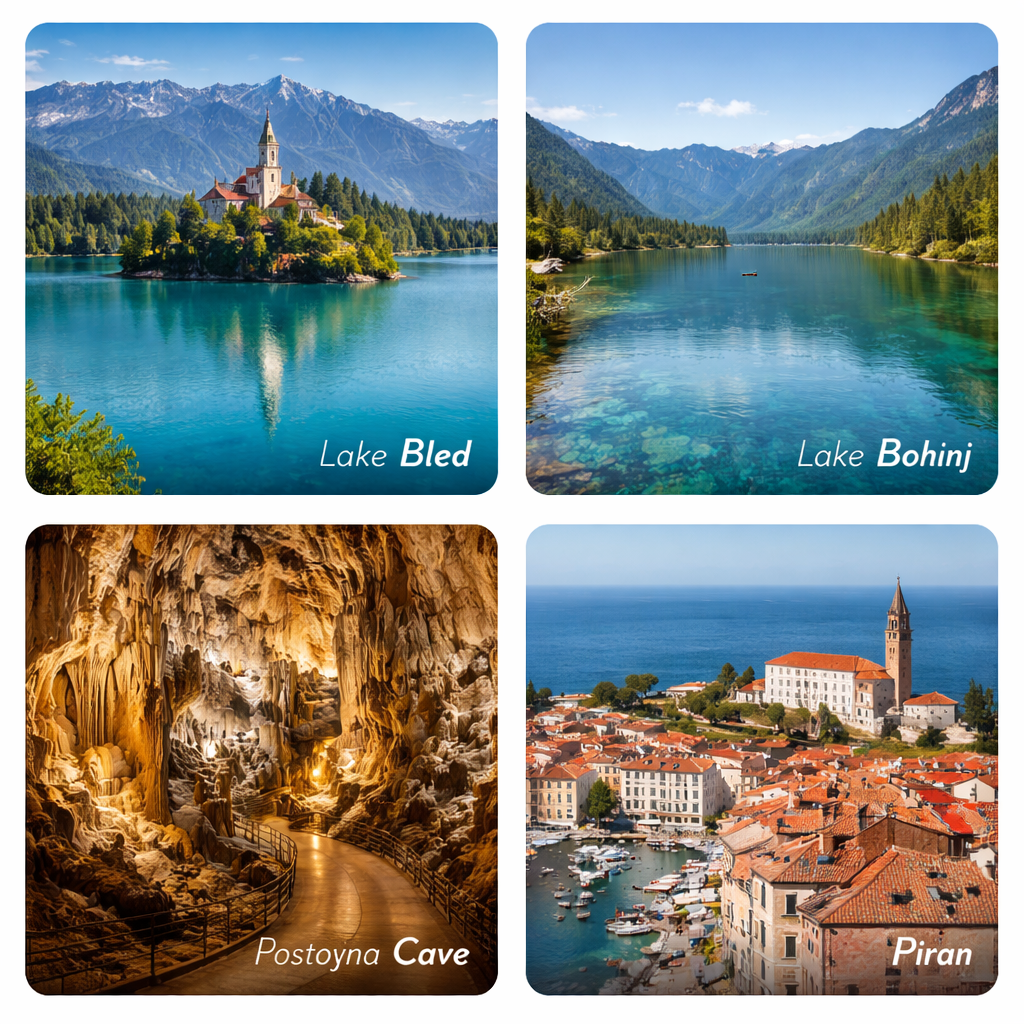
Lake Bled is the most recognizable destination in Slovenia, known for its small island, clear water, and surrounding mountain views.
What to Expect at Lake Bled
Lake Bled is one of the most popular places in Slovenia, which means it can become crowded during peak hours.
For a better experience, visiting early in the morning or later in the evening is highly recommended.
Lake Bohinj
Located near Bled, Bohinj offers a more peaceful environment and a stronger connection to nature.
Lake Bohinj vs Lake Bled
While Lake Bled is more famous and developed, Lake Bohinj offers a quieter and more natural environment.
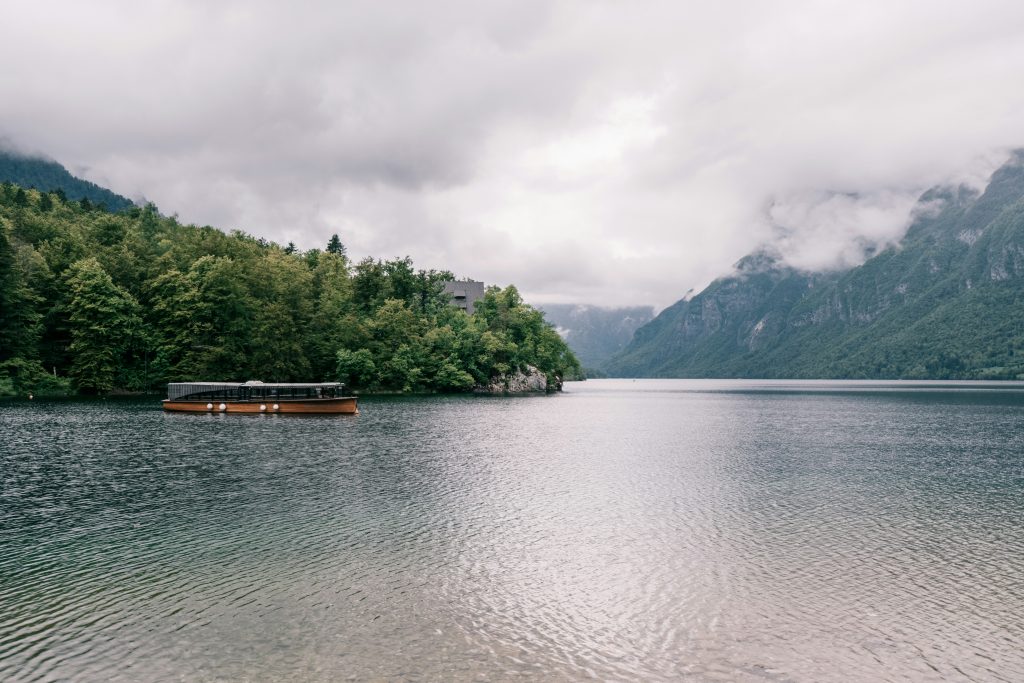
Bohinj is better suited for travelers looking to avoid crowds and experience a more untouched landscape.
Ljubljana
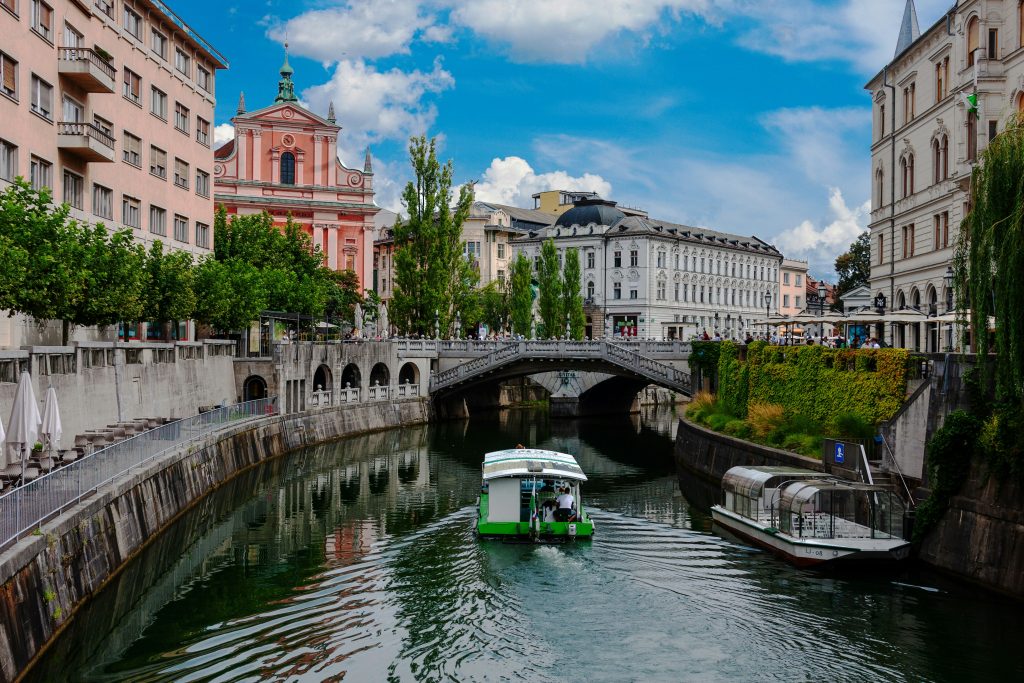
The capital city combines a walkable center, riverside atmosphere, and a mix of historical and modern elements.
Parking and City Access
Many city centers in Slovenia, including Ljubljana, have restricted vehicle access.
Parking is usually available outside central zones, and walking is often the best way to explore.
Triglav National Park
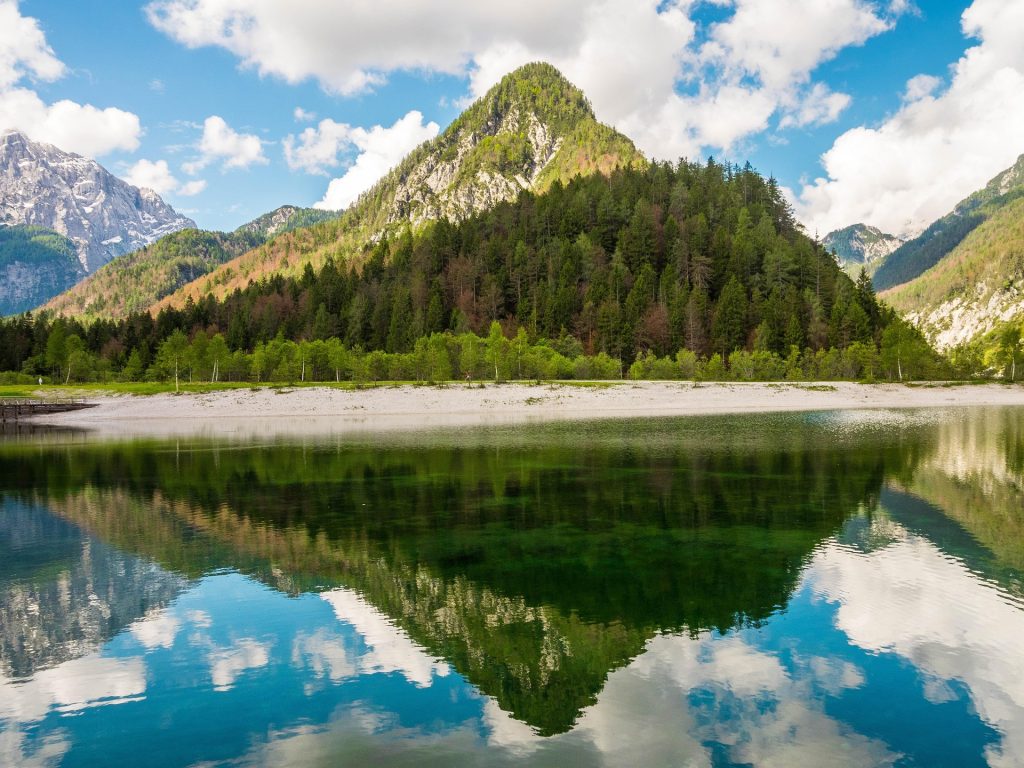
This is Slovenia’s main natural area, offering hiking trails, waterfalls, and alpine scenery.
Hiking Difficulty
Hiking in Slovenia ranges from easy walks to more demanding mountain trails.
Some routes require proper footwear and basic physical fitness, especially in alpine areas.
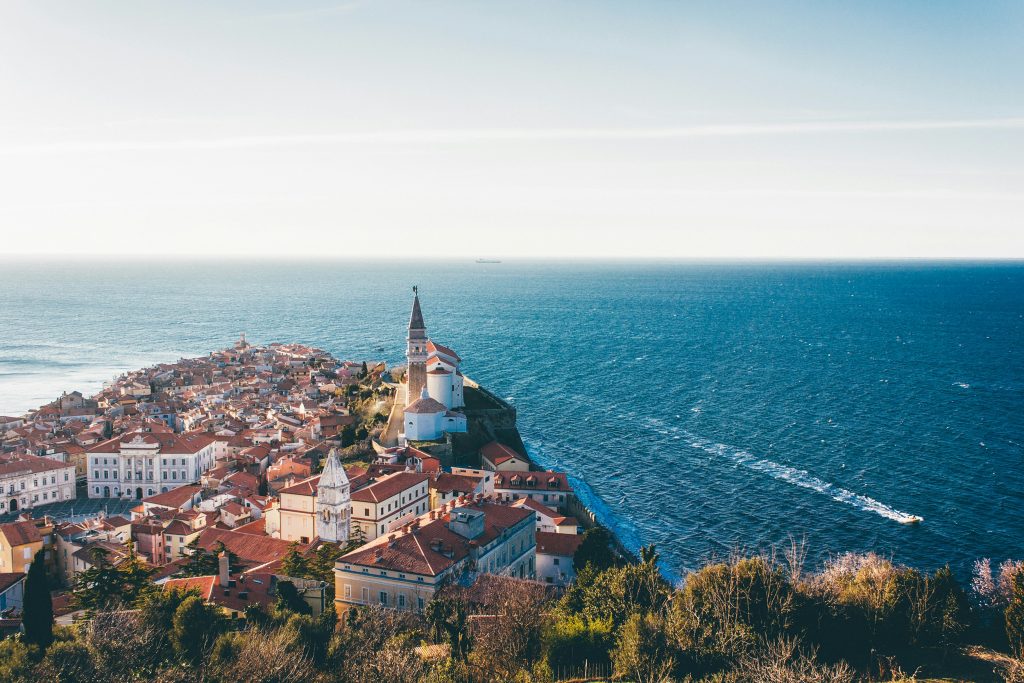
Piran
A coastal town with Mediterranean character, narrow streets, and views of the Adriatic Sea.This coastal experience is similar to destinations like Croatia and Malta.
Postojna Cave
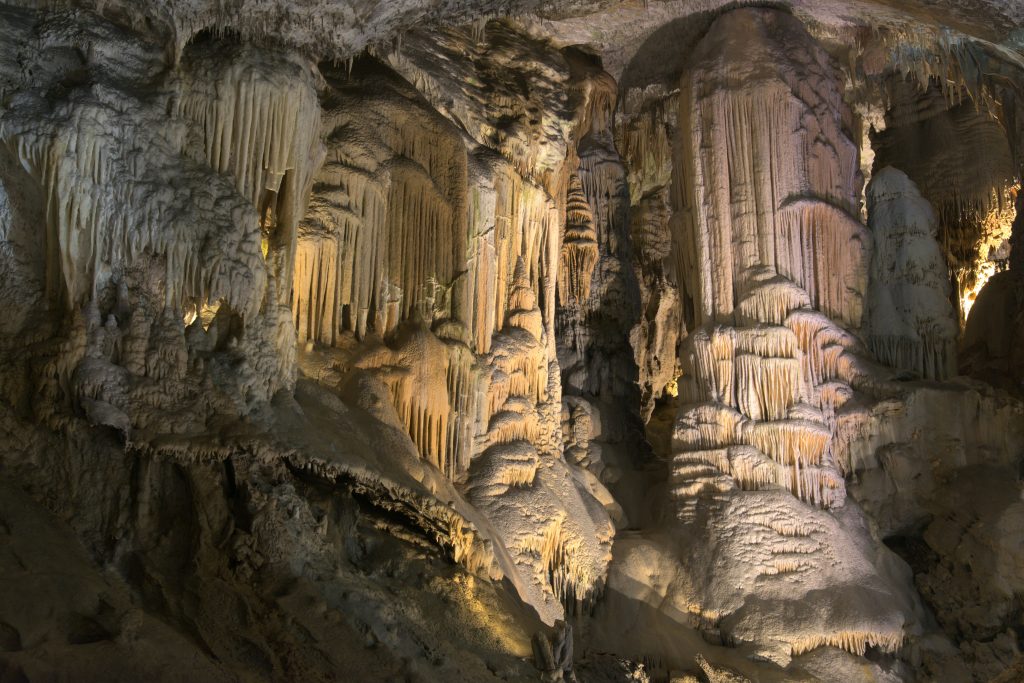
Postojna Cave is one of the most famous cave systems in Europe, known for its underground formations and train ride experience.
It offers a completely different landscape compared to lakes and mountains, making it a unique addition to your itinerary.
Škocjan Caves
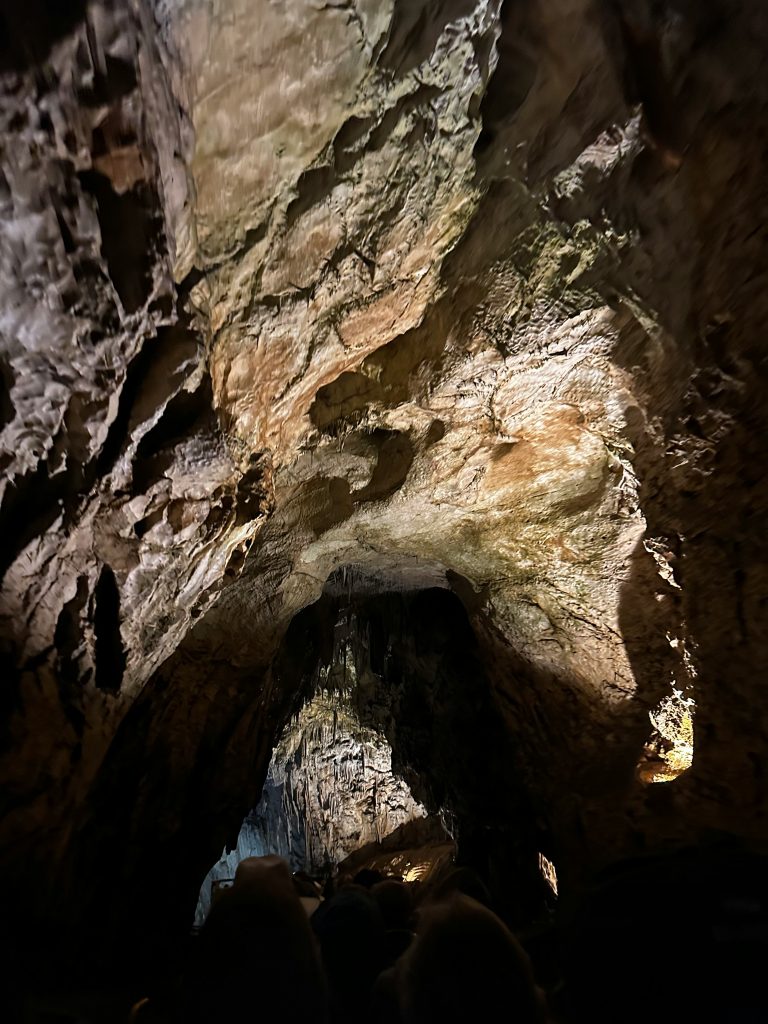
Škocjan Caves are a UNESCO World Heritage Site, known for their massive underground canyon and dramatic natural formations.
They provide a more raw and less commercialized experience compared to other caves.
Best Places to Visit in Slovenia
Slovenia’s diversity allows for different types of travel experiences:
lakes — Bled and Bohinj
mountains — Julian Alps
coast — Piran and nearby areas
cities — Ljubljana
This variety makes it possible to combine multiple travel styles in one trip.
Can You Swim in Slovenia’s Lakes
Swimming is allowed in both Lake Bled and Lake Bohinj during warmer months.
The water is clean but can be cold, especially outside peak summer.
Best Time to Visit Slovenia
The timing of your visit can significantly affect your experience.
Best months:
May
June
September
These months are also ideal for visiting destinations like Italy, France, and Croatia.
These periods offer pleasant weather, fewer tourists, and better overall conditions.
Summer brings warmer temperatures but also more visitors, while winter is ideal for snow-covered landscapes and mountain scenery.
Weather Differences Across Regions
Slovenia has different climate zones despite its small size.
Mountain areas are cooler and can change quickly, even in summer, while coastal regions are warmer and more stable.
Packing layers is essential, especially if you plan to visit multiple regions in one trip.
Travel Costs in Slovenia
Slovenia is generally more affordable than many Western European destinations.
Typical costs:
meals: €10–€25
drinks: €3–€6
accommodation: €60–€180
Prices increase during peak travel months.
Currency and Payments
Slovenia uses the euro.
Card payments are widely accepted, but carrying some cash is useful for smaller places, parking, or local businesses.
Food and Local Experience
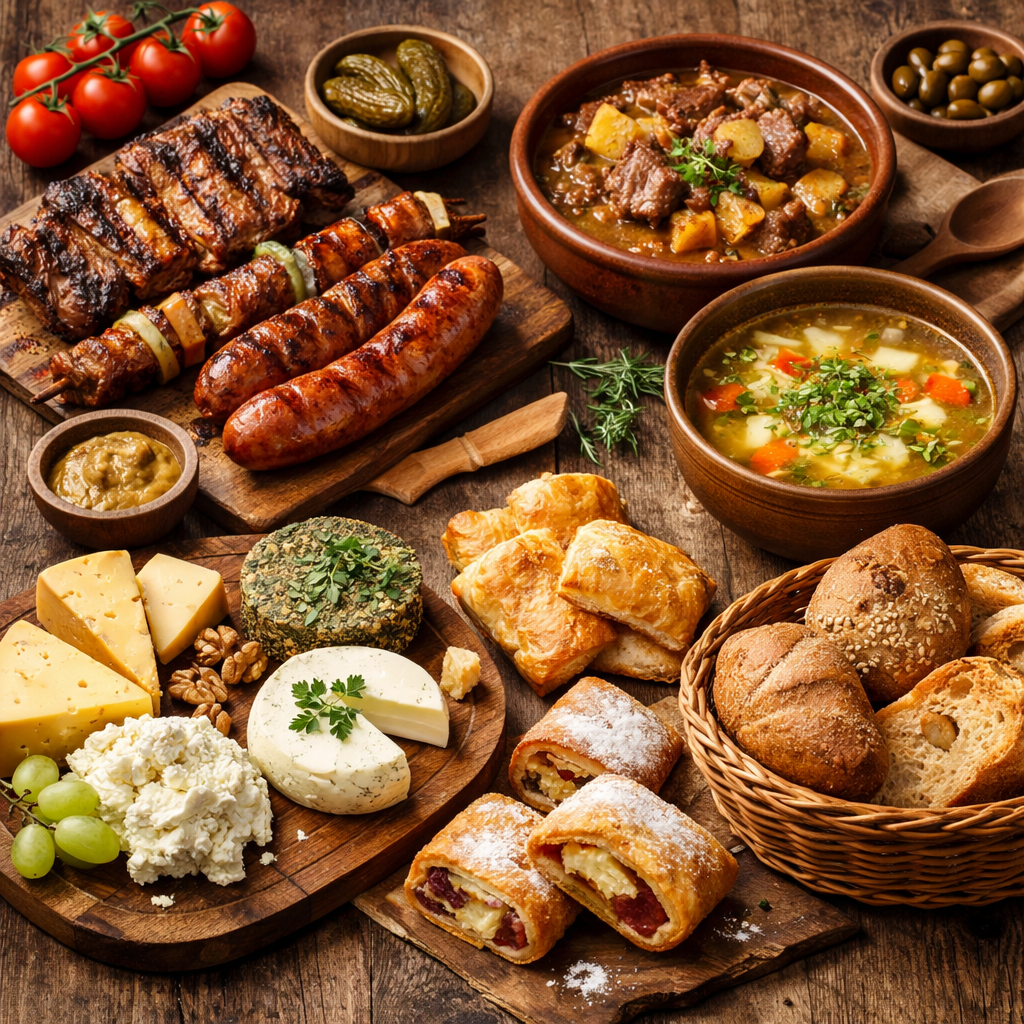
Slovenian cuisine reflects a blend of regional influences and local traditions.
Common dishes include:
grilled meats
soups and stews
local cheeses
fresh bread and pastries
Meals are typically simple, filling, and based on seasonal ingredients.
How Many Days to Stay
Slovenia can be explored efficiently due to its size.
3–5 days — covers main highlights
5–7 days — allows a more relaxed pace
Short travel distances make it possible to see multiple regions in a limited time.
Suggested Slovenia Itinerary
Day 1: Ljubljana
Day 2: Lake Bled
Day 3: Lake Bohinj
Day 4: Triglav National Park
Day 5: Piran
This route offers a balanced mix of city, nature, and coast.
Where to Stay in Slovenia
Ljubljana — best central base
Lake Bled — scenic and popular
Bohinj — quieter and more natural
Piran — coastal experience
Choosing the right base depends on your travel style.
Best Day Trips from Ljubljana
Ljubljana is an excellent base for exploring Slovenia.
Popular day trips include:
Lake Bled
Lake Bohinj
Postojna Cave
Piran
All of these locations can be reached within a few hours.
Common Mistakes to Avoid
Many visitors reduce their experience by:
staying only in the capital
skipping Lake Bohinj
not renting a car
trying to see everything too quickly
Planning a balanced route improves the overall trip.
Travel Tips That Make a Difference
rent a car for flexibility
visit popular spots early in the day
combine different regions
plan realistic travel times
Small decisions can significantly improve your experience.
Avoid visiting the most popular locations between late morning and early afternoon, as this is when crowds peak.
Early mornings and evenings provide a much better overall experience.
Safety in Slovenia
Slovenia is considered one of the safest destinations in Europe.
Travelers can feel comfortable exploring both cities and natural areas, with only basic precautions needed.
Internet and Connectivity
Mobile coverage in Slovenia is generally reliable, including in most natural areas.
WiFi is widely available in hotels, restaurants, and cafes.
SIM Cards and eSIM Options
Local SIM cards and eSIM services are widely available and affordable.
They offer reliable data coverage across cities and most natural areas, making them a practical option for navigation and travel planning.
Slovenia Travel FAQ
Is Slovenia worth visiting?
Yes, especially for nature and variety.
Is Slovenia expensive?
Moderately priced.
Do you need a car?
Recommended.
Is it crowded?
Less crowded than many nearby destinations.
Who Slovenia Is Not For
Slovenia may not be ideal for travelers looking for large cities, luxury-only experiences, or intense nightlife.
It is better suited for those who prefer nature, calm environments, and a slower travel pace.
Where to Go After Slovenia
Many travelers continue their journey with these destinations:
Explore More Europe Travel Guides
If you are planning a wider Europe trip:
Final Thoughts
Slovenia offers a rare combination of natural beauty, accessibility, and diversity. From lakes and mountains to coastal towns and cities, it provides a complete travel experience within a compact area.
For travelers looking for a destination that is easy to explore, visually impressive, and less crowded, Slovenia is one of the best choices in Europe.