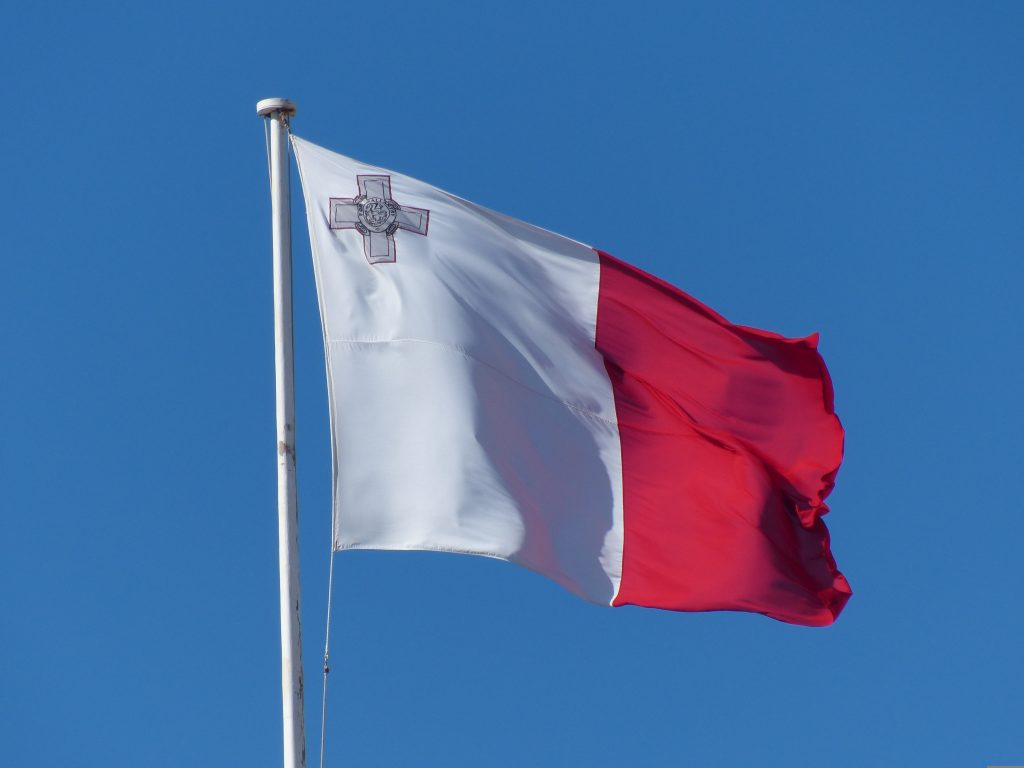
Malta is a small island nation that delivers an unexpectedly rich travel experience, combining centuries of history with clear Mediterranean waters and dramatic coastal scenery. Malta is often compared to destinations like Italy, Greece, and Spain for its Mediterranean atmosphere. Despite its size, Malta offers a wide variety of attractions — from ancient cities and fortifications to hidden swimming spots and island escapes.
This Malta travel guide will help you plan your trip step by step, covering the best places to visit, where to stay, beaches, travel costs, transportation, and practical tips to make your experience smoother and more enjoyable. Many travelers also combine Malta with trips to Sicily, Amalfi Coast, and other parts of Italy.
Whether you are visiting for a short getaway or a longer stay, Malta is a destination that offers both relaxation and exploration in one compact location.
Where Is Malta Located?
Malta is located in the central Mediterranean Sea, south of Italy and close to the island of Sicily.
The country consists of three main islands:
• Malta (the largest and most developed)
• Gozo (quieter and more natural)
• Comino (small island known for clear water)
Its central location makes Malta easily accessible from most European countries.
The main nightlife area in Malta is St. Julian’s (Paceville), where most clubs and bars are located.
Malta is part of the Schengen Area, which means travelers from many countries can enter without a visa for short stays.
Visitors from the EU and many other countries can stay up to 90 days within a 180-day period.
Always check current entry requirements based on your nationality before traveling.
How to Get to Malta
The most common way to reach Malta is by flying into Malta International Airport (MLA), which connects the island with many major European cities.
From the airport:
• public buses — affordable option
• ride apps (Bolt/Uber) — convenient and widely used
• taxis — available but more expensive
Due to the island’s size, transfer times are relatively short.
Best Things to Do in Malta
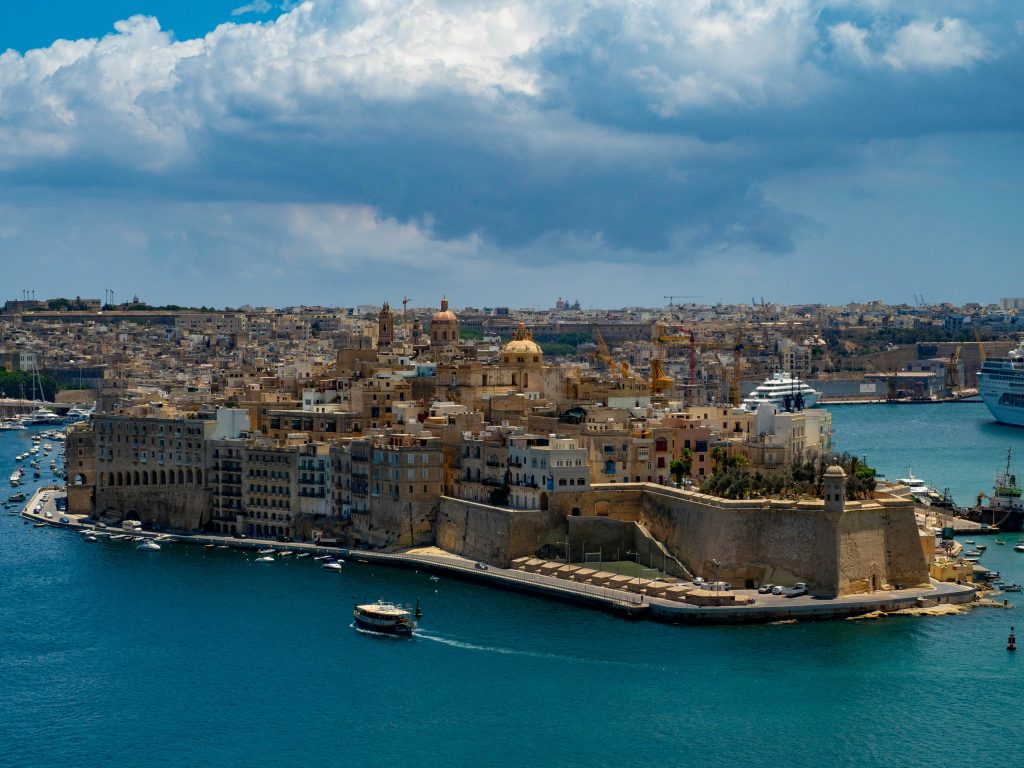
Explore Valletta
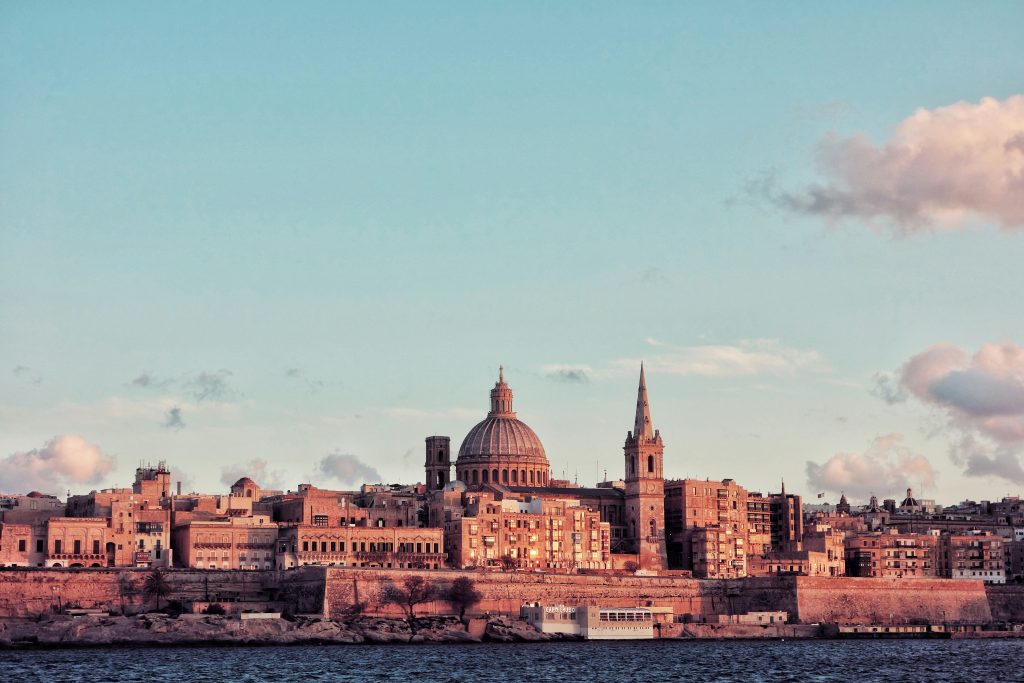
Valletta, the capital of Malta, is a UNESCO-listed city known for its historic architecture and compact layout.
• narrow streets filled with history
• St. John’s Co-Cathedral
• panoramic views from Upper Barrakka Gardens
Visit Mdina (The Silent City)
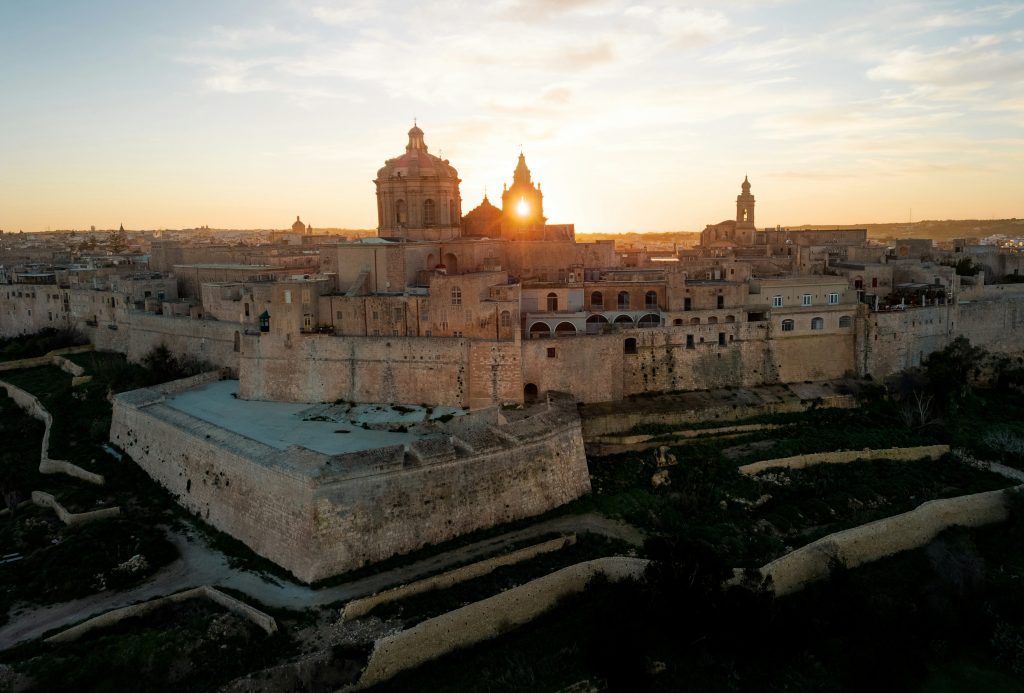
Mdina is a fortified medieval city with a quiet and atmospheric setting.
• car-free streets
• historic buildings
• elevated views over the island
Discover the Blue Lagoon (Comino)
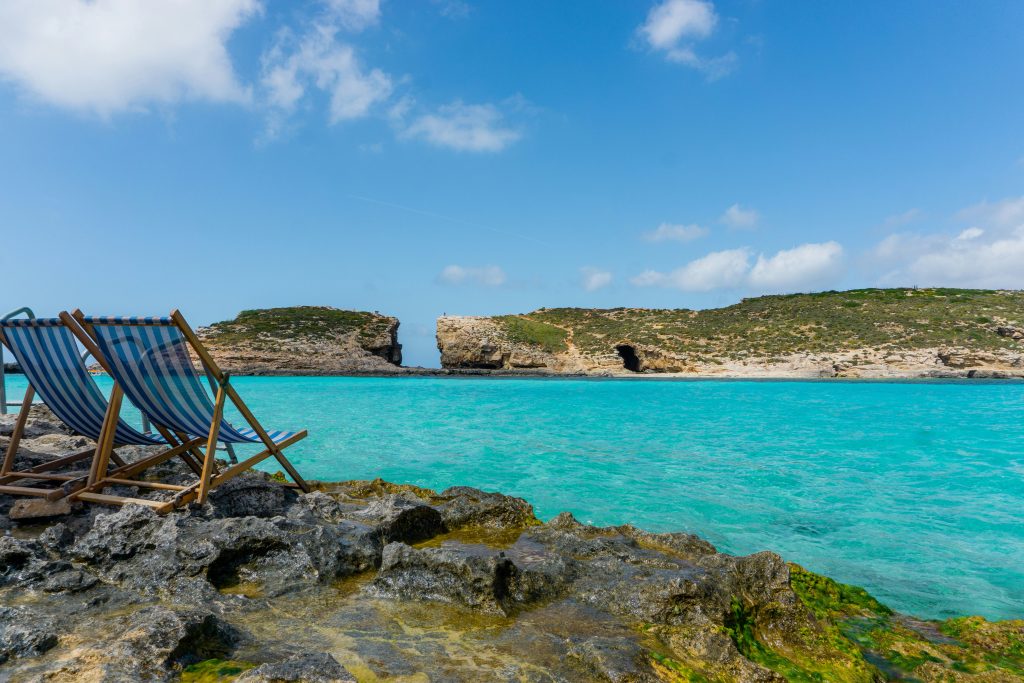
The Blue Lagoon is one of Malta’s most famous natural attractions.
• turquoise water
• ideal for swimming
• very popular during summer
Explore Gozo Island
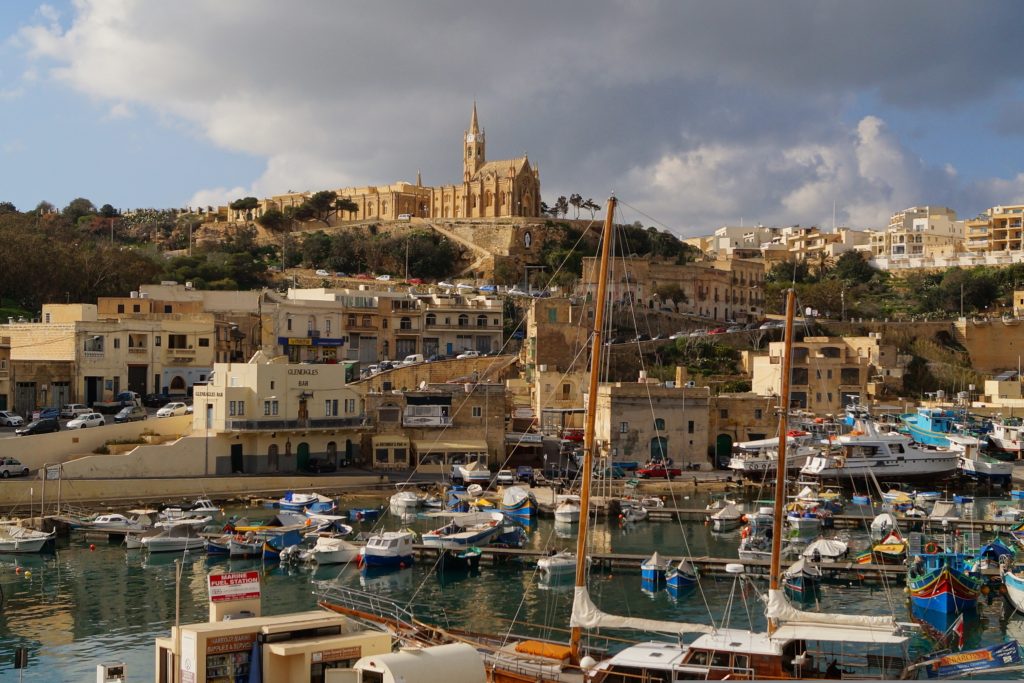
Gozo offers a slower pace and more natural landscapes compared to the main island.
• coastal cliffs
• traditional villages
• scenic viewpoints
Visit Popeye Village
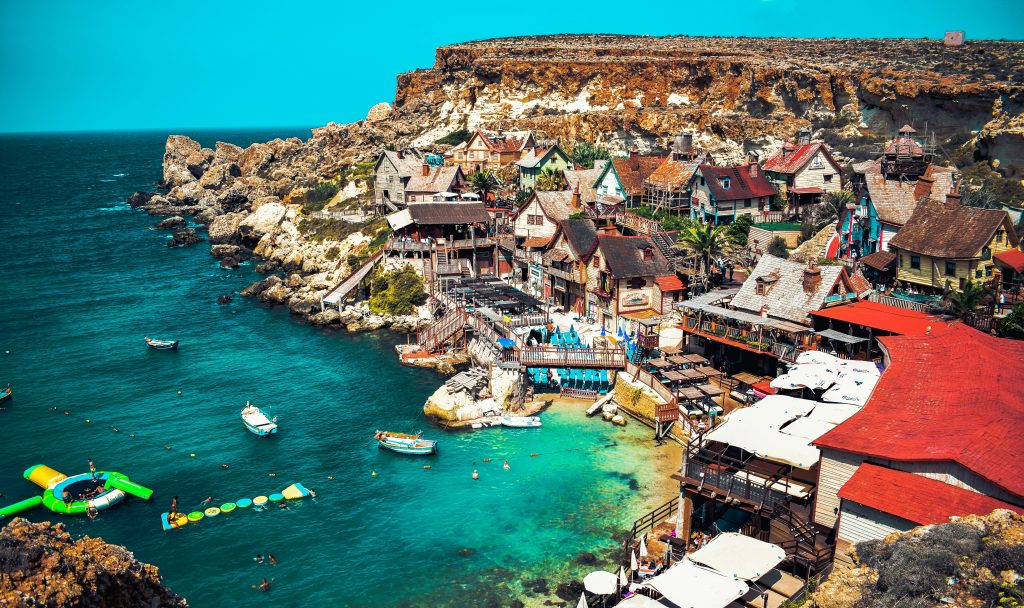
Popeye Village is one of the most distinctive attractions in Malta. Originally constructed as a film set, it has become a colorful waterfront location that draws visitors for its unique appearance and coastal setting.
Located in Anchor Bay, it features:
• bright wooden houses overlooking the sea
• panoramic viewpoints
• swimming areas with clear water
• one of the most photogenic spots in Malta
It is a great place for photos, short visits, and relaxed exploration.
One important detail many travelers notice only after arrival is how quickly beach conditions change depending on wind direction. A beach that looks perfect in the morning can become rough later in the day, so checking conditions regularly can significantly improve your experience.
What to Expect from Beaches in Malta
Most beaches in Malta are rocky or made of pebbles rather than soft sand.
• water shoes are recommended
• water clarity is excellent.
• ideal for swimming and snorkeling
Wind can significantly affect sea conditions in Malta, meaning some beaches may be calm while others are rough on the same day. Checking wind direction before choosing a beach can improve your experience.
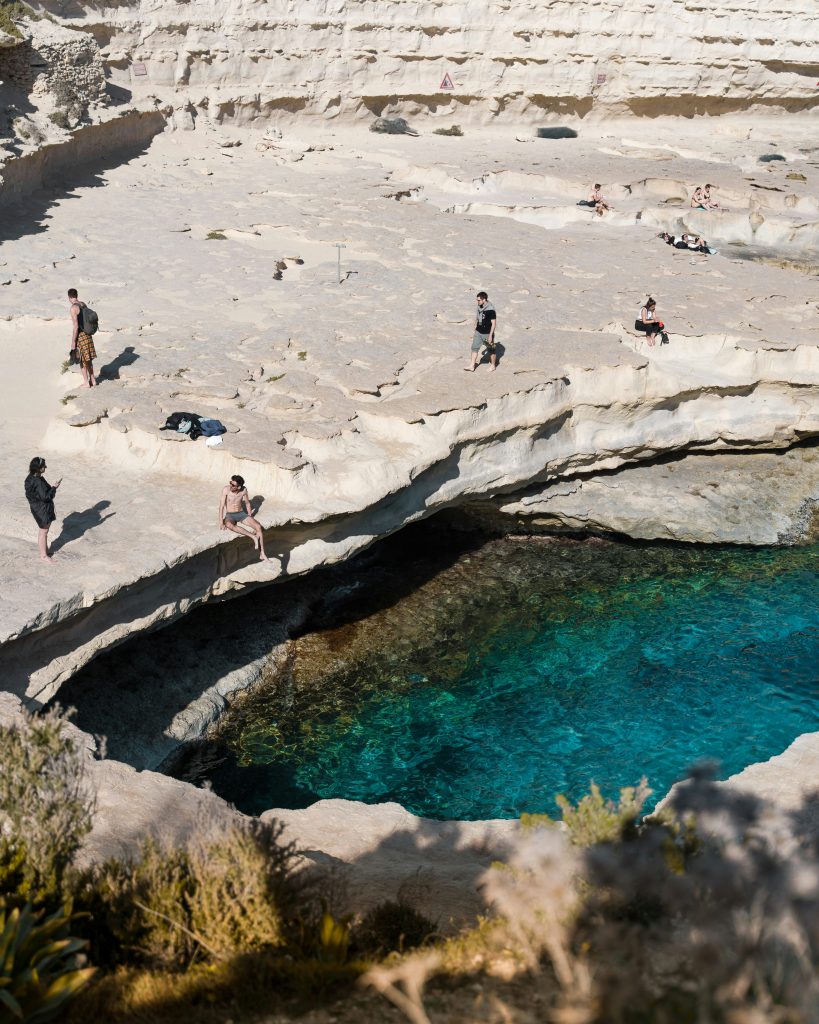
Some swimming spots have rocky entry points or require climbing down steps, especially places like St. Peter’s Pool.
Best Beaches in Malta
Malta offers a mix of sandy bays and rocky swimming spots, each with a different experience depending on your preferences.
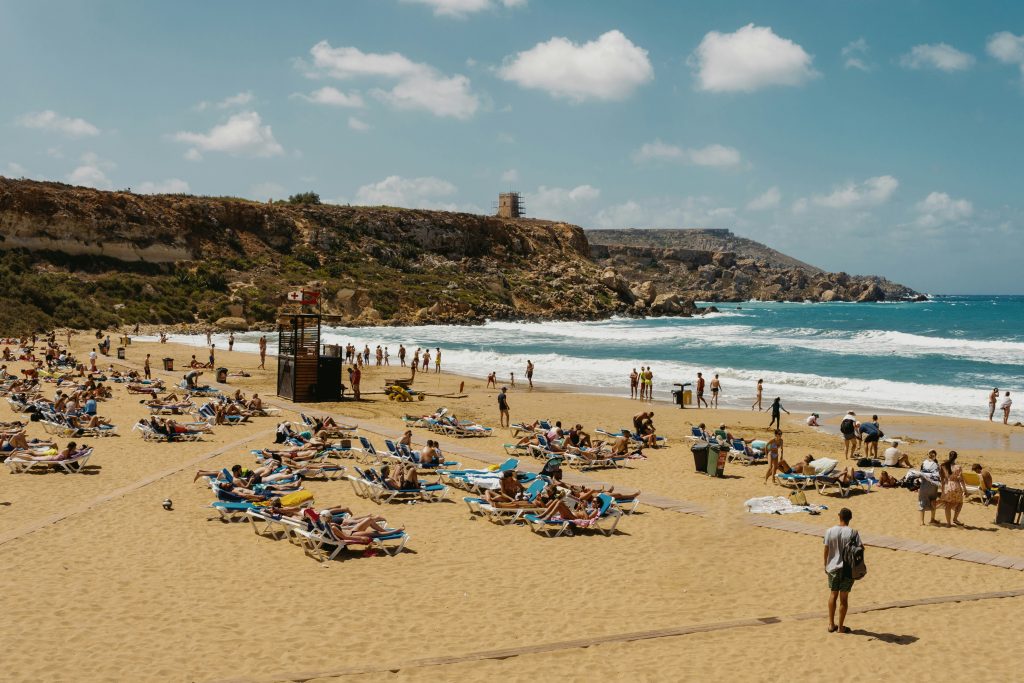
Golden Bay — Most Popular Beach
One of the most well-known sandy beaches on the island.
• soft sand and easy access
• sunbeds and umbrellas available
• great for sunset
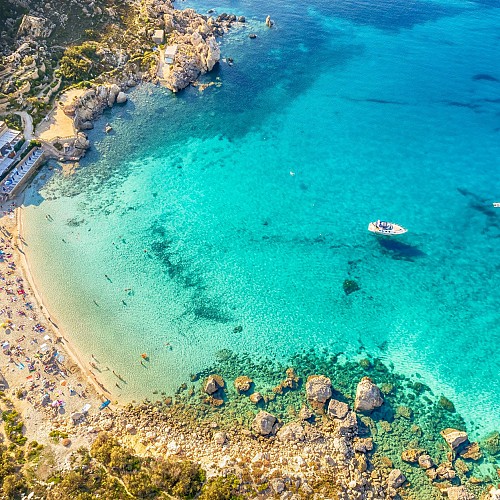
Mellieħa Bay — Best Sandy Beach
The largest sandy beach in Malta, ideal for relaxed swimming.
• shallow water
• family-friendly
• good facilities
St. Peter’s Pool — Unique Natural Spot
A natural swimming area with flat rock formations.
• crystal-clear water
• popular for jumping and snorkeling
• no sand
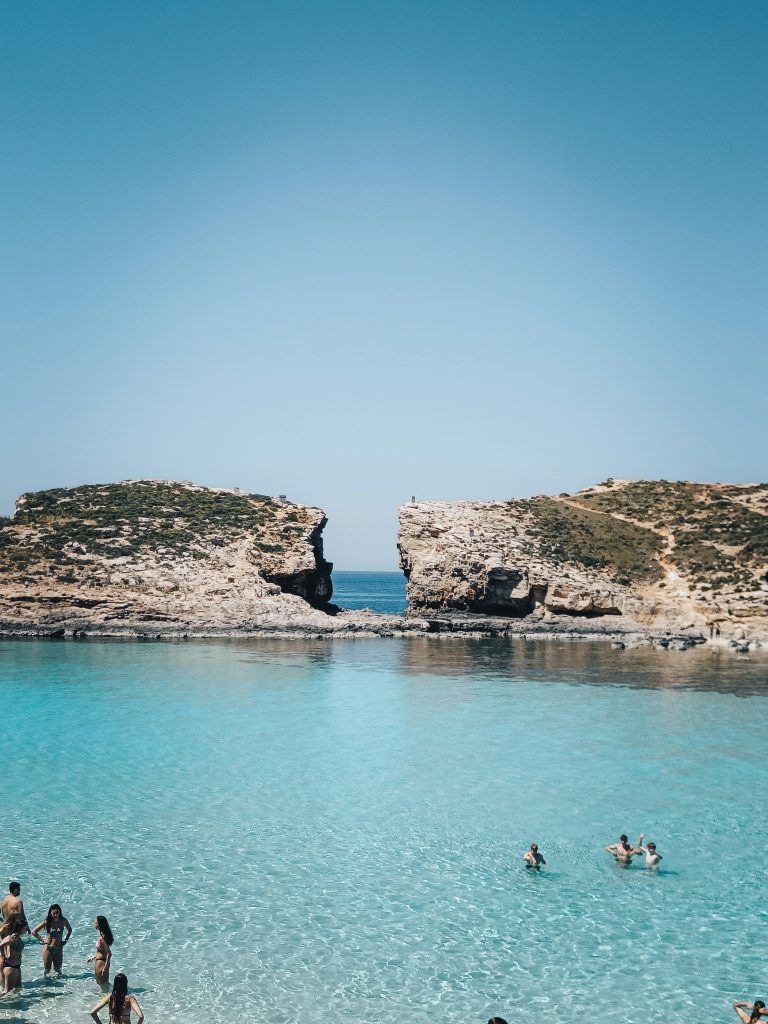
Blue Lagoon (Comino) — Most Famous Water
Known for its unreal turquoise color.
• extremely clear water
• best visited early
• can get very crowded
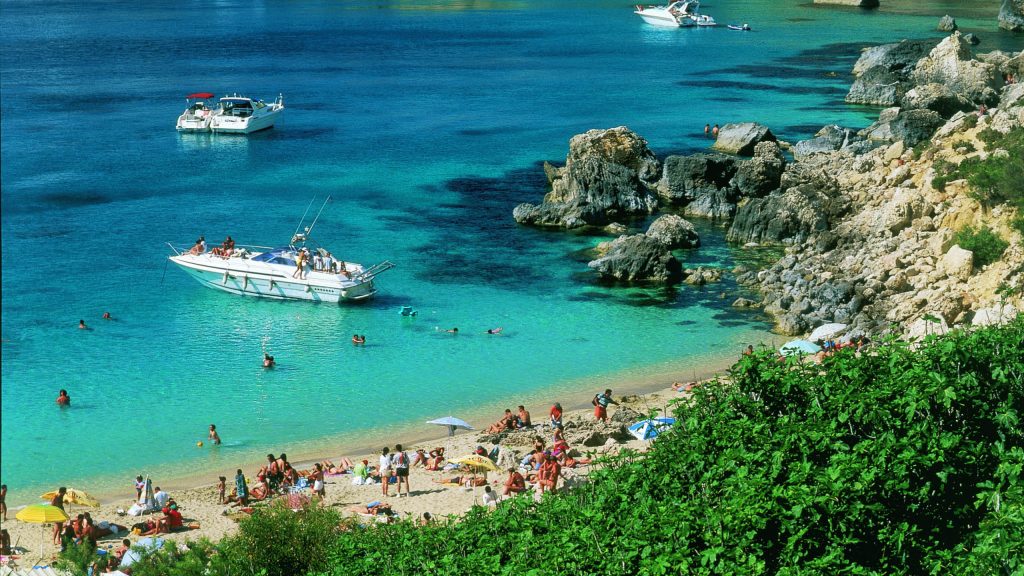
Paradise Bay — Scenic and Smaller
A quieter beach near the north of the island.
• beautiful views
• smaller and more relaxed
• mix of sand and rocks
Beach Crowds and Sunbeds in Malta
During the summer months, beaches in Malta can become very crowded, especially after late morning.
• arriving early (before 9–10 AM) is highly recommended
• popular beaches fill up quickly
• sunbeds and umbrellas are available for rent at many beaches
Prices typically range from €10 to €20 per set, depending on the location.
If you arrive later in the day, it may be difficult to find space, especially in popular areas like Blue Lagoon or Golden Bay.
Best Areas to Stay in Malta
Valletta — Best for Culture
Historic setting with easy access to major attractions.
Sliema — Best Overall Location
Modern area with restaurants, shopping, and good connections.
St. Julian’s — Best for Nightlife
Popular for bars, clubs, and a lively atmosphere.
Mellieħa — Best for Beaches
More relaxed area near sandy beaches.
Food and Dining in Malta
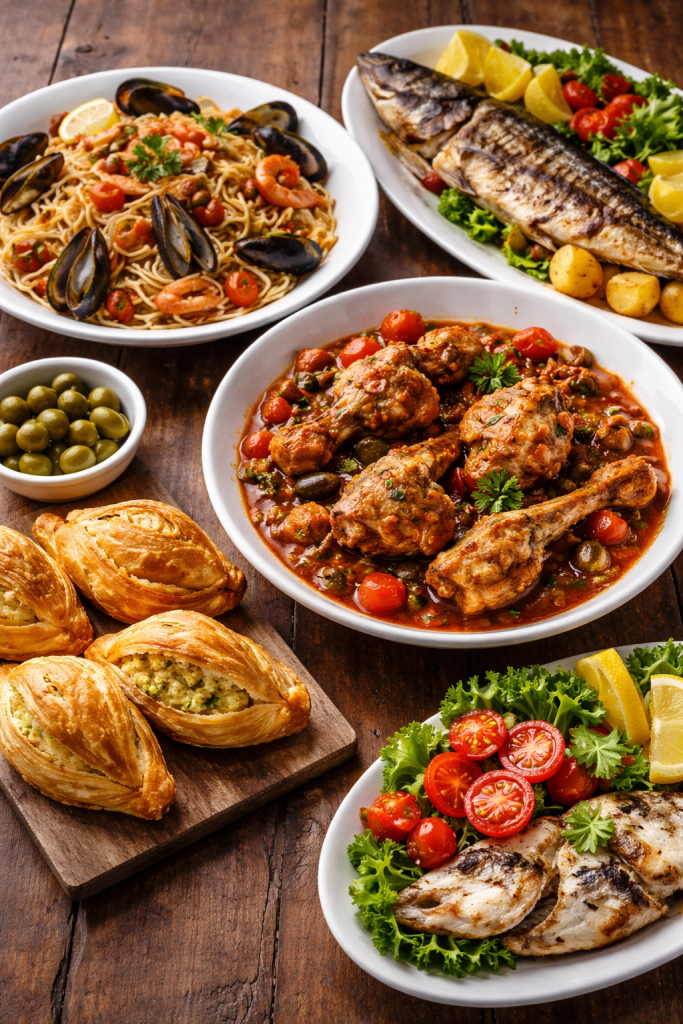
Maltese cuisine blends Mediterranean and Italian influences. For similar cuisine, travelers often explore Italy and Spain.
Typical dishes:
• rabbit stew (fenek)
• seafood pasta
• pastizzi (savory pastry)
• grilled fish
Travel Costs in Malta
Malta offers moderate pricing compared to Western Europe.
Typical expenses:
• meals — €15 to €30
• coffee — €2 to €4
• accommodation — €70 to €200
Prices increase during peak summer months.
You can save money in Malta by:
• eating outside main tourist areas
• using Bolt instead of taxis
• visiting beaches early (no need for sunbeds)
• booking accommodation in advance
Currency and Payments in Malta
The official currency is Euro (EUR).
• cards are widely accepted
• cash is useful for small businesses
Best Time to Visit Malta
Best months:
• May
• June
• September
• October
These months are also ideal for visiting destinations like Italy, France, and Greece.
These periods offer pleasant weather and fewer crowds.
Peak season (July–August):
• high temperatures
• busy tourist areas
• higher prices
Getting Around Malta
• buses — main public transport
• Bolt / Uber — easy to use
• car rental — useful for flexibility
Driving is on the left side of the road.
Public buses can be crowded and slower during peak season, especially in summer. For faster travel, ride apps like Bolt are often more convenient.
Day Trips in Malta
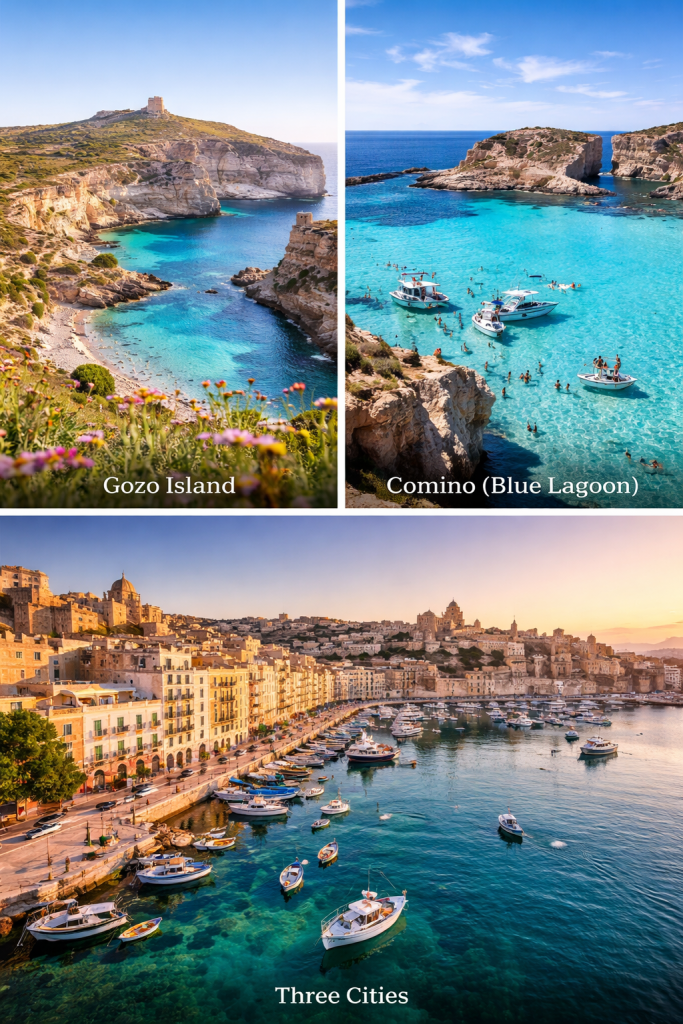
• Gozo Island
• Comino (Blue Lagoon)
• Three Cities
Boat Tours and Island Access
Many of Malta’s best swimming spots, including the Blue Lagoon, are best accessed by boat.
• boat tours run daily in summer
• tickets can sell out quickly
• booking in advance is recommended
Common Mistakes to Avoid
• staying only in one area
• skipping Gozo
• underestimating summer heat
• not planning transport
Travel Tips for Malta
• visit popular spots early
• bring water shoes
• carry water in summer
• book in advance during peak season
How Many Days to Spend in Malta
• 2–3 days — short visit
• 4–5 days — ideal
• 7 days — full experience
Internet and Connectivity
• reliable mobile coverage
• WiFi widely available
• suitable for remote work
Safety in Malta
Malta is considered a safe destination with low crime levels.
Malta Travel FAQ
Is Malta worth visiting?
Yes, especially for its mix of history, beaches, and island experiences.
Is Malta expensive?
Moderate, but prices rise in summer.
Do you need a car in Malta?
Not necessary, but useful.
Can you swim in Malta?
Yes, the water is very clean.
What to Pack for Malta
• sunscreen
• light clothing
• water shoes
• comfortable footwear
Where to Go After Malta
Many travelers continue their journey with these destinations:
Explore More Travel Guides
If you are planning more destinations:
Final Thoughts
Malta offers a unique balance of cultural heritage, natural beauty, and coastal relaxation. From historic cities to crystal-clear swimming spots, it provides a complete travel experience within a relatively small area.
With proper planning, Malta can be both easy to explore and highly rewarding, making it one of the most versatile destinations in the Mediterranean.