This Croatia travel guide is designed to give you a real understanding of what traveling through the country feels like, not just where to go. Croatia has become one of the most desirable destinations in Europe because it combines coastline, islands, history, and nature in a way few countries can.Travelers exploring Europe often combine Croatia with destinations like Italy, Slovenia, and Greece.
From medieval stone cities to clear Adriatic water and quiet islands, Croatia offers a mix of experiences that can be adapted to almost any travel style. The key is knowing how to plan it properly.For a full regional experience, many travelers also explore the Italy travel guide, Slovenia travel guide, and Greece travel guide.
Planning your Croatia trip properly can save you time, money, and unnecessary stress. Knowing where to go, how to move, and what to expect makes a big difference in your overall experience.
Where Croatia Feels Different
Croatia is located along the Adriatic Sea, but the experience changes depending on where you go.
The coast feels Mediterranean, with beaches, seafood, and relaxed energy, while inland areas feel more Central European, with cities, parks, and cultural experiences.
This contrast allows you to experience multiple types of travel within one country.This mix is similar to destinations like Spain and France, where coastal and inland experiences differ significantly.
How to Get to Croatia
Most travelers arrive through:
If your goal is beaches and islands, flying into Split or Dubrovnik is the best option. Zagreb is more suitable for culture-focused trips.
A smart route is to start in one coastal city and move along the coastline instead of traveling back and forth.
Entry Requirements
Croatia follows Schengen rules:
- valid passport
- visa if required
- stay up to 90 days
The process is simple, but always confirm based on your nationality.
Transportation in Croatia
Transportation is one of the most important things to understand before visiting.
- buses are the main way to travel between cities
- ferries are essential for islands
- trains are limited and not very useful
- renting a car gives the most flexibility
If you plan to visit multiple places, combining buses and ferries or renting a car is the best strategy.
One thing many travelers underestimate is how long distances actually take along the coast. What looks close on the map can easily turn into a full day of travel, especially during summer traffic.
Why Croatia Is Worth Visiting
Croatia offers a rare combination of experiences:
- clean and swimmable sea
- historic cities that feel alive
- diverse islands with different atmospheres
- balance between relaxation and exploration
It is not just a beach destination, but a complete travel experience.
Best Places to Visit in Croatia
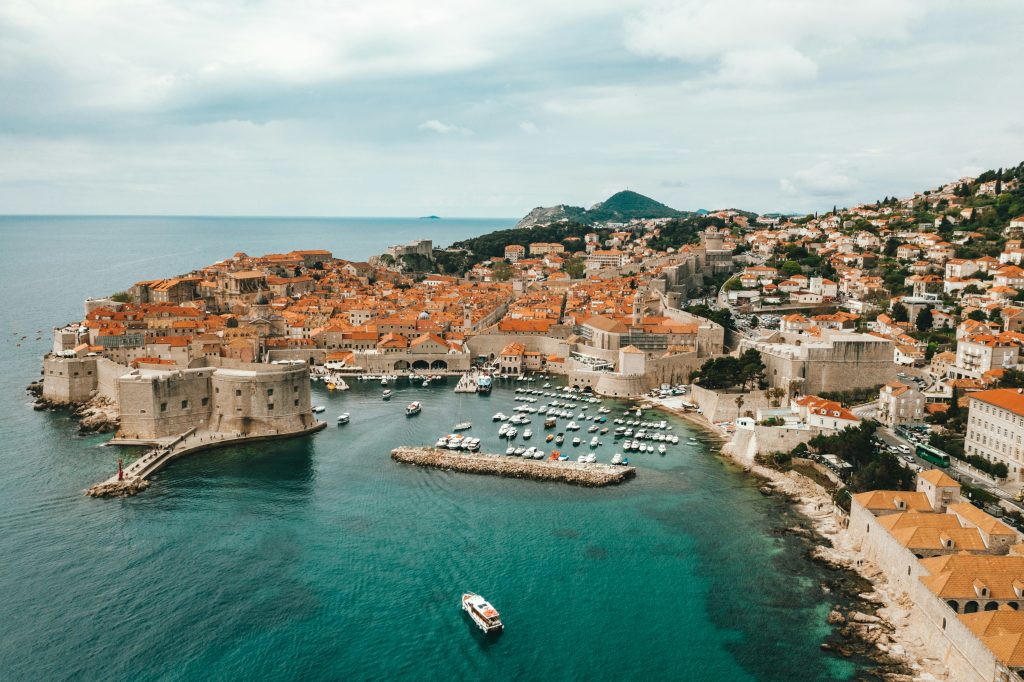
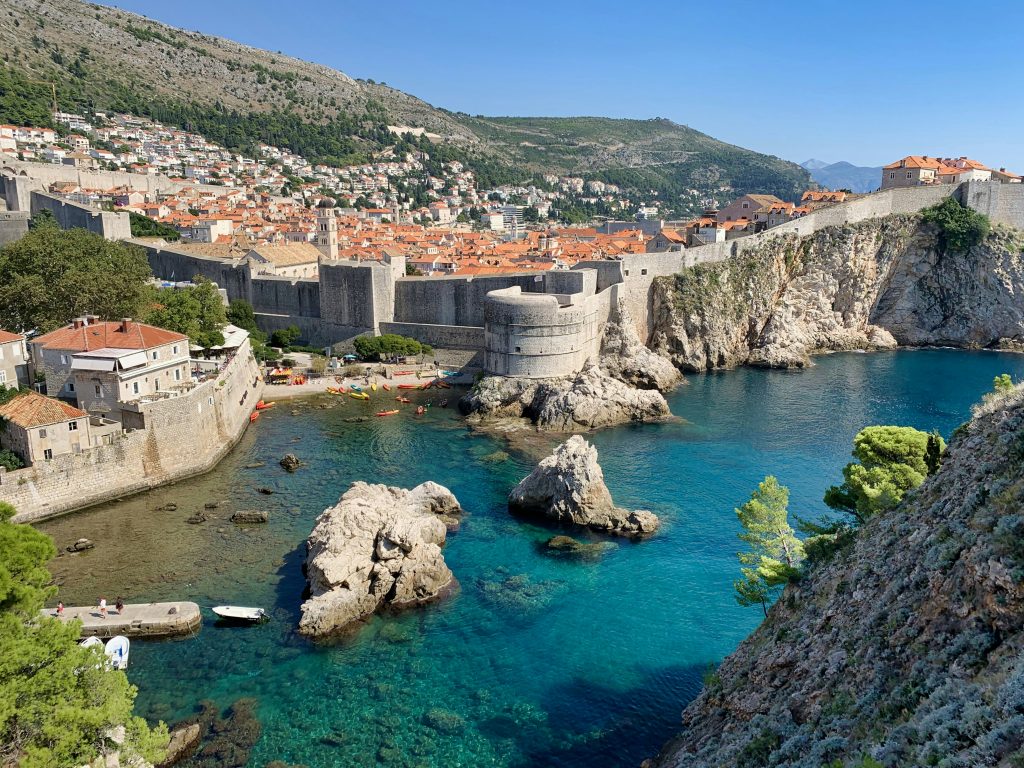
Dubrovnik offers dramatic coastal views and historic architecture, but it is best enjoyed early in the morning or later in the evening to avoid crowds.
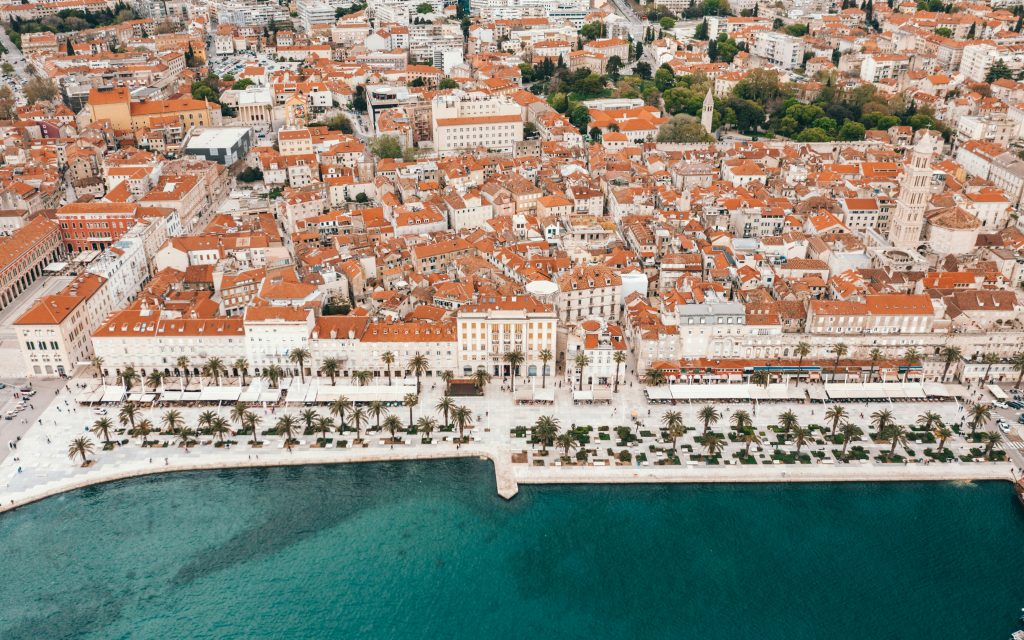
Split provides a more dynamic atmosphere, where history and modern life blend inside ancient Roman walls.
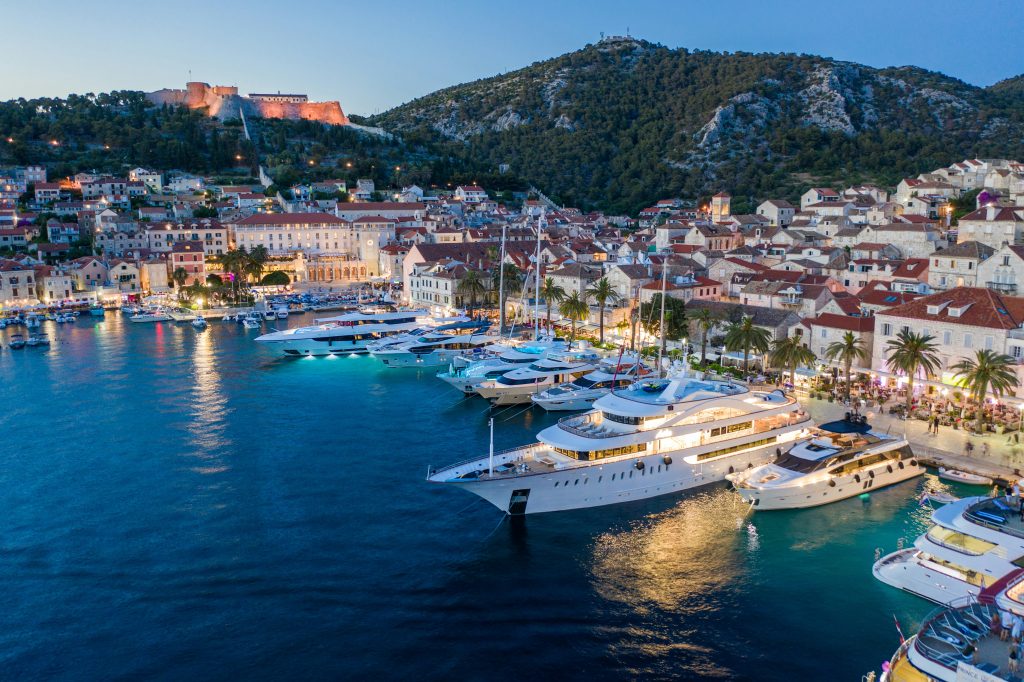
Hvar is known for both nightlife and beaches, depending on how you plan your stay.
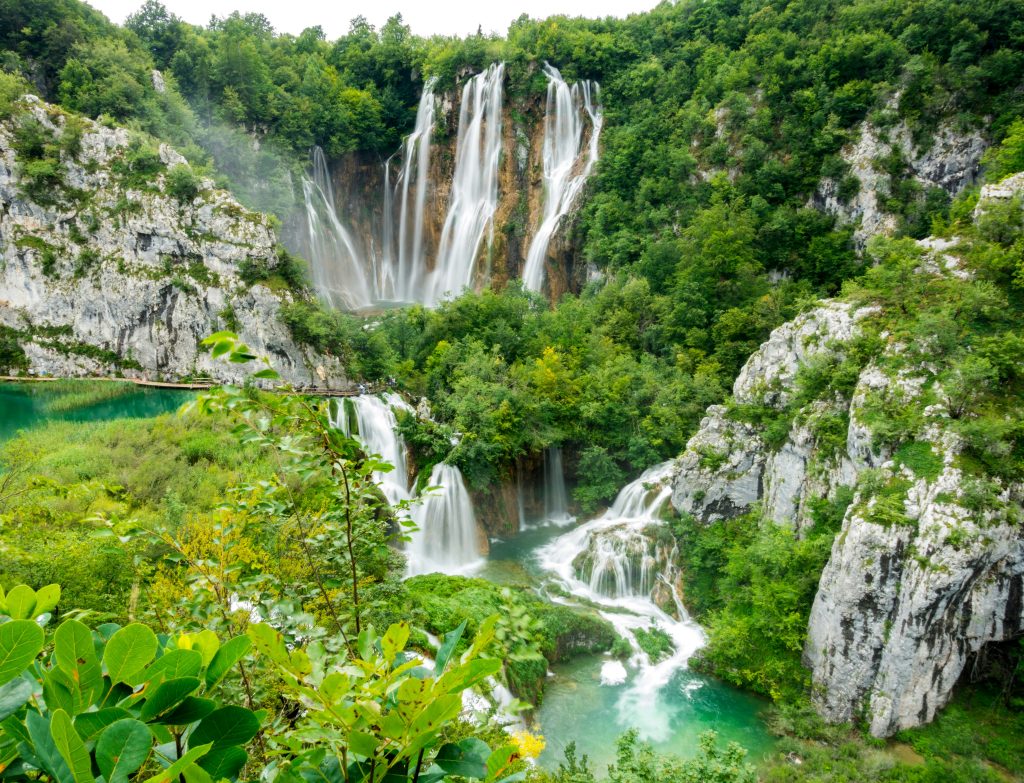
Plitvice Lakes National Park is one of the most visually impressive natural locations in Europe, with waterfalls and wooden paths.
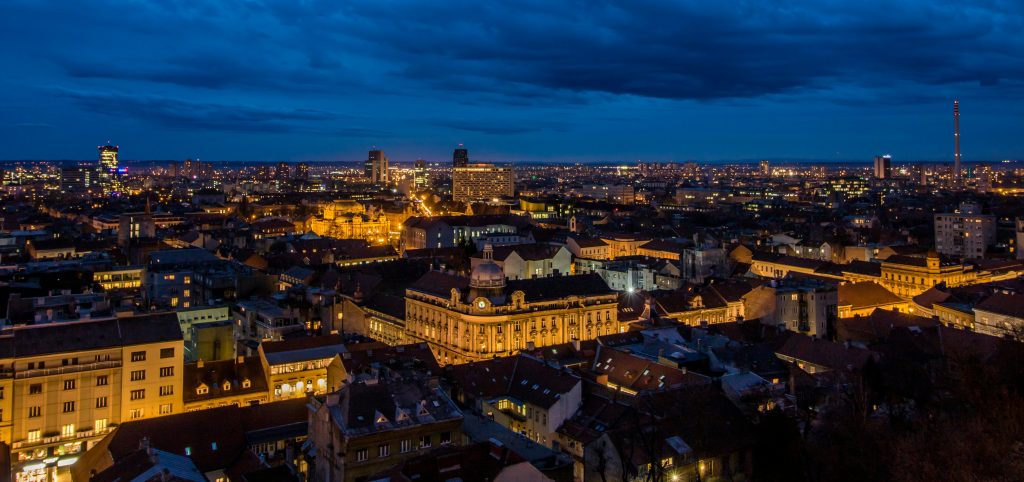
Zagreb is quieter and more local, ideal for culture, cafes, and a slower pace.
Best Islands in Croatia
Croatia has over 1,000 islands, but only a few stand out depending on your travel style.
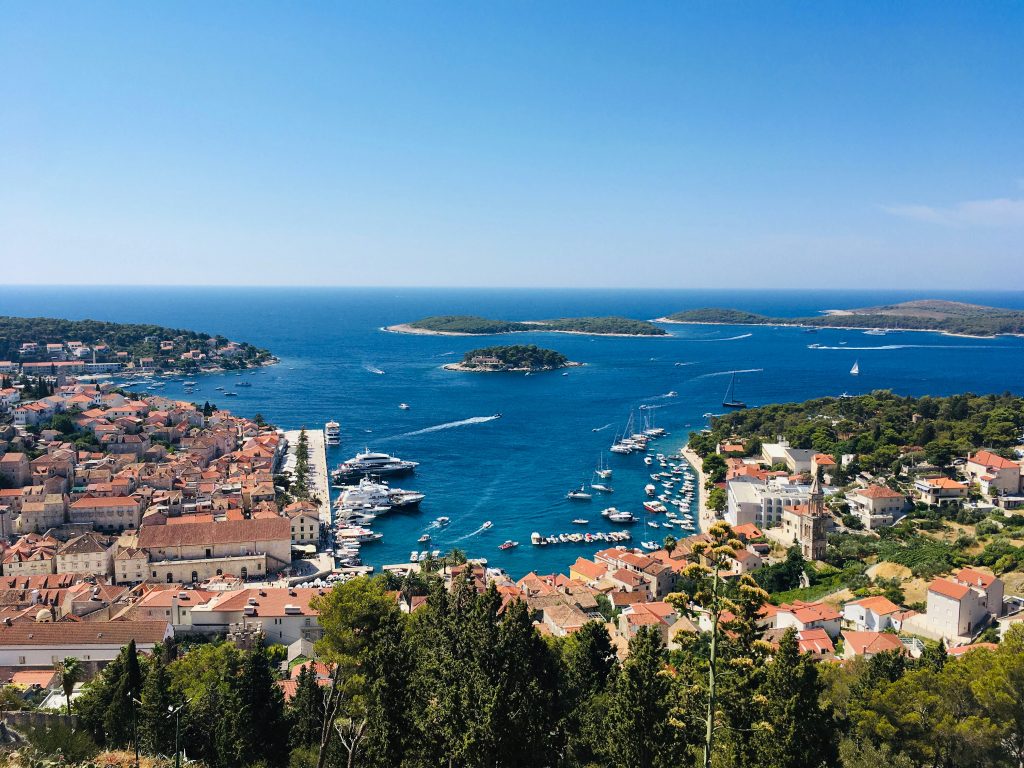
Hvar
Best for nightlife, beaches, and social atmosphere.
Perfect for younger travelers and summer energy.
Brač
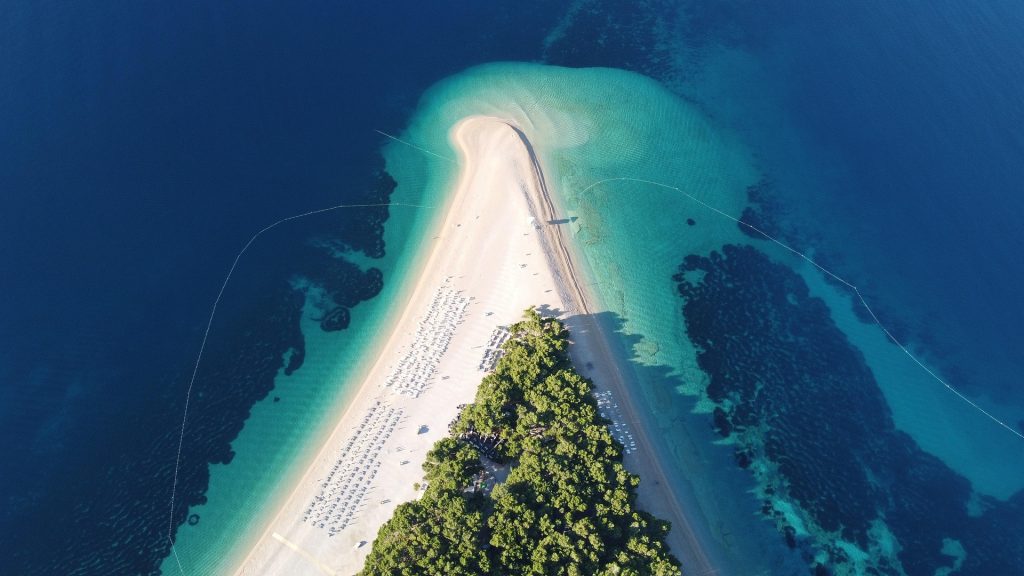
Known for Zlatni Rat beach.
Great for a balanced trip with beaches and relaxation.
Korčula
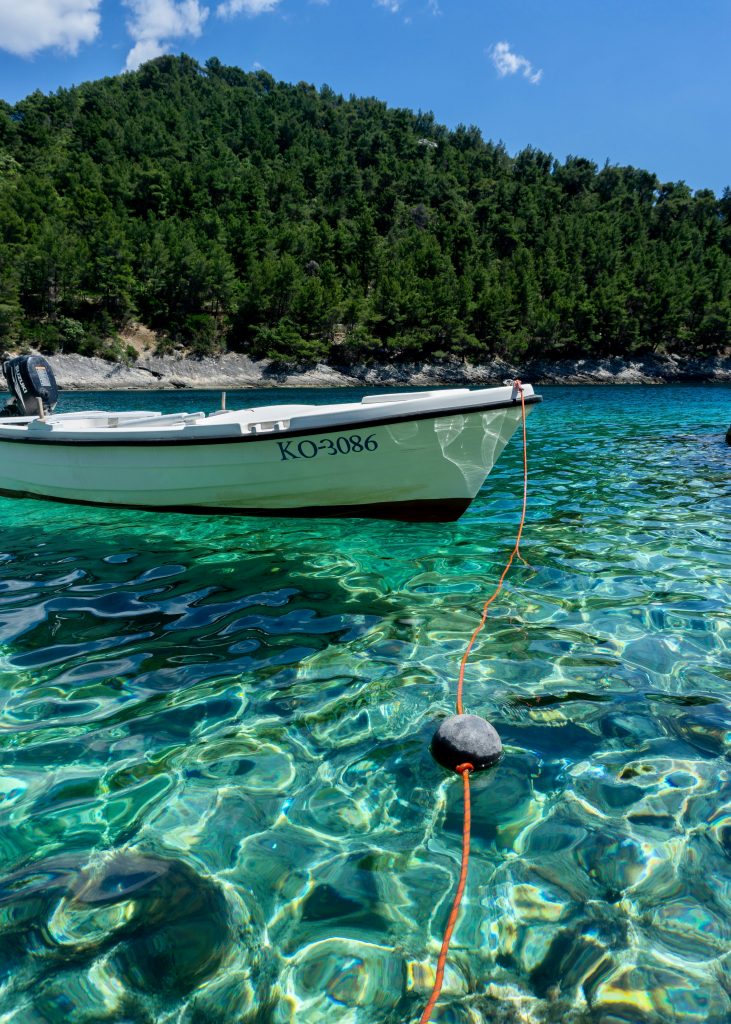
A quieter alternative to Dubrovnik.
Ideal for history, wine, and a slower pace.
Vis
One of the most authentic and less developed islands.
Best for nature, privacy, and avoiding crowds.
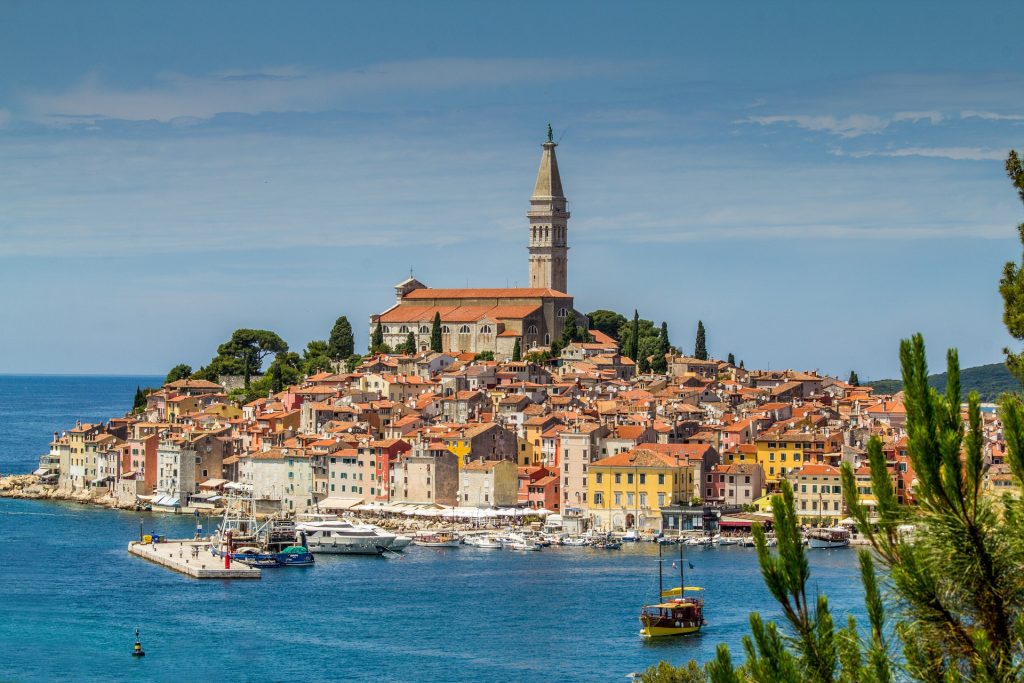
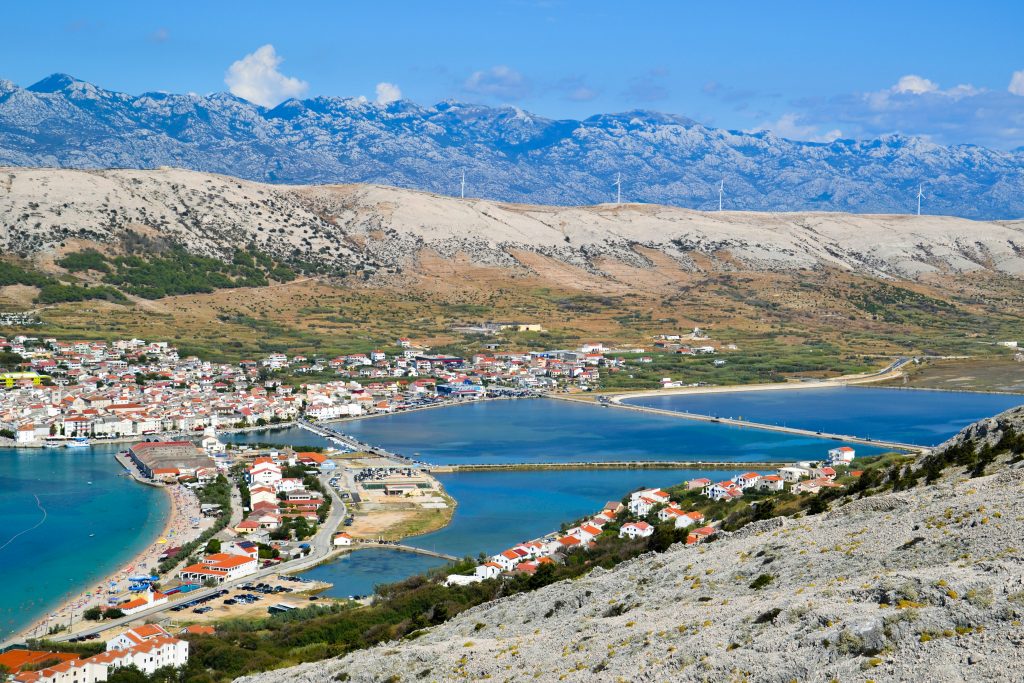
Pag
Famous for parties (Zrće Beach) and nightlife festivals.
Often compared to Ibiza.
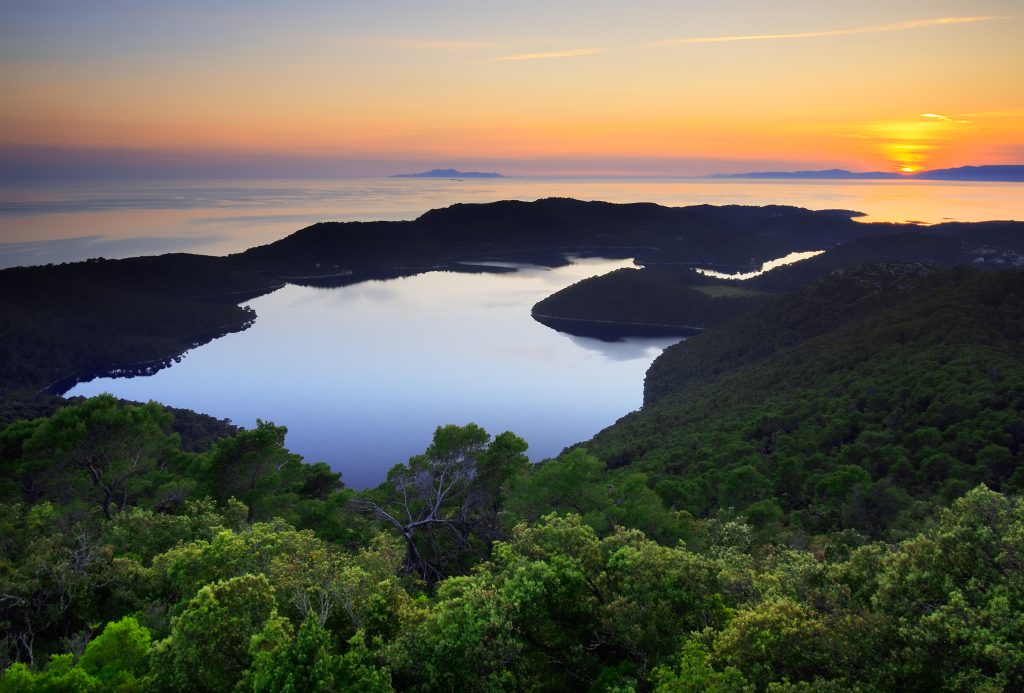
Mljet
A green island with a national park and lakes.
Best for nature lovers and peaceful travel.
Planning your island route in advance makes Croatia much easier to enjoy, especially in summer when ferries, hotels, and popular beaches get busy.
How to Get to the Islands in Croatia
Traveling to the islands is one of the most important parts of a Croatia trip, and it is mainly done by ferries and boats.
Most islands are connected to major coastal cities like Split, Dubrovnik, and Zadar.
Main options:
- ferries (for cars and passengers)
- catamarans (faster, passengers only)
Popular routes:
- Split → Hvar
- Split → Brač
- Dubrovnik → Korčula
- Split → Vis
Ferries run frequently, but schedules vary depending on the season.
Important:
During summer, tickets can sell out, so booking in advance is highly recommended.
Getting Around the Islands
Once you arrive on an island, transportation options are limited compared to cities.
You can use:
- walking (small towns)
- scooters (very popular)
- rental cars
- local taxis
Tip:
Renting a scooter or small car is the best way to explore islands fully.
Driving in Croatia
Driving is one of the best ways to explore Croatia, especially along the coast.It is especially useful when combining Croatia with nearby countries like Slovenia or Italy.
Important things to know:
- highways are modern but include tolls
- coastal roads are scenic but narrow
- parking in cities can be limited
- fuel prices are similar to Western Europe
Renting a car is highly recommended for flexibility.
Types of Beaches in Croatia
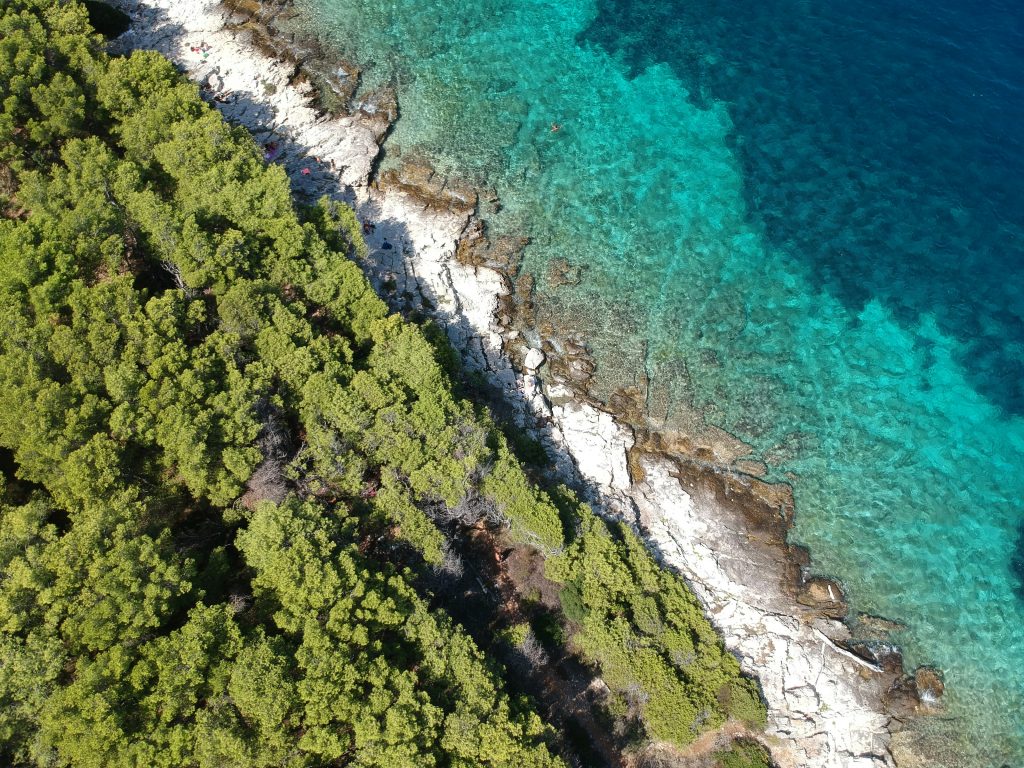
Most beaches in Croatia are not sandy.
You will find:
- pebble beaches (most common)
- rocky coastlines
- few sandy beaches (rare)
Water is extremely clear because of this.This clarity is often compared to destinations like Greece and the Maldives.
Tip:
Bring water shoes for comfort.
Best Beaches in Croatia
Croatia is known for clear water, but beaches vary a lot.
Zlatni Rat (Brač) is one of the most famous beaches, known for its unique shape and strong winds, making it ideal for water sports.
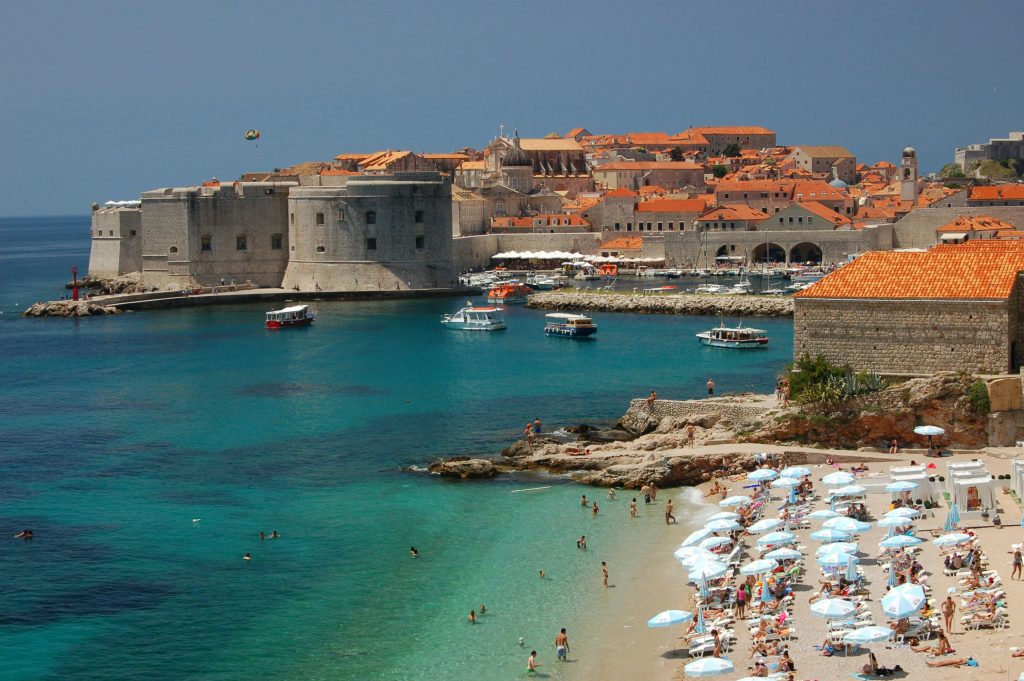
Dubrovnik beaches offer dramatic views with rocky coastline and deep blue water.
Hvar beaches are perfect for combining swimming with social atmosphere and nightlife.
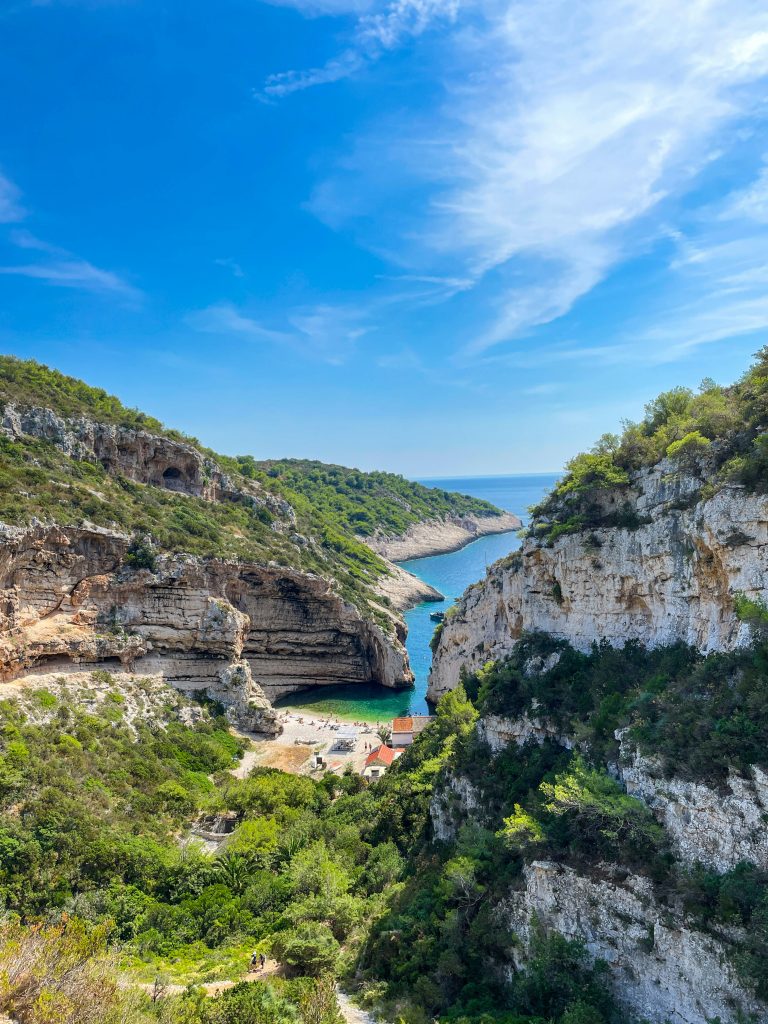
Stiniva Beach (Vis) is more hidden and surrounded by cliffs, offering a more secluded experience.
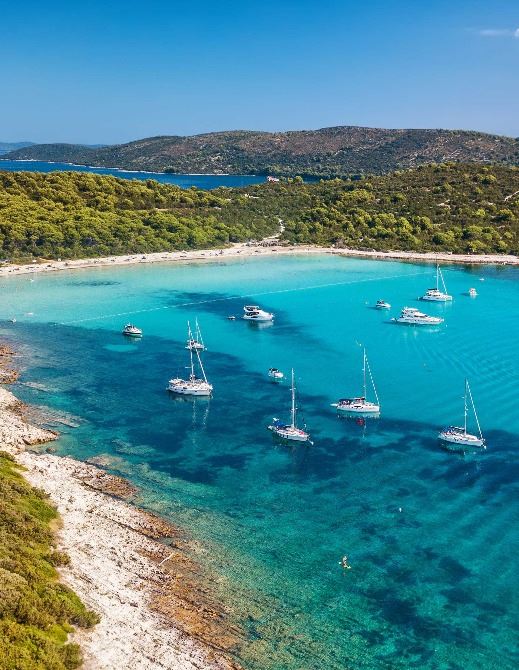
Sakarun Beach (Dugi Otok) is one of the rare sandy-style beaches with shallow, turquoise water.
It is important to know that most beaches in Croatia are rocky or pebbled, not sandy.
What Travelers Often Expect Wrong
Many travelers expect Croatia to be similar to Greece or Spain.
Reality:
- beaches are not sandy
- distances take longer than expected
- cities are smaller than expected
- peak season is very crowded
Setting correct expectations improves the trip significantly.Travelers comparing Croatia to Greece or Spain should be aware of these key differences.
This is one of the biggest reasons why some travelers leave Croatia disappointed — not because the destination is lacking, but because expectations were not realistic.
Types of Travel in Croatia (Choose Based on Your Style)
Croatia is not a one-type destination. Your experience depends on what you are looking for.
If your goal is relaxation and beaches, the best options include Hvar, Brač, Vis, and the Dubrovnik coast.
Travelers interested in culture and history should focus on Dubrovnik, Split, and Zagreb, where historic architecture and local traditions are strongest.
For nature and landscapes, Plitvice Lakes and Krka National Park offer some of the most impressive scenery in the country.
Those looking for nightlife will find the best atmosphere in Hvar and Split, especially during the summer season.
If you prefer a quieter and slower travel experience, Korčula, Vis, and smaller islands provide a more relaxed and less crowded environment.
Understanding these differences helps you choose the right destination and avoid mismatched expectations.
Festivals in Croatia
Croatia has a strong festival scene, especially during summer, with events that combine music, culture, and unique locations across cities, islands, and coastal areas.
Ultra Europe (Split)
One of the biggest electronic music festivals in Europe.
- international DJs
- huge crowds
- high-energy atmosphere
Best for: nightlife, party travelers
Dubrovnik Summer Festival
A cultural festival held inside the historic Old Town.
- theater performances
- classical music
- historic setting
Best for: culture, art, history lovers
INmusic Festival (Zagreb)
The largest open-air music festival in Croatia.
- rock and indie music
- relaxed atmosphere
- city festival experience
Best for: live music fans
Hideout Festival (Pag Island)
A famous beach party festival at Zrće Beach.
- pool parties
- electronic music
- strong nightlife
Best for: beach + party experience
Outlook Festival (Pula)
A unique music festival held in a seaside fort.
- alternative music
- historic location
- coastal views
Best for: different festival vibe
Zagreb Christmas Market
One of the best winter events in Europe.
- festive lights
- local food
- seasonal atmosphere
Best for: winter travel
When to Visit for Festivals
Most festivals happen between:
- June
- July
- August
Important:
- prices increase
- accommodation sells out fast
Festival Travel Tips
- book early during summer
- avoid festival dates if you want a quiet trip
- expect crowds in Split, Hvar, and Pag
Where to Stay in Croatia (Best Base Locations)
Choosing where to stay in Croatia depends on your travel style.
Split is the best overall base for exploring islands and coastal cities.
Dubrovnik is ideal for historic views and a premium experience.
Hvar is perfect for nightlife and beach-focused trips.
Zagreb is best for culture and inland travel.
Tip:
Split is the most practical base for first-time visitors.
For first-time visitors, choosing the right base can completely shape the trip. Staying in Split allows easy island access, while Dubrovnik offers a more premium and scenic experience. Zagreb works best for a quieter and more local atmosphere.
Food and Local Experience
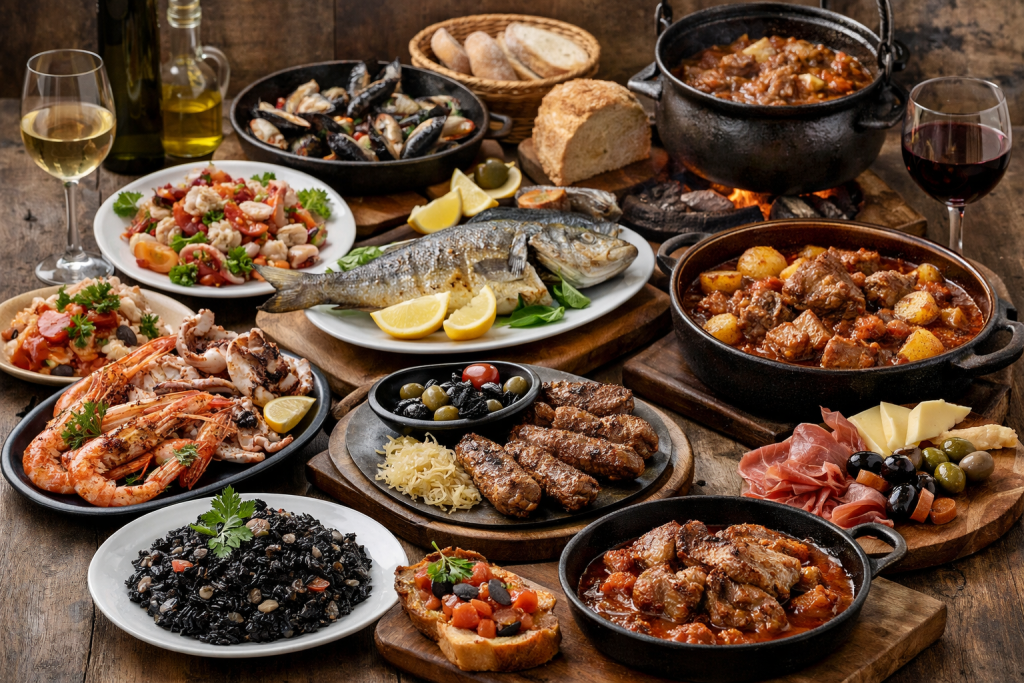
Croatian food changes depending on location.For similar Mediterranean cuisine, travelers often explore Italy and Spain.
Along the coast, meals are lighter and focused on seafood, olive oil, and simple preparation.
Inland, dishes are heavier and more traditional, with meats and stews.
Restaurants in tourist areas often focus on location rather than quality, so walking a few streets away usually results in a better experience.
Costs and Budget Reality
Croatia is no longer a cheap destination, especially in summer.
Prices increase significantly in coastal areas during peak season.
Traveling outside July and August offers better prices and a more relaxed experience.
Prices can surprise people, especially if they expect Croatia to be a budget destination. In peak season, it often feels closer to Western European prices than Eastern Europe.
Best Time to Visit Croatia
Timing has a major impact on your trip.
May, June, and September offer the best balance of weather, prices, and crowd levels.These months are also ideal for visiting destinations like Italy, France, and Greece.
July and August are the busiest months, with high temperatures and large tourist crowds.
Common Mistakes to Avoid
Many travelers limit their experience by:
- staying in only one city
- skipping islands
- visiting only during peak season
- not planning transport in advance
Croatia works best as a multi-stop trip.
Travel Tips That Make a Difference
- plan ferry routes early
- explore places outside main tourist zones
- visit popular locations early in the day
- combine different regions for variety
Suggested Croatia Itinerary
A balanced 7-day trip:
Day 1–2: Dubrovnik
Day 3–4: Split
Day 5: Hvar
Day 6: Plitvice Lakes
Day 7: Zagreb
This gives a mix of coast, islands, and nature.
What to Pack for Croatia
- comfortable shoes
- water shoes (very important)
- light summer clothes
- sunscreen
- swimsuit
- reusable bottle
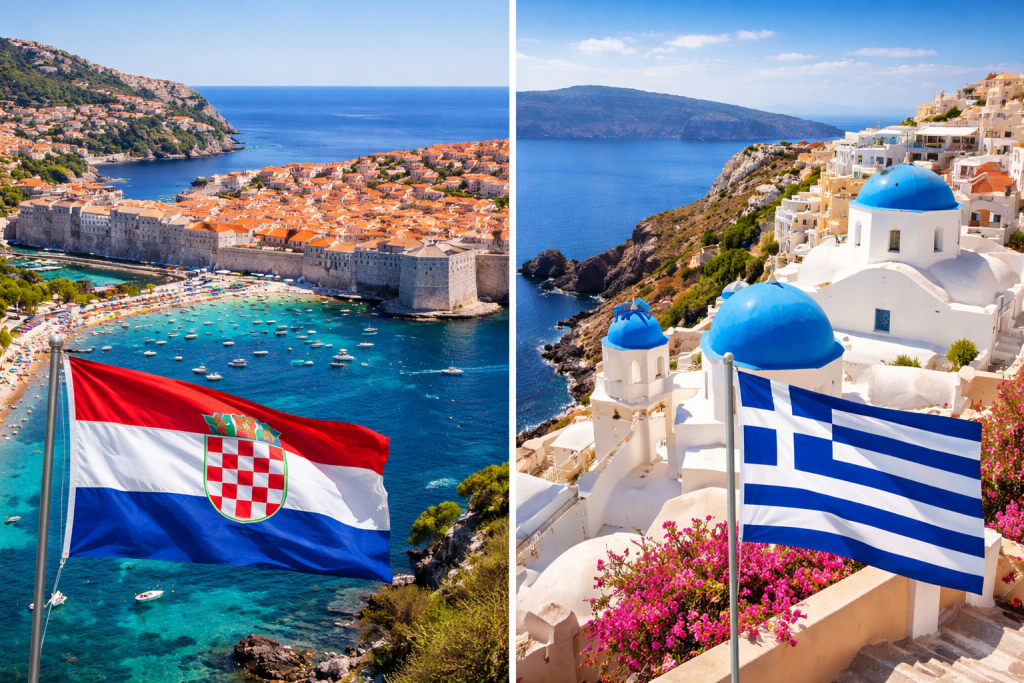
Croatia vs Greece (Quick Comparison)
Croatia:
- clearer water
- more historic cities
- better for road trips
- more sandy beaches
- stronger island culture
Practical Tips Before You Go
- Book ferries in advance during summer
- Avoid midday travel due to heat and crowds
- Stay at least one night on an island for a better experience
- Always check distances in time, not kilometers
Croatia Travel FAQ
Is Croatia worth visiting?
Yes, it offers a combination of beaches, history, islands, and nature that few countries match.
Is Croatia expensive?
It is moderately priced, but becomes expensive during peak summer, especially in coastal areas.
How many days do you need in Croatia?
Seven to ten days is ideal to experience multiple regions.
When is the best time to visit Croatia?
May, June, and September provide the best overall experience.
Are Croatia beaches sandy?
Most beaches are rocky or pebbled, but the water is extremely clear.
Is Croatia safe for travelers?
Yes, it is considered one of the safer destinations in Europe.
Do you need a car in Croatia?
Not necessary, but highly recommended for flexibility.
Can you drink tap water in Croatia?
Yes, tap water is safe and drinkable.
Is English spoken in Croatia?
Yes, especially in tourist areas.
Is Croatia good for island hopping?
Yes, it is one of the best countries in Europe for island hopping.
Which city is better, Split or Dubrovnik?
Split is more relaxed and lively, while Dubrovnik is more historic and visually dramatic.
Before you go, take a moment to plan your route, ferry times, and expectations carefully. Small planning decisions can completely change your Croatia experience.
Where to Go After Croatia
Many travelers continue their journey with these destinations:
Explore More Europe Travel Guides
If you are planning a wider Europe trip:
Final Thoughts
Croatia stands out because it offers more than just one type of travel. It combines coastline, islands, culture, and nature into a single destination. The key to enjoying it fully is understanding how to structure your trip and choosing locations based on your travel style.
When planned correctly, Croatia delivers one of the most complete and memorable travel experiences in Europe.