Why Visit Japan
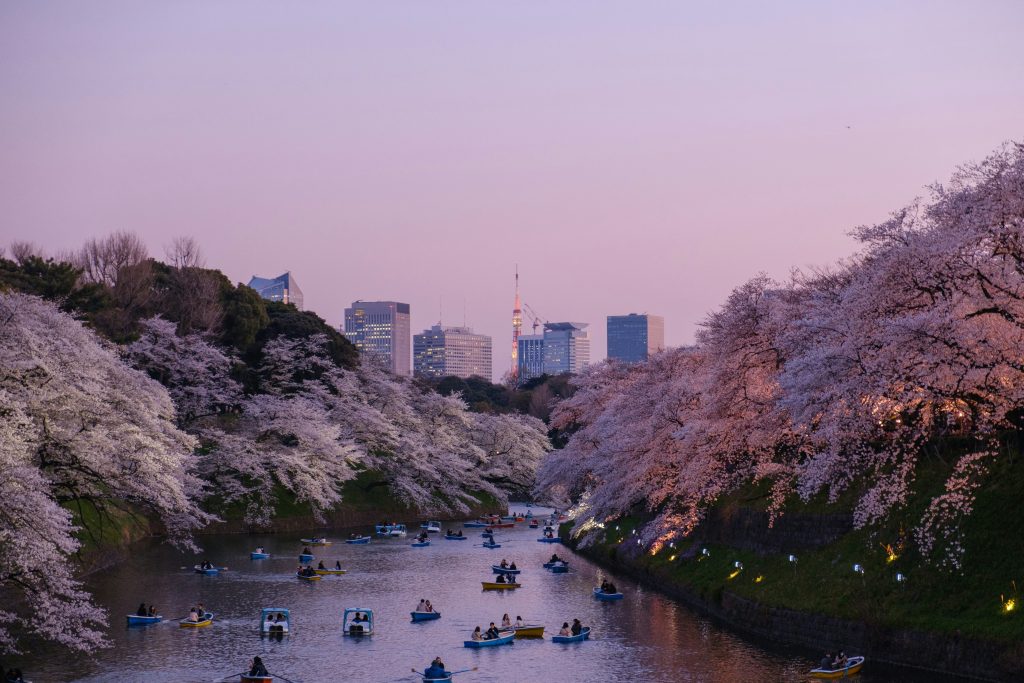
This Japan travel guide explores one of the most fascinating destinations in the world, where ancient traditions meet cutting-edge modern life. This contrast is best experienced in cities like Tokyo and Kyoto. From historic temples and peaceful gardens to neon-lit cities and high-speed trains, Japan offers a travel experience that is both structured and deeply unique.Japan is also widely known for cherry blossoms, advanced technology, and one of the most unique cultures in the world.
What makes Japan different from other destinations is its balance. For example, Tokyo represents the modern side, while Kyoto shows the traditional part of the country. You can spend the morning in a centuries-old shrine and the evening in one of the most advanced cities on the planet.
Key reasons to visit Japan:
- A perfect mix of tradition and modern innovation
- Extremely safe and clean environment
- One of the most efficient transport systems in the world
- Unique seasonal experiences throughout the year
- Exceptional food quality and variety
Japan is ideal for travelers who want a well-organized trip with diverse experiences and minimal uncertainty.
What Is Japan Famous For
Japan is known worldwide for its unique combination of tradition, innovation, and cultural identity.
Some of the most famous things include:
- Cherry blossom season (sakura), one of the most iconic natural events in the world
- High-speed bullet trains that connect cities efficiently
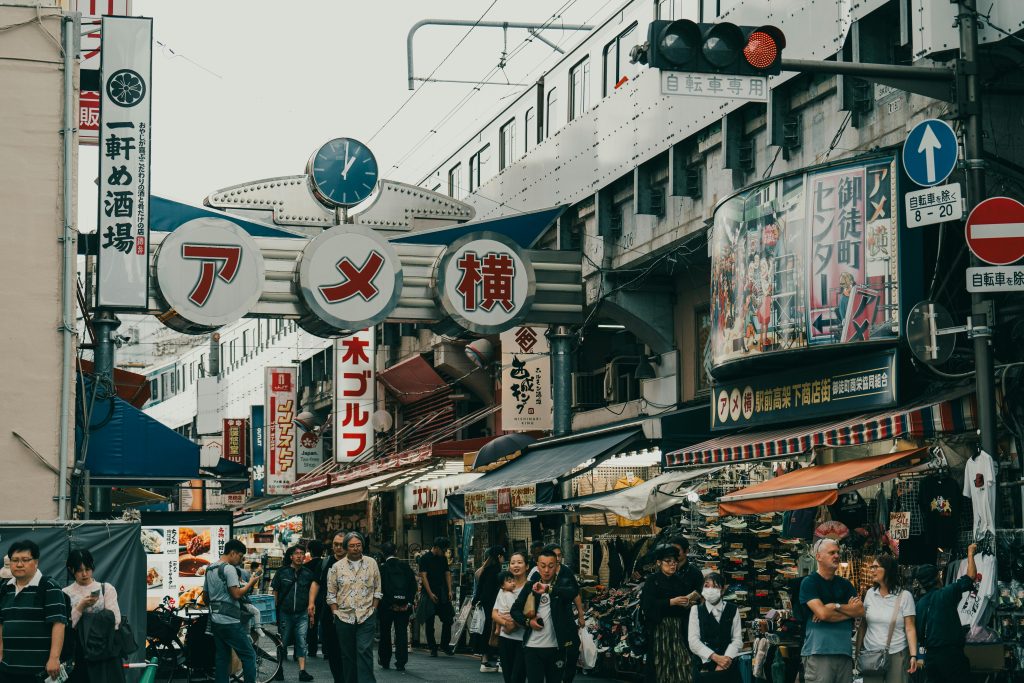
- Advanced technology and futuristic cities like Tokyo
- Unique pop culture, including anime and gaming
- Vending machines available almost everywhere
- Extremely clean and organized cities
- Traditional shrines and torii gates, especially iconic places like Fushimi Inari Shrine
- World-famous cuisine, especially sushi and ramen
These elements make Japan one of the most recognizable and unique destinations globally.
Where Is Japan Located
Japan is an island nation in East Asia, situated in the Pacific Ocean. It lies east of China and the Korean Peninsula and consists of several major islands, including Honshu, Hokkaido, Kyushu, and Shikoku.
Its geographic position and island structure contribute to its diverse climate, landscapes, and regional differences.
Understanding Japan’s Regions
Kanto Region (Tokyo Area)
Modern urban experience, technology, shopping, and nightlife.This includes the capital Tokyo, the most dynamic city in Japan.
Kansai Region (Kyoto, Osaka)
Cultural heart of Japan with temples, traditions, and historical sites. This region is best represented by Kyoto, known for its culture and history.
Hokkaido
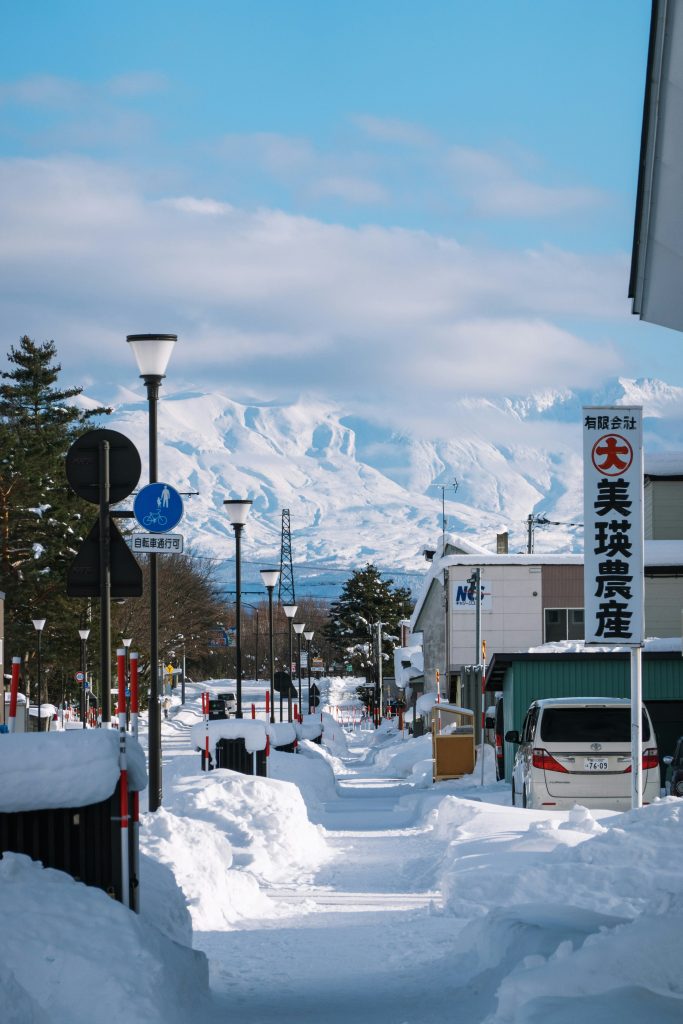
Known for nature, winter sports, and open landscapes.
Kyushu
Famous for hot springs, volcanoes, and a more relaxed pace of travel.
Understanding these regions helps you build a more efficient and balanced itinerary.
Best Areas to Stay in Japan
Choosing the right area is essential for saving time and improving your experience.
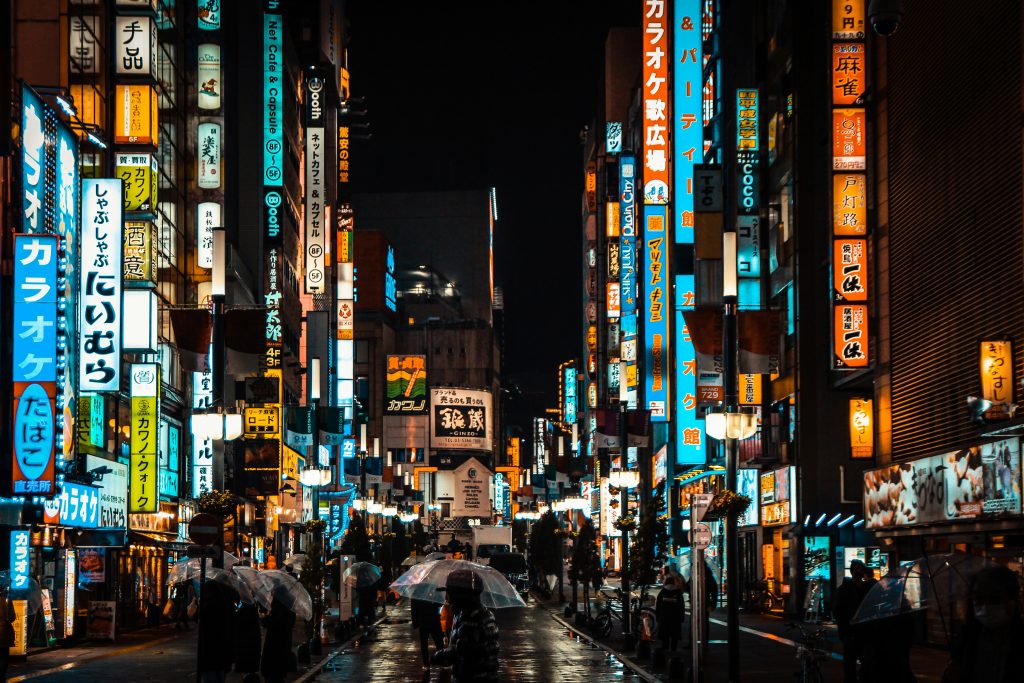
Tokyo – Shinjuku or Shibuya
Best for first-time visitors, nightlife, and easy transport access.
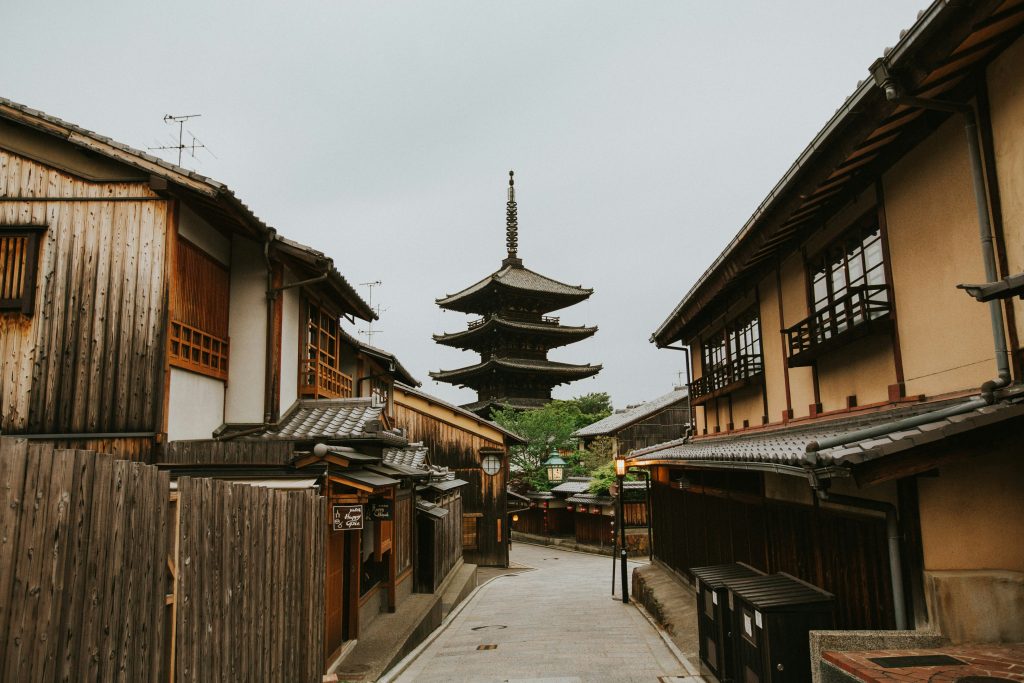
Kyoto – Gion
Traditional district close to temples and cultural landmarks.
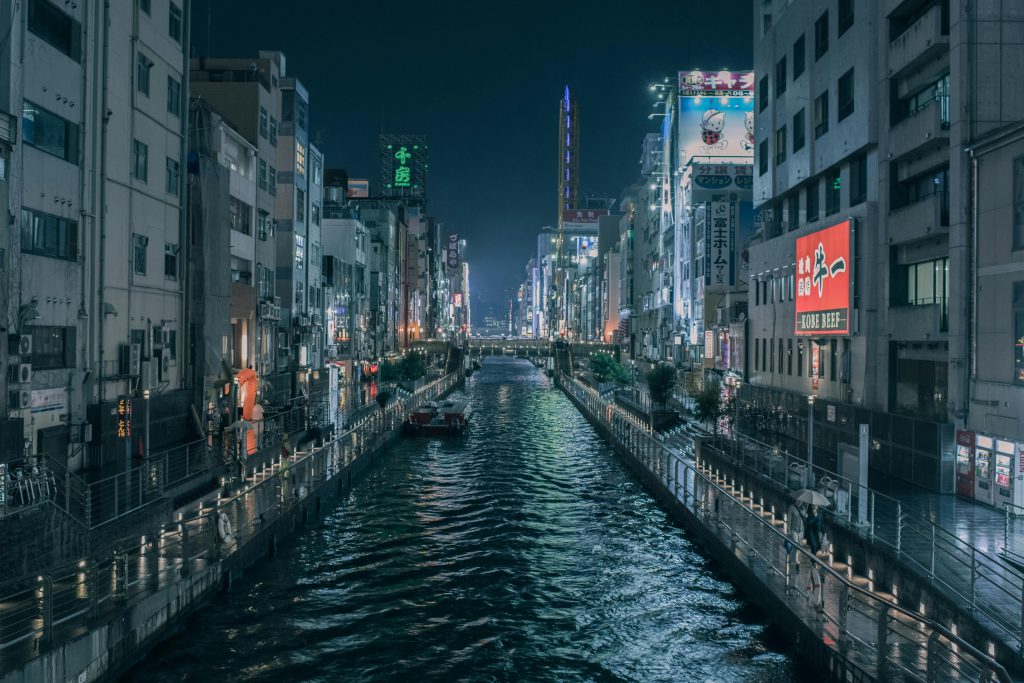
Osaka – Namba
Central area with food, entertainment, and strong connectivity.
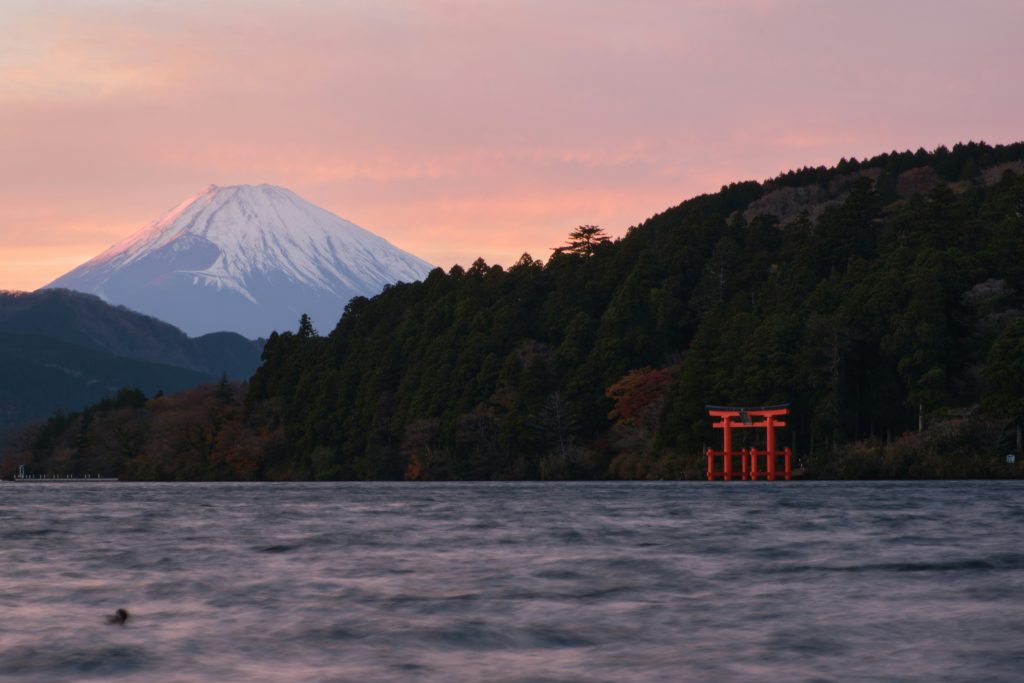
Hakone
Ideal for relaxation, hot springs, and views of Mount Fuji.
Tip:
Always stay near a train or metro station for easier movement.
Best Hotels in Japan
Japan offers accommodation for every budget, but space is often more limited compared to other countries.
Luxury Hotels
- Aman Tokyo
- Park Hyatt Tokyo
- Ritz-Carlton Kyoto
Mid-Range Hotels
- Mitsui Garden Hotels
- Hotel Gracery
Budget Options
- Capsule hotels
- Business hotels
- Hostels
Tip:
Book early, especially during peak seasons.
Best Places to Visit in Japan
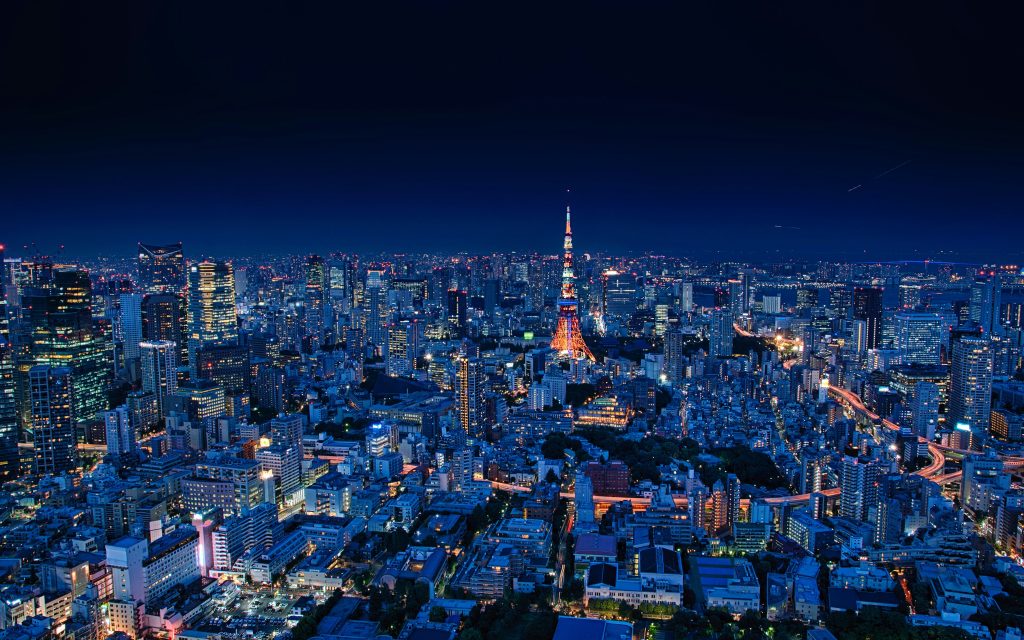
Tokyo
A global city known for its energy, technology, and endless attractions.
Highlights:
- Shibuya Crossing
- Shinjuku skyline
- Akihabara district
- Historic temples within the city
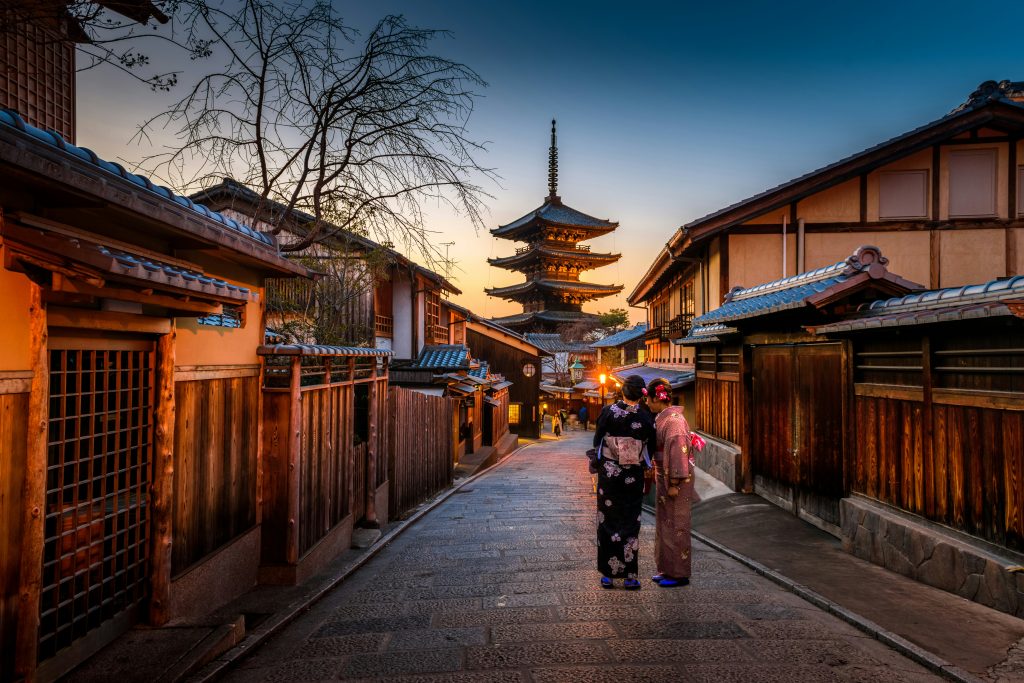
Kyoto
The most traditional city in Japan.
Highlights:
- Fushimi Inari Shrine
- Bamboo forest in Arashiyama
- Historic temples and districts
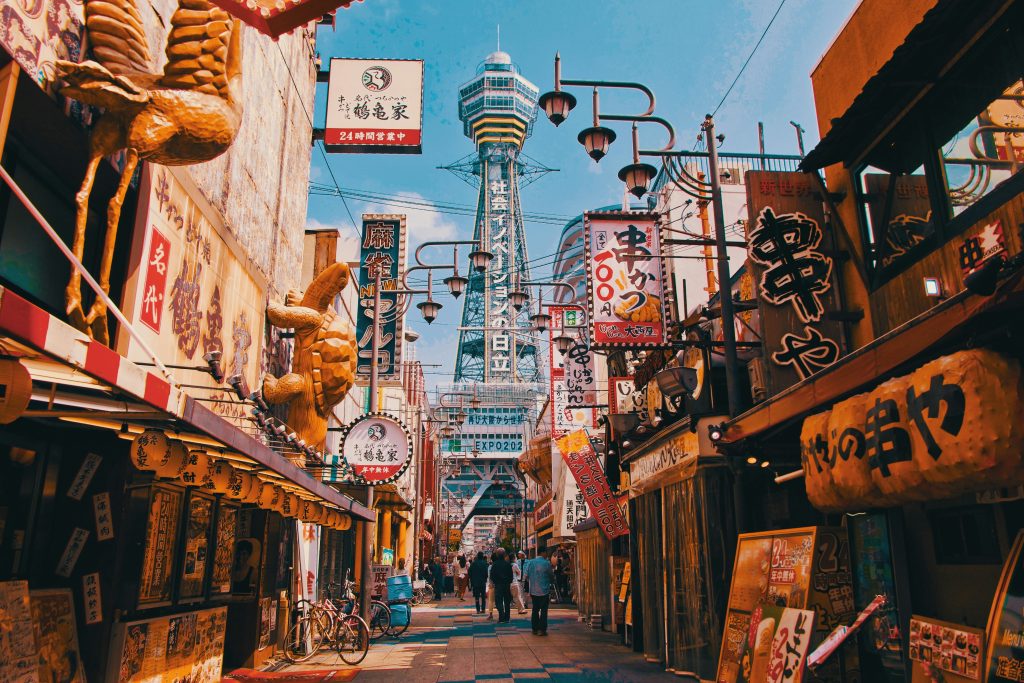
Osaka
Famous for its food and lively atmosphere.
Highlights:
- Dotonbori
- Osaka Castle
- Street food culture
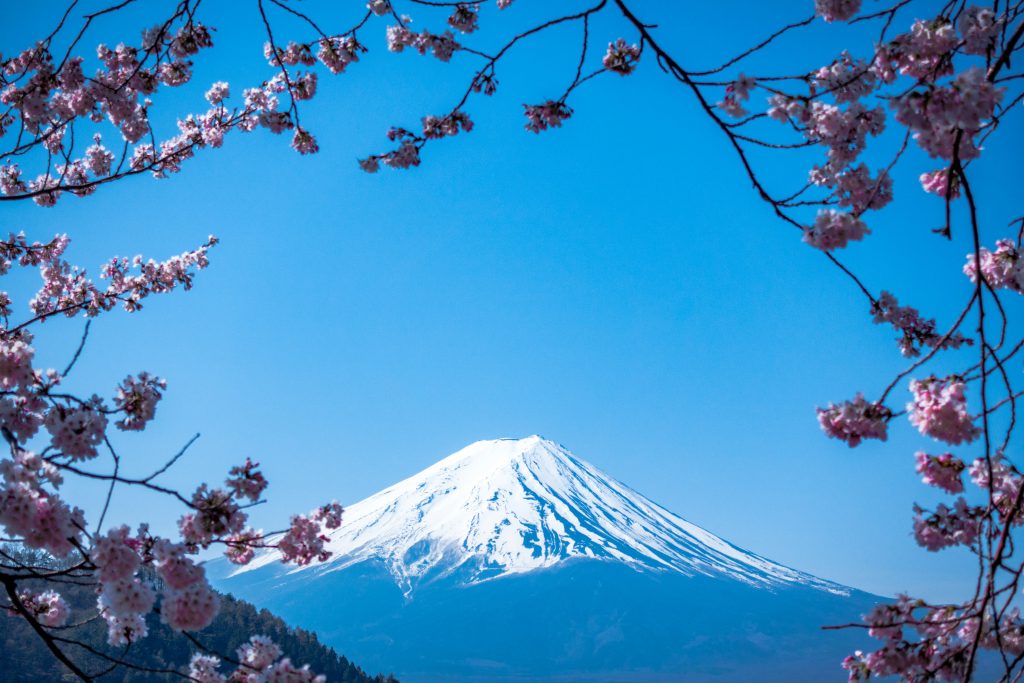
Mount Fuji
Japan’s most iconic natural landmark.
Best viewed from:
- Hakone
- Kawaguchiko
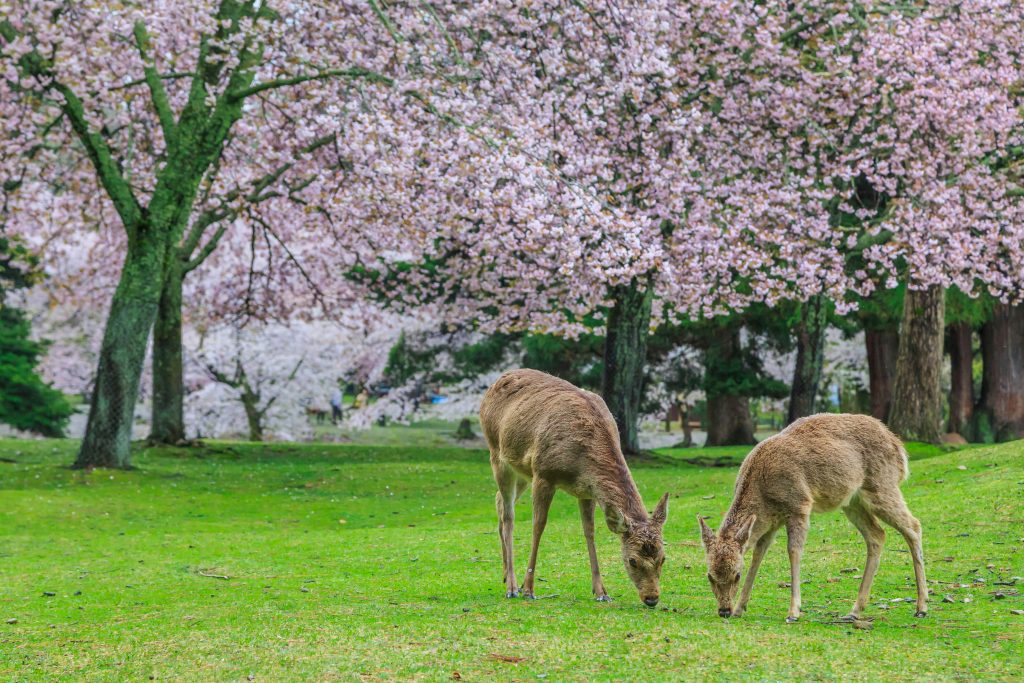
Nara
A peaceful city known for its temples and free-roaming deer.
Hokkaido
Best for nature, mountains, and winter landscapes.
Top Things to Do in Japan
- Visit temples and shrines
- Explore modern city districts
- Try authentic Japanese food
- Ride the bullet train
- Experience hot springs
- Walk through traditional neighborhoods
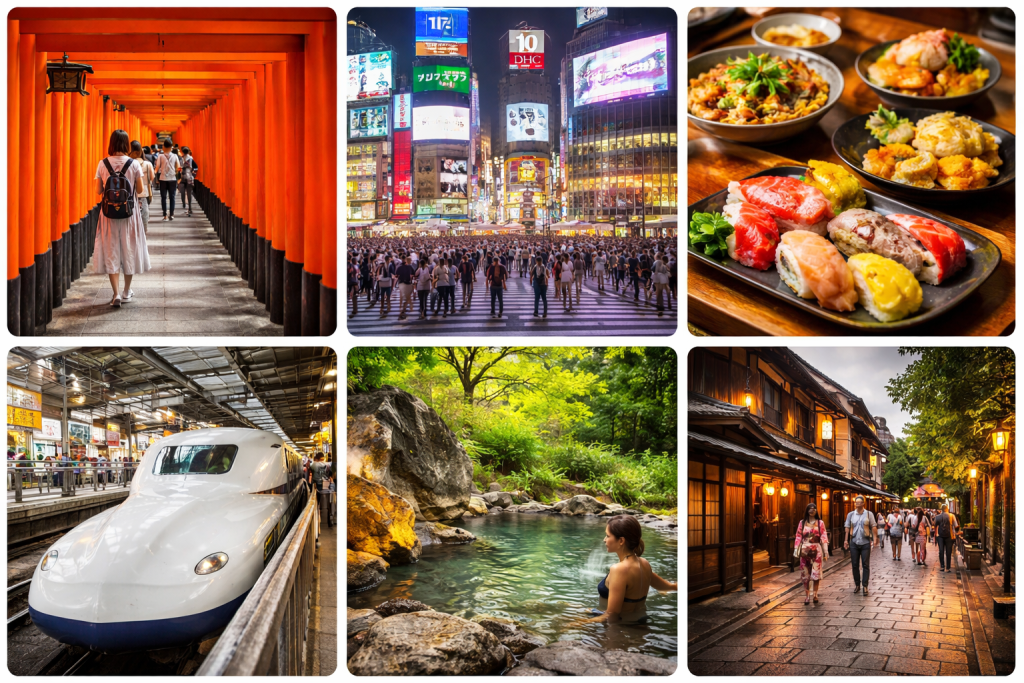
Best Photo Spots in Japan
Japan offers some of the most photogenic locations in the world.
Top spots include:
- Shibuya Crossing in Tokyo
- Arashiyama Bamboo Forest in Kyoto
- Mount Fuji viewpoints
- Traditional streets in Gion
Tip:
Visit early to avoid crowds.
Unique Experiences in Japan
- Staying in a traditional ryokan
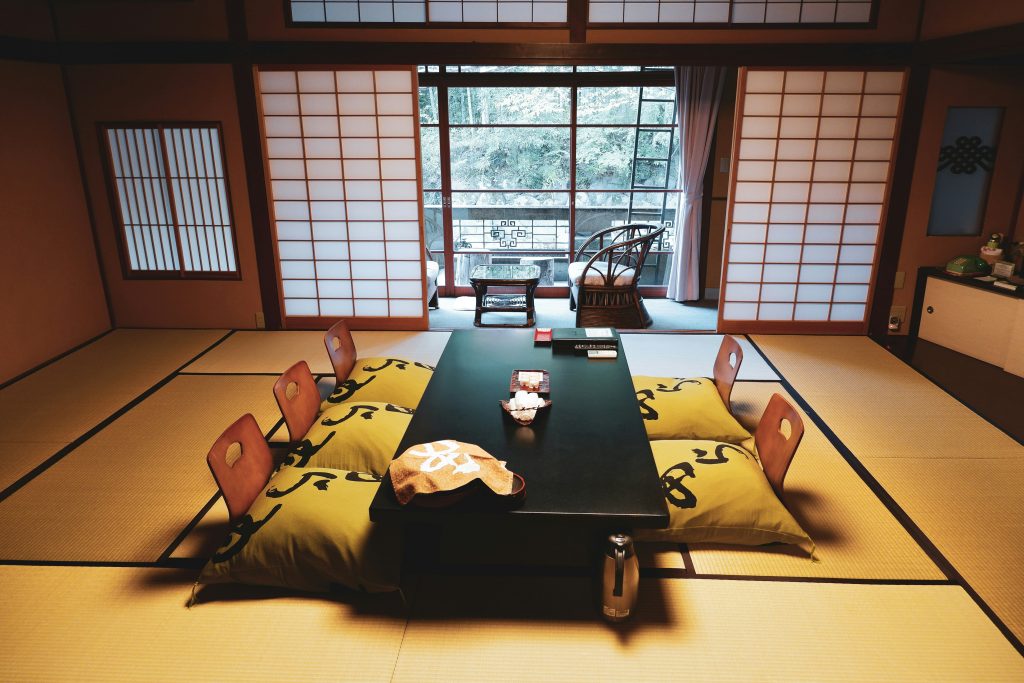
- Visiting an onsen (hot spring)
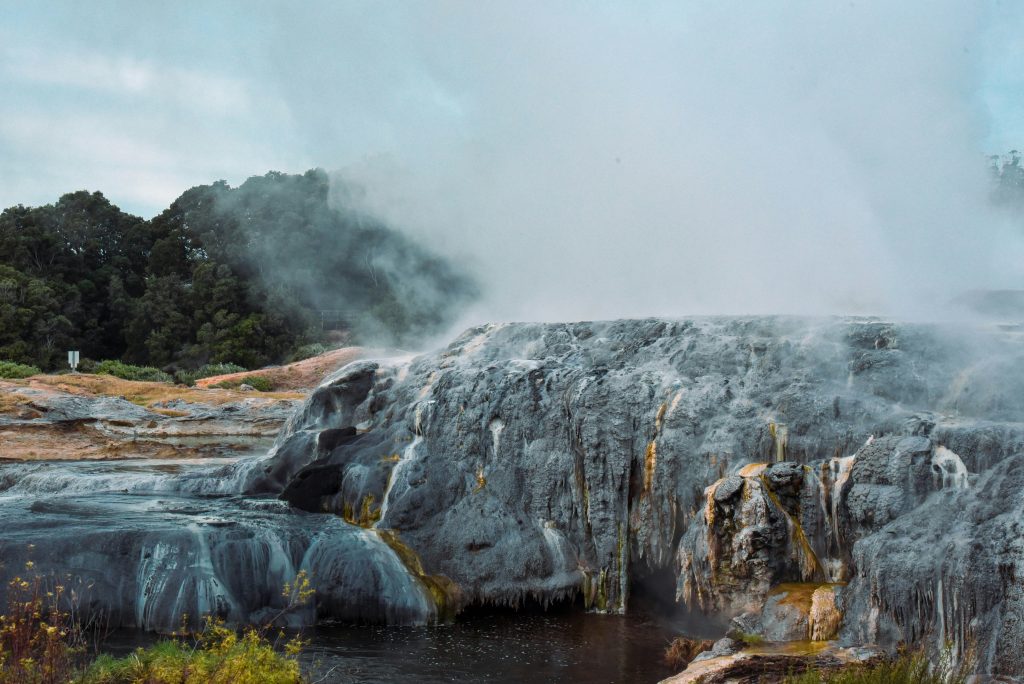
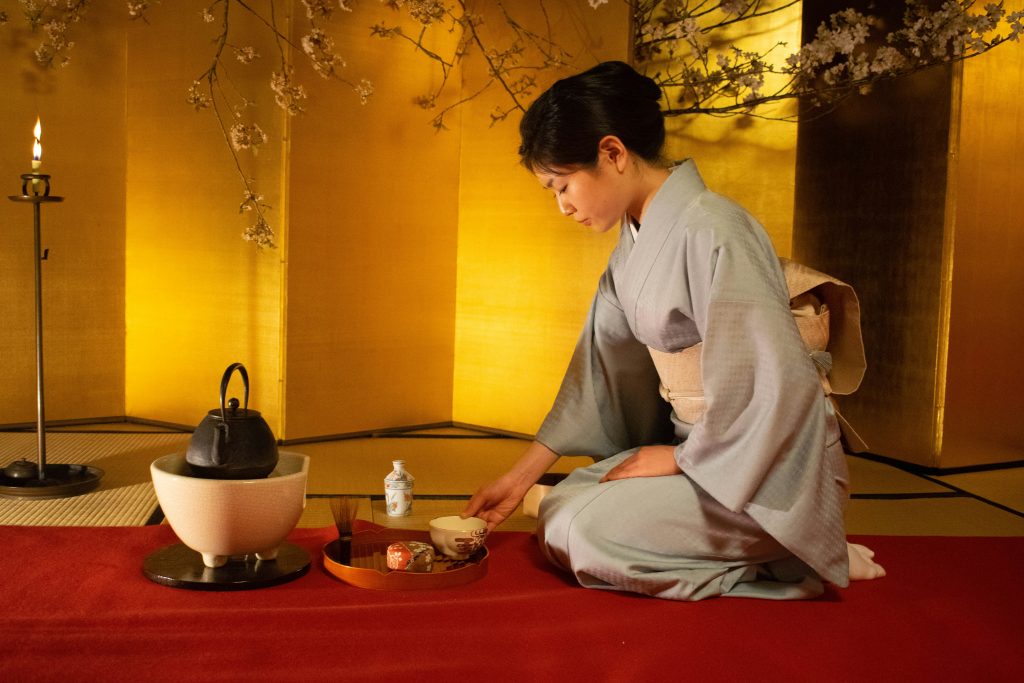
- Attending a tea ceremony
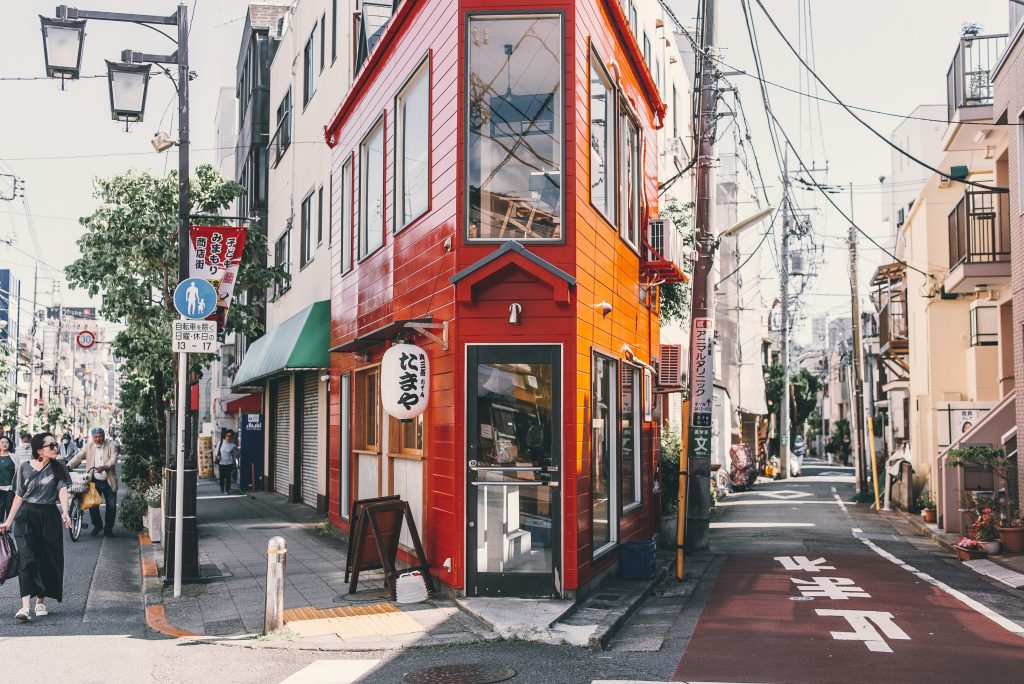
- Exploring themed cafés
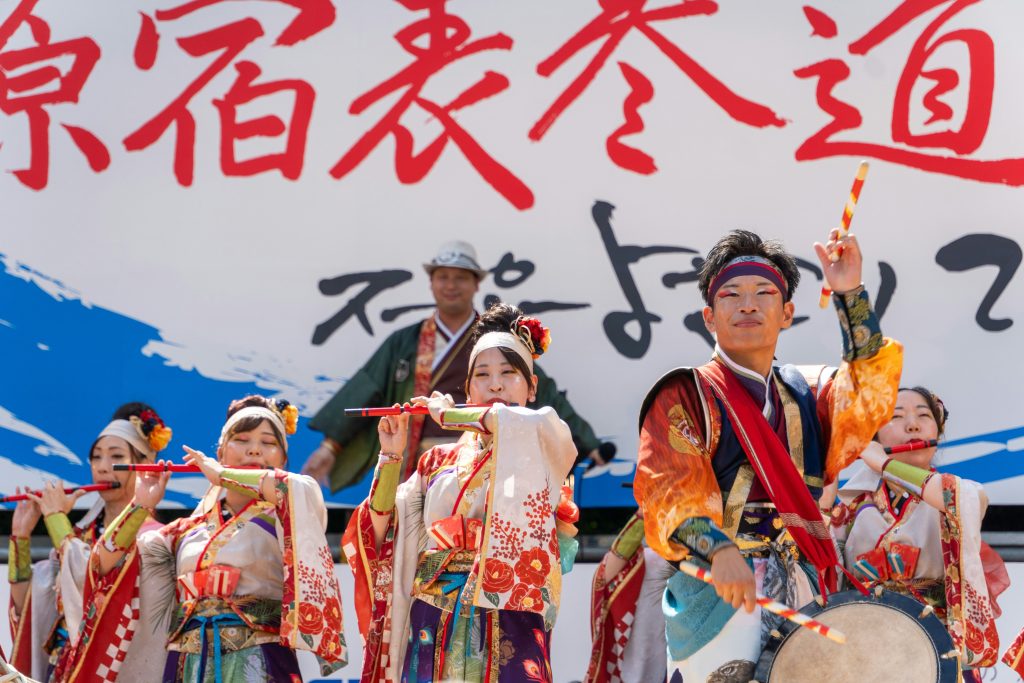
- Watching cultural performances
These experiences add depth beyond typical sightseeing.
Hidden Gems in Japan
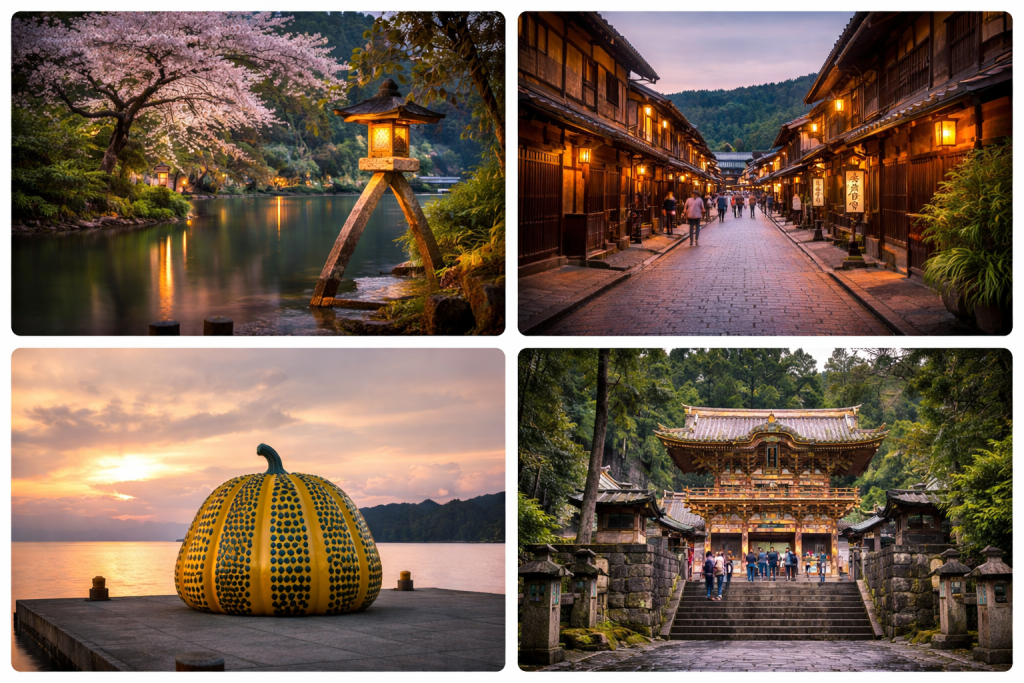
- Kanazawa (historic town)
- Takayama (traditional architecture)
- Naoshima (art island)
- Nikko (temples and nature)
Less crowded but highly rewarding.
Interesting Facts About Japan
Japan has many unique characteristics that make it different from other countries.
Some interesting facts:
- Trains are known for being extremely punctual
- Tipping is not part of the culture
- Many restaurants use plastic food displays
- There are more vending machines than almost anywhere else in the world
- Public spaces are exceptionally clean
- Japan has one of the highest life expectancies in the world
These small details create a very different travel experience.
Best Time to Visit Japan
Japan is a year-round destination, but timing matters.
- Spring (March–April): cherry blossom season
- Autumn (October–November): fall colors
- Summer: festivals and events
- Winter: snow and ski resorts
Best overall periods: spring and autumn.
When NOT to Visit Japan
- Golden Week (extremely crowded)
- Peak summer heat (humid conditions)
- Typhoon season (late summer)
Avoiding these periods improves your travel experience.
Transportation in Japan (Essential Section)
Japan has one of the most advanced transport systems globally.
Trains
- Highly reliable and punctual
- Best option for city-to-city travel
Shinkansen (Bullet Train)
- Fastest way to travel long distances
- Connects major cities efficiently
Metro Systems
- Ideal for urban travel
- Easy to use with prepaid cards
IC Cards (Important)
- Suica or Pasmo cards
- Used for trains, buses, and even payments
Transport Strategy (Advanced Tip)
- Use trains for long distances
- Stay near stations
- Avoid unnecessary backtracking
- Plan routes before arriving
Efficient transport planning saves both time and money.
Japan Rail Pass Explained
The Japan Rail Pass is a special ticket designed for tourists that allows unlimited travel on most JR trains, including the Shinkansen.
Important:
- Only available for foreign visitors
- Must be purchased before arriving in Japan
- Available for 7, 14, or 21 days
Tip:
It is worth it if you plan to travel between major cities like Tokyo, Kyoto, and Osaka.
Luggage Forwarding in Japan
Japan offers a highly efficient luggage delivery service that allows you to send your bags between hotels.
Benefits:
- Travel without carrying heavy luggage
- Ideal for train travel
- Reliable and fast delivery
Tip:
This is especially useful when moving between cities.
Internet and Remote Work in Japan
Japan offers fast and reliable internet, making it suitable for remote work and digital travelers.
What to expect:
- High-speed WiFi in hotels and cafés
- Strong mobile data coverage
- Coworking spaces in major cities
Tip:
Tokyo and Osaka are the best cities for remote work due to infrastructure and connectivity.
Power Plugs and Electricity in Japan
Japan uses Type A and Type B plugs with a voltage of 100V.
Important:
- Bring a universal adapter
- Some devices may charge slower
- Check compatibility before travel
Cost of Travel in Japan
Japan is not as expensive as many assume, but planning is key.
Average daily costs:
- Budget: $70–120
- Mid-range: $120–250
- Luxury: $300+
Costs vary significantly by city and season.
ATMs and Cash Withdrawal in Japan
- Not all ATMs accept foreign cards
- 7-Eleven ATMs are the most reliable
- Cash is still widely used
Tip:
Always carry some cash, especially outside major cities.
Tax-Free Shopping in Japan
Tourists can shop tax-free in many stores.
How it works:
- Minimum purchase required
- Passport needed at checkout
- Tax is deducted instantly
This is especially useful for electronics, cosmetics, and souvenirs.
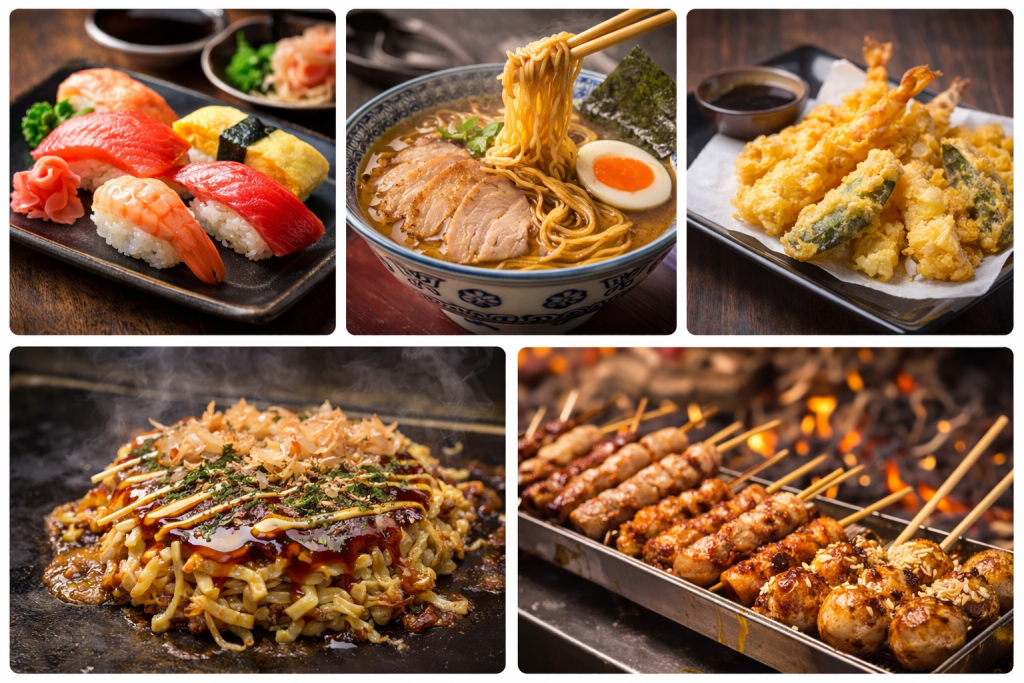
Japanese Food Guide
Japanese cuisine is known for precision, freshness, and presentation.
Must-try foods:
- Sushi
- Ramen
- Tempura
- Okonomiyaki
- Street food
Food quality is consistently high across all price levels.
Convenience Stores in Japan
Convenience stores like 7-Eleven, Lawson, and FamilyMart are an essential part of daily life in Japan.
You can find:
- Fresh meals
- Snacks and drinks
- ATMs
- Basic travel essentials
Tip:
They are one of the easiest and cheapest ways to eat in Japan.
Best Food Spots in Japan
- Local ramen shops
- Sushi counters
- Street food in Osaka
- Traditional restaurants
Tip:
Small, busy local places often provide the best experience.
Travel Tips for Japan
- Follow local etiquette
- Stay organized
- Carry some cash
- Use maps and apps
- Plan activities in advance
Things That May Surprise You in Japan
- No talking loudly in public transport
- No eating while walking in many areas
- Trash bins are limited
- Very strict punctuality
Understanding these rules helps avoid awkward situations.
Safety in Japan
Japan is one of the safest travel destinations worldwide.
- Very low crime rates
- Safe public transport
- Clean and organized environment
Cultural Tips
- Remove shoes indoors
- Respect silence in public
- Do not tip
- Follow local rules
Understanding these details improves your experience.
Solo Travel in Japan
Japan is highly suitable for solo travelers.
- Safe
- Easy to navigate
- Strong infrastructure
Common Mistakes to Avoid
- Overloading your itinerary
- Ignoring travel time
- Booking too late
- Staying far from transport hubs
How to Plan Your Route in Japan
Recommended route:
Tokyo → Hakone → Kyoto → Osaka
Add day trips where needed.
How Fast Should You Travel in Japan
Japan is best experienced at a moderate pace.
Important:
- Avoid changing cities every day
- Stay at least 2 nights per location
- Focus on fewer destinations
10-Day Japan Itinerary
Day 1–3: Tokyo
Day 4: Hakone
Day 5–6: Kyoto
Day 7: Nara
Day 8–9: Osaka
Day 10: Departure
Pro Tips for Traveling in Japan
- Start your day early
- Book key experiences in advance
- Stay in central locations
- Keep your itinerary realistic
When to Book Your Trip to Japan
- Flights: 2–4 months in advance
- Hotels: as early as possible
- Peak seasons: even earlier
Planning ahead is key in Japan due to demand.
Who Is Japan Best For
Japan is ideal for:
- First-time travelers (safe and organized)
- Solo travelers
- Food lovers
- Culture-focused trips
Less ideal for:
- Ultra low-budget travel
- Spontaneous, unplanned trips
FAQs About Japan Travel
Is Japan safe
Yes, extremely safe.
Is Japan expensive
Moderate depending on travel style.
Do you need a visa
Depends on nationality.
Best time to visit
Spring and autumn.
If You Want to Explore Japan in More Detail
- Tokyo → modern and fast-paced
- Kyoto → traditional and cultural
- Bali → relaxed and nature-focused
- Dubai → modern and luxury
- Thailand → diverse and affordable
Final Thoughts
Japan offers a structured, efficient, and culturally rich travel experience unlike any other destination. Whether you are exploring modern cities or traditional temples, the country provides a balanced journey that combines comfort, discovery, and uniqueness.