This Vietnam travel guide covers everything you need to know about one of the most diverse and rewarding destinations in Southeast Asia, including landscapes, culture, costs, and travel tips.If you’re exploring Asia, you might also consider destinations like Thailand or Japan for a completely different experience.
What makes Vietnam especially appealing is the ability to experience completely different environments without complicated travel planning. In one journey, you can move from busy cities filled with history and street life to peaceful mountain regions, tropical coastlines, and remote villages.
Key reasons to visit Vietnam:
- Wide range of landscapes including mountains, beaches, jungles, and rivers
- Strong cultural identity shaped by history and local traditions
- Extremely affordable travel compared to most global destinations
- A food scene that is considered among the best in the world
For travelers looking for variety, authenticity, and value, Vietnam delivers a complete and flexible travel experience.Compared to destinations like Bali or Dubai, Vietnam offers a more raw and authentic travel experience. This makes Vietnam one of the most efficient countries to explore in terms of experience per cost.
Visa & Entry Strategy
Vietnam has specific entry rules that can change depending on nationality.
Important things to know:
- E-visa is the most common option for most travelers
- Usually valid for 30 days (check updates)
- Passport must have blank pages
- Entry and exit points must match your visa
Tip:
Apply at least 1 week in advance to avoid delays.
Money & Payments in Vietnam
While Vietnam is affordable, payment methods vary depending on location.
What to expect:
- Cash is still the main payment method
- Cards accepted in hotels and restaurants
- ATMs are widely available in cities
- Smaller towns rely almost entirely on cash
Tips:
- Withdraw larger amounts to avoid fees
- Always carry small bills
- Avoid currency exchange at airports if possible
Where Is Vietnam Located
Vietnam is located in Southeast Asia, stretching along the eastern coast of the Indochina Peninsula. It borders China to the north and Laos and Cambodia to the west, with a long coastline facing the South China Sea.
Due to its length, Vietnam has multiple climate zones, which means weather conditions can vary significantly between the north, central, and southern regions at the same time.
Southeast Asia also includes popular destinations like Thailand and Bali.
Understanding Vietnam’s Regions (Important for Planning)
Northern Vietnam
Includes Hanoi, Ha Long Bay, Sapa, and Ninh Binh.
This region is known for mountains, rice terraces, and cultural experiences.
Central Vietnam
Includes Da Nang, Hoi An, and Hue.
Offers a balance between beaches and historical towns.
Southern Vietnam
Includes Ho Chi Minh City, Mekong Delta, and Phu Quoc.
Warmer climate, modern cities, and island destinations.
Understanding these regions helps you plan a more efficient and realistic itinerary.
Best Areas to Stay in Vietnam
Choosing the right area to stay in Vietnam can significantly impact your overall experience, especially in larger cities and popular tourist destinations.
Just like in cities such as Barcelona or Lisbon, location plays a major role in your experience.
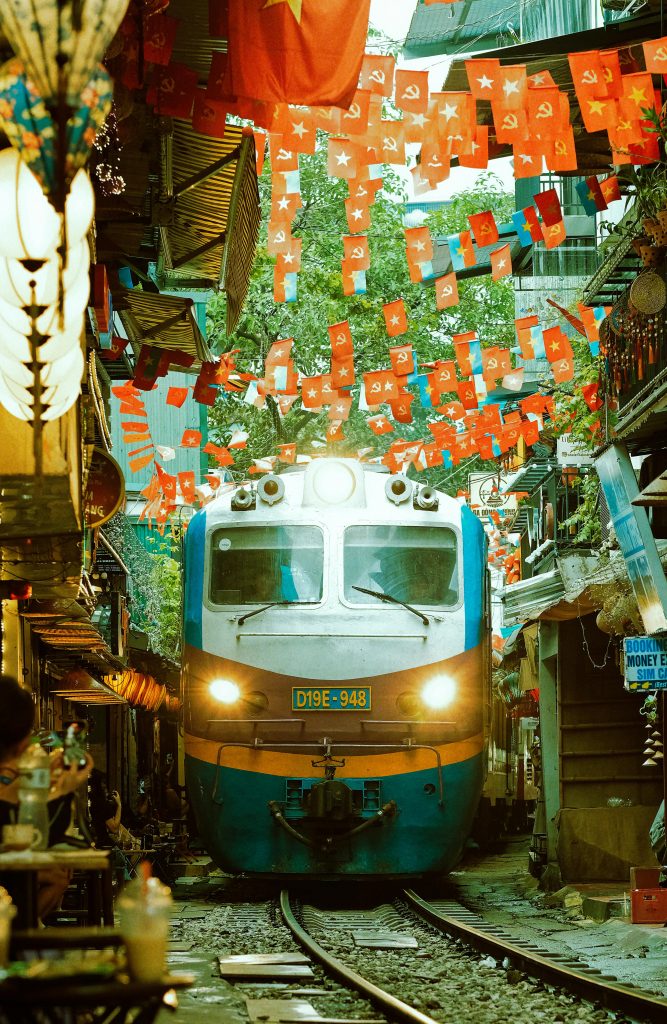
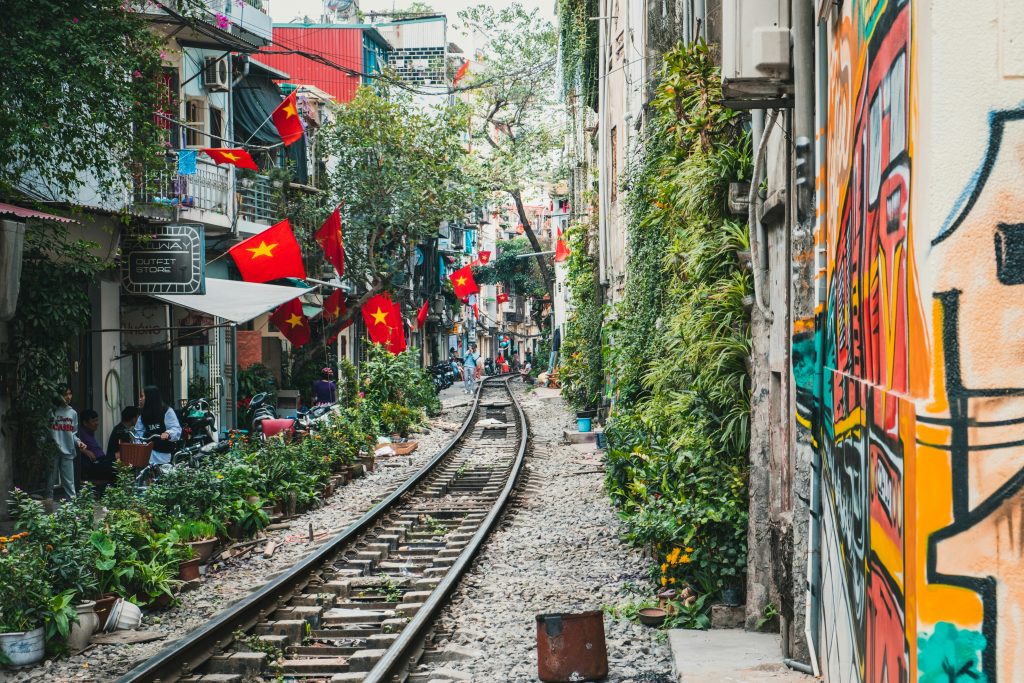
Hanoi – Old Quarter
Best for first-time visitors, food, and walking access to major attractions.
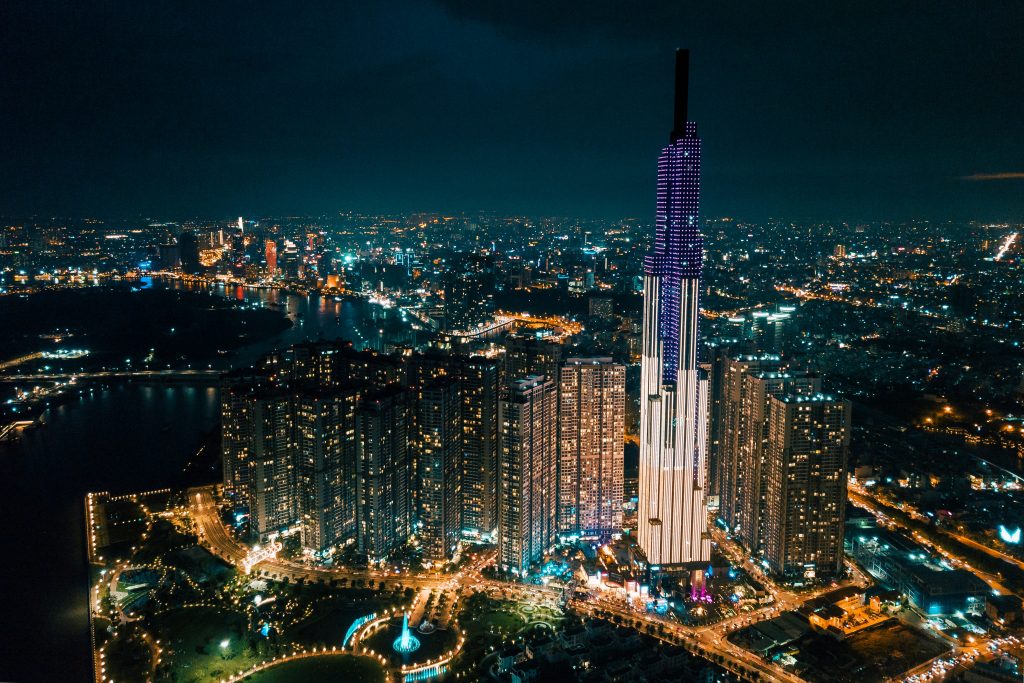
Ho Chi Minh City – District 1
Central location with easy access to restaurants, nightlife, and main landmarks.
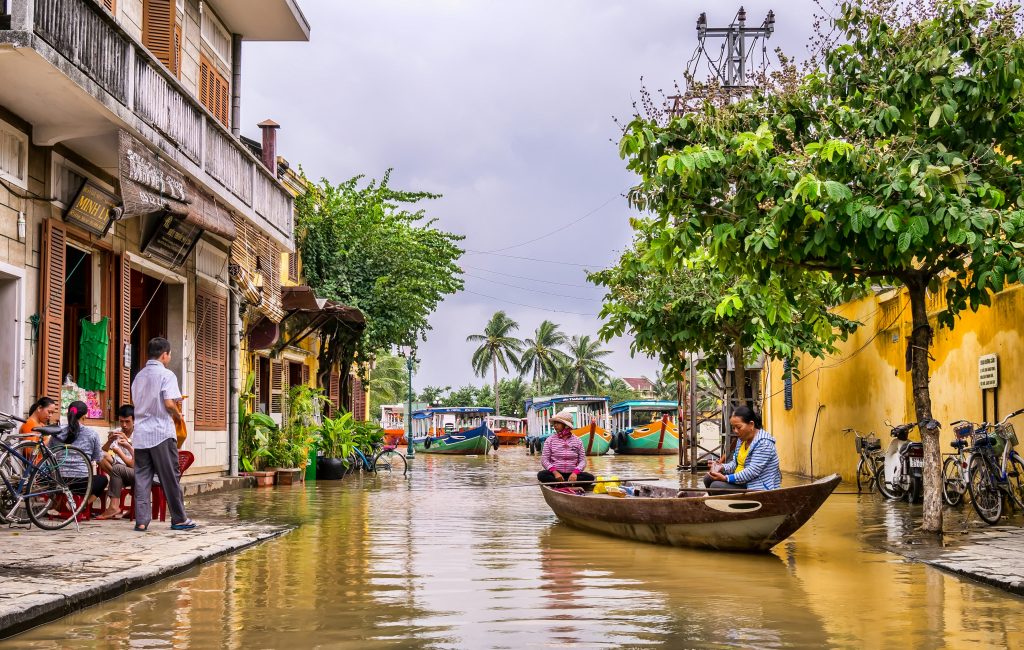
Hoi An – Old Town
Ideal for a relaxed atmosphere, walking streets, and cultural experience.
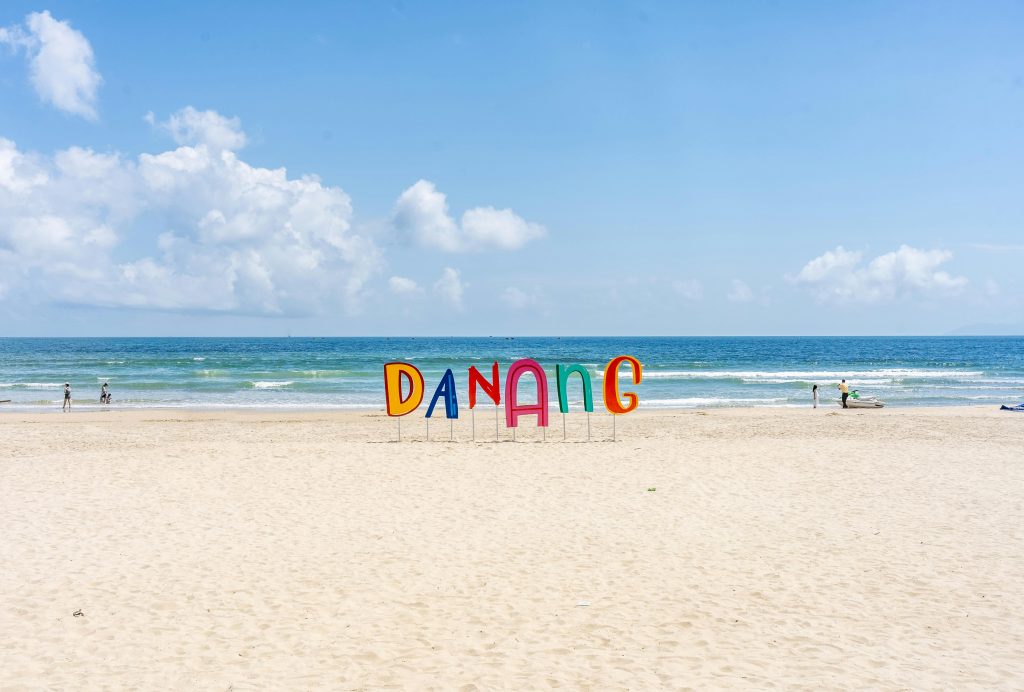
Da Nang – Beach Area
Best for beach stays with modern hotels and less crowded environment.
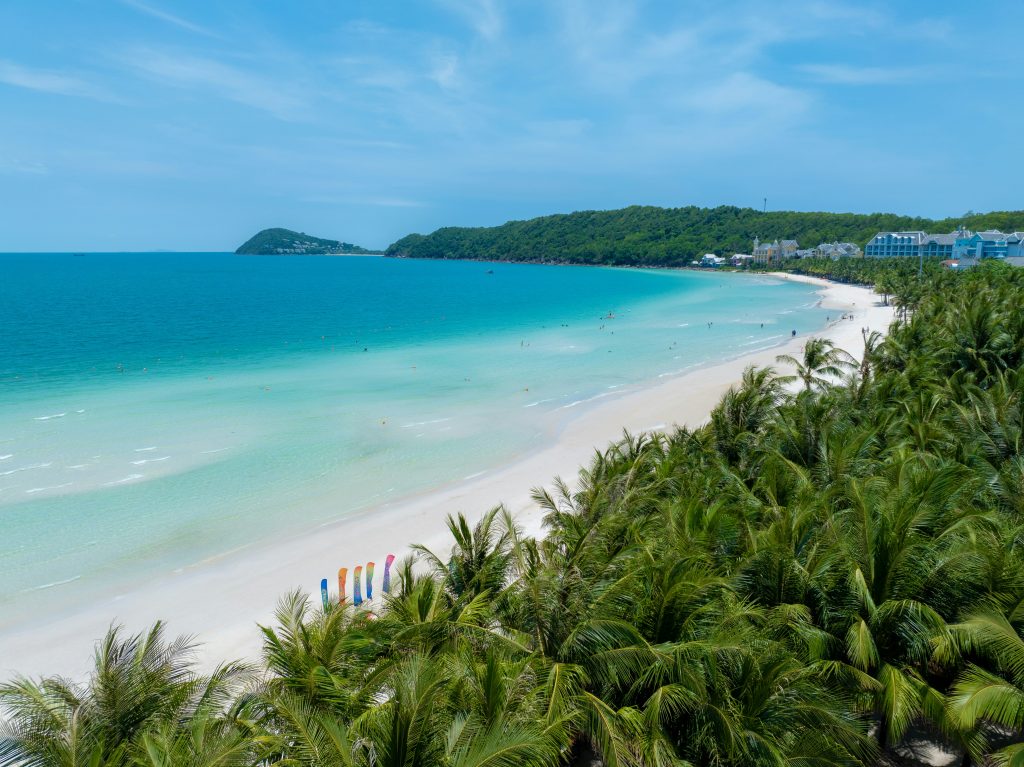
Phu Quoc – Long Beach
Perfect for resort-style stays and relaxation.
Tip:
Always choose central locations to minimize travel time and improve your overall experience.
Best Hotels in Vietnam
Vietnam offers a wide range of accommodation, from budget stays to high-end luxury resorts. Choosing the right hotel depends on your travel style and location.
Luxury Hotels
- Four Seasons Resort The Nam Hai – beachfront luxury resort with private villas and high-end service
- InterContinental Danang Sun Peninsula Resort – one of the most famous luxury resorts in Vietnam, known for its design and views
- JW Marriott Phu Quoc Emerald Bay – unique architecture and premium beachfront location
Mid-Range Hotels
- La Siesta Classic Ma May – great location in the Old Quarter with excellent service
- Little Riverside Hoi An – good balance between comfort and price
Budget Options
- Local guesthouses and boutique hostels are widely available
- Best areas: Old Quarter (Hanoi), District 1 (Ho Chi Minh City), Hoi An center
Tip:
Book accommodation in central locations to reduce transport time.
Best Places to Visit in Vietnam
Hanoi
Hanoi is the cultural and political capital of Vietnam and one of the most authentic cities in Asia.It offers a more traditional and chaotic experience compared to cities like Tokyo.
Highlights:
- Old Quarter with narrow streets and local markets
- Street food culture with endless options
- Hoan Kiem Lake and surrounding areas
- Historical landmarks and museums
The city can feel chaotic at first, but it offers a deep and memorable experience.
Ha Long Bay
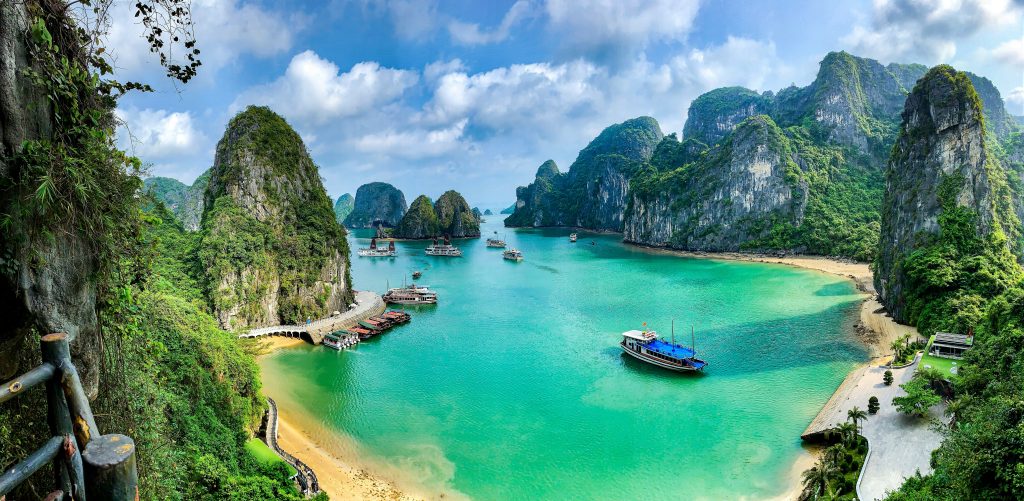
Ha Long Bay is one of the most iconic natural attractions in Asia, known for its limestone formations rising from the sea.
What to expect:
- Boat cruises through the bay
- Kayaking and cave exploration
- Overnight stays on boats
For the best experience, a 2-day cruise is highly recommended instead of a short day trip.
Sapa
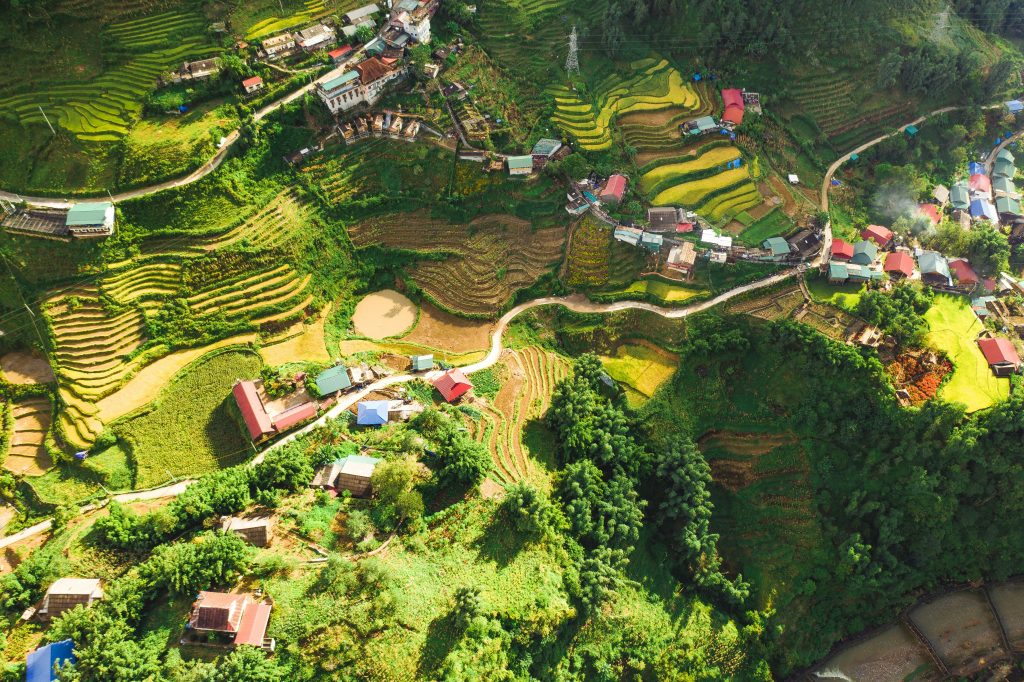
Sapa is located in northern Vietnam and is famous for its rice terraces and mountain scenery.
Key features:
- Trekking routes through villages
- Cultural interaction with local ethnic groups
- Scenic landscapes throughout the year
Weather conditions can change quickly, so planning ahead is important.
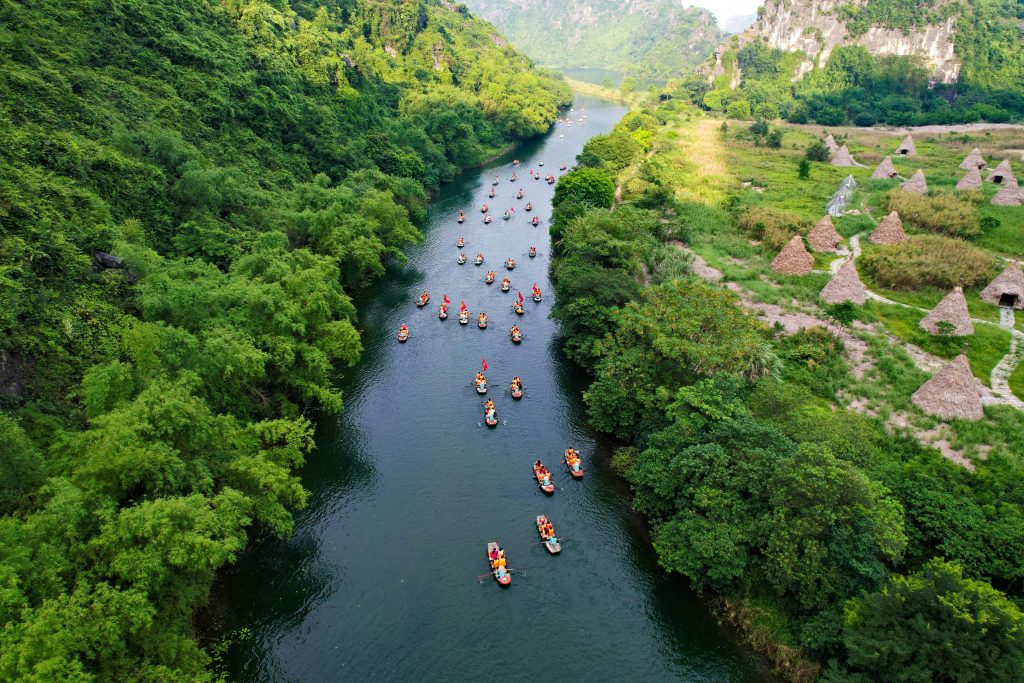
Ninh Binh
Often referred to as “Ha Long Bay on land,” Ninh Binh offers similar landscapes without the crowds.
Highlights:
- Boat rides through rivers and caves
- Limestone mountains and natural scenery
- Peaceful environment compared to tourist-heavy areas
Staying overnight is recommended for a better experience.
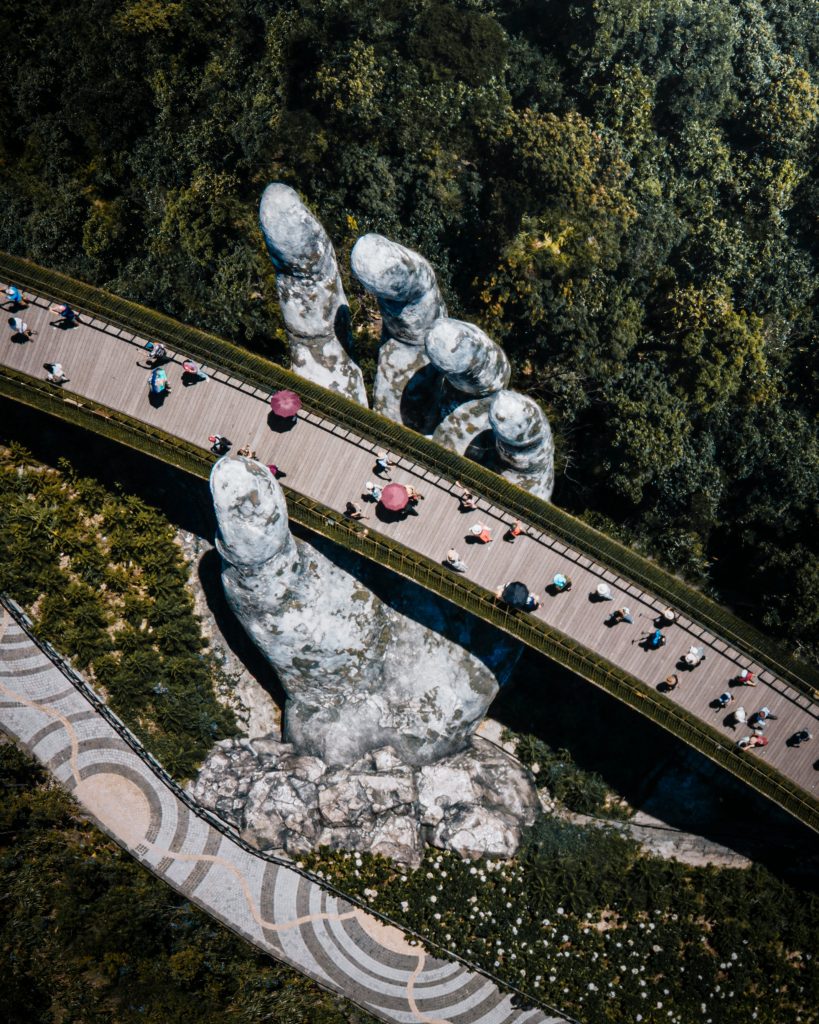
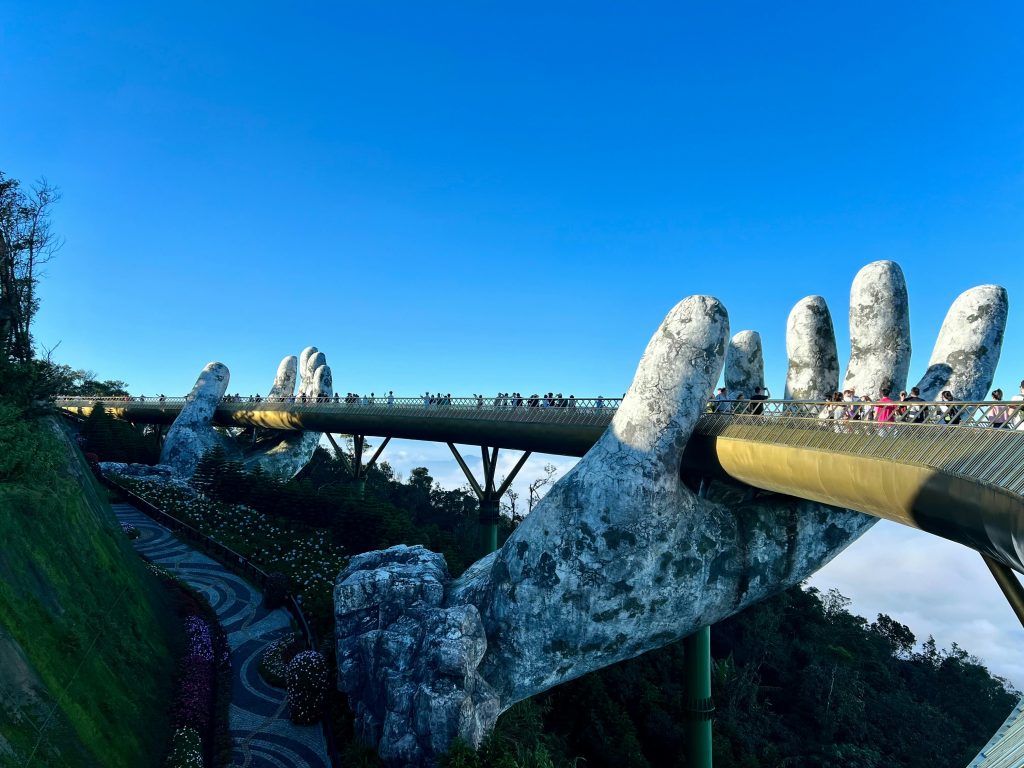
Da Nang
Da Nang is a modern coastal city with good infrastructure and easy access to nearby destinations.
Reasons to visit:
- Clean and accessible beaches
- Central location in Vietnam
- Easy access to Hoi An and Hue
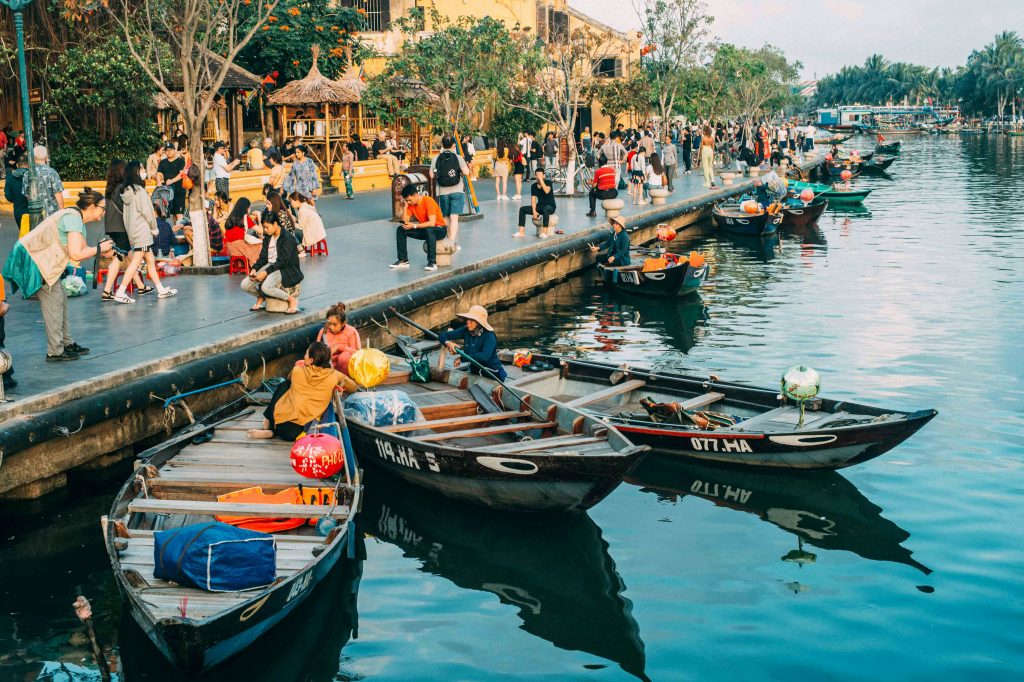
Hoi An
Hoi An is one of the most visually distinctive towns in Vietnam.
What makes it unique:
- Lantern-lit streets at night
- Preserved old town architecture
- Relaxed atmosphere
Early morning and evening are the best times to explore due to crowds.
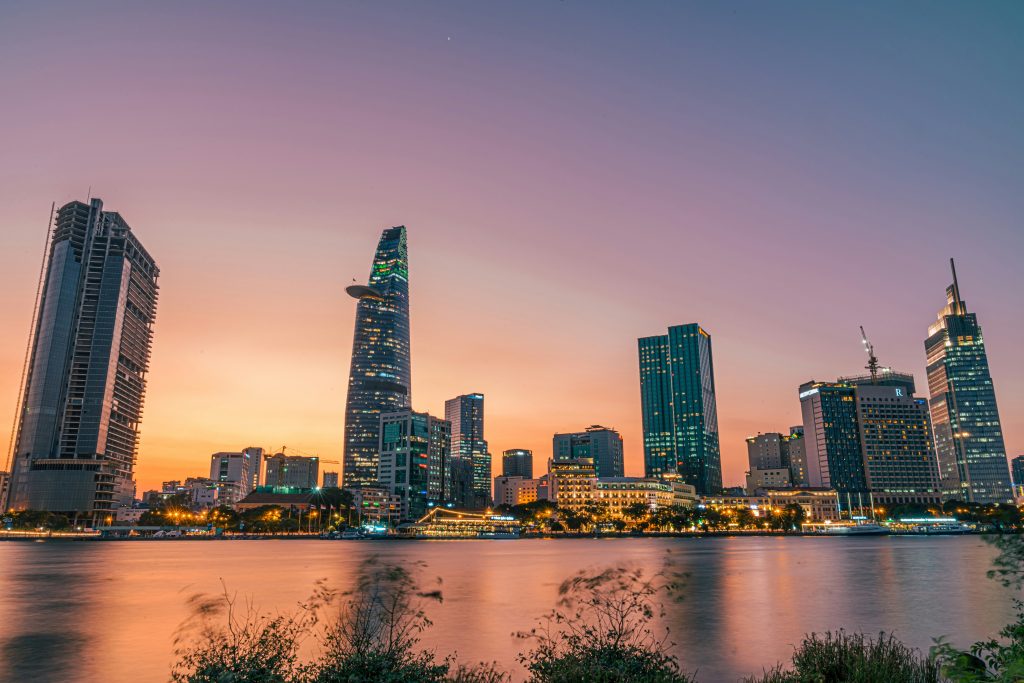
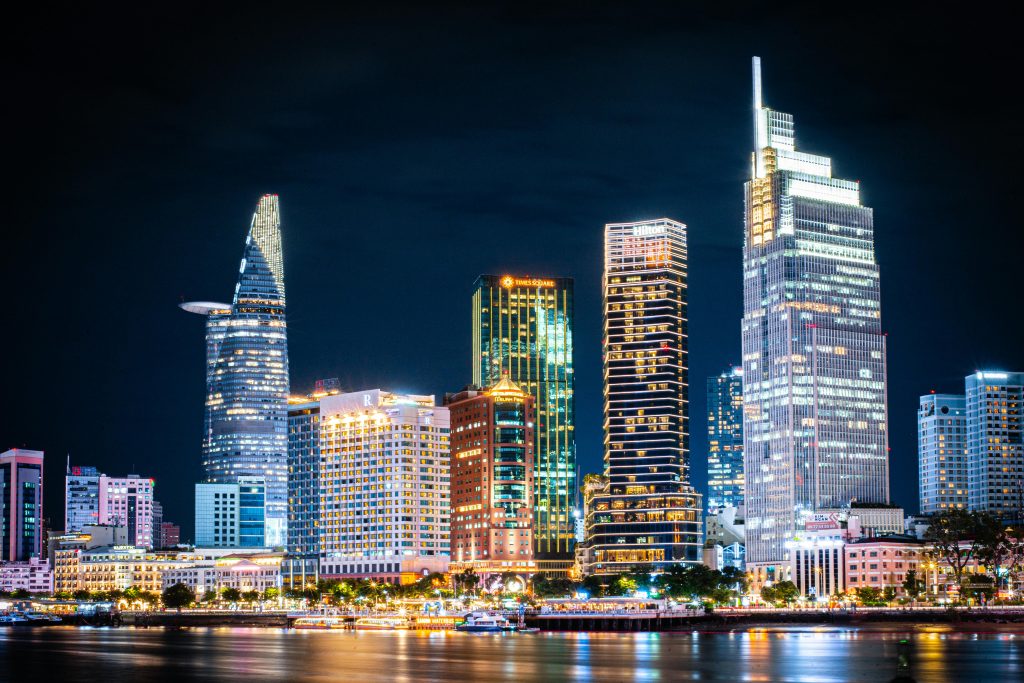
Ho Chi Minh City
The largest city in Vietnam offers a fast-paced and modern experience.
Highlights:
- War history and museums
- Rooftop bars and nightlife
- Strong food culture
It provides a contrast to the more traditional feel of Hanoi.
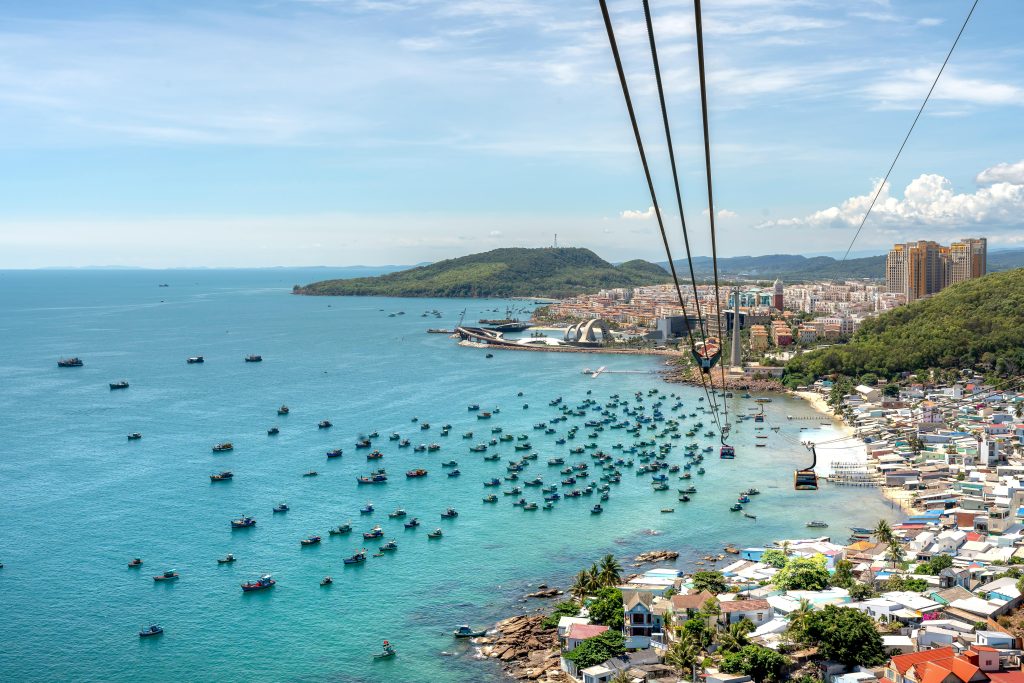
Phu Quoc Island
Phu Quoc is a tropical island known for its beaches and resorts.
Key features:
- Clear water and sandy beaches
- Relaxed environment
- Resort-style accommodation
It is ideal for ending a trip with relaxation.
Best Things to Do in Vietnam
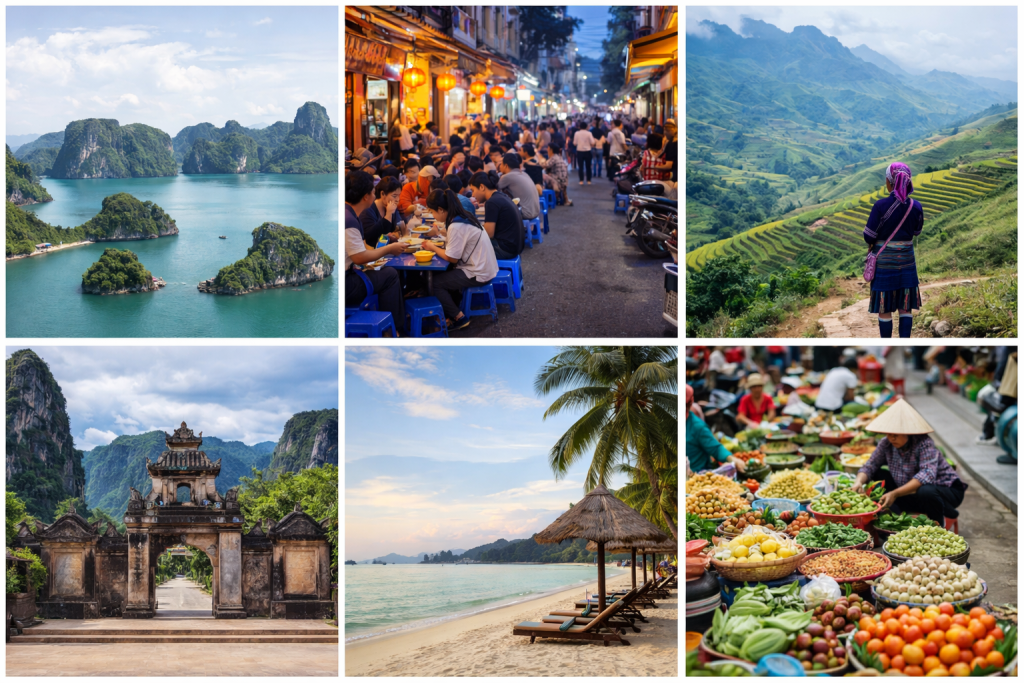
- Take a cruise in Ha Long Bay
- Explore street food in Hanoi
- Travel through mountain regions like Sapa
- Visit historical sites and temples
- Relax on beaches in central and southern Vietnam
- Discover local markets and daily life
Combining different types of experiences creates a more balanced trip. Unlike more structured destinations like Japan, Vietnam allows for more flexibility and spontaneity.
Unique Experiences in Vietnam
Vietnam offers experiences that go beyond typical sightseeing:
- Overnight stays on boats in Ha Long Bay
- Eating local food in small street stalls
- Traveling long distances by train
- Exploring remote villages and rural areas
- Riding motorbikes through scenic routes
These moments often define the overall experience of traveling in Vietnam.
Hidden Gems in Vietnam
For travelers looking to go beyond popular destinations:
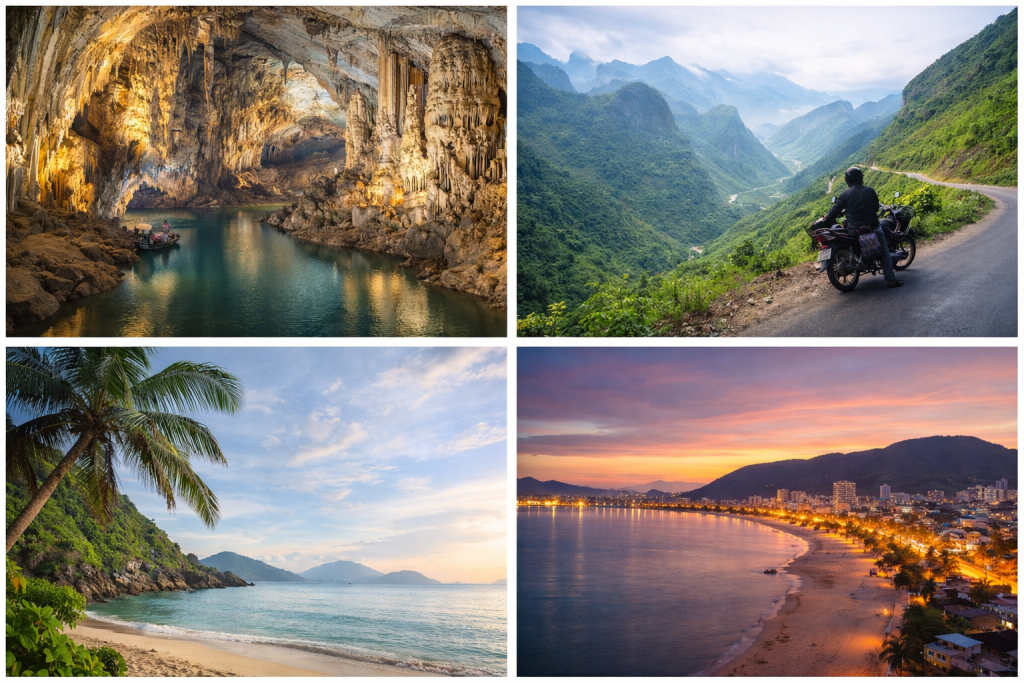
- Phong Nha-Ke Bang National Park (famous for caves)
- Ha Giang Loop (scenic motorbike route)
- Con Dao Islands (less crowded beaches)
- Quy Nhon (quiet coastal town)
These places offer a more authentic and less commercialized experience.
Best Time to Visit Vietnam
Vietnam’s climate varies by region:
- North: Best from October to April
- Central: Best from February to August
- South: Best from December to April
If traveling across the entire country, March and April are usually the most balanced months.
When NOT to Visit Vietnam
Avoid:
- North during heavy fog season
- Central Vietnam during storm season
- South during peak rainy months
Transportation in Vietnam (Very Important)
Getting around Vietnam is relatively easy, but planning transport properly can significantly improve your trip.Transport here is less structured compared to countries like Japan, but still manageable.
Domestic Flights
- Best option for long distances
- Affordable if booked early
- Saves significant travel time
Trains
- Scenic routes, especially along the coast
- Slower but more comfortable than buses
- Good option for medium distances
Buses
- Cheapest way to travel
- Sleeper buses available
- Can be less comfortable for long trips
Motorbike Rentals
- Popular among travelers
- Offers maximum flexibility
- Requires experience and caution
Ride Apps and Local Transport
- Grab app is widely used
- More reliable than taxis
- Cheap and convenient
Transport Tips
- Book flights early for better prices
- Avoid long overnight bus trips if possible
- Use trains for scenic routes
- Always confirm prices before using taxis
Efficient transport planning is one of the most important factors for a smooth trip in Vietnam.
SIM Card & Internet Setup
Staying connected is very easy in Vietnam.
Best options:
- Buy a SIM card at the airport
- Use eSIM for convenience
- Choose providers with strong coverage (Viettel is most reliable)
Tip:
Activate your SIM before leaving the airport.
Health & Hygiene Tips
Vietnam is generally safe, but small precautions matter.
Important tips:
- Do not drink tap water
- Use bottled or filtered water
- Avoid ice in unknown places
- Bring basic medicine
Street food tip:
Choose places with high turnover.
Cost of Travel in Vietnam
Vietnam is considered one of the best value destinations globally.Compared to destinations like Dubai or London, Vietnam is significantly more affordable.
Average daily budget:
- Budget: $20–40
- Mid-range: $50–100
- Luxury: $150+
Food and accommodation are particularly affordable.Prices vary significantly between regions, with major cities and tourist areas being slightly more expensive than rural locations.
Vietnamese Food Guide
Vietnamese cuisine is known for fresh ingredients and balanced flavors.
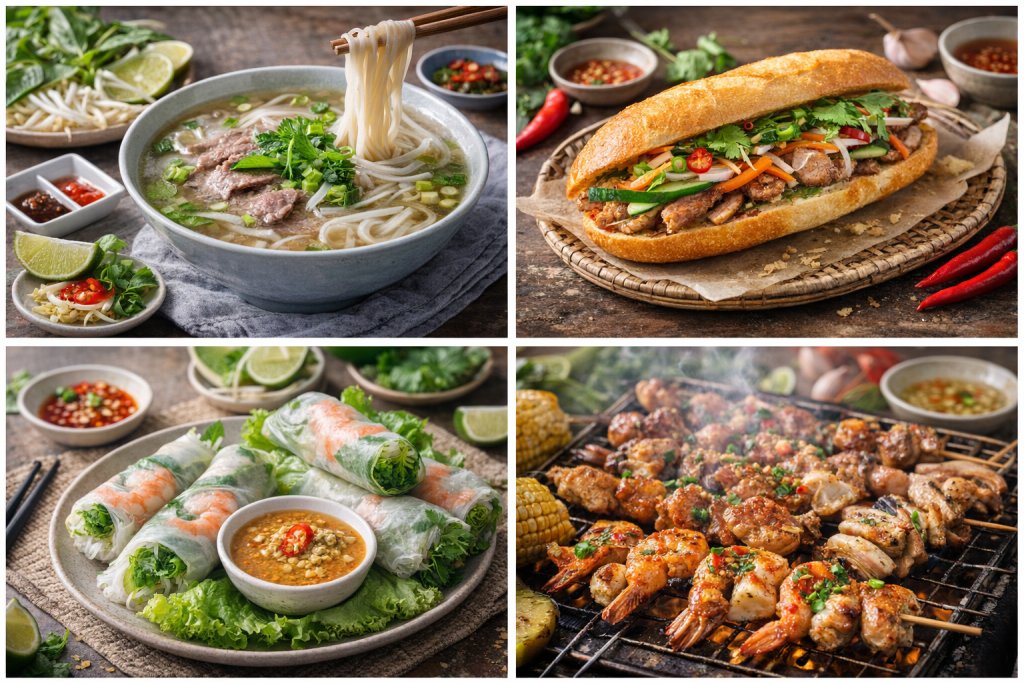
Popular dishes:
- Pho (noodle soup)
- Banh Mi (Vietnamese sandwich)
- Spring rolls
- Grilled meats and seafood
Street food plays a major role and is often the best option.Vietnamese food is known for its balance of flavors, combining sweet, salty, sour, and spicy elements in a single dish. Fresh herbs play a major role in most meals.
If you’ve visited food destinations like Rome or Tokyo, Vietnam stands out for its street food culture.
Best Restaurants and Food Spots in Vietnam
Vietnam is known for its street food, but there are also well-known places worth visiting.
Famous Local Food Spots
- Pho Gia Truyen – one of the most famous places for traditional pho
- Banh Mi Huynh Hoa – widely considered the best banh mi in the country
- Madam Khanh – known as the “banh mi queen”
Popular Restaurants
- Pizza 4P’s – modern restaurant combining local and international cuisine
- Secret Garden – rooftop dining with traditional Vietnamese food
Fine Dining
- La Maison 1888 – one of the most high-end dining experiences in Vietnam
- Anan Saigon – modern Vietnamese cuisine with international recognition
Tip:
The best food is often found in busy local places rather than tourist-focused restaurants.
Travel Tips for Vietnam
- Carry cash for small purchases
- Stay hydrated
Safety in Vietnam
Vietnam is generally considered a safe destination for travelers, especially in popular tourist areas.
However, some basic precautions should be taken:
- Be aware of pickpocketing in crowded places
- Avoid carrying large amounts of cash
- Use trusted transport services
- Stay in well-known areas, especially at night
With standard awareness, traveling in Vietnam is straightforward and safe.
Scams & How to Avoid Them
Some common situations:
- Taxi drivers not using meters
- Overpriced tours
- Fake ticket sellers
- Currency confusion
How to avoid:
- Use Grab app
- Book tours online
- Confirm prices before paying
- Avoid aggressive sellers
Cultural Tips
Understanding local behavior improves your experience.
Important:
- Respect temples and religious sites
- Dress modestly in certain areas
- Do not raise your voice in public
- Remove shoes when entering homes
Solo Travel in Vietnam
Vietnam is a popular destination for solo travelers due to its affordability, social hostels, and easy transport options.
What solo travelers should know:
- Hostels and homestays make it easy to meet other travelers
- Public transport and tours are beginner-friendly
- Solo travel is generally safe with standard precautions
This makes Vietnam especially attractive for first-time solo travelers.
Traffic in Vietnam
Traffic in Vietnam can be overwhelming for first-time visitors.
Key things to know:
- Crossing the street requires confidence
- Traffic rarely stops completely
- Motorbikes dominate the roads
Tip:
Walk slowly and consistently when crossing.
Common Mistakes to Avoid
- Trying to cover too much distance in a short time
- Ignoring regional weather differences
- Booking transport last minute
- Underestimating travel time
Avoiding these mistakes improves both comfort and efficiency.
North vs South Vietnam
North:
- More cultural
- Cooler weather
- Better landscapes
South:
- Warmer
- More modern
- Better beaches
How to Plan Your Route in Vietnam
Many travelers make this mistake.
Best approach:
- Choose 2–3 regions maximum
- Avoid long backtracking routes
- Combine nearby destinations
Example:
North route:
Hanoi → Ha Long → Sapa
Central route:
Da Nang → Hoi An → Hue
10-Day Vietnam Itinerary
Day 1–2: Hanoi
Day 3–4: Ha Long Bay
Day 5–6: Sapa
Day 7: Da Nang
Day 8: Hoi An
Day 9–10: Ho Chi Minh City
Pro Tips for Traveling in Vietnam
- Wake up early to avoid crowds
- Book transport in advance
- Use offline maps
- Stay at least 2 nights per destination
- Do not overpack your itinerary
FAQs About Vietnam Travel
Is Vietnam safe for tourists
Vietnam is generally safe, especially in tourist areas, with basic precautions.
How many days do you need in Vietnam
10–14 days is ideal to explore multiple regions.
Is Vietnam expensive
Vietnam is one of the most affordable travel destinations in the world.
Do you need a visa for Vietnam
Most travelers need an e-visa, depending on nationality.
What is the best time to visit Vietnam
Spring (March–April) and autumn (October–November) are the best overall.
Can you drink tap water in Vietnam
No, it is recommended to drink bottled or filtered water.
Is Vietnam good for first-time travelers
Yes, it is beginner-friendly and easy to travel with basic planning.
If You Want to Explore More Destinations Like This
- Thailand → similar region with diverse experiences
- Bali → more relaxed and nature-focused
- Japan → structured and highly developed
- Dubai → modern and luxury-focused
- Mexico → affordable with diverse landscapes
Final Thoughts
Vietnam offers a rare combination of affordability, diversity, and authentic travel experiences.
From natural landscapes to cultural depth and world-class food, it provides everything needed for a well-rounded and memorable trip.
For travelers looking for a destination that balances adventure, culture, and value, Vietnam remains one of the strongest options worldwide.