Introduction
Iceland looks unreal online. Waterfalls, glaciers, and black sand beaches make it feel almost too perfect to be real. However, there are a few things to know before visiting Iceland that most people don’t expect.
Before visiting Iceland, I expected a simple, scenic journey. In reality, it turned out to be one of the most unique and unpredictable travel experiences I’ve had.
Here are the things I wish I knew before going.
If you’re planning a full trip, you can also check my Japan travel guide or Bali travel guide for a completely different experience.
Where Is Iceland Located
Iceland is located in the North Atlantic Ocean, between Europe and North America. It is known for its dramatic landscapes, volcanic activity, and unique natural environment.
Expectations vs Reality
Before visiting Iceland, it’s easy to expect a perfect, calm experience based on photos. In reality, the weather, distances, and conditions can make the trip more challenging.
However, these challenges are also what make Iceland feel more real and memorable.
The Weather Changes Constantly
One of the biggest surprises was how quickly the weather changes. You can experience sun, wind, rain, and even snow within the same day.
This affects everything — from driving to sightseeing — so flexibility is essential.
My advice:
Always check the weather and be ready to adjust your plans.
The Wind in Iceland
Wind in Iceland can be stronger than expected and affects both driving and walking. It can make temperatures feel colder than they actually are.
Tip:
Always check wind conditions, not just temperature.
What to Pack for Iceland
Packing the right clothes is essential for Iceland due to unpredictable weather.
Important items include:
- Waterproof jacket
- Warm layers
- Comfortable shoes
- Windproof clothing
Tip:
Layering is more important than heavy clothing.
It’s More Expensive Than You Think
Iceland is not a budget destination. Food, accommodation, and even simple things like coffee can feel expensive compared to most places.
It’s still worth it, but knowing this in advance helps you plan better.
What I would do differently:
I would set a daily budget before arriving and look for affordable food options early.
If you’re looking for more budget-friendly destinations, you can also explore places like Thailand or Mexico.
Driving Is the Best Way to Explore
Public transport is limited, especially outside Reykjavik. Renting a car gives you complete freedom and allows you to reach places that are otherwise difficult to access.
Some of the best experiences in Iceland happen on the road, not just at the main attractions.
If you enjoy road trips, you might also like exploring destinations like the Norway Fjords or New Zealand, which offer similar scenic drives.
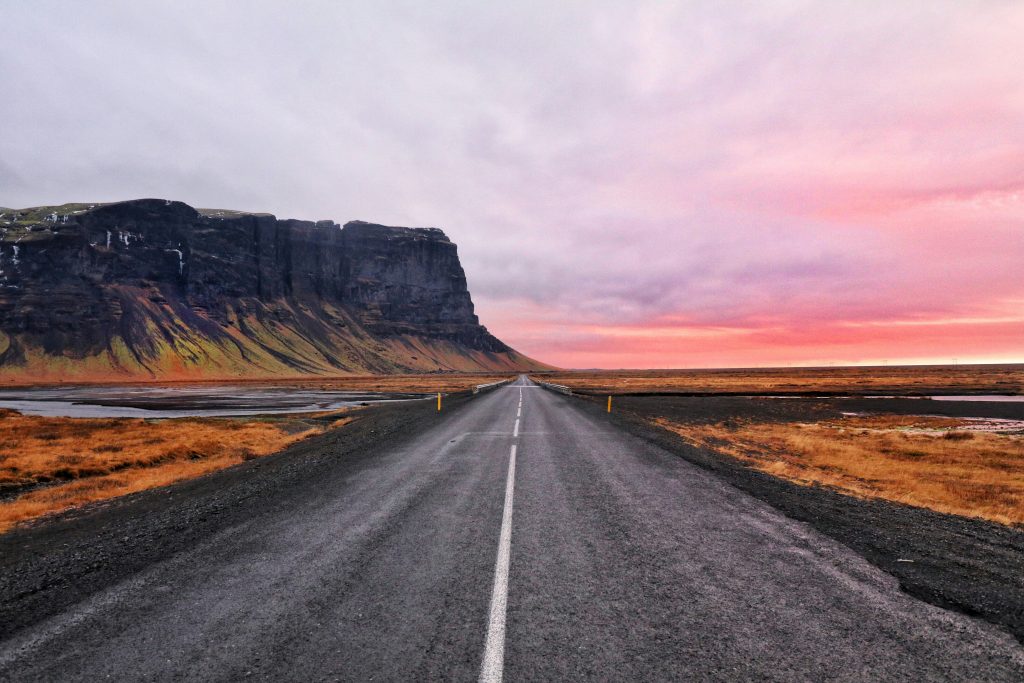
Road Conditions in Iceland
Driving in Iceland can be very different from other countries. Roads can be narrow, windy, and affected by weather conditions, especially outside major areas.
This makes driving slower and requires more attention.
Tip:
Check road conditions daily, especially in winter.
Safety in Iceland
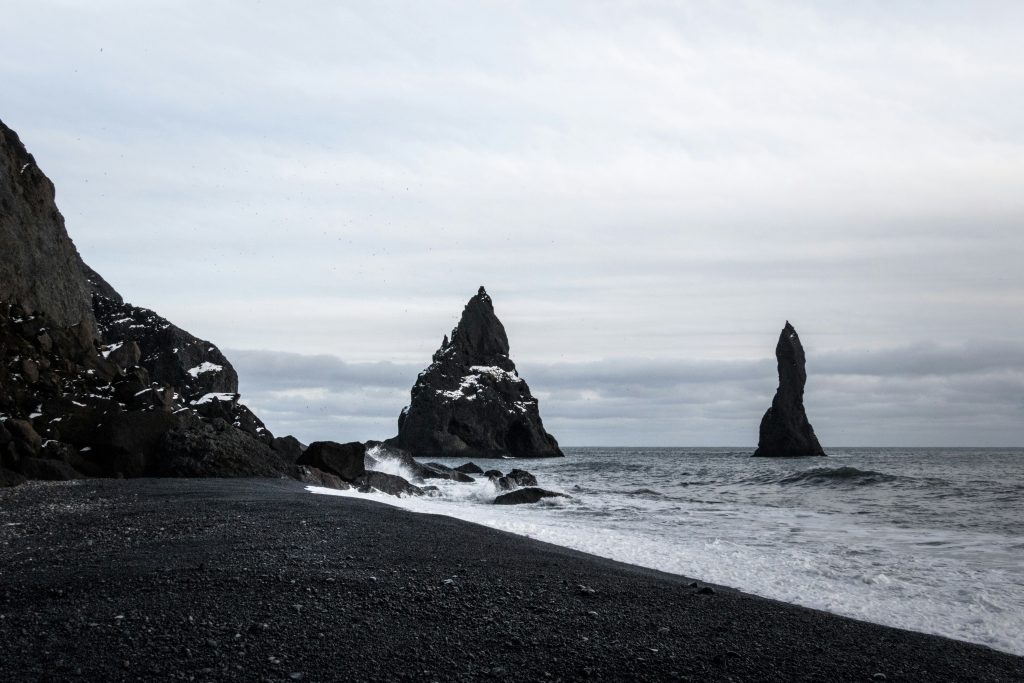
Iceland is generally very safe, but nature can be unpredictable and dangerous if underestimated. Strong winds, slippery paths, and ocean waves at black sand beaches can pose real risks.
Tip:
Always follow warning signs and keep a safe distance from the ocean.
Animals on the Roads
In rural areas, it’s common to see sheep near or even on the roads. This can slow down your driving and requires extra attention.
Tip:
Drive carefully in open areas and be prepared to stop.
The Distances Are Deceptive
On the map, Iceland looks small. In reality, distances between attractions can take longer than expected due to road conditions and weather.
Driving even a short distance can take much more time than planned.
Tip:
Plan fewer stops per day and enjoy the journey instead of rushing.
Fuel and Gas Stations
Gas stations are not always frequent, especially in remote areas. This can be a problem if you don’t plan ahead.
Tip:
Never let your fuel drop too low when traveling outside cities.
Payments in Iceland
Most places in Iceland accept cards, even for small purchases. In many cases, you may not need cash at all during your trip.
Tip:
Use a card with low international fees for better value.
Nature Is the Main Attraction
Iceland is not about cities or nightlife. The real highlight is nature — waterfalls, glaciers, volcanoes, and landscapes that feel untouched.
If you’re expecting a typical city trip, Iceland might feel very different.
Most Famous Places in Iceland
While Iceland is all about nature, there are a few iconic locations that stand out and are worth visiting at least once.
Some of the most famous places include:
- Golden Circle (Þingvellir, Geysir, Gullfoss)
- Seljalandsfoss and Skógafoss waterfalls
- Reynisfjara black sand beach
- Blue Lagoon
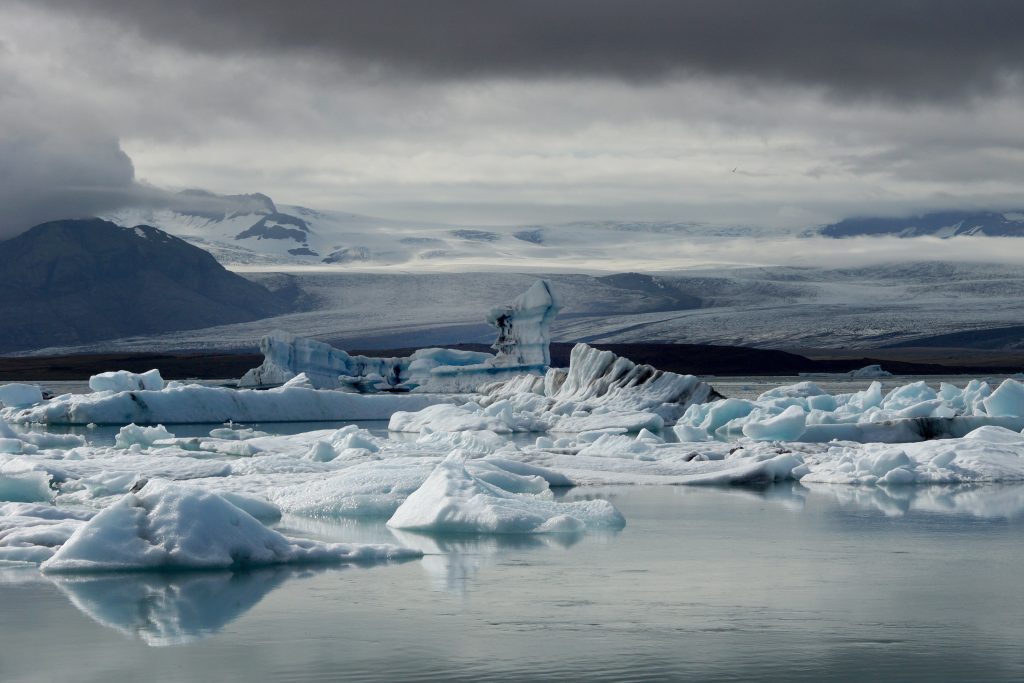
- Jökulsárlón glacier lagoon
These locations give you a great introduction to Iceland’s landscapes and are often the highlights of most trips.
If you enjoy iconic travel spots, you might also like destinations such as Santorini, Dubai, or Maldives.
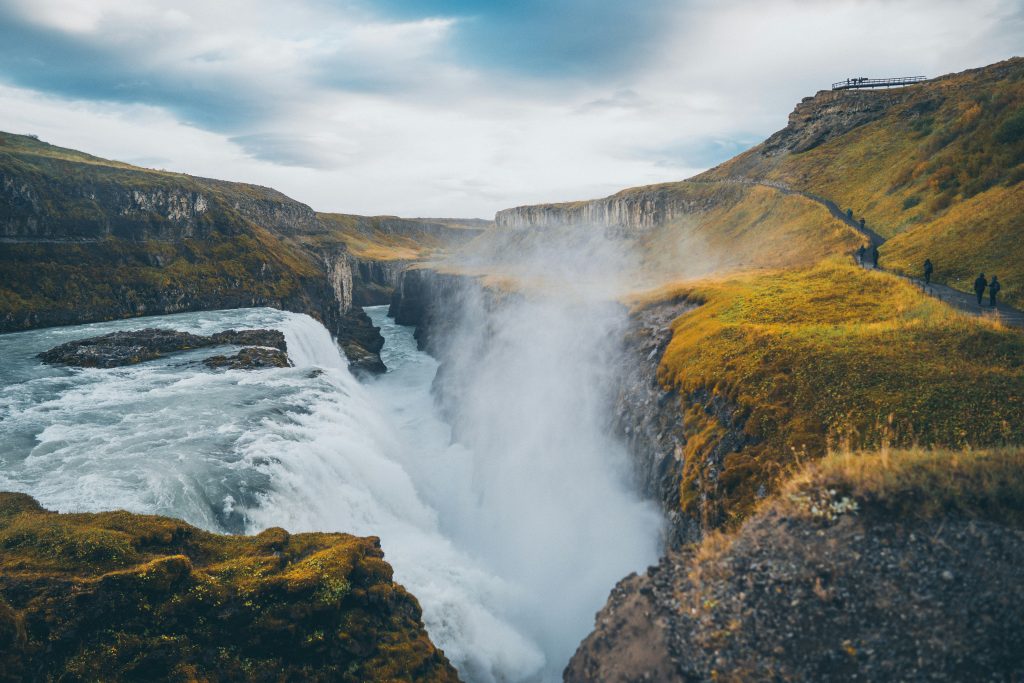
Hot Springs in Iceland
One of the most unique experiences in Iceland is visiting natural hot springs. While the Blue Lagoon is the most famous, there are many smaller and more natural options across the country.
These places allow you to relax in warm water while surrounded by dramatic landscapes.
Tip:
Try less crowded hot springs for a more authentic experience.
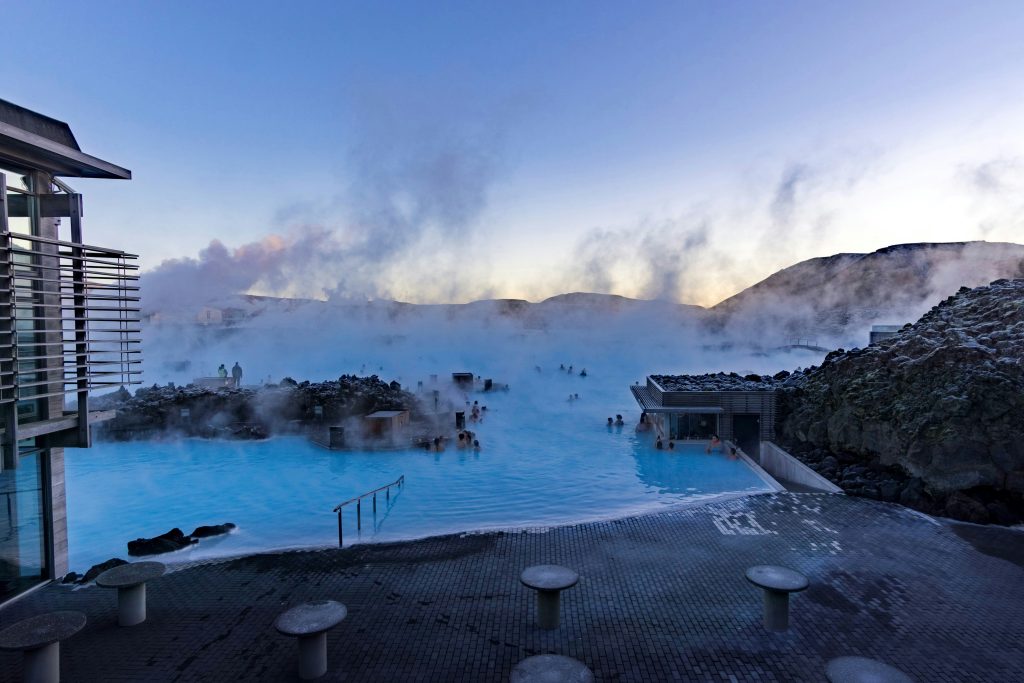
Early Mornings Make a Huge Difference
Popular places can get crowded, especially in peak season. Visiting early in the morning completely changes the experience.
You get better light, fewer people, and a more peaceful atmosphere.
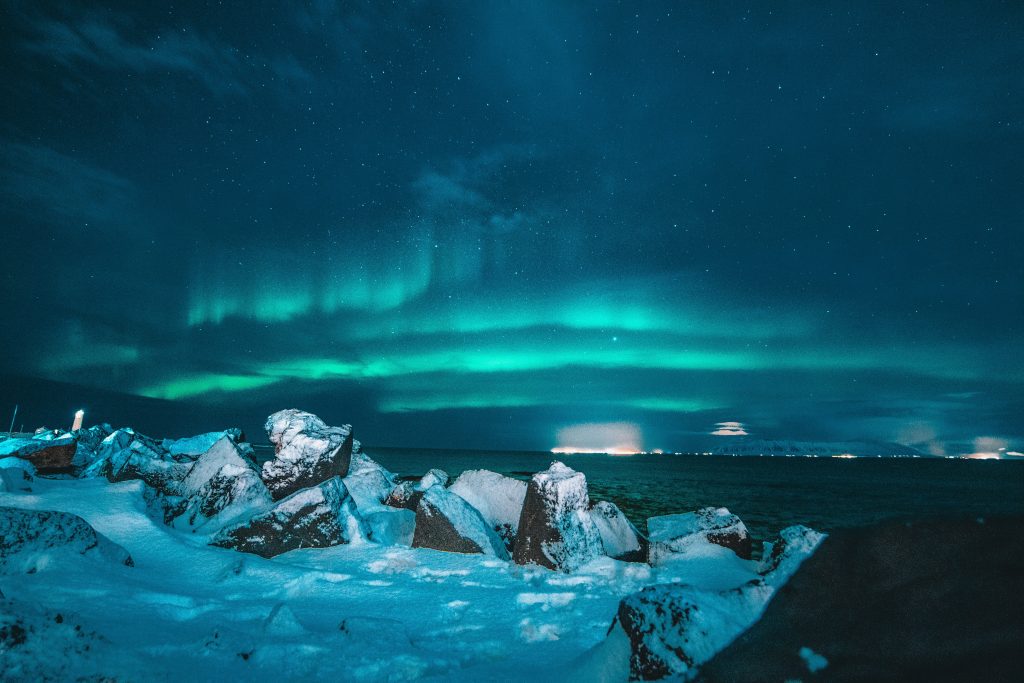
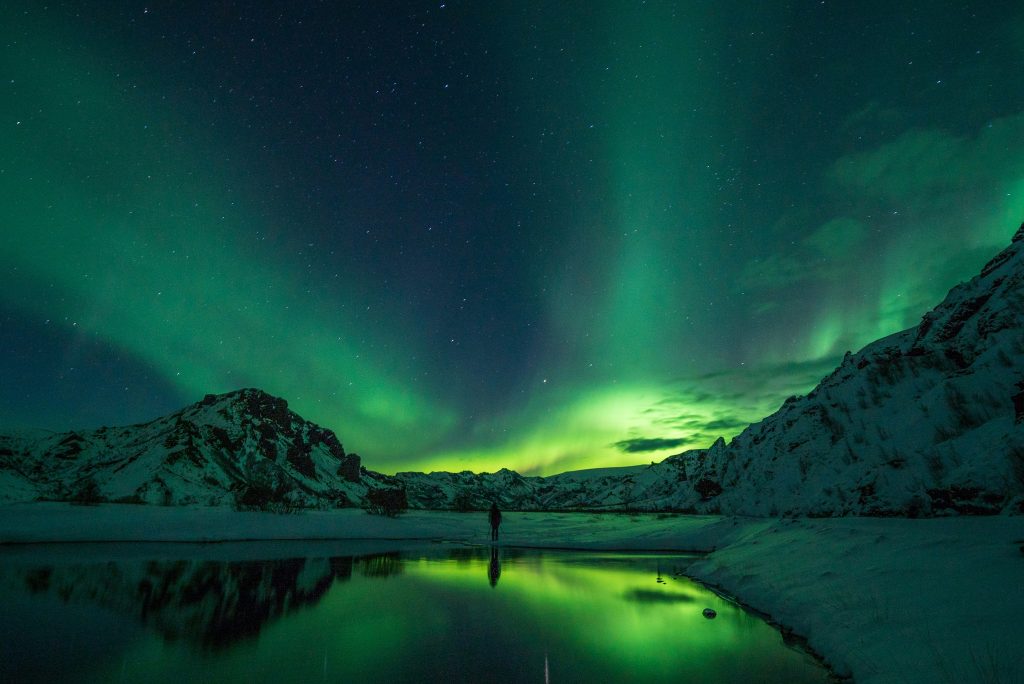
Northern Lights in Iceland
Seeing the Northern Lights is one of the main reasons many people visit Iceland. However, it is not guaranteed and depends on weather conditions and solar activity.
The best time to see the Northern Lights is between September and March, when nights are long and dark.
Tip:
Go away from city lights and check aurora forecasts for better chances.
Daylight Hours in Iceland
Daylight hours vary greatly depending on the season. In summer, days are extremely long with almost no darkness, while winter has very short daylight periods.
This affects how much you can see and plan in a single day.
Food Options Can Be Limited
Outside major areas, restaurants are not always easy to find. Planning where to eat is more important than in other destinations.
Tip:
Buy snacks or groceries in advance for longer drives.
Facilities and Toilets
Public facilities in Iceland are not always available, especially in remote areas. You may need to plan stops in advance when traveling long distances.
Tip:
Use gas stations or restaurants for reliable facilities.
It Feels Remote — In a Good Way
One of the best parts of Iceland is how remote it feels. There are moments where you can stand in nature and see no one around you.
That feeling is rare and makes the trip unforgettable.
For similar remote and peaceful experiences, you might also enjoy destinations like Zanzibar or the Maldives.
How Many Days Do You Need in Iceland
Iceland is not a destination you can fully experience in a short time.
- 3–4 days → only main highlights
- 5–7 days → better experience
- 7+ days → full road trip
Choosing the right duration makes a big difference in your trip quality.
If you’re planning a longer trip, consider combining Iceland with other destinations like Paris, Rome, or Barcelona.
My Personal Advice
If I visited Iceland again, I would slow down even more. Instead of trying to see everything, I would focus on fewer places and spend more time enjoying each moment.
Iceland is not about checking locations off a list — it’s about the experience.
Is Iceland Worth Visiting?
Yes — Iceland is one of the most unique destinations in the world. It’s not the easiest or cheapest place to visit, but the landscapes and overall experience make it completely worth it.
FAQs About Iceland Travel
Is Iceland expensive to visit?
Yes, Iceland is considered one of the more expensive destinations, especially for food and accommodation.
Do you need a car in Iceland?
Yes, renting a car is the best way to explore Iceland and reach remote locations.
Can you see the Northern Lights in Iceland?
Yes, but only during certain months and under the right conditions.
Is Iceland safe for tourists?
Yes, Iceland is one of the safest countries in the world.
What is the best time to visit Iceland?
Summer is best for road trips, while winter is ideal for Northern Lights.
Iceland is not for everyone, but for those who enjoy nature and raw landscapes, it’s an unforgettable experience.
Where to Go After Iceland
After visiting Iceland, you can continue your journey by exploring destinations like Japan, Thailand, or Bali, each offering a completely different travel experience.
Final Thoughts
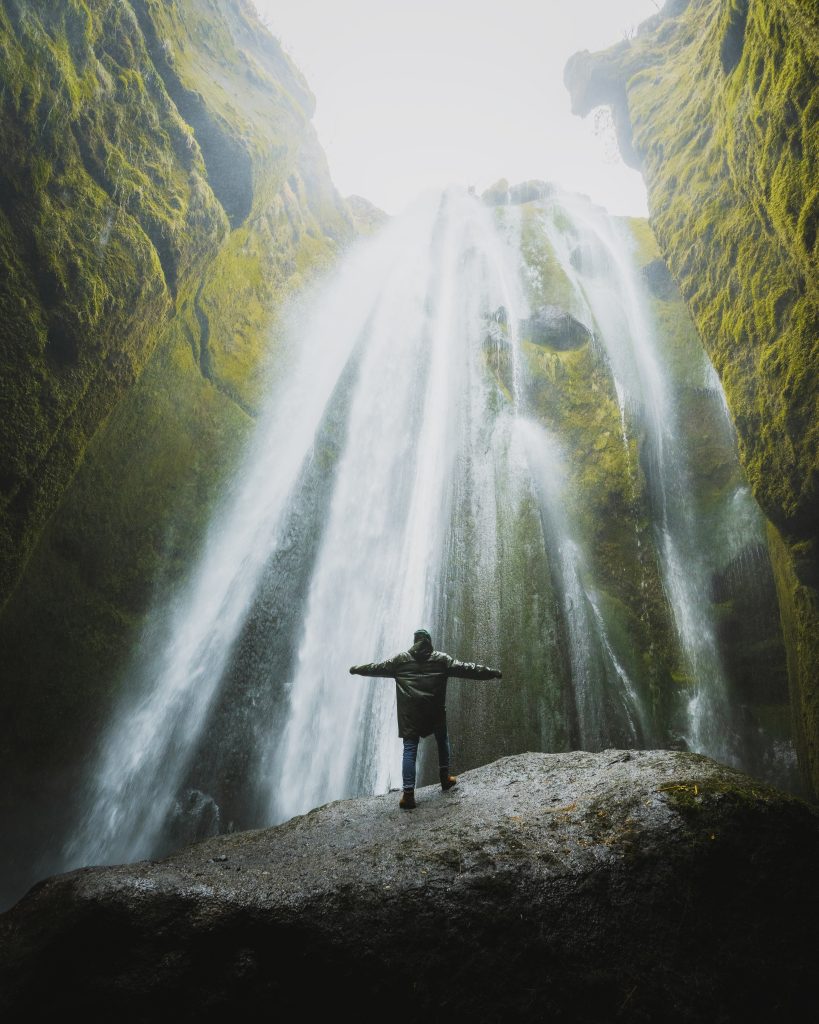
Iceland is not a typical travel destination, and that’s exactly why it stands out. The combination of raw nature, changing weather, and peaceful surroundings creates an experience that feels completely different from anywhere else.