This Norway fjords travel guide explains everything you need to plan a trip to one of the most distinctive natural regions in Europe. Known for deep blue inlets, steep mountain walls, and waterfalls that fall directly into the sea, the fjords offer a landscape shaped by glaciers and preserved by low population density and strict environmental protection.The Norway fjords are often compared to destinations like Switzerland, Iceland, and New Zealand for their dramatic natural landscapes.
Unlike typical coastal destinations, the experience here is defined by scale, silence, and constantly changing weather conditions. Planning matters, especially when combining transport, viewpoints, and boat routes.Many travelers also combine the fjords with destinations like France, Italy, or Croatia for a broader Europe trip.
Where the Norway Fjords Are Located
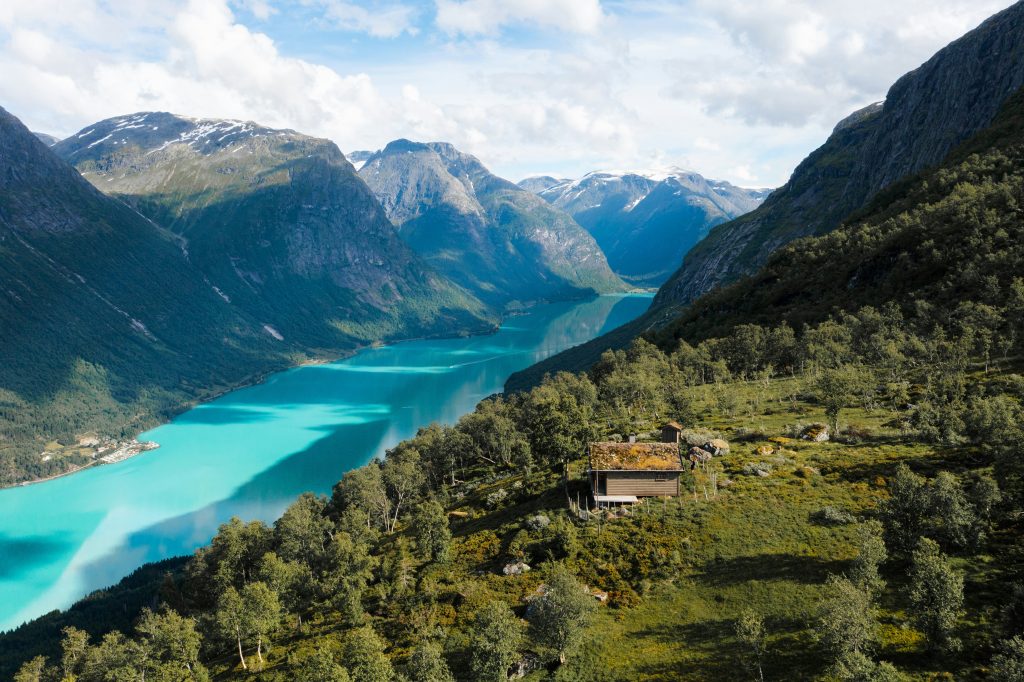
The fjords are found along the western coast of Norway, facing the Norwegian Sea. It is often included in Northern Europe itineraries alongside destinations like France and the Alps.The main access points are cities and regions such as Bergen, Vestland, and Møre og Romsdal, which serve as entry hubs for fjord travel.
What Defines a Fjord
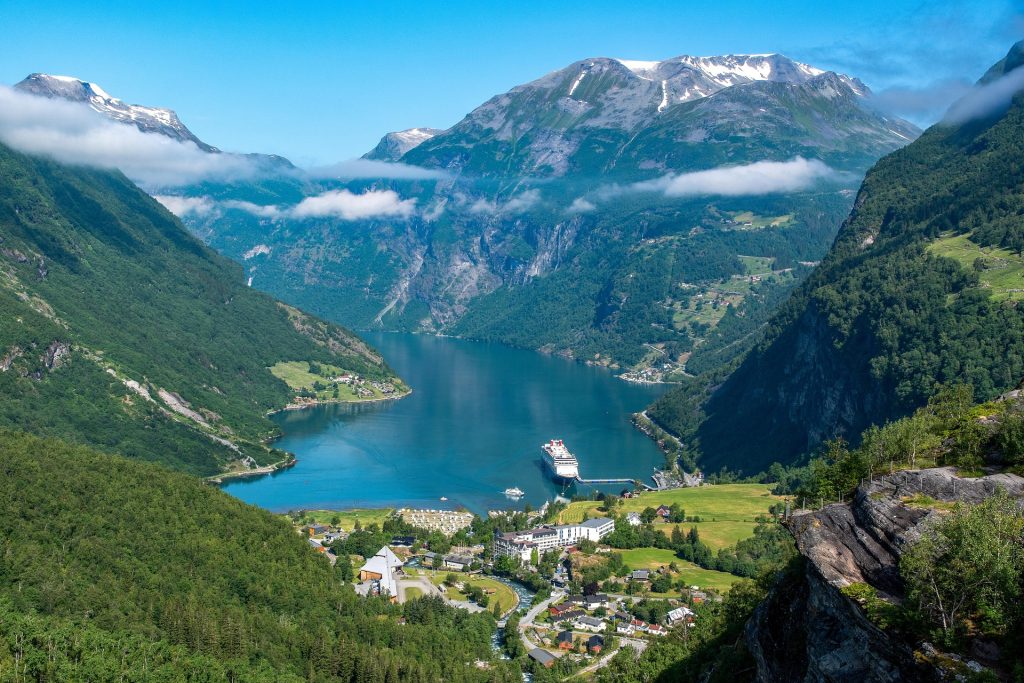
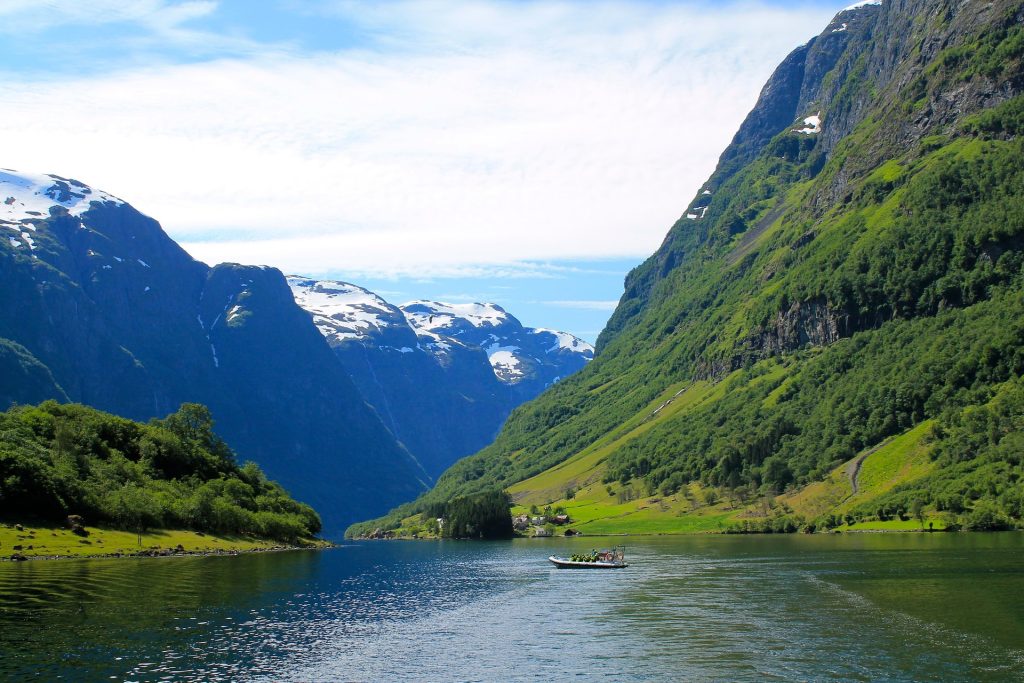
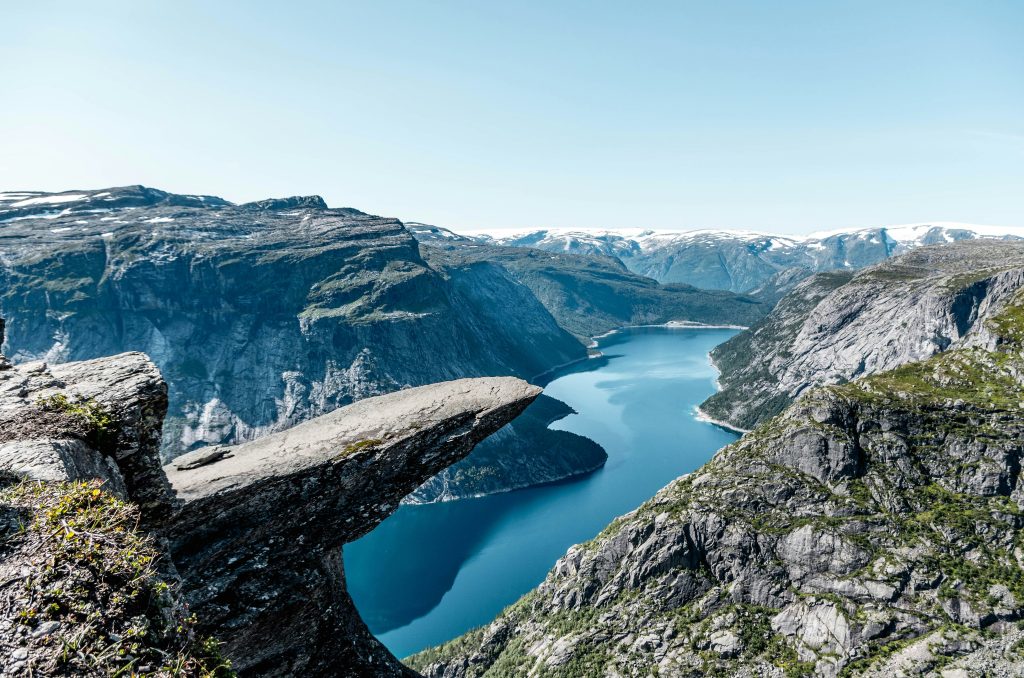
A fjord is a deep, narrow inlet of the sea bordered by steep cliffs. These formations were created during the last ice age when glaciers carved valleys into the landscape. As the ice retreated, seawater filled these valleys, creating the fjords seen today.
Fjord vs Lake
Unlike lakes, fjords are connected to the sea and have saltwater.
They are also much deeper and surrounded by steep cliffs.
Key Fjords to Include in Your Route
Geirangerfjord
Recognized for its steep walls and iconic waterfalls, including the Seven Sisters.
Nærøyfjord
One of the narrowest fjords, offering a more enclosed and dramatic perspective.
Sognefjord
The longest fjord in Norway, connecting multiple landscapes and smaller branches.
Main Base Locations
- Bergen — primary gateway and transport hub
- Flåm — known for rail connections and fjord access
- Ålesund — coastal base for northern fjords
Choosing the right base depends on how many fjords you want to combine.
Best Things to Do in the Fjords
- fjord cruises
- kayaking in calm sections
- hiking to elevated viewpoints
- scenic train routes
- visiting waterfall sites
- photography during early and late hours
Activities are heavily influenced by weather and daylight.
Photography Conditions in the Fjords
Clouds, fog, and changing light conditions can dramatically affect photos.
Some of the most unique shots happen during partially cloudy weather rather than clear skies.For more scenic destinations, travelers also visit the Amalfi Coast, Cappadocia, and Lake Bled.
Best Time of Day to Experience the Fjords
Early morning and late evening offer the best conditions for visibility and fewer crowds.
Light is softer, and the fjords appear more dramatic during these hours.
Scenic Viewpoints and Hikes
- Stegastein viewpoint
- Trolltunga
- Preikestolen
Each viewpoint requires planning, as distances and conditions vary.
Hiking Safety
Weather and terrain can change quickly.
Proper footwear and checking conditions before hiking are essential.
Difficulty Level of Activities
Some hikes, such as Trolltunga, require good physical condition and preparation.
Not all viewpoints are easily accessible.
Fjord Cruises Explained
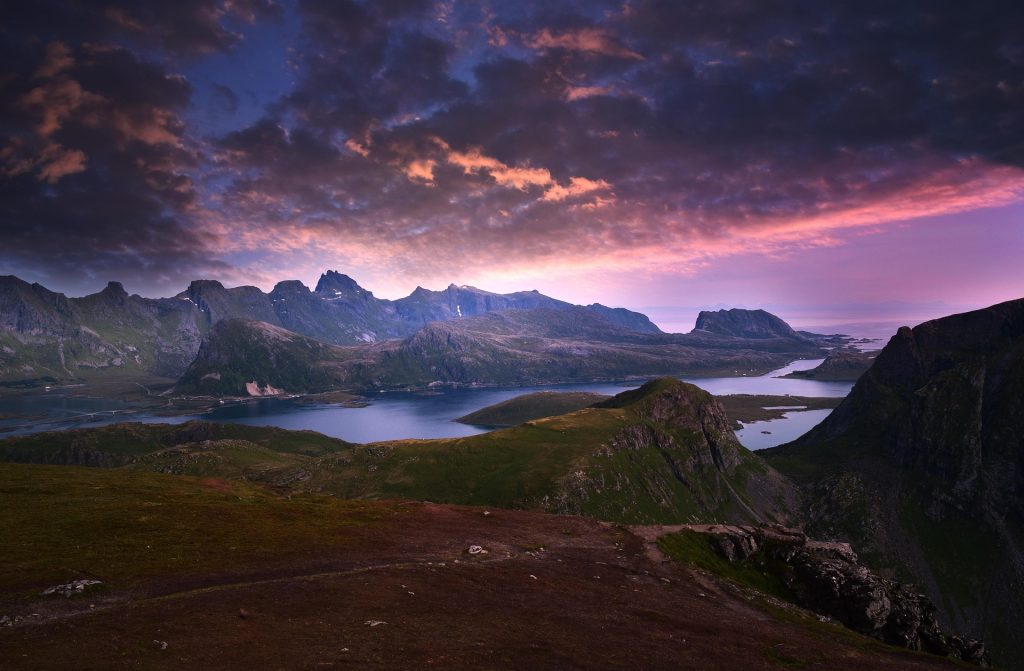
Boat travel is one of the most effective ways to understand the scale of the fjords. Cruises range from basic ferries to smaller guided boats.
Visibility, light conditions, and timing affect the experience more than the route itself.
Types of Fjord Cruises
There are different types of cruises, including large ferries, smaller sightseeing boats, and private tours.
Smaller boats often provide a closer and more detailed experience.
Motion and Comfort on Boats
Water is usually calm, but some areas can have movement depending on weather.
Those sensitive to motion may want to prepare accordingly.
Best Time to Visit Norway Fjords
Summer (June–August)
Longest daylight hours and easier access to all routes.
Spring (May)
Stronger waterfalls due to snowmelt and fewer crowds.
Autumn (September)
More stable travel conditions with reduced tourist volume.
Winter
Limited accessibility, but different atmosphere with snow-covered landscapes.
When to Avoid Visiting
Periods with heavy rain or poor visibility can limit the experience.
Checking forecasts before planning key activities is important.
Weather and Travel Conditions
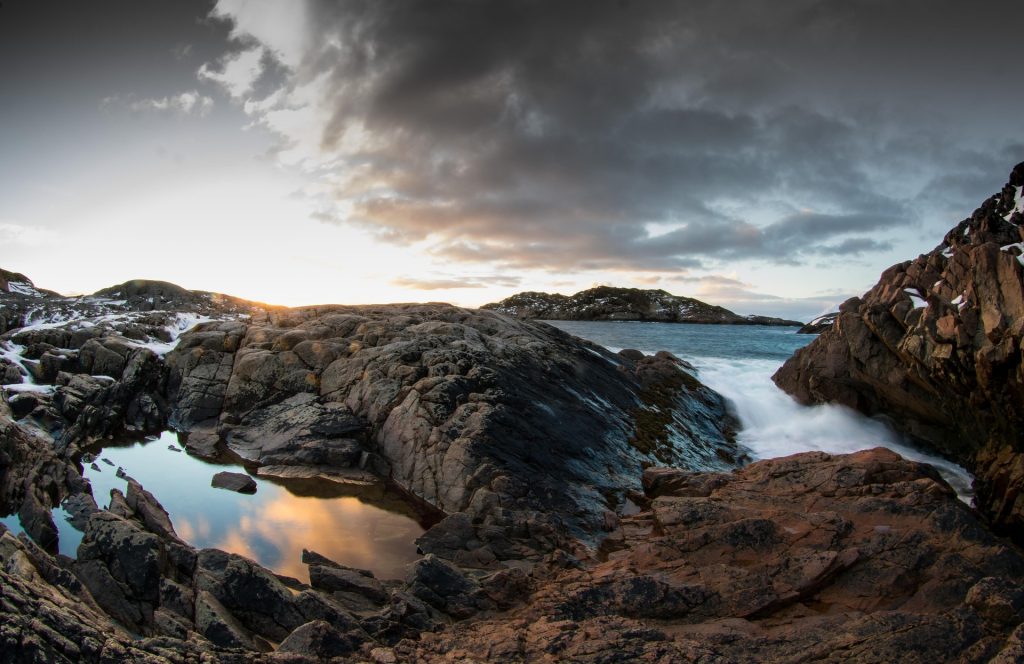
Weather changes quickly and should be checked daily. Rain is frequent, and fog can reduce visibility even during summer months.
Layered clothing and waterproof gear are necessary regardless of season.
Getting to the Fjords
Most travelers arrive via Bergen or Oslo.
From there, access includes:
- trains
- ferries
- buses
- rental cars
Combining multiple transport types is common.
Transport Strategy Between Fjords
Distances are deceptive. Travel time is extended due to:
- winding roads
- ferry crossings
- terrain limitations
A flexible schedule is more effective than a fixed itinerary.
Norway in a Nutshell Route
This is one of the most popular travel routes, combining train, ferry, and bus connections.
It is designed to give a complete fjord experience in a short time.
Tunnels and Ferry Crossings
Travel in Norway often includes long tunnels and ferry crossings.
These are part of the journey and can impact travel time significantly.
Cost Overview
Norway is one of the more expensive destinations in Europe.
- accommodation: high cost
- food: above average
- transport: moderate to high
Booking early helps control costs.
Payments in Norway
Norway is almost entirely cashless.
Cards are accepted everywhere, including small villages.
Local Regulations
Some areas have restrictions to protect nature.
Visitors are expected to follow marked paths and respect the environment.
Food and Dining
Local cuisine focuses on seafood and simple Nordic dishes.
Options include:
Dining out frequently increases overall expenses.
Drinking Water in Norway
Tap water in Norway is safe to drink and of very high quality.
Carrying a reusable bottle is recommended.
Where to Stay
- Bergen for accessibility
- Flåm for direct fjord experience
- smaller villages for quieter stays
Accommodation availability can be limited in peak season.
Choosing the Right Base
Staying in one location and exploring nearby fjords is often more efficient than changing accommodation daily.
How Many Days to Plan
- 3 days for a basic overview
- 5–7 days for a structured route across multiple fjords
Longer stays allow better weather flexibility.
Suggested Fjord Route (3–5 Days)
A typical route starts in Bergen, continues through Flåm, and includes fjord cruises and viewpoints along the way.
This structure allows you to experience multiple fjords without un
Additional Practical Considerations
Daylight Variation
In summer, daylight extends late into the evening, allowing longer travel days.
Fuel and Driving
Fuel costs are high, and driving requires attention due to narrow roads and tunnels.
Parking
Some viewpoints and villages have limited parking space.
Facilities and Rest Stops
Restrooms and facilities are available but can be limited in remote areas.
Planning stops in advance is helpful during longer drives.
Mobile Signal and Internet
Mobile coverage is generally good, but it can be limited in remote fjord areas.
Offline maps can be useful.
Hidden Insights That Improve the Experience
Route Order Matters
Starting with less popular fjords can improve overall experience before reaching crowded areas.
Light Direction Changes Views
Morning and evening light dramatically affect how the fjords appear in photos.
Not All Viewpoints Are Signposted
Some of the best locations require short, unmarked detours.
Ferry Timing Affects Planning
Missing a ferry can delay travel significantly.
Cruise Type Changes Experience
Smaller boats often provide closer access to cliffs and waterfalls.
Common Planning Mistakes
- trying to cover too many fjords in a short time
- ignoring ferry schedules
- relying only on weather forecasts without flexibility
- underestimating travel duration
What to Pack for Norway Fjords
Packing should focus on layers, waterproof clothing, and comfortable walking shoes.
Conditions can change quickly, even within the same day.
Is It Worth Visiting
The Norway fjords offer a landscape that is shaped by geological history rather than human development. For travelers interested in natural environments, this region provides a level of scale and visual impact that is difficult to match.
Norway Fjords FAQ
Are the fjords expensive to visit
Yes, but planning and early booking can reduce costs.
Which fjord should you choose first
Geirangerfjord and Nærøyfjord are the most accessible and well-known.
Is a car necessary
Not required, but it improves flexibility.
When is the best time to visit
Late spring to early autumn.
How many days are enough
At least 4–5 days for a balanced experience.
Expectation vs Reality
Weather, visibility, and travel time can affect the experience.
Flexibility is key to enjoying the fjords fully.
Traveling Solo vs in a Group
The fjords are suitable for both solo travelers and groups.
Solo travel offers flexibility, while group travel can simplify logistics.
Where to Go After Norway Fjords
Many travelers continue their journey with these destinations:
Explore More Travel Guides
If you are planning more destinations, explore:
Final Thoughts
The Norway fjords are not defined by individual attractions but by the overall environment. The combination of water, cliffs, and changing weather creates a dynamic landscape that evolves throughout the day.
For those looking beyond typical destinations, the fjords provide a structured yet unpredictable travel experience shaped entirely by nature.