
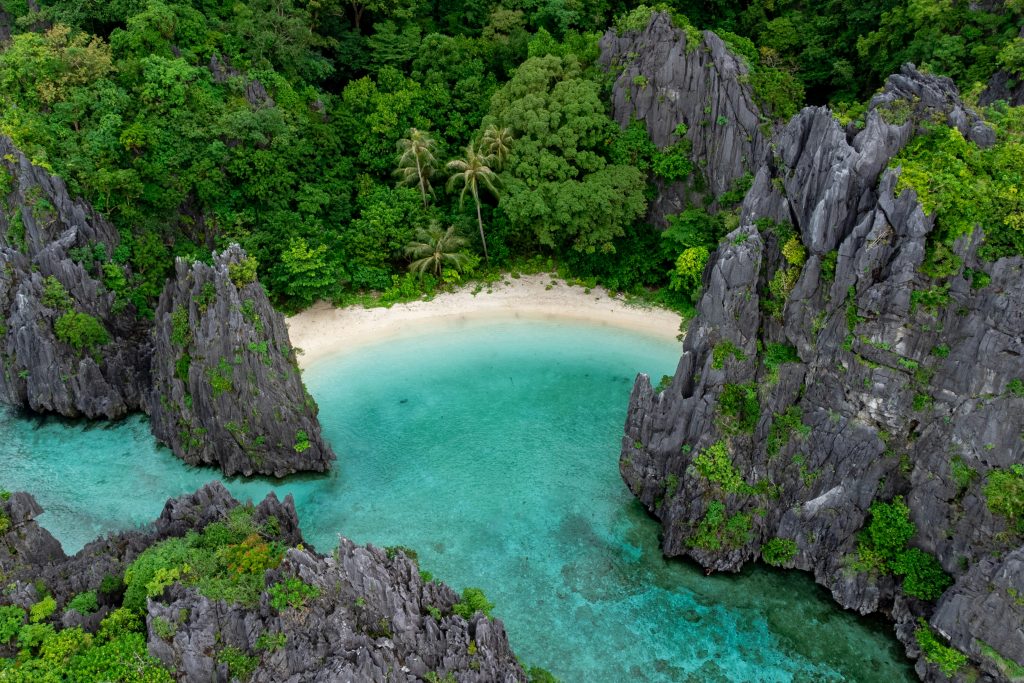
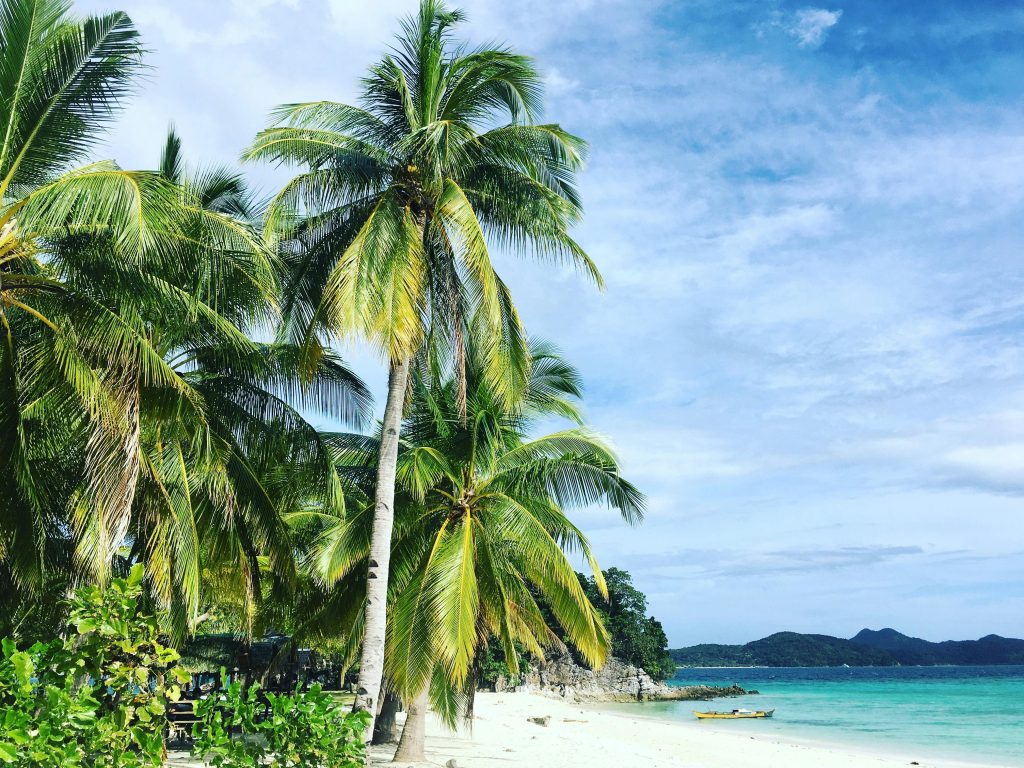
This Philippines travel guide covers everything required to plan a trip to one of the most visually striking destinations in Southeast Asia. With thousands of islands, dramatic limestone formations, hidden lagoons, and clear turquoise water, the country offers a type of scenery that stands apart from typical beach destinations.The Philippines is often compared to destinations like Maldives, Thailand, and Caribbean islands for its island scenery and clear water.
Among all regions, Palawan consistently stands out, while El Nido functions as the main gateway to its most iconic landscapes. The experience here is defined by island hopping, remote beaches, and access to locations that cannot be reached by land.Many travelers also combine the Philippines with destinations like Bali or Dubai for a longer international trip.
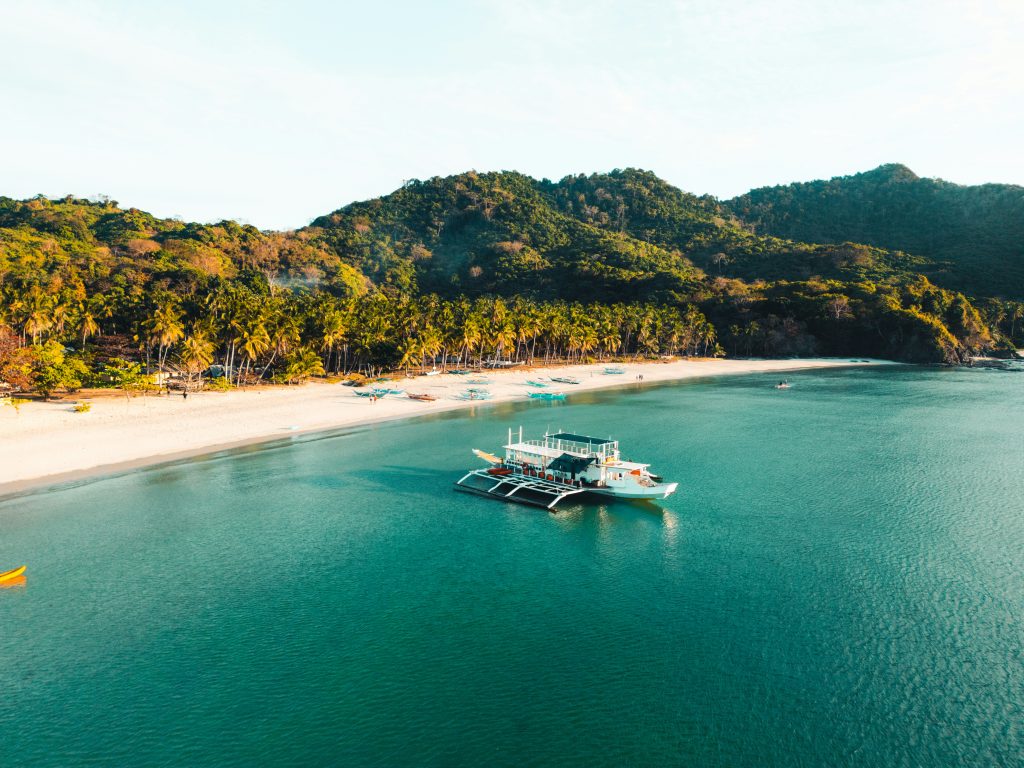
Where the Philippines Is Located
The Philippines is an island nation in Southeast Asia, situated in the western Pacific Ocean. It is often included in trips that also visit destinations like Thailand and Bali.It consists of more than 7,000 islands, grouped into several regions, with Palawan located on the western side of the country.
Understanding Palawan and El Nido
Palawan is a long island province known for protected природни зони, чиста вода и карстни формации.
El Nido is a coastal town in northern Palawan. It serves as the base for exploring nearby islands, lagoons, and beaches that define the region’s reputation.
Choosing El Nido means prioritizing nature and water-based experiences over city life.
Why Palawan Is Considered One of the Most Beautiful Regions
Palawan is often ranked among the top island destinations globally due to its natural features:
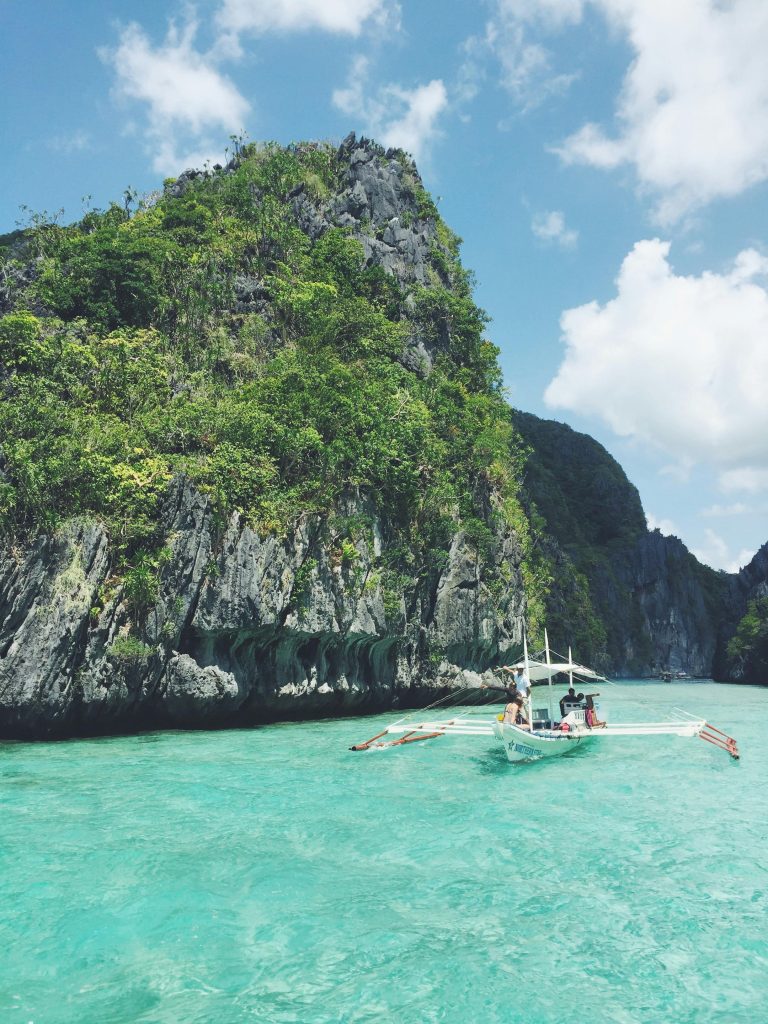
• towering limestone cliffs
• enclosed lagoons with calm water
• remote beaches accessible only by boat
• strong marine biodiversity
Unlike many destinations, the landscape here feels undeveloped and spread out, which contributes to a more raw and authentic experience.For more scenic destinations, travelers also visit Zanzibar, Amalfi Coast, and Norway fjords.

El Nido Overview
El Nido is not a luxury city environment. Instead, it is a functional base built around tourism and island access.
Expect:
• simple infrastructure in the town center
• direct access to tours and boats
• a mix of budget and boutique accommodations
The real value of El Nido lies outside the town itself.
Nighttime Noise
Some areas in El Nido town can be noisy at night due to bars and activity.
Choosing accommodation outside the center can improve sleep quality.
Island Hopping in El Nido (Core Experience)
Island hopping is the main reason people visit El Nido.
There are four standardized routes, each offering a slightly different experience.
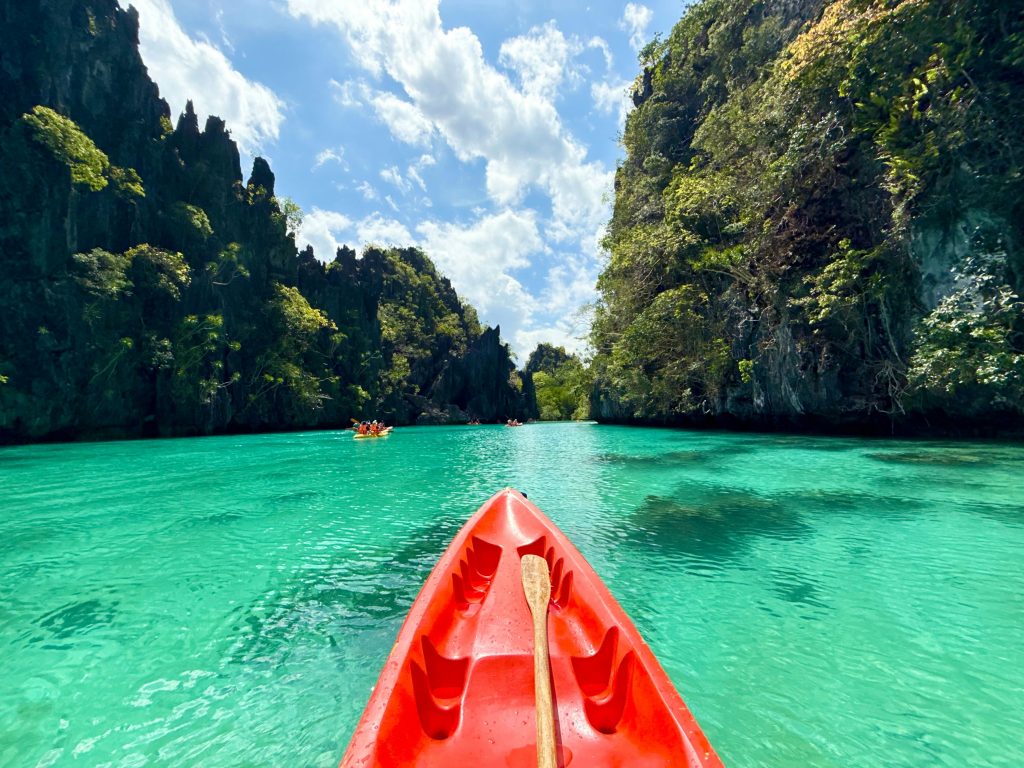
Tour A focuses on lagoons and iconic stops such as Big Lagoon.
For a more adventurous route, Tour B includes caves and less visited areas.
If you prefer dramatic scenery, Tour C is known for hidden beaches and impressive cliffs.
For a quieter experience, Tour D covers calmer lagoons and smaller islands.
Although each tour follows a fixed route, the overall experience depends heavily on timing and crowd levels.
Avoiding Crowds on Tours
Choosing less popular tours or adjusting departure times can significantly improve your experience.
Some operators offer alternative routes to avoid peak crowds.
Food During Island Tours
Most tours include a basic lunch, usually prepared on the beach.
Food quality depends on the operator, so expectations should be realistic.
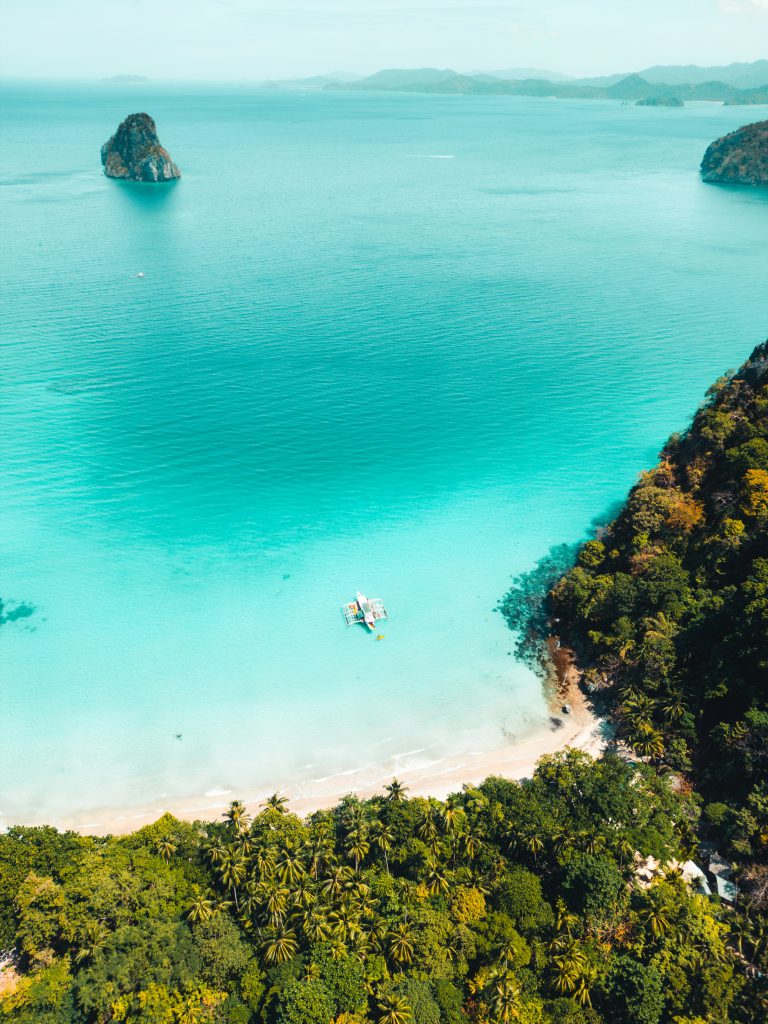
Best Things to Do Beyond Island Hopping
• kayaking inside lagoons
• snorkeling in coral areas
• visiting Nacpan Beach
• sunset at Las Cabanas
• short hikes to viewpoints
Early Morning Departures
Most tours start early in the morning.
Being ready on time is important, as boats do not wait.
Best Beaches in El Nido
• Nacpan Beach — long stretch, less crowded
• Las Cabanas — known for sunsets
• Seven Commandos — accessible by boat.This experience is often compared to destinations like Maldives and Caribbean islands.
Travel Costs in El Nido
Costs vary depending on style:
• accommodation: $20–$200+
• island tours: $20–$50
• meals: $5–$20
• transport: low cost
El Nido can be affordable, but premium stays increase overall cost quickly.
Environmental and Entrance Fees
Visitors are required to pay an environmental fee in El Nido.
This is usually valid for several days and may be checked before joining tours.
Drone Restrictions in El Nido
Drone usage is restricted in certain areas, especially near lagoons and protected zones.
Permission may be required depending on location.
How to Get to El Nido
Two main options:
• Fly to Puerto Princesa, then take a 5–6 hour van transfer
• Fly directly to El Nido (faster but more expensive)
Travel time is a major factor when planning.
Getting Around
• tricycles within town
• motorbike rentals for beaches
• boats for island access
Distances are manageable, but not everything is walkable.
Boat Conditions and Comfort
Boats used for island hopping are simple and open.
Comfort levels vary, especially during longer routes or rough sea conditions.
Getting On and Off Boats
Boarding often happens directly from the beach.
You may need to walk through shallow water.
Best Time to Visit
The ideal period is:
• November to May (dry season).This period is also ideal for visiting destinations like Thailand, Bali, and Greece.
Rainy season:
• June to October (higher chance of storms)
Weather directly affects visibility, sea conditions, and tours.
Weather Reality
Conditions can change quickly. Even during dry season, occasional rain is possible.
Sea conditions are more important than temperature for overall experience.
Mosquitoes in El Nido
Mosquitoes are present, especially near water and in the evening.
Using repellent is recommended.
Food and Dining
Food options include:
• seafood
• grilled meats
• Filipino dishes
• international cafes
Menus can be repetitive, so trying local specialties adds variety.For more diverse food scenes, travelers also explore Italy and Spain.

Internet and Connectivity
Internet is inconsistent.
Speeds vary and may drop completely on islands or during bad weather.
Electricity Reliability
Power interruptions can occasionally occur, especially during high demand periods.
Having a portable charger is recommended.
SIM Cards and Mobile Data
Local SIM cards are affordable and available at airports.
They can improve connectivity compared to relying on hotel Wi-Fi.
Safety
El Nido is generally safe. However:
• follow basic precautions
• avoid isolated areas at night
• secure valuables during tours
Travel Insurance for the Philippines
Travel insurance is highly recommended when visiting the Philippines.
Island hopping, boat travel, and remote locations can increase the importance of having coverage in case of delays, cancellations, or medical needs.
What to Pack
• lightweight clothing
• reef-safe sunscreen
• waterproof bag
• cash (important)
Footwear for Island Hopping
Many stops include rocky entry points.
Water shoes can make entering and exiting boats easier and safer.
Common Mistakes to Avoid
• arriving without booked tours
• relying only on cards
• underestimating travel time
• expecting luxury infrastructure everywhere
Hidden Tips Most Guides Don’t Mention
1. Start Tours Earlier Than Everyone Else
Most tours leave at similar times. Booking a slightly earlier departure can significantly reduce crowds at key spots.
2. Lagoon Access Timing Matters
Big Lagoon and Small Lagoon can become crowded quickly. Visiting them first or last changes the entire experience.
3. Not All Boats Follow the Same Order
Even within the same tour, routes can vary. Asking your guide about timing can improve your experience.
4. Water Visibility Changes Daily
Clear water depends on sunlight and sea conditions. Morning often provides better visibility.
5. Cash Availability Is Limited
ATMs may run out of money, especially during peak periods. Always withdraw in advance.
6. Noise and Activity in Town
El Nido town can be busy and noisy. Staying slightly outside offers a quieter environment.
7. Travel Time Feels Longer Than Expected
Even short distances can take longer due to road conditions or transfers.
8. Not All Beaches Are Easily Accessible
Many of the best locations require a boat. Land access is limited.
9. Tour Quality Depends on the Operator
Choosing a good operator improves food quality, timing, and overall experience.
10. Expect a Slower Pace
El Nido is not designed for fast travel. It is better experienced slowly.
How Many Days to Stay
• 3 days — basic experience
• 4–5 days — more complete
Who This Destination Is Best For
• travelers focused on nature
• beach and island experiences
• photography and scenic locations
Is It Worth Visiting
Palawan and El Nido offer a type of landscape that is difficult to replicate elsewhere. For travelers seeking natural scenery rather than urban experiences, it is one of the strongest destinations available.
Philippines Travel FAQ
Is El Nido expensive?
It can be both budget-friendly and mid-range depending on choices.
Are island tours necessary?
Yes, they are the main part of the experience.
How many days are enough?
At least 3–4 days.
Is it safe?
Generally yes, with standard precautions.
When is the best time to visit?
Dry season offers the best conditions.
What El Nido Is Really Like
El Nido is more about nature than comfort.
It is not a luxury destination in the traditional sense, and expectations should match that.Travelers looking for luxury-focused destinations often prefer places like Maldives or Dubai.
Expectation vs Reality
Photos often show perfect conditions, but weather, crowds, and timing can affect the experience.
Understanding this helps avoid disappointment.
Where to Go After Philippines
Many travelers continue their journey with these destinations:
Explore More Travel Guides
If you are planning more destinations, explore:
Final Thoughts
The Philippines is not defined by cities but by its islands. Palawan, and especially El Nido, represent the most recognizable version of that experience.
For those looking for clear water, dramatic landscapes, and locations that feel remote, this region delivers a level of visual impact that few places can match.