
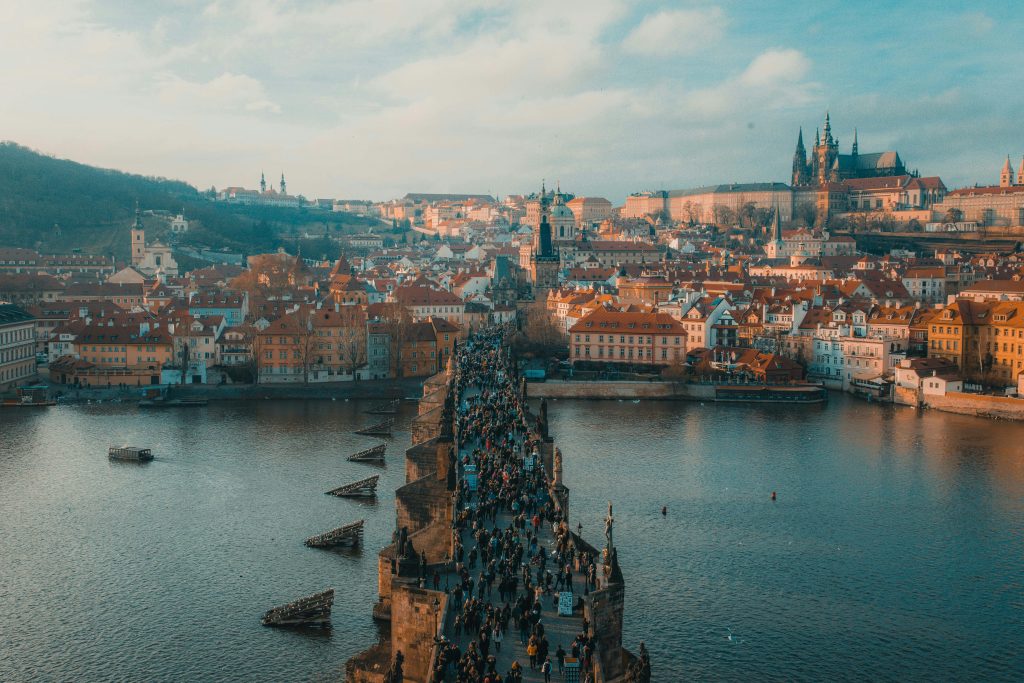
There are some cities that impress you with famous landmarks, and then there are cities that quietly stay in your mind long after you leave. Prague felt like that kind of place to me.
Before visiting, I expected beautiful old buildings, cobblestone streets, and the famous Charles Bridge. What I did not expect was how atmospheric the city would feel in real life.
Prague has a strange ability to make ordinary moments feel memorable.
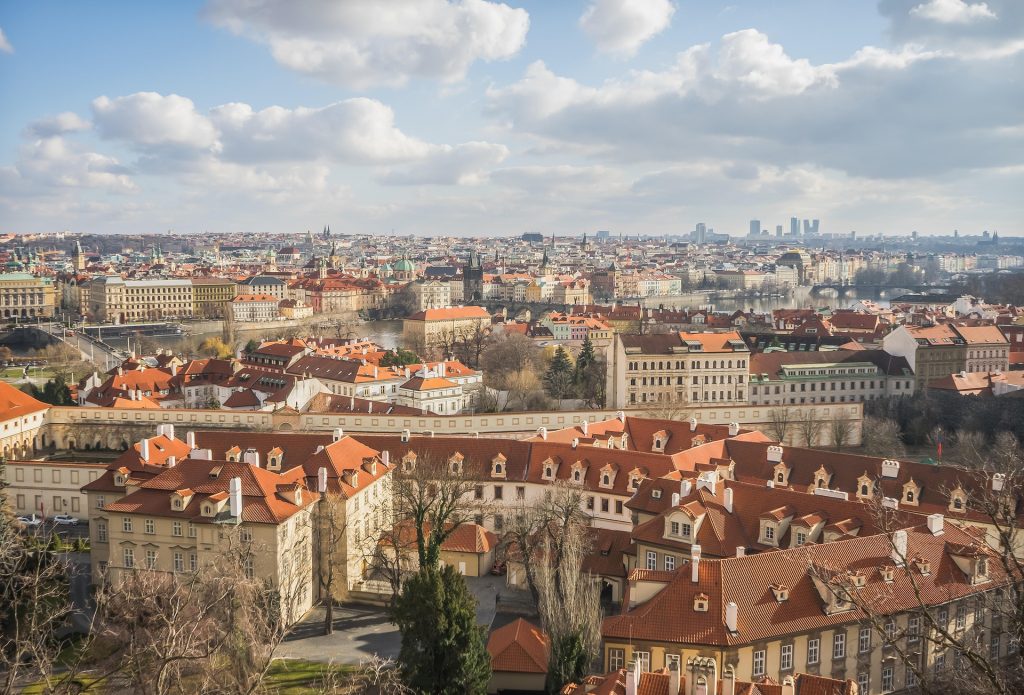
A morning coffee in a quiet square somehow feels different here. Walking through old streets at sunset feels like stepping into another era. Even something as simple as crossing the river can suddenly feel cinematic when church towers and red rooftops begin glowing in the evening light.
At first, Prague feels almost too beautiful to be real.
But after spending time there, I realized Prague is not only about postcard views. It is a city with personality. It can feel romantic, lively, historic, elegant, and touristy all at once depending on where you go and what time of day you experience it.
That contrast is part of what makes Prague unforgettable.
What surprised me most was how Prague changed depending on the hour. Early mornings felt peaceful and almost magical, while evenings brought a completely different energy with busy beer gardens, glowing streets, and crowds filling the old town.
Very few cities manage to feel this atmospheric all day long.
This guide covers everything you should know before visiting Prague, including where to stay, the best things to do, realistic travel costs, food, safety tips, common mistakes tourists make, and the small details I genuinely wish I knew before going.
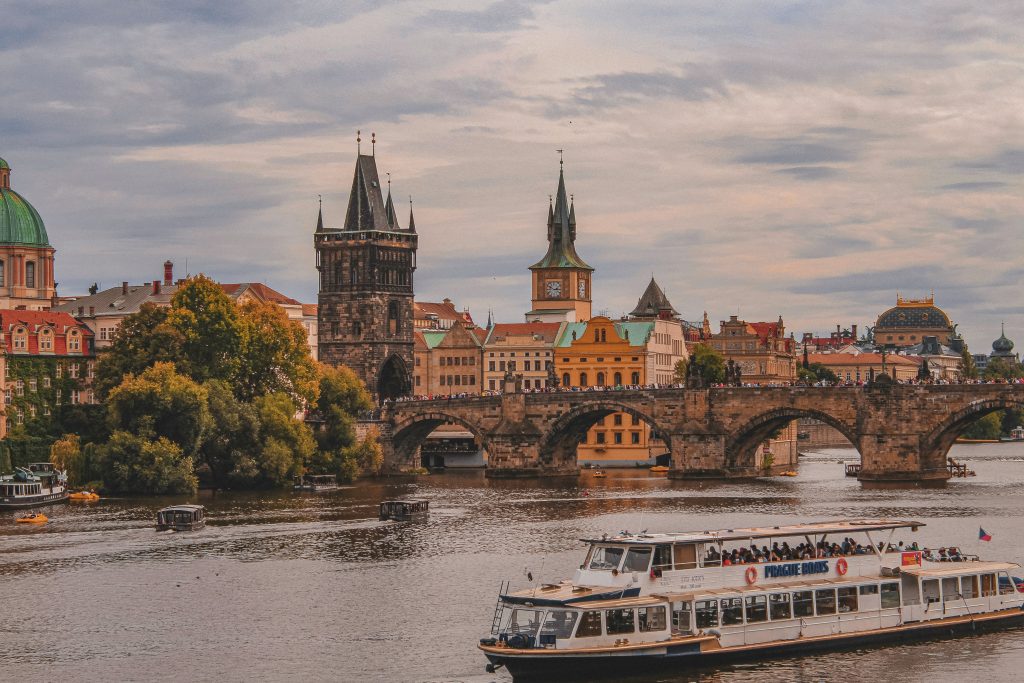
Is Prague Worth Visiting?
Honestly, yes — and probably more than most people expect.
Prague is one of those cities that often gets described as beautiful, but that word does not really explain what the city feels like in real life.
A lot of European cities have historic centers and old architecture, but Prague feels different because the entire city seems to have atmosphere.
The rooftops, towers, churches, bridges, river views, old streets, hidden courtyards, and historic cafés somehow create a city that feels elegant without trying too hard.
One thing I noticed quickly was that Prague is not a city you experience only through attractions.
Some of the best moments happen while simply walking:
- crossing a quiet bridge early in the morning
- finding a hidden café in a side street
- watching sunset over the Vltava River
- hearing church bells echo through the old town
- sitting in a square with no real plan
That slower rhythm is part of Prague’s charm.
Prague is also a city that works well for many different types of travelers:
- couples
- solo travelers
- city-break travelers
- architecture lovers
- food lovers
- budget travelers
- first-time Europe visitors
It is not perfect. Some tourist areas can feel crowded and a little overpriced, especially during peak season.
But outside those busy spots, Prague still feels genuinely special.
Who Will Enjoy Prague Most?
Prague is not the type of destination everyone experiences the same way.
I think people who enjoy:
- architecture
- old-world cities
- romantic city breaks
- history
- walking-based trips
- cafés
- slower travel
will probably love Prague.
It is especially good for travelers who enjoy exploring neighborhoods slowly instead of rushing through a strict itinerary.
On the other hand, travelers looking for beaches, nightlife-focused vacations, or fast-paced luxury travel may find Prague calmer than expected.
Personally, I think Prague is best experienced slowly.
It is a city that rewards wandering.
Best Time to Visit Prague
If I had to choose the best months to visit Prague, I would say:
- April to May
- September to October
- December (for Christmas atmosphere)
Prague changes a lot depending on the season, and each season gives the city a completely different mood.
Visiting Prague in Spring
Spring feels fresh and lively.
The city begins filling with outdoor cafés, parks become greener, and the temperatures make walking much easier.
This is one of the best times for:
- castle walks
- river views
- outdoor cafés
- neighborhood exploring
The city feels energetic without becoming overwhelming.
Visiting Prague in Summer
Summer is beautiful, but it is also the busiest season.
The weather is ideal for long walking days and rooftop views, but major tourist areas become crowded very quickly.
Places like:
- Charles Bridge
- Old Town Square
- Prague Castle
can become extremely busy by late morning.
If visiting in summer, I would strongly recommend early starts.
Visiting Prague in Autumn
Autumn might actually be my favorite balance.
The city feels slightly quieter, the weather is still comfortable, and Prague somehow becomes even more atmospheric with golden trees and cooler evenings.
Walking around Prague in autumn feels genuinely beautiful.
Visiting Prague in Winter
Prague in winter feels like a completely different city.
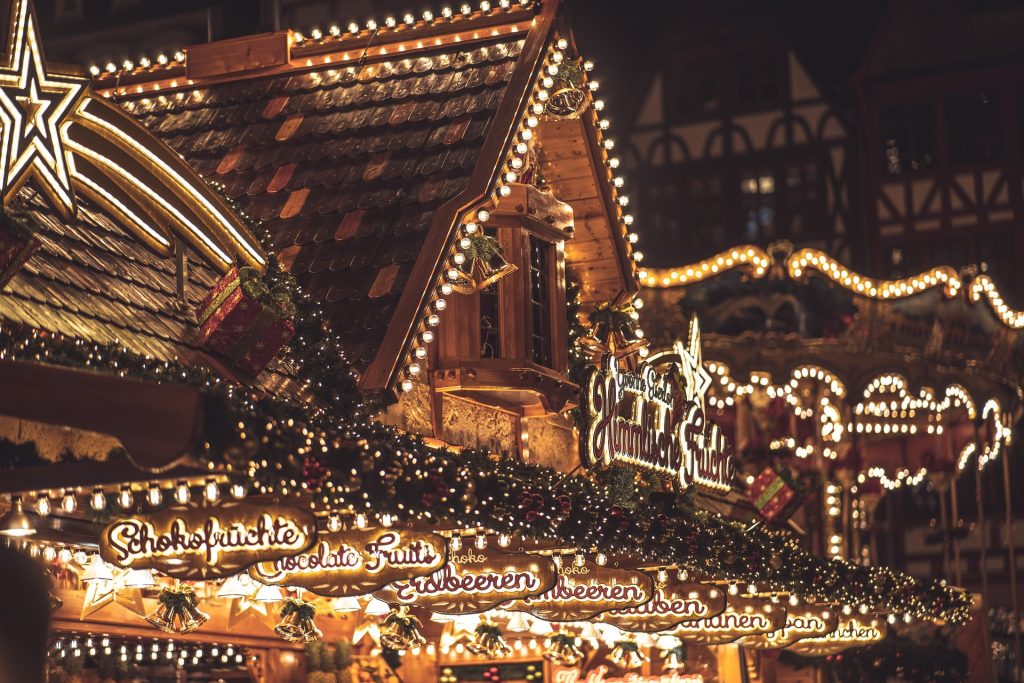
Christmas lights, markets, warm cafés, cold mornings, and old streets covered in mist create an almost storybook atmosphere.
It can be cold, but if you enjoy winter city breaks, Prague is one of Europe’s best.
Weather in Prague Can Change Quickly
One thing I did not fully expect before visiting Prague was how quickly temperatures could change during the day.
Sunny mornings sometimes turned into colder evenings much faster than expected, especially near the river or during autumn and winter.
A light jacket often ended up being useful even when the day started warm.
How Many Days Do You Need in Prague?
I think 3 to 4 days is ideal for a first trip.
Prague is not as huge as cities like London or Istanbul, but it still deserves enough time to experience properly.
Technically, you can see the main highlights in 2 days.
But Prague becomes much more enjoyable once you stop rushing.
Some of my favorite moments were not major attractions at all.
They were simple moments like:
- sitting near the river with coffee
- walking through quiet streets early in the morning
- crossing Charles Bridge before crowds arrived
- finding hidden courtyards in the old town
- watching the city lights reflect on the water at night
Prague rewards slower travel much more than rushed sightseeing.
Best Things to Do in Prague
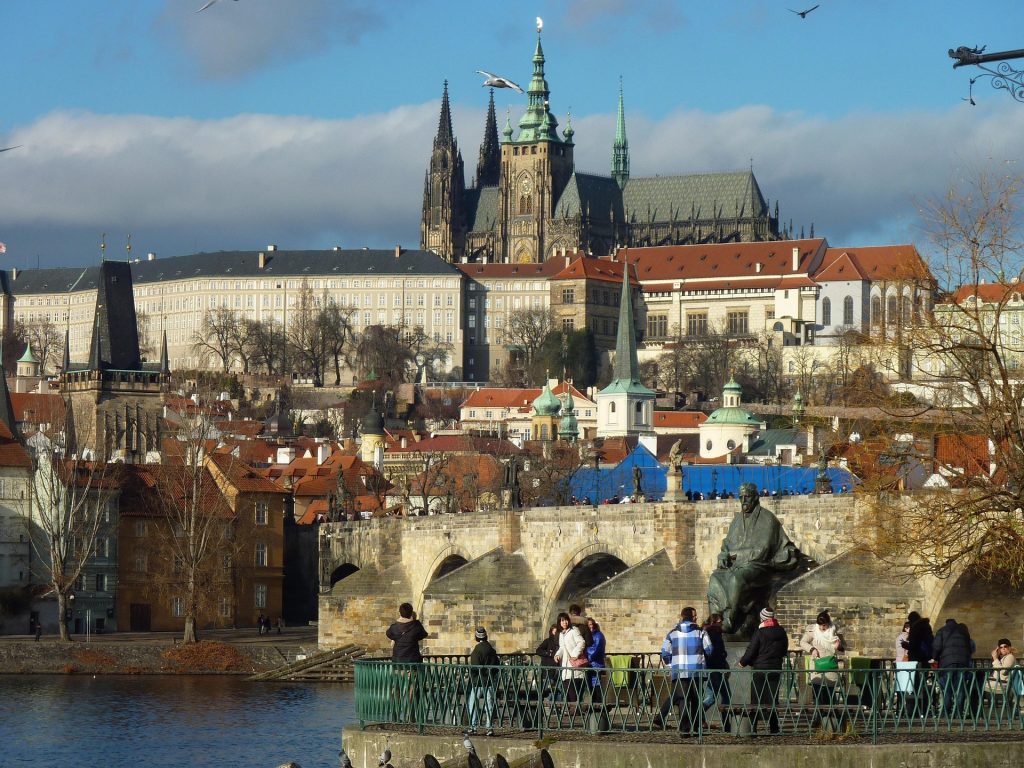
Walk Across Charles Bridge
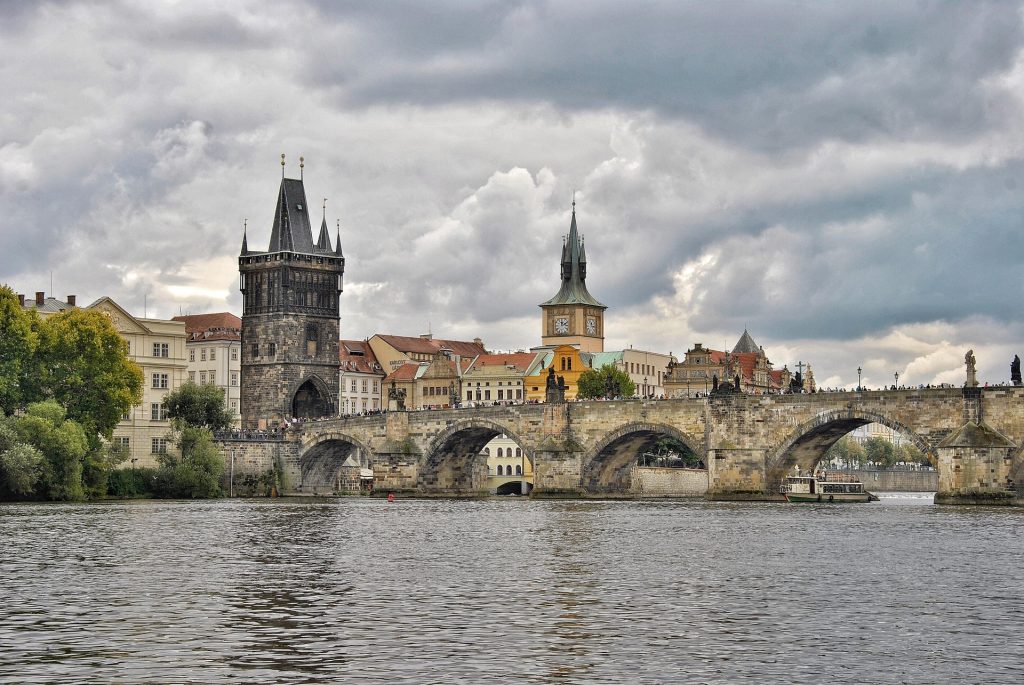
Charles Bridge is one of Prague’s most famous landmarks, and yes — it is worth seeing.
But timing matters a lot here.
During the middle of the day, the bridge can feel crowded and tourist-heavy.
Early in the morning, it feels completely different.
The statues, river views, towers, and quiet atmosphere made this one of my favorite moments in Prague.
Honestly, sunrise or early morning felt significantly more magical than later in the day.
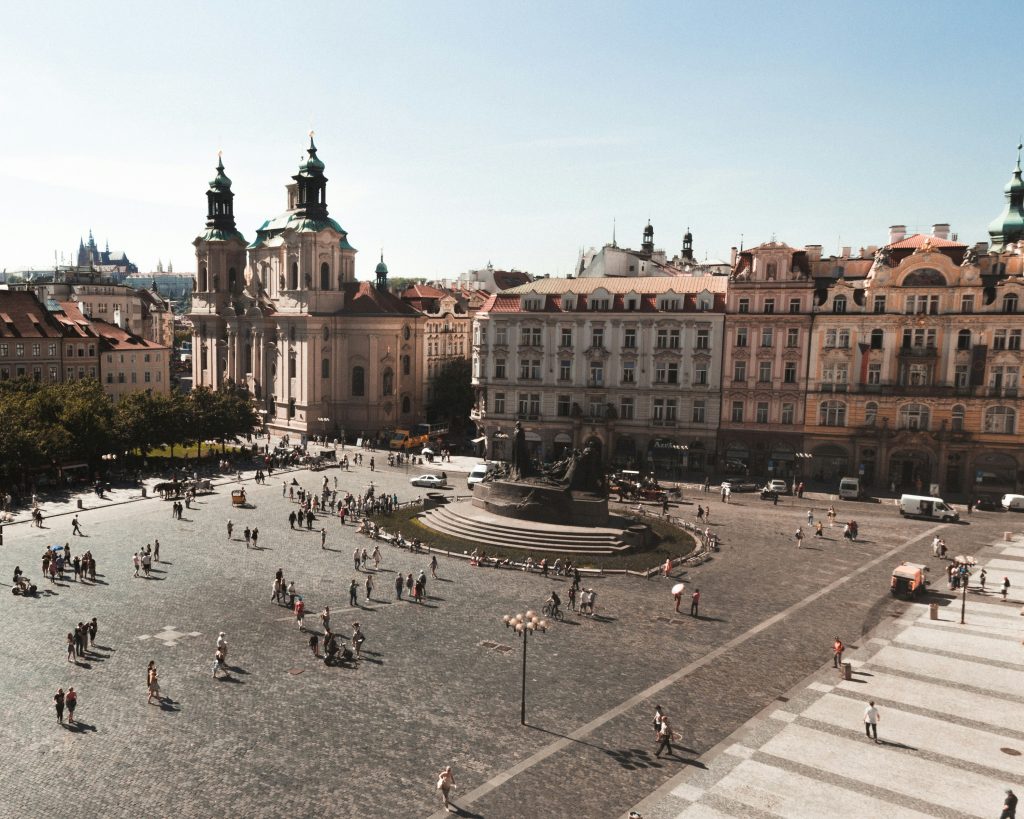
Explore Old Town Square
Old Town Square is one of those places that immediately makes you stop walking.
The colorful buildings, Gothic towers, street performers, outdoor cafés, and historic atmosphere create one of the most recognizable views in Europe.
Yes, it is touristy.
But it is still absolutely worth seeing.
The best experience here is not rushing through it.
Sit down, look around, and let yourself enjoy the atmosphere.
Visit Prague Castle
Prague Castle is one of the city’s most iconic attractions.
The complex is enormous, and the views over Prague from up there are genuinely worth the walk.
What surprised me most was that the castle area felt less like a single building and more like an entire historic district.
Give yourself enough time here.
Rushing Prague Castle feels like a mistake.
See the Astronomical Clock
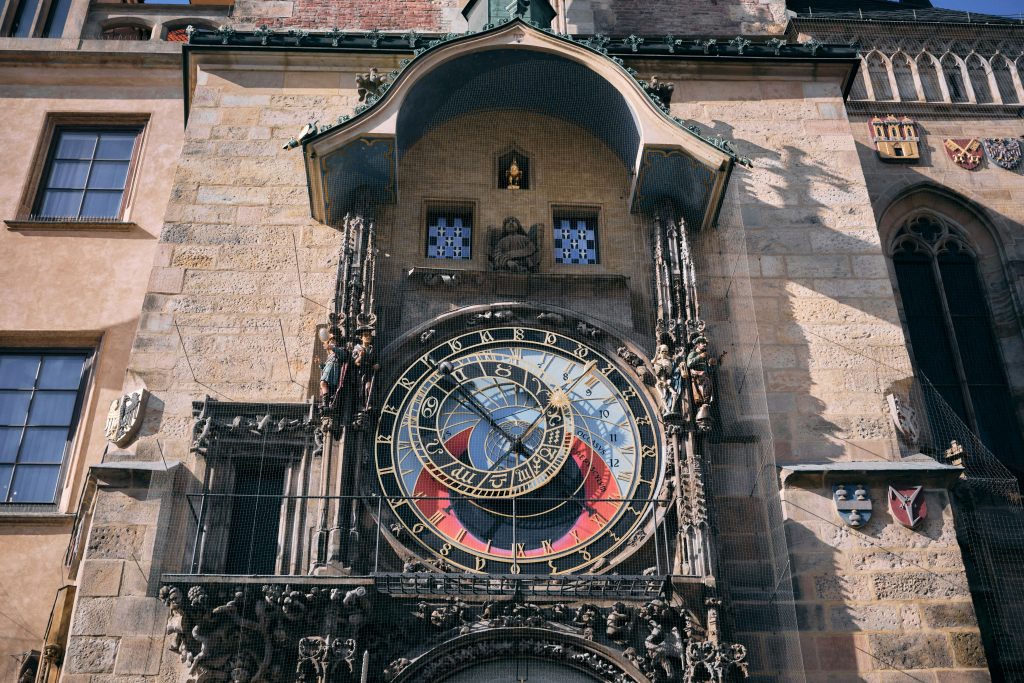
Prague Astronomical Clock is one of Prague’s most famous attractions.
Some people find it overrated.
Personally, I think it is worth seeing — but only if you treat it as part of Old Town rather than a major standalone attraction.
The surrounding square is honestly just as memorable as the clock itself.
Walk Along the Vltava River
Some of Prague’s best moments happen away from the main tourist streets.
Walking along the Vltava River ended up being one of those moments for me.
The bridges, reflections, castle views, boats, and slower pace create a completely different side of Prague.
This was one of the places where Prague felt most peaceful.
Explore Malá Strana
Malá Strana feels quieter, more elegant, and more atmospheric compared to the busy Old Town.
The streets here are beautiful without trying too hard.
Hidden courtyards, old buildings, gardens, quiet cafés, and castle views make this one of Prague’s nicest neighborhoods to explore slowly.
It felt less touristy in a good way.
Not Every Prague Viewpoint Is Worth It
Prague has many viewpoints, rooftop bars, and observation spots.
But not all of them are worth paying for.
Some rely mostly on the view and charge tourist prices for average food or drinks.
In my experience, the best views often came from simply walking around quieter hills, bridges, and riverside areas instead of chasing every paid viewpoint.
Visit Petřín Hill
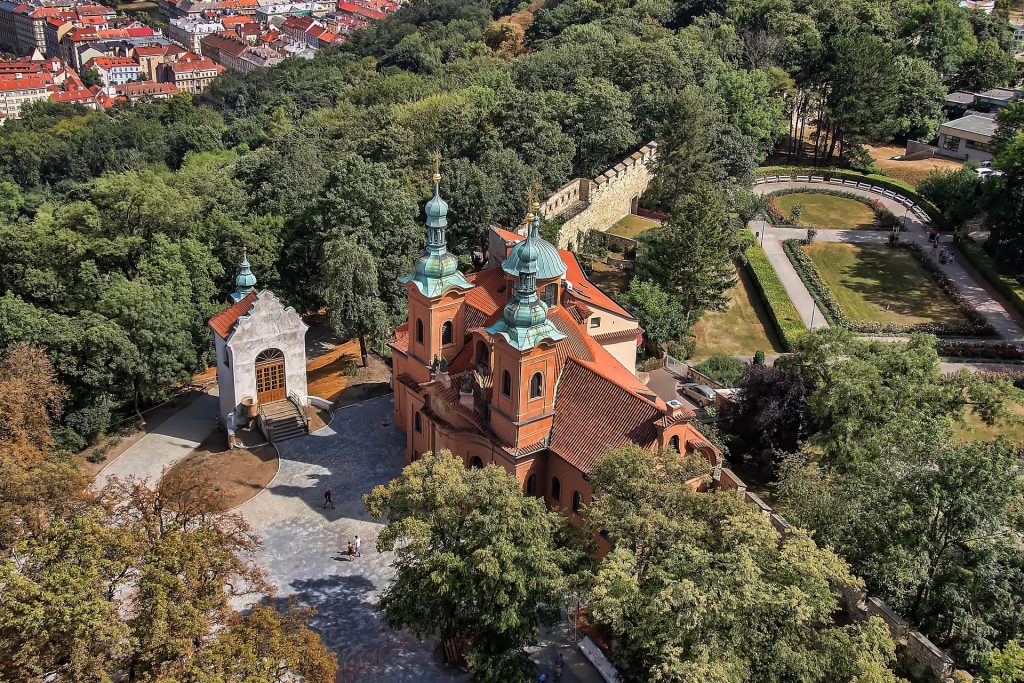
If you want one of the best panoramic views in Prague, Petřín Hill is worth adding to your trip.
The walk uphill can feel tiring, but the reward is one of the best city views in Prague.
What I liked most here was that it felt calmer than some of the busier tourist areas.
It is a good place to slow down for a while.
Where to Stay in Prague
Choosing the right area in Prague matters because different neighborhoods offer very different experiences.
The good news is that Prague is much more walkable than many major European cities.
Old Town – Best for First-Time Visitors
If this is your first time in Prague, Old Town is the easiest and most convenient choice.
You stay close to:
- Old Town Square
- Astronomical Clock
- Charles Bridge
- restaurants
- major sightseeing areas
The main advantage is convenience.
The only downside is that it can feel crowded and some restaurants here are more expensive.
Malá Strana – Most Atmospheric Area
If I had to choose the most beautiful area to stay in Prague, it would probably be Malá Strana.
This part of Prague feels:
- quieter
- elegant
- historic
- romantic
- scenic
It also feels less hectic than Old Town while still being central.
Personally, this area felt much more special than I expected.
New Town – Best Balance
Despite the name, New Town still has plenty of historic character.
This area gives you:
- better hotel value
- restaurants
- nightlife
- shopping
- easier transport
It is often a smart choice for travelers who want a central stay without paying Old Town prices.
Vinohrady – Best Local Feel
Vinohrady feels more local and residential.
It is great for travelers who:
- want fewer tourist crowds
- enjoy cafés
- like local restaurants
- prefer neighborhood vibes
It is less postcard-famous, but many travelers end up loving it.
Prague Is More Walkable Than It Looks
One thing I underestimated before visiting Prague was how easy the city felt on foot.
A lot of Prague’s best moments happen while simply walking between neighborhoods, bridges, and riverside areas.
Comfortable shoes make a big difference here.
Real Travel Costs in Prague
Compared to many major European capitals, Prague still offers relatively good value.
Especially if you move slightly away from the most tourist-heavy streets.
Average Daily Budget
- Budget travel: €50–80
- Mid-range travel: €100–180
- Luxury travel: €250+
Typical Prices
- Coffee: €2–4
- Restaurant meal: €10–25
- Beer: €2–5
- Public transportation: €1–2
- Mid-range hotel: €100–180
One thing that surprised me was that Prague could feel affordable in some places and expensive in others depending on how touristy the area was.
One small thing worth remembering is that hotel prices may also include local city taxes, so final booking prices sometimes end up slightly higher than expected.
Cash Still Matters in Prague
Cards are widely accepted in Prague, but I still found cash useful occasionally.
Smaller cafés, markets, local shops, or public toilets may sometimes still prefer cash.
Having smaller bills also makes daily purchases easier.
Do Not Assume Everyone Wants Euros
One thing worth knowing before visiting Prague is that the Czech Republic uses the Czech koruna, not the euro.
Some tourist places may accept euros, but the exchange rate is often not in your favor.
In my experience, paying in local currency usually made much more sense.
Food You Should Try in Prague
Food ended up being more memorable than I expected.
Prague is often known for beer and traditional Czech food, but there are also great cafés, bakeries, and local comfort dishes worth trying.
I expected the food to be decent before visiting, but I honestly did not expect some smaller local restaurants to be that good.
Foods Worth Trying
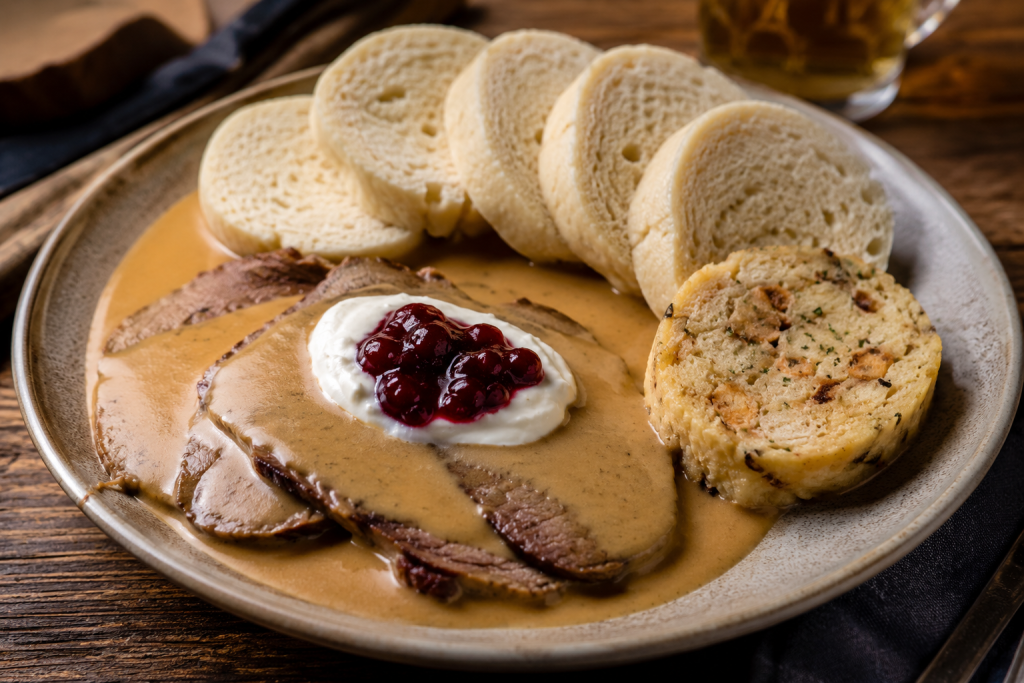
- Svíčková
- Goulash
- Trdelník
- Czech dumplings
- roast pork dishes
- local beer
- open-faced sandwiches
- pastries from local bakeries
Some dishes are quite heavy, especially compared to Mediterranean food, but that is part of Czech food culture.
If you are used to lighter Mediterranean-style food, traditional Czech dishes may feel much heavier than expected, especially after a full meal.
Getting Around Prague
Prague is one of the easier European cities to navigate.
This was something I appreciated almost immediately.
Use Public Transport
Prague’s:
- trams
- metro
- buses
are affordable, reliable, and easy to use.
One thing I quickly learned is that Prague’s public transport works on a ticket-validation system, so simply buying a ticket is not enough in some situations.
Make sure your ticket is properly validated before using public transport, because inspectors do check and fines can happen unexpectedly.
Honestly, I found public transportation better than using taxis in many situations.
Walking Is Often Better Than You Think
Many of Prague’s best attractions are surprisingly close together.
Some of the best parts of the city are the streets between the attractions, not only the landmarks themselves.
Walking often ended up being the best part of the day.
Which Prague Airport Should You Use?
Prague mainly uses:
- Václav Havel Airport Prague (PRG)
The airport is relatively easy to reach from the city compared to many European capitals.
Still, I would recommend leaving enough time before flights, especially during busy travel periods.
Common Tourist Mistakes in Prague
Common Tourist Scams to Avoid
Most people in Prague are friendly, but like any major tourist city, a few scams still exist.
Common ones include:
- overpriced taxis
- exchange offices with poor rates
- tourist restaurants with inflated prices
- people charging too much in very tourist-heavy areas
One thing I would strongly recommend is avoiding random currency exchange places in the tourist center without checking rates first.
Only Staying in Old Town All Day
Old Town is beautiful, but Prague becomes much more interesting once you explore beyond the busiest streets.
Neighborhoods like:
- Malá Strana
- Vinohrady
- riverside areas
often felt more memorable.
Overplanning Every Hour
Prague is not a city that works best when rushed.
Some of my favorite moments happened completely by accident while wandering through quiet streets with no plan.
Visiting Charles Bridge Too Late
This sounds simple, but timing changes the experience completely.
Early mornings felt magical.
Late mornings felt crowded.
Not Checking Opening Hours
One thing worth remembering is that some smaller shops, cafés, or attractions may have different opening hours, especially on Sundays or during holidays.
Double-checking opening times can save unnecessary frustration.
Is Prague Safe?
Overall, I felt safe in Prague.
There were still a few moments where busy tourist areas felt slightly overwhelming, especially in crowded central streets, but nothing that felt genuinely unsafe.
Like any major European city, you should still stay aware in crowded places.
The most common issues are usually:
- pickpocketing in tourist areas
- overpriced taxis
- exchange scams
Most central neighborhoods stay active late into the evening.
Internet & SIM Cards in Prague
Having mobile internet in Prague helped much more than I expected.
The city is walkable, but maps and public transport apps became useful almost every day.
Many travelers now use eSIM services instead of buying physical SIM cards at the airport because airport prices are often more expensive.
If your phone supports eSIM, setting everything up before arriving can save time and stress.
Easy Day Trips From Prague
Karlovy Vary
Elegant spa town with beautiful architecture and relaxing atmosphere.
Kutná Hora
Historic town famous for the Sedlec Ossuary and Gothic architecture.
Český Krumlov
One of the most beautiful fairytale towns in the Czech Republic.
Final Thoughts
Prague is one of those cities that somehow feels beautiful without trying too hard.
It is elegant, historic, atmospheric, romantic, and surprisingly easy to enjoy.
But what stayed with me most was not only the famous landmarks.
It was the quieter moments.
Morning streets before crowds arrived.
River reflections at sunset.
Hidden cafés behind old buildings.
Church bells echoing through the city.
The feeling that even an ordinary walk could suddenly become memorable.
Few cities feel this atmospheric.
And once you experience Prague properly, it becomes very easy to understand why so many travelers keep coming back.
Prague is not the kind of place that gives you an adrenaline-filled trip every hour.
But it is one of those rare cities that quietly stays in your mind long after you leave.
Simple 3-Day Prague Itinerary
Day 1
Old Town, Astronomical Clock, Charles Bridge
Day 2
Prague Castle, Malá Strana, Petřín Hill
Day 3
Vltava River walk, cafés, local neighborhoods
Explore More Europe Travel Guides
If Prague made you fall in love with Central Europe, these destinations are also worth adding to your list:
- Budapest Travel Guide – thermal baths, Danube views, and one of Europe’s best city breaks
- Vienna Travel Guide – imperial architecture, coffee houses, and elegant streets
- Brno Travel Guide – a relaxed Czech city with local charm and fewer crowds
- London Travel Guide – iconic landmarks, museums, and one of Europe’s most exciting capitals
- Karlovy Vary Travel Guide – spa town charm and beautiful historic streets
- Croatia Travel Guide – coastal cities, islands, and summer escapes
- Amsterdam Travel Guide – canals, culture, and laid-back city vibes
FAQ
Is Prague worth visiting for first-time travelers?
Yes. Prague is one of Europe’s best city-break destinations for history, architecture, cafés, and walkable sightseeing.
How many days do you need in Prague?
Most travelers should spend 3 to 4 days in Prague for a balanced first visit.
What is the best area to stay in Prague?
Old Town is best for first-time visitors, while Malá Strana and Vinohrady offer a more atmospheric local feel.
Is Prague expensive for tourists?
Prague can still offer relatively good value compared to many Western European capitals, especially outside the main tourist areas.
Is Prague safe for tourists?
Overall, Prague is generally safe for tourists, especially in central areas, but basic awareness in crowded places is always important.
Can you drink tap water in Prague?
Yes. Tap water in Prague is generally safe to drink, and many travelers use it instead of constantly buying bottled water.