
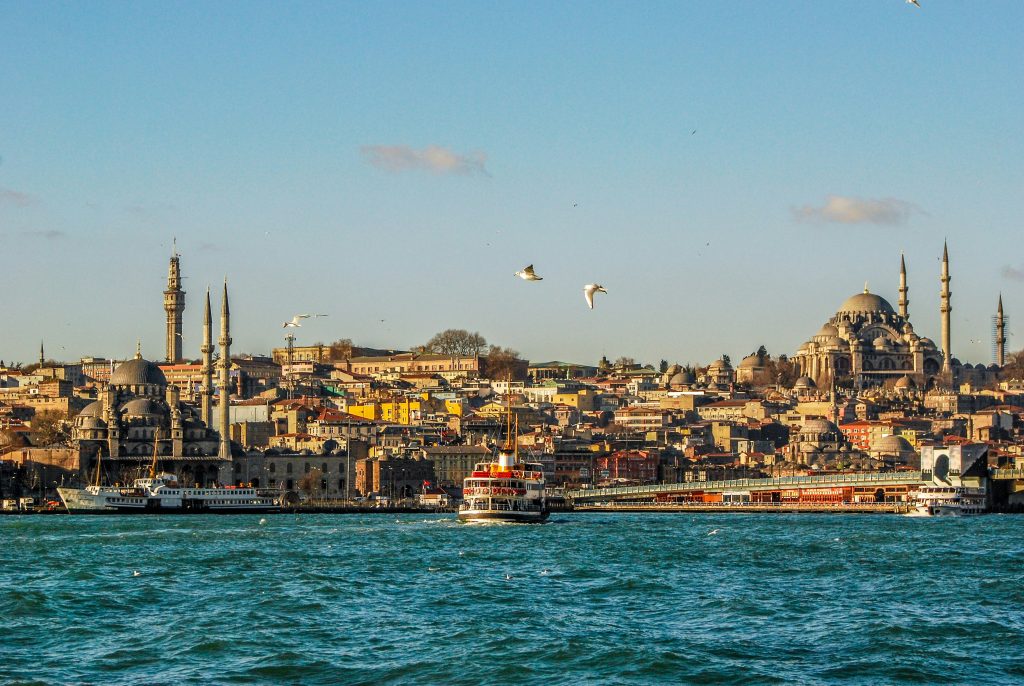
There are some cities that impress you with famous landmarks, and then there are cities that completely change the atmosphere of your trip. Istanbul felt like the second type to me.
Before visiting, I expected beautiful mosques, busy bazaars, and good food. What I did not expect was how much personality the city would have. Istanbul constantly feels alive. Ferries move across the Bosphorus all day, the smell of grilled food comes from almost every street corner, and every neighborhood somehow feels like a completely different city.
At first, Istanbul can feel overwhelming. The traffic is chaotic, the streets are crowded, and there is always noise somewhere in the background. But after a day or two, the city starts making sense. You stop trying to control every part of the trip and simply enjoy the atmosphere.
That is usually when people begin falling in love with Istanbul.What surprised me most was how quickly Istanbul changed from one moment to the next. One hour felt calm and atmospheric near the Bosphorus, while the next felt loud, chaotic, and full of energy around the bazaars and busy streets. Very few cities feel this dynamic all day long.
This guide covers everything you should know before visiting, including where to stay, the best things to do, realistic travel costs, mistakes tourists often make, safety tips, transportation advice, and the small details I genuinely wish I knew before going.
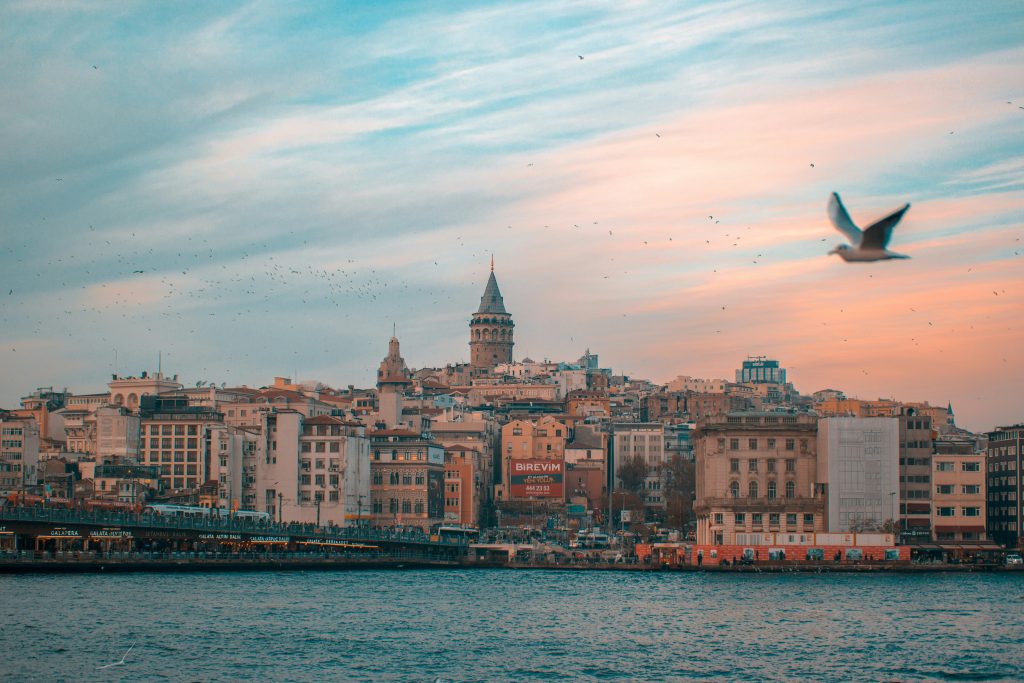
Is Istanbul Worth Visiting?
Honestly, yes — and probably more than most people expect.
A lot of popular destinations today look incredible online but feel disappointing in real life because they are overcrowded, overpriced, or simply overhyped. Istanbul felt different. The city has a kind of energy that is difficult to explain until you experience it yourself.
One of the things I noticed quickly was how unpredictable the city feels in a good way. You can walk through a crowded tourist street filled with souvenir shops, turn one corner, and suddenly find quiet cafés, old apartment buildings, local bakeries, and views over the Bosphorus that barely appear in travel videos.
That contrast is what makes Istanbul memorable.
The city also offers something that very few destinations can:
- a mix of Europe and Asia
- world-famous history and modern culture at the same time
- affordable local food
- luxury hotels beside traditional neighborhoods
- busy nightlife and quiet local streets within minutes of each other
It is not a perfect city. Some areas are noisy, traffic can become frustrating, and popular attractions get crowded very quickly. But Istanbul feels real, and that authenticity is exactly why so many travelers end up loving it.
Best Time to Visit Istanbul
If I had to choose the perfect months to visit Istanbul, I would say:
- April to May
- September to October
The weather during these months feels much more comfortable for exploring the city on foot, and you avoid the extreme summer heat that can make sightseeing exhausting.
Visiting Istanbul in Spring
Spring honestly feels like the city waking up again after winter.
People spend more time outside, rooftop cafés become busy again, and walking around neighborhoods like Karaköy, Balat, and Sultanahmet becomes much more enjoyable.
The temperatures are usually ideal for long walking days without constantly needing breaks from the heat.
Visiting Istanbul in Summer
Summer is exciting, but it can also feel intense.
The city becomes crowded very quickly, especially around:
- Hagia Sophia
- Blue Mosque
- Grand Bazaar
- Galata area
Some afternoons feel extremely hot, particularly if you spend hours walking uphill through busy streets.
At the same time, summer sunsets over the Bosphorus are genuinely beautiful and probably some of the best views in the city.
Visiting Istanbul in Autumn
Autumn might actually be the best balance overall.
The weather stays warm enough for ferries, rooftop dinners, and long evening walks, but the city feels slightly calmer compared to peak summer.
The atmosphere also feels more relaxed.
Visiting Istanbul in Winter
Winter completely changes the mood of Istanbul.
Rain, fog over the Bosphorus, quieter streets, and warm cafés make the city feel more atmospheric and local. It is not the ideal season for perfect weather, but it can still be a very memorable time to visit.
Hotel prices are usually lower during this period as well.
How Many Days Do You Need in Istanbul?
I think 4 to 5 days is ideal for a first trip.
Technically, you can see the major attractions in 2 or 3 days, but Istanbul becomes much more enjoyable once you stop rushing.
Some of my favorite moments were not famous landmarks at all.
They were small moments like:
- drinking Turkish tea near the ferry terminal
- getting lost in side streets around Balat
- sitting on a rooftop while listening to the evening call to prayer
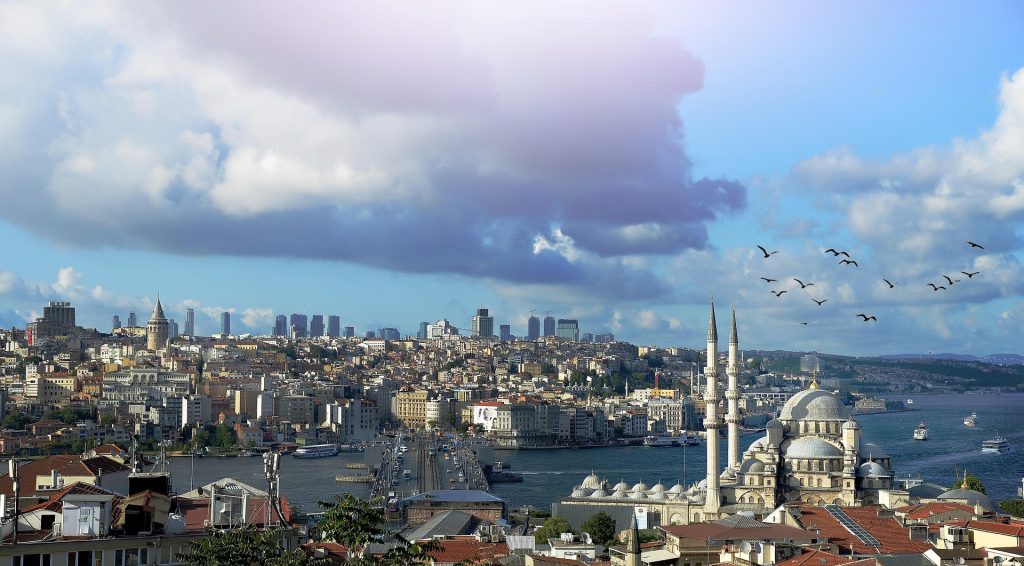
- watching locals fish from the Galata Bridge at sunset
If you overplan every hour in Istanbul, you miss part of what makes the city special.
Best Things to Do in Istanbul
Visit Hagia Sophia
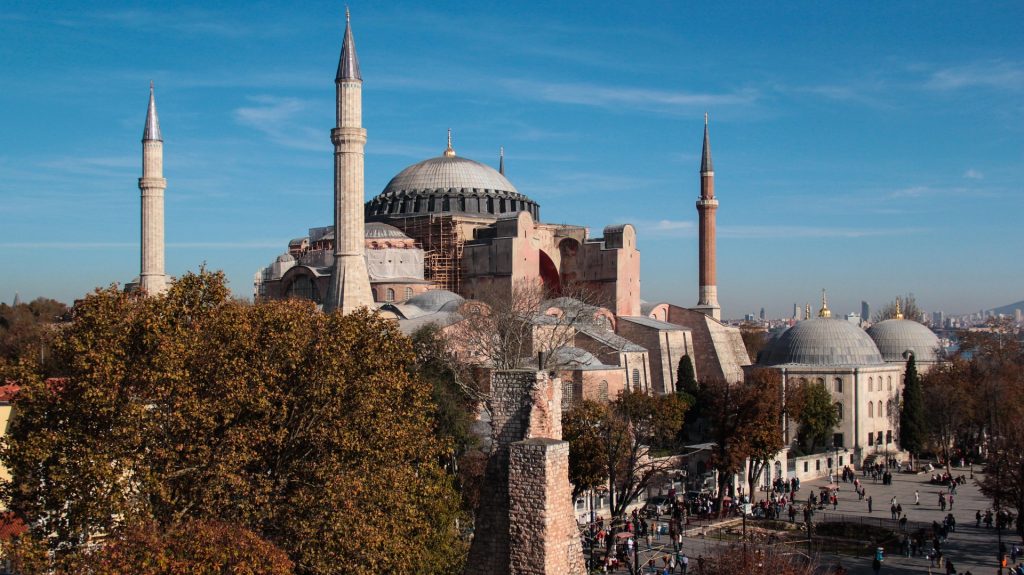
Hagia Sophia is one of those places that actually feels more impressive in real life than in photos.
The scale of the building is difficult to understand until you step inside. Even with large crowds, the atmosphere still feels powerful and surprisingly calm.
What makes Hagia Sophia unique is not only its architecture but also its history. Few buildings in the world represent so many different historical periods at once.
If possible, try visiting early in the morning because the area becomes extremely crowded later in the day.
Explore the Blue Mosque
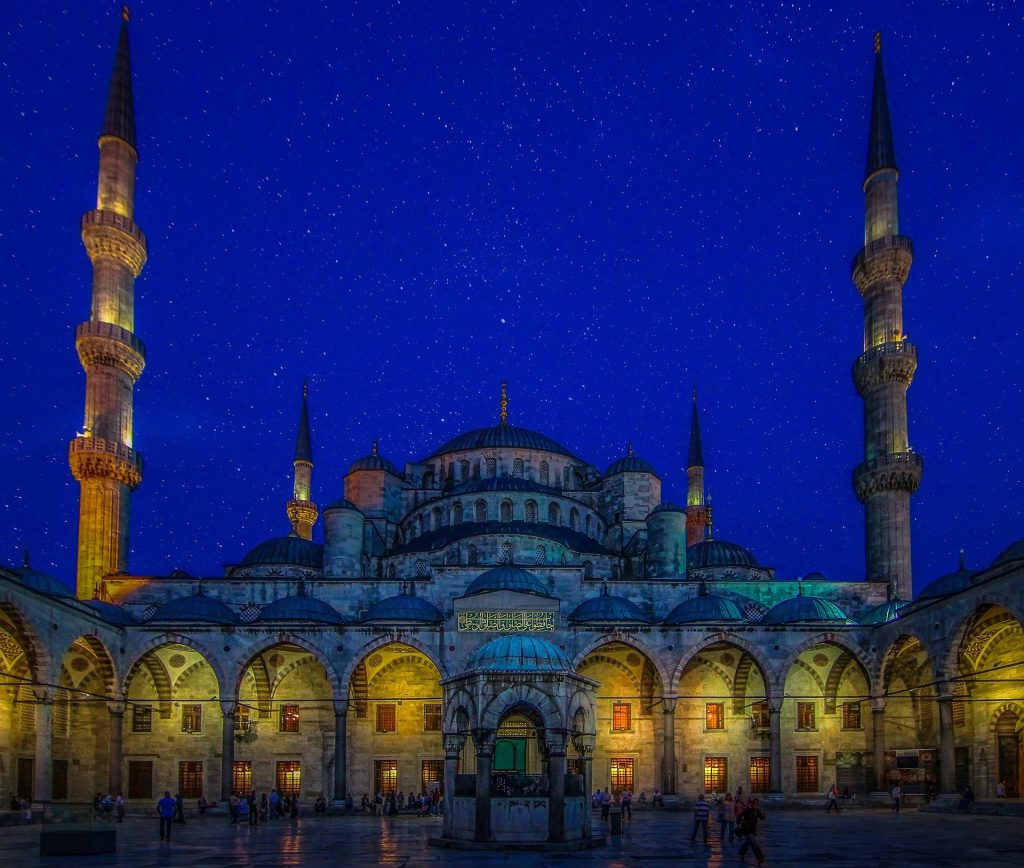
Right across from Hagia Sophia is Blue Mosque.
The outside is beautiful, but what stood out to me most was the atmosphere inside. The natural light coming through the windows combined with the blue interior details creates a peaceful feeling despite how busy the city outside can be.
Since it is still an active mosque, remember to dress respectfully.
Walk Through the Grand Bazaar
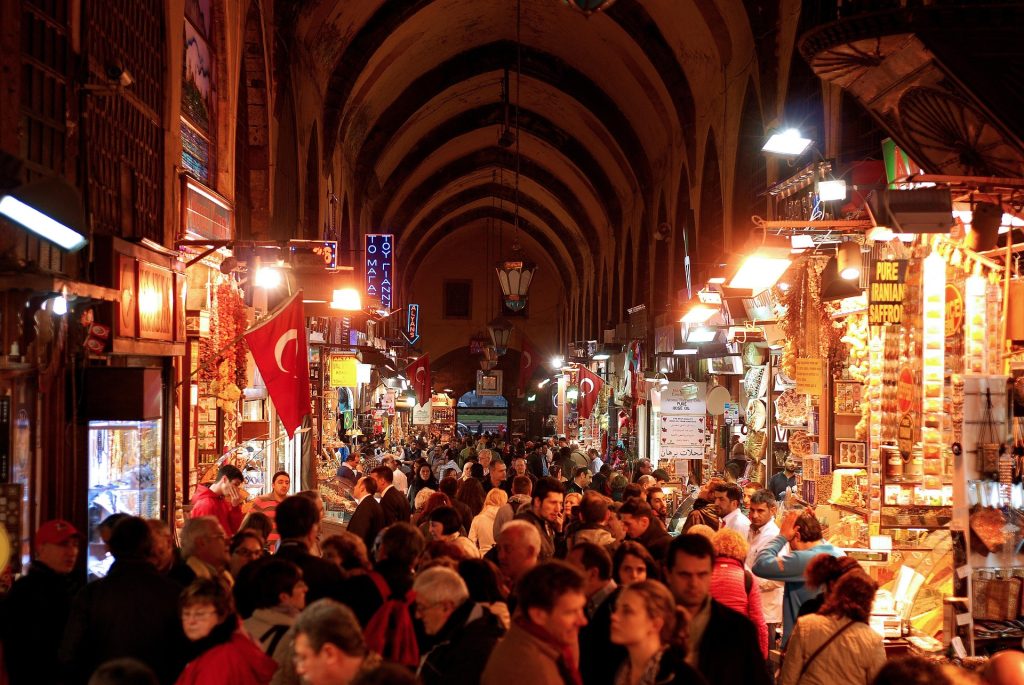
Grand Bazaar feels chaotic, crowded, loud, and somehow incredibly fun at the same time.
At first, it almost feels impossible to navigate because every corridor looks similar. But after some time, you stop worrying about directions and simply enjoy the atmosphere.
Inside you will find:
- Turkish lamps
- spices
- ceramics
- carpets
- jewelry
- leather products
- souvenirs
Some sellers can be very persistent, but most interactions are friendly once you relax and talk normally.
Even if you do not buy anything, it is still worth experiencing because it feels like part of Istanbul’s identity.
Take a Bosphorus Ferry Ride
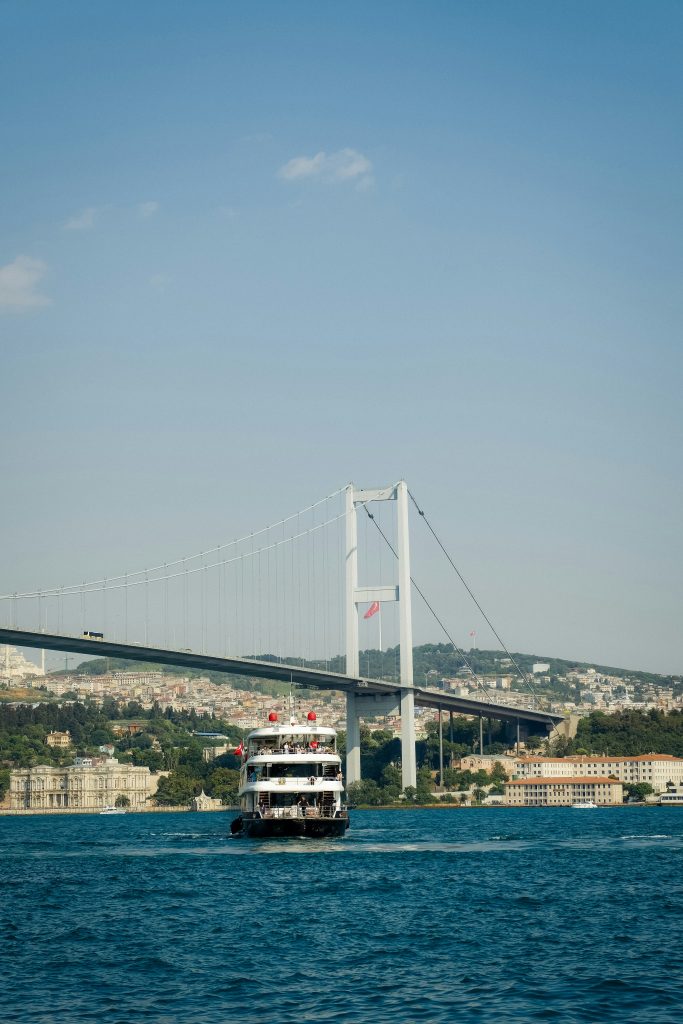
This was honestly one of my favorite experiences in the city.
Many travelers book expensive tours, but regular public ferries already offer incredible views for very little money.
Watching Istanbul from the water gives you a completely different perspective of the city. You see mosques, palaces, modern buildings, and neighborhoods stretching across both continents at the same time.
I still think sunset is the best time for this.
The skyline starts glowing, ferries become quieter, and the atmosphere feels completely different compared to the busy streets.
Visit Galata Tower
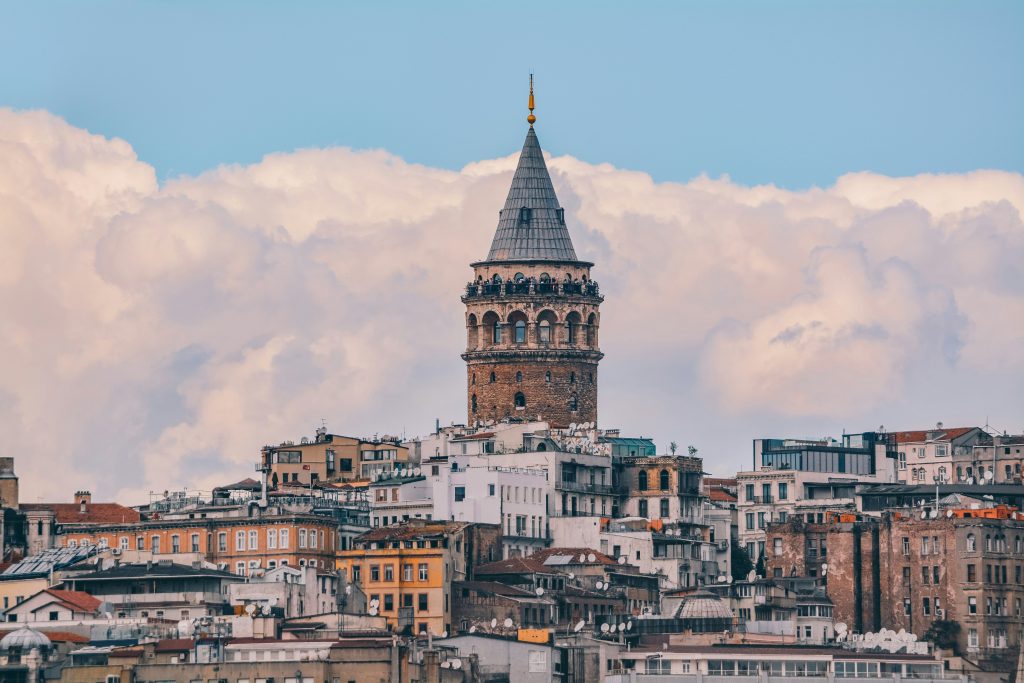
Galata Tower offers one of the best panoramic views in Istanbul.
But honestly, the surrounding neighborhood ended up being just as memorable for me as the tower itself.
The streets around Galata are filled with:
- cafés
- rooftop restaurants
- small shops
- steep alleyways
- local bakeries
- photography spots
It is one of the best areas in the city for simply walking around without a strict plan.
Explore Balat
Balat feels completely different from the polished tourist areas.
The neighborhood is famous for colorful buildings and cafés, but what I liked most was that parts of it still felt genuinely local.
Laundry hangs from balconies, old men sit outside small shops drinking tea, and many streets still feel residential rather than built entirely for tourism.
It feels less perfect and more authentic.
Spend Time on the Asian Side
One of the biggest mistakes tourists make is never visiting the Asian side of Istanbul.
Neighborhoods like Kadıköy feel more relaxed, modern, and local compared to the crowded historic center.
The cafés, restaurants, and atmosphere here felt less tourist-focused and more natural overall.
Even if you only spend half a day here, it is absolutely worth crossing the Bosphorus.
Not Every Rooftop Café Is Worth It
Istanbul is full of rooftop cafés and restaurants, but not all of them are worth visiting.
Some places rely mostly on the view and charge tourist prices for average food and drinks.
In my experience, the best rooftop spots were usually the quieter ones slightly away from the main tourist streets.
Where to Stay in Istanbul
Choosing the right area matters more in Istanbul than in many other cities because the city is enormous.
Istanbul Is More Hilly Than It Looks
One thing I genuinely underestimated before visiting Istanbul was how steep some streets are.
Areas like Galata and Karaköy involve much more uphill walking than many travelers expect.
Comfortable shoes make a huge difference here, especially if you plan to explore multiple neighborhoods in one day.
Sultanahmet – Best for First-Time Visitors
If this is your first time visiting Istanbul, Sultanahmet is probably the easiest choice.
You stay close to:
- Hagia Sophia
- Blue Mosque
- Topkapi Palace
- Grand Bazaar
The area is touristy, but being able to walk almost everywhere saves a lot of time and energy.
Karaköy – Best Overall Area
Karaköy personally felt like the best balance in the city.
It has:
- modern cafés
- ferry connections
- rooftop restaurants
- nightlife
- walkable streets
- good views
It also feels more modern and creative compared to Sultanahmet.
Taksim – Best for Nightlife
Taksim Square is busy almost all day and night.
Some travelers love the nonstop energy, while others find it overwhelming after a while.
If you enjoy nightlife, shopping, and busy city life, this area makes sense.
Kadıköy – Best Local Experience
Kadıköy feels calmer and more local.
I would especially recommend it for travelers who:
- enjoy café culture
- prefer local neighborhoods
- want fewer tourist crowds
- already visited Istanbul before
Real Travel Costs in Istanbul
Compared to many major European cities, Istanbul still offers relatively good value.
Average Daily Budget
- Budget travel: €40–70
- Mid-range travel: €80–150
- Luxury travel: €250+
Typical Prices
- Street food: €2–5
- Restaurant meals: €8–20
- Coffee: €2–4
- Public transportation: around €1
- Mid-range hotels: €80–150
One thing that genuinely surprised me was how good some inexpensive local restaurants were. Some of my favorite meals ended up costing less than a coffee in other European cities.
Food You Should Try in Istanbul
Food is one of the strongest reasons to visit Istanbul.
I expected the food to be good before visiting, but I honestly did not expect even small local restaurants to serve meals that tasted better than many expensive places I have tried in Europe.
Even quick street food often tasted better than full restaurant meals I have had in other countries.
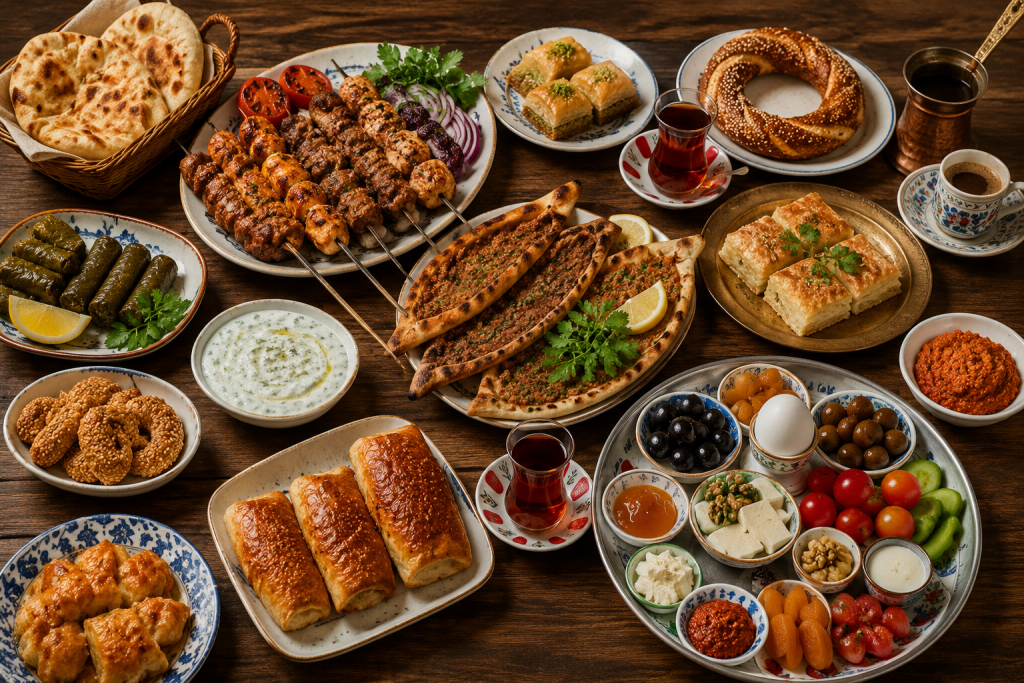
Some foods worth trying:
- kebabs
- baklava
- simit
- Turkish breakfast
- lahmacun
- Turkish tea
- Turkish coffee
Turkish breakfast especially stood out because it feels less like a meal and more like a long social experience.
Getting Around Istanbul
Istanbul is huge, but public transportation is actually very useful once you understand it.
Which Istanbul Airport Should You Use?
One thing that confused me before visiting Istanbul was how far the airports actually are from the city center.
Istanbul has two main airports:
- Istanbul Airport (IST) on the European side
- Sabiha Gökçen Airport (SAW) on the Asian side
What many travelers do not realize is that both airports can feel surprisingly far depending on traffic.
Even though the distance may not look extreme on Google Maps, traffic in Istanbul can completely change travel times.
If your hotel is on the European side, Istanbul Airport is usually more convenient. If you stay around Kadıköy or the Asian side, Sabiha Gökçen can be easier.
I would also recommend avoiding very tight airport schedules because traffic delays are common.
Use Ferries Whenever Possible
This is probably my biggest recommendation.
The ferries are:
- affordable
- scenic
- practical
- often less stressful than taxis
Sometimes the ferry rides became one of the best parts of the entire day.
One of my favorite small experiences in Istanbul was simply sitting outside on the ferry with Turkish tea while watching the skyline slowly disappear behind the water.
Avoid Traffic During Rush Hour
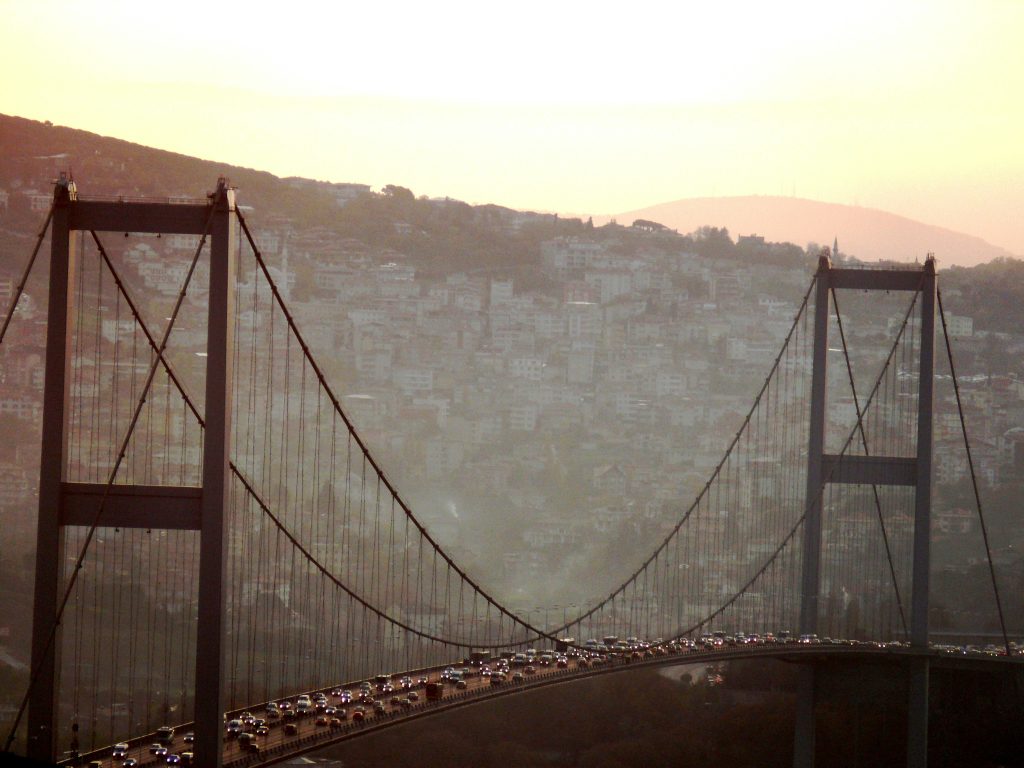
Traffic in Istanbul can become exhausting surprisingly fast.
Sometimes a short taxi ride takes far longer than expected, especially during busy evening hours.
Public transportation is often the better option.
Common Tourist Mistakes in Istanbul
Common Tourist Scams to Avoid
Most people in Istanbul are friendly, but there are still a few tourist scams worth knowing about before visiting.
One of the most common involves taxi drivers avoiding the meter or claiming card payments do not work.
Another common situation happens near tourist areas where strangers suddenly start conversations and invite tourists to bars or clubs with heavily inflated prices afterward.
I never felt unsafe personally, but staying aware and using common sense makes the trip much smoother.
Trying to See Too Much Too Quickly
Istanbul is not a city that feels enjoyable when every hour is planned.
The best experiences often happen randomly while exploring neighborhoods or stopping at small cafés.
Staying Too Far From the Center
Some travelers book cheaper hotels far outside the city and end up spending hours commuting every day.
For first-time visitors, staying central is usually worth the extra cost.
Only Visiting Tourist Attractions
The famous landmarks are absolutely worth seeing, but Istanbul becomes much more interesting once you explore neighborhoods beyond the main tourist areas.
Ignoring the Asian Side
A lot of tourists never cross to the Asian side, which honestly feels like missing an important part of the city.
Is Istanbul Safe?
Overall, I felt safe in Istanbul.
There were still a few moments where the city felt slightly overwhelming, especially in extremely crowded areas near major attractions, but nothing that felt genuinely unsafe.
Like any major city, you should still stay aware in crowded places and avoid obvious scams, especially around tourist-heavy areas.
The most common issues are usually:
- overpriced taxis
- tourist scams
- crowded public transportation areas
Most central neighborhoods stay active late into the evening, which also makes the city feel safer compared to quieter destinations.
Internet & SIM Cards in Istanbul
Having mobile internet in Istanbul helped much more than I expected.
The city is huge, streets can become confusing quickly, and Google Maps became essential almost every day.
Many travelers now use eSIM services instead of buying physical SIM cards at the airport because airport prices are often noticeably more expensive.
If your phone supports eSIM, setting everything up before arriving in Istanbul can save both time and stress.
Final Thoughts
Istanbul is not the kind of city that feels calm, polished, or perfectly organized all the time.
It is loud, crowded, busy, emotional, unpredictable, and sometimes exhausting.
But somehow, those are exactly the reasons why it feels unforgettable.
What stayed with me most after visiting was not only the famous landmarks. It was the atmosphere of everyday life — ferries crossing between continents, rooftop views at sunset, small cafés hidden inside old streets, and the feeling that every neighborhood had a completely different personality.
Few cities feel this alive.
And once you experience Istanbul properly, it becomes very easy to understand why so many people keep coming back.
Istanbul is not the kind of place that gives you a perfect, relaxing trip every single day. But it is one of those rare cities that stays in your mind long after you leave.
Explore More
If you are planning a longer trip, you may also enjoy:
FAQ
Is Istanbul worth visiting for first-time travelers?
Yes. Istanbul offers a mix of history, food, culture, nightlife, and local experiences that very few cities can match.
How many days do you need in Istanbul?
Most travelers should spend at least 4 to 5 days in Istanbul to experience both the main attractions and different neighborhoods.
What is the best area to stay in Istanbul?
Sultanahmet is best for first-time visitors, while Karaköy and Kadıköy offer a more modern and local atmosphere.
Is Istanbul expensive for tourists?
Compared to many major European cities, Istanbul can still be relatively affordable, especially for food and transportation.
Is Istanbul safe for tourists?
Overall, Istanbul is generally safe for tourists, especially in busy central areas. Like any large city, staying aware in crowded places is important.