Some cities impress you because they are beautiful. Others stand out because they simply work so well. And then there are cities like Singapore.
Before visiting, I expected a modern skyline, rooftop pools, famous attractions, luxury shopping, and one of the cleanest cities in the world. What I did not expect was how different Singapore would feel in real life.
First Impressions of Singapore
Singapore does not feel chaotic the way many big cities do. Instead, it feels organized, efficient, tropical, and strangely futuristic in a way that photos do not fully capture.
One moment you are surrounded by glass skyscrapers and rooftop infinity pools. A little later, you are eating incredible local food at a hawker centre for surprisingly affordable prices.
Then suddenly you find yourself walking through tropical gardens, colorful neighborhoods, old temples, waterfront promenades, and some of the cleanest streets you will probably ever see in a major city.
That contrast was one of the things that surprised me most.
Singapore feels modern and polished, but it does not feel empty. It still has culture, and different neighborhoods feel completely different from one another.
Chinatown does not feel like Marina Bay. Little India does not feel like Orchard Road. Sentosa does not feel like the city center.
That variety is part of what makes Singapore more interesting than many travelers expect.
What stayed with me most was not only how impressive the city looked, but how easy everything felt.
Public transport works. The airport feels unreal. Walking around at night feels comfortable. Food is everywhere.
And even though Singapore has a reputation for being expensive, it can surprise you in both good and bad ways depending on how you travel.
This guide covers everything you should know before visiting Singapore, including where to stay, travel costs, food, safety tips, common mistakes, local rules tourists should know, and the things I genuinely wish I knew before going.
Is Singapore Worth Visiting?
Honestly, yes — especially if you enjoy cities.
Singapore is not the kind of destination people visit for beaches or old European-style charm.
People usually come for something different.
A mix of:
- futuristic city views
- amazing food
- clean streets
- efficient travel
- tropical weather
- iconic attractions
- cultural neighborhoods
- easy city travel
What surprised me most was how comfortable Singapore felt.
Big cities often feel stressful.
Singapore somehow manages to feel busy and calm at the same time.
It is one of those places where simple things become enjoyable.
Walking at night.
Taking the MRT.
Stopping at food stalls.
Watching the skyline light up.
Sitting by Marina Bay after sunset.
Even ordinary moments can feel memorable.
That said, Singapore is not a city everyone experiences the same way.
Some travelers absolutely love it.
Others feel it is:
- expensive
- too modern
- less “wild” than other Asian destinations
Personally, I think Singapore works best when you enjoy cities that are easy to explore and beautifully designed.
Who Will Enjoy Singapore Most?
Singapore is not the kind of place every traveler visits for the same reason.
I think people who enjoy:
- modern cities
- food
- architecture
- clean urban spaces
- easy travel
- luxury experiences
- photography
- city skylines
- cultural neighborhoods
- tropical city breaks
will probably love Singapore.
It is especially good for travelers who want a city that feels:
safe
organized
easy to navigate
comfortable for first-time Asia travel
On the other hand, travelers looking for:
- cheap backpacker destinations
- wild nightlife cities
- beach holidays
- slower cultural village-style travel
may prefer other parts of Southeast Asia more.
Personally, Singapore felt like a city that impresses people who appreciate how well everything works.
Best Time to Visit Singapore
Singapore is warm all year.
This surprises some first-time visitors because many people expect a “dry season vs cold season” type of climate.
Singapore does not really work like that.
It stays tropical almost all year.
If I had to choose some of the better periods, I would say:
- February to April
- July to September
These months often feel slightly more comfortable for sightseeing.
But Singapore is truly a year-round destination.
Visiting Singapore in Early Year
This period can feel warm, humid, and generally good for city exploring.
Rain showers still happen, but sightseeing is usually manageable.
This is a popular time for:
- Marina Bay walks
- city exploring
- rooftop views
- Sentosa visits
- outdoor attractions
Visiting Singapore in Mid-Year
This can be a very good balance period for travelers.
Warm weather remains, but sightseeing often feels a little easier compared to heavier rainy stretches.
Tourism remains active, but Singapore is efficient enough that crowds usually feel manageable.
Visiting Singapore in Rainier Months
Rain is part of Singapore life.
This is one of the biggest weather realities first-time visitors should understand.
Rain can arrive quickly.
Heavy tropical showers happen.
But they also often pass faster than people expect.
Singapore is built in a way that makes rainy weather easier to deal with than many tropical destinations.
Weather in Singapore Feels More Humid Than People Expect
This was one of the biggest things I noticed.
Singapore is not just warm.
It is humid.
That is very different.
Walking outside for a long time can feel much more exhausting than the temperature alone suggests.
Many first-time visitors underestimate this.
Even if you normally handle heat well, Singapore’s humidity can make city walking feel tiring faster than expected.
Personally, I think this is one of the biggest practical things to know before visiting.
How Many Days Do You Need in Singapore?
I think 3 to 4 days is ideal for most first-time visitors.
That gives you enough time to:
- explore the main attractions
- enjoy the skyline
- try different neighborhoods
- experience the food properly
- visit Sentosa
- enjoy some slower city moments
Technically, you can see highlights in 2 days.
But Singapore feels much better when you do not rush.
Some of my favorite moments were not attractions at all.
They were simple things like:
- evening waterfront walks
- eating at hawker centres
- seeing the skyline after dark
- wandering through neighborhoods
Singapore rewards slower exploring more than people expect.
Best Things to Do in Singapore
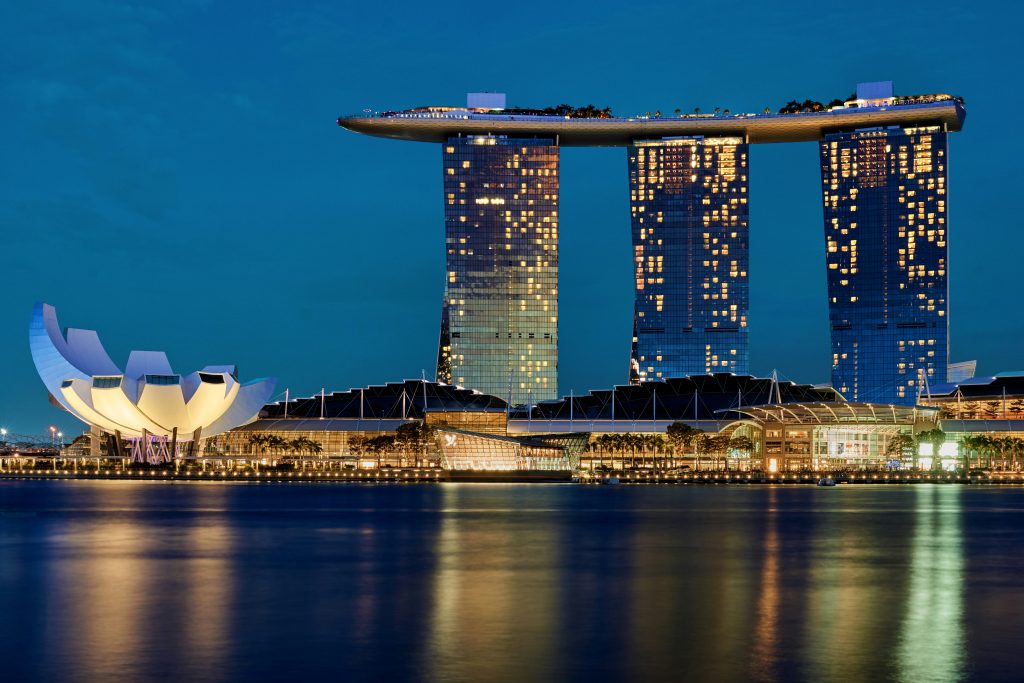
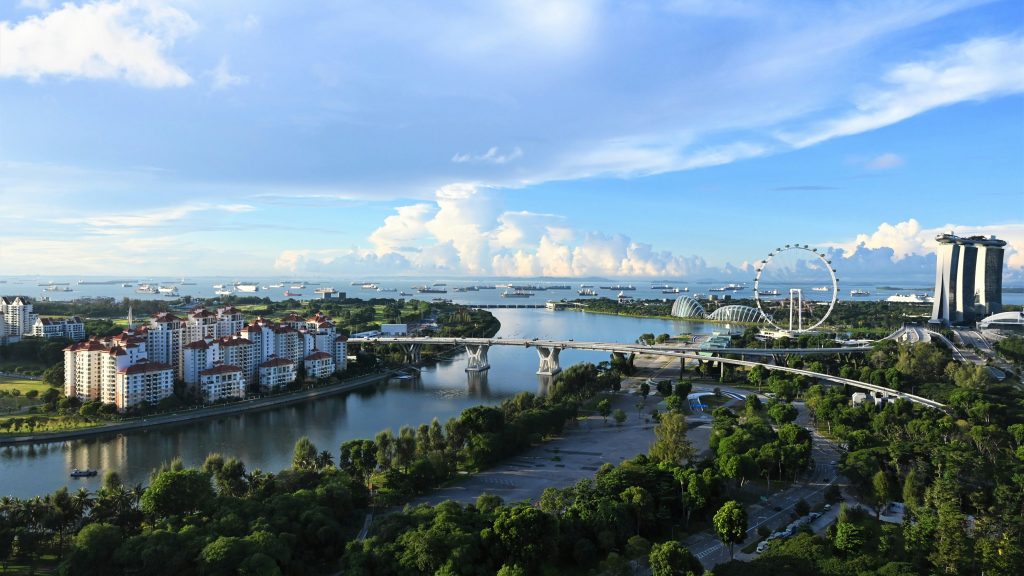
Explore Marina Bay
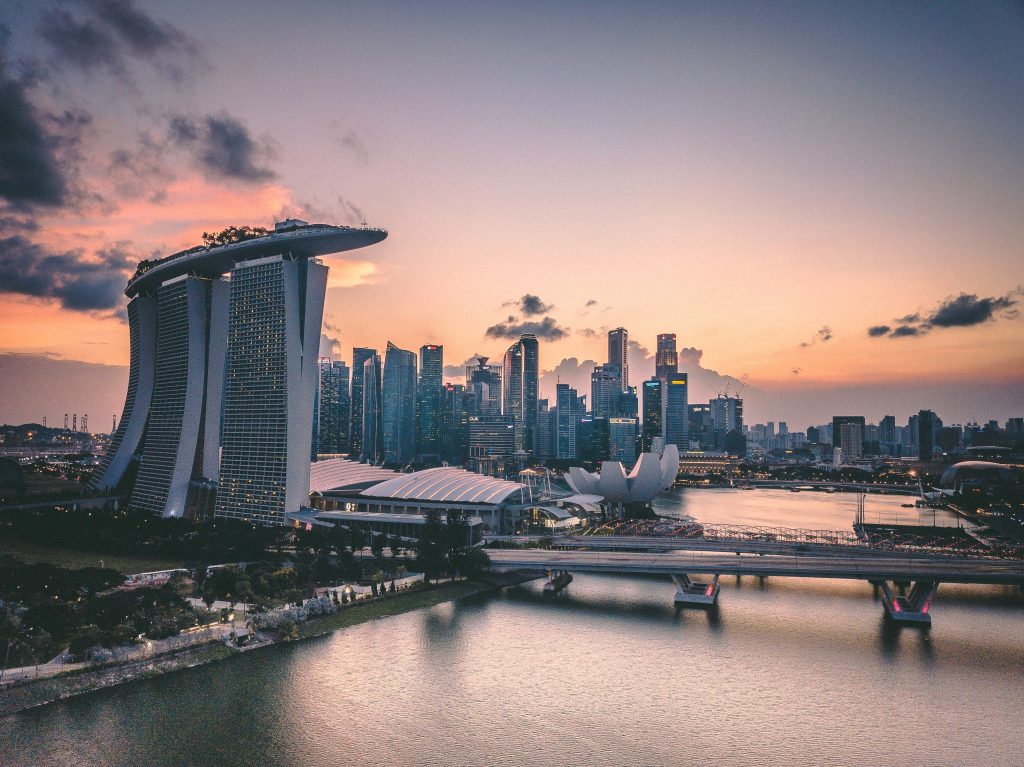
This is one of the places that gives Singapore its famous image.
The skyline.
The waterfront.
The city lights.
The futuristic architecture.
It all feels very “Singapore.”
Personally, I think Marina Bay feels best in the evening when the city lights begin to reflect on the water.
Visit Gardens by the Bay
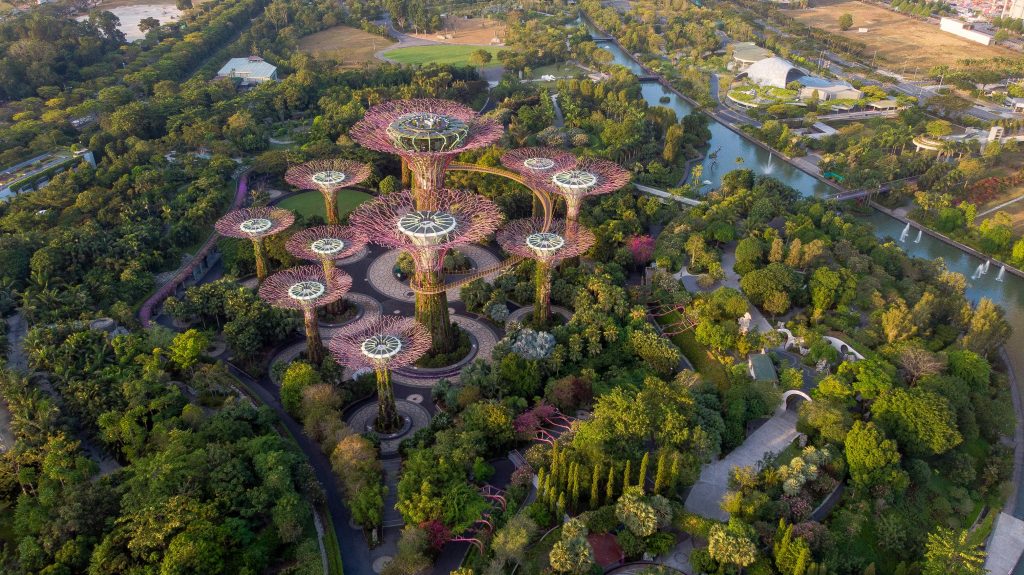
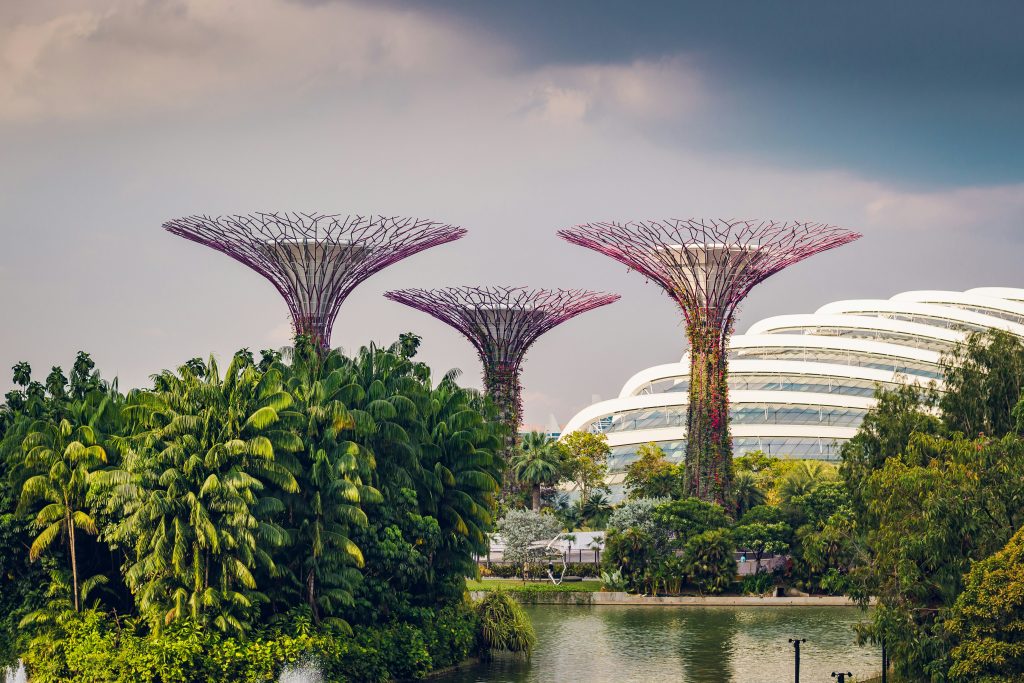
This is one of Singapore’s most famous attractions, and honestly, it does feel impressive in real life.
The Supertrees, gardens, skyline backdrop, and futuristic design make it feel unlike most city parks.
At night, the atmosphere becomes even better.
See Singapore After Dark
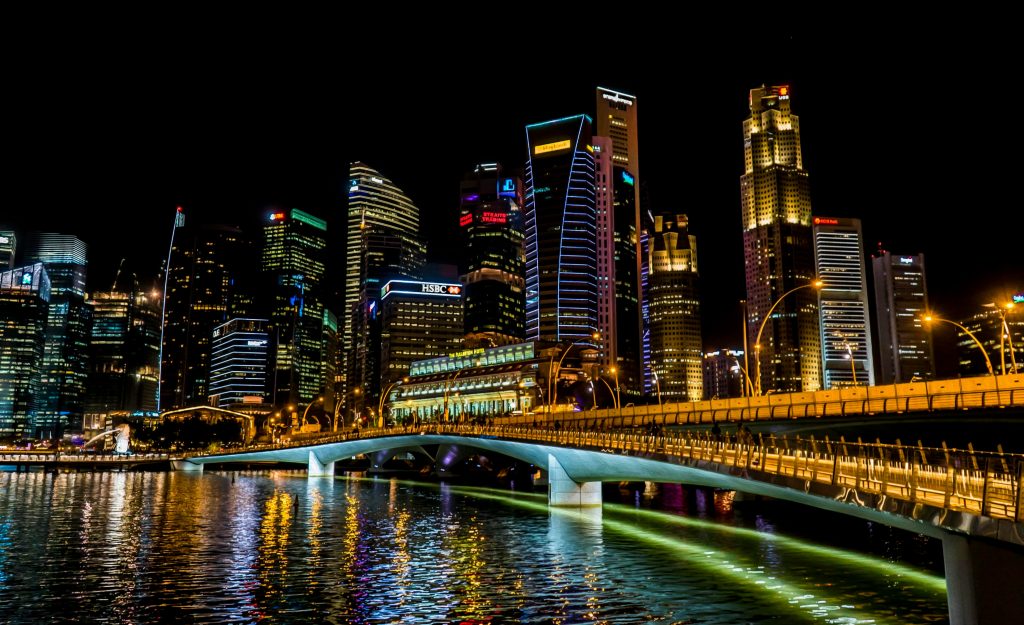
One thing that surprised me was how much Singapore changes at night.
The city lights.
The skyline reflections.
The waterfront.
The rooftop bars.
The warm tropical air.
Singapore feels very photogenic after sunset.
Some cities look better during the day.
Singapore often feels more dramatic at night.
Visit Sentosa
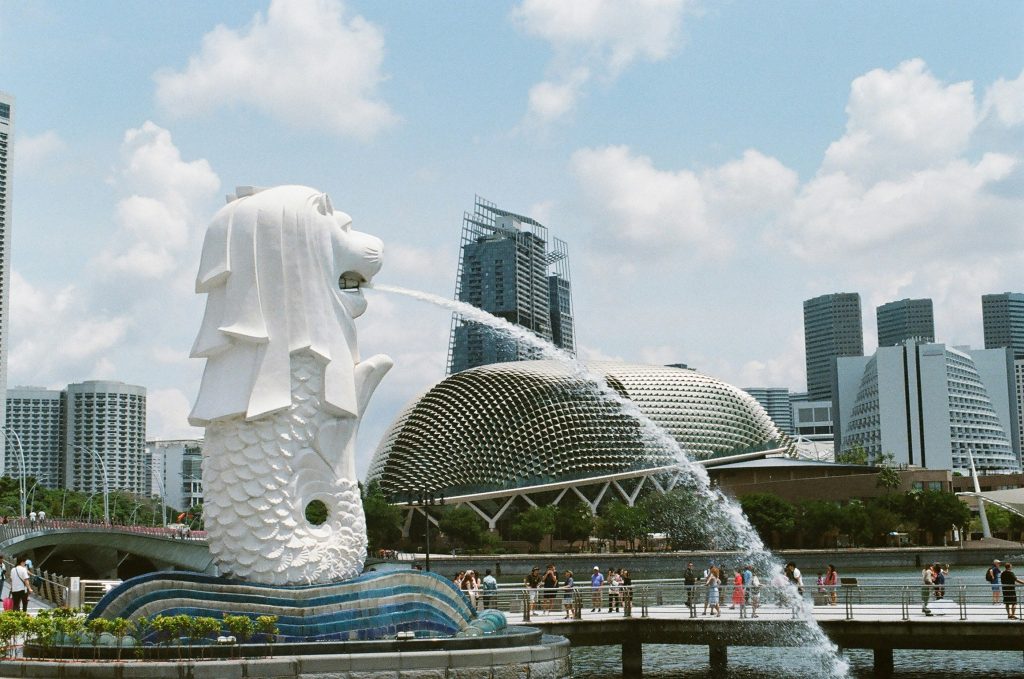
Sentosa is Singapore’s entertainment island and works well if you want a break from city streets.
Beaches, attractions, resorts, cable cars, and day-trip style activities make it feel very different from downtown Singapore.
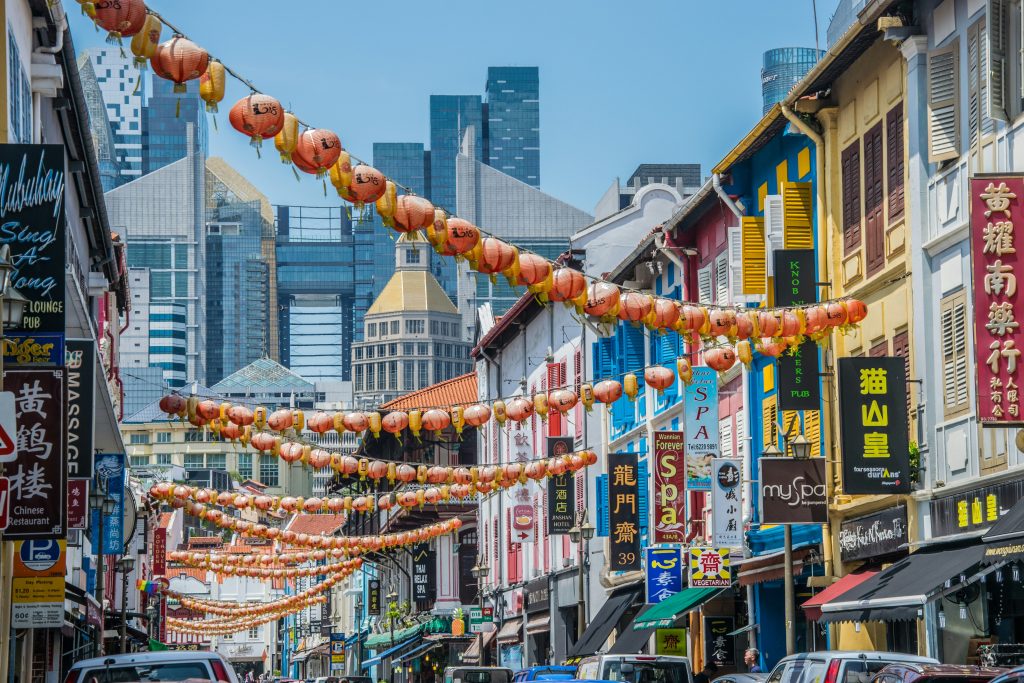
Explore Chinatown
Singapore’s Chinatown feels very different from Marina Bay.
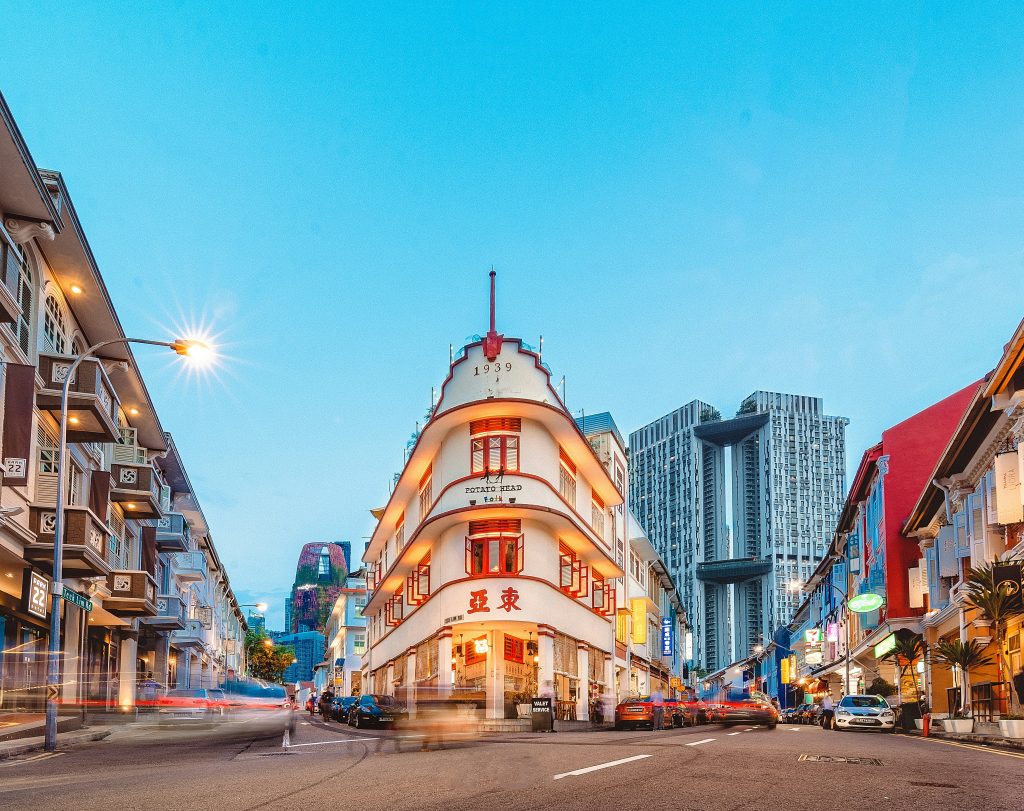
Temples, food, old streets, colorful buildings, markets, and local atmosphere make it worth seeing beyond the city’s futuristic side.
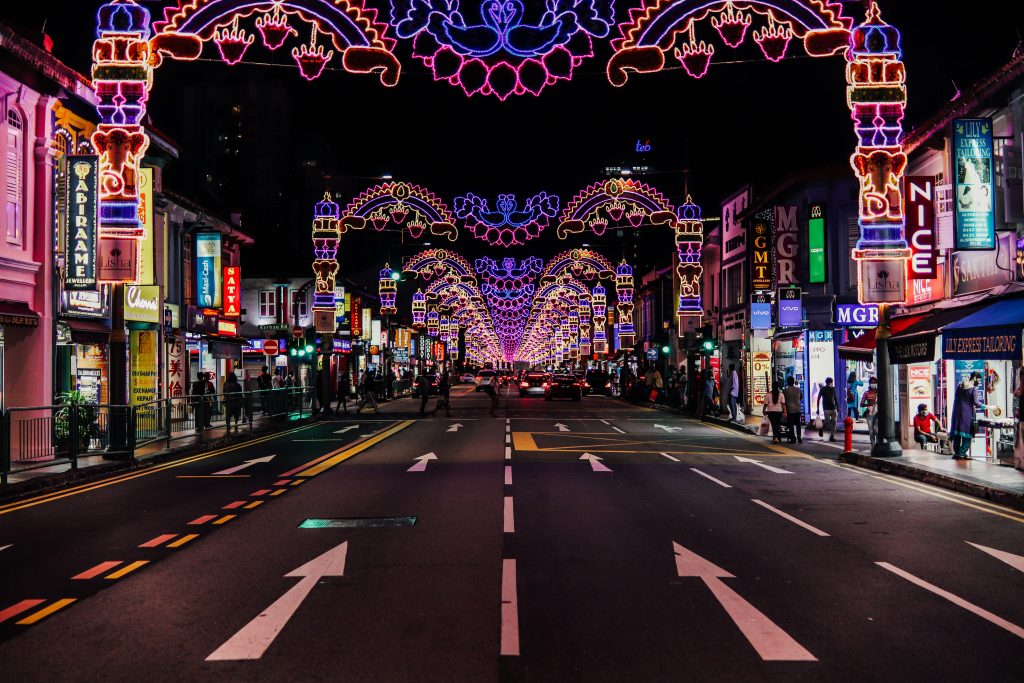
Visit Little India
Little India adds another completely different side of Singapore.
Bright colors, food, temples, street life, and energy make it feel like a city within a city.
This contrast is one of the things I liked most about Singapore.
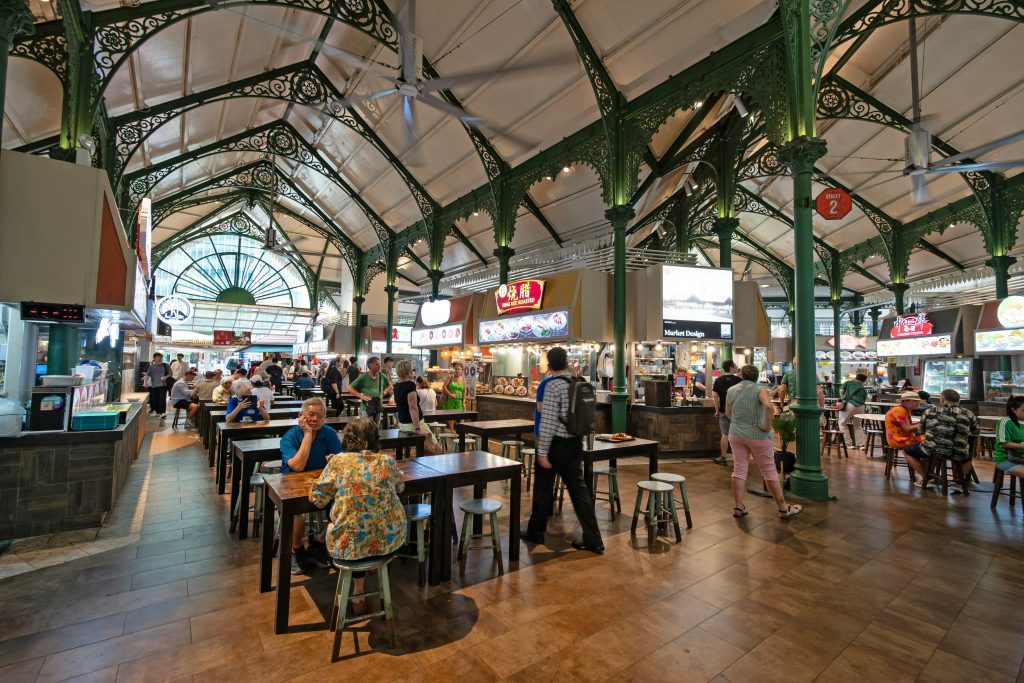
Eat at a Hawker Centre
This is one of the most important Singapore experiences.
Honestly, I think food is one of the biggest reasons to visit Singapore.
And hawker centres are part of that experience.
Good food.
Local atmosphere.
Affordable meals.
Huge variety.
This is where Singapore feels more local and less polished-tourist.
Not Everything in Singapore Feels “Cheap Asia”
This is one thing some travelers misunderstand before going.
Singapore is not like many cheaper Southeast Asian destinations.
Hotels can be expensive.
Cocktails can be expensive.
Attractions can be expensive.
Luxury shopping definitely feels expensive.
But food and transport can still feel surprisingly reasonable if you do it right.
Timing Matters More Than People Expect
One thing I noticed in Singapore is that timing can change the whole experience.
Midday heat and humidity can make outdoor attractions feel much more tiring.
Personally, I think:
- mornings work better for outdoor walking
- evenings feel best for skyline views
- midday often works better for indoor attractions
This small adjustment can make Singapore feel much more comfortable.
Where to Stay in Singapore
Choosing the right area in Singapore matters more than many travelers expect.
Singapore is easy to move around, but different neighborhoods create completely different travel experiences.
Marina Bay – Best for First-Time Visitors
If you want the classic Singapore skyline experience, Marina Bay is one of the best places to stay.
You stay close to:
- skyline views
- Gardens by the Bay
- Marina Bay Sands area
- waterfront walks
- luxury hotels
- city lights
The biggest advantage is location and atmosphere.
The downside?
Hotels here can be expensive.
Orchard Road – Best for Shopping & Comfort
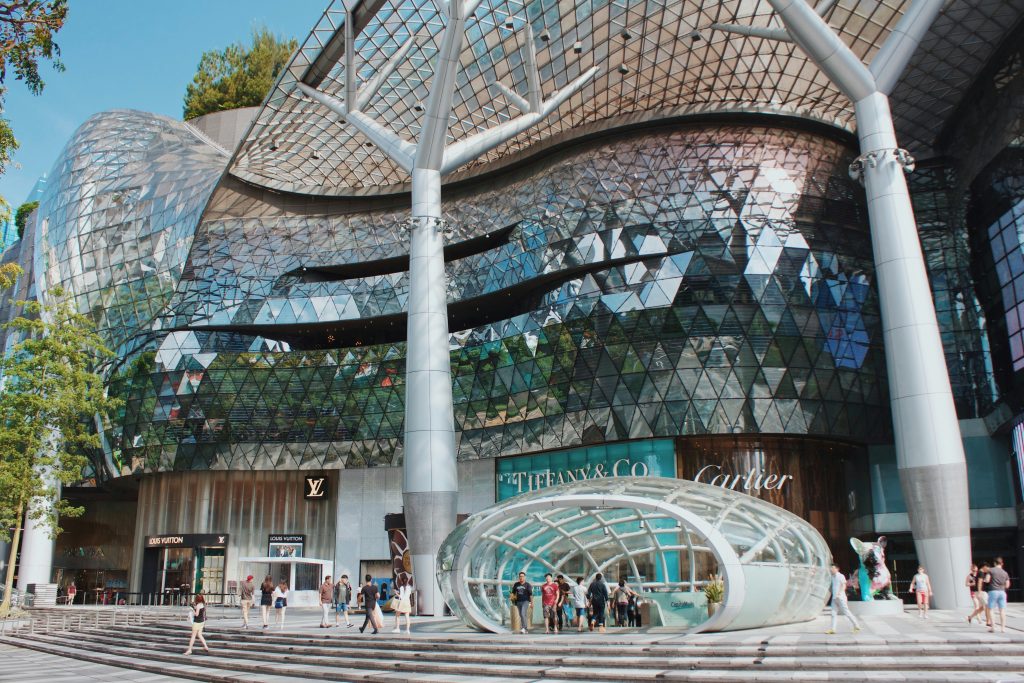
Orchard is Singapore’s famous shopping district.
It works well for travelers who want:
- luxury hotels
- malls
- restaurants
- easy MRT access
- cleaner central location
This area feels modern and comfortable.
Chinatown – Best for Atmosphere & Better Value
Personally, I think Chinatown is one of the smartest areas for many travelers.
Why?
Because you get:
- food
- MRT access
- culture
- nightlife nearby
- lower hotel prices than Marina Bay
- more local feel
It gives you a balance between comfort and atmosphere.
Bugis – Best for Good Balance
Bugis is often overlooked by first-time travelers.
But it is a very practical area.
Good for:
- easier hotel prices
- food
- shopping
- MRT access
- central location
Sentosa – Best for Resort Experience
Sentosa feels very different from central Singapore.
This area works better if you want:
- beaches
- resorts
- family attractions
- luxury stays
- island-style experience
Personally, I think Sentosa works better as a short stay or resort trip rather than your whole Singapore base.
Hotel Reality in Singapore
This is one thing many first-time visitors underestimate.
Singapore hotels are expensive compared to many nearby Asian countries.
Even average hotels can cost more than travelers expect.
Some travelers assume:
“Asia = cheap hotels”
Singapore often proves that wrong.
Personally, I think hotel budgeting matters here more than people expect.
Real Travel Costs in Singapore
Singapore can be expensive — but not in every area.
This was one of the biggest surprises for me.
Some things feel premium.
Others feel surprisingly reasonable.
Average Daily Budget
- Budget travel: €70–130
- Mid-range travel: €160–300
- Luxury travel: €400+
Typical Prices
- Coffee: €3–6
- Hawker meal: €4–10
- Restaurant meal: €15–40
- MRT ride: €1–3
- Taxi / Grab ride: €8–25
- Mid-range hotel: €140–280
Is Singapore Expensive?
Honestly?
Yes — but it depends how you travel.
Singapore can feel:
very expensive for hotels, alcohol, rooftop bars, luxury dining
but surprisingly reasonable for:
- food
- transport
- public spaces
- walking
- hawker centres
I think Singapore becomes expensive mostly when travelers lean heavily into luxury experiences.
Food You Should Try in Singapore
Food is one of the biggest reasons to visit Singapore.
And honestly, Singapore food surprised me more than I expected.
It is not one cuisine.
It feels like multiple cultures mixed together.
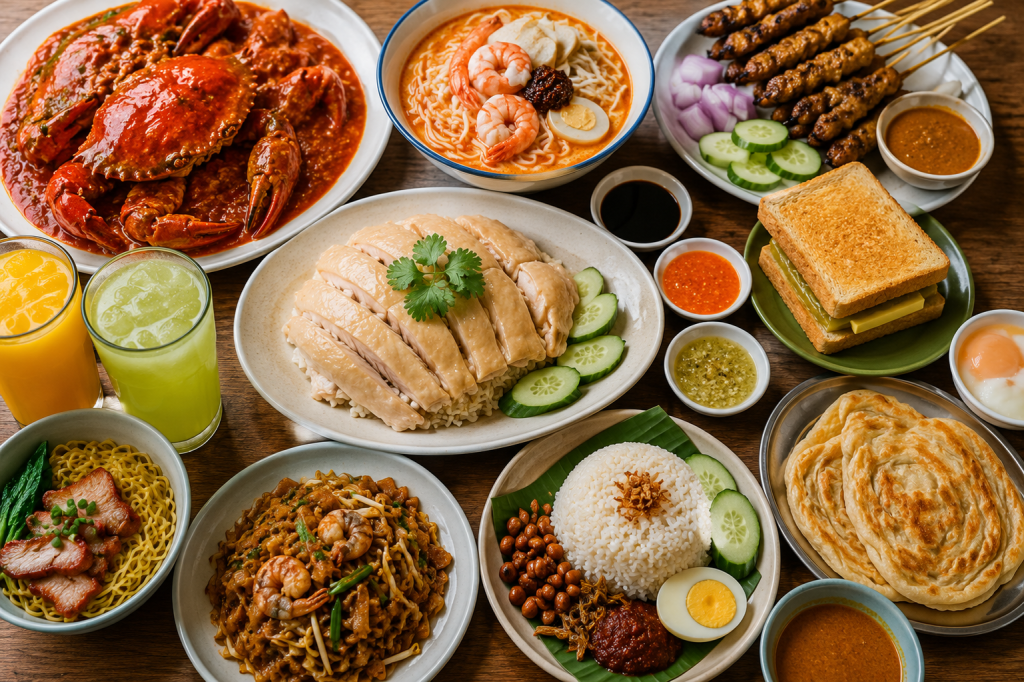
Foods Worth Trying
- Hainanese chicken rice
- Chili crab
- Laksa
- Satay
- Kaya toast
- Char kway teow
- Roti prata
- Nasi lemak
- Hawker noodles
- Fresh tropical juices
Hawker Centre Reality
This is something first-time visitors should understand.
Hawker centres are not “cheap tourist food courts.”
They are one of the most important parts of Singapore food culture.
Some of the best food in Singapore is there.
And for many travelers, this becomes one of the best-value experiences in the city.
One thing worth knowing:
Some hawker centres can get very busy during peak hours.
That is normal.
Getting Around Singapore
Singapore is one of the easiest cities to navigate in the world.
Honestly, public transport here is so efficient that many travelers barely need taxis.
MRT – Best Way to Get Around
The MRT is:
- fast
- clean
- air-conditioned
- easy
- affordable
- tourist-friendly
Personally, I think this is how most visitors should move around.
It saves money and avoids traffic.
Grab & Taxis
Grab works very well in Singapore.
Taxis are also reliable.
But compared to MRT, they become expensive quickly.
Walking in Singapore
Walking is great in some areas.
But this is where weather matters.
Humidity can make long walks feel much harder than expected.
Singapore Airport Reality
Singapore uses:
- Changi Airport (SIN)
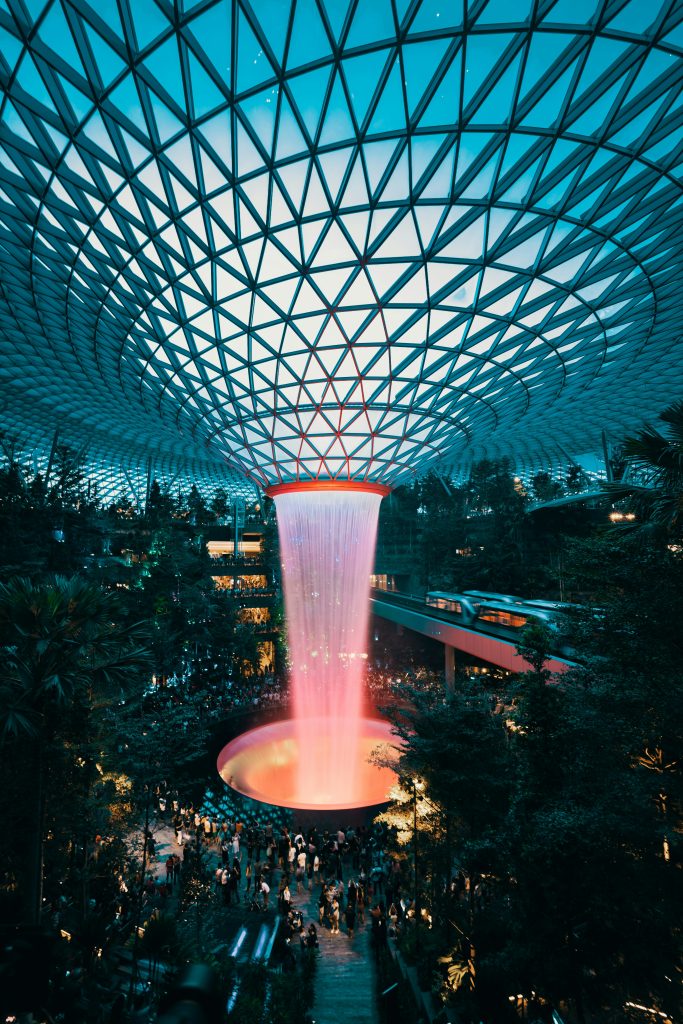
Honestly, Changi feels more like an attraction than an airport.
This was one of the few airports where I actually understood why people talk about it so much.
It is:
- modern
- clean
- efficient
- beautiful
- easy to navigate
Arriving in Singapore usually feels very smooth compared to many large cities.
Getting From Changi Airport to the City
Getting from Changi Airport into Singapore is usually very easy.
Most travelers use:
- MRT
- taxis
- Grab
- airport transfers
Personally, I think MRT works well for many travelers, but taxis can feel easier if you arrive late or have luggage.
Do You Need Cash in Singapore?
One thing that surprised me was how card-friendly Singapore feels.
Most places accept:
- cards
- mobile payments
- digital payments
But carrying a little cash can still help for:
- some smaller stalls
- markets
- small local shops
Personally, I found Singapore much less cash-dependent than many Asian destinations.
Common Tourist Mistakes in Singapore
Underestimating the Humidity
This is one of the most common mistakes.
Singapore does not always look “extreme” in weather forecasts.
But the humidity changes everything.
Walking can become exhausting much faster than people expect.
Spending Too Much on Attractions
Some famous attractions can add up quickly.
Personally, I think Singapore works best when you mix:
paid attractions + free city experiences
because many of the best Singapore moments cost nothing.
Not Using the MRT
Some first-time travelers use taxis too much.
Honestly, MRT is usually the smarter option.
Booking the Wrong Area
Saving money on a hotel far from good MRT access can make the trip less convenient.
Location matters a lot in Singapore.
Assuming Everything Is Cheap
Singapore is not Bangkok or Bali.
Many travelers underestimate hotel and attraction costs.
Singapore Rules Tourists Should Know
Singapore has a reputation for strict rules.
Some of that is exaggerated.
But some things are worth knowing.
Things Worth Knowing
- littering fines exist
- smoking rules are strict in many places
- crossing roads carelessly can lead to fines
- public cleanliness rules are taken seriously
- chewing gum rules are different than many tourists expect
Personally, I think Singapore feels strict mostly because the city is very organized.
But for normal tourists, it rarely becomes a problem if you behave normally.
Is Singapore Safe?
Honestly, yes.
Singapore is one of the safest cities I have visited.
That does not mean you should ignore basic travel awareness.
But compared to many major cities, Singapore feels very comfortable.
Many travelers notice:
- clean streets
- low crime feeling
- safe public transport
- comfortable walking at night
This was one of the things that made Singapore feel easy to enjoy.
Internet & eSIM in Singapore
Mobile internet helps a lot in Singapore.
Maps, MRT navigation, Grab, bookings, and travel apps become useful quickly.
Many travelers now use:
- eSIM
- airport SIM
- digital travel plans
Singapore is very tech-friendly.
What to Pack for Singapore
One thing I wish more travelers understood before going:
Singapore is tropical.
And that changes what feels comfortable.
Pack:
- light clothing
- breathable outfits
- comfortable walking shoes
- small umbrella
- sunscreen
- power bank
- reusable water bottle
- light indoor layer (malls can feel cold)
Packing only for “hot weather” without thinking about rain and air-conditioning can be a mistake.
Do You Need a Travel Adapter in Singapore?
Singapore uses Type G plugs, the same style used in the UK.
Travelers coming from Europe, the US, or many other countries may need a travel adapter.
This is one of those small things that can become annoying if you forget it.
Simple 4-Day Singapore Itinerary
Day 1
Marina Bay, skyline walk, Gardens by the Bay, evening waterfront
Day 2
Chinatown, hawker food, Little India, city nightlife
Day 3
Sentosa, beach time, attractions, sunset drinks
Day 4
Orchard, museums, city exploring, rooftop evening
Final Thoughts
Singapore is not the kind of city that overwhelms you with chaos.
It impresses you differently.
With efficiency.
Clean streets.
Futuristic architecture.
Food.
Skyline views.
Tropical warmth.
Different cultures living side by side.
What stayed with me most was not only the famous attractions.
It was how easy everything felt.
The airport felt smoother than most airports I have used.
Public transport was reliable and easy to use.
Walking around at night felt surprisingly safe and comfortable.
Neighborhoods changed quickly and felt completely different from one another.
Singapore feels modern in a way that many cities try to be.
But it still feels human.
It still has food culture.
Street life.
Neighborhood identity.
Little surprises between the skyscrapers.
It may not offer the cheapest prices, the wildest atmosphere, or the deepest traditional feel, but Singapore has a charm that is entirely its own.
But for many travelers, Singapore becomes one of those cities that simply works so well that the whole trip feels easy.
And honestly, that is part of its charm.
Explore More
If Singapore made you curious about exciting Asian destinations, you may also enjoy:
FAQ
Is Singapore worth visiting?
Yes, especially for travelers who enjoy modern cities, food, skyline views, culture, and easy city travel.
Is Singapore expensive?
Singapore can be expensive, especially for hotels and attractions, but food and public transport can still be surprisingly reasonable.
How many days do you need in Singapore?
3 to 4 days is ideal for most first-time visitors.
Is Singapore safe for tourists?
Yes, Singapore is widely considered one of the safest cities for travelers.
What is the best time to visit Singapore?
Singapore is a year-round destination, but February to April and July to September often feel slightly more comfortable.
Is Singapore good for first-time Asia travel?
Yes, many travelers think Singapore is one of the easiest and safest Asian cities for a first trip.
Can you drink tap water in Singapore?
Yes, tap water in Singapore is generally considered safe to drink.