
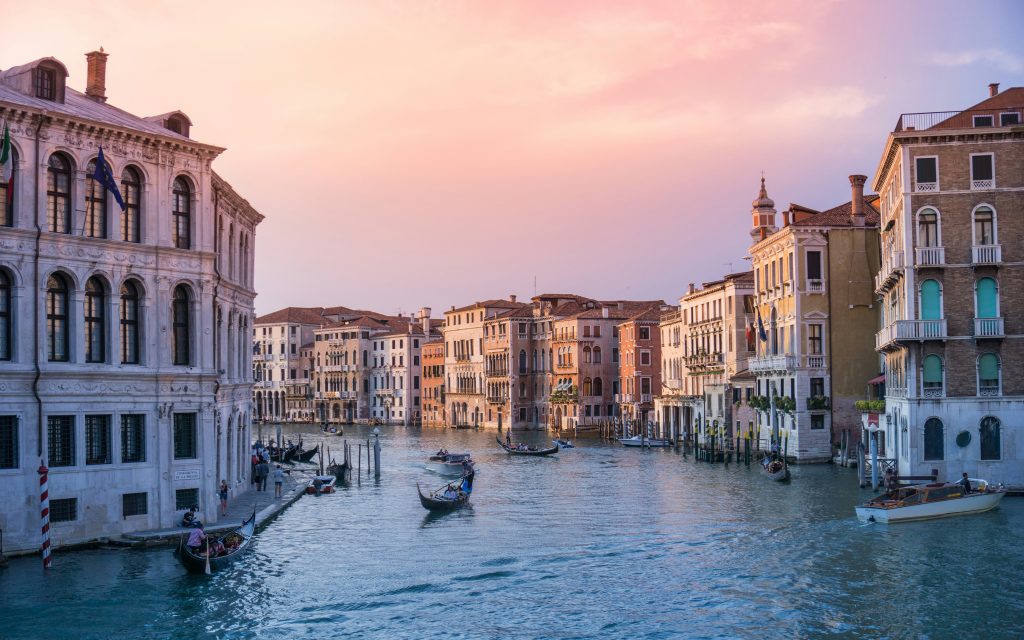
Some cities impress you because they are beautiful. Others stay with you because they feel completely different from anywhere else.
And then there is Venice.
Before visiting, I expected canals, gondolas, old buildings, bridges, and postcard views. I expected romance, famous landmarks, and one of the most photographed cities in Europe.
What I did not expect was how strange Venice would feel in real life.
First Impressions of Venice
Venice does not feel like a normal city.
There are no cars rushing through streets. No buses turning corners. No motorbikes parked outside cafés. The usual sounds of city life are missing, and at first, that feels surprisingly strange.
Instead, Venice moves differently.
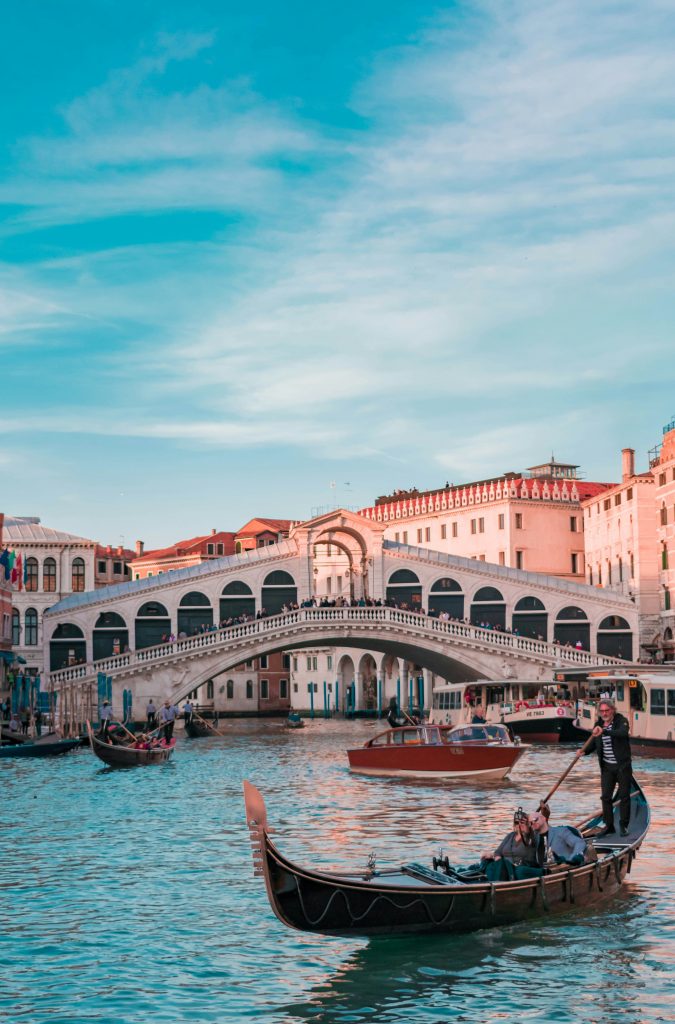
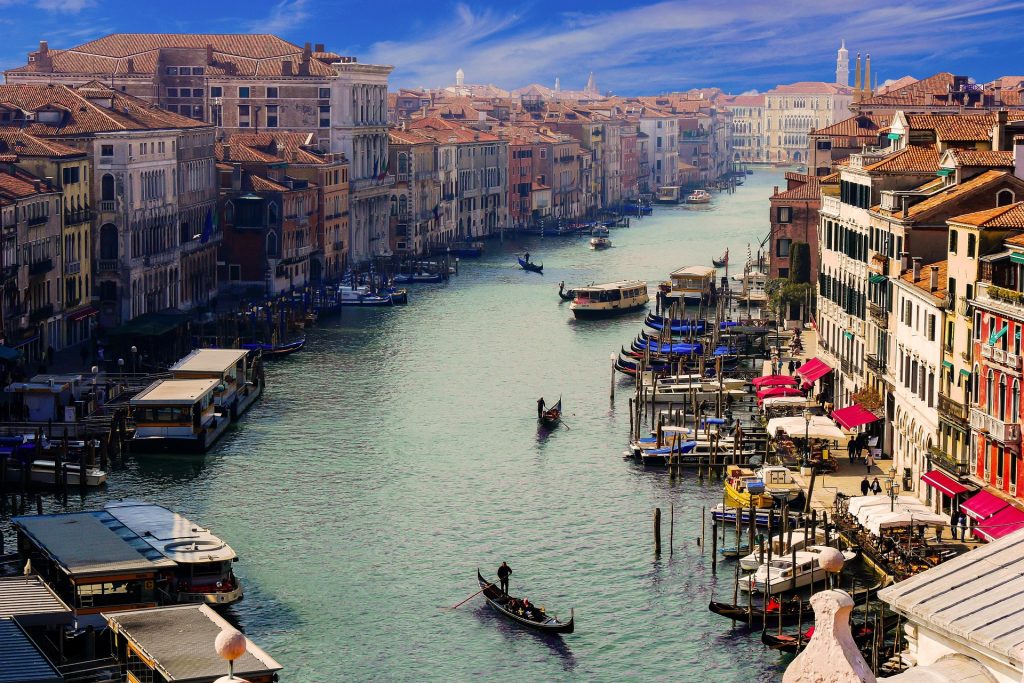
People walk through narrow alleyways, boats replace taxis, canals cut through neighborhoods instead of roads, and small bridges connect parts of the city in ways that make Venice feel almost unreal.
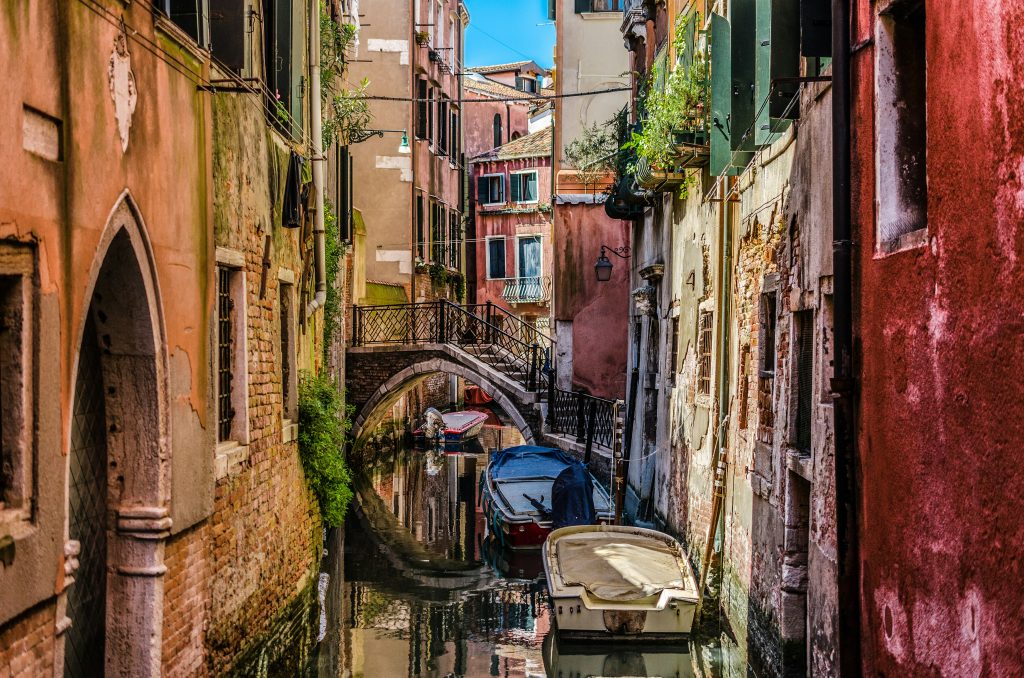
One moment you are standing in a busy square surrounded by crowds, cafés, and church bells. A few minutes later, you turn into a quiet little alley with no tourists around, laundry hanging above old walls, and canals so calm that the whole city suddenly feels different.
That contrast was one of the things that surprised me most.
Venice is beautiful, yes — but what makes it memorable is not only the famous postcard views.
It is the atmosphere.
The sound of water moving through canals.
The early morning quiet before crowds arrive.
The strange maze of alleyways where Google Maps somehow feels less helpful than expected.
The bridges.
The reflections.
The little details you notice when you stop rushing.
What stayed with me most was that Venice does not feel like a city you “do” quickly.
It feels like a place that changes depending on how you experience it.
Walk too fast and Venice can feel crowded and touristy.
Slow down, turn into smaller streets, wander a little, and suddenly the city starts feeling much more magical.
This guide covers everything you should know before visiting Venice, including where to stay, travel costs, food, transport, tourist mistakes, scams to avoid, how to get around, what many first-time visitors underestimate, and the things I genuinely wish I knew before going.
Is Venice Worth Visiting?
Honestly, yes — but Venice is one of those places that people often experience very differently.
Some travelers absolutely fall in love with it.
Others leave feeling that it was:
- overcrowded
- expensive
- too touristy
- smaller than expected
And honestly, I understand why both reactions happen.
Venice is not a city that works best if you rush in for a checklist-style trip and only stay around the busiest tourist areas.
That is usually where many people get disappointed.
What makes Venice special is not only the big attractions.
It is the atmosphere between them.
A quiet canal early in the morning.
A hidden bridge with no one around.
A small square where locals are sitting outside.
Getting slightly lost and finding streets that feel completely different from the main tourist routes.
That slower side of Venice is where the city often feels much better.
Venice is not the kind of destination people visit for nightlife, huge shopping districts, or fast-paced city energy.
People usually come for something different.
A mix of:
- history
- architecture
- canals
- romantic atmosphere
- photography
- food
- slower walking
- iconic views
Personally, I think Venice works best when you accept that part of the experience is simply wandering.
Some of my favorite Venice moments were not famous attractions at all.
They were simple things like:
- crossing quiet bridges early in the morning
- seeing reflections on canals after sunset
- walking without knowing exactly where I was going
- sitting in a small square away from the crowds
- hearing the city wake up before tourist traffic started
Venice feels much better when you let it surprise you a little.
Who Will Enjoy Venice Most?
Venice is not the kind of destination every traveler experiences in the same way.
I think people who enjoy:
- architecture
- photography
- slower travel
- romantic city breaks
- history
- unique cities
- walking
- hidden streets
- food
- atmospheric destinations
will probably love Venice.
It is especially good for travelers who enjoy cities that feel different from everywhere else.
Venice is also one of those destinations where simply walking around can become part of the experience.
On the other hand, travelers looking for:
- nightlife-heavy trips
- beaches
- cheap travel
- easy road transport
- fast city energy
may enjoy other Italian destinations more.
Personally, Venice felt like a city that rewards curiosity more than planning.
Best Time to Visit Venice
If I had to choose the best periods to visit Venice, I would say:
- April to June
- September to October
These months usually offer a good balance between weather and sightseeing.
Venice changes a lot depending on the season, and timing matters more here than many first-time visitors expect.
Visiting Venice in Spring
Spring is one of the best times to visit Venice.
Temperatures are usually comfortable, walking feels pleasant, and the city starts feeling lively without becoming too exhausting.
This is a very good season for:
- canal walks
- photography
- outdoor cafés
- sightseeing
- island day trips
Personally, I think Venice feels especially beautiful in spring light.
Visiting Venice in Summer
Summer is when Venice feels busiest.
And honestly, this is one of the seasons many first-time visitors underestimate.
Venice can become:
- hot
- crowded
- humid
- expensive
Walking through crowded narrow streets in peak summer heat can feel much more exhausting than people expect.
If visiting in summer, early mornings and evenings often feel much better.
Visiting Venice in Autumn
Autumn feels like one of the most balanced times to visit.
Crowds often become slightly easier, temperatures improve, and the city feels more comfortable for long walking days.
This is one of the seasons where Venice often feels calmer.
Visiting Venice in Winter
Winter gives Venice a completely different atmosphere.
The city can feel:
- quieter
- moodier
- colder
- more atmospheric
This is one of the most underrated seasons for travelers who prefer fewer crowds.
But winter also brings one important Venice reality many tourists do not think about…
Acqua Alta: The Venice Flooding Reality
This is something many first-time visitors do not fully understand before going.
Venice can experience acqua alta — temporary flooding, especially in wetter months.
Some squares and streets can end up partially underwater.
Raised walkways are sometimes used so people can still move around.
This does not mean Venice is “underwater all the time” the way some people imagine.
But it is something worth knowing, especially if visiting in late autumn or winter.
Personally, I think this is one of the most important practical things to know before booking a Venice trip.
Weather in Venice Can Feel Different Than People Expect
One thing that surprised me was that Venice can feel more intense depending on the season.
Summer heat reflects off stone streets and crowded alleyways, making walking feel more tiring.
Winter can feel colder and damper than people expect because of the lagoon atmosphere.
And if rain starts, Venice can feel very different very quickly.
Packing for “Italy weather” without thinking specifically about Venice can be a mistake.
How Many Days Do You Need in Venice?
I think 2 to 3 days is ideal for most first-time visitors.
That gives you enough time to:
- see the main attractions
- enjoy quieter neighborhoods
- experience canals properly
- eat well
- explore beyond tourist hotspots
- take a short island trip if you want
Technically, you can see Venice in one day.
But honestly, Venice feels much better when you do not rush.
Some of the best Venice moments happen when you slow down.
Best Things to Do in Venice
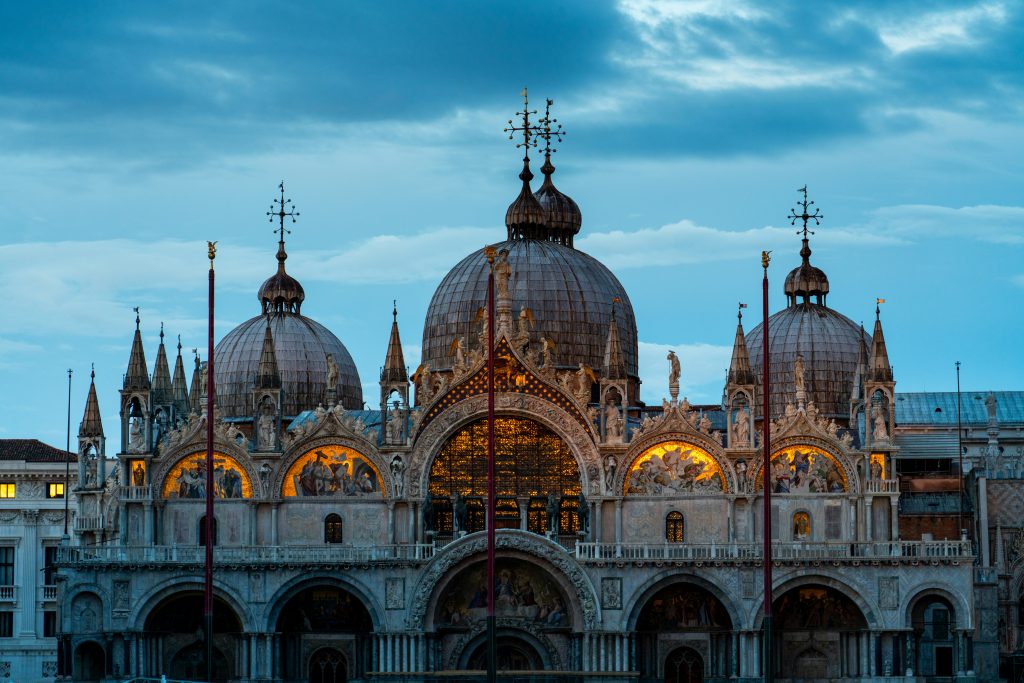
Explore St. Mark’s Square
This is Venice’s most famous square, and yes — it is worth seeing.
But it also feels very different depending on when you go.
Early in the morning, it can feel elegant, quiet, and much more magical.
Later in the day, especially in peak season, it becomes one of the busiest places in Venice.
You will find:
- St. Mark’s Basilica
- Doge’s Palace
- historic cafés
- famous arcades
- iconic city views
Personally, I think St. Mark’s Square feels much better early in the day before crowds build.
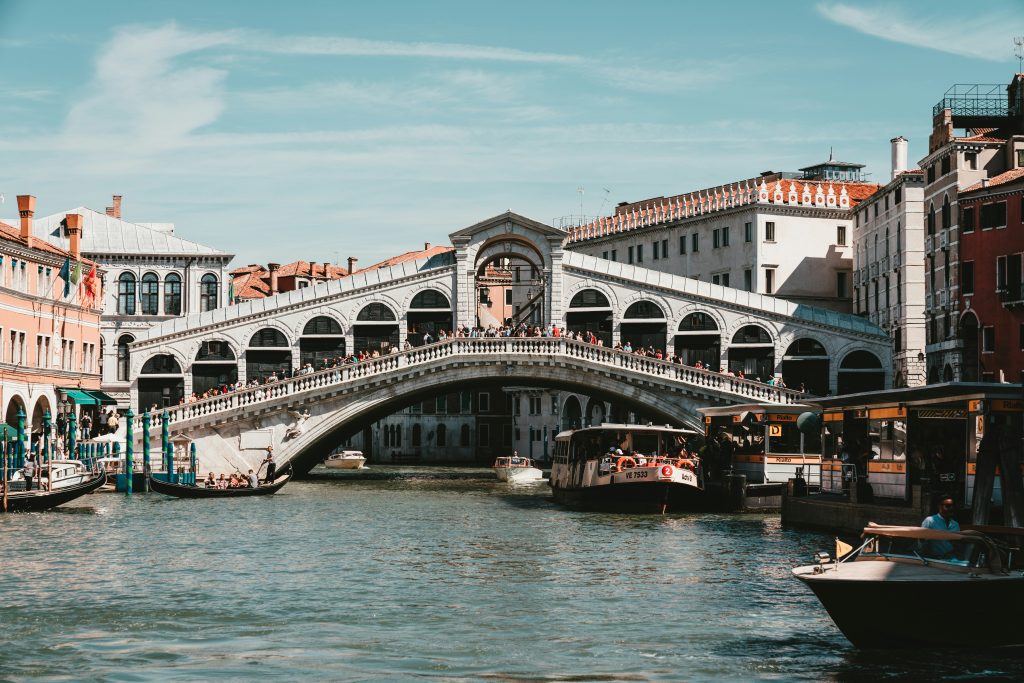
Walk the Rialto Bridge
Rialto is one of Venice’s most famous landmarks.
The bridge itself is beautiful, but the real experience is the atmosphere around it.
Boats moving below, Grand Canal views, nearby markets, narrow streets, and the energy of central Venice make this area feel very “classic Venice.”
That said…
This is also one of the busiest tourist areas in the city.
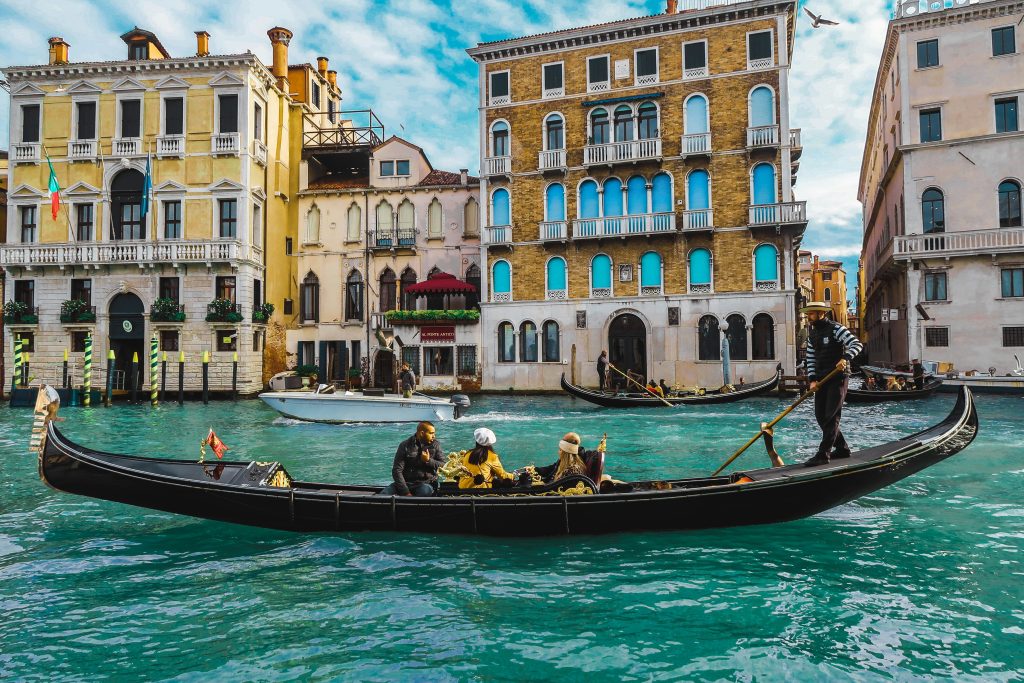
Take a Gondola Ride (But Know This First)
Yes — gondolas are iconic.
And yes — they are expensive.
This is one of the biggest Venice realities tourists should understand before going.
A gondola ride is more about the experience than transportation.
The atmosphere, quiet canals, reflections, and seeing Venice from the water can feel memorable.
But…
Many travelers are shocked by the price.
Personally, I think this is worth doing only if the experience matters to you — not because you feel like you “have to.”
Gondola Price Reality
This is one of the most important practical things to know.
A gondola ride in Venice is not cheap.
Prices are usually regulated, but they can still feel expensive for a short ride.
Some travelers assume:
“Maybe it will be cheaper once I get there.”
Usually not.
This is something worth checking in advance so you do not get surprised.
Personally, I think many first-time visitors underestimate this.
Walk Without a Plan
Honestly, this was one of my favorite Venice experiences.
Venice works differently than most cities.
Some of the best moments happen when you stop trying to optimize every minute.
A small bridge.
A quiet canal.
A hidden square.
A little street with no tourists.
A random view that suddenly feels like a postcard.
Venice often feels better when you allow some unplanned wandering.
Visit Doge’s Palace
This is one of Venice’s most famous historic attractions.
Even travelers who normally skip museums often find this place impressive because it feels tied directly to Venice’s history.
The halls, architecture, artwork, bridges, and views over the lagoon make it one of the city’s major highlights.
See Venice Early in the Morning
This is one of my biggest Venice tips.
Many travelers only experience Venice during peak daytime crowds.
That is not the same Venice.
Early mornings feel:
- quieter
- calmer
- less crowded
- more atmospheric
- much better for photography
Honestly, Venice before crowds arrive feels like a different city.
Explore Cannaregio
This is one of the neighborhoods that many travelers enjoy once they want a quieter side of Venice.
Compared to San Marco, Cannaregio often feels:
- calmer
- less crowded
- more local
- easier for slower evenings
Personally, I think this is one of the nicest parts of Venice for wandering.
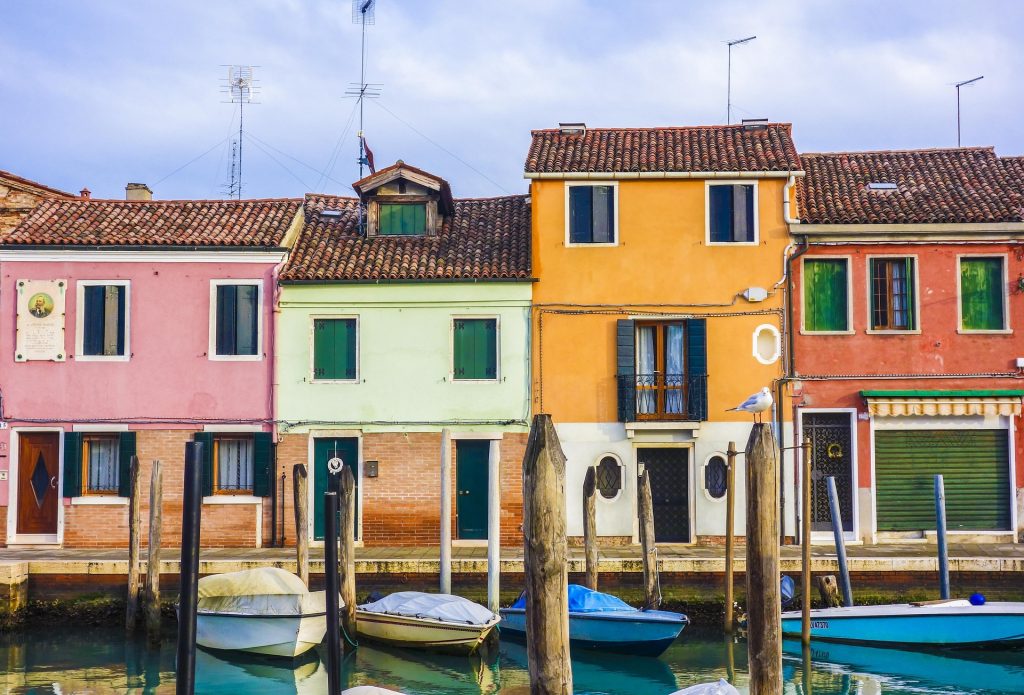
Visit Murano or Burano
If you have extra time, these island trips are worth considering.
Murano is famous for glassmaking.
Burano is famous for colorful houses and photography.
Burano especially feels very different from central Venice and makes a nice slower day trip.
Some Attractions Sell Out Faster Than People Expect
During busy seasons, popular attractions like St. Mark’s Basilica, Doge’s Palace, and certain tours can become much busier than first-time visitors expect.
Booking some major attractions in advance can save time and avoid long lines.
Personally, I think this matters most in spring and summer.
Where to Stay in Venice
Choosing the right area in Venice matters more than many travelers expect.
This is especially important because Venice is a walking city, and luggage + bridges can become more annoying than people expect.
San Marco – Best for First-Time Visitors
If you want to stay close to famous attractions, San Marco is the classic choice.
You stay near:
- St. Mark’s Square
- major attractions
- canals
- famous Venice views
- restaurants
- iconic landmarks
The biggest advantage is location.
The downside?
This is usually one of the busiest and most expensive parts of Venice.
Cannaregio – Best for Better Value
Personally, I think Cannaregio is one of the smartest choices for many travelers.
Why?
Because you often get:
- lower hotel prices
- quieter streets
- more local atmosphere
- restaurants
- easier slower evenings
It still feels like Venice without being as intense as San Marco.
Dorsoduro – Best for Atmosphere
Dorsoduro feels artistic, relaxed, and a little quieter.
Good for travelers who want:
- canals
- walking
- local atmosphere
- cafés
- less tourist pressure
This is one of Venice’s most enjoyable neighborhoods for slower travel.
Castello – Best for Quieter Venice
Castello can feel less tourist-heavy depending on where you stay.
This area works well for travelers who want:
- quieter streets
- local atmosphere
- more space
- Venice without constant crowds
Hotel Reality in Venice
This is something many first-time visitors underestimate.
Venice hotels can be expensive.
And not only expensive…
Rooms can also be:
- smaller than expected
- older
- harder to reach with luggage
- more expensive for location
One thing many travelers forget:
Venice has bridges everywhere.
This means dragging luggage through Venice can become annoying very quickly.
Personally, I think checking hotel location matters more here than in many cities.
Real Travel Costs in Venice
Venice can be expensive — but not every part of the trip costs the same.
This was one of the things that surprised me.
Some experiences feel premium.
Others can be managed better if you plan smartly.
Average Daily Budget
- Budget travel: €80–140
- Mid-range travel: €180–320
- Luxury travel: €400+
Typical Prices
- Coffee: €2–5
- Pizza / simple meal: €10–20
- Restaurant dinner: €20–50
- Vaporetto ride: €9+
- Gondola ride: premium / tourist-priced
- Mid-range hotel: €150–300+
Venice Tourist Tax & Entry Fee
One thing many travelers do not realize is that Venice may have visitor fees or tourist taxes depending on where you stay and when you visit.
Hotels may charge local tourist taxes, and Venice has also introduced visitor access rules on certain busy days.
This is worth checking before your trip because rules can change over time.
Personally, I think this is one of the practical Venice details many first-time visitors overlook.
Is Venice Expensive?
Honestly?
Yes — especially in tourist areas.
Venice can feel expensive for:
- hotels
- restaurants near major attractions
- gondolas
- drinks in famous squares
But if you move slightly away from the busiest areas, prices can improve.
Personally, I think Venice becomes expensive fastest when travelers stay only around San Marco and tourist hotspots.
Food You Should Try in Venice
Food is one of the parts of Venice that many travelers underestimate.
Venice has its own food culture that feels different from other parts of Italy.
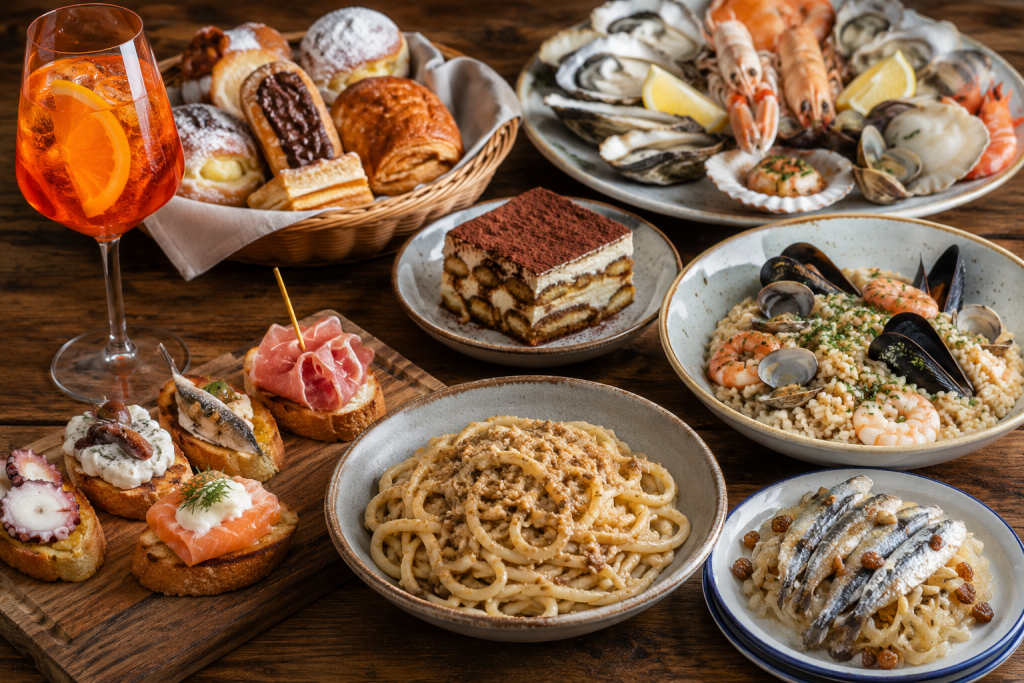
Foods Worth Trying
- Cicchetti
- Seafood risotto
- Sarde in saor
- Bigoli in salsa
- Venetian pastries
- Tiramisu
- Fresh seafood
- Spritz
Tourist Restaurant Trap Reality
This is one of the biggest Venice mistakes.
Restaurants right next to major tourist hotspots often charge more while offering average food.
This is especially common near:
- St. Mark’s Square
- Rialto
- busiest canal areas
Personally, I think Venice food gets much better once you walk a little farther away from the obvious tourist zones.
Restaurant Charges Can Surprise Tourists
One thing many visitors do not expect in Venice is seeing extra charges on restaurant bills.
This may include service fees or seating charges depending on the place.
It does not always mean something is wrong, but it can surprise travelers who are not familiar with it.
Checking menus carefully before ordering is always a good idea.
Getting Around Venice
Venice works differently than almost every other city.
There are no cars in historic Venice.
This changes everything.
Walking Is The Main Way
Venice is a walking city.
And honestly, walking is part of the experience.
But…
Many first-time visitors underestimate how tiring this can become.
Because Venice means:
- bridges
- steps
- crowds
- luggage problems
- long walking routes
Comfortable shoes matter much more here than people expect.
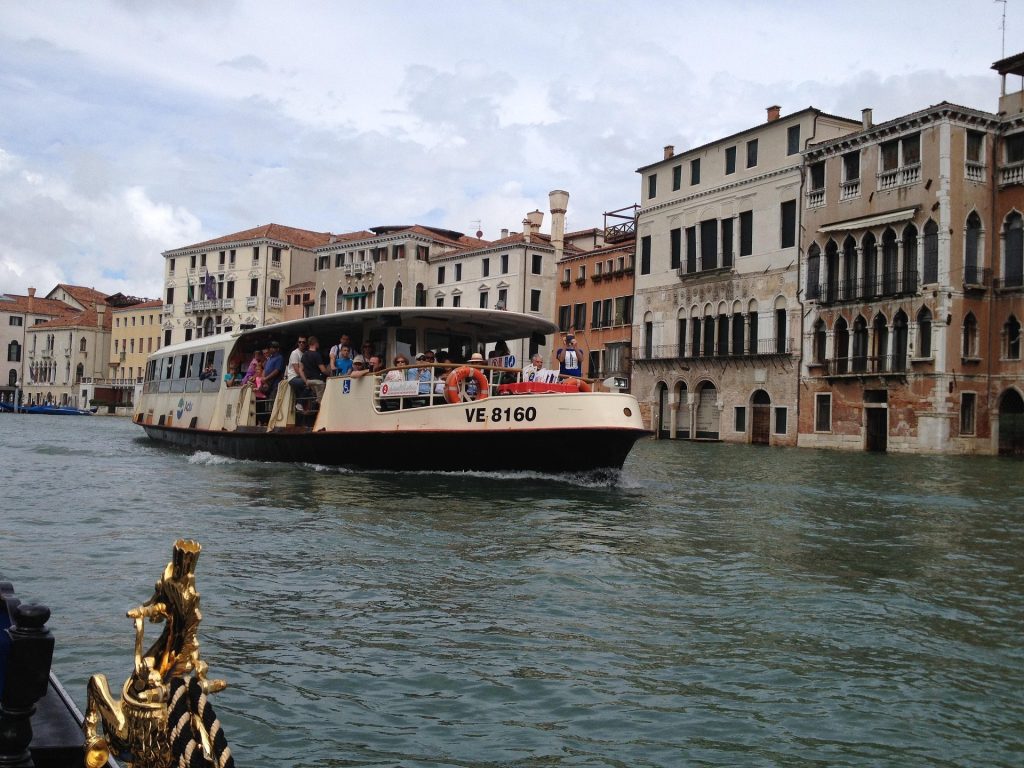
Vaporetto – Venice Water Bus
This is Venice’s public transport system.
And honestly, it is one of the smartest ways to save money compared to tourist transport.
This is especially useful for:
- Grand Canal routes
- island trips
- longer distances
- airport connections
Vaporetto Pass vs Single Tickets
This is something many tourists overlook.
Single tickets can become expensive quickly.
If you plan to use transport multiple times, a pass can make much more sense.
Personally, I think this is one of the smartest Venice money-saving tips.
Common Tourist Mistakes in Venice
Staying Only Around San Marco
This is one of the biggest Venice mistakes.
Many first-time visitors spend most of their trip around:
- St. Mark’s Square
- Rialto
- the busiest canals
And then leave thinking Venice feels:
- overcrowded
- overpriced
- too touristy
Honestly, Venice usually feels much better once you explore beyond the main hotspots.
Arriving With the Wrong Suitcase
This sounds small…
But in Venice, it matters a lot.
Venice has:
- bridges
- steps
- narrow streets
- no normal road transport in historic areas
Dragging a heavy suitcase through multiple bridges can become frustrating very quickly.
Personally, I think this is one of the most underestimated Venice travel problems.
Not Checking Hotel Location Carefully
Some hotels look “central” online…
But Venice works differently.
A hotel might technically be close on the map, yet still involve:
- bridge crossings
- walking with luggage
- confusing alleyways
- water bus connections
Checking the exact location matters more here than in many cities.
Eating Only in Tourist Areas
This is one of the easiest ways to overpay.
Restaurants right next to:
- St. Mark’s Square
- Rialto
- famous canals
are often more expensive and not always the best.
Walking a little farther usually helps a lot.
Underestimating How Much Walking Venice Requires
Venice looks small on a map.
But in real life…
Bridges, steps, crowds, and maze-like streets can make walking feel more tiring than expected.
Comfortable shoes are not optional here.
Common Tourist Scams to Avoid
Venice is generally safe, but a few tourist traps still exist.
The most common include:
- overpriced restaurants in tourist zones
- “tourist menu” pricing
- expensive gondola misunderstandings
- fake “free” offers turning into paid requests
- overpriced souvenir shops near major landmarks
Personally, I think Venice is less about dangerous scams and more about tourist overpaying.
Is Venice Safe?
Honestly, yes.
Venice is generally considered one of the safer cities in Italy for tourists.
That said, basic awareness still matters.
The most common issues are usually:
- pickpocketing in crowded tourist areas
- tourist overcharging
- confusion in crowded transport zones
Not major violent safety problems.
Walking at Night in Venice
This is something many travelers ask.
Venice often feels:
- calm
- atmospheric
- quieter
- safe for walking
But…
Some alleyways can feel surprisingly empty late at night.
Personally, I think Venice feels safer than many large cities, but basic awareness still matters.
Which Airport Should You Use?
Venice mainly uses:
- Venice Marco Polo Airport (VCE)
This is the main airport for most international travelers.
Getting From Venice Airport to the City
This is something worth planning in advance because Venice does not work like a normal city.
Most travelers use:
- water bus
- airport bus
- water taxi
- taxi + walking combination
Water Taxi Reality
Yes, water taxis look amazing.
But…
They are expensive.
This is one of Venice’s classic “luxury tourist experience” moments.
Great if the experience matters to you.
Not necessary if you want to save money.
Airport Bus Option
For many travelers, airport buses are one of the easiest budget-friendly choices.
This often works well before continuing into Venice.
Do You Need Cash in Venice?
Venice is generally card-friendly.
Most places accept:
- cards
- digital payments
- contactless payments
But carrying a little cash can still help for:
- small cafés
- local shops
- quick purchases
Personally, I found Venice much less cash-dependent than some travelers expect.
What to Pack for Venice
This is one of those destinations where packing smarter helps a lot.
Pack:
- comfortable walking shoes
- light layers
- rain jacket or umbrella
- crossbody bag
- sunglasses
- portable charger
- reusable water bottle
- smaller luggage if possible
One Thing Many Tourists Forget
A suitcase with tiny wheels + Venice bridges = bad combination.
Honestly, this sounds funny until you do it.
Easy Day Trips From Venice
Murano
Famous for:
- glassmaking
- canals
- slower atmosphere
Burano
Famous for:
- colorful houses
- photography
- island atmosphere
Personally, this is one of the prettiest day trips near Venice.
Verona
Good for travelers who want:
- architecture
- Italian city feel
- easy day trip from Venice
Simple 3-Day Venice Itinerary
Day 1
St. Mark’s Square, Doge’s Palace, canal walks, sunset views
Day 2
Rialto, Cannaregio, quieter neighborhoods, food, evening canals
Day 3
Murano or Burano day trip, slow walking, hidden Venice
Final Thoughts
Venice is one of those cities that people imagine long before they visit.
And honestly, in some ways, it really does feel like the postcards.
The canals.
The bridges.
The reflections.
The old buildings rising above the water.
But Venice is also much more than famous views.
What stayed with me most was not only how beautiful it looked.
It was how different it felt.
No cars.
No normal streets.
Boats instead of taxis.
Quiet canals hidden behind busy tourist routes.
Small bridges leading into places you were not expecting.
Venice can feel crowded, expensive, and touristy if you rush it.
But slow down a little, turn away from the busiest streets, and the city often starts feeling much more magical.
It may not be the easiest city, the cheapest city, or the most practical destination in Italy…
But Venice has a charm that feels impossible to copy.
And honestly, that is exactly why so many people remember it.
Explore More
If Venice made you curious about beautiful European destinations, you may also enjoy:
FAQ
Is Venice worth visiting?
Yes, especially for travelers who enjoy history, architecture, canals, romantic city breaks, and unique destinations.
Is Venice expensive?
Venice can be expensive, especially in tourist areas, but costs can improve if you stay and eat outside the busiest zones.
How many days do you need in Venice?
2 to 3 days is ideal for most first-time visitors.
Is Venice safe for tourists?
Yes, Venice is generally considered safe, but travelers should stay aware in crowded tourist areas.
Is a gondola ride worth it?
It depends. For many travelers it is a memorable experience, but it is not a cheap one.
Can you walk everywhere in Venice?
Mostly yes, but Venice involves more walking and bridge crossings than many travelers expect.
What is the best time to visit Venice?
Spring and autumn are often the best balance between weather and crowds.