Some places are beautiful.
Others feel almost unreal.
Meteora belongs in a category of its own.
Before visiting, I expected dramatic cliffs and a few historic monasteries.
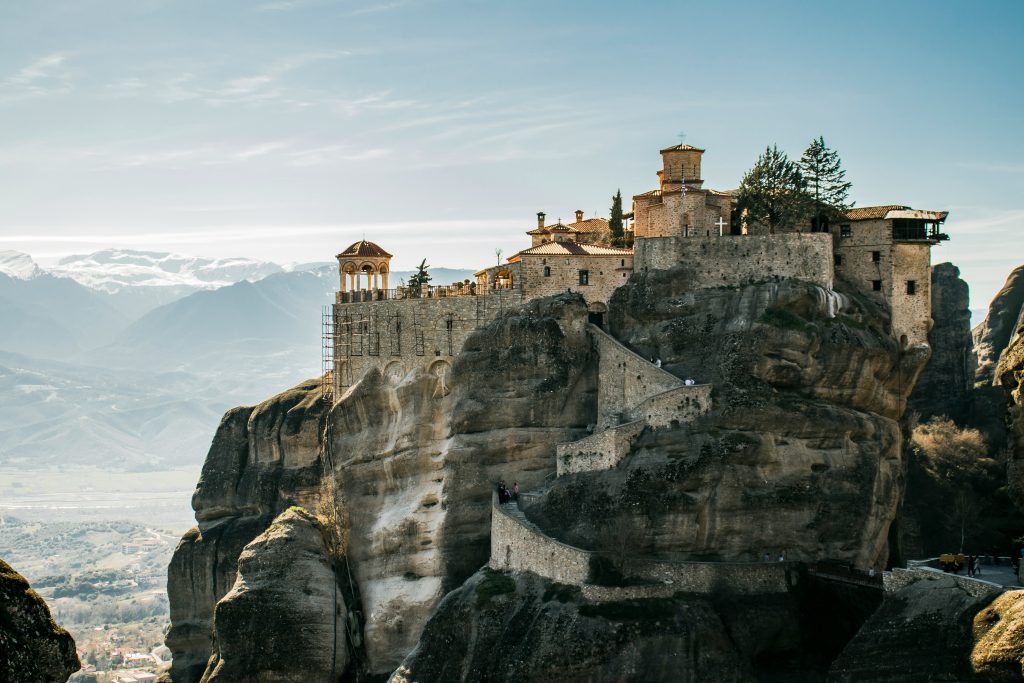
What I didn’t expect was the feeling of standing beneath enormous rock pillars rising hundreds of meters into the sky, each crowned by ancient monasteries that seem to defy gravity.
The first time you see Meteora, it’s difficult to believe it exists.
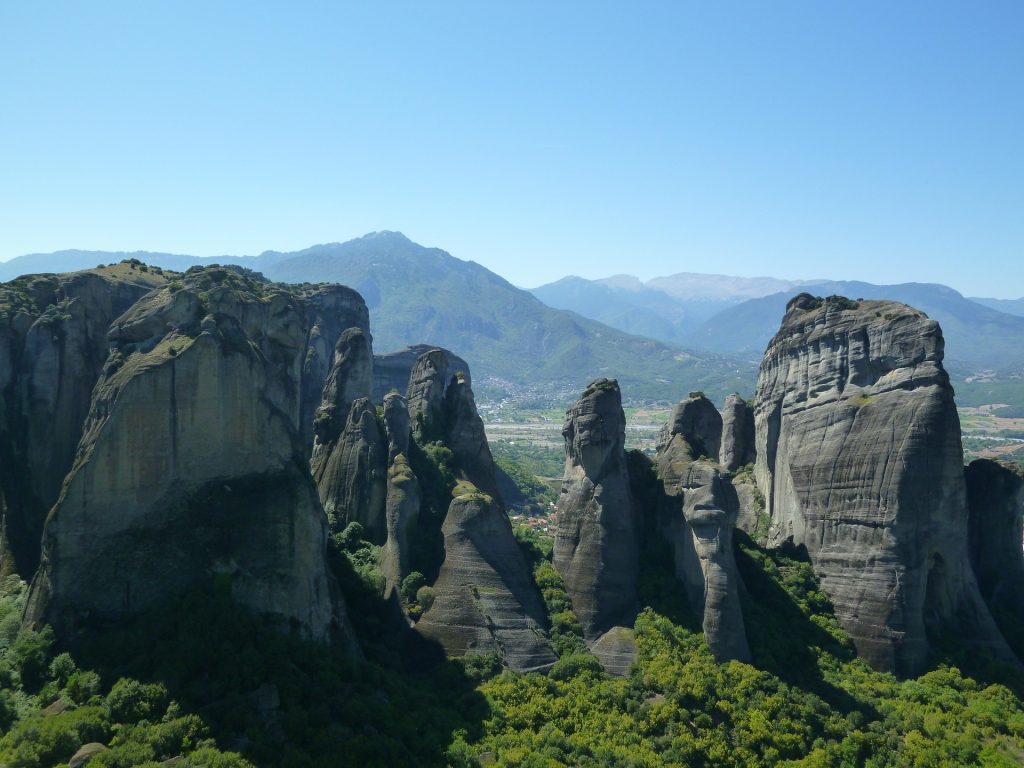
Massive stone towers emerge from the plains of central Greece, creating one of the most unusual landscapes in Europe.
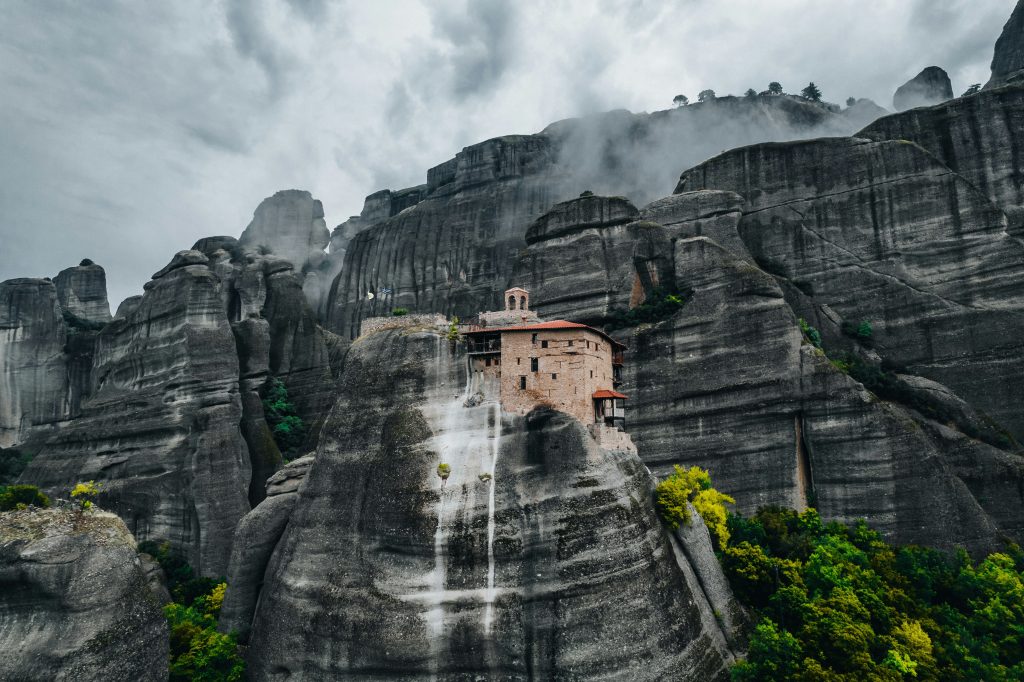
At sunrise, clouds drift between the cliffs.
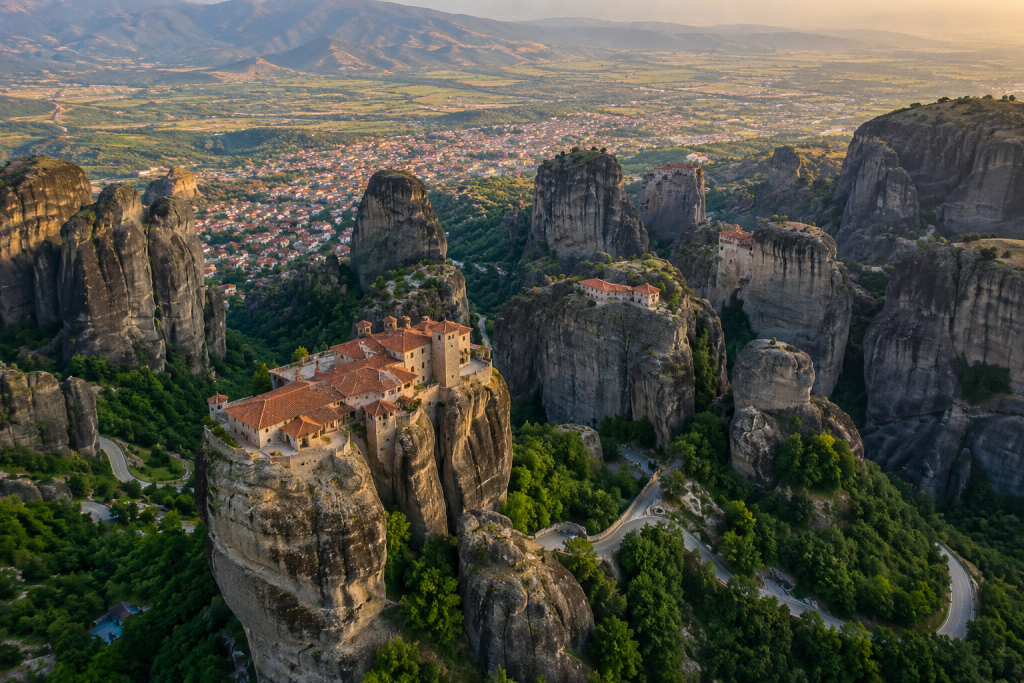
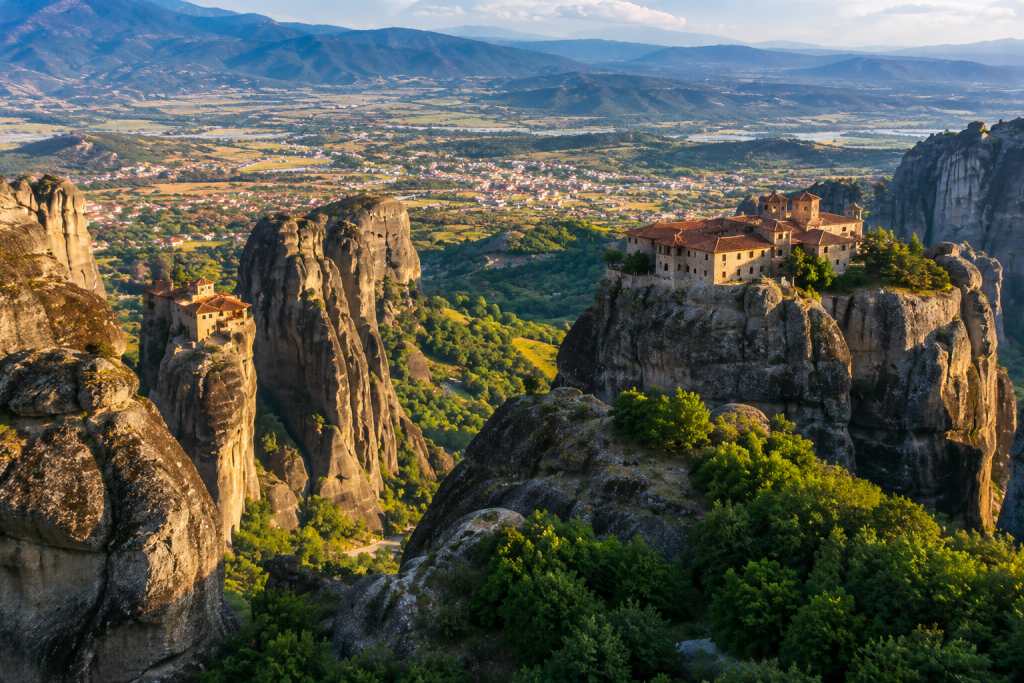
At sunset, the rocks glow gold and orange.
And throughout the day, centuries-old monasteries appear suspended between earth and sky.
While Santorini is famous for sunsets and Athens for history, Meteora offers something completely different.
It combines natural wonder, spirituality, photography, hiking, history, and breathtaking scenery in a way few destinations can match.
Located in central Greece near the town of Kalambaka, Meteora is home to one of the most extraordinary UNESCO World Heritage Sites in the world.
Whether you’re planning a road trip through Greece, a photography adventure, a hiking trip, or simply searching for one of Europe’s most unforgettable destinations, Meteora deserves a place at the top of your bucket list.
And once you arrive, you’ll quickly understand why so many travelers call it the most surprising place in Greece.
Quick Overview
Country: Greece
Continent: Europe
Region: Thessaly
Nearest Town: Kalambaka
UNESCO Status: Yes
Best For: Nature lovers, photographers, hikers, history enthusiasts, couples
Ideal Trip Length: 2–3 days
Currency: Euro (€)
Language: Greek
Best Time to Visit: April–June and September–October
Nearest Airport: Thessaloniki Airport (SKG)
Is Meteora Worth Visiting?
Absolutely.
Many travelers initially visit Greece for islands, beaches, and ancient ruins.
Meteora completely changes their expectations.
Visitors can:
- Explore centuries-old monasteries
- Hike among giant rock formations
- Watch spectacular sunsets
- Discover hidden viewpoints
- Photograph one of Europe’s most unique landscapes
- Experience a UNESCO World Heritage Site
- Learn about Byzantine history
- Enjoy peaceful mountain scenery
Few places in Europe feel as unique as Meteora.
What Makes Meteora So Special?
Meteora isn’t just famous because of its monasteries.
The landscape itself is extraordinary.
Millions of years ago, geological processes created towering sandstone pillars that now dominate the region.
Centuries later, monks searching for isolation began building monasteries on top of these impossible-looking cliffs.
The result is one of the most remarkable combinations of nature and human achievement anywhere in the world.
Many first-time visitors say photos don’t prepare you for the scale.
The rock formations are far larger and more dramatic than they appear online.
Why Is Meteora Called Meteora?
The name Meteora comes from the Greek word meaning:
“Suspended in the air.”
Once you see the monasteries balancing on top of giant rock pillars, the name makes perfect sense.
Where Is Meteora Located?
Meteora is located in central Greece near Kalambaka and Kastraki.
Approximate travel times:
- Athens: 4–5 hours
- Thessaloniki: 3 hours
- Delphi: 3 hours
- Ioannina: 2 hours
Many travelers combine Meteora with Athens and Delphi for the perfect Greece itinerary.
How To Get To Meteora
Meteora is surprisingly easy to reach from some of Greece’s biggest cities.
Athens to Meteora
- Train: approximately 4–5 hours
- Car: around 4 hours
- Daily guided tours available
Thessaloniki to Meteora
- Car: around 3 hours
- Train and bus connections available
Delphi to Meteora
- Car: around 3 hours
Many travelers choose to rent a car because it provides the most flexibility for visiting viewpoints, monasteries, and hidden spots around the region.
Best Time to Visit Meteora
Meteora is beautiful throughout the year, but some seasons offer a better overall experience.
Spring (April to June)
For many travelers, this is the perfect time to visit.
The weather is pleasant, the hills are green, wildflowers begin to bloom, and visibility is often excellent.
Pros
- Comfortable temperatures
- Beautiful landscapes
- Great hiking conditions
- Fewer crowds than summer
Cons
- Occasional rain showers
Summer (July to August)
The busiest season.
Long sunny days create excellent conditions for sightseeing and photography.
However, temperatures can become very hot during midday.
Pros
- Long daylight hours
- Perfect weather for exploring
- Vibrant atmosphere
Cons
- Larger crowds
- Higher hotel prices
- Hot afternoons
Autumn (September to October)
Many experienced travelers consider autumn the hidden sweet spot.
The summer crowds begin to disappear while temperatures remain pleasant.
Pros
- Excellent weather
- Beautiful sunsets
- Smaller crowds
- Great photography conditions
Cons
- Slightly shorter days
Winter (November to March)
Meteora becomes incredibly peaceful during winter.
Snow occasionally dusts the rock formations, creating a completely different atmosphere.
Pros
- Very few tourists
- Lower accommodation prices
- Unique scenery
Cons
- Colder weather
- Shorter daylight hours
How Many Days Do You Need in Meteora?
1 Day
Enough to visit the main viewpoints and several monasteries.
Ideal for travelers with limited time.
2 Days
The perfect amount of time for most visitors.
Allows you to:
- Visit multiple monasteries
- Experience sunrise and sunset
- Explore viewpoints
- Enjoy local restaurants
- Avoid rushing
3 Days
Ideal for photographers, hikers, and travelers who prefer slower exploration.
You’ll have time to discover hidden spots that many visitors miss.
First-Time Visitor Mistakes to Avoid
Many visitors make similar mistakes when visiting Meteora.
Visiting Only One Monastery
Each monastery offers different views and experiences.
Try to visit several if possible.
Arriving Only During Midday
The lighting is much harsher and crowds are usually larger.
Sunrise and sunset provide a much better experience.
Not Checking Monastery Opening Days
Not all monasteries open every day.
Many travelers arrive without checking schedules and miss important sites.
Skipping the Viewpoints
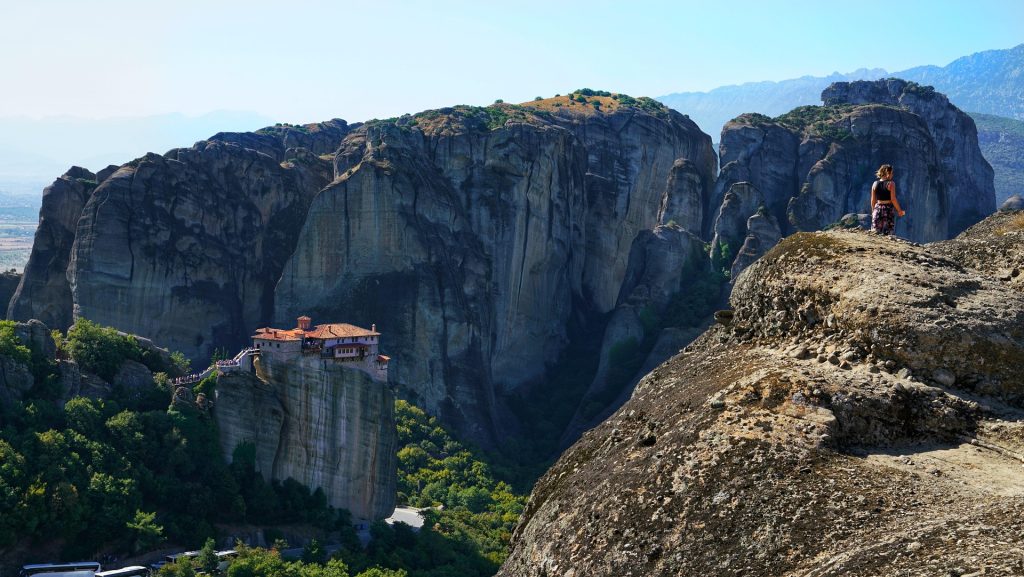
Some of Meteora’s best views are found outside the monasteries.
The viewpoints are just as important as the monasteries themselves.
Staying Only for a Few Hours
Meteora changes dramatically throughout the day.
Many visitors regret not staying overnight.
What To Pack For Meteora
Packing the right items can make your visit much more comfortable.
Bring:
- Comfortable walking shoes
- Reusable water bottle
- Sunglasses
- Sunscreen
- Light jacket for mornings and evenings
- Camera or smartphone
- Cash for monastery entrance fees
- Appropriate clothing for monastery visits
Even during warmer months, temperatures can feel surprisingly cool early in the morning and around sunset.
Top Things to Do in Meteora
1. Visit the Great Meteoron Monastery
The largest and most famous monastery in Meteora.
Highlights include:
- Historic museum
- Ancient manuscripts
- Panoramic views
- Traditional architecture
This is usually the first monastery visitors explore.
2. Explore Varlaam Monastery
Often considered one of the most beautiful monasteries in Meteora.
Many travelers say it offers some of the best views in the region.
3. Visit Roussanou Monastery
One of the most photogenic monasteries.
The location feels almost impossible, perched dramatically on top of a narrow rock pillar.
4. Experience Meteora at Sunrise
Few experiences in Greece compare to watching the first sunlight illuminate the stone towers.
Early mornings often provide:
- Better photography
- Fewer crowds
- Cooler temperatures
- Magical atmosphere
5. Watch Sunset From the Main Viewpoint
Sunset is one of Meteora’s greatest attractions.
As the sun drops behind the mountains, the rock formations glow with shades of orange, gold, and pink.
Many visitors consider this the highlight of their trip.
6. Hike Between Monasteries
One of the best ways to experience Meteora.
The hiking trails reveal viewpoints inaccessible by car and provide a completely different perspective of the landscape.
7. Explore Kastraki Village
Often overshadowed by nearby Kalambaka.
Kastraki offers:
- Traditional tavernas
- Charming streets
- Local atmosphere
- Excellent accommodation options
Many travelers prefer staying here.
The Best Monasteries in Meteora
Only six monasteries remain active today.
Great Meteoron
Best for history and first-time visitors.
Varlaam
Best overall views.
Roussanou
Best photography opportunities.
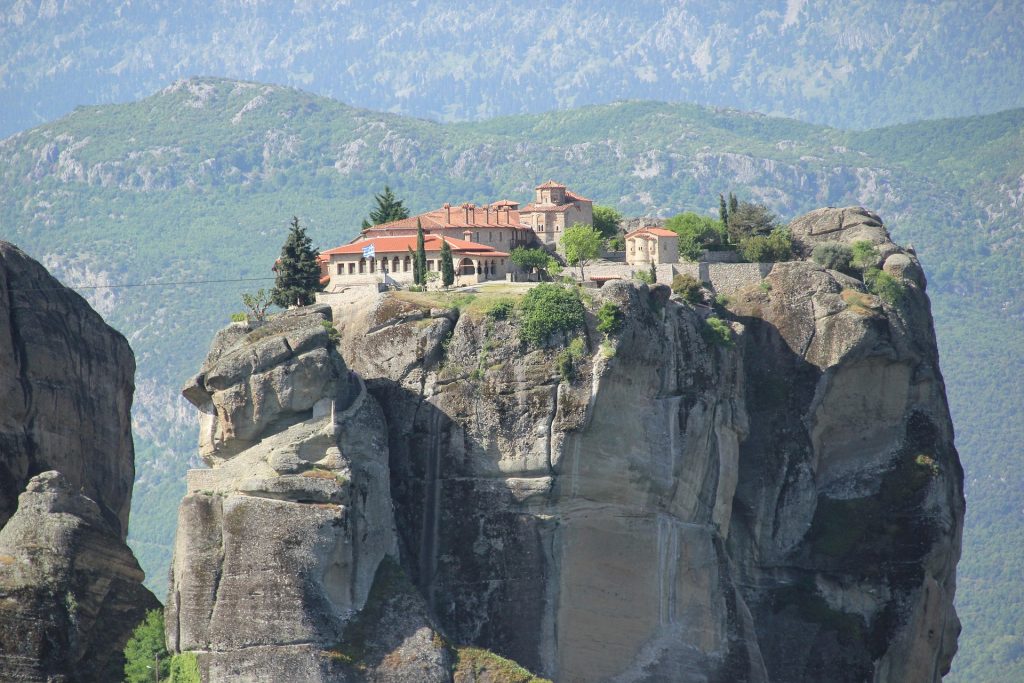
Holy Trinity
Most dramatic location.
Many movie fans recognize it from scenes in the James Bond film For Your Eyes Only.
St. Stephen
Easiest access.
Perfect for visitors who prefer less walking.
St. Nicholas Anapausas
Smaller but often less crowded.
Meteora Entrance Fees
Most monasteries charge a small entrance fee.
Visitors should carry cash, as card payments are not always accepted.
Opening days and entrance fees occasionally change, so it is always worth checking the latest information before your visit.
The entrance fees help preserve the monasteries and maintain one of Greece’s most important cultural and religious sites.
Hidden Gems in Meteora
While most visitors focus on the famous viewpoints, several lesser-known spots deserve attention.
Psaropetra Viewpoint
One of the most spectacular panoramas in the region.
Many photographers consider it a hidden treasure.
Doupiani Rock
A fantastic sunrise location.
Often much quieter than the main viewpoints.
Ancient Monk Caves
Before monasteries were built, hermit monks lived in caves carved into the cliffs.
Some can still be seen today.
The Old Footpaths
Centuries ago, monks used these trails to travel between settlements and monasteries.
Today they offer excellent hiking opportunities.
Where to Stay in Meteora
Choosing the right place to stay can completely change your experience.
Most visitors stay in either Kalambaka or Kastraki.
Kastraki
For many travelers, this is the best place to stay.
Located directly beneath the famous rock formations, Kastraki offers a quieter atmosphere and incredible views.
Best For:
- Couples
- Photographers
- Nature lovers
- Hikers
- Sunset seekers
Many hotels and guesthouses offer direct views of the monasteries and cliffs.
Waking up here feels like staying inside a national park.
Kalambaka
The larger town located next to Meteora.
Best For:
- First-time visitors
- Families
- Budget travelers
- Restaurant options
- Public transportation access
Kalambaka offers more accommodation choices and easier access to train and bus connections.
Is It Worth Staying Overnight?
Absolutely.
One of the biggest mistakes visitors make is treating Meteora as a quick day trip.
Staying overnight allows you to:
- Experience sunrise
- Enjoy sunset without rushing
- Explore before tour groups arrive
- Visit viewpoints in better light
- Enjoy the peaceful atmosphere after crowds leave
Many travelers say the best moments happen early in the morning or late in the evening.
Meteora Travel Costs
Compared to many famous European destinations, Meteora is surprisingly affordable.
Budget Travelers
Guesthouses: €35–€80 per night
Meals: €8–€15
Daily Budget: €50–€100
Mid-Range Travelers
Hotels: €80–€180 per night
Meals: €15–€40
Daily Budget: €100–€250
Luxury Travelers
Boutique Hotels: €200–€500+
Private Tours
Premium Experiences
Daily Budget: €300+
What Food Should You Try?
Greek food is one of the highlights of any Meteora trip.
After a day of hiking and monastery visits, local tavernas become part of the experience.
Popular dishes include:
Moussaka
One of Greece’s most famous dishes.
Layers of eggplant, potatoes, minced meat, and béchamel sauce.
Souvlaki
Grilled meat served with pita, vegetables, and sauces.
Simple and delicious.
Greek Salad
Fresh tomatoes, cucumber, olives, onions, and feta cheese.
A classic.
Spanakopita
Traditional spinach and feta pie.
Perfect as a quick snack.
Lamb Slow-Cooked in the Oven
A specialty in many local tavernas.
Baklava
Sweet pastry layered with nuts and honey syrup.
A must-try dessert.
Don’t leave without trying:
- Greek coffee
- Local wine
- Fresh feta cheese
- Homemade yogurt with honey
What Tourists Are Usually Surprised By
Meteora often exceeds expectations.
The most common surprises include:
The Rocks Are Much Bigger Than Photos Suggest
Pictures simply don’t capture the scale.
Many visitors are shocked by how massive the formations actually are.
The Monasteries Feel More Authentic Than Expected
Unlike some famous tourist sites, Meteora still feels deeply connected to its spiritual roots.
The Area Is Larger Than It Looks
Most travelers underestimate how much walking and driving is involved.
Sunsets Are Better Than Expected
Many visitors arrive for the monasteries and leave talking about the sunsets.
The Landscape Changes Constantly
Clouds, sunlight, fog, and seasons dramatically transform the scenery.
Every visit feels slightly different.
Travel Hacks Most Visitors Don’t Know
These small tricks can improve your experience significantly.
Visit The Viewpoints Before Visiting Monasteries
Most tourists do the opposite.
The viewpoints provide the best first impression.
Start With Sunrise
Tour buses usually arrive later.
Early morning offers quieter conditions and better photos.
Carry Cash
Some monasteries only accept cash for entrance fees.
Dress Properly
Monasteries have dress requirements.
Men:
- Long pants preferred
Women:
- Covered shoulders
- Longer skirts
Some monasteries provide wraps, but not always.
Stay Two Nights Instead Of One
The difference in experience is huge.
One extra night allows you to experience both sunrise and sunset without feeling rushed.
Visit During Shoulder Season
May, June, September, and October offer the best balance between weather and crowds.
Best Photo Spots in Meteora
Photographers are often spoiled for choice.
The best spots include:
Main Sunset Viewpoint
The most famous viewpoint in Meteora.
Perfect for sunset.
Psaropetra Rock
Excellent panoramic views.
Popular with photographers.
Holy Trinity Viewpoint
Offers one of the most dramatic monastery perspectives.
Roussanou Monastery Area
Great for capturing multiple monasteries together.
Doupiani Rock
Amazing at sunrise.
Often less crowded.
Useful Travel Tips
- Arrive early whenever possible.
- Bring comfortable walking shoes.
- Carry water during summer.
- Check monastery schedules beforehand.
- Allow extra time for photography.
- Stay overnight if your schedule allows.
- Bring a light jacket even during spring and autumn.
- Keep your camera ready because the scenery changes constantly.
Interesting Facts About Meteora
Even many visitors don’t realize these fascinating facts about Meteora:
- The first monks arrived in the area more than 1,000 years ago.
- At its peak, Meteora was home to 24 monasteries.
- Only six monasteries remain active today.
- Some building materials were originally transported using ropes, baskets, and wooden ladders.
- Meteora is considered one of the most important Orthodox Christian sites in Greece.
- The landscape has appeared in several international films and documentaries.
- The name “Meteora” means “suspended in the air.”
These details help explain why Meteora remains one of the most extraordinary destinations in Europe.
Frequently Asked Questions
Is Meteora Worth Visiting?
Absolutely.
Many travelers consider it one of the most memorable places in Greece.
How Many Days Do You Need?
Two days is ideal for most visitors.
Which Monastery Is The Best?
Great Meteoron and Varlaam are usually considered the most impressive.
Can You Visit Meteora Without A Car?
Yes.
Trains and buses connect Meteora with Athens and Thessaloniki.
Is Meteora Expensive?
No.
Compared to many famous European destinations, it remains relatively affordable.
What Is The Best Month To Visit?
May, June, September, and October generally provide the best conditions.
Things I Wish I Knew Before Visiting Meteora
If I could give first-time visitors only a few pieces of advice, they would be:
- Stay longer than you think you need.
- Wake up for sunrise at least once.
- Explore viewpoints outside the monasteries.
- Spend time in Kastraki.
- Don’t rush from one monastery to the next.
- Bring a good camera.
- Leave room for spontaneous stops.
Some of the best moments happen when you simply pull over and admire the landscape.
What Surprised Me Most About Meteora
What surprised me most wasn’t the monasteries.
It was the atmosphere.
Photos prepare you for the scenery.
They don’t prepare you for the feeling.
The silence.
The scale.
The way the cliffs suddenly appear through the morning mist.
The way sunset transforms the entire landscape.
Meteora feels less like a tourist attraction and more like a place that shouldn’t exist.
And that is exactly what makes it unforgettable.
Final Thoughts
Meteora is one of those destinations that quietly becomes the highlight of a trip.
The monasteries are remarkable.
The scenery is extraordinary.
The sunsets are unforgettable.
And the combination of nature, history, spirituality, and adventure creates an experience unlike anywhere else in Europe.
Whether you’re visiting Greece for the first time or returning for another adventure, Meteora is one of those rare places that continues to exceed expectations long after you’ve left.
Long after the photos are uploaded and the trip is over, you’ll probably remember the same thing most visitors do:
Those incredible monasteries floating high above the world, suspended between earth and sky.