This Cuba Travel Guide explains why Cuba is one of the most unique travel destinations in the Caribbean. Known for colorful colonial cities, vintage American cars, tropical beaches, rich music culture, and fascinating history, Cuba offers a travel experience unlike anywhere else in the region.
Located in the Caribbean Sea south of Florida, Cuba is the largest island in the Caribbean. The country combines historic cities, colonial architecture, tropical landscapes, mountains, coral reefs, and white sand beaches.
This Cuba travel guide covers everything travelers should know before visiting: the best cities, beaches, transportation, food, travel costs, safety tips, cultural experiences, and the best time to visit.If you are planning a Caribbean vacation, you may also want to explore our Caribbean Travel Guide, Bahamas Travel Guide, Dominican Republic Travel Guide, and Aruba Travel Guide for more island inspiration.
Whether you want to explore historic Havana, relax on Caribbean beaches, discover Cuban culture, or experience the island’s famous music and cuisine, Cuba offers one of the most fascinating travel experiences in the Caribbean.
Quick Facts About Cuba
Capital: Havana
Population: about 11 million
Language: Spanish
Currency: Cuban Peso (CUP)
Time Zone: Cuba Standard Time (CST)
Continent: North America (Caribbean region)
Where Is Cuba?
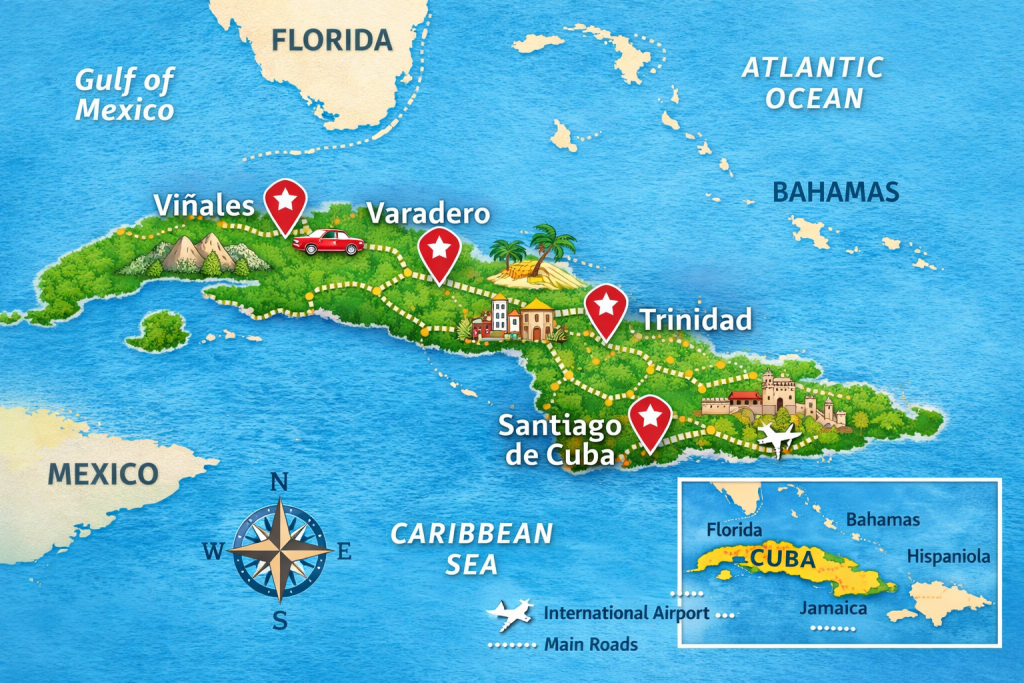
Cuba is located in the Caribbean Sea between the Gulf of Mexico and the Atlantic Ocean.
It lies south of Florida, west of the Bahamas, and east of Mexico.
Cuba is the largest island in the Caribbean and forms part of the Greater Antilles island group along with Jamaica, Hispaniola (Dominican Republic and Haiti), and Puerto Rico.
Its location makes it easily accessible from North America, Europe, and Latin America.
Cuba Map
A map helps travelers understand where major destinations such as Havana, Varadero, Trinidad, Santiago de Cuba, and Viñales are located.
This makes travel planning easier when visiting multiple regions of the island.
How to Get to Cuba
Cuba can be reached through several international airports.
Major airports include:
• José Martí International Airport (Havana)
• Juan Gualberto Gómez Airport (Varadero)
• Antonio Maceo Airport (Santiago de Cuba)
Most international travelers arrive via connecting flights through cities such as:
• Miami
• Madrid
• Mexico City
• Panama City
• Toronto
Flight times:
From Florida — about 1 hour
From New York — about 3 hours
From Europe — about 9–10 hours
Why Visit Cuba?
Cuba is unlike most Caribbean destinations because it combines beaches, culture, history, music, and architecture.
What makes Cuba special:
• colorful colonial cities
• classic American cars from the 1950s
• world-famous Cuban music and dance
• beautiful Caribbean beaches
• rich history and culture
• unique socialist history
• mountains and tobacco farms
• authentic local experiences
Many travelers visit Cuba not just for beaches but for its atmosphere and culture.Travelers comparing Caribbean islands often also look at the Bahamas, Aruba, and the Dominican Republic for very different beach and resort experiences.
What Cuba Is Famous For
Cuba is famous for its unique culture, history, and atmosphere that feels frozen in time. Few places in the world offer the same mix of colorful colonial cities, vintage American cars, Caribbean beaches, and vibrant music culture.
Some of the most iconic things Cuba is known for include:
• classic American cars from the 1950s
• colorful colonial architecture
• Cuban cigars and tobacco farms
• salsa music and dance culture
• Caribbean beaches and tropical islands
• rum and famous cocktails such as Mojitos and Daiquiris
• revolutionary history and political heritage
• vibrant street life and music
Because of its complex history and cultural identity, Cuba offers a travel experience very different from other Caribbean islands.
Most Famous Places in Cuba
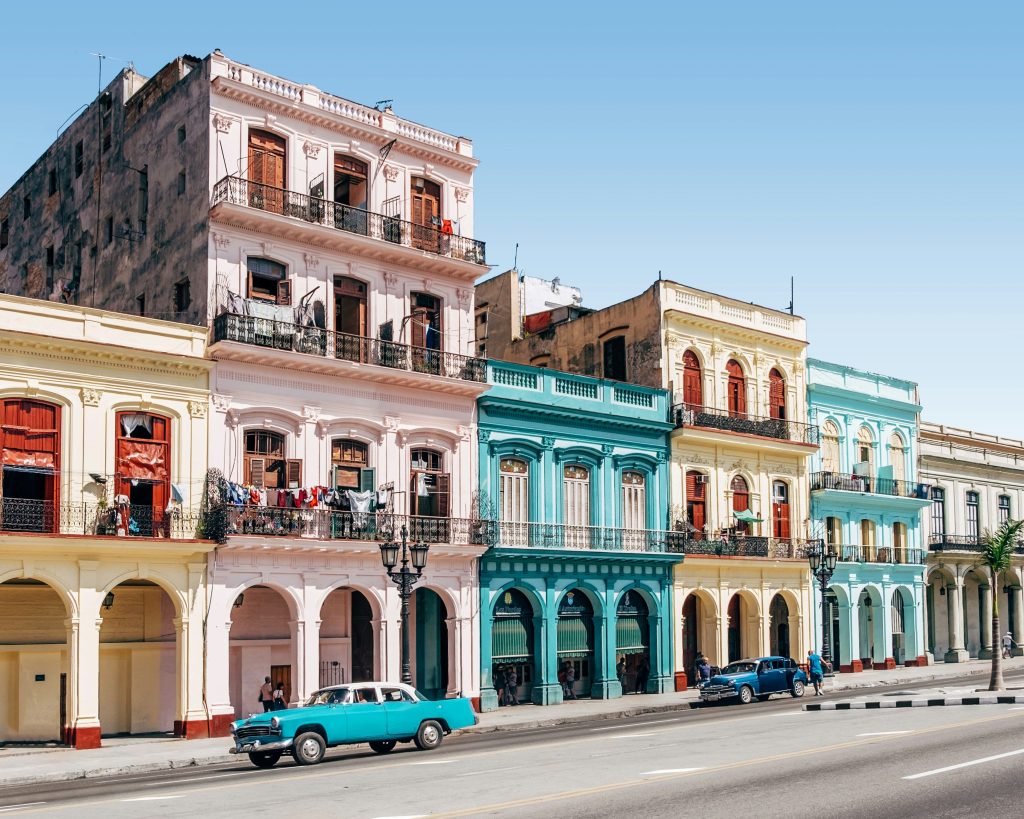
Havana
Havana is Cuba’s capital and the cultural heart of the country.
Highlights include:
• colorful colonial buildings
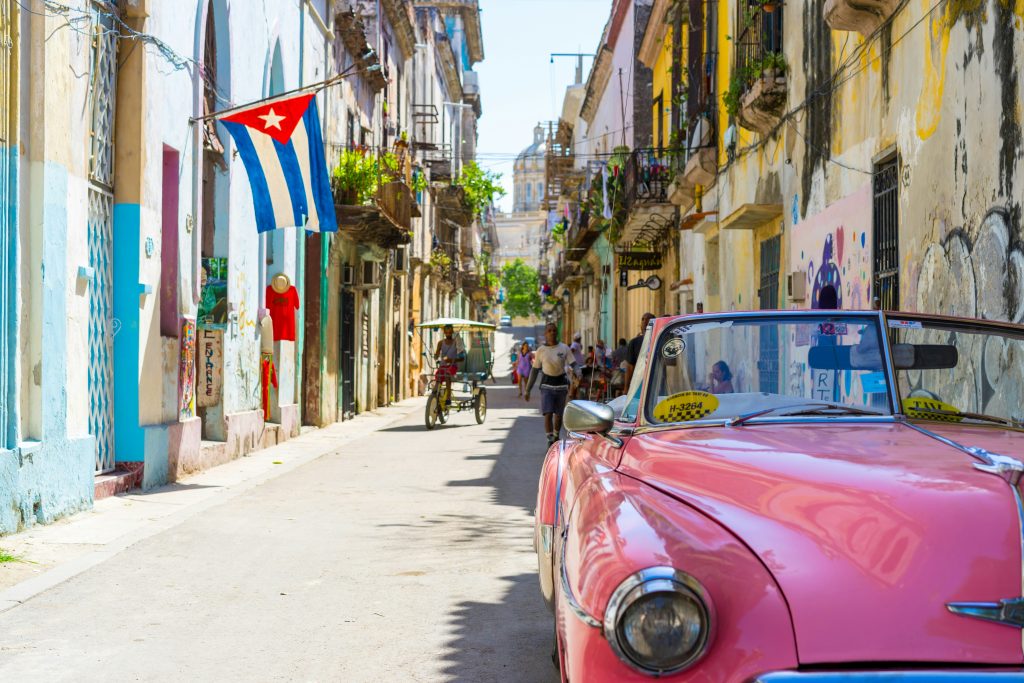
• classic American cars
• Malecón seaside promenade
• historic plazas and architecture
• vibrant nightlife and music
Havana is one of the most visually unique cities in the world.
Varadero
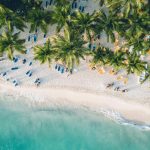
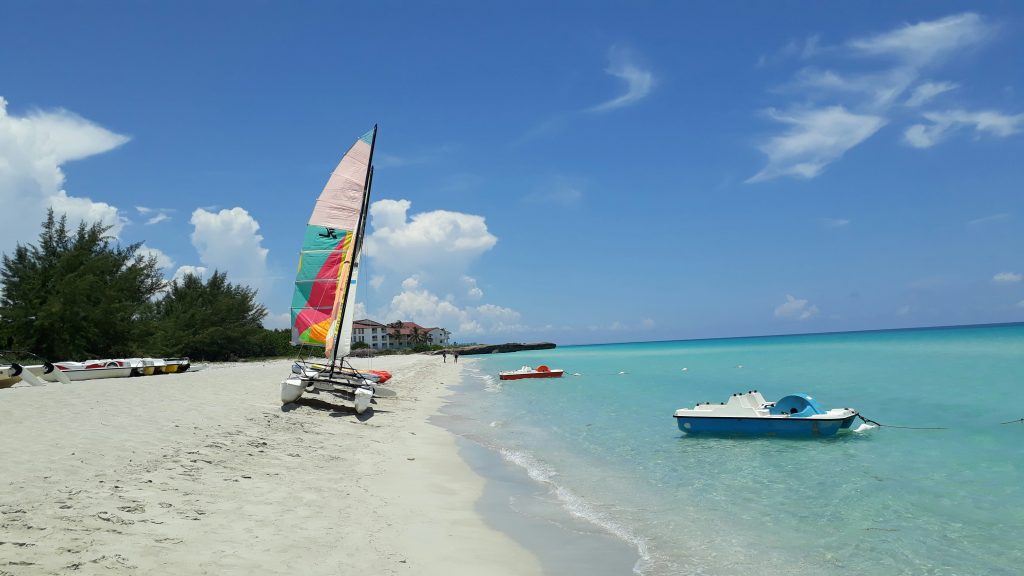
Varadero is Cuba’s most famous beach destination.
Highlights include:
• long white sand beaches
• turquoise Caribbean water
• all-inclusive resorts
• snorkeling and diving
Varadero is perfect for travelers looking for classic Caribbean beach vacations.
Trinidad
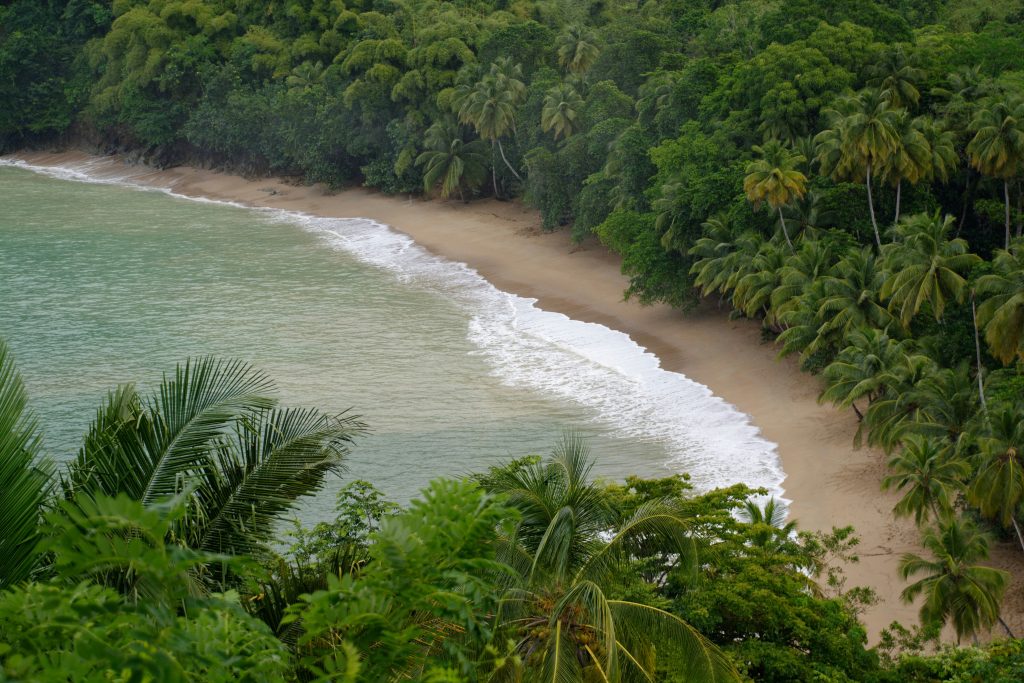
Trinidad is one of the best preserved colonial towns in the Caribbean.
Highlights include:
• colorful colonial streets
• historic architecture
• Plaza Mayor
• nearby beaches and waterfalls
Trinidad is a UNESCO World Heritage Site.
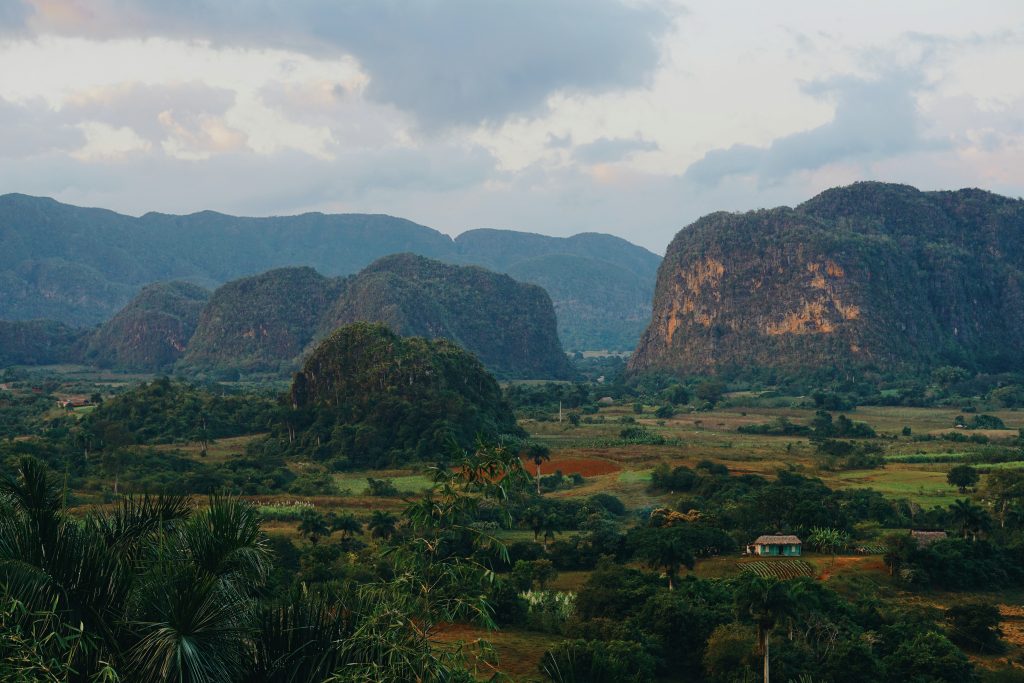
Viñales Valley
Viñales is one of the most scenic regions in Cuba.
Highlights include:
• tobacco farms
• limestone mountains
• traditional countryside life
• hiking and nature tours
It is one of the best places to experience rural Cuban culture.
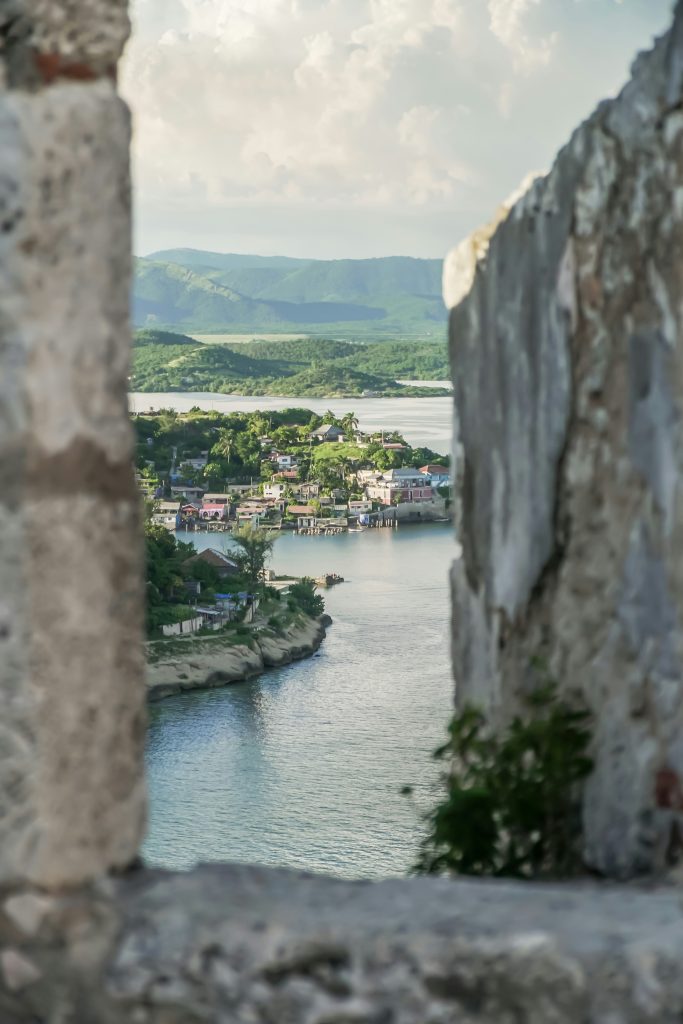
Santiago de Cuba
Santiago is known for its strong music culture and Afro-Caribbean heritage.
Highlights include:
• historic fortresses
• lively music scene
• Carnival celebrations
• cultural festivals
It is considered the birthplace of Cuban music.
Where to Stay in Cuba
Choosing where to stay in Cuba depends on what type of trip you want. Some areas are better for beaches, while others are perfect for culture and history.
Best Places to Stay for First-Time Visitors
Havana is usually the best starting point for first-time travelers because it offers the most cultural experiences, historic sites, and nightlife.
Popular areas include:
• Old Havana (Habana Vieja)
• Vedado
• Centro Habana
Old Havana is especially popular because of its colonial streets and historic landmarks.
Best Places to Stay for Beaches
Travelers looking for classic Caribbean beaches often choose:
• Varadero
• Cayo Coco
• Cayo Santa María
These areas offer beautiful beaches, calm water, and resort-style accommodations.
Best Places to Stay for Nature
Travelers interested in landscapes and rural experiences often stay in:
• Viñales Valley
• Baracoa
• Trinidad
These areas offer mountains, waterfalls, forests, and traditional countryside life.
Casa Particulars (Cuba’s Unique Accommodation)
One of the most interesting ways to stay in Cuba is in a Casa Particular.
These are private homes that rent rooms to travelers.
Staying in a Casa Particular allows visitors to experience local life and Cuban hospitality.
Benefits include:
• authentic cultural experience
• lower prices than hotels
• homemade Cuban meals
• interaction with local families
Many travelers say this is one of the best parts of visiting Cuba.
Best Beaches in Cuba
Cuba has some of the most beautiful beaches in the Caribbean.
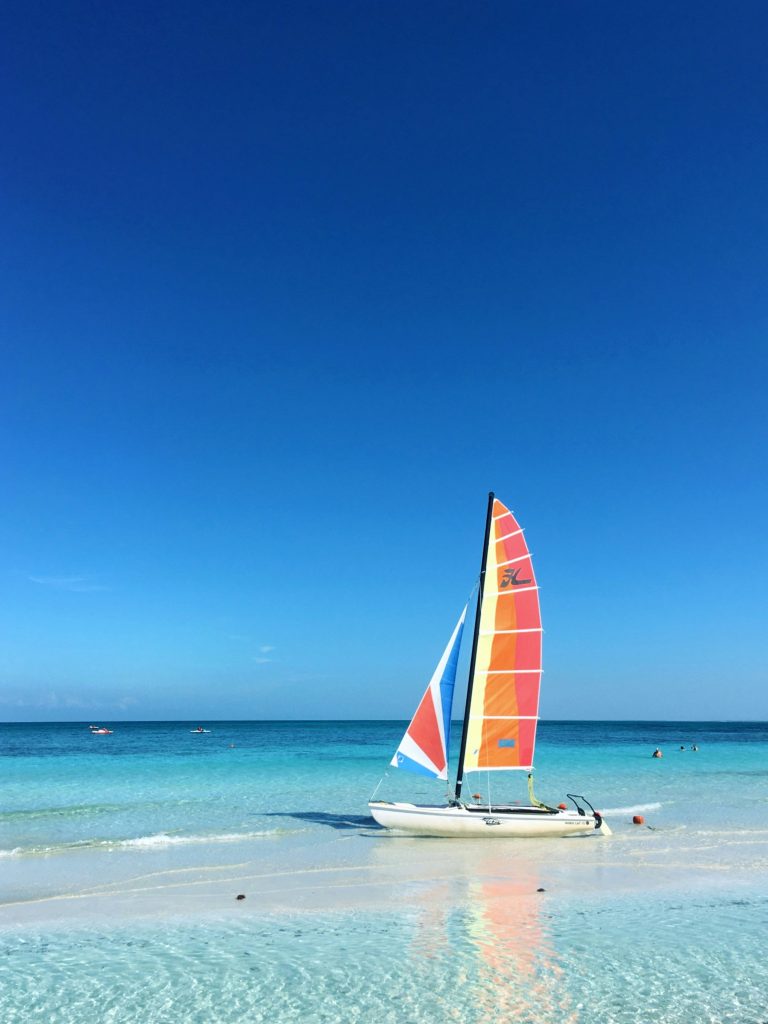
Varadero Beach
Varadero Beach stretches for more than 20 km and is known for powdery white sand and calm turquoise water.
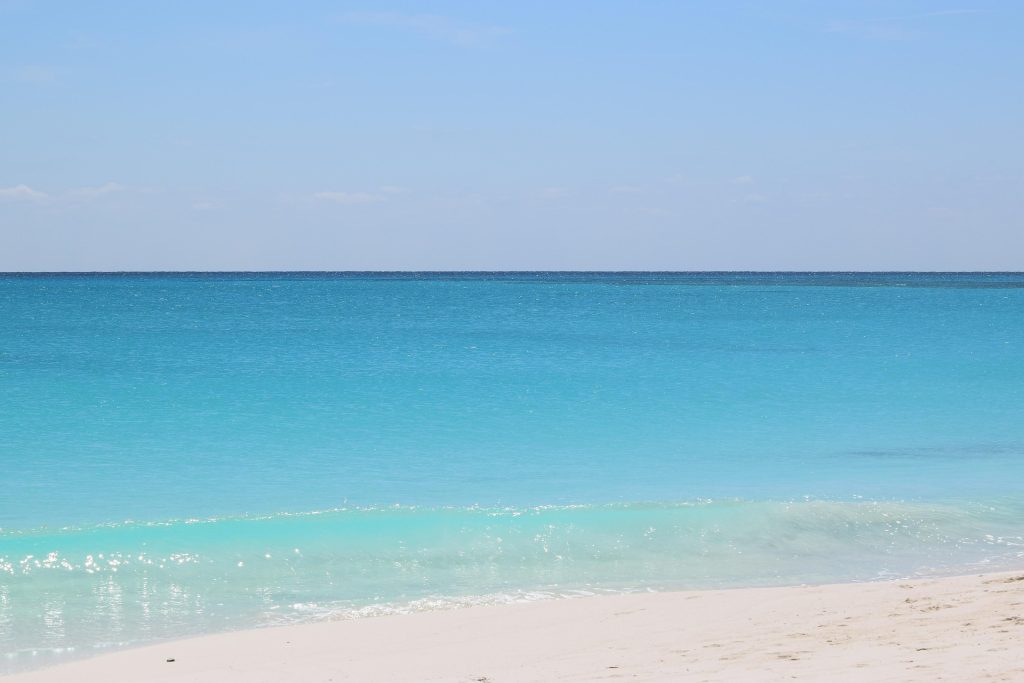
Cayo Coco
Travelers visit Cayo Coco for its pristine beaches, coral reefs, and beautiful turquoise water.
Cayo Santa María
This island destination is famous for luxury resorts and pristine beaches.
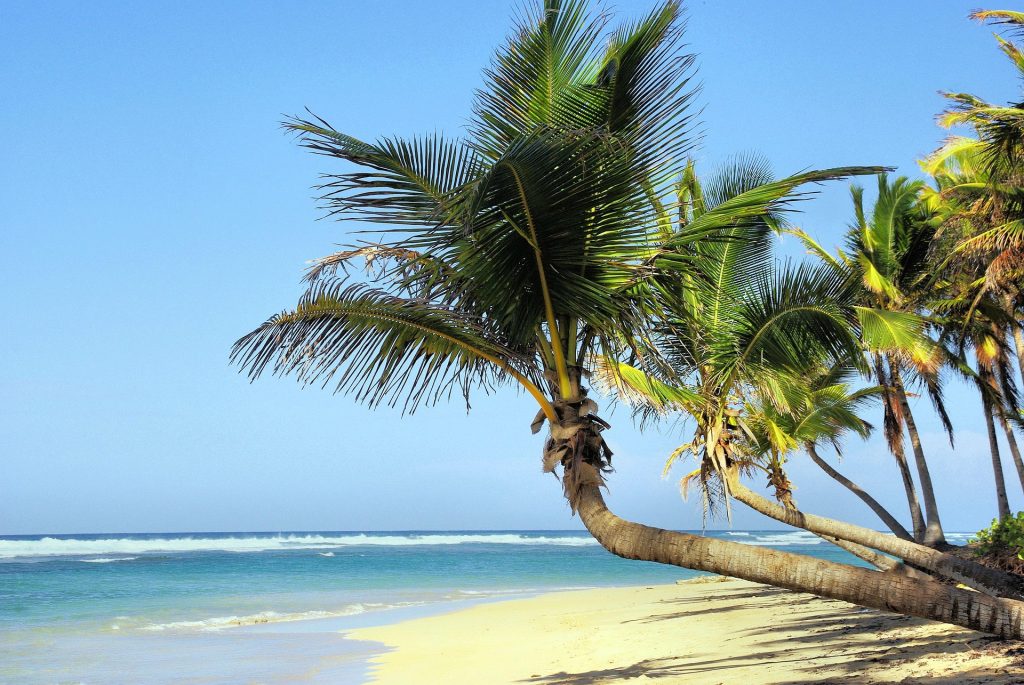
Playa Ancón
Located near Trinidad, Playa Ancón offers crystal clear water and beautiful coastal scenery.
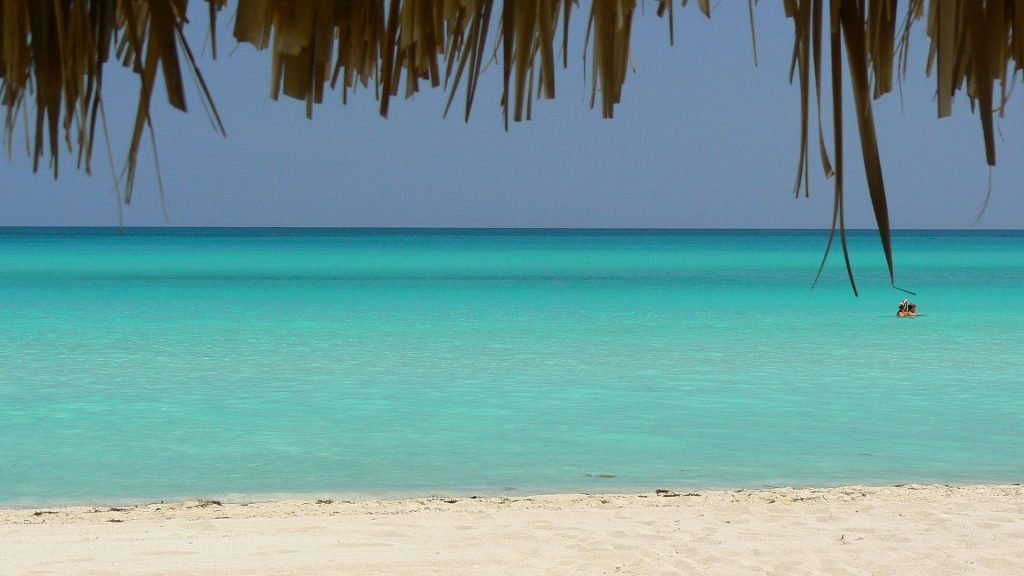
Cuban Islands (Cayos)
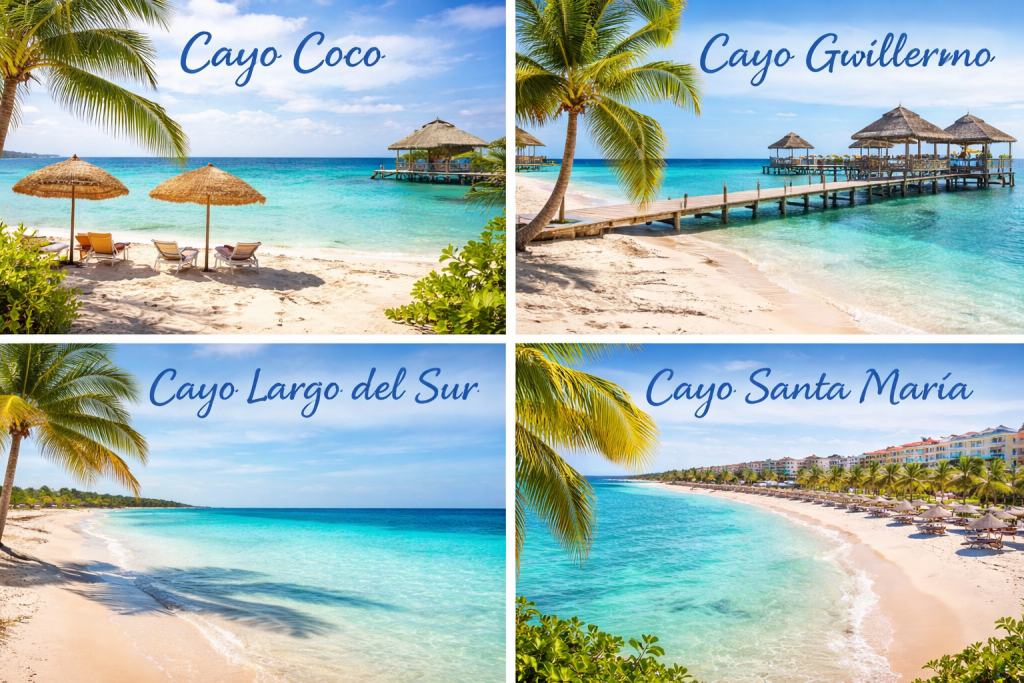
Cuba is surrounded by hundreds of smaller tropical islands called cayos.
Some of the most beautiful include:
• Cayo Coco
• Cayo Guillermo
• Cayo Largo del Sur
• Cayo Santa María
These islands offer some of the clearest water and most pristine beaches in the Caribbean.
Beach lovers may also want to compare Cuba with the Bahamas for turquoise island scenery or Aruba for resort-friendly Caribbean beaches.
Cuban Culture
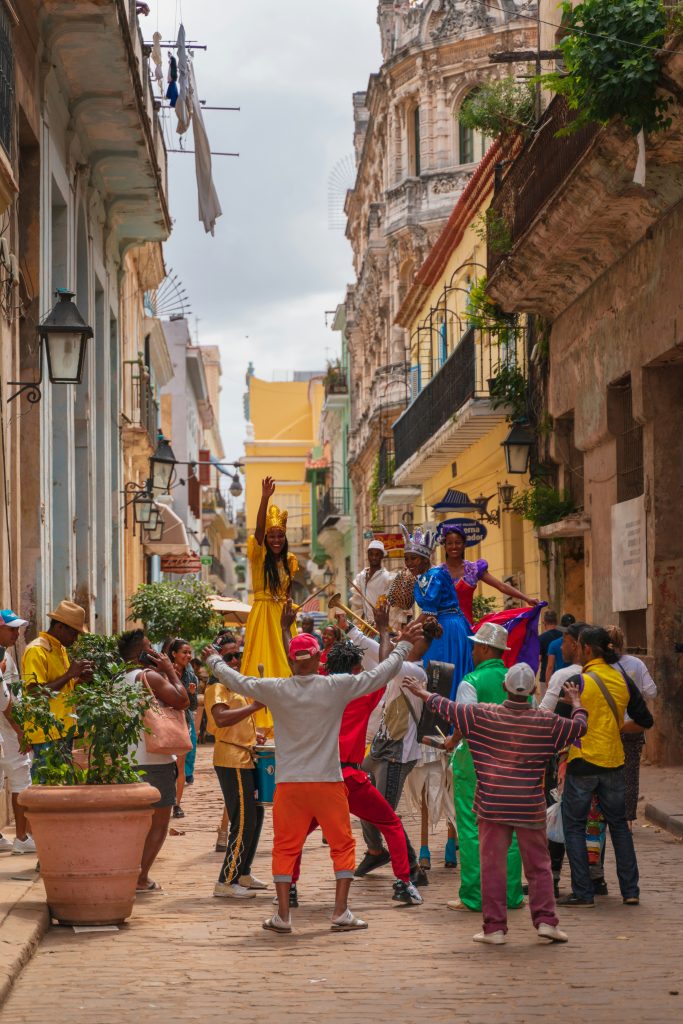
Cuban culture is vibrant, energetic, and deeply connected to music, dance, and social life.
Music plays a central role in everyday life.
Popular Cuban music styles include:
• salsa
• son cubano
• rumba
• mambo
Travelers often experience live music in restaurants, bars, and city streets.
Dance and social gatherings are also very important parts of Cuban culture.
Cuban Food You Must Try
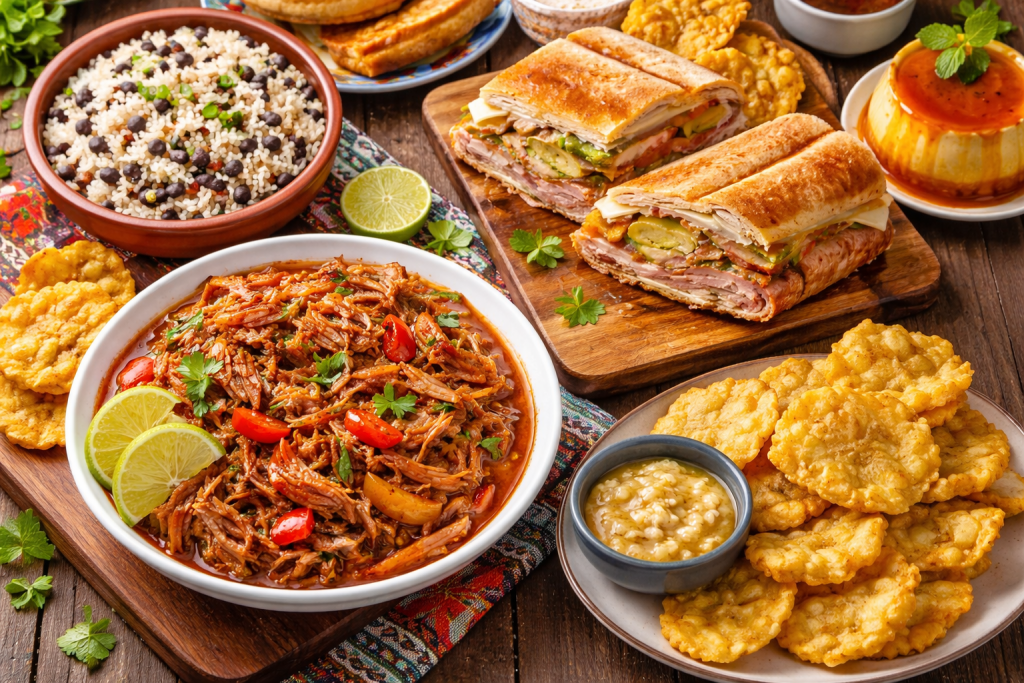
Cuban cuisine is flavorful and influenced by Spanish, African, and Caribbean traditions.
Popular dishes include:
Ropa Vieja
Shredded beef cooked in tomato sauce with peppers and spices.
Moros y Cristianos
A traditional dish of rice and black beans.
Cuban Sandwich
A famous sandwich made with roast pork, ham, cheese, pickles, and mustard.
Tostones
Twice-fried green plantains served as a side dish.
Flan
A popular caramel dessert widely served across Cuba.
Wildlife and Nature
Cuba has diverse ecosystems including beaches, coral reefs, mountains, and forests.
Animals you may see include:
• flamingos
• sea turtles
• tropical fish
• dolphins
• iguanas
Cuba also has several national parks and marine reserves.
National Parks in Cuba
Cuba has several national parks and protected natural areas.
Viñales National Park
Known for limestone mountains called mogotes and tobacco farms.
It is a UNESCO World Heritage Site.
Alejandro de Humboldt National Park
This remote park in eastern Cuba is considered one of the most biodiverse places in the Caribbean.
It contains rare plants, wildlife, and tropical forests.
Topes de Collantes Natural Park
Located near Trinidad, this mountain park offers waterfalls, hiking trails, and jungle scenery.
The famous El Nicho Waterfall is located here.
Best Activities in Cuba
Popular experiences include:
• exploring Havana’s historic streets
• riding in classic American cars
• relaxing on Varadero beaches
• visiting tobacco farms in Viñales
• snorkeling and diving
• dancing salsa in local clubs
• exploring colonial towns
Cuba offers both cultural experiences and nature adventures.
Best Excursions in Cuba
Cuba offers many excursions that combine culture, nature, and beaches.
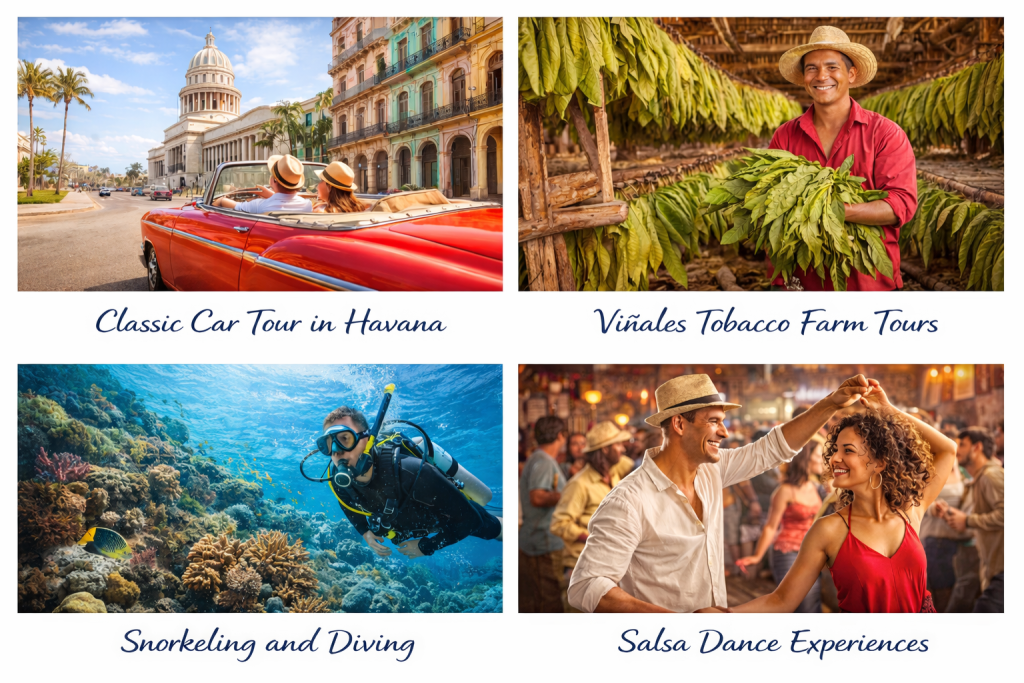
Classic Car Tour in Havana
One of the most famous experiences in Cuba is riding through Havana in a vintage American car.
These colorful classic cars date back to the 1950s and have become symbols of the country.
Viñales Tobacco Farm Tours
Visitors can tour tobacco farms in Viñales Valley and learn how famous Cuban cigars are produced.
Many tours include:
• tobacco farm visits
• cigar rolling demonstrations
• horseback riding through the valley
Snorkeling and Diving
Cuba has beautiful coral reefs and marine life.
Popular diving locations include:
• Jardines de la Reina
• Maria la Gorda
• Cayo Coco
The clear Caribbean water makes Cuba a great destination for underwater exploration.
Salsa Dance Experiences
Dance culture is a huge part of Cuban life.
Travelers can take salsa classes or join dance nights in Havana clubs.
Popular places include:
• Casa de la Música
• La Zorra y el Cuervo
Travelers who enjoy island experiences may also like the Bahamas for boat trips and Aruba for snorkeling and resort-based beach excursions.
Best Day Trips in Cuba
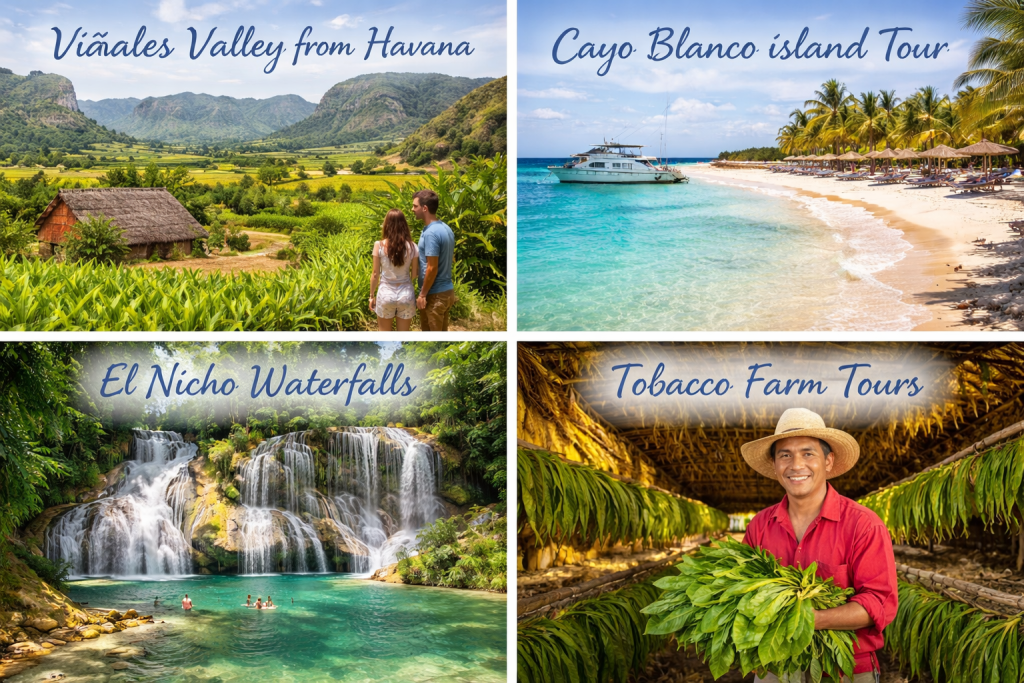
Popular day trips include:
• Viñales Valley from Havana
• Cayo Blanco island tour
• El Nicho Waterfalls
• Tobacco farm tours
Weather in Cuba
Cuba has a tropical climate with warm temperatures throughout the year.
Average temperatures:
• Winter: 22–26°C (72–79°F)
• Summer: 27–32°C (80–90°F)
Seasonal overview:
Dry season: November – April
Rainy season: May – October
The dry season is usually considered the best time for visiting beaches and cities.
Best Time to Visit Cuba
Cuba has a tropical climate.
Best time to visit
December – April
This period offers sunny weather and comfortable temperatures.
Rainy season
May – October
Rain showers are more common during this time.
Hurricane season
June – November
Travelers should monitor weather forecasts during this period.
Transportation in Cuba
Transportation options include:
• taxis
• classic car taxis
• buses between cities
• domestic flights
• rental cars
Traveling between cities often takes longer due to road conditions.
How Many Days to Spend in Cuba
Most travelers spend between 7 and 10 days in Cuba.
Typical travel plan:
5–7 days
Havana + Viñales or Varadero
10 days
Havana + Viñales + Trinidad + beaches
14 days
Explore western and eastern Cuba.
Money in Cuba
The main currency used in Cuba is the Cuban Peso (CUP).
Travelers should know that:
• cash is often required
• credit cards may not work everywhere
• exchanging money at official exchange offices is recommended
Bringing enough cash for daily expenses is important.
Travel Costs in Cuba
Costs vary depending on travel style.
Budget travelers
$40 – $70 per day
Mid-range travelers
$80 – $150 per day
Luxury travelers
$200+ per day
Cuba can be relatively affordable compared with other Caribbean destinations.
Tipping in Cuba
Tipping is appreciated in Cuba and common in tourist areas.
Typical tips:
Restaurants: 10%
Tour guides: $5–10
Hotel staff: $1–2
Taxi drivers: rounding up the fare
Internet in Cuba
Internet access in Cuba has improved in recent years but may still be limited compared with other countries.
Travelers can access internet through:
• hotel Wi-Fi
• public Wi-Fi parks
• mobile data with local SIM cards
Internet speeds can vary depending on location.
Is Cuba Good for Digital Nomads?
Internet access exists but can be slower than in many other countries.
Cities like Havana and Varadero offer the best connectivity, but travelers who need fast internet for remote work should plan accordingly.
Electricity in Cuba
Cuba mainly uses Type A and Type B power plugs, similar to the United States.
Voltage: 110V / 220V
Frequency: 60Hz
Travelers from Europe may need a power adapter.
Drinking Water in Cuba
Tap water in Cuba is not recommended for drinking.
Visitors should drink bottled or filtered water, which is widely available in hotels, restaurants, and shops.
Health Advice for Travelers
Travelers should take basic health precautions:
• use mosquito repellent
• wear sunscreen
• drink bottled water
• bring basic medications
No special vaccines are usually required for most travelers.
Safety Tips for Travelers
Cuba is generally considered safe for tourists.
Travel tips:
• avoid poorly lit areas at night
• keep valuables secure
• use official taxis
• follow local advice
Violent crime against tourists is rare.
Common Tourist Scams in Cuba
Most trips to Cuba are safe, but travelers should watch for:
• unofficial taxi drivers
• overpriced souvenirs
• fake cigar sellers
Buying from official shops and licensed guides is recommended.
Common Travel Mistakes in Cuba
Some travelers make simple mistakes when visiting Cuba.
Common mistakes include:
• not bringing enough cash
• underestimating travel time between cities
• expecting strong internet everywhere
• staying only in Havana
• not booking Casas Particulares in advance
Exploring multiple regions gives a much richer experience.
What to Pack for Cuba
Important items include:
• sunscreen
• light summer clothing
• comfortable walking shoes
• mosquito repellent
• sunglasses and hat
• travel adapter
The tropical climate means sun protection is essential.
Best Souvenirs from Cuba
Popular souvenirs include:
• Cuban cigars
• Cuban rum
• handmade crafts
• local artwork
• Cuban coffee
Many travelers also buy music records and vintage posters.
Nightlife in Cuba
Cuba has one of the most vibrant nightlife scenes in the Caribbean.
Music, dancing, and social gatherings are important parts of Cuban culture.
Popular nightlife experiences include:
• salsa clubs in Havana
• live music bars
• rooftop bars overlooking the city
• beach clubs in Varadero
Many venues feature live bands playing salsa, jazz, or traditional Cuban music.
Cuba Instagram Photo Spots
Some of the most photogenic places include:
• colorful streets of Havana
• classic cars in Old Havana
• Varadero beaches
• Trinidad colonial streets
• Viñales Valley landscapes
These locations are among the most photographed places in Cuba.
Cuba vs Other Caribbean Destinations
Bahamas vs Cuba
The Bahamas is famous for luxury beaches and clear turquoise water, while Cuba offers more culture, history, and architecture.Read our Bahamas Travel Guide for more island-hopping and beach inspiration.
Dominican Republic vs Cuba
The Dominican Republic focuses more on resorts and beach tourism, while Cuba offers deeper cultural experiences.Explore our Dominican Republic Travel Guide for beaches, resorts, and tropical excursions.
Is Cuba Safe to Visit?
Yes, Cuba is generally considered one of the safer destinations in the Caribbean for tourists, especially in the main travel areas.
Travelers should still use normal precautions, keep valuables secure, and use official transport when possible.
How Expensive Is Cuba?
Cuba can be moderate or affordable depending on your travel style.
Budget travelers can spend relatively little, while private transfers, premium accommodations, and organized tours can increase costs quickly.
Do You Need a Visa for Cuba?
Most travelers need a Cuban Tourist Card before arrival.
Entry requirements can vary depending on nationality, so checking the latest official rules before travel is important.
Is Cuba Good for Families?
Yes, Cuba can be a good destination for families, especially for those interested in culture, beaches, and relaxed sightseeing.
Beach areas such as Varadero are often the easiest option for family trips.
Is Cuba Good for Honeymoon Trips?
Cuba can be a very romantic destination for couples who want a mix of beaches, culture, music, and atmosphere.
Places such as Havana, Trinidad, and the cayos can work especially well for honeymoon-style travel.
Example Cuba Itinerary
5-Day Cuba Itinerary
Day 1 — Arrival in Havana
Day 2 — Explore Old Havana
Day 3 — Visit Viñales Valley
Day 4 — Travel to Varadero
Day 5 — Beach relaxation
Cuba Travel FAQ
Is Cuba safe for tourists?
Yes, Cuba is generally considered safe for visitors.
Do you need a visa to visit Cuba?
Most travelers need a Cuban Tourist Card before arrival.
What is the best time to visit Cuba?
December to April offers the best weather.
More Caribbean Travel Guides
Explore more destinations in the region:
Final Thoughts
Cuba is one of the most fascinating travel destinations in the Caribbean. With its colorful cities, vintage cars, tropical beaches, and vibrant music culture, the island offers an experience unlike anywhere else in the world.
Whether exploring the historic streets of Havana, relaxing on the beaches of Varadero, hiking in Viñales Valley, or dancing to salsa music late into the night, Cuba delivers unforgettable travel memories.
If you want to explore more destinations in the region, read our Caribbean Travel Guide, Bahamas Travel Guide, Dominican Republic Travel Guide, and Aruba Travel Guide.